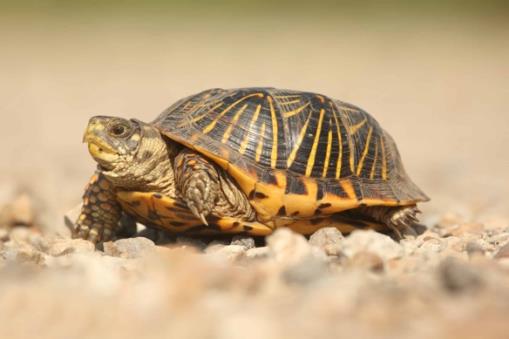
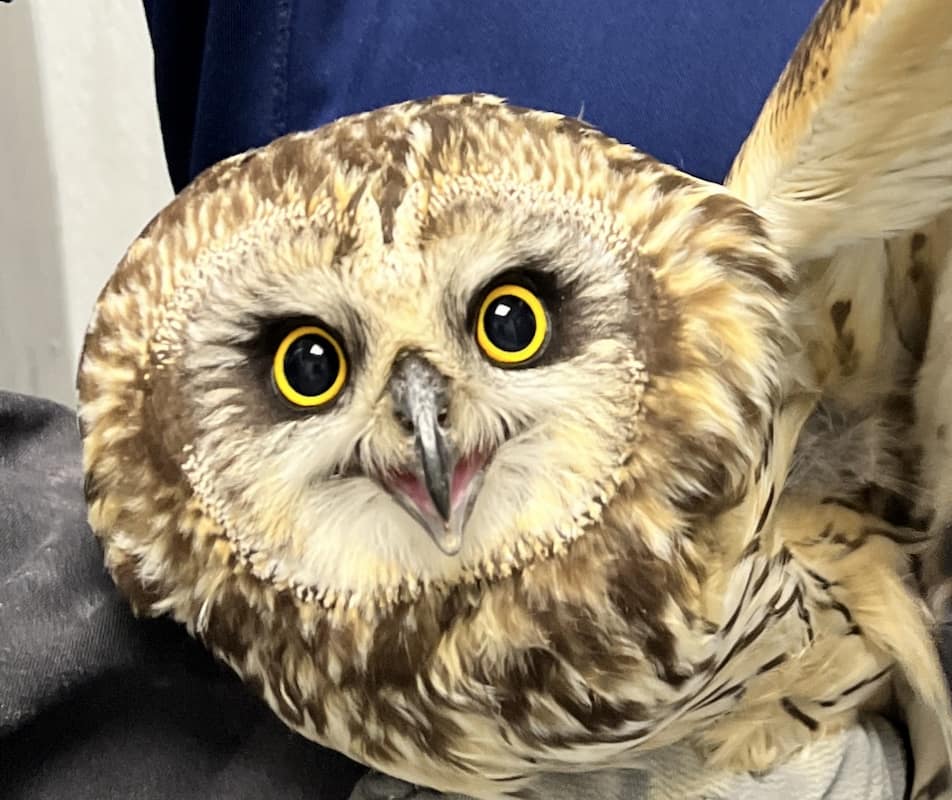
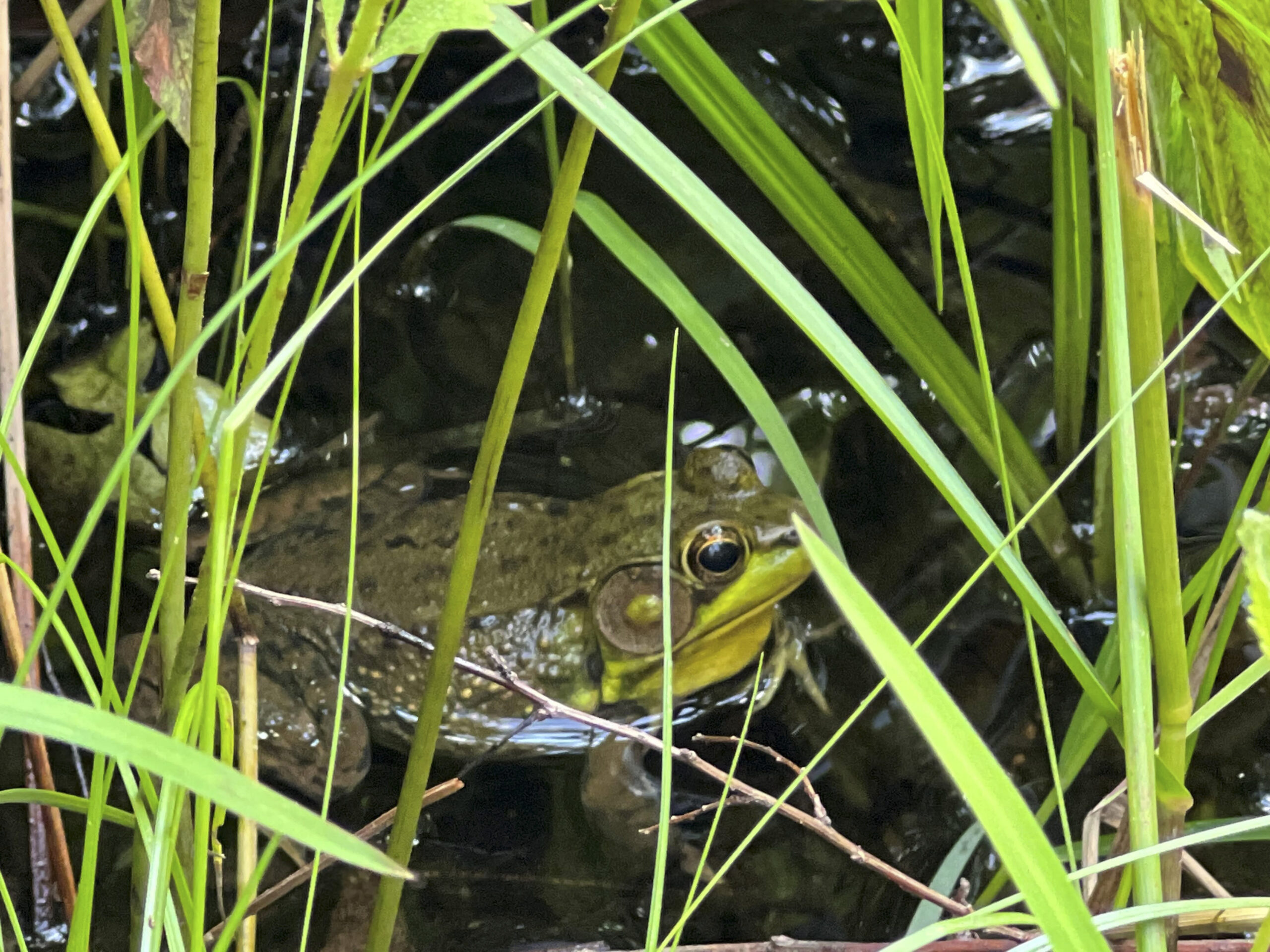
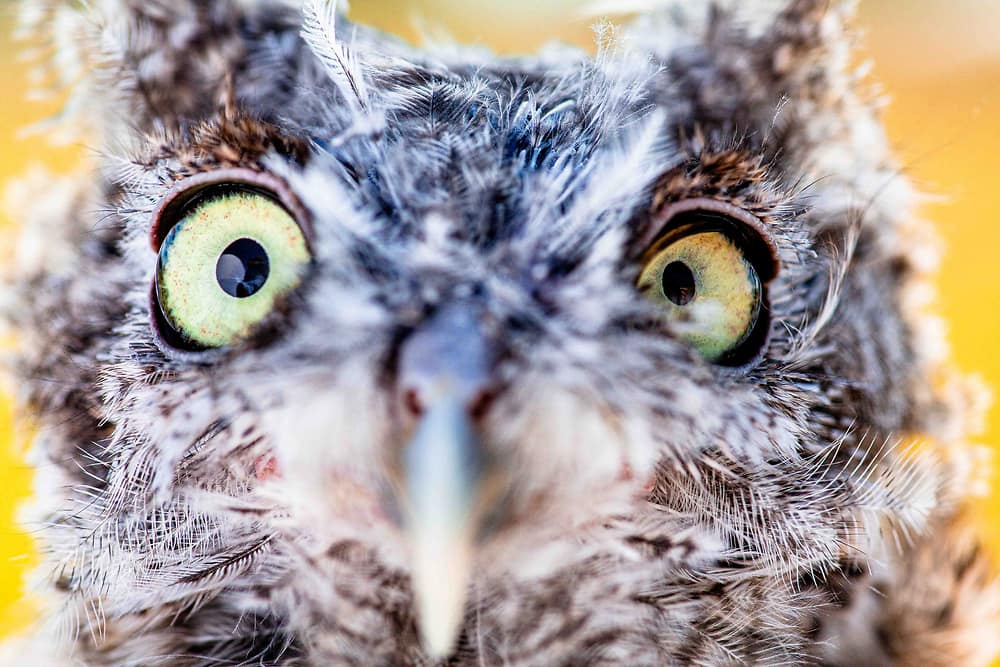
Since joining the Wildlife Medical Clinic at the University of Illinois I have learned a lot about common species found in Illinois, anatomical differences in these species, and medical efforts to help them heal. It… Read More >
Whether you’re an avid bird-watcher or a person who avoids parking under trees so that you don’t have to wash the droppings off your car for the nth time this week, you’re bound to have… Read More >
Chytridiomycosis is a fungal disease cause by Batrachochytrium dendrobatidis and Batrachochytriu salamadrivorans. This disease infects amphibians, affecting frogs the most. It has led to the decline and extinction of amphibian species across the globe. Scientists… Read More >
In the fall of 2025, the Wildlife Medical Clinic (WMC) ambassador program grew with the addition of a red-tailed hawk, a Virginia opossum, and an Eastern Screech Owl. While you may have seen short clips… Read More >
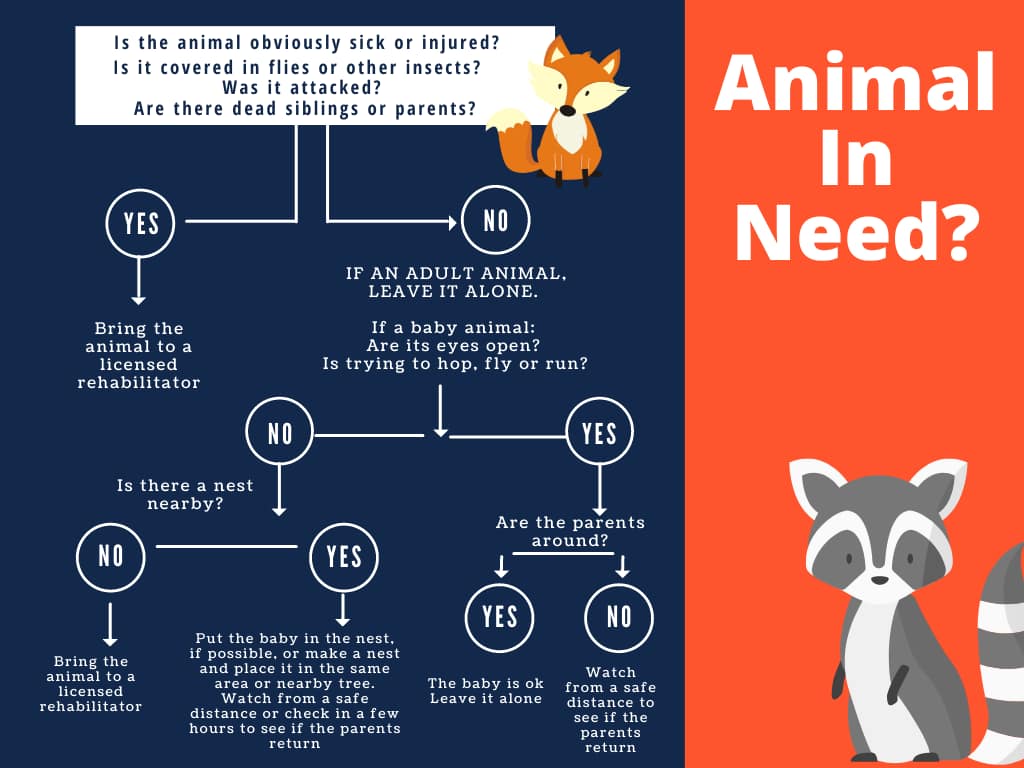
Check out this recent article in Outdoor Illinois Journal, written by our program coordinator, Sydney Oliveira. It provides basic information on what to look for to determine whether an animal needs help or not. It… Read More >
Invasive species are estimated to cost North America $26 billion dollars per year since 2010. From plants like common teasel and buckthorn to animals like the Burmese python and lionfish, the damage that has been… Read More >
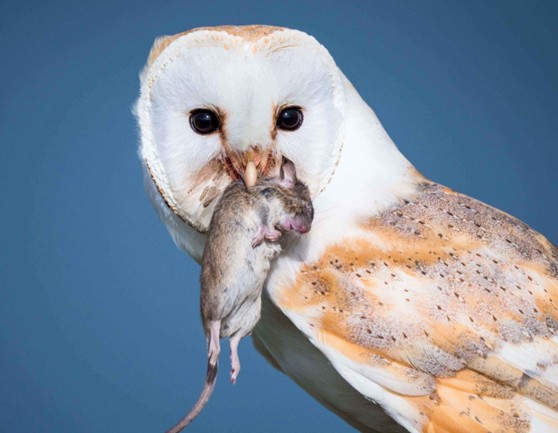
Secondary Rodenticide Poisoning in Raptors It is a quick fix many homeowners use when facing a rodent problem: setting out a few bait stations filled with tasty poison. What most don’t realize is that these… Read More >
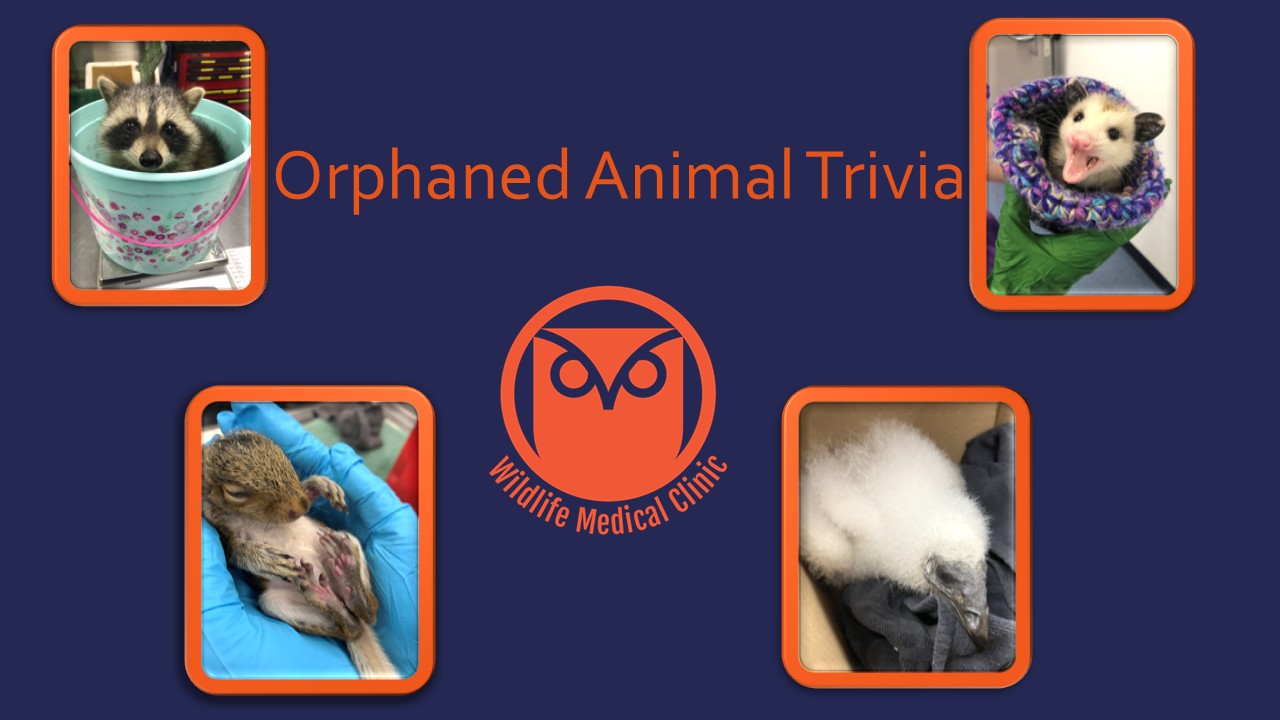
Follow WMC Program Coordinator, Sydney Oliveira, on CiLiving and see if you can answer a few trivia questions regarding common misconceptions about orphaned wildlife.
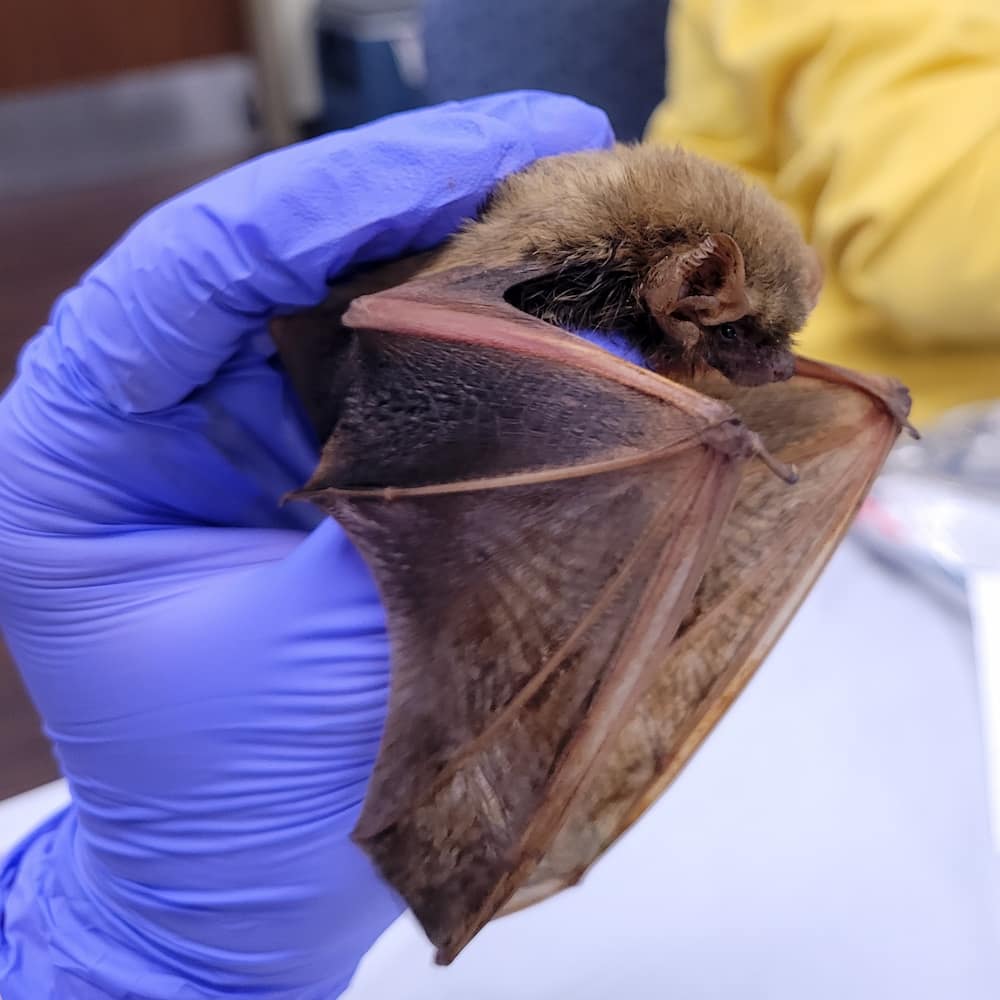
Bats of Illinois Illinois is home to a confirmed 13 different bat species who are all insectivores. Despite their feared reputation for carrying diseases such as rabies and feeding on blood, these bats are crucial… Read More >