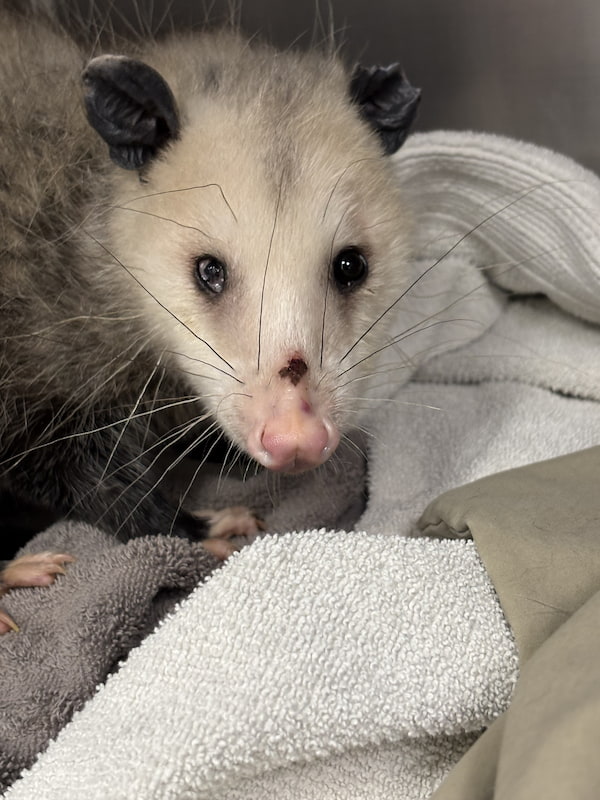
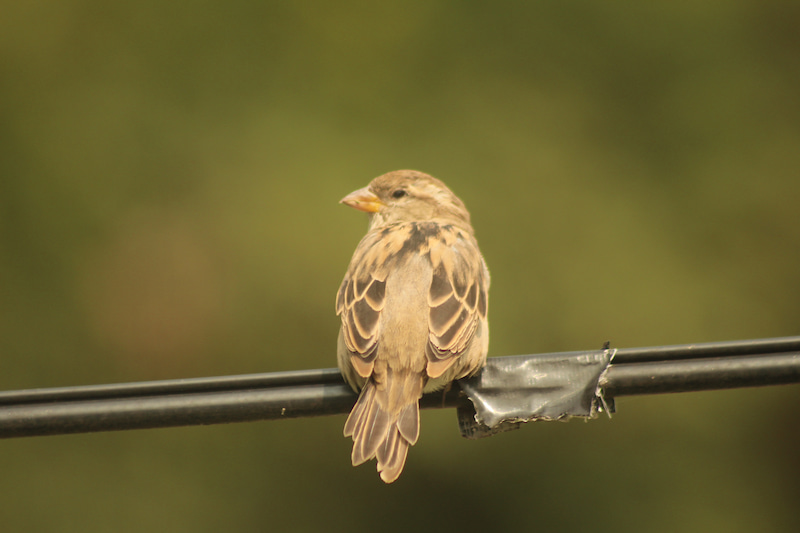
The Dangers of Cat Bites As cuddly, friendly, and cute as they can be, at the end of the day, cats are predators and pose a risk to our local wildlife species, especially birds and… Read More >
Climate Change Can you feel it? The temperatures rising, wanting so much to fall into the cozy autumn chill, butstaying stuck in the lazy days of summer, unexpectedly waxing and waning here and there,followed by… Read More >
It is often discussed how fireworks impact people and even their pets, but did you know that fireworks can also have negative impacts on our native wildlife populations. Every year wildlife hospitals and rehabilitation centers… Read More >
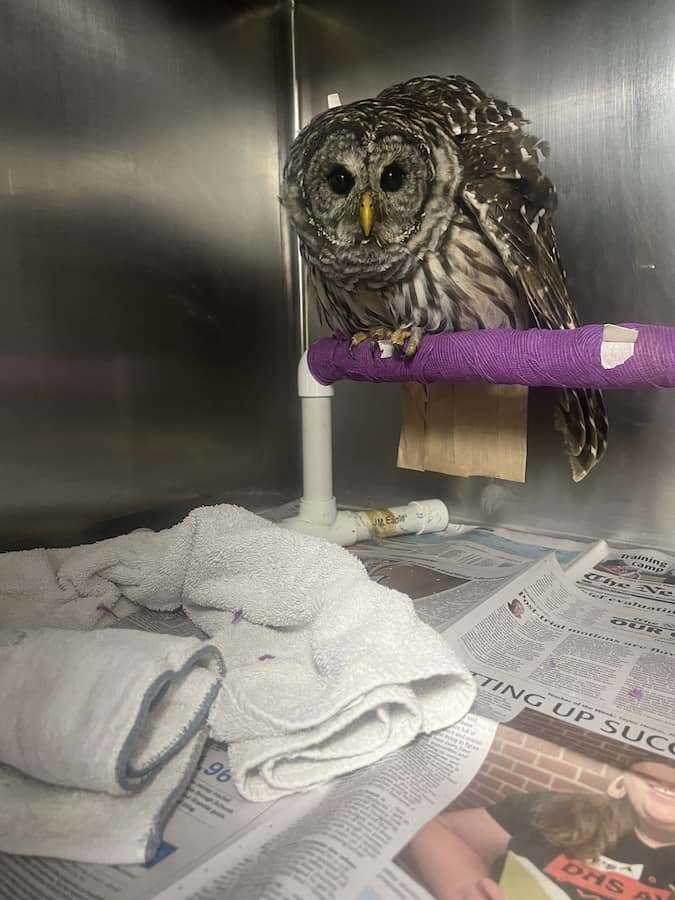
Barred Owl, Strix varia The barred owl, Strix varia, are found throughout North America, but most commonly in the East. They are commonly found in a variety of habitats such as upland woods, conifers, bottomland… Read More >
Sydney Oliveira, WMC Program Coordinator and Kayla Buck, Ambassador Summer Intern talk about turtles, specifically when to bring them into a licensed rehabilitator, and how to safely handle them when they need assistance.
From avid bird watchers to casual onlookers, bird feeders are a staple in many yards across Illinois and throughout the country. While these well-meaning people may simply be offering their wild, feathered friends an easy… Read More >
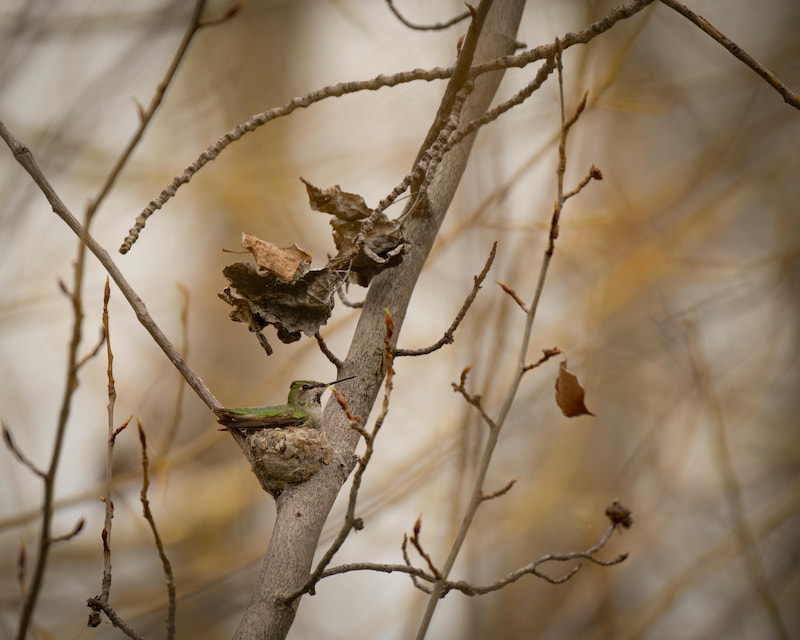
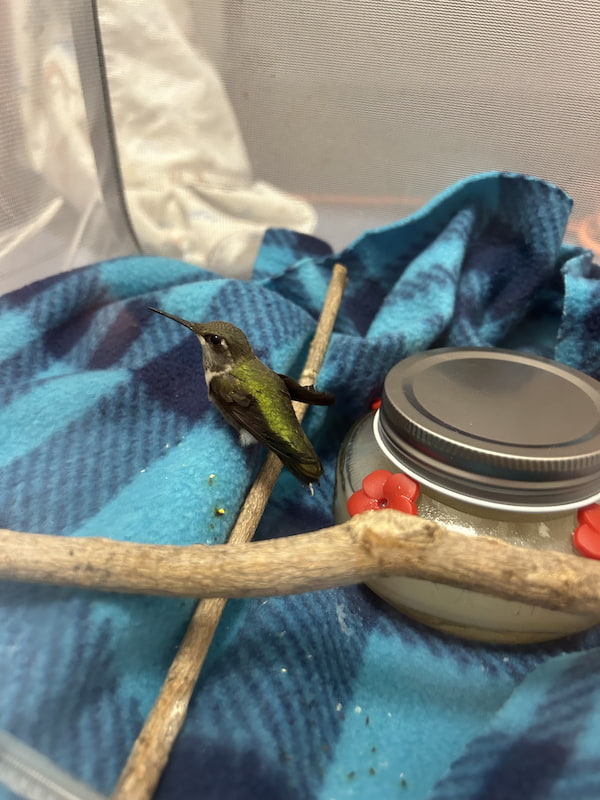
The Tiniest Thru-Hiker Ruby-throated hummingbirds can fly over 1,000 miles without stopping, an impressive feat for acreature that usually weighs in at just around 4 grams. These hummingbirds are a migratoryspecies, spending their summers spread… Read More >
At the Wildlife Medical Clinic, we receive many phone calls from caring members of the community asking if they should be feeding healthy and/or injured wildlife. We truly appreciate when citizens care enough about our… Read More >
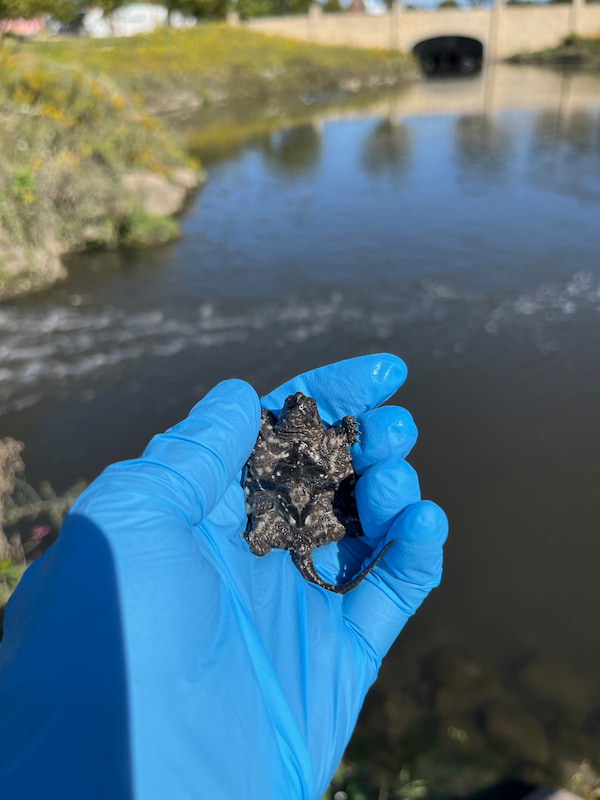
A Perilous Journey Every year thousands of turtles cross our roads for various reasons. As the weather warms up, many turtles search for new territories, breeding grounds, or food. Year after year in late spring,… Read More >