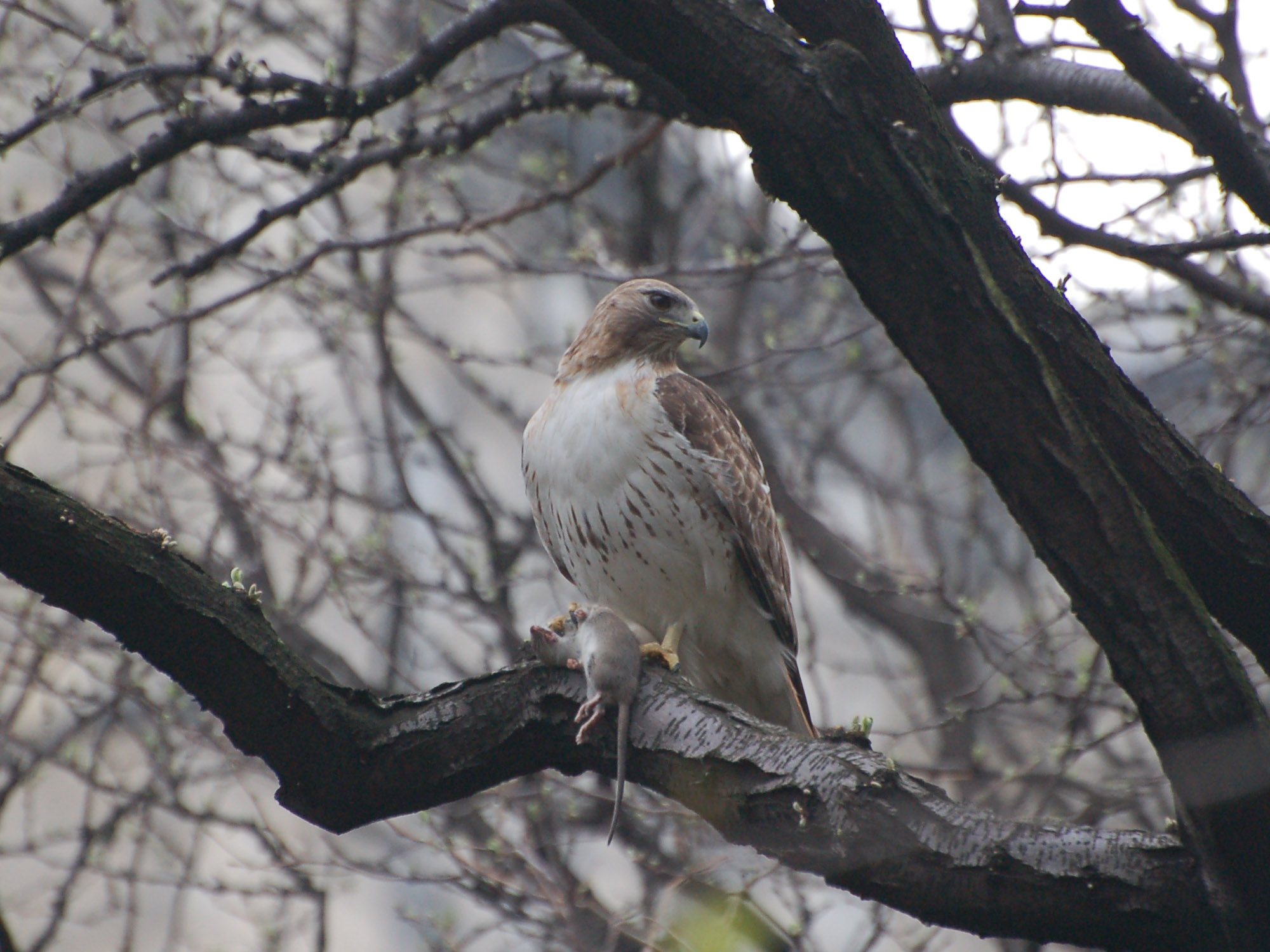
This time of year, rodents become a bothersome issue for many households making many people reach for rodenticides to control the issue. While these poisons are effective for rodent control, they pose a threat to… Read More >
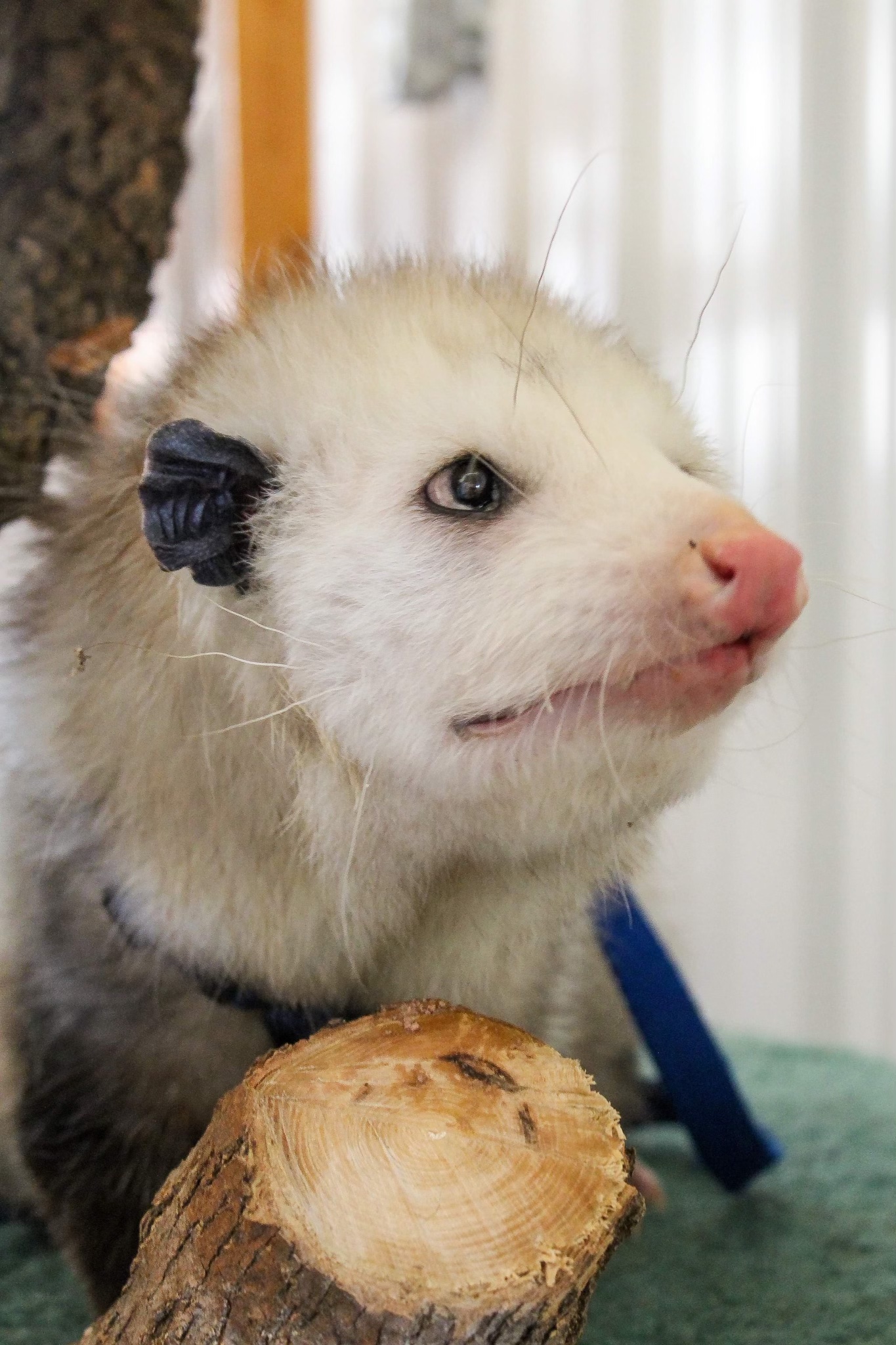
The Wildlife Medical Clinic is proud to officially present our newest Wildlife Ambassador—Patricia (Patty) the Virginia opossum! Like many of our ambassadors, Patty was first a patient at the WMC. She had been kept illegally… Read More >
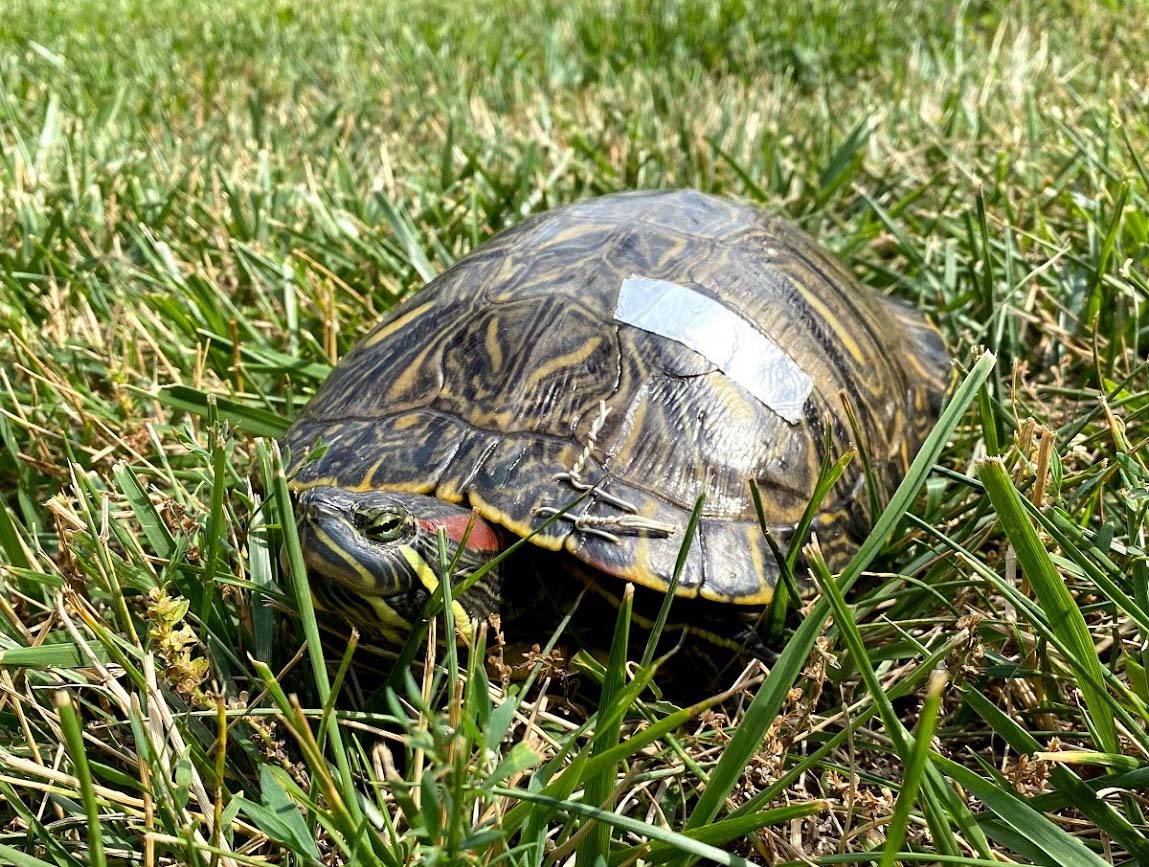
By: Fayth Kim This female, adult red-eared slider presented in May with fractures to her carapace, bridge, and plastron (all the areas of her shell). She was originally found on the side of the road… Read More >
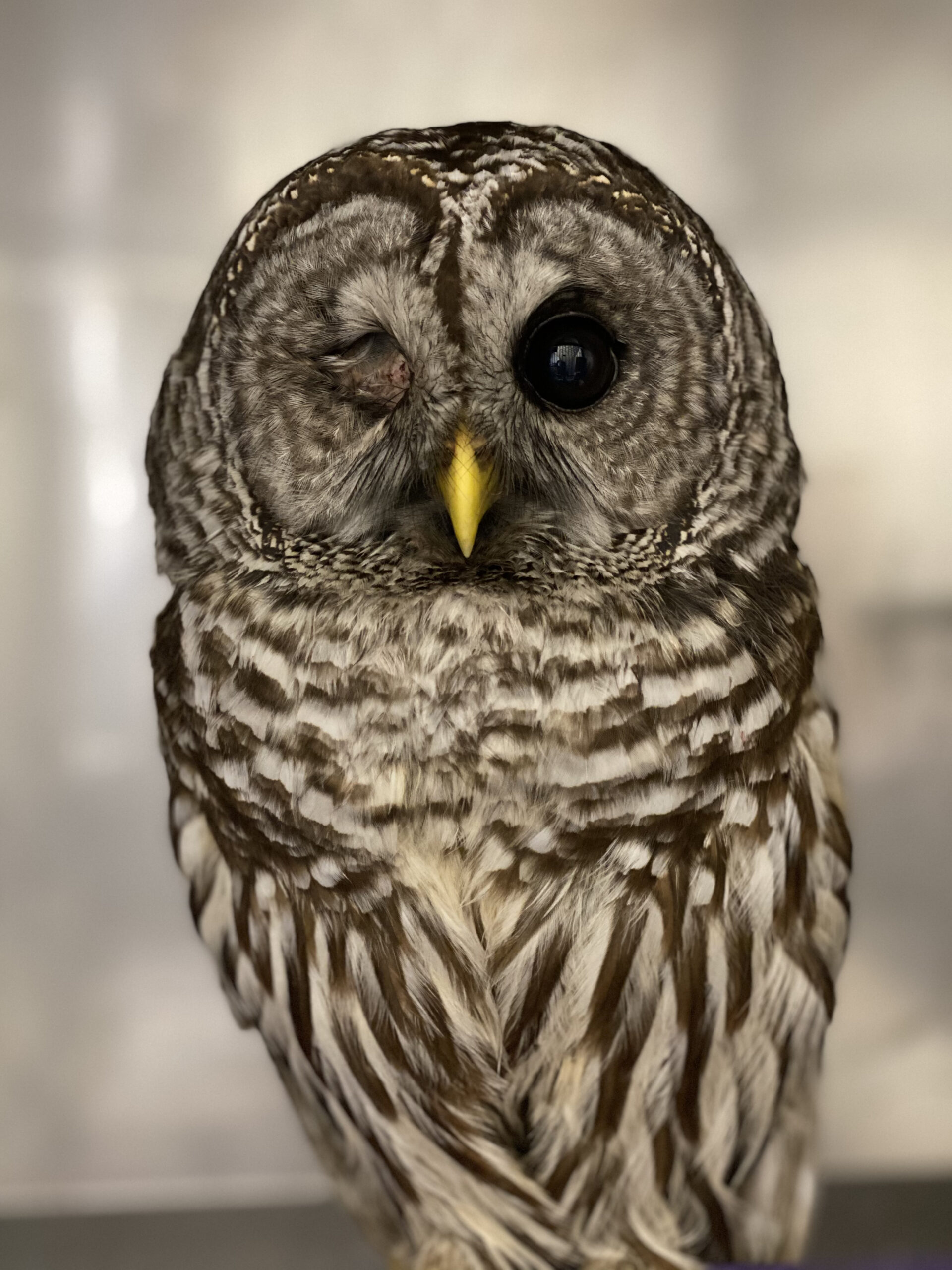
An injured adult barred owl was recently presented to the Wildlife Medical Clinic. At the triage exam, we assessed this animal to have head trauma, with notable bruising around the right ear, bloody nasal discharge,… Read More >
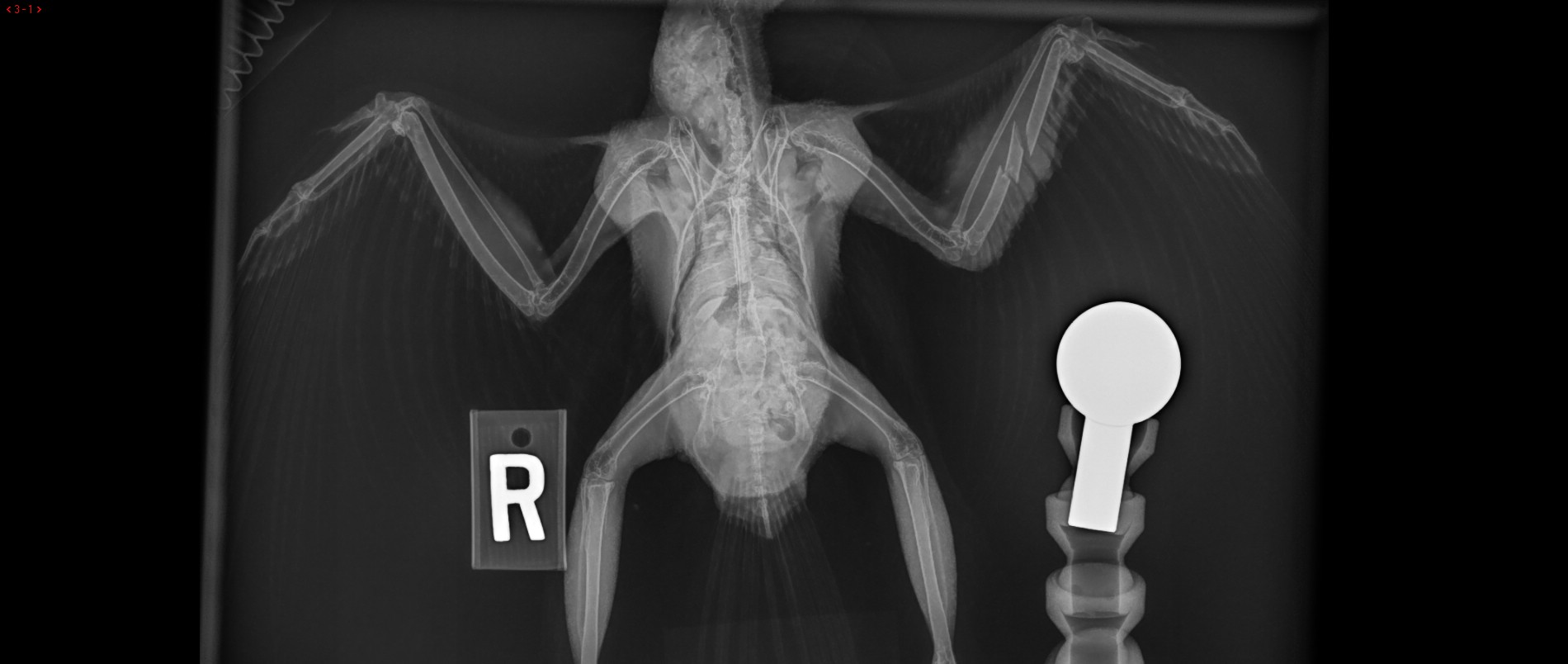
When you break a bone, you might get a cast or a set of crutches from your doctor. But what do we do for birds with broken wings? Every year dozens of birds are brought… Read More >
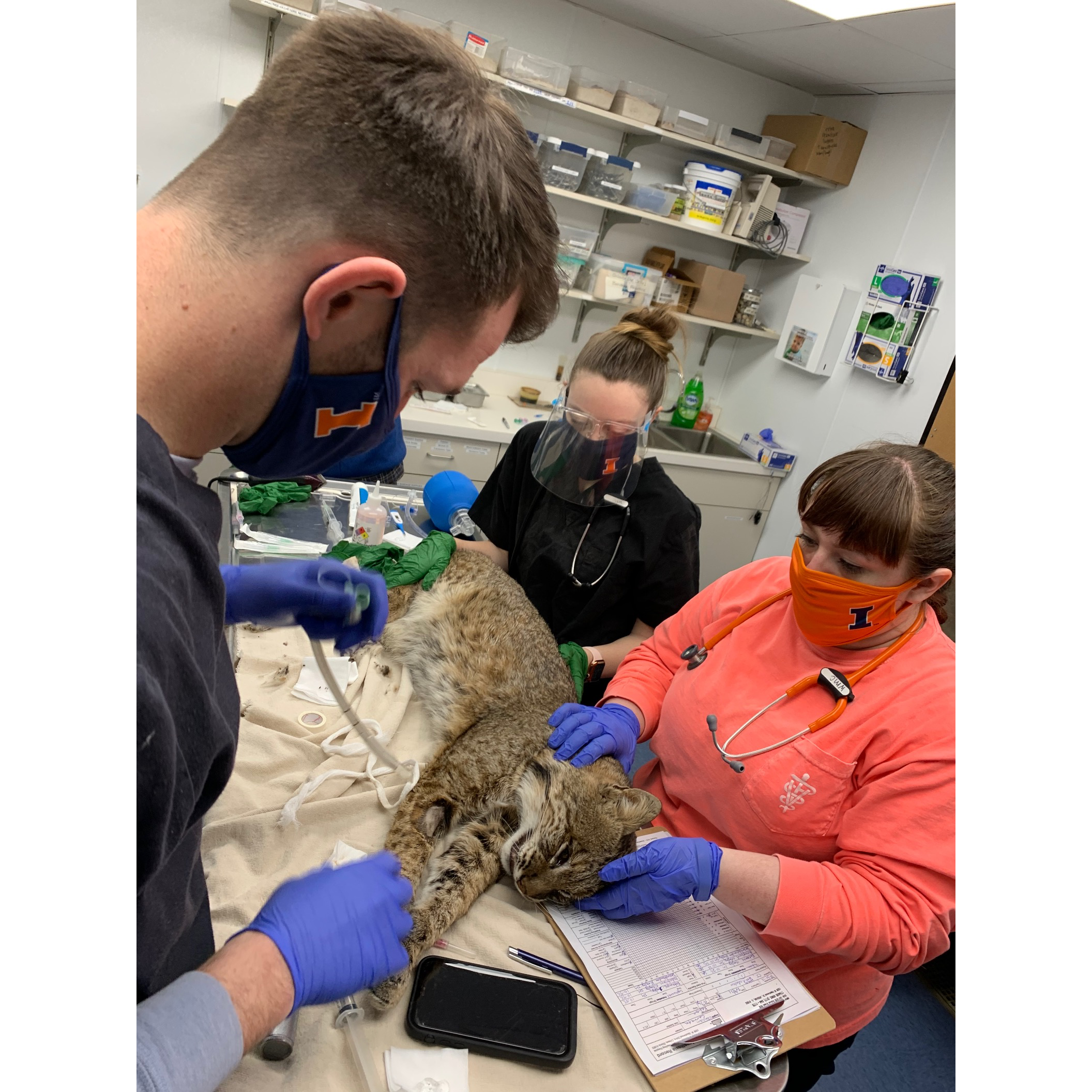
Kaylee Cox & Natalie Zimmerman c/o 2022) This February, a 30-pound male bobcat presented to the Wildlife Medical Clinic after a long journey from western Illinois. He was found on the side of the road… Read More >
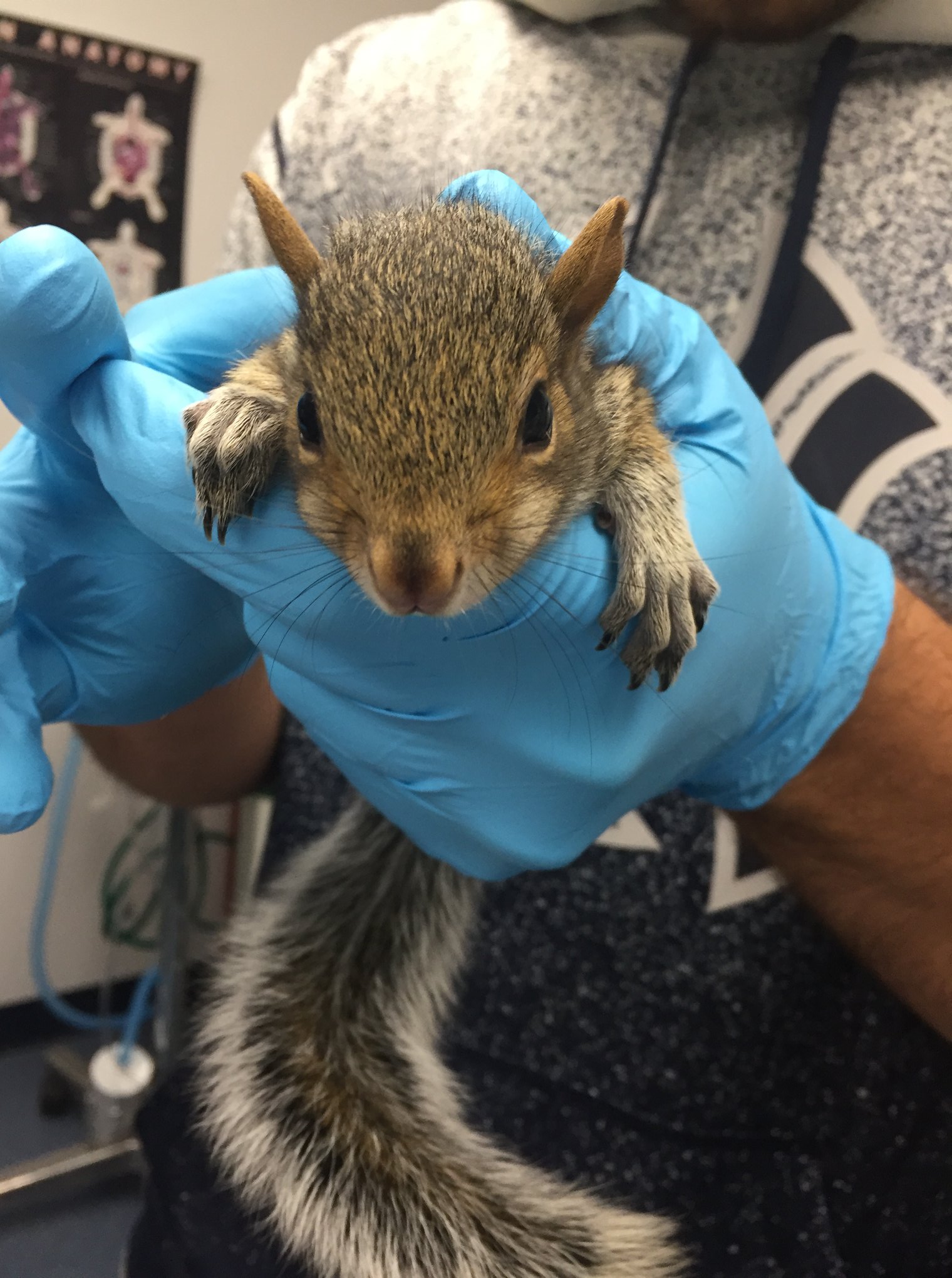
Alexis Davidson, Class of 2023 Back in August, a juvenile female eastern gray squirrel presented to the Wildlife Medical Clinic after being picked up by a dog. It was suspected that she had fallen from her… Read More >
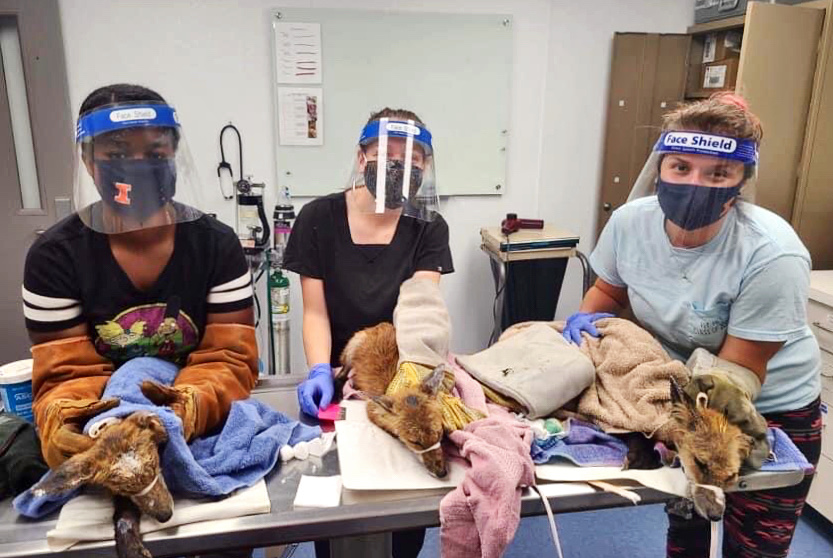
Most of the red foxes (Vulpes vulpes) that present to the Wildlife Medical Clinic are underweight, lethargic, and have some severe skin disease. Their skin is dry, flaky, crusty, and sometimes even has open wounds…. Read More >
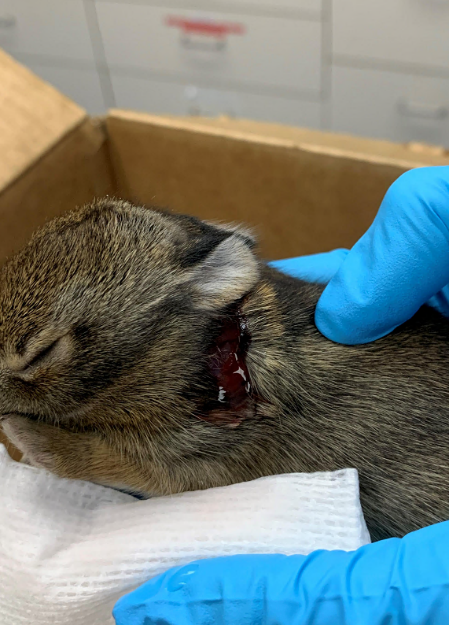
Recently, a juvenile eastern cottontail was brought in to the Wildlife Medical Clinic after being picked up by a community member’s dog. While they’re man’s best friend, excited dogs can end up injuring wild animals…. Read More >