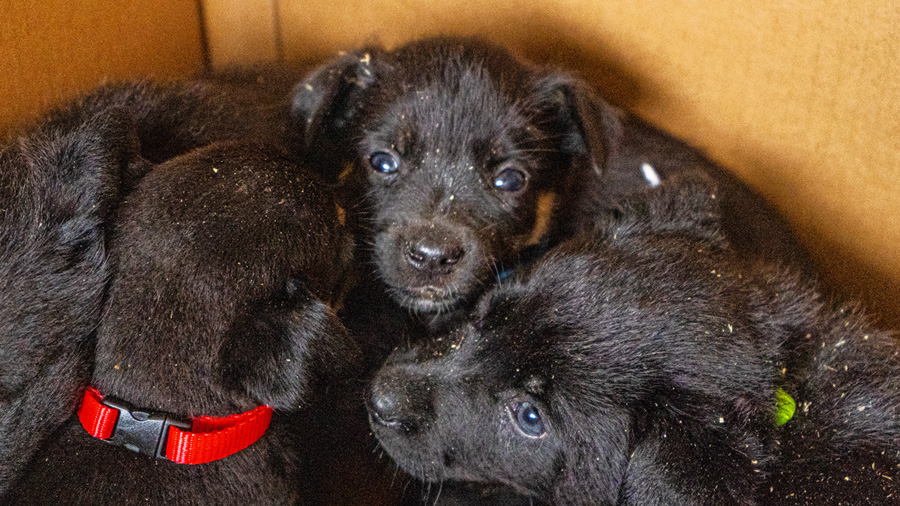
Canine parvovirus is a highly contagious viral infection transmitted through direct contact with infected dogs, exposure to infected feces, or contact with virus-contaminated surfaces. The virus is resistant to a variety of environments and can persist for long periods. Currently, treatment for parvovirus relies on supportive care for the infected canine, including fluid resuscitation, antiemetics, nutritional support, and antimicrobial therapy.
In addition to supportive therapy, a monoclonal antibody has emerged as a potential adjunctive option for treatment. Monoclonal antibodies are derived from an immune cell clone and bind to one specific antigen. In contrast to polyclonal antibodies that are found in plasma, monoclonal antibodies are uniform, reproducible, and target-specific.
Passive Immunity
In the context of canine parvovirus, monoclonal antibodies would provide passive immunity by neutralizing the parvovirus. Passive immunity is when protection against a disease is provided from preformed antibodies that are transferred to the patient.
The immunity is immediate but does not result in long-term immune protection. This differs from active immunity, where it happens after infection but requires days to weeks to activate and form long-term protection. This is a problem since it may require too much time, which severely infected dogs may not have.
Evidence of Effectiveness
Manufactured by Elanco, Canine Parvovirus Monoclonal Antibody (CPMA) binds and neutralizes canine parvovirus type 2 (CPV-2). CPMA was conditionally approved by the USDA on March 13, 2023, and is administered as a single weight-based intravenous dose, reducing viral impact early in the disease.
CPMA is a generally well-tolerated monoclonal antibody in canines, with reported adverse effects primarily being infusion-related reactions, such as transient local swelling and/or discomfort.
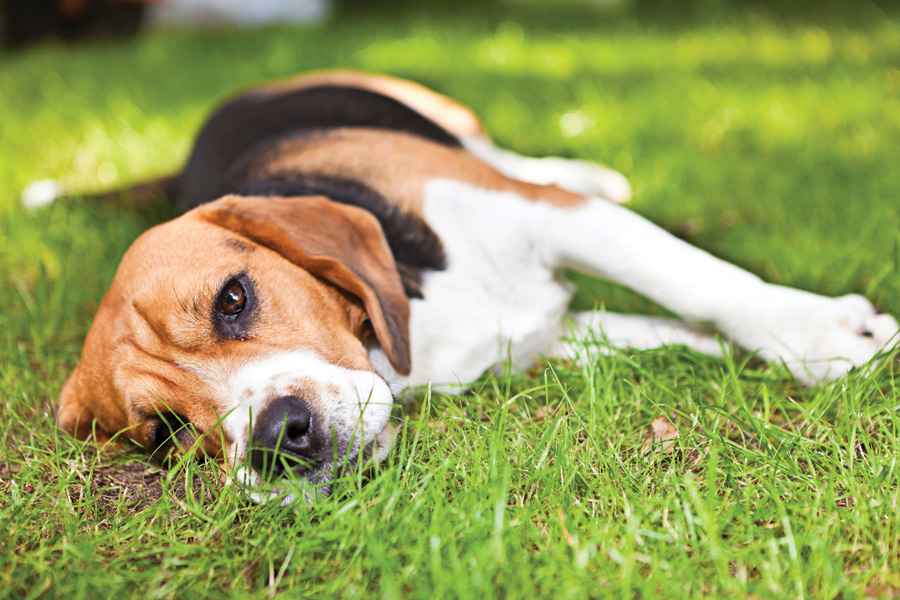
Among the current literature available about canine parvovirus, a shelter in central Ohio introduced CPMA into their standard of care and showed that the duration of hospitalization for infected dogs was reduced by a median of 2 days after incorporating CPMA. In a separate experimental study, eight-week-old beagles were challenged with CPV-2 and administered CPMA after 3 days of infection. Ultimately, the study showed that the administration of CPMA prevented mortality in all treated dogs.
Valuable Adjunctive Therapy
At present, CPMA is not included in formal standards of care for canine parvovirus. Most treatment algorithms emphasize isolation of suspected or confirmed parvovirus, followed by supportive care. In addition to supportive therapy for infected canines, Canine Parvovirus Monoclonal Antibody may represent a valuable adjunctive therapy for future treatment of dogs infected with parvovirus.
By Kinh Nguyen, a fourth-year pharmacy student at the University of Illinois-Chicago
References
- avma.org/resources-tools/pet-owners/pet-care/canine-parvovirus
- aphis.usda.gov/sites/default/files/2023-10/196-341520.pdf
- jsmcah.org/index.php/jasv/article/view/141
- avmajournals.avma.org/view/journals/javma/262/4/javma.23.09.0541.xml
- merckvetmanual.com/digestive-system/infectious-diseases-of-the-gastrointestinal-tract-in-small-animals/canine-parvovirus-infection-parvoviral-enteritis-in-dogs#Treatment-and-Prognosis_v3266294