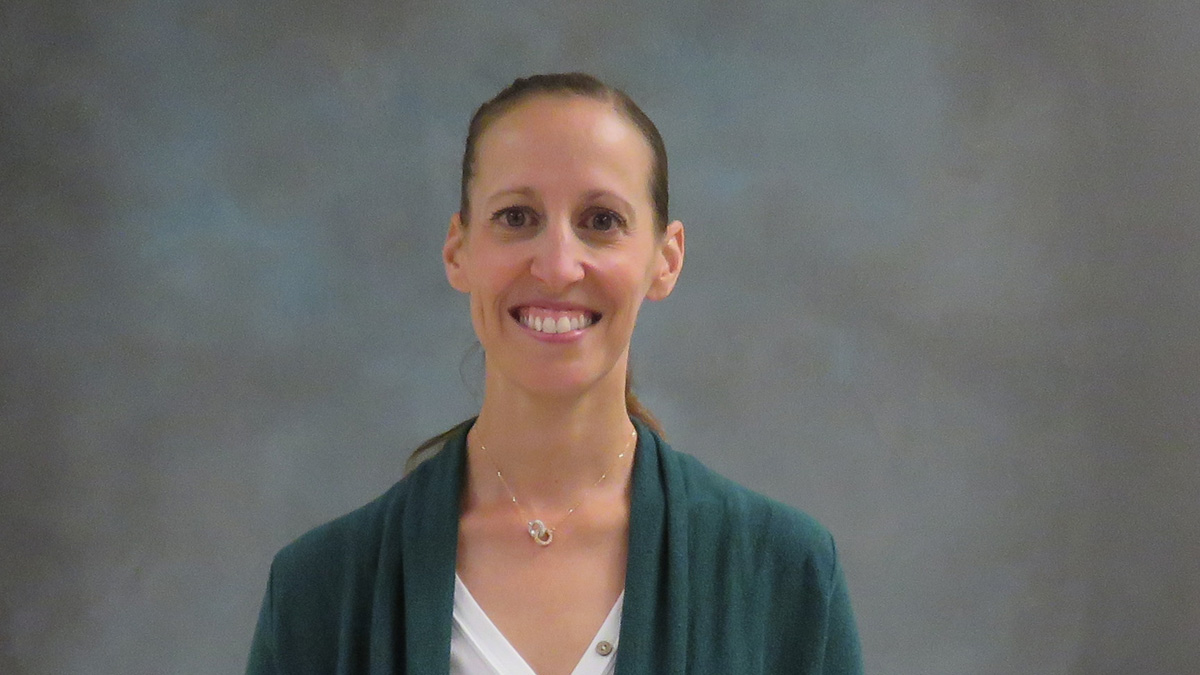
Dr. Harper is a clinical professor and the service head of orthopedics and rehabilitation.
Tell us about your background.
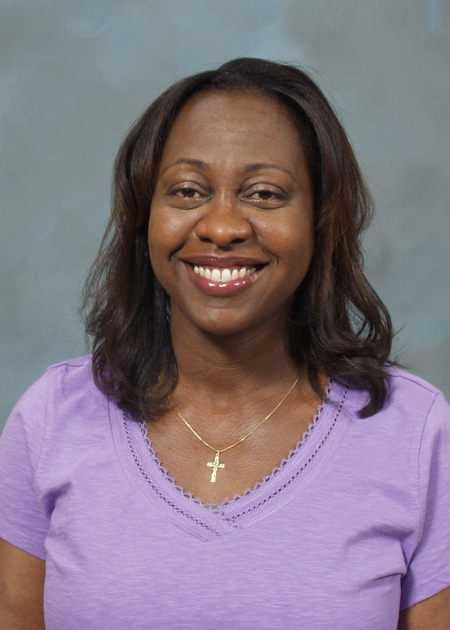
I am from the Republic of Trinidad and Tobago, where I completed all of my formal education, including my DVM degree and internship at the School of Veterinary Medicine, University of the West Indies. I subsequently completed a combined surgical residency and MS degree in biomedical sciences at the Virginia-Maryland Regional College of Veterinary Medicine.
Veterinary medicine has always been a central part of my life. My father, now retired, is a veterinarian who worked in food animal and regulatory medicine with the government while also maintaining a private small animal practice. He also provided veterinary care for police horses.
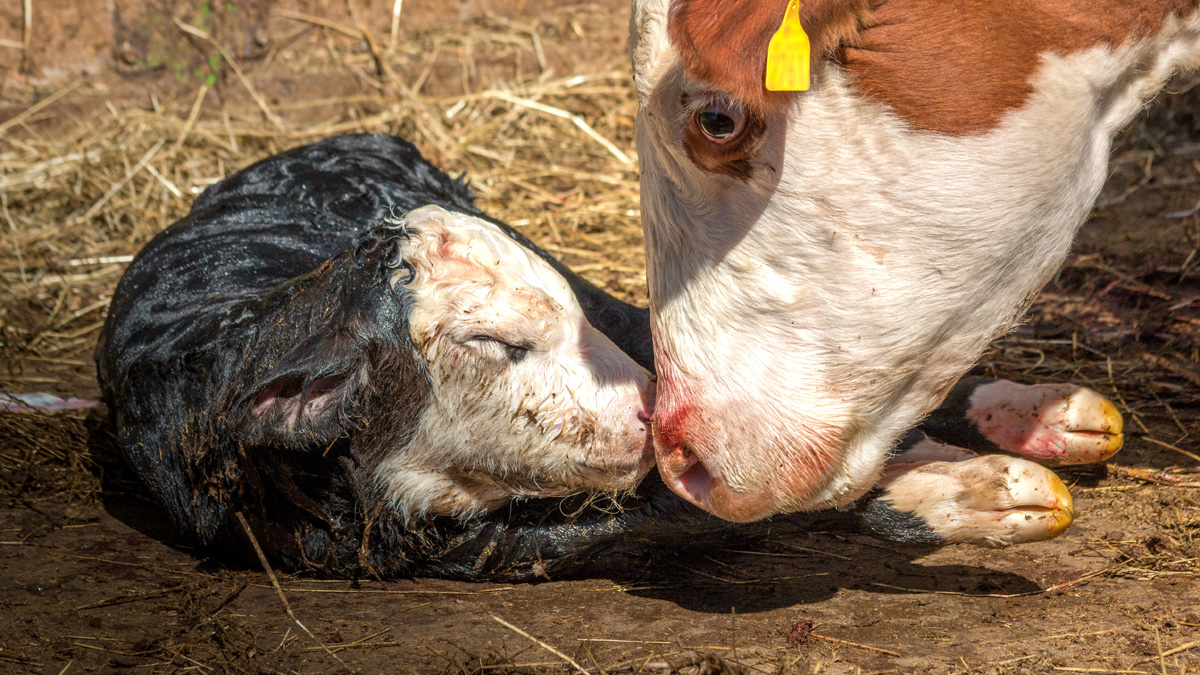
From a very young age, I followed my father everywhere. I always looked forward to pumping mineral oil from buckets during colic treatments and driving out to the middle of nowhere to assist with calvings by flashlight! Once I was tall enough, I began assisting with small animal surgical procedures, which I found both fascinating and deeply rewarding. Clearly, I was destined to become a veterinarian and surgeon.
How did you become interested in rehabilitation?
My interest in rehabilitation grew naturally out of my early years as an orthopedic surgeon. Surgery allowed me to correct structural problems; however, I started to notice limitations in surgical cases where recovery did not fully meet expectations.
I also wanted to help patients with non-surgical musculoskeletal disease. In human orthopedics rehabilitation is an integral and unquestioned part of postoperative care. In veterinary medicine, however, this is often overlooked.
My goal to develop a more comprehensive and holistic approach to treating my patients set me on a path toward formal training in rehabilitation, beginning with my Canine Certified Rehabilitation Practitioner (CCRP) certification and later culminating in board certification with the American College of Veterinary Sports Medicine and Rehabilitation (ACVSMR).
I believe that orthopedics and rehabilitation are complementary disciplines that allow for more complete treatment of musculoskeletal disease, improved surgical outcomes, and better long-term function and quality of life for patients.
Tell us about one of your favorite cases.
There are so many! One that stands out is a 12-year-old beagle that presented with a cranial cruciate ligament tear. The dog had previously undergone a Tibial Plateau Leveling Osteotomy (TPLO) on the opposite knee at age nine, and the owners were understandably hesitant to pursue surgery again. They recalled that it took nearly six months before their dog was comfortable using the first leg.
After discussing their concerns, we elected to move forward with a TPLO on the second knee, with the understanding that they would commit to specialist rehabilitation postoperatively. I explained that this approach could significantly improve recovery and overall function.
With structured rehabilitation, the dog’s recovery was shorter and dramatically better than after the first surgery. The owners commented that, even at twelve years old, their dog was walking better, faster, and for longer distances than it had before the first cruciate injury. For me, this case perfectly illustrates the profound impact rehabilitation can have on surgical outcomes and quality of life.
What are your special interests inside or outside of the clinic?
My professional goals are geared towards improving mobility and quality of life in pets affected by osteoarthritis and musculoskeletal disease. I want to develop treatment plans/solutions that help patients regain function and remain active and comfortable for as long as possible. Outside of the clinic… I am an avid foodie who loves trying new recipes and exploring different cuisines. I also love to travel and explore new places, and I enjoy long walks with my dog, O.D.