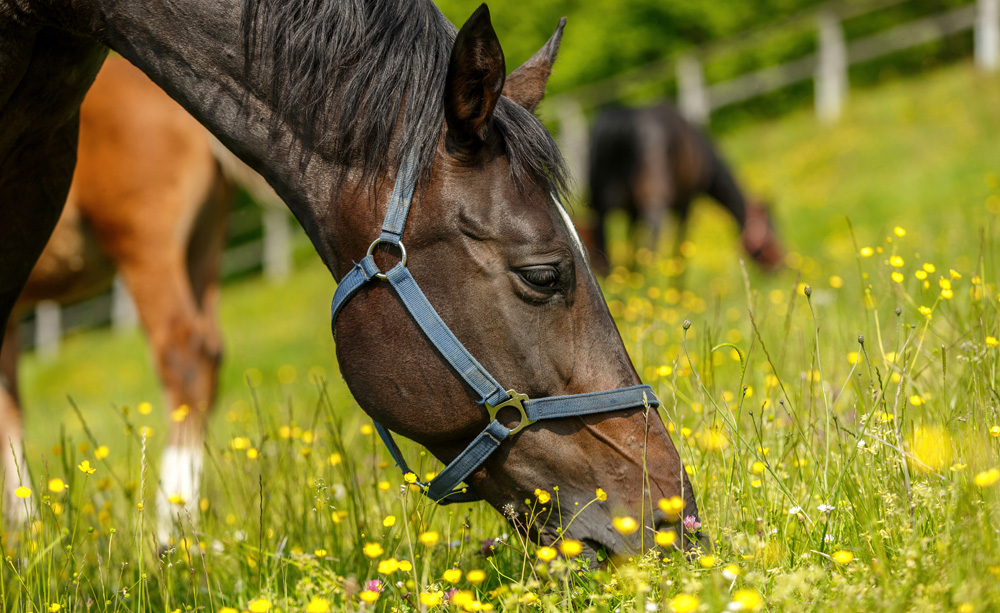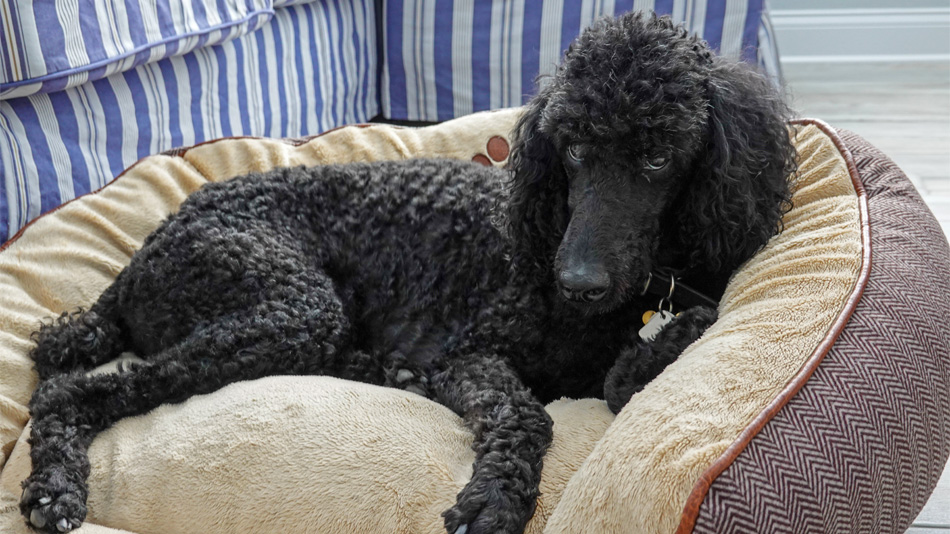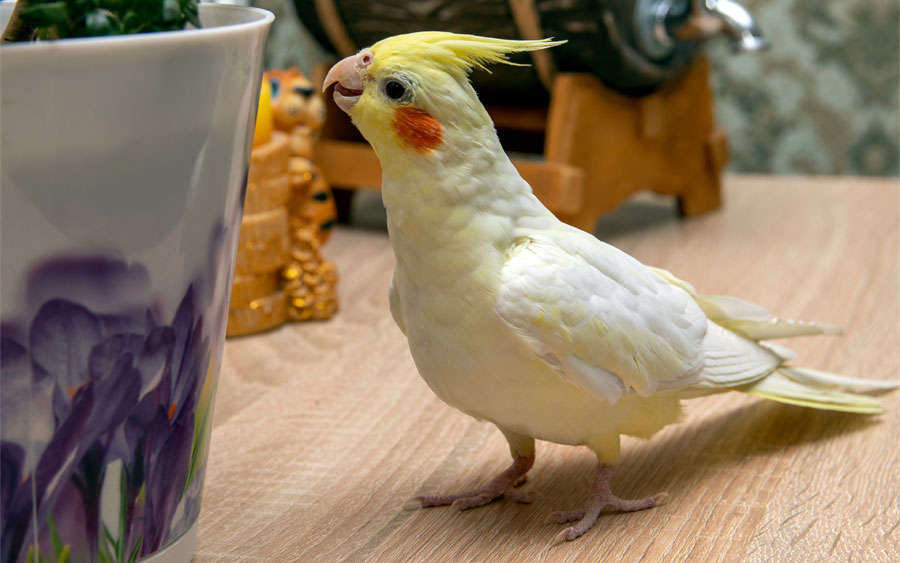
You might know that chocolate and avocado are toxic to dogs, but did you know these substances are also toxic to birds?
On the other hand, things that are problematic for one species might be fine for another. What’s good for the goose—such as eating a small stone or a grape—can be bad for the Great Dane. That’s why animal owners need to understand what to keep away from the type of pet they have.
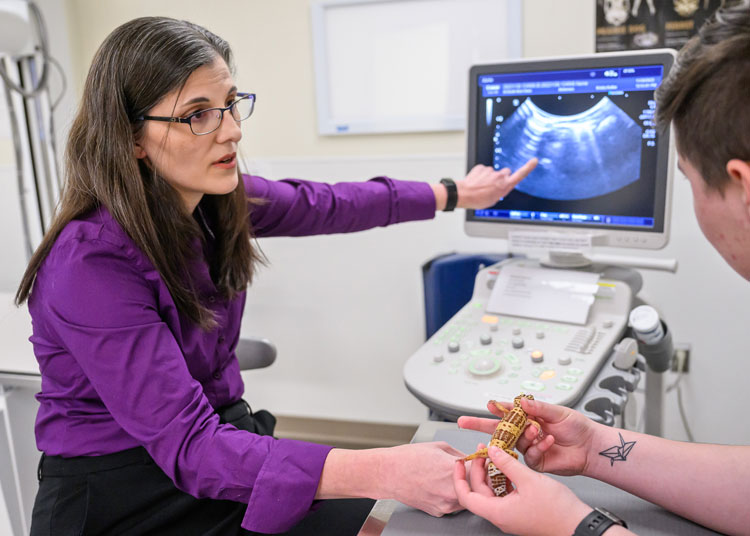
Dr. Judilee Marrow, a veterinarian at the University of Illinois Veterinary Teaching Hospital who specializes in treating zoological species, offers guidance for owners of pet birds on what things to keep away from their avian friends.
Inhaled Toxins
Nonstick surfaces containing Teflon®, such as pots and pans, irons, or even ovens can release a gas that is fatal to avian species. This gas is produced even when pans are used at normal temperatures.
“Birds with signs of Teflon® toxicity often have a sudden onset of respiratory difficulty and can even rapidly die from exposure to these airborne toxins,” says Dr. Marrow. “The avian respiratory system is very sensitive, and inhaled toxins can have prolonged exposure in birds due to their anatomy.”
Other aerosol products, including smoking or vaping and strong cleaners, may also be toxic to birds.
“Unfortunately, there is no specific antidote if birds are exposed to inhaled toxins,” Dr. Marrow states. “We are limited to providing supportive care as patients’ bodies try to deal with the effects of these toxins.”
Ingested Toxins
In addition to the avocados and chocolate mentioned above, onions and caffeine can be toxic to birds and other pets. According to Dr. Marrow, birds are susceptible to the toxin persin, which is present in the skin, fruit, and seeds of avocados.
“Ingestion of any part of the avocado plant can lead to cardiac abnormalities and even death in birds,” she states.
Again, there is no antidote if a bird ingests avocado, so it is best to prevent exposure in the first place.
When birds ingest onions or other vegetables in this family (e.g., garlic, leeks, chives), changes in the red blood cells can lead to severe anemias, or deficiencies in red blood cells.
Dr. Marrow describes clinical signs as lethargy, pale mucus membranes in the mouth or around the eye, and difficulty breathing.
While the best course of action is to prevent ingestion, birds that eat these vegetables can be given supportive treatments, including blood transfusions and oxygen therapy.
“Caffeine and chocolate are both stimulants in birds,” notes Dr. Marrow. “When birds ingest these foods, owners may notice hyperexcitability (the nervous system’s neurons become overly active), tremors, or even seizures.”
Treatment needs to be implemented quickly to help minimize absorption of the toxins.
“We can treat with medications that help to absorb toxins, such as activated charcoal, to prevent the active compounds from affecting pet birds,” Dr. Marrow says.
Heavy Metals
Birds can come into contact with toxic metals, such as zinc and lead, from galvanization (the process of applying a protective zinc coating to steel or iron to prevent rusting) of metal cages, hardware, or even inexpensive toys. Birds may also be prone to chewing on painted surfaces. If a home was built before 1978, lead paint may be present.
“Signs of heavy metal toxicity in birds can include weakness or neurologic signs,” says Dr. Marrow. “Fortunately, we have very good blood tests and treatments that can remove these heavy metals from a bird’s body, if the problem is caught early.”
Animal Poison Control Resource
When they encounter patients suffering from toxicity, Dr. Marrow and the other veterinarians in the Veterinary Teaching Hospital’s zoological medicine service often contact the ASPCA Poison Control.
(Fun fact! The “National Animal Poison Control Center” was started at the University of Illinois College of Veterinary Medicine in1978. It was operated by the college until 1996, when it was transferred to the ASPCA. The headquarters is still located in Urbana.)
This service, staffed by toxicologists and veterinary professionals, draws on an enormous database of toxin exposure cases. They help pet owners and veterinarians implement treatment protocols in toxic exposure of birds and other pets. Dr. Marrow recommends keeping the hotline number handy in case of an animal toxin exposure: ASPCA Poison Control: (888) 426-4435.
By Cassidy Kelly