A cancer diagnosis for a pet can feel devastating. However, advances in veterinary medicine mean there are more options than ever to extend and improve a pet’s quality of life.
Dr. Natrine Cheuk, a medical oncology resident at the University of Illinois Veterinary Teaching Hospital, shares essential insights into the diagnosis and treatment of feline lymphoma.
What Is Lymphoma?
“Lymphoma is a cancer of immune cells called lymphocytes. It usually arises in lymphoid tissue such as lymph nodes, spleen, or bone marrow, but can arise in almost any tissue in the body,” says Dr. Cheuk.
Because the symptoms—such as weight loss, lethargy, and decreased appetite—are vague, they are often mistaken for other medical conditions. Specific symptoms also depend on the cancer’s location. For instance, lymphoma in the nose may cause sneezing, while lymphoma in the nervous system might cause mobility issues. Because these signs overlap with many other illnesses, a veterinary evaluation is essential if your cat seems unwell.
Risk Factors
While lymphoma most commonly affects older cats, it can occur at any age. The gastrointestinal tract is the most frequent site, but it can also develop in other areas of the body, such as the nose, kidneys, chest (mediastinum), larynx, nervous system, and skin.
“Domestic short-haired cats are most commonly affected,” Dr. Cheuk notes, “while Siamese cats appear overrepresented in cases of nasal lymphoma.” Risk is also higher for cats infected with feline leukemia virus (FeLV) or feline immunodeficiency virus (FIV).
The Path to Diagnosis
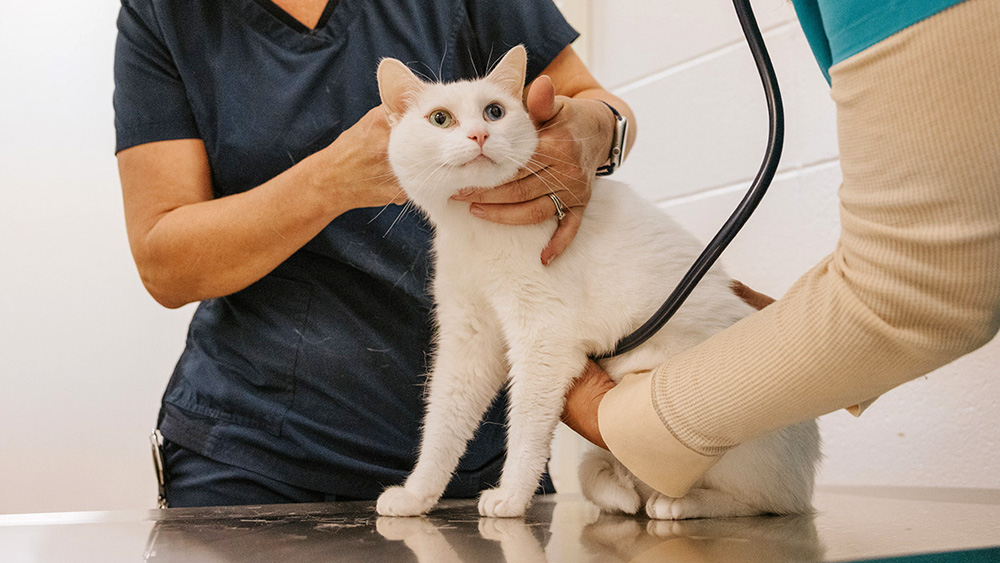
When a cat is unwell, your veterinarian may recommend blood work and imaging, such as chest X-rays or abdominal ultrasound. However, diagnosing lymphoma typically requires sampling of the affected tissue. This often involves a needle sample of enlarged lymph nodes or organs for cytologic evaluation.
If those results are inconclusive, additional tests – tissue biopsy or molecular testing, such as PARR (PCR for antigen receptor rearrangement) and flow cytometry – may be needed.
Treatment Options
As in human medicine, pet cancer is treated with chemotherapy, radiation therapy, surgery, or a combination of these approaches.
“Because lymphoma is usually a systemic disease, chemotherapy is often the primary treatment—and most cats tolerate it very well,” says Dr. Cheuk. In select cases where the cancer is localized to a single site, radiation therapy or surgery may also be considered.
Every treatment plan is tailored to both the pet and the family. Factors include the cat’s overall health, temperament, and how they handle travel. If a cat becomes highly stressed by frequent clinic visits or resists oral pills, the veterinary oncologist may pivot to injectable options or a less frequent schedule.
Finances are also an important consideration; veterinary oncologists work with families to find a protocol that fits their budget while prioritizing the best possible outcome for the cat.
Redefining the Goal: Quality of Life
“Lymphoma is rarely curable, but our goal is to provide the best possible quality of life for as long as possible,” Dr. Cheuk explains.
To ensure the treatment is working, a veterinary oncologist will monitor the cat through physical exams, blood work, and imaging. If no cancer is detectable, the cat is considered to be in complete remission. Once the initial treatment protocol is finished, the cat enters a monitoring phase to watch for signs of relapse.
If the lymphoma does not respond to therapy, the plan may be adjusted or shifted toward palliative care. This approach focuses strictly on comfort and often involves the use of steroids to manage symptoms and maintain appetite.
The form of lymphoma also influences treatment and prognosis. Aggressive lymphoma grows quickly and is typically treated with higher-dose chemotherapy, which may provide several additional months or longer if the response is strong. Indolent (slow-growing) lymphoma is often managed with lower-dose chemotherapy and may allow for one to three years of good quality time.
While a lymphoma diagnosis can be overwhelming, you and your veterinary oncologist can partner to create the most appropriate plan for your cat and your family.
By Catherine Haenni