If you’ve noticed that your dog doesn’t jump up on her hind legs exuberantly to greet you when you get home like she used to, it might have nothing to do with her feelings for you. She could have hip dysplasia, a developmental disease most commonly seen in large dog breeds.
Reluctance to extend the hips (the motion pattern demonstrated when a dog stands up) is just one potential sign of hip dysplasia, according to Dr. Tisha Harper, a veterinarian at the University of Illinois Veterinary Teaching Hospital who is board certified in both surgery and veterinary sports medicine and rehabilitation.
Other signs include exercise intolerance, difficulty with stairs, stiffness, and eventually muscle loss and osteoarthritis. Typically, these signs will be evident on both sides of the body.
What Is Hip Dysplasia?
Unlike problems arising from typical aging, hip dysplasia is characterized by laxity in the soft tissues of the hips and resultant movement of the hip socket out of place. Hip dysplasia can affect dogs of any age. In fact, clinical signs can begin appearing as early as 4 to 12 months of age.
Particularly in young animals, the soft growing bones in the displaced hip socket can undergo microfractures that contribute to the pain of the condition. Pain in the hips may impact a puppy’s mental development, too, potentially leading to reduced socialization with other dogs or impaired training and bonding with their owner. Therefore, early identification is key not only to improving prognosis, but also for improving quality of life in other ways.
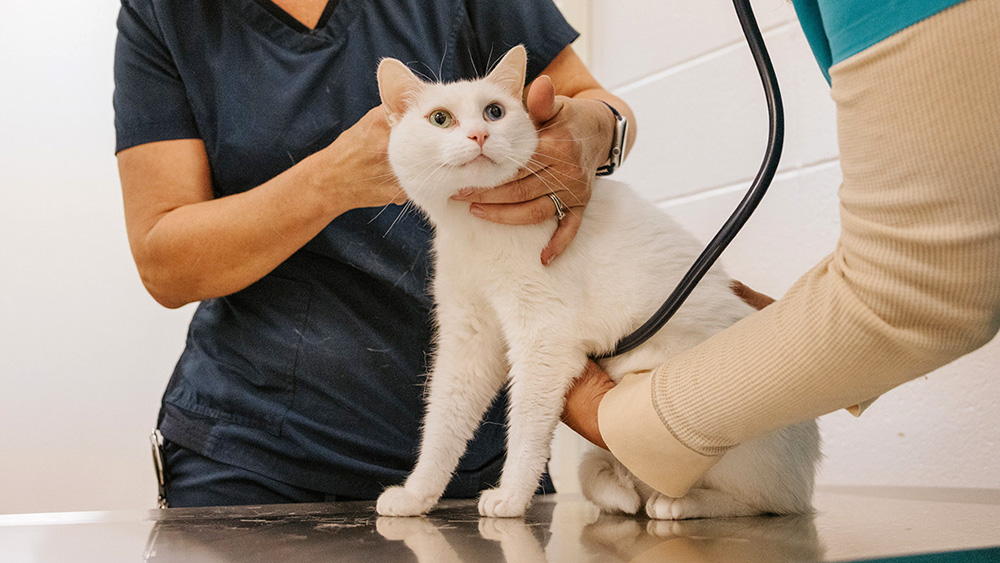
“If your dog is showing signs of hip dysplasia, your veterinarian will likely perform an orthopedic exam and take radiographs,” says Dr. Harper. These procedures can help diagnose hip dysplasia, as well as evaluate the extent of the condition. Factors including your pet’s age, pain level, and other health problems as well as your goals for treatment will help you and your veterinarian can develop a treatment plan for your dog.
Treatments for Hip Dysplasia
The first priority is pain relief, with the aim of improving function and slowing progression of osteoarthritis (inflammation of the bone and joint). Pain relief involves cage rest and NSAIDs or other pain medications as needed. Over time, rehabilitation therapy, such as that offered at the Veterinary Teaching Hospital, can be added to rebuild strength and muscle mass and restore range of motion in the joint.
In more severe cases, surgery may be considered. For young dogs, there is a procedure called hip socket rotation. Adult dogs may benefit from total hip replacement.
“Regardless of the exact treatment protocol, owners should expect to see improved comfort and mobility in their pets,” says Dr. Harper. “A plan that isn’t achieving that goal should be modified to best fit the needs of the individual animal.”
Ultimately, function and quality of life can be improved in patients with hip dysplasia. As those of us who have ever had arthritis or chronic pain of any kind well know, even basic pain relief can have a major effect on day-to-day life. So, if you believe your pet may be experiencing joint pain, it’s best to bring them in to see your veterinarian.
By Jenna Camargo