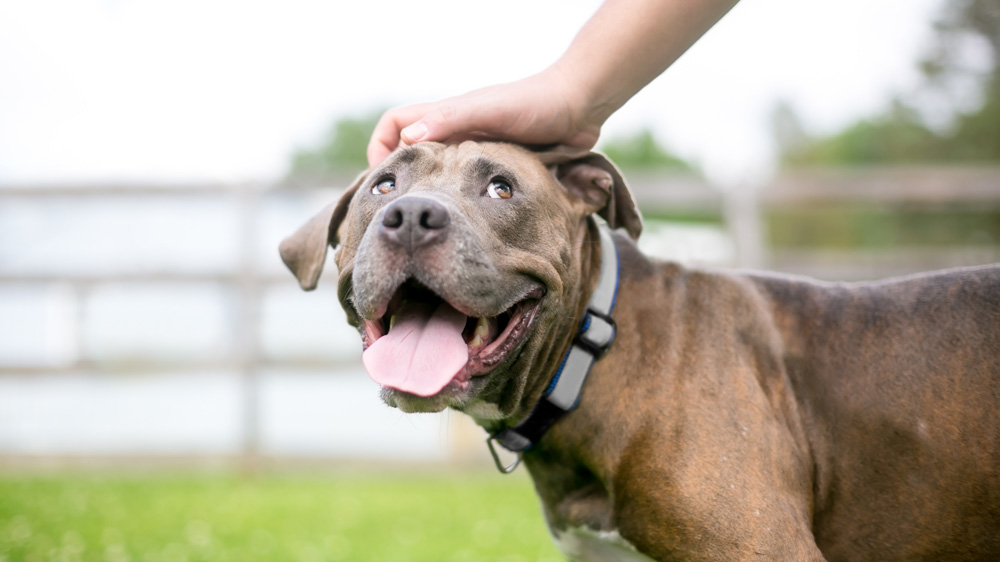
Many dog owners discover a lump simply by petting their dog. It may feel small, soft, or harmless, making it tempting to watch it for a while and mention it at the next routine visit. However, veterinarians often encourage owners to take new lumps and bumps seriously because appearances can be deceiving.

“Size, look, and location do not determine if something is benign or malignant,” explains Dr. Joanna Schmit, a veterinary oncologist at the University of Illinois Veterinary Teaching Hospital. “Even small lumps could indicate aggressive disease internally, and anything new or changing should be brought to your veterinarian’s attention.”
‘The Great Imitator’
One reason mast cell tumors are so challenging is that they can look like almost anything. “They can be haired or unhaired, relatively flat or very round, red, pink, or white in color,” Dr. Schmit says. “There is nothing visually that is specific to a mast cell tumor.”
These tumors have earned a reputation as “the great imitator” because they can mimic many other skin masses. Some even seem to come and go, becoming larger one day and smaller the next. That unusual behavior is a clue.
Mast cells contain packets of histamine and heparin. Histamine triggers allergy-type reactions and swelling, while heparin interferes with blood clotting. “When a tumor grows, gets disrupted, or is squeezed, those chemicals can be released,” Dr. Schmit explains. “That can cause the lump to temporarily enlarge, become redder, or even develop bruising around it.”
For owners, this can be confusing. A lump that shrinks may seem less concerning, but mast cell tumors can fluctuate in size without becoming any less important.
Mast Cells: Normal or Cancerous
Mast cells themselves are a normal part of the immune system. They help the body respond to allergens, toxins such as bee venom, and parasites. They are found throughout the body, particularly in the skin, mucosal surfaces, and around blood vessels. When these cells become cancerous, tumors can develop not only in the skin but also in the gastrointestinal tract and internal organs.
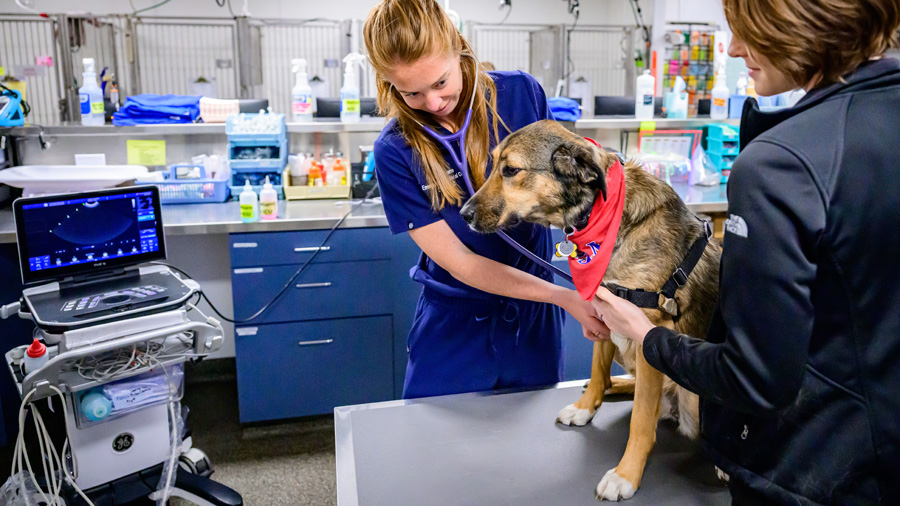
So how do veterinarians determine whether a lump is a mast cell tumor? The first step is often a fine needle aspirate, in which a small sample of cells is collected with a needle and examined under a microscope.
“Sampling is the only way to gather information about the cells present,” says Dr. Schmit. “If a mast cell tumor is detected when it is small, surgery is often less difficult, less expensive, and more likely to completely remove the tumor before it spreads elsewhere in the body.”
Once a mast cell tumor is removed, pathologists evaluate its grade, which helps predict how aggressively it may behave. Veterinarians may also perform staging tests–such as bloodwork, ultrasound, and additional aspirates–to look for spread to lymph nodes, the liver, or the spleen.
‘Don’t Ignore New Lumps’
The encouraging news is that treatment options have improved significantly over the years. Surgery remains the cornerstone of treatment for many dogs, but advances in pathology, radiation therapy, and medications such as the oral chemotherapy drug Palladia have expanded the options available for patients with more aggressive disease.
“Many mast cell tumors are not going to behave aggressively and can be cured with surgery,” Dr. Schmit says. “Even in dogs whose tumors do spread, chemotherapy is often well tolerated, and many patients maintain a good to great quality of life during treatment.”
Certain breeds, including boxers, pugs, French bulldogs, pit bulls, and other short-coated breeds, are more commonly affected, making it especially important for owners of these dogs to have new lumps evaluated promptly.
Dr. Schmit’s advice is simple: Don’t ignore new lumps and ask your veterinarian about sampling them. A small bump may turn out to be harmless. But when it isn’t, catching it early can make a meaningful difference in treatment options, cost, and long-term outcome.
By Julia Bellefontaine