Join Sydney Oliveira, WMC Program Coordinator and Sarah Hollander, Wildlife Ambassador Care Coordinator and vet student, class of 2026 as they talk about the upcoming Vet Med open house.
Join Sydney Oliveira, WMC Program Coordinator and Sarah Hollander, Wildlife Ambassador Care Coordinator and vet student, class of 2026 as they talk about the upcoming Vet Med open house.
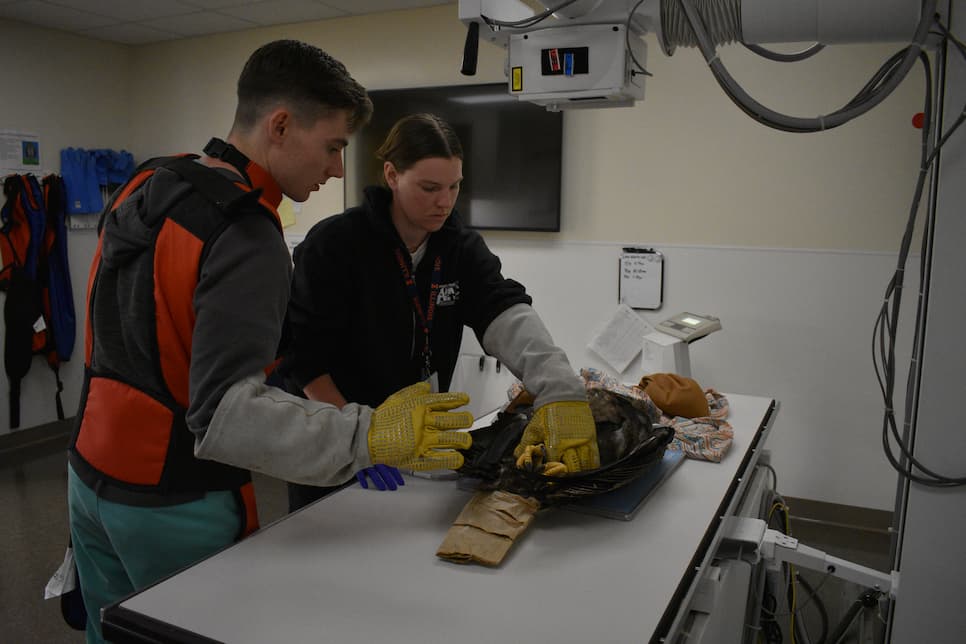
As the summer draws to a close, we are overjoyed to welcome our talented students back to the clinic. The clinic has been working tirelessly to update and revamp our volunteer offerings by bringing in community members, expanding opportunities for students outside of the veterinary college, and improving the learning curriculum for veterinary students.
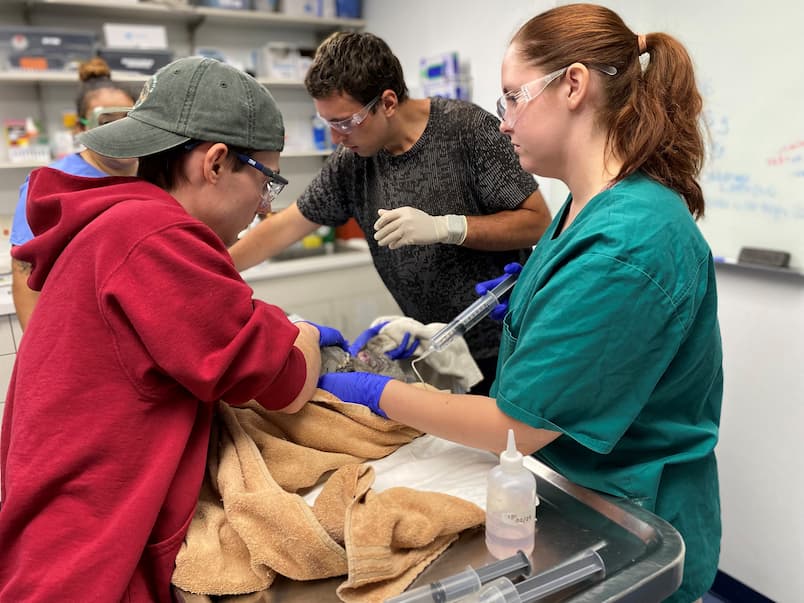
Over the summer, the WMC operates much like a standard wildlife rehabilitation center with a small, dedicated staff and rotating clinical year students. As we transition into the academic year, we return to our unique management style: students take the lead. Students are not just participants, they are integral to every aspect of the clinic, from novice volunteers to upper management. This approach allows students to maximize their learning opportunities and acquire a diverse set of skills beyond wildlife medicine. Even with students at the helm, there is a robust safety net and support system of talented veterinarians, guiding and assisting students every step of the way.
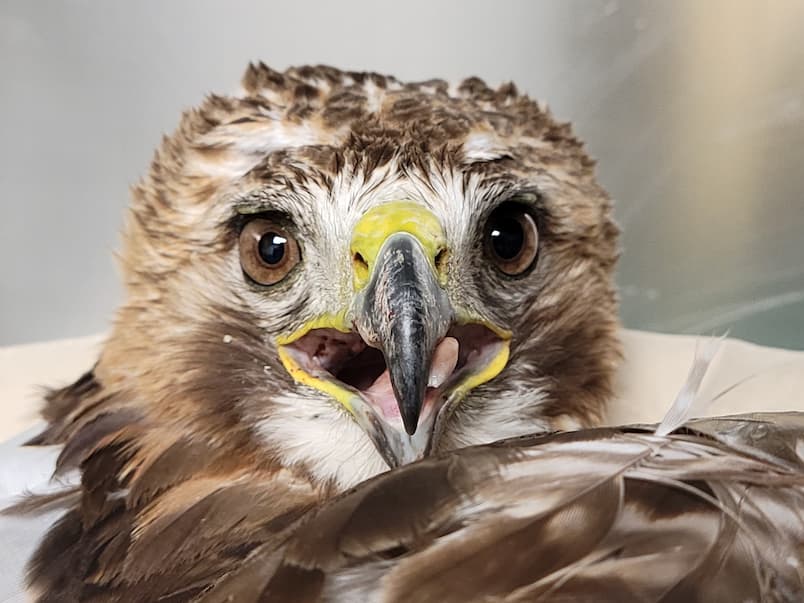
As we kick off the semester, our student team leaders have been diligently training our new volunteers, ensuring they are prepared to handle their own patients and care for our diverse wildlife species. The clinic’s current functioning would not be possible without these dedicated team leaders. Their selfless commitment to improving the lives of the wildlife in our care and the learning experience of incoming students is truly commendable. During their new full-day training, team leaders worked together to set goals for themselves, their teams, and the clinic. They also defined what it means to be a team leader: support, compassion, education, teamwork, and growth. By embodying these five traits, team leaders continue to enrich the lives of WMC students and maintain the highest welfare standards for our wildlife patients.
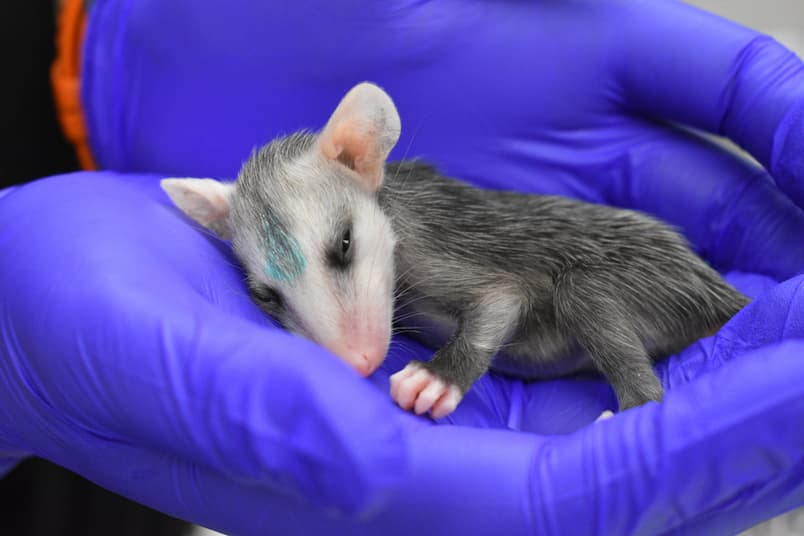
The advent of our new orphan feeding team opens new opportunities for community members and outside students to gain experience in wildlife rehabilitation and orphan care while bringing in more hands to assist with our busy caseload. Orphan care, while highly rewarding, can be time-consuming and overwhelming if there are not enough trained volunteers to help. Our caseload has increased year after year as word of our services has spread, creating a need for more volunteers. We aim to establish the orphan feeding team as a new local volunteering staple and bring the community to us to foster a love of wildlife.
As we welcome the new academic year, we are thrilled to have our dedicated students back at the clinic, assuming crucial leadership roles and contributing to the welfare of our diverse wildlife species. The commitment of our team leaders and the establishment of the orphan feeding team underscore our unwavering dedication to providing unparalleled learning opportunities for students and maintaining the highest standards of care for our wildlife patients. We are excited to continue fostering a love of wildlife in our community and look forward to the positive impact our clinic will have in the coming year, as we remain steadfast in our commitment to wildlife care and community engagement.
Written By: Tyson, Senior Manager and Class of 2026

This year we have some new faces around the clinic as we welcome our new house officers! The house officers are a very important aspect of the Wildlife Medical Clinic because they are essential in helping with procedures, mentoring, and guiding our veterinary student volunteers as they provide medical care to our patients. We asked them each a few questions and are excited to share their answers with you!
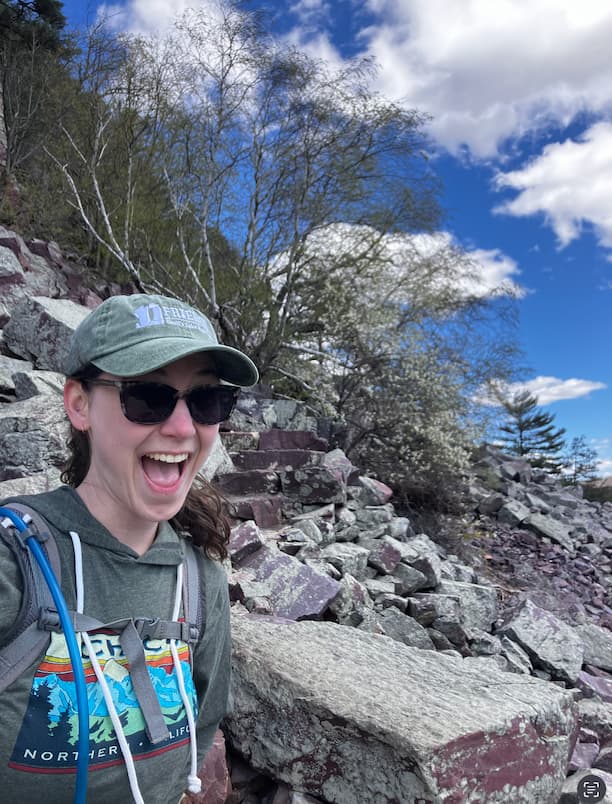
Dr. Elliott is originally from Oroville in northern California, and she graduated from UC Davis School of Veterinary Medicine in 2023. Dr. Elliott is our newest Zoological Medicine Specialty Interns.
Why did you choose to come to UIUC Vet Med?
I am excited about this program because it is unique in that it combines rotations through wildlife medicine, zoo companion medicine, and traditional zoo medicine, all of which I enjoy and want to learn more about.
What are your career interests and aspirations?
I am pursuing traditional zoological medicine and am interested in everything! I haven’t narrowed it down quite yet, although I do enjoy neurology and ophthalmology.
What is your favorite wildlife species to work with?
My favorite species are box turtles!
What are you most looking forward to at the Wildlife Medical Clinic?
I am looking forward to learning more about quality wildlife medicine for all species, especially surgical techniques, and working with students throughout the year. She hopes to take the skills she learns with her to help any future animals/wildlife she works with!
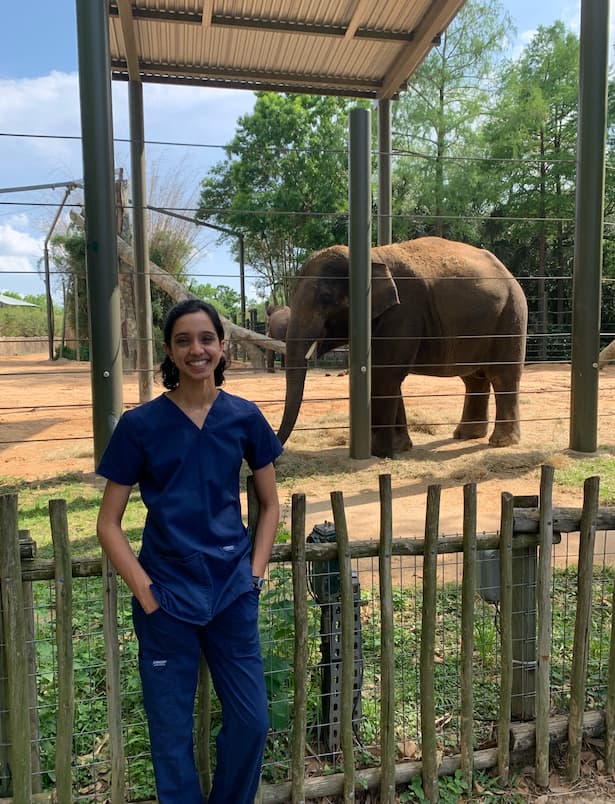
Dr. Iyer is originally from Houston, Texas and is also a graduate of UC Davis School of Veterinary Medicine, class of 2022. Dr. Iyer is our first year IZAAR (Illinois Zoological & Aquatic Animal Residency) resident. She will spend her entire first year of her residency rotating through all the services in UIUC’s Zoological Medicine department, including the Wildlife Medical Clinic!
Why did you chose to come to UIUC Vet Med?
UIUC has a really strong program for zoo and aquatic animal medicine that gives residents a wide breadth of training, from wildlife to companion zoo species in an academic setting, to a traditional zoo and aquarium. I’m looking forward to getting experience in all these areas through my residency training.
What are your career interests and aspirations?
My goal is to become a board-certified specialist in zoological medicine, and I hope to work as a clinical veterinarian at a traditional zoo/aquarium after my residency. I would also love to use my clinical skills to help contribute to species conservation both locally and internationally someday!
What is your favorite wildlife species to work with?
I have a soft spot for chelonians (turtles and tortoises)!
What are you most looking forward to at the Wildlife Medical Clinic?
I’m most looking forward to being able to work alongside vet students at WMC – this is such a great learning opportunity for students, and I’m already so impressed with all the care and passion they put into their cases. I’m also new to Illinois so am looking forward to learning more about all the cool, local species that make Illinois their home!”
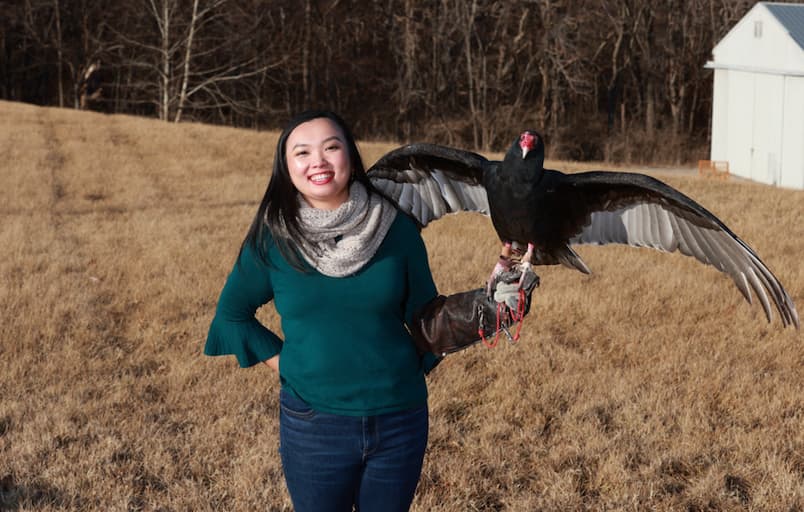
Dr. Le is originally from Leicester, Massachusetts and she attended veterinary school at the University of Missouri! She graduated with her DVM degree in 2023 and was also able to earn a master’s degree in public health. Dr. Le is our newest IZCAR (Illinois Zoo Companion Animal Resident).
Why did you choose to come to UIUC Vet Med?
I chose to attend UIUC as it is one of the few places that had a zoological companion animal focus program. I visited UIUC last year as part of my externship during my small animal rotating internship and enjoyed my time here. I also liked that there are so many ACZM diplomates that are part of the UIUC team that I can lean on for support.
What are your career interests and aspirations?
My ultimate career goal is to become ACZM boarded with a focus in Zoo Companion and be able to work in private practice or academia. There are not many schools with an exotics program, such as Missouri, so I would like to fill that gap and be able to share my knowledge and experience with inspiring ZCA vets. Eventually, I would love to go into consulting and be able to help private practitioners who are interested in seeing exotics in their practice feel more comfortable in doing so. I would love to eventually earn my wildlife rehabilitator license in whatever state I end up in, specifically for turtles and tortoises.
What is your favorite wildlife species?
Virginia opossums and turtles!
What are you looking forward to the most at the WMC?
I am looking forward to working with various wildlife species and thinking of different ways to manage them so that they are able to return back to their normal habitat in the wild. Oftentimes, their health issues arise from the impacts of human activities, so I feel like we should help them as much as we can. With wing trauma/fractures being prominent in birds that come to wildlife rehabbers, I would love to be able to gain experience in surgical repair. Same with shell repairs in turtles and tortoises.
Do you have anything else you would like to share with our readers?
I’ve been involved with wildlife rehabilitation since college with my first exposure being at Tufts Wildlife, which is where I fell in love with diamondback terrapins and other reptilian friends. During all four years of vet school, I was involved with the Missouri Raptor Rehab Project and have become comfortable working with birds of prey. Fun fact, I have a tattoo of a spotted turtle and an Eastern Screech Owl. The owl portrays the two education birds I worked with at both Tufts (Percy) and at Missouri (Agnes). I am also an avid cat lady with four cats (Greg, Walter, Eleanor, and Alfred) and love houseplants.
Written By: YiYing, class of 2026 and Rachel, Class of 2027.
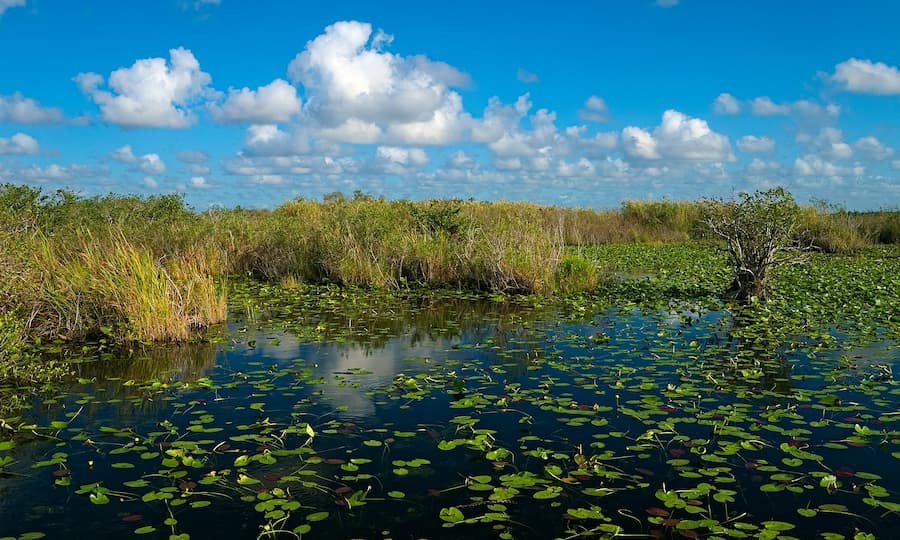
North American wetlands are a sight to behold, with their crystal water reflecting the sun’s rays and the vibrant fish swimming beneath. The woven nests of pied-billed grebes, adorned with the leaves of lush cattails, deep blue wild iris, and brilliant yellow marsh marigolds, add to the beauty of these water-dominated landscapes. Despite their poor, oxygen-starved soils and highly variable conditions, these incredible ecosystems support more than 40% of the world’s biodiversity. Embark on a journey to explore the wetlands of North America, from the saltwater mangroves of the Gulf Coast to the interdunal wetlands of the Door Peninsula and witness the unique bird species that depend on them.
We begin amongst the mangroves of the Gulf Coast. A mangrove is one of many species of trees specially adapted to live within coastal intertidal zones, the area between the lowest and highest tides. The intertidal zone can be covered in freshwater, saltwater, or a mix at any time. It can also be ten or more feet deep or completely dry, sometimes even on the same day. These drastic changes mean the mangroves provide stable shelter to numerous species wishing to call the coastal intertidal zone home.
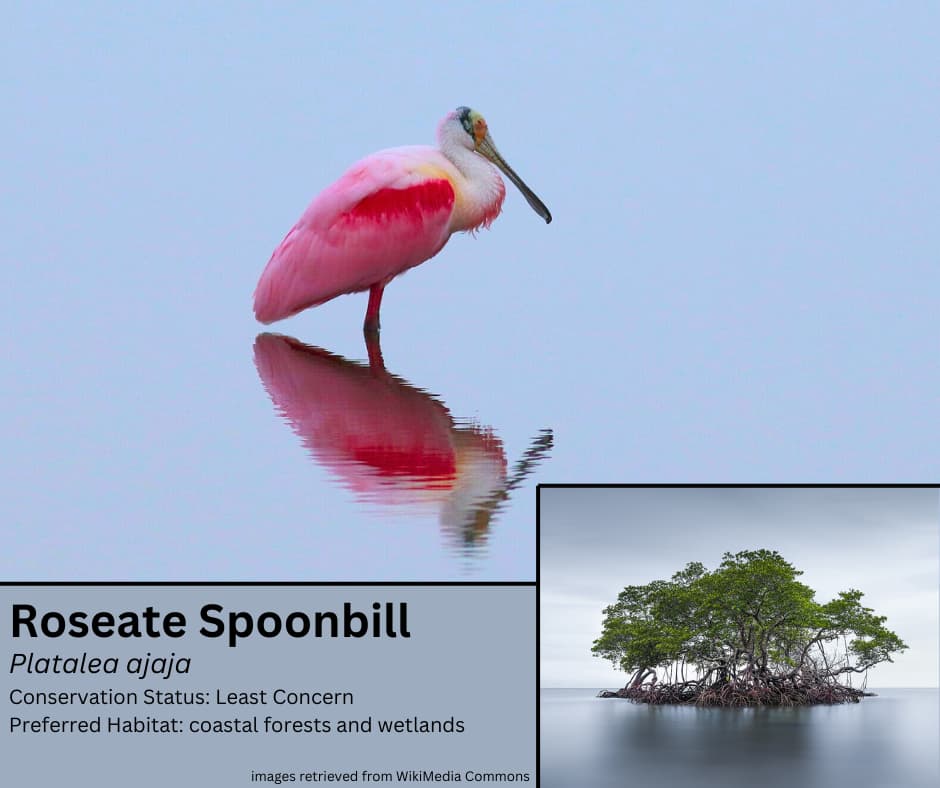
One such species, the roseate spoonbill (Platalea ajaja), can be found along the coasts of Florida and Louisiana in the United States. Its range once stretched along the entire gulf but was decimated by feather hunters in the early 1900s. It has stunning plumage, with a bright pink body, brilliant red along its wings, and an orange tail. Its most striking feature, and the reason for its name, is its spoon-shaped bill. This bill allows it to feed via “tactolocation,” where it slowly walks through the water, swinging its head back and forth, mouth open until it feels its favorite food (typically small fish or invertebrates) and snatches it out of the water. Essential locations protect many roseate spoonbill breeding sites, including Everglades National Park, the Kennedy Space Center, and the Merritt I National Wildlife Refuge. However, coastal development remains a significant threat as the spoonbills must forage beyond their nesting sites. This can be seen in the Florida Keys, where large developments have removed the mangroves and physically pushed the spoonbills to forage in new locations. Coastal development has also directly resulted in decreased water quality that impacts the fish and invertebrates on which the spoonbills depend. It’s crucial to recognize the importance of conserving fragile mangrove habitats to safeguard diverse and unique species like the roseate spoonbill for the benefit of future generations.
Next, we will stop within the Cache River Wetlands, one of 41 North American sites recognized as internationally important by the International Convention on Wetlands (Ramsar). This area supports a network of cypress-tupelo swamps. These beautiful ecosystems bring alligators and mosquitos to mind rather than the corn and soybeans one typically pictures when thinking of Illinois.
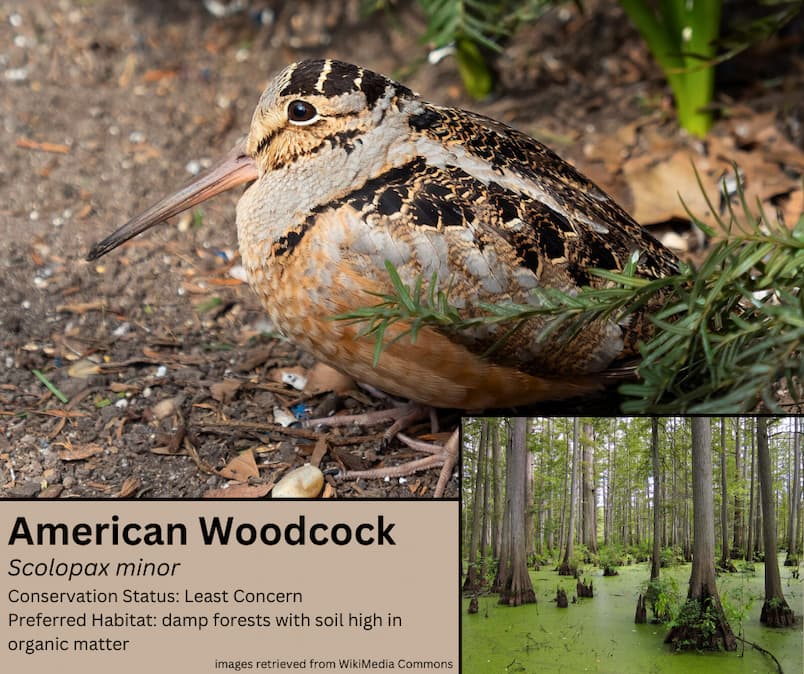
Along the edges of these swamps, where murky water gives way to rich, damp, worm-filled soils, lives one of North America’s strangest birds: the American woodcock (Scolopax minor). A member of the sandpiper family, this bird frequents swamp edges, damp forests, and other locations with soft soils perfect for digging up their favorite food: earthworms. Their long, think beaks pierce through the soil, probing for worms. Their tilted eyes, located so far back on their head that they are behind their ears, allow them to see the sky even when their beak is buried in the ground. Adding to their uniqueness is their buzzing call, described as “bzeep”, which can be heard emanating from the darkness of night as they perform their courtship rituals. All these traits have spurred the creation of a colorful host of names, including bog sucker, night partridge, and timberdoodle.
Farther north, we can find the Great Lakes, one of Earth’s most incredible freshwater ecosystems. These lakes make up 1/5 of Earth’s freshwater and hold more than six quadrillion gallons. Tucked along the western edge of Lake Michigan sits the coastal wetlands of the Door Peninsula, another Ramsar recognized location. These wetlands, called interdunal wetlands or dune slacks, are some of the most unique wetlands in the world. Coastal dune systems are shifting ecosystems defined by the movements of wind and water. Interdunal wetlands are created when strong coastal winds carve out sand to a point below the water table, allowing water to well up to the surface. Much like the dunes that surround them, interdunal wetlands change from day to day, decade to decade, and century to century as the dunes cover them, only to reveal them again in the future.
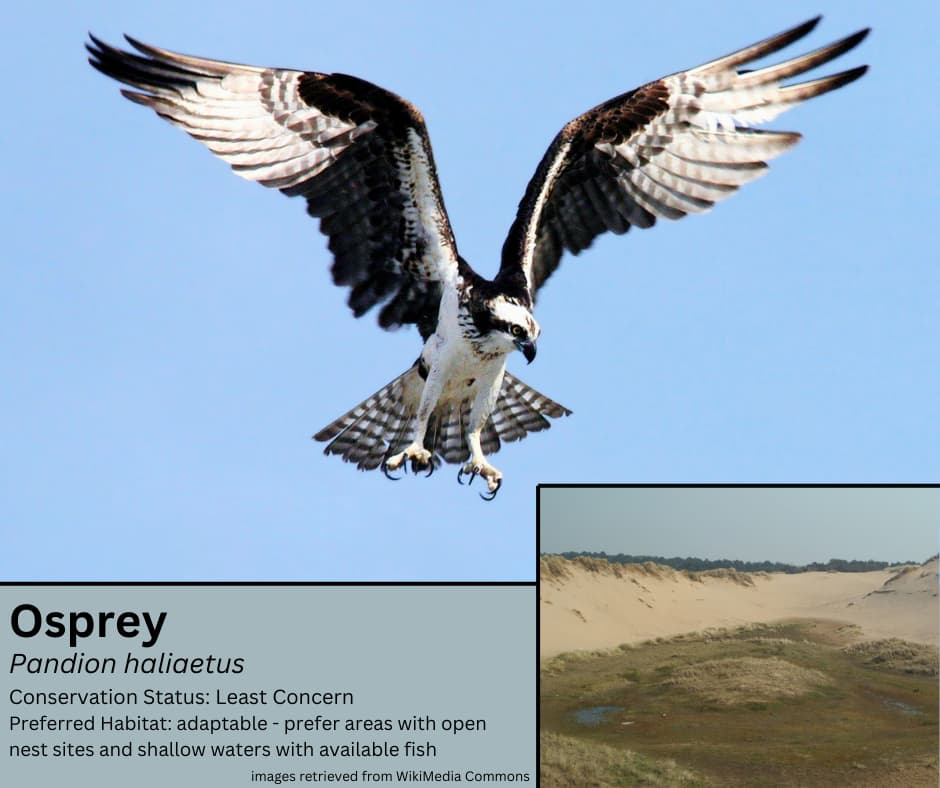
This pristine ecosystem provides the perfect habitat for the osprey, a widely admired raptor whose diet consists mainly of fish. Osprey populations rapidly declined from the 1950s through the 1970s due to the widespread use of the chemical pesticide DDT, which caused the thinning and weakening of bird eggshells. Studies of osprey provided the crucial evidence needed to enact bans against DDT, allowing bird populations across the country to begin to recover. More recently, habitat and nesting-site loss have impeded the osprey’s recovery, but the increasing popularity of artificial nesting platforms and the osprey’s preference for these platforms over other natural sites has allowed them to thrive once again.
From the mangroves of the Gulf Coast to the cypress-tupelo swamps of the Cache River Wetlands and the interdunal wetlands of the Door Peninsula, North America’s wetlands offer a diverse array of habitats for unique bird species. These wetlands not only provide a home for these remarkable bird species but also contribute to the rich biodiversity of North America’s landscapes, making their conservation imperative for generations to come.
Written By: Tyson, Senior Manager and Class of 2026.
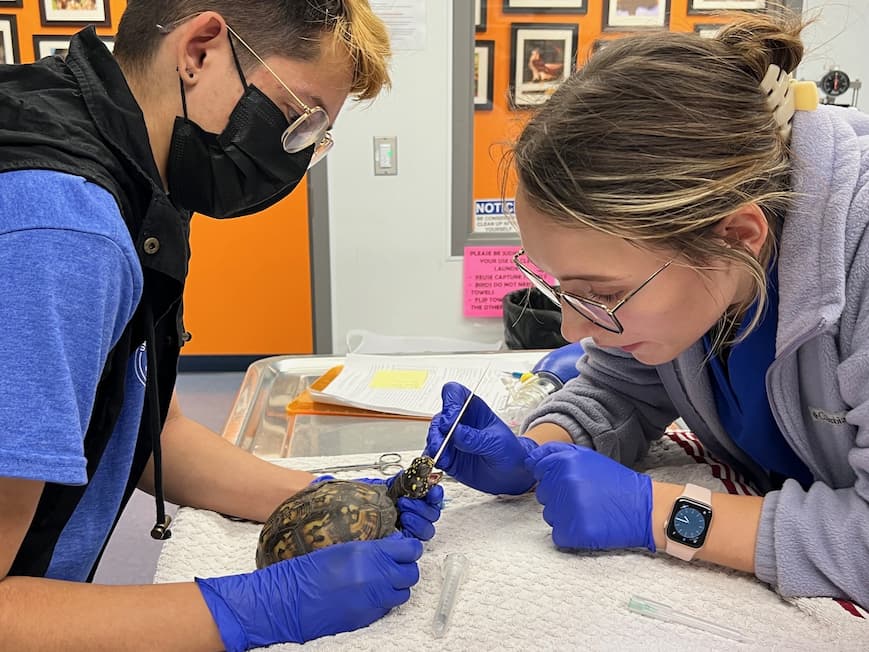
We are the Wildlife Medical Clinic and it is our mission to provide care and treatment to sick, injured and orphaned wild animals, offer hands-on training to veterinary students, and educate members of our community about coexisting with native wildlife. We see around 2,000 patients per year and close to 115 species. Some of the most common species we see are squirrels, rabbits, opossums, raccoons, songbirds, raptors, waterfowl, and turtles.
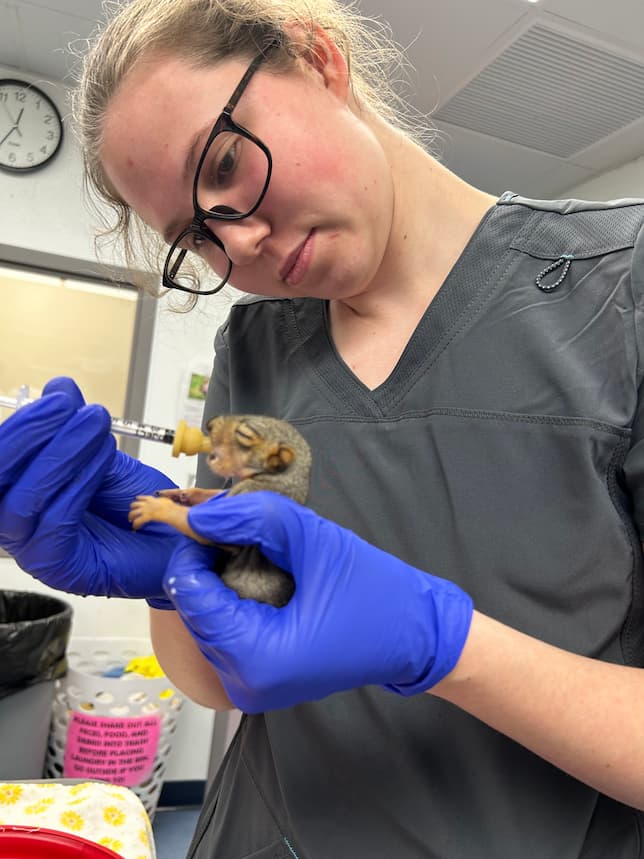
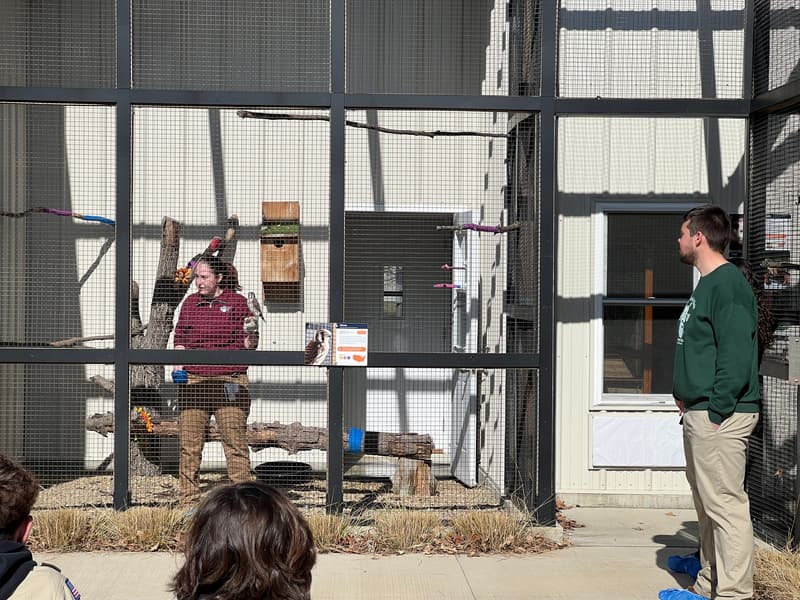
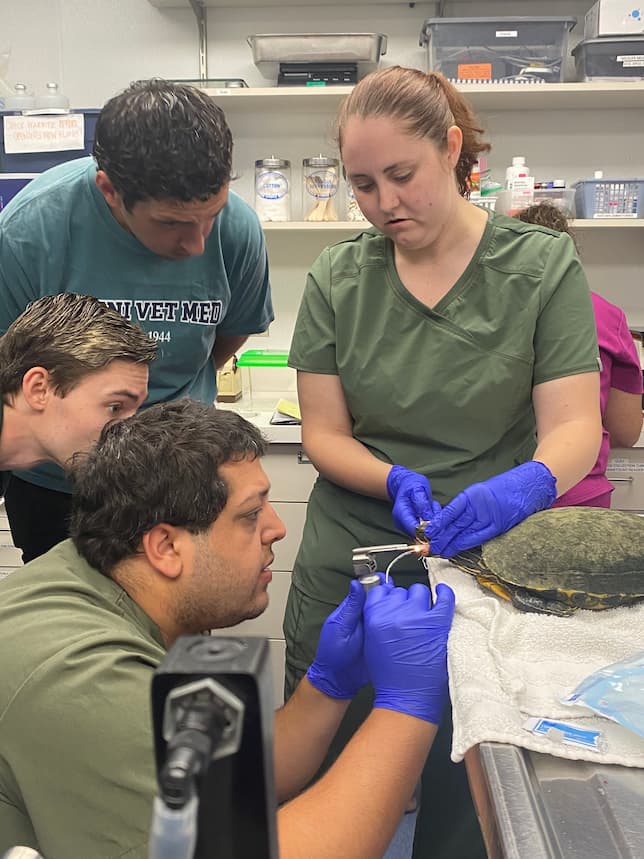
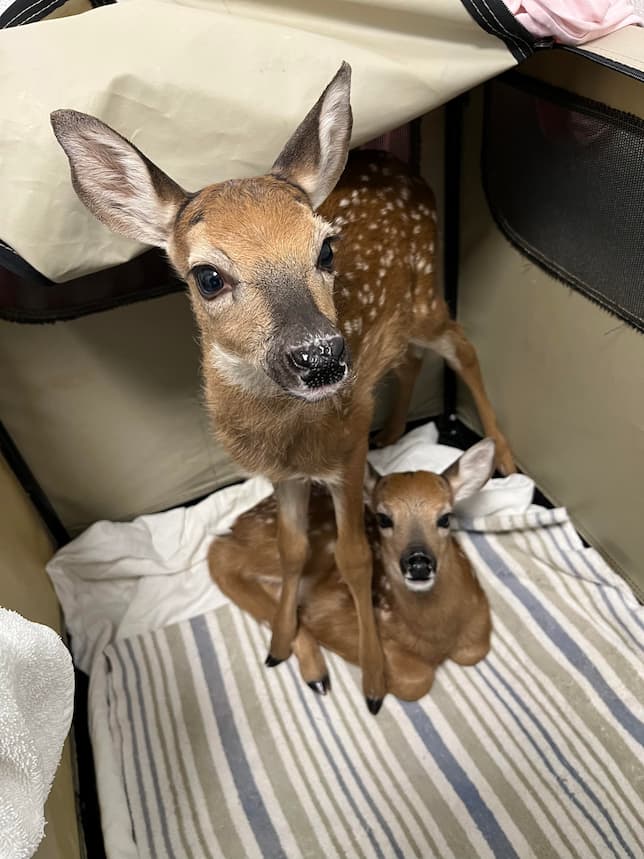
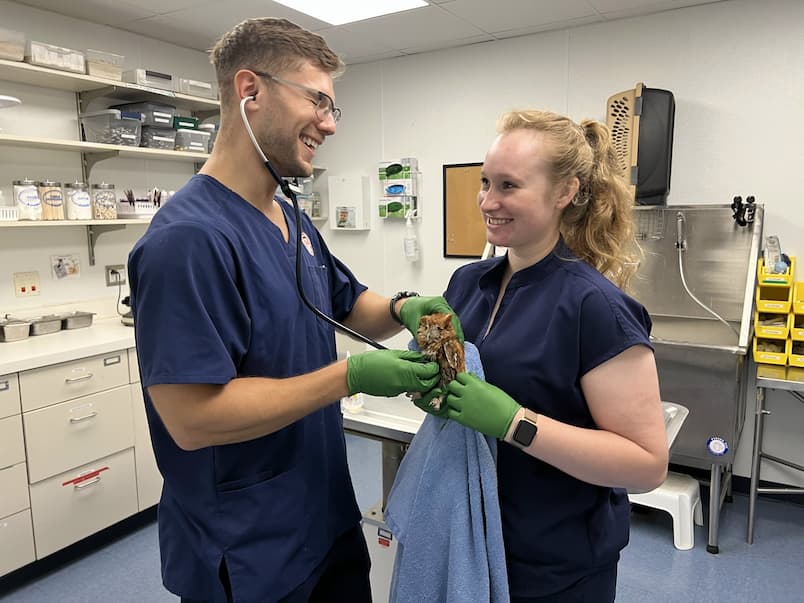
At the Wildlife Medical Clinic, we frequently get calls and emails asking how to help the amazing wildlife in our community. Thank you for caring; we couldn’t do this without you! If you are concerned about an animal that you saw but aren’t sure what you should do, here are some steps you can take!
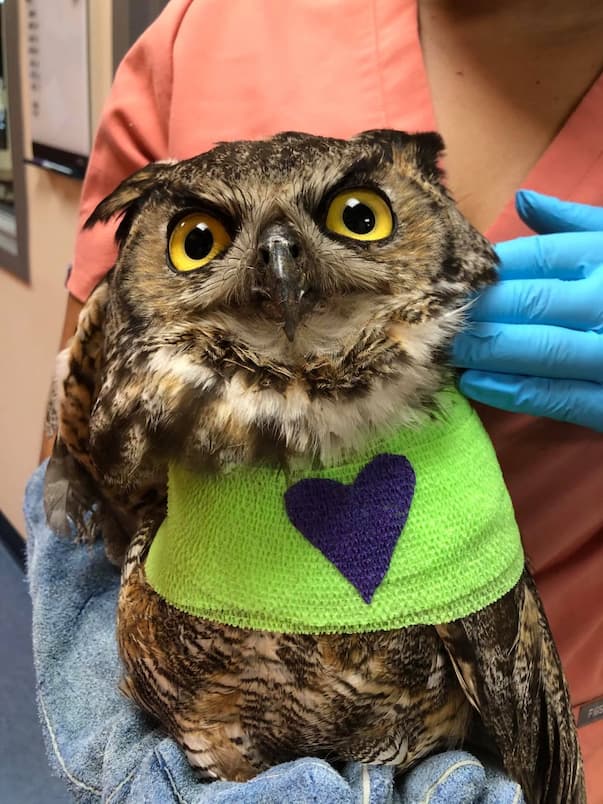
Generally, wild animals should be scared of humans, so they will normally want to keep their distance or run away if humans are nearby. If an adult animal doesn’t want to escape and hide when you approach it, this is NOT normal behavior. In animals, an observation of a behavior change is often one of the first signs (besides unwillingness to eat), that an animal isn’t feeling well. This animal may be sick or injured and should therefore be brought to us if you are able to do so!
Additionally, physical injuries are quite common in wildlife. A bird striking a window or a squirrel getting hit by a car will likely have serious injuries that require medical attention to ensure survival.
If you can, safely pick up the animal with a blanket (always wear gloves if you have them), put it in a box, and bring it to us!
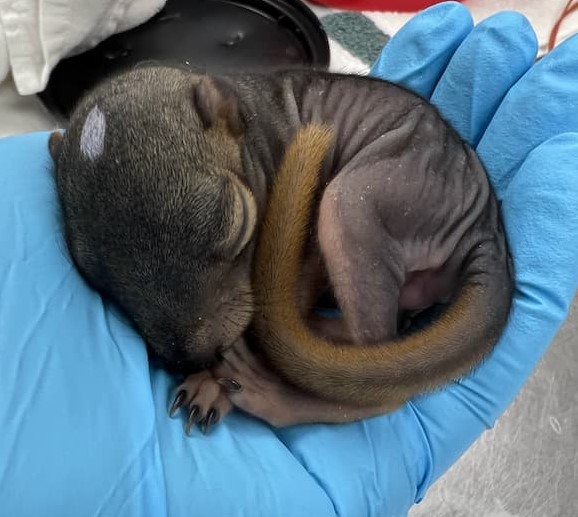
Just because a baby animal is found alone doesn’t mean it is an orphan. Some animals, such as birds, will be close by but not right near their young. Also, when these youngsters leave their nest, they are not great at flying and may look injured because you only see them hopping on the ground. If you observe them from a distance, you will usually see mom and dad feeding them and in a couple days, they should be better at flying and will be on their way.
Then, some wild animal moms, like rabbits for example, only return to their babies twice a day, once in the morning and once at night. Therefore, if you disturb a bunny nest while mowing the lawn, and see no mom nearby, it is likely the mom is just out looking for food. It is important to note that since rabbits are scared of humans and view us as threats, you must not hover around the nest or the mom will not want to return. However, if you would like to double check to ensure that the mom has returned later on, lay some leaves and sticks over the den and return into your house. The next morning, check the den; the leaves and sticks will have moved if the mom returned that night.
If the babies are indeed orphans, you can find a licensed wildlife rehabilitator near you. You can also bring them to us if a rehabilitator can’t be found or if you are concerned that the baby may be in need of medical treatment.
If you have questions or concerns, our volunteers are always more than happy to talk to you! Our contact information is wmcchair@vetmed.illinois.edu or 217-244-1195.
Written By: Aimee, Class of 2025
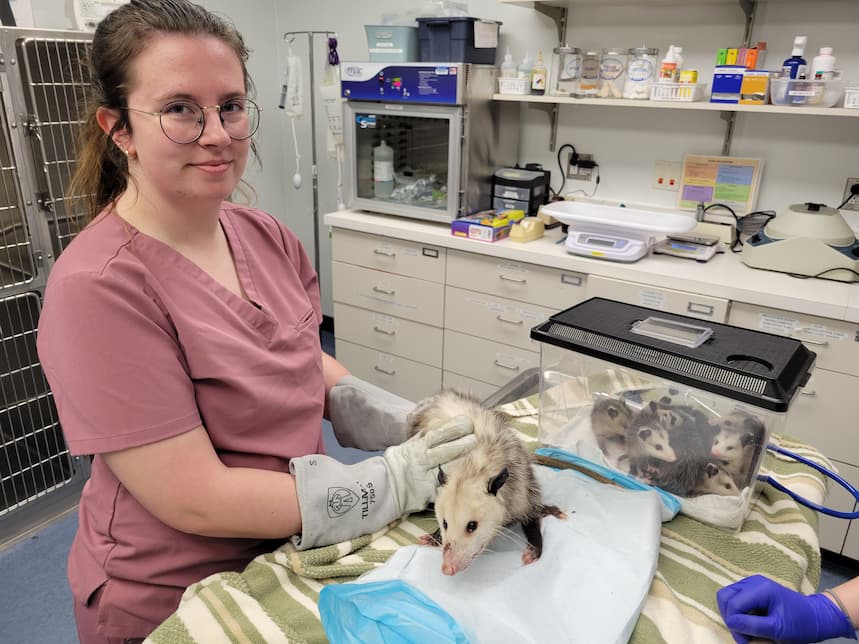
Summer is the busiest season in the Wildlife Medical Clinic! To ensure we provide quality care and support to our patients, our summer interns have been putting their whole heart into caring for our wildlife patients and supporting our faculty, house officers, and 4th-year vet students. Each year, we hire 3-4 veterinary medicine students, who have been involved in the clinic for at least a year, as summer interns. Their main responsibilities are to provide near-peer mentoring to our 4th-year students on case management, medical treatment, diagnostic choice, and all things wildlife. Below are some of the case highlights from each of our summer interns this year and their reflections on the season!
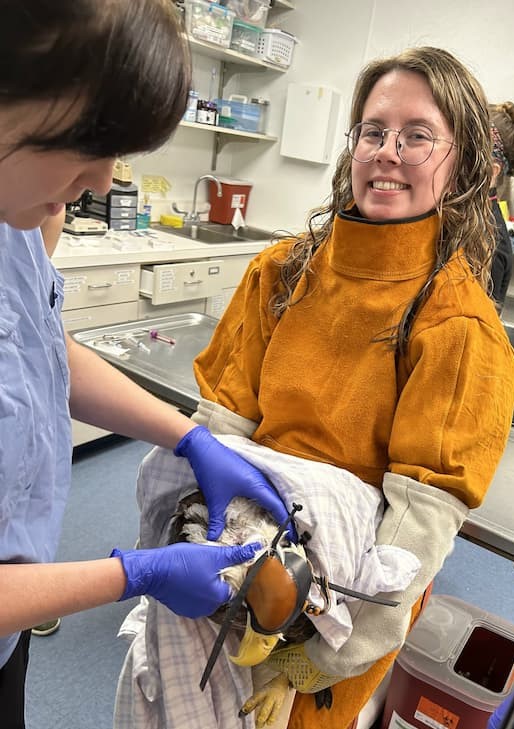
At the beginning of August, the Wildlife Medical Clinic received a female American Kestrel. She came to us after being found near the side of the road and was not acting normally. I do not have a lot of experience with American Kestrels in the clinic and I really enjoyed getting to be involved during the triage exam for this patient. During her physical exam, there were not any obvious injuries or abnormalities, but we did notice some increased laxity in her right wing. We also looked into her eyes with an ophthalmoscope and were able to see evidence of minor hemorrhage or blood in the right eye. While she has been in the clinic, we have been providing pain medications, anti-inflammatories, and additional supportive care as needed. I look forward to working with her more and seeing her progression as she continues to heal!
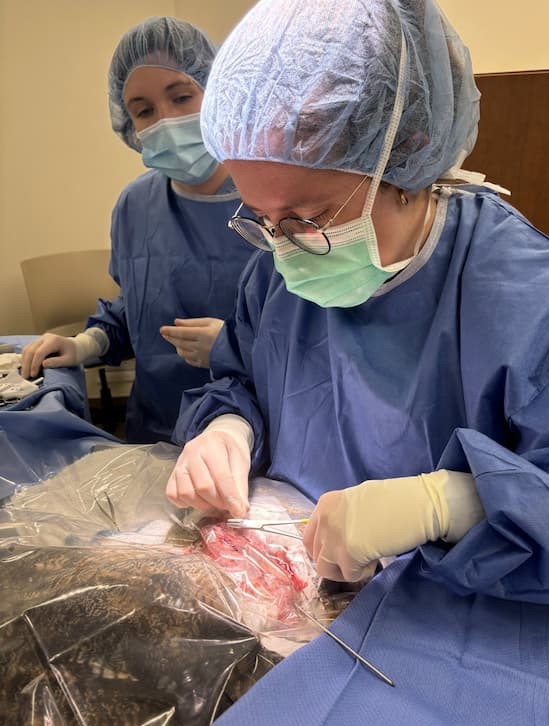
My name is Rachel Eggleston, and I was chosen to be one of the DVM student interns for this summer! I will be going into my second year of veterinary school this fall. Some of my favorite memories from this internship have been getting to work with different raptor species. One of my favorite memories that I will remember for a long time is getting to scrub in and suture close on a surgery for a Great Horned Owl! I have always been a fan of birds and thoroughly enjoyed helping treat a Bald Eagle we had in the clinic for a while before it was transferred to a different wildlife center. I love so many things about being able to work in the WMC, but I think what I value the most from my time this summer is the long-lasting connections I have been able to make. I have greatly enjoyed getting to work alongside clinical year students, faculty, residents, and the WMC managers. This summer program has allowed me to grow and strengthen my skills as a future veterinarian, student, and colleague, and I am so grateful to have had this opportunity!
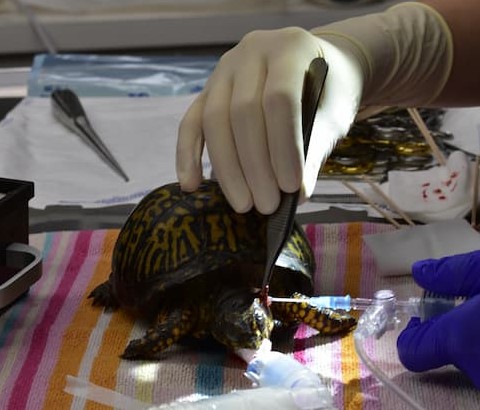
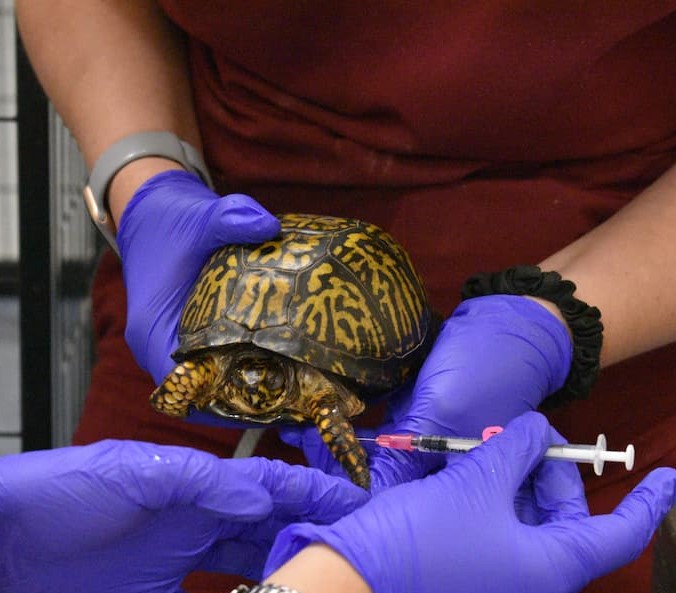
In early July, we had an adult female eastern box turtle come into the clinic for swelling on the sides of her face and not moving around much. Upon our initial exam we found that the patient had aural (ear) abscesses on both sides. The turtle also had some crusting and discharge in both eyes along with nasal discharge. We were able to drain the larger abscesses and started her on antibiotics to help clear the rest of both abscesses. We also gave pain medication and anti-inflammatory medication to help with her healing. During her stay we also found she had corneal ulcers that we treated with eye medication, and they resolved. We had to drain the abscess one more time during her recovery. We also tested for mycoplasma, and it came back negative while the culture of the abscesses came back sensitive to the antibiotic we used. She continued healing and recovering well in the clinic. Turtles heal very slowly, and it takes a lot of patience and dedication to help them along the way. We made sure she finished her course of antibiotics and then she was given one last exam to confirm her clean bill of health before being released on August 9. We hope she has a long and healthy life!
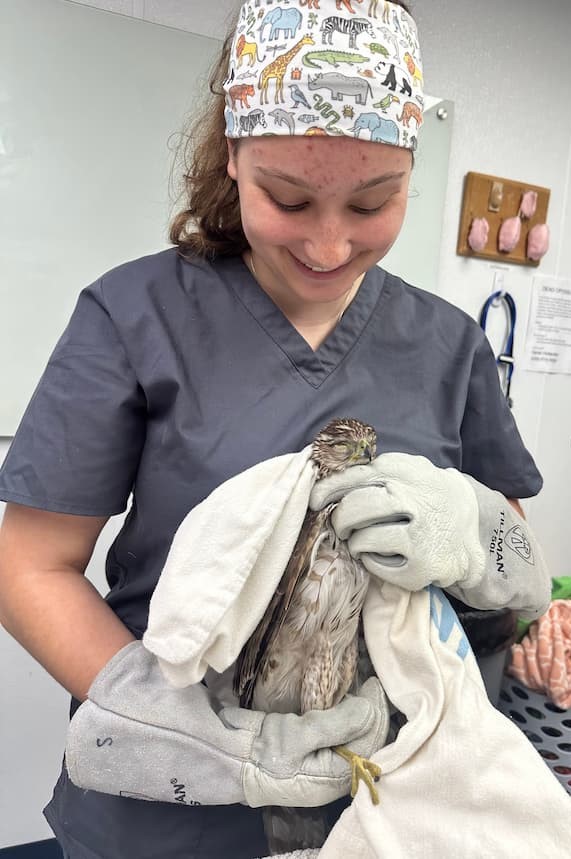
My favorite part about this summer has been working with the undergrads and 4th-year students. I love being able to show them new things about wildlife patients, teaching new skills, and seeing the lightbulb moments. I grew more confident in my daily clinical abilities and feel prepared and excited to be a team leader for the next school year. I also enjoyed seeing patients we don’t always get during the school year.
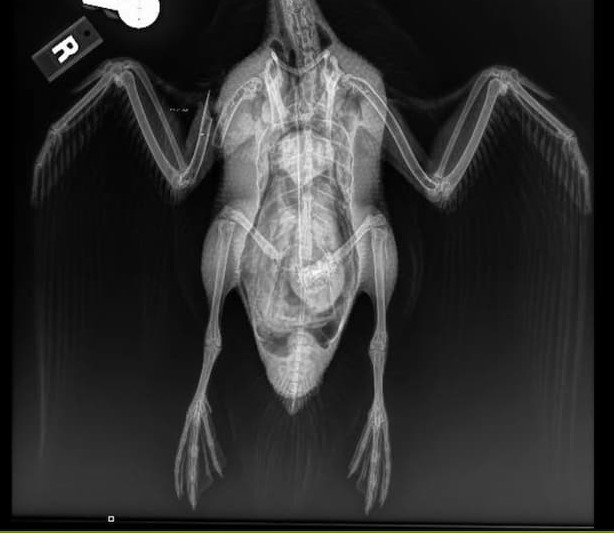
An adult female mallard presented to the wildlife medical clinic on May 29, 2024, with an acute mid-diaphyseal long obliqued simple right humeral fracture, opened on ventral aspect with ~1-2 cm of exposed bone with each fragment. The injury appeared very acute (< 6 hours old), and not grossly contaminated. There was relatively minimal muscle/soft tissue damage.
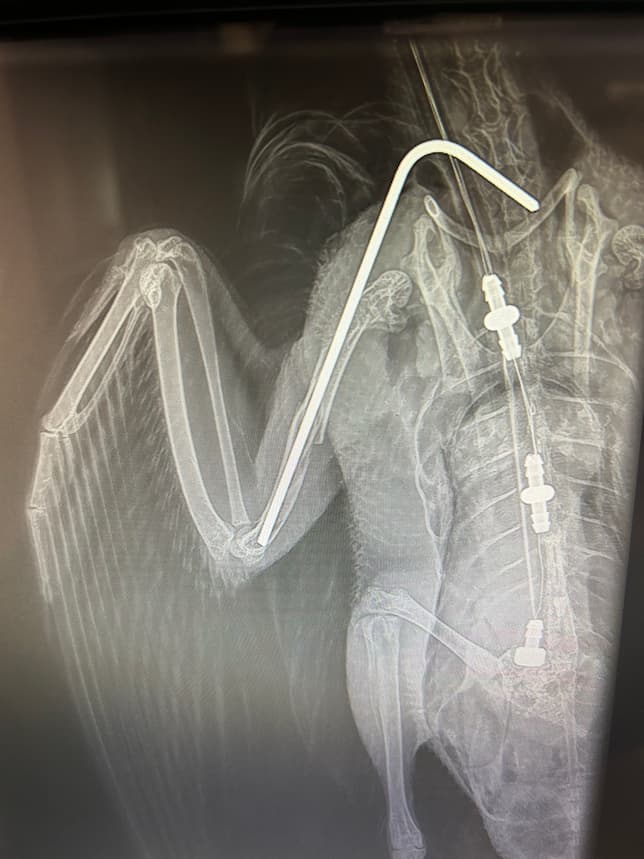
Immediately upon intake, radiographs were performed to confirm the injury, and the animal was prepped and taken to surgery. An inter-medullary pin was retrograded into the right proximal humerus via existing the ventral wound. The distal fragment was aligned and the IM pin advanced until it was well seated in the distal fragment. The open fracture was closed with a continuous horizontal mattress suture. The IM pin was bent using a chuck and vice grip and then blunted. A body wrap was placed to stabilize the wing for healing. The mallard was then started on pain medications and antibiotics.
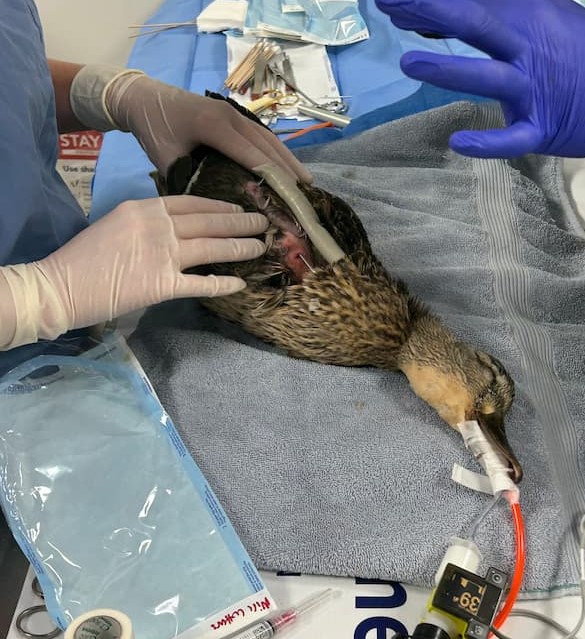
Physical therapy was performed three times per week for several weeks to prevent loss of range of motion in the wing. The pin was slowly destabilized or removed as the wound healed. Repeat radiographs were performed to monitor healing. Eventually the pin was removed completely. Once the mallard was healed, she was transferred to another facility for continued rehabilitation before release.
The summer program has been wonderful. I have enjoyed working with so many wonderful people and animals. I have learned a lot and been able to practice many skills.
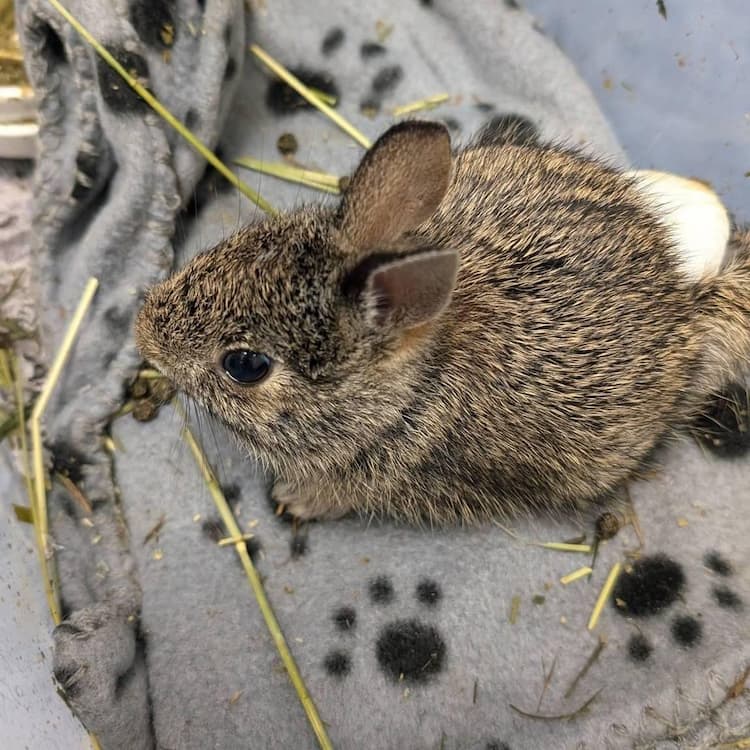
One of the most inspiring cases from this summer is from a small bunny that came into the Clinic. An unidentified juvenile eastern cottontail presented to the Wildlife Medical Clinic on June 14, with a history of a broken left leg. On the intake exam we found a fracture of the right tibia, but other than that, this bunny was pretty healthy. Now when animals come into the clinic there are a list of factors we always need to consider for the health and safety of the animals and the volunteers. “How will this animal respond to captivity while in the clinic, and what is this animal’s prognosis.” Prognosis meaning based on everything going on with the animal and the road they face ahead, how likely are they to survive to then be released.
When speaking to Dr. Lewis about this case and evaluating the prognosis of this patient we decided to keep this patient for further evaluation. Due to their good body condition and the stability of the fracture we created a plan for this patient. Body condition can be a huge aspect to the prognosis of a patient. This comes down to, how stable is this animal, and if it is not stable, how long will it need to become stable. Without the patient being in good body condition and having appropriate neurological signs, it can be hard to treat severe injuries successfully.
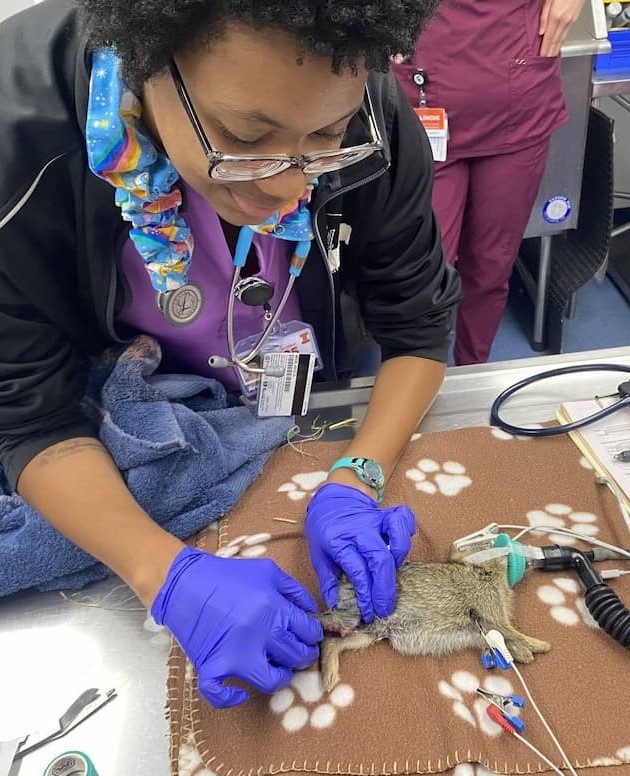
Throughout the patient’s stay the bunny was doing very well. We stabilized the fracture site with an Ehmer sling, the same process as when you need to put your arm in a sling when you shouldn’t use it, for healing purposes. We kept the bunny on some pain medications to keep them comfortable while in our care. We took radiographs (x-rays) on the patient to visualize the fractured leg. After confirming the stability of the fracture, the doctors were able to fix the leg surgically by placing an intramedullary pin. This is a pin just a little smaller than the width of a bone that is used to keep the bones in place while the patient is healing. After surgery our patient was still doing well and gaining weight, which again eating is a positive prognostic indicator. After about a week we checked to see the healing progress of the patient by taking another radiograph. Since there was evidence of a bony callus starting to form, we removed the sling and allowed the patient to freely move around the cage to encourage movement of the stifle (knee) and hock (ankle). After another week another radiograph was taken to see if it was time to take the pin out of the patient’s leg. Due to the stability and healing of the leg we did decide to take the pin out. The pin was removed a little over 2 weeks after being placed. We were able to remove this pin this early because bunnies can heal very quickly, especially young ones. We also didn’t want the pin to limit this growing bunny’s leg, so we were very happy to remove it so quickly. The bunny was able to be released a few days after pin removal.
Overall, the patient did very well and gained over 100g during their time with us in the clinic. Something we could have done differently in this case was to keep this patient a little bit longer to get more strength built in the injured leg but ultimately it was doing well, and we felt comfortable with releasing when we did. We were very happy with the result of this case and hope this eastern cottontail is out in the wild eating all the greens and growing to adulthood!
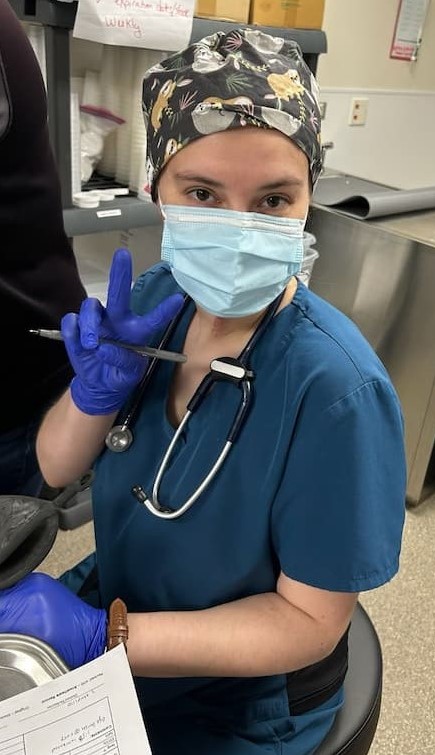
My name is Sofia Murillo Logan and I am one of the Wildlife Medical Clinic Summer Interns. I applied to this internship because I wanted to spend more of my time immersed in wildlife. Volunteering for the clinic in the school year can be difficult due to the rigors of veterinary school. My experience thus far has been nothing short of inspiring. I get to learn daily from our amazing WMC Director, Dr. Stephany Lewis, as well as our house officers that are working towards specializations. Being at the clinic has increased my confidence and knowledge not just in wildlife species, but also in medicine and clinical reasoning. I have greatly enjoyed working with our fantastic and knowledgeable managers Tyson Jenkins and Riley Dunwoody. They both are incredible leaders and are passionate about doing what’s best for all the creatures in our care, as well as for the students in the clinic. For any students at the University of Illinois interested in gaining more hands-on experience I highly recommend getting involved in the Wildlife Medical Clinic.
Written By: YiYing and Sofia, class of 2026, and Rachel, Roxanne, and Caroline, Class of 2027.
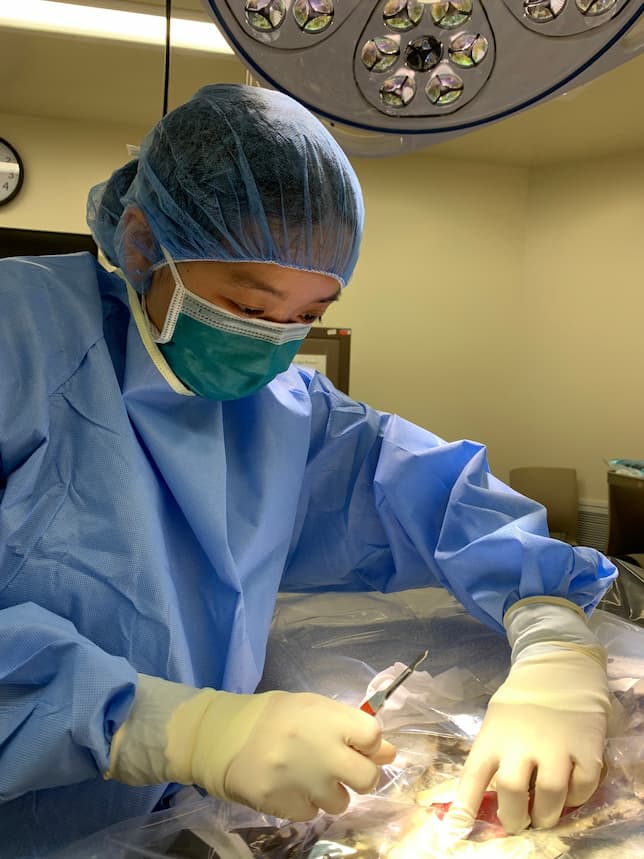
Dr. Amanda Wong our wonderful Zoological Companion Animal Resident recently completed her residency at the University of Illinois Urbana-Champaign. She spent countless hours at the University of Illinois Zoological Service and the Wildlife Medical Clinic for the last three years. And many of our volunteer students had the honor of working with and learning from her. She always put her students first and motivated them to take on the challenge of practicing new skills. This July, Dr. Wong left the University and moved on to the next chapter of her career. Although we were sad to see her go, we wish her the best in the next chapter of her career. However, before she left we conducted a mini-interview with her and are excited to share!
Dr. Wong graduated with a Doctor of Veterinary Medicine degree with a background in small animal medicine with an interest in internal medicine and emergency care. Over time, she developed a career interest in zoological companion animals (ZCA), pets that are not small or farm animals. She especially enjoys human and pet ownership in the ZCA world and the potential of medicine, which has a lot of room to explore.
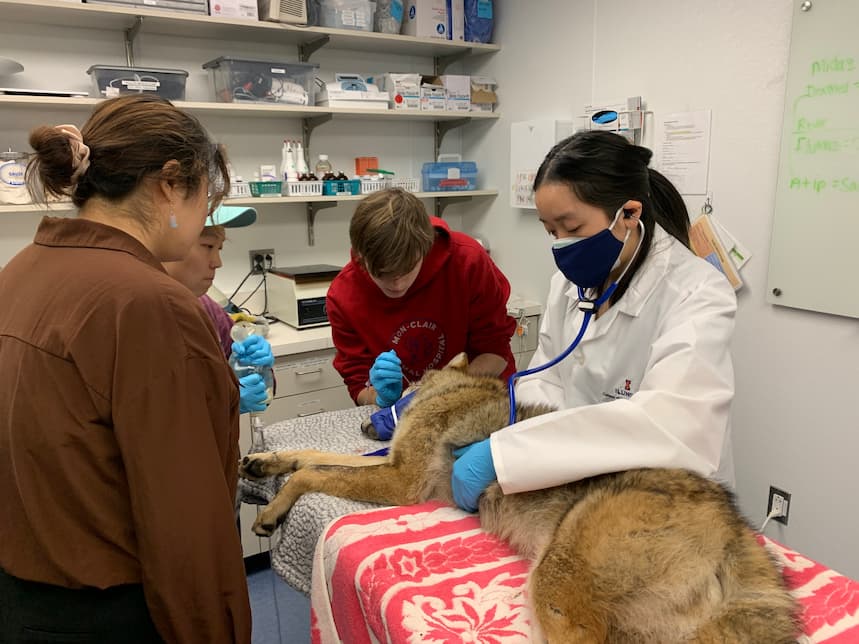
She highlighted her interaction with our students when asked about her favorite memories at the Wildlife Medical Clinic. “… working with students, especially during the summer months, were some of my best memories.” Dr. Wong said she was impressed with the student’s potential and ability. “I remember working with Becky (DVM candidate, class of 2026) on her turtle patient. She took the initiative to learn to place the feeding tube. And she successfully performed the procedure on the patient by herself with only verbal instruction!” Another case that left a deep impression for Dr. Wong was a coyote patient that she worked with student volunteers, “… we don’t get adult coyote often. It was a unique opportunity for students and us (house officers) to think about patient and student safety.”
Dr. Wong has worked with hundreds of wildlife patients at the WMC, and opossum is her top wildlife patient to work with. They not only are incredibly charismatic (think baby opossum here), but they are also great for the environment with their fantastic pest control ability.
After leaving the University, Dr. Wong plans to return to California’s Bay area. She will be joining a private practice focusing on the zoo companion animal. Her long-term goal is to become a board-certified specialist working in private practice and emergency care and one day open her own practice!
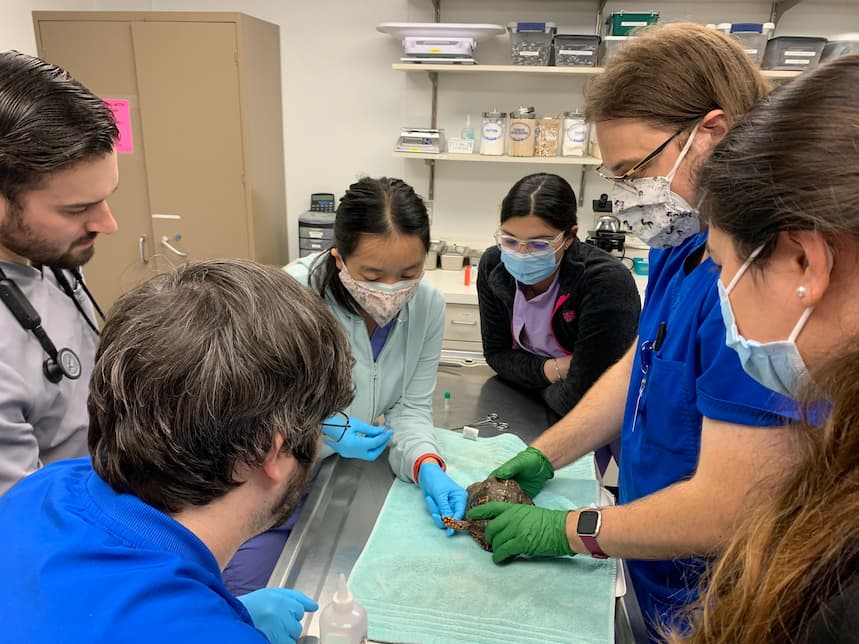
Before we close the interview, she would like to share a word of encouragement with all the readers and our current and prospective students. “WMC, in general, is a fantastic opportunity; learning from the WMC and the cases will serve you very well. I Highly encourage getting involved in the clinic.”
THANK YOU, Dr. Wong, for all of your hard work and the guidance you provided to our students; we will miss you so much! We are sending all the best wishes for your future endeavors.
Written By: YiYing, co-chair and class or 2026 and Rachel, co-chair and class of 2027.
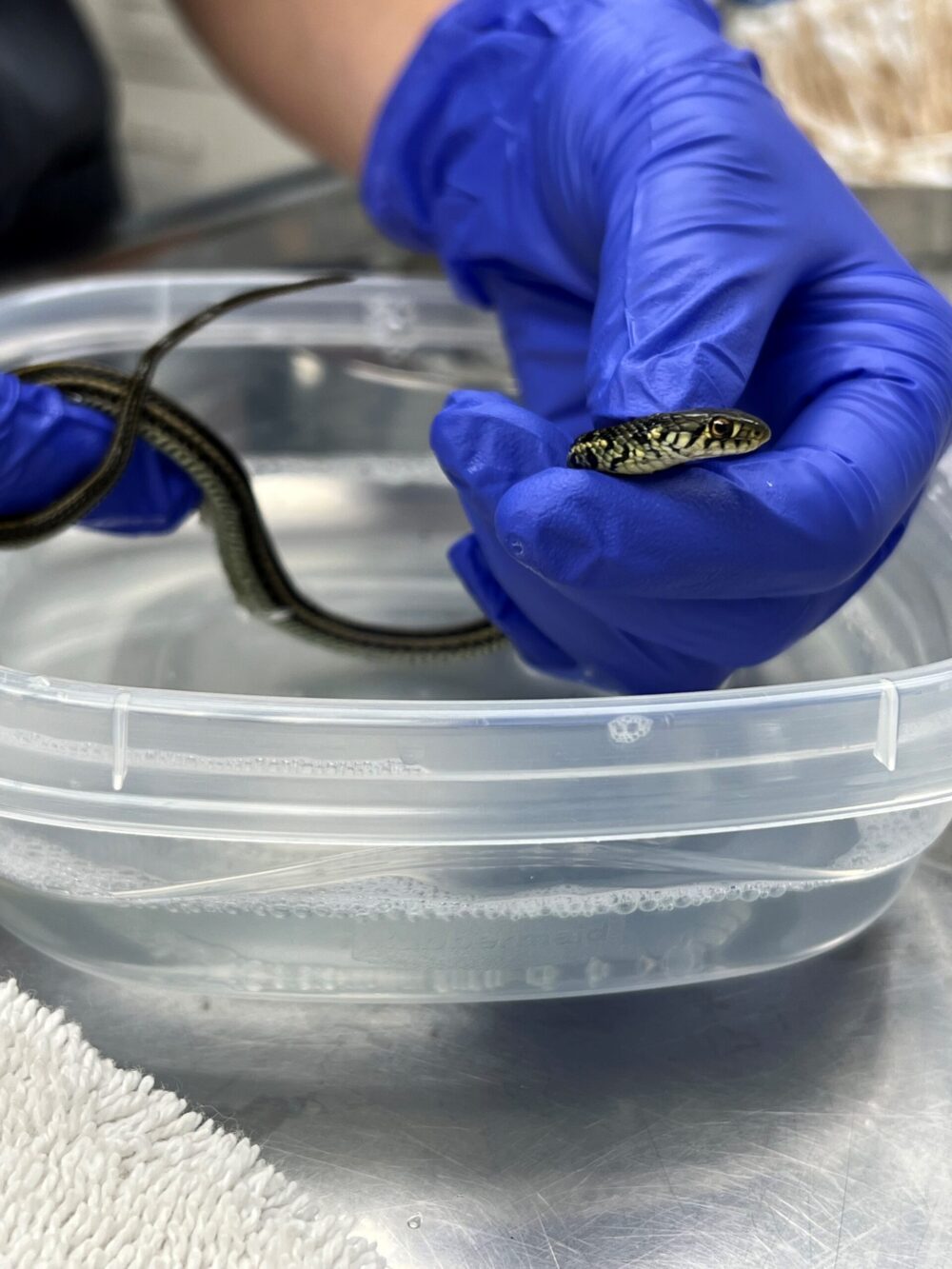
Have you ever been walking along on a sunny day in the spring, going to visit your family, perhaps, when suddenly, you find yourself ankle deep in cement? Or quicksand? Maybe molasses? If you answered “yes” to any of these scenarios, then you will be able to empathize very well with what animals experience when they encounter a glue trap.
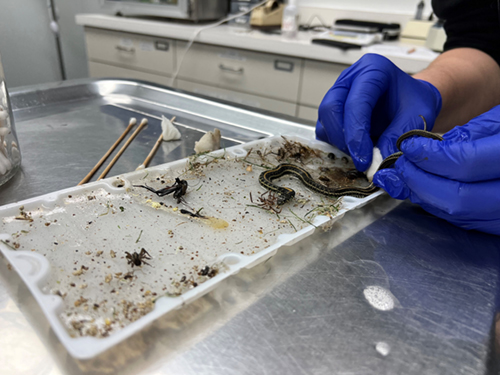
Glue traps are used to prevent animals such as rodents from entering unwanted areas. That is how they are advertised, at least. The reality behind glue traps is far from that simple, however. Glue traps are one of the most inhumane methods of pest control that currently exists, despite being commonly used. They frequently catch more than just rodents; any type of animal can get stuck in one, such as birds, reptiles, amphibians, invertebrates, and even cats if they’re small enough. Just this year, the Wildlife Medical Clinic received several animals stuck to glue traps. Most recently, it was two Common Garter snakes, and they were stuck on the same trap. Thankfully these snakes were brought to us before they experienced any significant state of decline and were eventually released, but many animals are not so lucky.
Most animals that are caught by these traps do not have a quick painless death. They can be trapped for several hours to several days before succumbing to dehydration, starvation, exhaustion, and exposure to the elements. If they are lucky enough to be rescued, many still have lengthy stays at rehabilitation centers due to injuries from trying to free themselves and may need time for feathers and fur to grow back and damaged scales to heal. Thankfully though, there are several effective and humane alternatives!
The best way to keep unwanted wildlife guests out of your home is to ensure that it’s locked up tight and is very uninviting (think, opposite of Goldilocks and the Three Bears). That means storing food in air tight, sealed containers, as well as making sure any cracks or holes leading in are sealed up, especially during the change of seasons. This applies beyond just mice and rats as well; this will ensure you do not have any LARGER guests, such as squirrels or even raccoons, finding your house just a little too inviting.
If you do ever have some unwanted visitors in your home, though, there are solutions to help them find their way out that avoid things like glue traps, or even having to use lethal force most of the time. Different scents, bright lights, and loud music are a few of the options. Basically, make your house unhospitable to your unwanted guests. Strong scents like peppermint will deter them from an area, so applying a few drops on some cotton balls and leaving them at potential entry points around your home (and out of reach of pets and small children!) is a great alternative. Snap traps are another way that you can prevent your home from becoming the new hotspot on the block for wildlife. Other methods such as rodenticides and moth balls are not recommended; rodenticides cause devastating damage to wildlife populations through the food web. Rodents ingest the toxin directly, then carnivores such as raptors, coyotes, foxes, and more, ingest the poison indirectly after they consume what they think is an easy meal, aka, the carcass of a rodent who ate rodenticide. Moth balls are carcinogenic and should not be left out for anyone to be exposed to, humans included!
So, this spring, in the spirit of new life and warmer weather, opt out of the old methods of keeping furry friends out of your house. This is one of the single instances in life where you are ENCOURAGED to be a bad neighbor (play loud music, keep bright lights on, have noxious smells around your home) in order to keep yourself, your family, and also wildlife, safe and free, especially from glue. Happy Spring!
This article was written by third year student Macy (class of 2025)
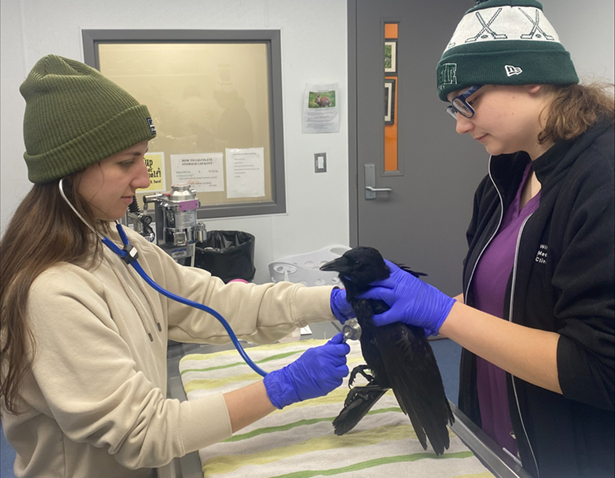
I have wanted to volunteer with the Wildlife Medical Clinic (WMC) since being accepted into the University of Illinois College of Veterinary Medicine. My goal is to become a zoo veterinarian, and volunteering in the WMC is the perfect opportunity to work with some of the species I might see throughout my career working with exotic animals, or at minimum I will see scenarios and cases that can be applied to others in which I will be involved in the future. I signed up right away with a lot of aspirations for what I could learn from the other students, faculty, and residents at the clinic. I started out semi-confident in my clinical skills as I had some small animal medical experience. I also have a zoology background with husbandry (daily care and needs) knowledge of the animals we might potentially see in the clinic. I was excited to finally combine the two experiences by volunteering in the WMC!
As I worked with the team and learned the ropes, I was able to work on two interesting cases before winter break that taught me a lot about the medical process of rehabilitation and what goes into a successful release. I was the secondary on those cases or the number two in who was making decisions, and I was very grateful that the primary on both cases was such a great mentor as I learned a lot from them.
During winter break I volunteered to come back to school early and help in the clinic for a little under two weeks before classes resumed. While I was working in the clinic, we had a crow that was in our care. I was made primary on the case, which meant I was the first person to be contacted if something was going on or someone had questions and I was the main person who would guide medical decisions. I was very excited for the opportunity and challenge but also terrified that I wasn’t ready. Luckily, the secondary on the case was a third-year veterinary student and team leader that I had previously worked with, so I was excited and relieved to have their expertise and experiences to help with this case.
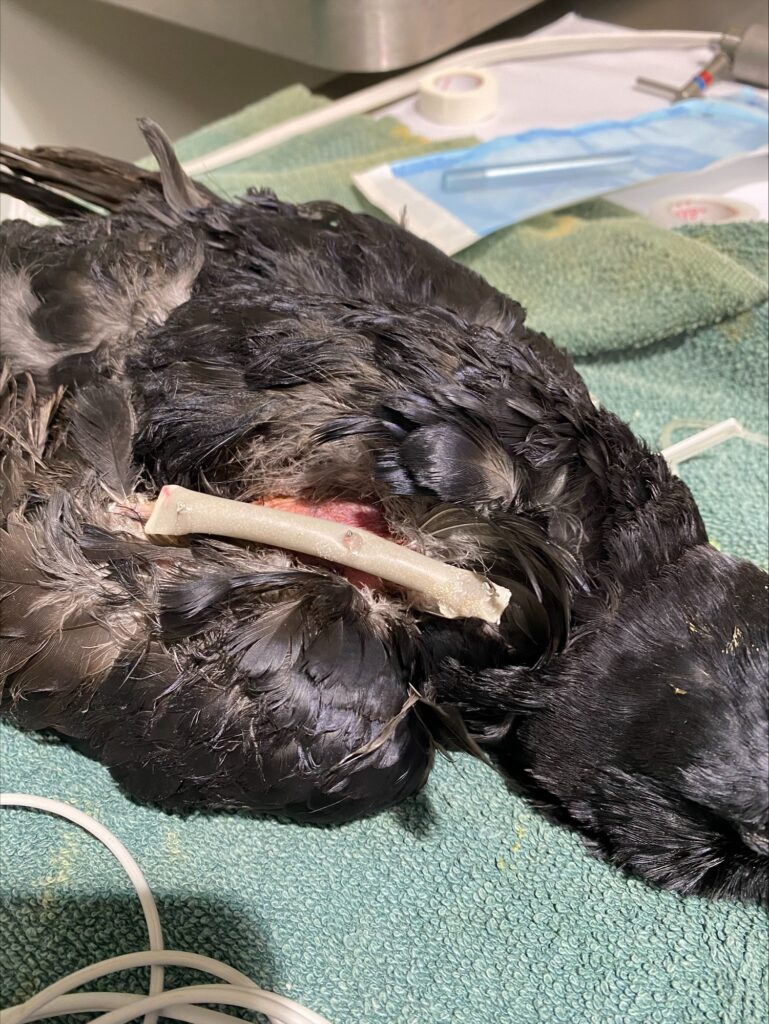
The crow came into the clinic in late December with a broken right humerus (a major bone in the wing). We were able to perform surgery to repair the break, which involved placing pins to hold the bone in correct alignment while it was healing. We put one inside the bone across the two fragments and then we had some on the outside of the wing to help stabilize everything. While the crow had his pins in his wing and the bone was healing, he couldn’t move it as well as he normally could. Therefore, we performed passive range of motion or physical therapy for the crow three times a week. This also allowed us to gauge his progress in healing. As the weeks went on, he was able to stretch his wing more and more, and eventually his bone was healed enough to remove the pins. We took new x-rays and confirmed that the bone had healed adequately, and we could start removing some of the pins.
First, we cut the connection between the pin inside his bone and the pins outside his bone. A few days later we were again performing his physical therapy but noticed that he had pulled out the pin that was inside his bone, all on his own. We once again took x-rays and confirmed that the bone was healed, and then proceeded with removing the rest of the pins. Crows are extremely smart and like shiny objects, so we think he noticed that the pin inside his bone was no longer attached to the external ones and was clever enough to pull it out on his own. Once all the pins were removed, we allowed our patient to continue to cage rest in a small space.
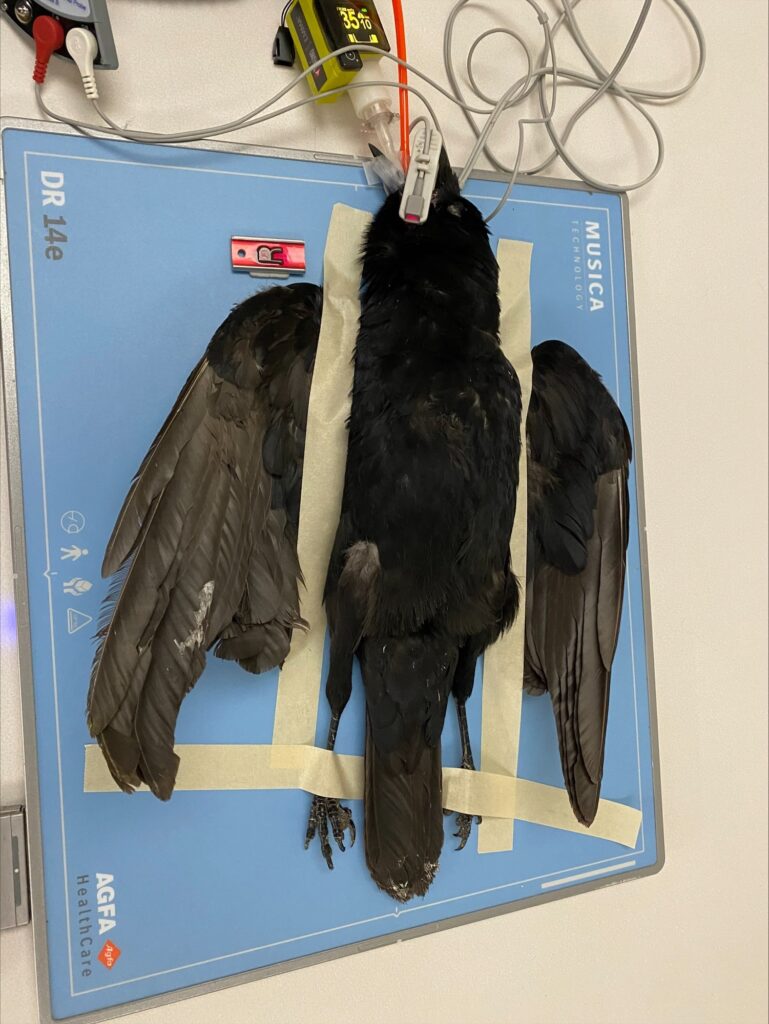
One week later, just before we hoped to transfer our patient to a wildlife rehabilitator for some time in a flight cage, we noticed bruises present over his right wing. Radiographs confirmed that he had rebroken his wing and in the exact same spot that had just healed! We are not sure exactly how he re-fractured the wing, but he was quite active in his enclosure, and may have hit it firmly against the walls of the cage. We again took this patient to surgery to place a slightly different type of external skeletal fixator. We moved him to a new enclosure in his own room and made sure everything was as soft and padded as possible and began the healing process again.
We increased the amount of enrichment provided to the crow by means of food puzzles and various toys to try to keep him busy and occupied so his wing could heal. As I mentioned before, crows are very intelligent animals and when we are caring for them it is part of our job to make sure they are using their brains and are mentally stimulated. We have some great puzzles that we hide their food in, various objects such as bells and mirrors that we had in this crow’s enclosure for the duration of his stay, and a variety of food to keep his diet interesting.
We fed this crow a mix of dry and soaked dog and cat food, wet dog food, rolled oats, cracked corn, berries, hard-boiled eggs, and variously sized mice. We also did our best to be as hands-off as possible and handle the patient only when absolutely necessary, which greatly helps to reduce stress while they are in our care. Following the second surgery, we began to restart physical therapy. On his first physical therapy session we found fresh bruising yet again. This once again led to further x-rays, which showed he had broken the same bone in a new location.
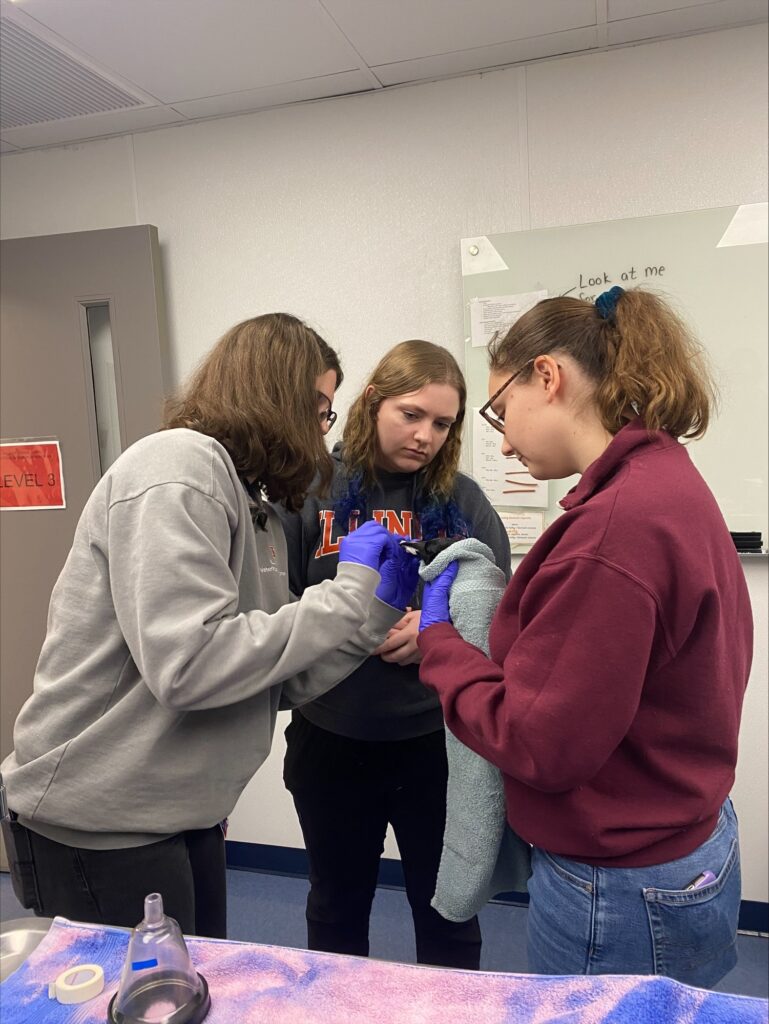
The new fracture was closer to his elbow than the original fracture. At this point, it was the crow’s second fracture of the bone in our care and the third fracture of that same bone within two months. After much discussion, we made the hard decision to humanely euthanize him based on the severity of the newest fracture and its proximity to the elbow. With all the injuries, we couldn’t guarantee that the crow would regain range of motion in that wing and been able to fly comfortably once released. We were also worried there might have been a nutritional or metabolic abnormality that led to repeat fractures.
We did the best that we could for the crow while in our care, and unfortunately, while it was not the outcome we hoped for, it was the right decision and the most humane option for this patient. Although this case did not have a positive outcome, I was still appreciative of the learning opportunities it provided. Upon reflection on this case, I recognize how much I have grown as a veterinary student. I was able to work very closely with the faculty, residents, and the managers throughout the process. I was able to build relationships with all these amazing people who are involved in the clinic by working on this complicated case with them. My team lead/secondary was there to help answer my millions of questions and really increased my confidence level. The faculty were a great support system for the harder questions we had while working with this crow and were there to help us every step of the way.
Without the mentorship of my team leader and the faculty in the clinic, I would not have learned as much as I did, and I’m extremely grateful to them for helping me. Working on this case allowed me to learn about avian orthopedics, the process of dynamic destabilization (taking the pins out in stages), case management, and treatment decisions which I will be using throughout other cases during the rest of my career. I enjoyed being that first point of contact to always be up to date and involved in the case. It was very intimidating to shift my thinking of myself from a student to a veterinarian. Making that shift mentally allowed me to think more about the medical decisions we were making, and I felt that I was very involved and integrated into the case.
When I think about my experiences in the Wildlife Medical Clinic so far this year, it all centers on increasing my clinical skills and confidence, and this case was instrumental in that. I am very lucky that I’m already hands-on with the entire medical process as a first-year veterinary student, and I can’t wait to see how much more I learn, grow, and gain from working with all the amazing other students, faculty, residents, and animals that we interact with at the wildlife medical clinic.
Written by Roxanne, Class of 2027