Taking Time to Digest

Arrival of Red-Tailed Hawk 24-2154

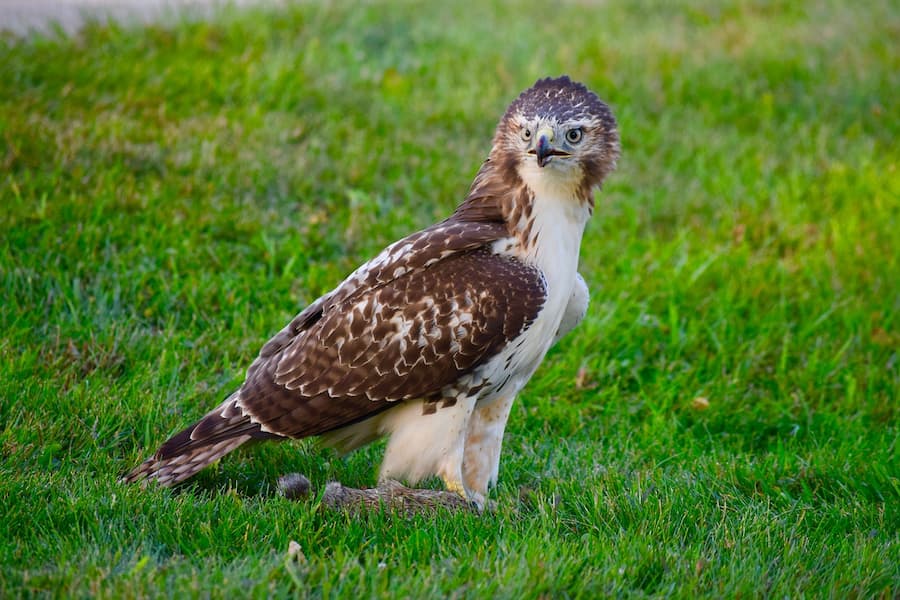
While the patients presenting to the Wildlife Medical Clinic are typically injured or ill in some shape or form, we do sometimes receive patients that are clinically healthy. This was the case for a juvenile red-tailed hawk who was brought to the clinic on October 3, 2024. This hawk, patient number 24-2154, was brought in after it was found by the side of the road, unable to fly. The finder noted that the hawk still wasn’t moving but seemed to be improving during the drive to the clinic. When we did our initial physical exam on the hawk, everything looked normal, with no signs of any wounds or fractures that might have contributed to its inability to fly. The only thing we found was that the hawk had a very large and full crop. Why would a full crop cause this hawk to not be able to fly? Let’s take a brief look at the anatomy of a bird’s digestive tract to find out why.

Avian Digestive Tract

Birds have a slightly different digestive system than mammals do, especially when it comes to their esophagus and stomach. In general, food will pass from the mouth through the esophagus and its associated crop before entering the two-part stomach and then moving into the intestines. The crop is an out-pouching of the esophagus that is used as a temporary storage location for food. This is an important feature for birds who need to regurgitate their food to feed their young. The storage capacity of the crop is also helpful for birds that want to quickly grab a meal and then move to a safer place to digest it. The stomach of birds is divided into the proventriculus and ventriculus. The first portion, the proventriculus, contains cells that secrete mucus and glands that secrete digestive enzymes and gastric acid. The acidic environment here is especially important for partially digesting bone from the diet, which is an important source of calcium for carnivores. The second portion of the stomach is the ventriculus, which is also known as the gizzard. This portion of the stomach is thicker and more muscular than the proventriculus, and it helps to break down the food into smaller pieces. Many birds will ingest grit, small pieces of sand or stone, to help the proventriculus grind and further break down food material. The ventriculus is also the area where indigestible materials like bones, fur, and feathers are trapped and formed into pellets or casts that will be regurgitated. The ingested material will then pass through the intestines, allowing the absorption of nutrients that the bird needs before it is ultimately expelled as fecal material.

Red-tailed hawk diet

The gastrointestinal anatomy of birds differs between species depending on what type of food they are eating. Red-tailed hawks are a type of diurnal raptor, meaning that they are carnivores who do their hunting during the daytime. In the Midwest, they mostly eat small to medium mammals, such as voles, mice, squirrels, rabbits, and some birds. They are opportunistic hunters, however, and will eat a variety of prey items of different sizes. Red-tailed hawks can swallow small to some medium prey items whole, but in cases of large items, they may instead be taken to a perch to be eaten slowly. These raptors have a crop where they are able to temporarily store food and begin the process of digestion before it reaches the stomach.

Exam Findings
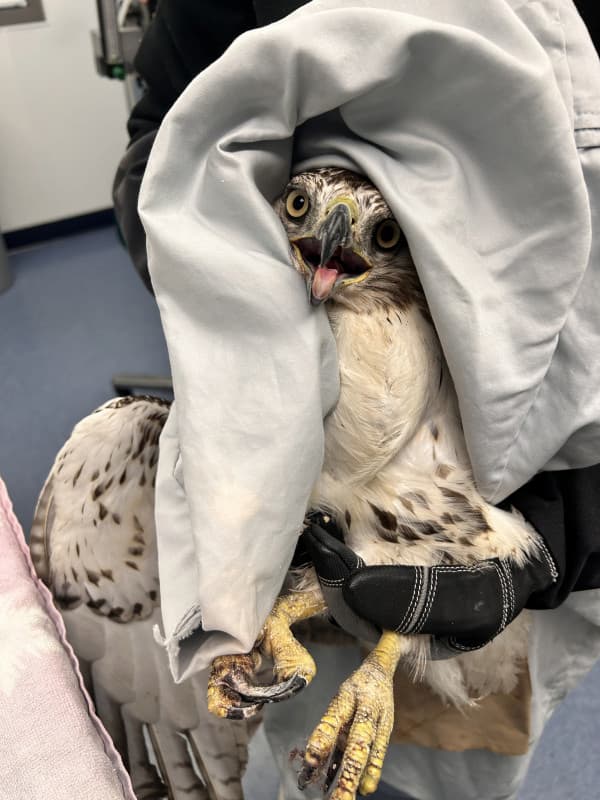
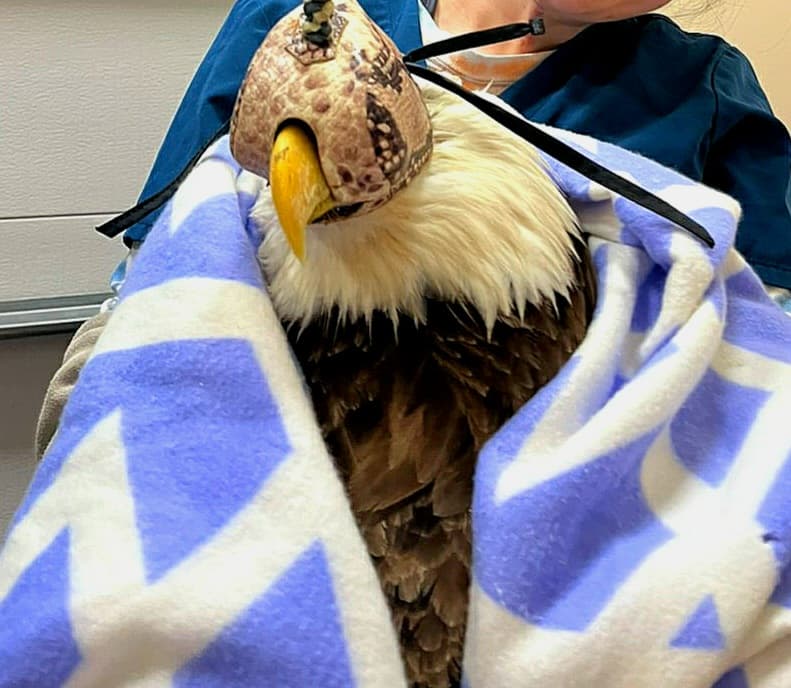
Red Tailed Hawk in hand. Pillow case covering head lifted to see large crop.

Based on its otherwise normal physical exam and large crop size, red-tailed hawk 24-2154 was suspected to have eaten a very large meal that prevented it from flying away properly. The large nature of the crop and the added weight likely caused some balance issues that made it much more difficult for the hawk to be able to take flight. The patient was kept overnight to monitor if it was digesting its prey appropriately and to make sure there were no other signs of injury or infection present. The patient had a DVM exam on October 4, 2024, where the crop size was back to normal, and the patient was completely healthy. The patient was flight tested outside of the clinic on a creance, which is a long weighted line that was attached to equipment placed through removable anklets we placed on the hawk. The patient exhibited normal, symmetrical flight and was approved for release. The hawk was released the following day near where it had been originally found a couple days prior. While this case involved very minimal interventions, this was still a very rewarding case to work on, as the patient made a quick recovery to normal function and was able to be released back to the wild right away.

References:

https://birdsoftheworld.org/bow/species/rethaw/cur/foodhabits

Ritchison, G. (2023). In a class of their own: A detailed examination of avian forms and functions. Springer Cham. https://doi.org/10.1007/978-3-031-14852-1_5#DOI

Written By: Sarah, Class of 2027
Reducing Stress in Wildlife Medicine

Fear Free Approach

In recent years, many veterinary practices have shifted towards a new approach to helping animals feel safe and secure in the clinic. These techniques, called “Fear Free”, aim to decrease stress and fear responses in animals as much as possible, while still being able to conduct adequate exams and treatments. The Fear Free approach aims for a patient-led experience, allowing animals to move about freely with minimal restraint, using relaxing sedatives if needed, and avoiding things that typically induce fear, such as metal exam tables, white coats, and loud noises.

Balancing Act while treating wildlife

In the Wildlife Medical Clinic, creating an environment that minimizes fear and stress is essential for the wellbeing of our patients. In many cases, low stress handling can mean the difference between life and death for wildlife. Uncontrolled stress in animals can suppress immune function and delay healing times, which makes recovery exponentially more challenging for patients. This effect is even more exaggerated in our wildlife friends, as a vast majority of the animals we see in the clinic have no prior experience with humans or handling, and consequently view us as terrifying, dangerous predators. However, this fear response is something that we want to preserve in wildlife, as animals that become too acclimated to humans may not be able to be released back into the wild. Thus, the Wildlife Medical Clinic works to ensure that an adequate balance is upheld when treating wildlife – animals should be handled in a way that creates the least amount of stress as possible, while also ensuring the animals do not become too comfortable around people.

Low Stress Techniques for Wildlife

Bald Eagle with hood on for exam.

While wildlife patients are in our care, there are numerous strategies that Wildlife Medical Clinic volunteers employ to uphold a low-stress environment for our wild friends. First, direct handling of wildlife species is restricted to only what is medically necessary. This may be for physical exams, medication administration, or wound care. Since this is the most stressful time for our wildlife friends, it’s important to remain hands-off until required. Direct handling of wildlife will always be stressful to some degree, but multiple techniques are implemented to promote a calmer experience while exams are conducted. For example, most bird species, from finches to falcons, calm down when their eyesight is restricted. You will often see volunteers using soft towels or pillowcases to cover the heads of birds, and we even have special hoods for raptor species to minimize stress. Additionally, for extremely stressed patients, sedatives can be administered to decrease the animal’s fight or flight response, allowing for a calmer patient and easier exam. Volunteers also always keep their voices low and calm while handling wildlife, to avoid startling patients with loud noises.

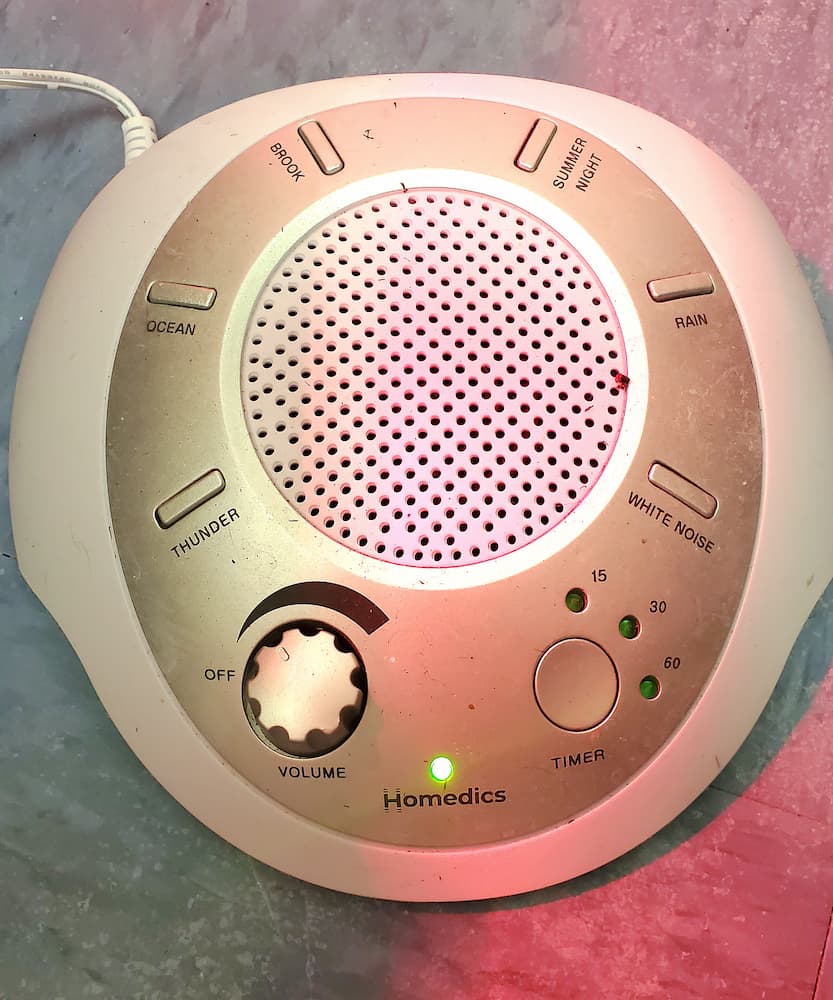
Sound Machine.

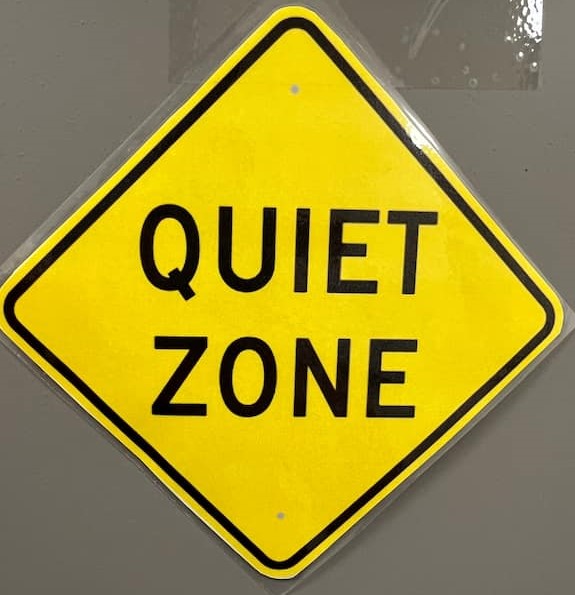
You can see low-stress techniques being utilized throughout the Wildlife Medical Clinic, even when animals are not being directly handled. All animals receive their own cages to rest in while they recover. These enclosures can be covered by a towel or blanket to block sightlines and help the animal feel secure and safe in their space. Additional hiding places and enrichment may also be included inside the cages as an added means of security for the patients. Patient holding is located in rooms separate from the rest of the clinic, which helps to minimize the amount of noise and commotion the animals are exposed to. Ambient noise makers are also used inside of these rooms to mimic the natural sounds of the outdoors while they recover.

While being removed from the wild can be quite stressful for our patients, the time and dedication of our volunteers to ensure their stay is as low-stress as possible helps aid in the success of the Wildlife Medical Clinic, allowing animals to recover quicker and be returned to the wild safe and sound.

Written By: Kayla, Class of 2028

Wildlife Medical Clinic Giving Opportunities

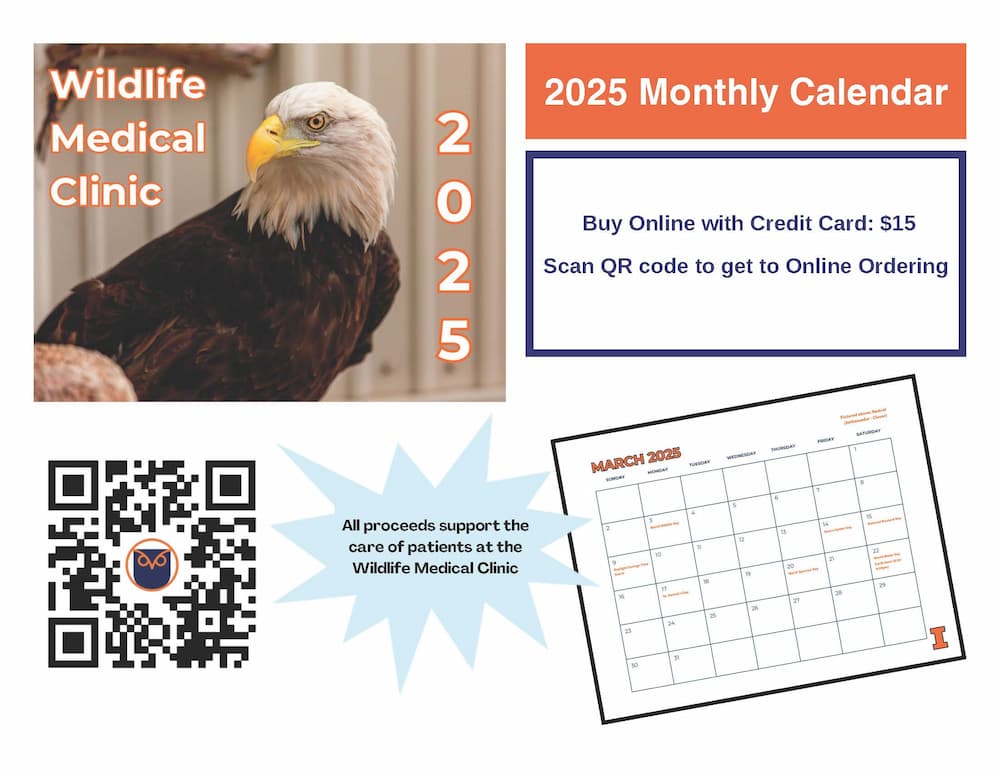
It’s that time of year where we are getting into the Holiday season. As you are shopping and looking for gifts for loved ones, keep in mind, the Wildlife Medical Clinic has some unique giving opportunities such as our adopt an ambassador program, our sponsor a day program, and currently our 2025 calendar is available for purchase. What’s best about giving to the clinic is the recipient not only gets some very unique items but the money donated to the clinic goes directly towards food, supplies, and medical treatment of our resident ambassador animals and wildlife patients.

Adopt an Ambassador Program

There are four levels or tiers you can choose from for your adoption. Each level adds to the items you receive.

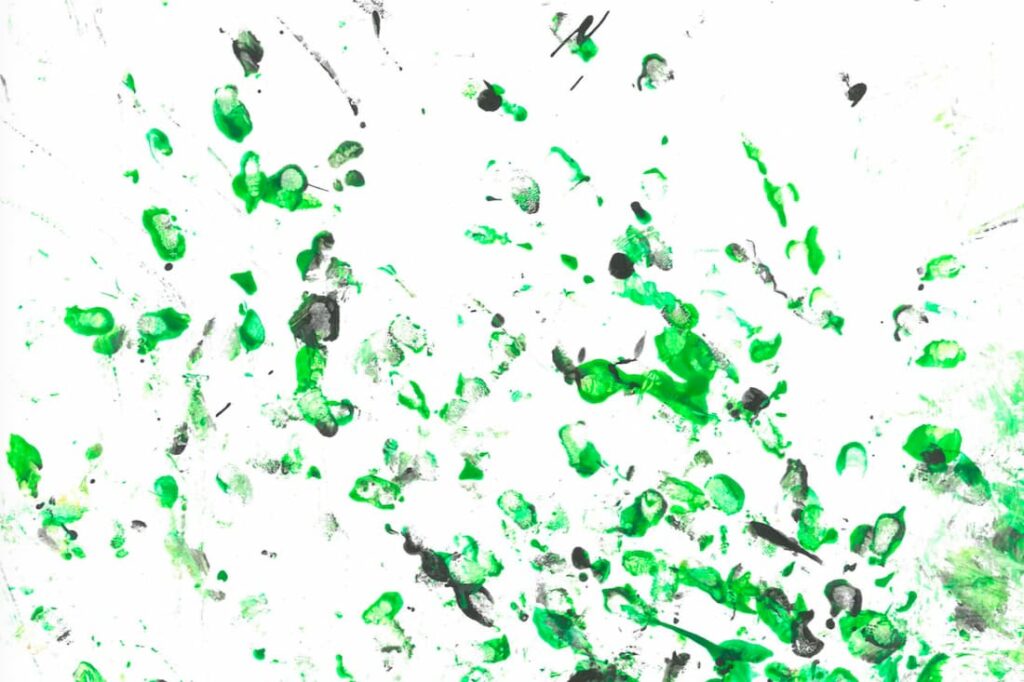
Animal Artwork created by Ruby the Red-tailed Hawk. Green foot prints.
  • Tier 1: 5×7 color photo of the adopted ambassador, certificate of adoption, ambassador story, $50.
  • Tier 2: All of Tier 1, plus Wildlife Medical Clinic magnet, $100.
  • Tier 3: All of Tier 2, plus 5×7 painting made by the ambassador animal, $150.
  • Tier 4: All of Tier 3, plus personalized video of the ambassador animal, $250.

Sponsor a Day

For as little as $350 you can select a day to cover the cost of care and medical treatment for the wildlife patients in the clinic. This also indirectly helps to provide hands on experience for our current veterinary student volunteers.

You can select a random day or one that has meaning to you. This also makes for a great gift for birthdays, anniversaries, or other holidays. The donor or person being gifted this will receive a certificate and recognition on our Facebook page for their gift.

2025 Wildlife Medical Clinic Calendar

Flyer for the 2025 WMC Calendar.

Each year we create a calendar that highlights some of our wildlife patients and ambassador animals. This year we have some great images of 2024 wildlife patients and ambassadors, as well as some interesting animal days noted throughout the year. If interested in purchasing a calendar, you can pick one up at the Small Animal Clinic front desk and Vet Med South Clinic front desk when you bring your pet in for an appointment or these are also available online at go.illinois.edu/WMCCalendar, and they will be shipped directly to the address provided on the order form.  

Additional Information

In addition to these unique gifts, we also accept monetary donations and have periodic fundraisers throughout the year. For more information, check out our website at https://vetmed.illinois.edu/wildlife/hospital/wildlife-medical-clinic/wildlife-giving/ or follow us on Facebook at facebook.com/UIWMC.

Eye-Opening Insights: A Barred Owl Case Update

Barred owl Information

The barred owl (Strix varia) is a larger owl species found in North America. They are part of the family Strigidae, known as the “true owl family.” These brown-gray owls are native to Eastern North America, most often found in mature forests and woodlands. Their main diet is small mammals, but barred owls are known as opportunistic hunters and have been seen consuming other birds, reptiles, amphibians, and even a variety of invertebrates. This is one of the more common owl species that we see here at the Wildlife Medical Clinic.

New Patient Arrival

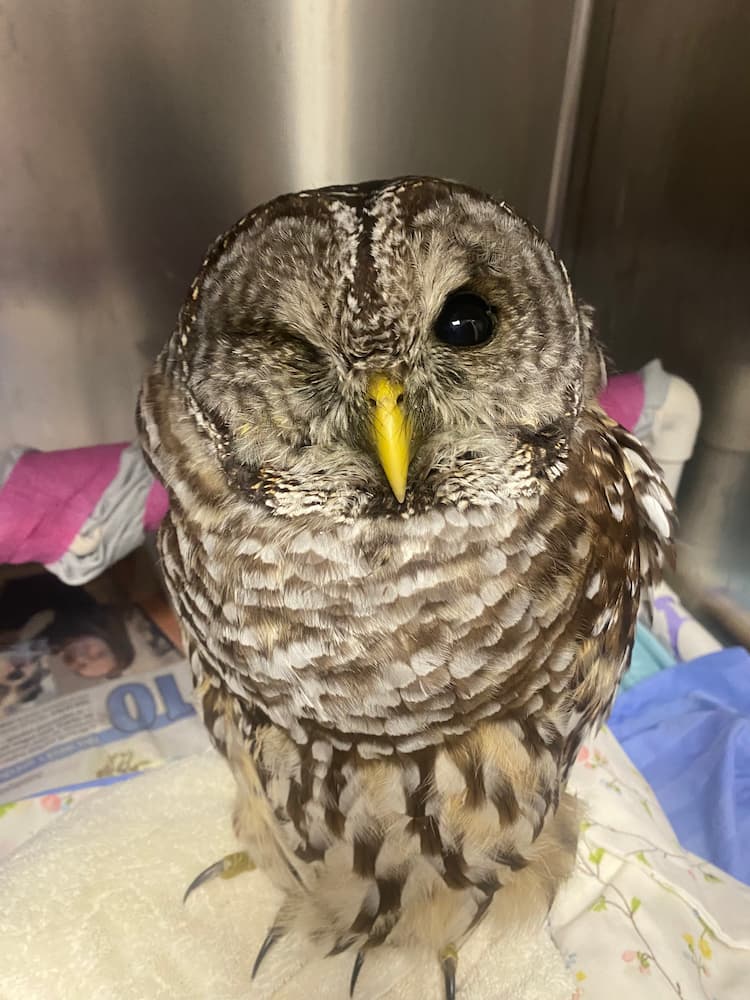
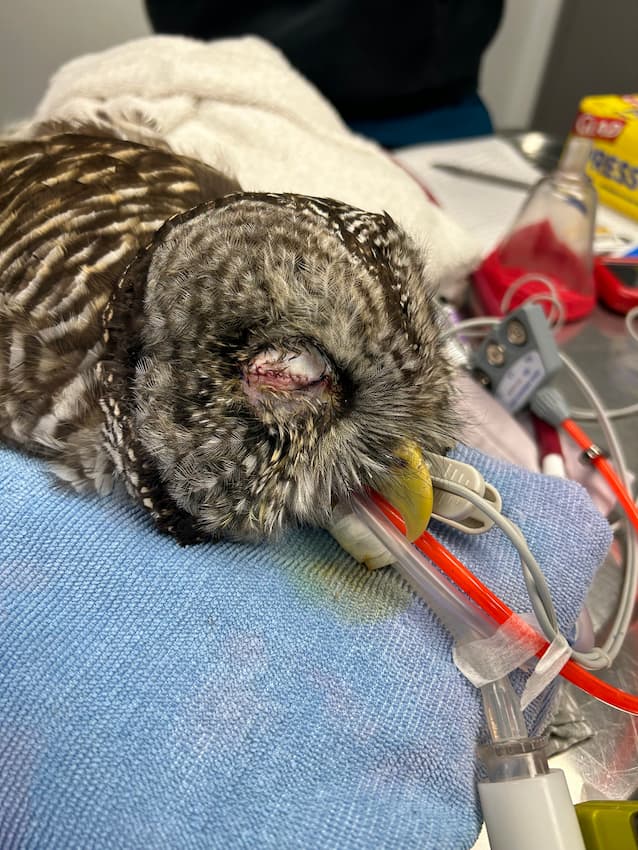
In fact, on August 20, 2024, a barred owl came to the clinic and was in poor body condition, had external parasites, and signs of inflammation and damage in both eyes. During our exam, we found a clavicle fracture that was confirmed with x-rays, which would partly explain why this bird was not in the greatest condition. The clavicle is an integral part of the bone and muscle structure that gives birds the ability to fly. Meaning this individual was not able to hunt for prey due to this injury. These fractures, however, are very easily healed with cage rest. The next issue of concern on the list of problems this barred owl had, was its eye inflammation and damage. We needed to assess whether it had the ability to see. On August 23, we consulted with the Veterinary Teaching Hospital’s Ophthalmology Department, where it was confirmed that in the right eye there was a portion of the retina that was detached, which led to the eye being non-visual. The left eye had some mild inflammation and damage but was determined to be mostly functional. The plan moving forward after this exam was to see if the ongoing inflammation in the right eye would resolve, and if not, the eye would need to be removed via a procedure called an eye evisceration.

Potential Surgical Option for this patient

In general, animals that come to the clinic and are found to have non-functional eyes are given a poor prognosis or ability to survive in the wild. Most of the animals we treat in the clinic either use their eyes for hunting or to watch for predators. Without vision in either one or both eyes these survival instincts are no longer intact, and the animal would either not be able to find food or would be at a greater risk of predation. With owls, due to their nocturnal nature, they rely more on their hearing while hunting at night, than their sight. Because of this, owls are a candidate for the eye evisceration surgical technique to treat non-healing or non-visual eyes.

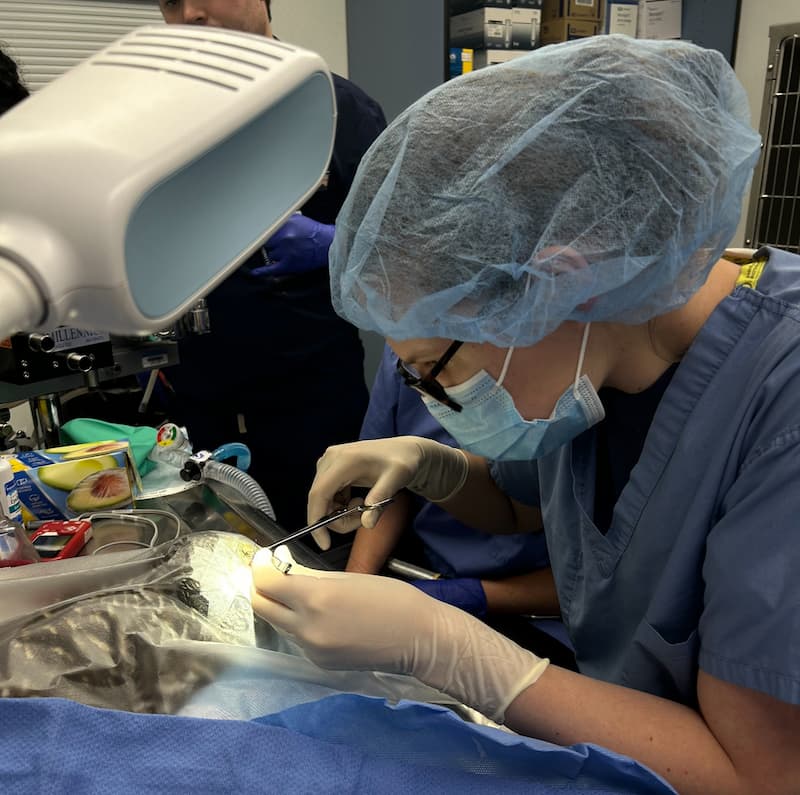
Wildlife Medical Clinic junior student manager, Riley Dunwoody performing surgery on a barred owl.

With this barred owl, the inflammation unfortunately did not resolve, even with medication. Therefore, on the 29th of August, Riley Dunwoody, our junior student manager, performed the eye evisceration surgery under the guidance of our Director, Dr. Lewis. For this procedure, the very front part of the eye, the cornea, is removed and the inside of the eyeball is removed. The outer structure of the eyeball is left intact and the eyelids are sutured closed around it. The outer structure of the eyeball is left intact on purpose. In owls they have a structure known as scleral ossicles within the structure of their outer eye. This gives their face and head the structure it needs to properly allow for sounds to enter the ear. If the entire eye was to be removed, then the face would lose its normal shape, and the owl would lose its sharp ability to hear their prey.

Recovery and Next Steps

Barred Owl patient in recovery after surgical procedure to remove right eye.

Post surgery, the patient recovered well, their weight significantly improved, and the clavicle fracture showed promising improvement with the formation of a callus (area of extra mineral or bone growth) which indicated the bone was healing. It was decided we would flight test this patient to see if they were ready to be transferred or released. Temporary equipment called removable anklets were placed on the bird’s legs. Then small strings called jesses are placed through the anklets and connected to an extender that is then connected to a creance line. The creance is a light weight, long line that is connected to a weight. This technique can be used to safely evaluate a bird’s flight or to help them build up strength flying to condition them for release. Creancing allows the bird to fly but for a limited distance, usually up to 150-200 feet but we start off at shorter distances and increase the length and number of times they fly on the creance, as they build up strength. However, for this purpose, it was just used to evaluate the Barred Owls flight capabilities. When this bird was creanced, we saw that it had flight capability but would need a lot of conditioning before it was ready to be released. Because of this, we determined that the most beneficial next step would be to transfer to another licensed rehabilitation center that has access to a large flight cage. This would be the best way for this individual to regain strength to fully fly again before it is released back into the wild.

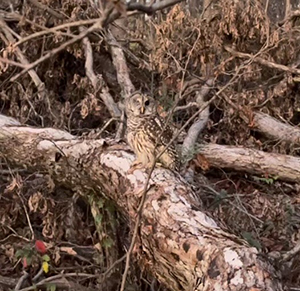
Barred Owl sitting on a fallen log.

After a month with us, on September 24, we successfully transferred this barred owl to a facility with a large flight cage, where it continued its rehabilitation. Our friends at Illinois Raptor Center allowed this patient to recondition in their large flight cages, and on November 19, Riley had the privilege of releasing this patient back in their home territory!

Written By: Riley, Junior Student Manager and Class of 2027
Carving Pumpkins with Ambassadors

The Ambassador Team held their second annual pumpkin carving event last month. Since the ambassador volunteers primarily do their shifts individually or in pairs, social events are a great way to bond as a team and have fun outside of studying.

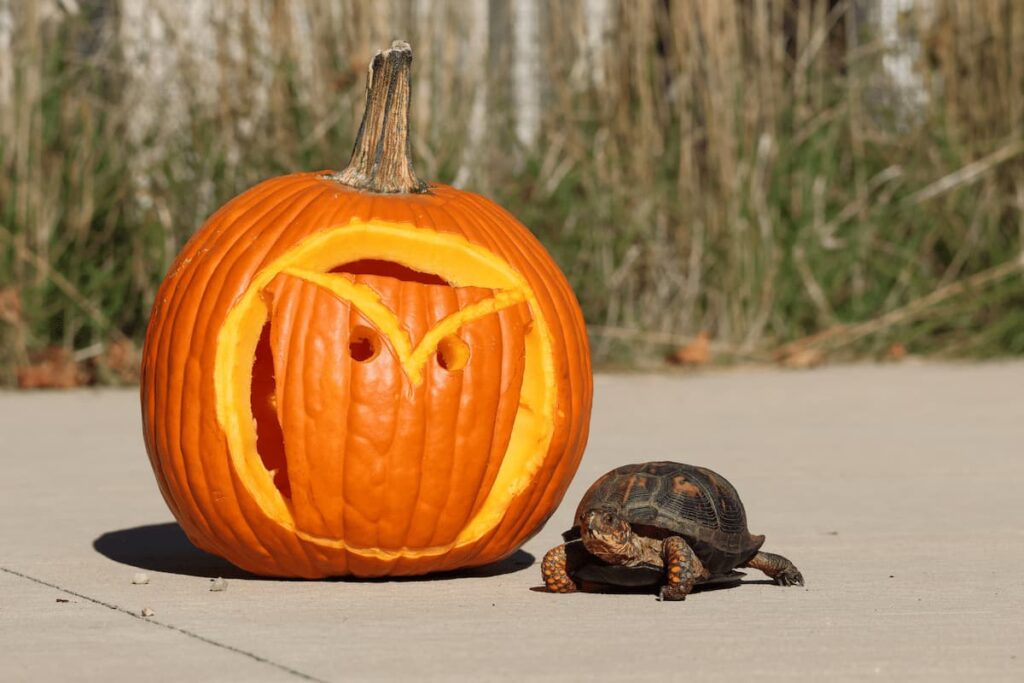
Eastern Box Turtle, Hazel, resting in the sun in front of a pumpkin carved with the Wildlife Medical Clinic Owl logo.

Our volunteers listened to a Halloween playlist, talked about our favorite Halloween movies, and carved 6 pumpkins. Patterns included an opossum sitting on a branch, a slithering snake, a classic jack-o-lantern, and the WMC logo! We also cut out bat silhouettes to hang up around the animal enclosures.

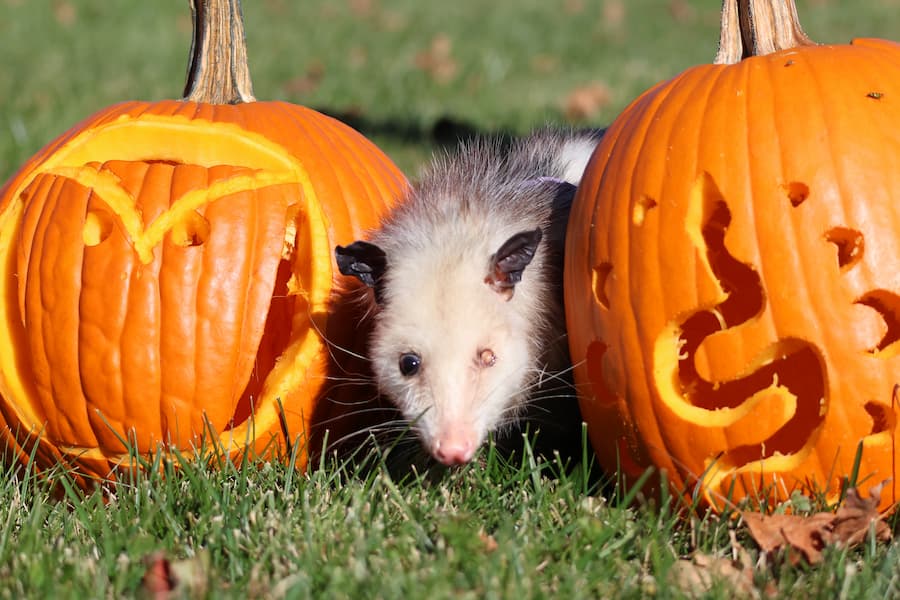
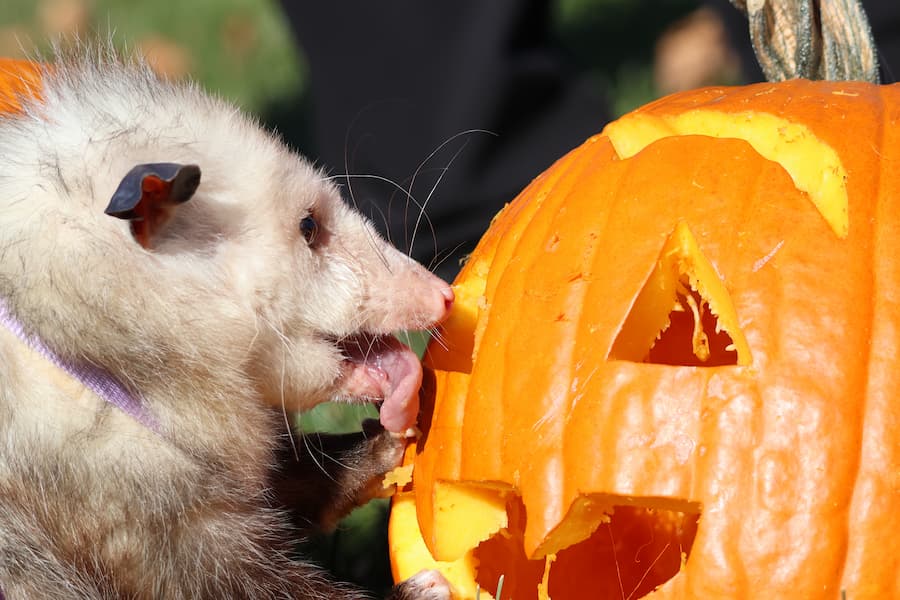
Virginia Opossum, Petunia, licking a carved pumpkin.

The fun really began when the pumpkins were completed – we introduced Hazel (Eastern box turtle), Onslo (blue-tongued skink), Petunia (Virginia opossum), and Odin (red-tailed hawk) to our creations. Petunia and Hazel both dove right in to tasting the pumpkins. Don’t worry – pumpkin is a safe food item for both of them! Onslo and Odin were not quite sure what to make of the pumpkins, but seemed to enjoy the outside time regardless.

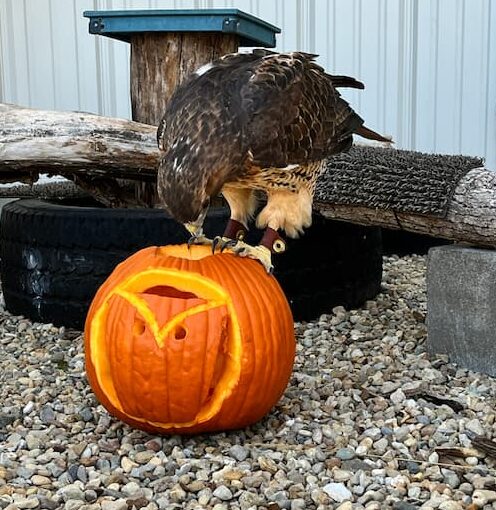
Red-tailed Hawk Ruby standing on top of a carved pumpkin in her outdoor enclosure.

Once everyone had their fill of pumpkin, we moved the pumpkins into our raptor enclosures. Ruby (red-tailed hawk) got right to exploring her pumpkin but lost interest after she realized there were no snacks hidden in the pumpkin.

We hope you enjoy the pictures from this event and that you all had a safe and spooky Halloween!

If you want to see some additional images and video from this event, check out our new social media account (on TikTok @wmc.ambassadors, https://www.tiktok.com/@wmc.ambassadors?_t=8rLBS03qvbq&_r=1).

Written By: Sarah, Wildlife Ambassador Care Coordinator and Class of 2026

The Journey Back to the Wild

Great Horned Owl, Bubo virginianus

The great horned owl, Bubo virginianus, is found across the majority of North America. Here in Illinois, they are found across the entire state. They are very adaptable and can be found in trees in a variety of habitats, including forests, prairies, and some urban areas. They are easily identified by the tufts of feathers over their ears, which resemble horns.

Arrival to the Wildlife Medical Clinic

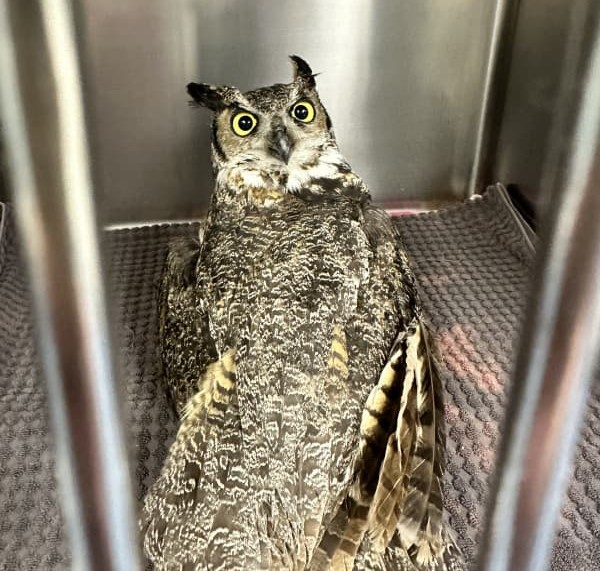
Towards the end of August, an adult great horned owl was presented to the clinic by a good Samaritan, and all that was known about it on presentation was that it was unable to fly. On the initial exam, the patient was thin and had severe diarrhea. Radiographs were taken, which confirmed that the patient did not have any fractures. A fecal was run, which showed the patient had a very heavy endoparasite load of capillaria. The patient was treated with a round of dewormers and antibiotics. A creance flight test was also performed, which is where the patient wears falconry equipment and is temporarily attached to a long line that is connected to a weight. Performing creance allows us to evaluate the patient’s flight while being able to easily retrieve them for continued care. At the initial creance, the patient would only defensively posture and did not attempt to fly.

A few days after treatment, a recheck fecal was performed. The capillaria load was lower but still heavy, and another deworming was performed. There is a fungus, Aspergillus, in the environment that birds can be susceptible to if they inhale the spores while they have a compromised immune system. Since there was potential for this patient to have a compromised immune system, a short prophylactic course of an antifungal medication was started as well. The patient had started declining in weight by the end of August and was not as interested in food, so the patient was supplementally fed for several days to prevent any further weight loss. 

Continued Care

A recheck was performed on a fecal sample in early September to re-evaluate the patient’s parasite load, and there were now fewer capillaria seen, but another endoparasite (coccidia) was also seen. Yet again, another dewormer was given for the intestinal parasites. A blood sample was also taken at this time and sent to the Veterinary Diagnostic Lab at the University of Illinois, and it was found the patient had moderate levels of three different blood parasites, including Plasmodium, or avian malaria. At this point, a daily anti-malarial drug called pyrimethamine was started. The goal for treatment for these blood parasites is to get them to low levels, as the patient will never be completely cured of them. A fecal and blood sample were rechecked about a week afterwards to monitor the patient’s response. The initial two intestinal parasites were not present, but another type of intestinal parasite (strongyle) was seen. Another dose of a dewormer medication was given. There were no major changes seen on the blood sample, but the blood parasites that were present can require a lengthy period of treatment to get them adequately controlled. At this time, the amount of food the patient was being offered was also increased to help keep weight on the patient, as all the food offered was being eaten.

Turning the Corner and Gaining Strength for Release

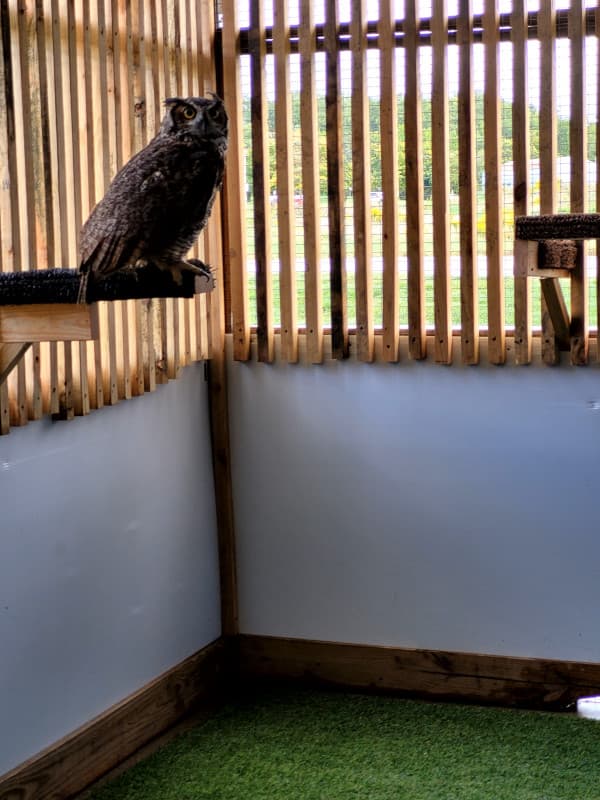
Great Horned Owl patient in our outdoor flight cage. This bird has gone through treatment and is gaining strength back before being released.

Towards the end of September, a recheck was performed where blood and fecal samples were taken and another creance session was completed. The fecal showed a very low strongyle load. It was elected not to administer another dewormer at this time as it was a low number of parasites, and the patient will naturally come across these parasites in the wild. The blood sample showed lower levels of the blood parasites, and it was decided to stop the anti-malarial course the patient had been on, as the levels were low enough for the immune system to keep them in check.

We tried another creance session and this time, the patient flew short distances and had symmetrical flight. This patient was getting stronger and healthier, so it was time to move them to an outdoor flight cage. This allows the patient to move around in a larger space and for us to access their flight better before considering release. After monitoring the patient in the outdoor flight cage, we decided to transfer them to another licensed rehabber in early October to continue monitoring the progression of healing while allowing the patient to fly in an even larger enclosure and gain more strength before returning to the wild.

Written By: Angela, Class of 2026

Ambassador Enrichment

Enrichment, What is it?

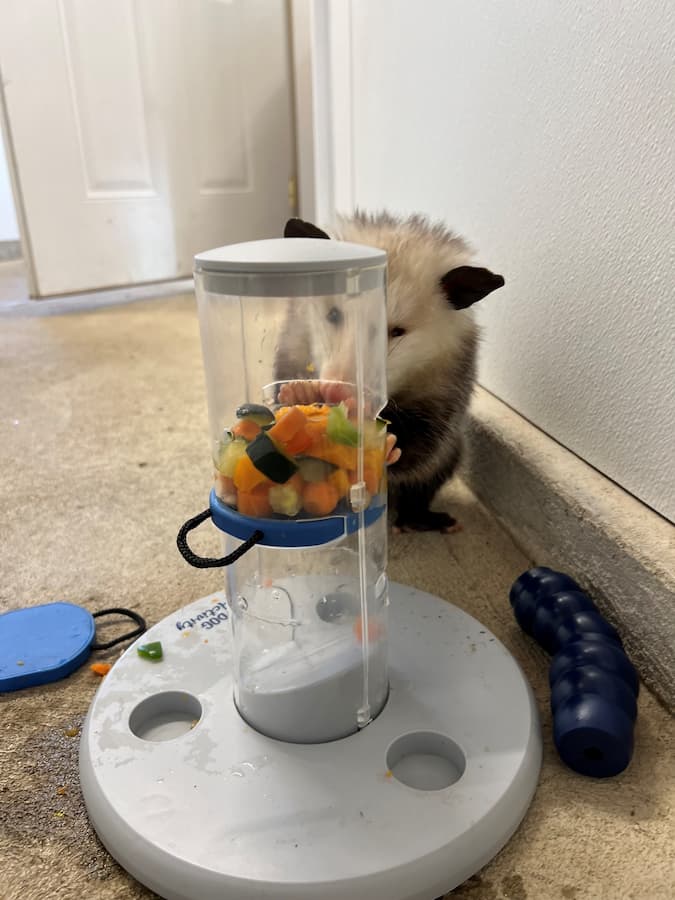
Virginia Opossum, "Petunia", figuring out how to get food out of a puzzle feeder.

In addition to the daily husbandry of our resident ambassador animals, we also provide training and enrichment. The goal of enrichment is to provide mental (and sometimes physically involved) stimulation while encouraging species specific behaviors. With our program, just like in all other managed care settings, we provide enrichment to our animals. We have an enrichment calendar where we have a rotation of different types and categories of enrichment that volunteers use to guide their enrichment activities. Every facility will have their own enrichment protocols/calendars to fit the needs of their animals. Collaboration often occurs between centers and other programs and this is a good resource for us to find new ideas for enrichment for our animals. Enrichment can make a big impact on the lives of our animals, and we strive to make it as new, exciting, and interactive as possible. Enrichment will vary depending on the species of the animal, their involvement in past enrichment activities, their comfort with volunteers and other interactions, and the ambassador’s own personalities.

Favorite Enrichment

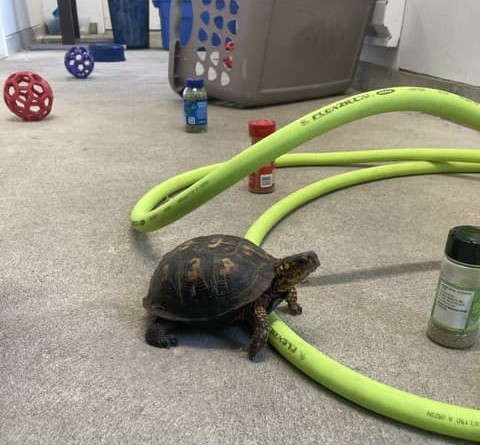
Eastern box turtle "Hazel" maneuvering an obstacle course with lots of enrichment items.

Not only do we account for species specific natural behaviors, but we look at the individual personality of each animal in our care to determine appropriate enrichment for them. Over the years, we have kept track of what enrichment was favorable and what enrichment was not, allowing us to personalize their enrichment to ensure they are benefiting from what we are adding to their environment. Petunia, our Virginia opossum, loves food puzzles, foraging, new scents, and exploring. Ruby, one of our red-tailed hawks, loves to shred things and this encourages her species-specific behaviors. Hazel, our eastern box turtle, along with Onslo our blue-tongued skink, have been working on their obstacle course skills and have been maneuvering them well. River and Vara prefer more auditory enrichment over physical enrichment items. Odin, our other red-tailed hawk, enjoys a wide variety of enrichment from seasonal decorations to foraging to music. Maize and Caduceus, our snakes, explore and climb to new places. Clover, our American Kestrel, is extremely inquisitive and loves finding new items and decorations in her enclosure. While I’ve listed each ambassadors most interacted with type of enrichment, they all get a rotating variety of enrichment. This ensures that we are not just giving one type of enrichment so they are getting variety in their daily life as they would experience in the wild.

Training

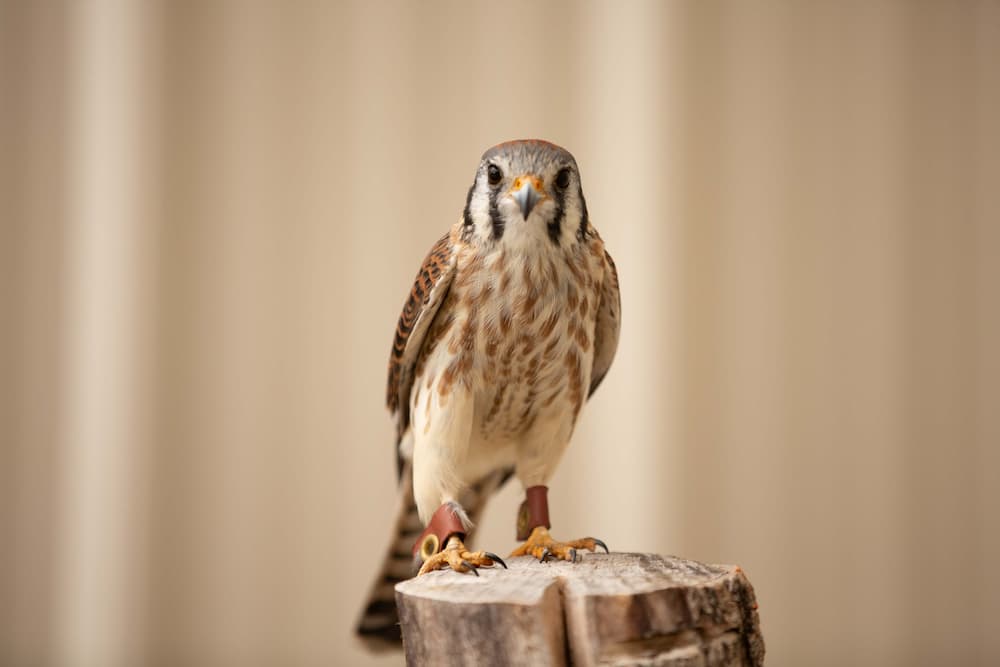
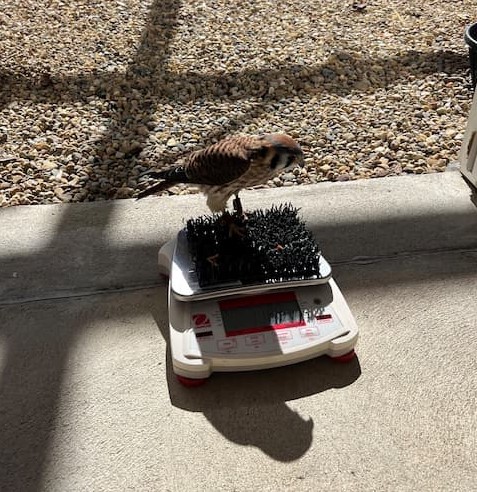
American Kestrel "Clover" participating in training and standing on a scale to be weighed.

Training can also be enriching to our animals and we do train on glove with some of our raptor residents, while others have different kinds of training, such as target, crate, and scale training. For our training, we only use positive reinforcement techniques. We train for behaviors to help with educational program use or for husbandry and medical procedures which helps to decrease stress.

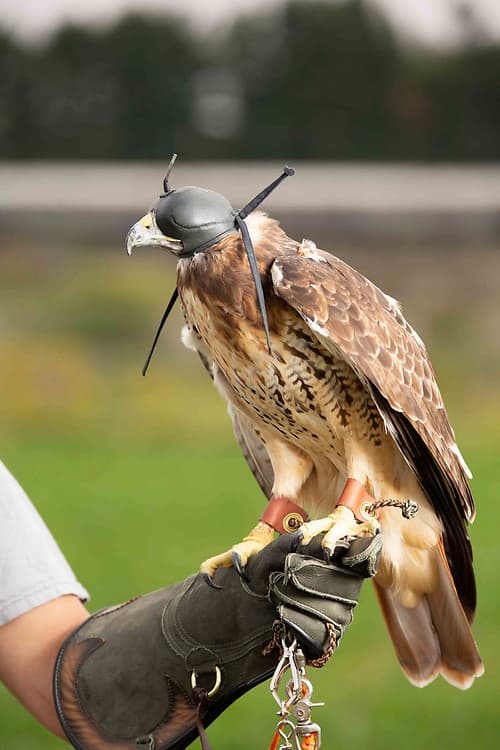
Red-tailed Hawk "Ruby" wearing a hood and sitting calmly on the glove while outside her enclosure.

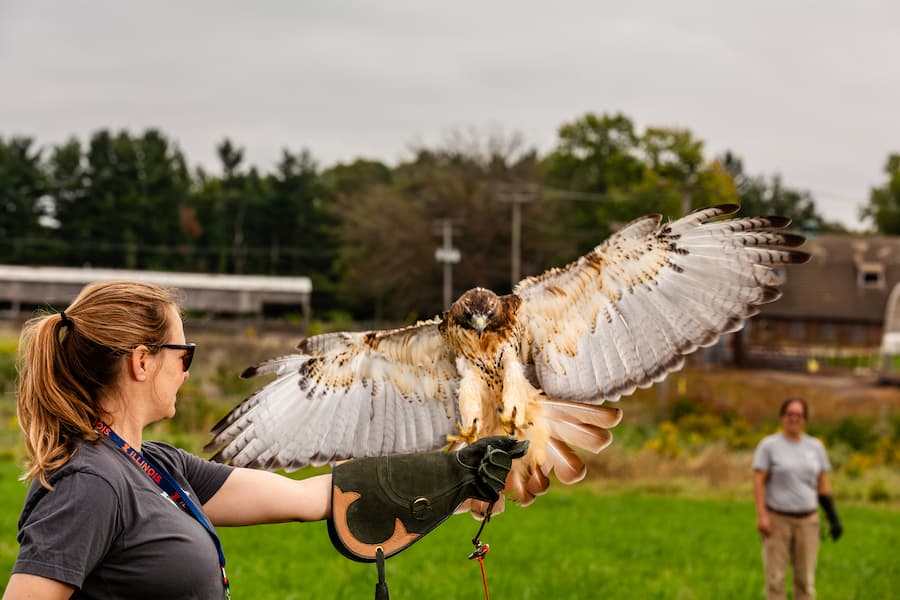
Training is very complex and has many facets, it can also be very rewarding and enriching for the animals. For example, Ruby and Odin enjoy walks outside because they are glove trained. Sydney, along with some of our volunteers, are able to train with them throughout the week to ensure they remain comfortable and solid with the behaviors they are trained on and work to train new behaviors as needed. With the new addition of Sarah Spang to our team, a falconer, we have been able to add new techniques to our training with the raptors, particularly Ruby. We have seen that Ruby very much enjoys the extra training and has greatly benefited from it.

Enrichment, Rewarding for all!

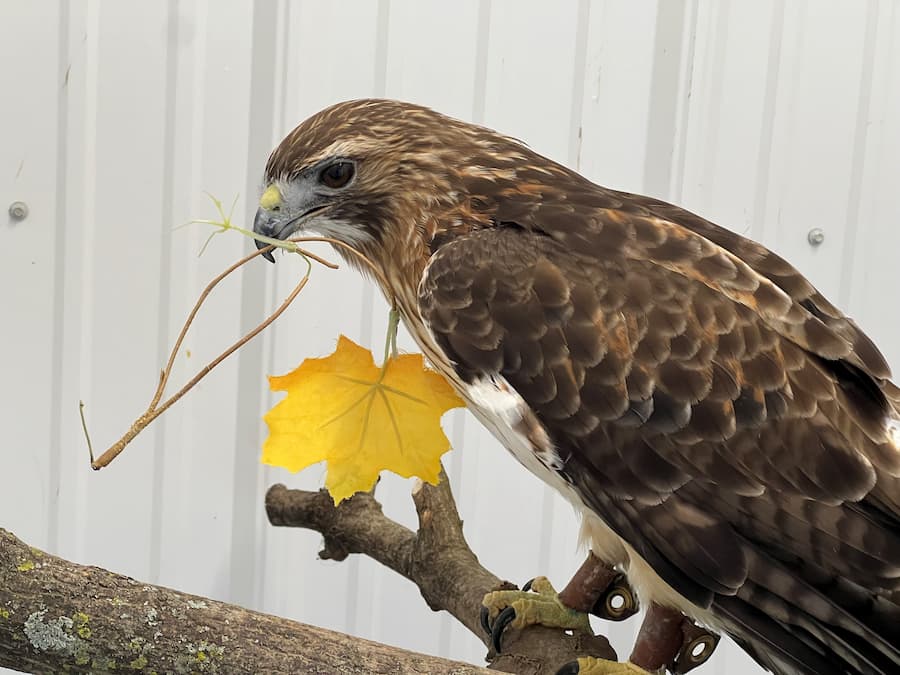
Red-tailed Hawk, "Odin", carrying nesting material in his beak.

Enrichment is my favorite part about working in a managed care setting, I love letting my creativity lead the way. Whether I am thinking of new ways to make food puzzles, working on paper mache for the animals, finding new configurations and decorations in the enclosure, it is a wonderful creative outlet. It is also very rewarding seeing how the animals interact with the enrichment I created, especially when it brings out a targeted species-specific behavior and was mentally stimulating for the animal. We are always evaluating and adjusting the enrichment that is given to our resident animals to try to maximize the benefits of enrichment. So, next time you visit us or a different managed care setting, see if you can figure out what enrichment is being utilized!

Written By: Roxanne, Wildlife Ambassador Care Coordinator and Class of 2027

Welcome, Sarah Spang!

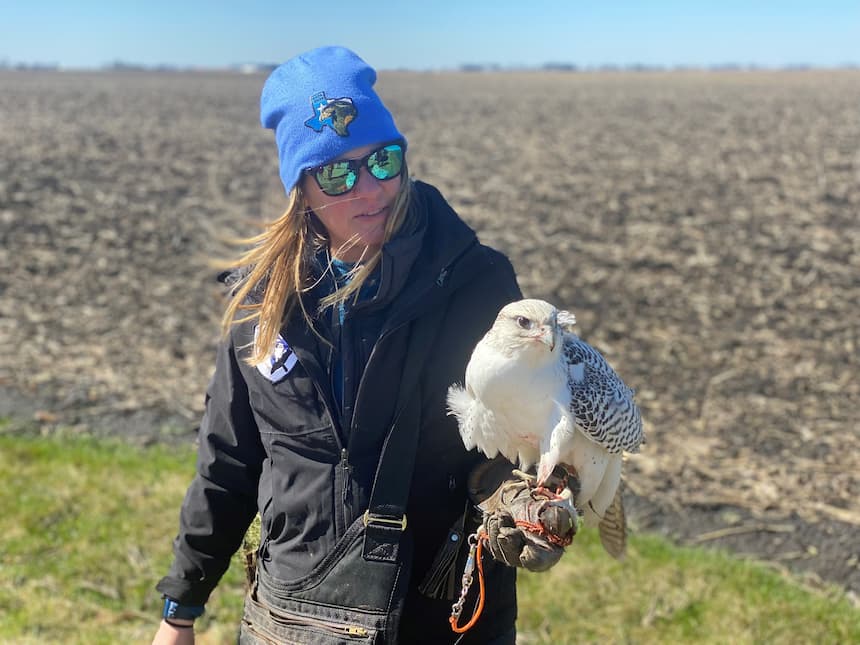
We would like to introduce you to a special volunteer that is currently helping us with some of our raptor training. Sarah is a licensed falconer that has brought some new training techniques to our program. We asked her a few questions and are excited to share her answers with you.

Tell us a little bit about yourself.

I began my Falconry journey 4 years ago. During the turbulence of the COVID pandemic, I was afforded an opportunity to step back from a 20-year career and take a sabbatical to focus on becoming a Falconer. I earned my state and federal Falconry licenses and continue to seek out as much knowledge and experience as possible by attending falconry events across the U.S., as well as working with several mentors. I hope to travel overseas when possible, to witness Falconry in other cultures. During the last 4 years I have had the privilege of working with 4 different facilities, over 50 individual raptors across 15 species. 

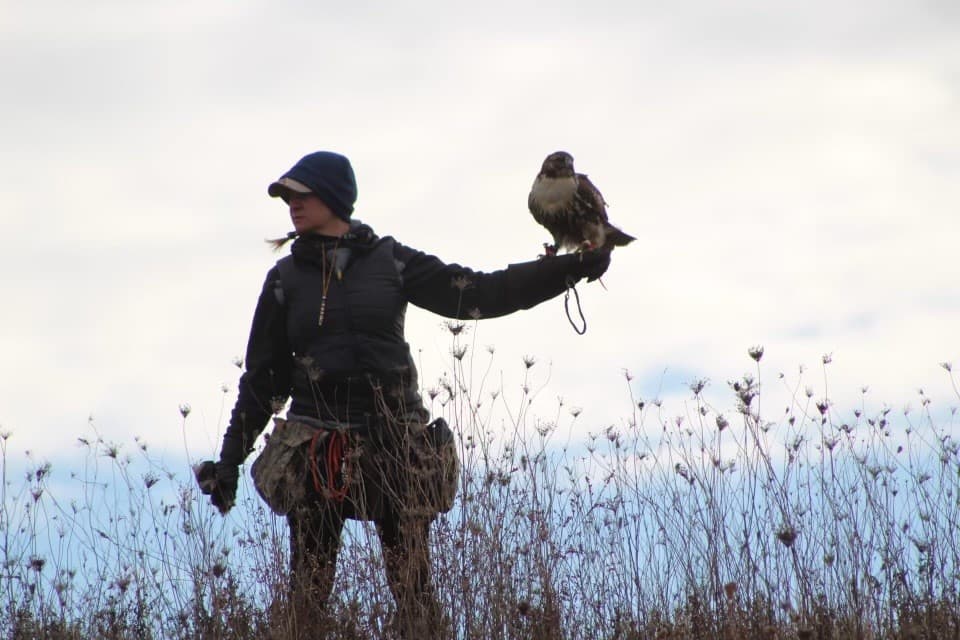
Falconer and WMC Volunteer, Sarah Spang, with her red tailed hawk on the glove.

In addition to my personal falconry birds, I also have 4 dogs. We have a full house!! Three of the dogs are hunting dogs and they go out into the field with the birds and I. Judy, Field-bred English cocker spaniel, chases rabbits with the Red-tailed hawk and Bodie and Boomer, German short-haired pointers, point pheasants for the Gyrfalcon. 

When I am not at the Wildlife Clinic or out in the field with my dogs and birds, you may find me practicing my bowling game for an upcoming bowling tournament. I need a lot of practice! I am also very active in my local church and am currently serving on several boards of trustees. 

What is your favorite avian species to work with? And do you have a favorite bird in general?

My favorite species to work with is a tough choice. Each bird, regardless of species, is an individual with its own specific personality. I enjoy getting to know the individual bird and figuring out how we can best work together. Some standout species I have had fun working with have been Harris’s Hawks, Eurasian Eagle Owls and Lanner Falcons. Of all the birds I have worked with, the species that has given me the most joy AND the greatest heartache has been the Red-tailed Hawk. 

What do you like about working with the ambassadors here at the Wildlife Medical Clinic? What are some projects you are currently working on?

I love working with ALL the ambassador animals at the Wildlife Clinic! I look forward to the time spent caring for them, observing their behaviors and researching ways to enhance their experience. We have been working with Ruby, resident Red-tailed Hawk ambassador, to fly on a creance (A creance is a long line that allows the bird to fly ‘free” in a controlled setting). Ruby loves playing the creance game and we hope to be able to reveal her flying skills to a wider audience soon.

We have also recently completed a renovation of an outdoor enclosure to a raptor safe free flight chamber. This enclosure will allow avian wildlife patients in recovery to build up their flight muscles before release back to the wild. We will also be using the creance with certain flighted patients as additional exercise to get them back into shape after their stay at the Wildlife Clinic. This is a new program to the Wildlife Clinic and I am extremely excited to be a part of it. 

What do you like the most about Falconry?

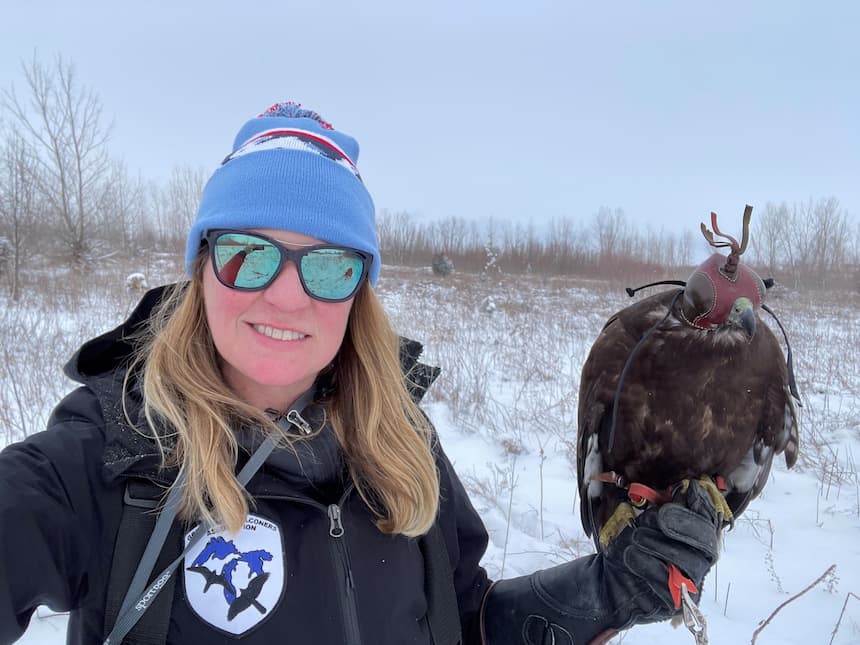
Falconer and WMC volunteer, Sarah Spang with her Gyrfalcon on the glove.

My favorite part about falconry is the ability to work with and form a relationship with a wild animal. This relationship is always temporary as their permanent place is in the wild. Once our journey together is finished, I get the privilege of releasing them back into the wild and treasure the memory of our time together. 

Written By: Sarah, volunteer and YiYing, co-chair and Class of 2026

Wildlife Medical Clinic
John A. Coyne South Clinic
2100 South Goodwin Avenue
Urbana, IL 61801
217-244-1195