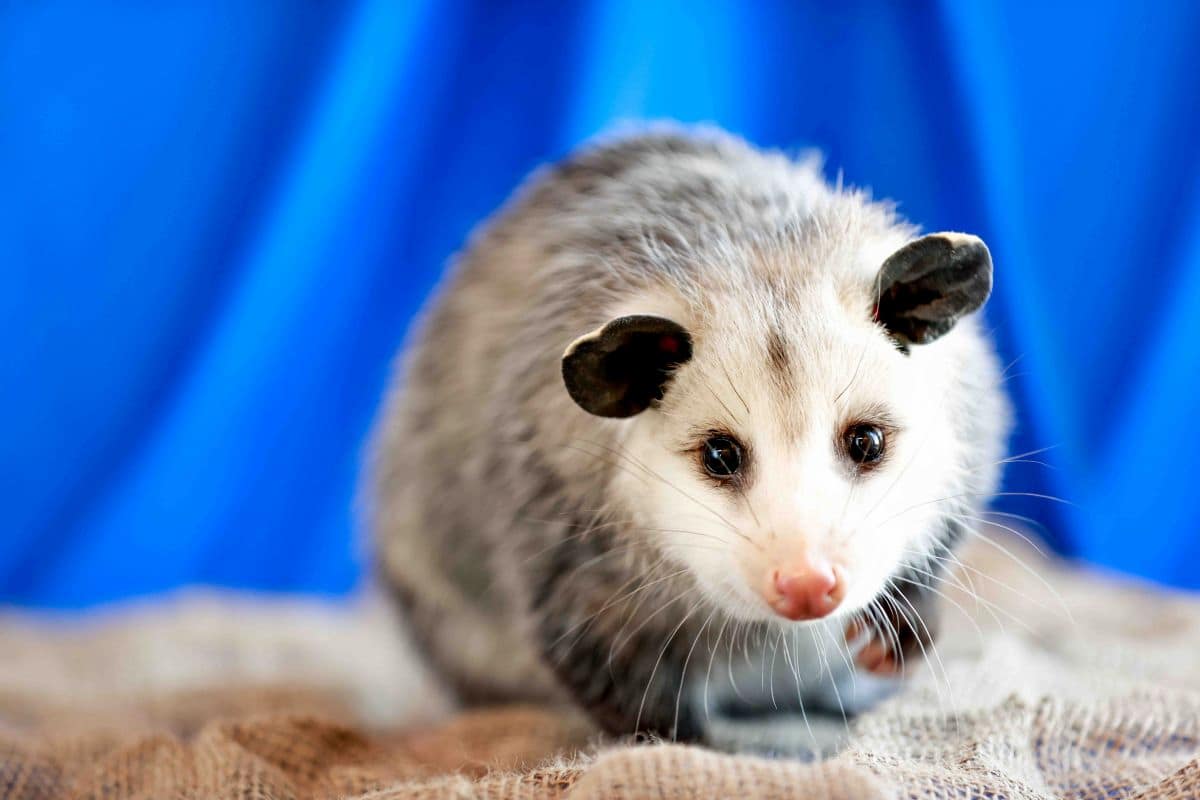
The Virginia opossum (Didelphis virginiana) has 50 teeth, a prehensile tail, opposable thumbs, can play dead to escape predation, is resistant to most native venomous snake venom, but is incredible for so many more reasons than the ones just listed. Virginia opossum, out of the 126 species found in the Americas is the only marsupial animal known to inhabit the United States. The word marsupial is used to describe an infraclass of mammals whose members are born incompletely developed and are typically carried and suckled in a pouch on the mother’s belly until they are developed/mature enough to exit the pouch.
Nocturnal and Omnivorous
The breeding season for Virginia opossums in Illinois tends to be from late January to February, with many adults breeding a second time in May. Opossums are nocturnal omnivores, both used to describe their behavior meaning they are mostly active at night and are known to eat both plant and animal matter. These critters can be found in woodlands, near streams, brush or urban areas and are known for their climbing skills.
Nature’s Clean Up Crew
Not only is this marsupial incredible for adding diversity to the United States wildlife landscape as the only ambassador for its kind, but these animals are known for the roles they play in their ecosystem. As discussed previously, opossums are omnivores and a part of their diet includes such things as ticks. As an opossum walks through the woodlands where they live, ticks most likely begin to accumulate along the opossum’s body to take a blood meal, little do they know the opossum will soon begin to groom itself, and the ticks just made themselves an easily accessible snack to their host. Not only are these opossums ridding their environment of these pests, but also the infectious diseases these pests may carry, most endemic in this area would be lyme disease, but anaplasmosis and babesiosis can be considered as well.
The opossum is a poor quality host to these infectious diseases, meaning although the ticks who feed on them may be carrying these infectious diseases, the opossum has not been found to have contracted these diseases. Rabies is an important infectious disease that is also unlikely to be found in the opossum, due to its low core body temperature.
Importance in the Environment
In conclusion, the Virginia opossum is an incredible nocturnal animal, so their evening activities should not bother any outdoor day time activities, but they can also help to rid your yard of infectious disease carrying pests (that can transmit disease to your pets). If you happen to cross paths with one of these creatures, consider yourself lucky that they are in the area you are in, and let them go on their way as they have important business to attend to.
Wildlife patients seen at the Wildlife Medical Clinic are very different from other patients typically seen in veterinary medicine. While most patients enjoy interacting with vet staff, our wildlife patients would prefer to be as far from us as possible. And we prefer that as well, as too much interaction with humans can make them too friendly or habituated causing us not to be able to release them. However, many patients in the clinic have long stays while they heal broken bones, damaged shells, or are orphaned animals waiting to grow and be large enough for release. While they are in our care it is important to make sure they are mentally and physically stimulated. We do this through enrichment, in the animal care setting enrichment is anything you provide for a patient that lets them use their natural instincts. Enrichment improves our patient’s quality of life during their stay by keeping their mind and body active.
Why Offer Enrichment?
Ensuring our patients have plenty of enrichment also benefits patients medically and prevents unwanted injuries. For example, an injured patient will be less likely to pick at its injury or bandaging if they have other items, they can interact with instead. Enrichment will be different from animal to animal, and species to species. For this reason, it is important for us to know the natural behaviors of the species we see.
Enrichment Examples
In our clinic we make sure that each patient is properly enriched. Some examples are that each patient room has a sound machine that plays audio that they would hear in the wild. Some of these clip recordings sound like a rainstorm, a babbling brook, or even the sounds of insects and frogs calling. This helps keep our patients’ stress levels low and decreases the amount of human noise they are hearing. Another example would be that our bird patients, like Red-tailed hawks, are provided with perches of varying degrees of thickness. This is important for their foot health, but also provides them with multiple options for perching, which is a natural behavior for this species. If you were to look at our turtle enclosures, you would see that many of them have foliage, hides, substrate suitable for digging, humidifiers and swimming areas. This helps simulate a natural environment for them to heal in.
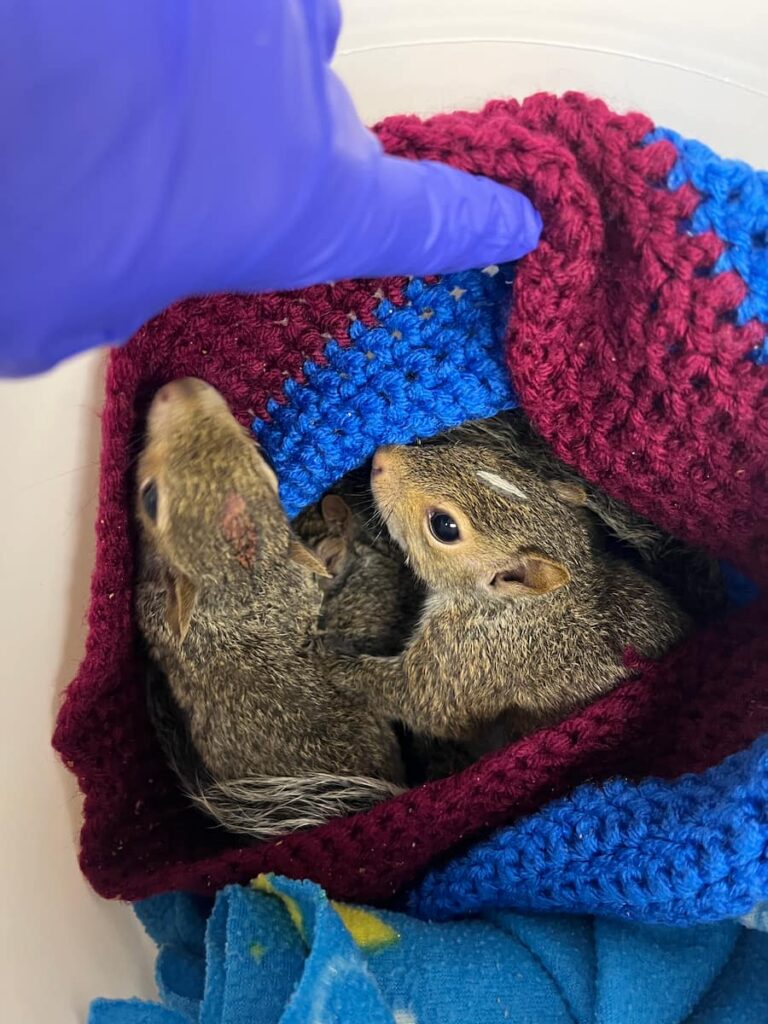
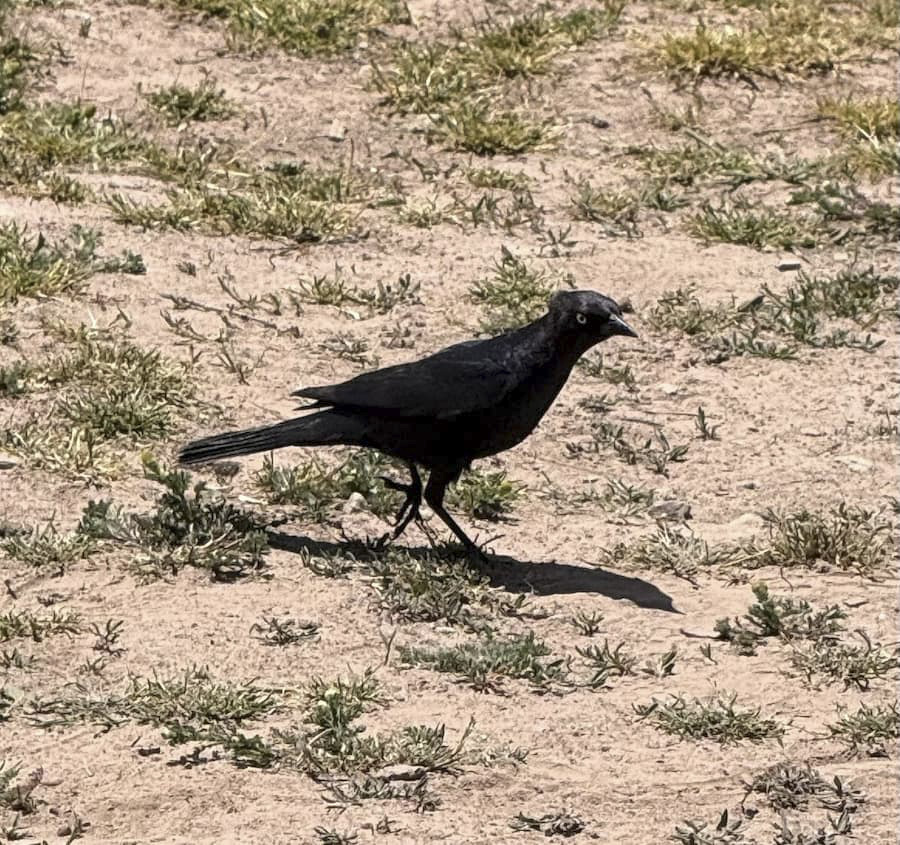
Enrichment is more than creating a natural environment for patients to heal in. For many patients, especially crows, enrichment looks like getting puzzle feeders. Crows are highly intelligent animals and stimulating them mentally helps keep them active. They enjoy figuring out how to get food out of puzzle feeders, or out of dog toys like kongs. Raccoons enjoy similar enrichment items, and can enjoy hammocks, and shallow pools of water. Some patients, like goslings and ducklings that live in groups, enjoy mirrors. This gives them the illusion that there is a group of them or that they have a buddy if we only have one of that species currently in the clinic, making them more comfortable in a rehabilitation setting. Other orphaned animals benefit from enrichment too, rabbit kits and squirrel kits are provided with multiple hides, stuffed animals, and blankets or bedding to burrow in. No matter the species, we want to ensure that they are properly enriched during their stay at the wildlife clinic.
In Conclusion
No matter the species, we want to ensure that they are properly enriched during their stay at the wildlife clinic. This article outlines a few examples of enrichment that we provide for wildlife species. It is important to remember that in a wildlife clinic, we want to provide them with opportunities to exhibit their natural behaviors but also minimize human interaction with the patient as this decreases stress and their likelihood of habituation. This is important as it ensures they stay wild and allows them to heal faster so we can get them back out where they belong, in the wild.
Join Program Coordinator, Sydney Oliveira, as she visits CiLiving to discuss safe practices when fishing to help minimize your impact on wildlife and the environment.
Rabbits are often misidentified as rodents, but they actually belong to the taxonomic order Lagomorpha. Within this group are two families: Leporidae, which includes rabbits and hares, and Ochotonidae, which includes pikas. Among these animals is a species closely tied to winter landscapes in the northern United States due to its remarkable seasonal transformation. Today, I want to highlight the snowshoe hare, an animal whose biology and ecology make it both fascinating and vulnerable.
Snowshoe Hare Information
Snowshoe hares inhabit boreal forests across Alaska and Canada, as well as the Rocky and Appalachian mountain ranges in the United States, with populations extending as far south as Minnesota, Michigan, and Montana. These herbivores are named for their disproportionately large hind legs and feet, which are covered in thick fur increasing surface area allowing them to move efficiently atop deep snow. They breed throughout the spring and summer, with a gestation period of about one month, and can produce up to four litters per year with as many as eight young per litter. Unlike rabbits, which have altricial kits, snowshoe hare young, known as leverets, are precocial and are born fully furred and capable of running shortly after birth. As crepuscular animals, they are most active at dawn and dusk, relying heavily on acute hearing and camouflage to avoid predators.
Seasonal Color Change Makes Identification Tricky
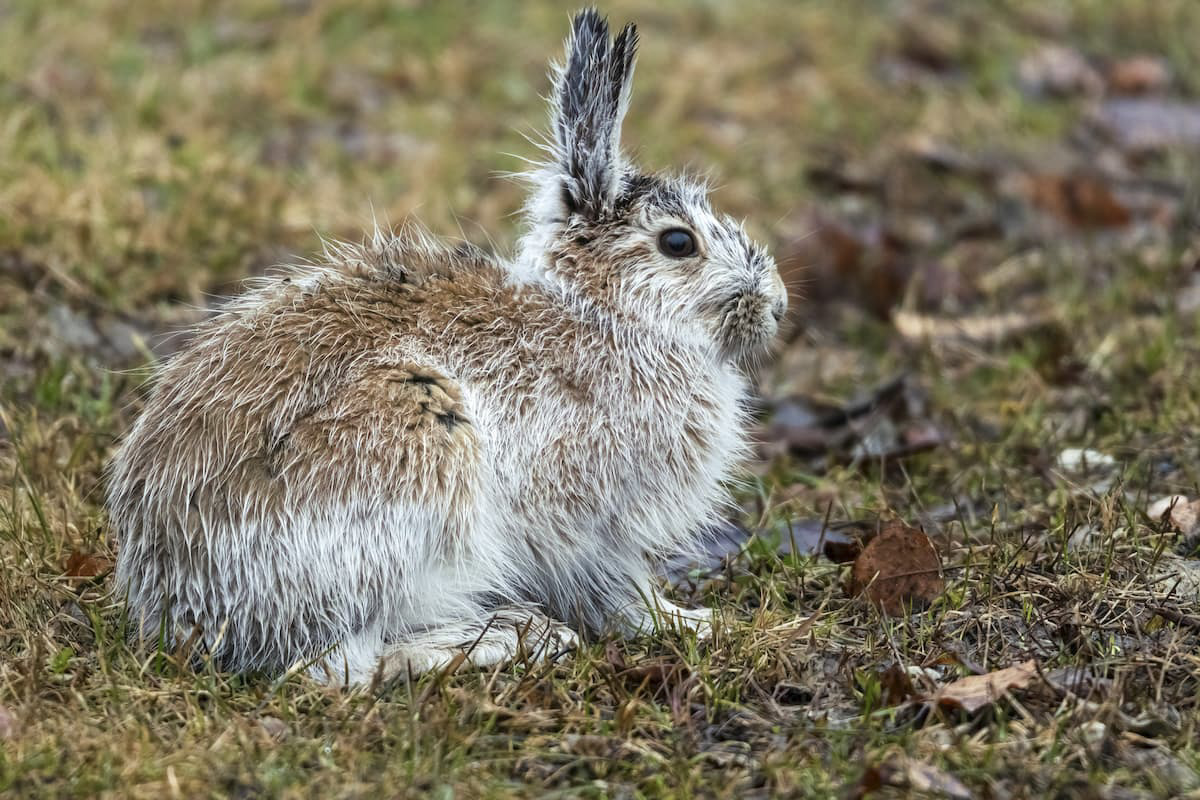
One of the most striking features of the snowshoe hare is its seasonal pelage. During most of the year, their coat is a brown agouti color, but in winter it turns white, while the black tipped ears and white ventrum (belly) remain year round. This molt is triggered by changes in photoperiod and temperature, typically beginning in late September through October. The transition is gradual, and hares are often seen with a mixed, patchy coat for about a month. During this period, well intentioned members of the public sometimes mistake molting hares for abandoned domestic rabbits. Although the concern is understandable, capturing or handling these animals can cause significant stress and pose serious risks to their health. It is important for the public to recognize that a mixed coat during seasonal change is normal and that these animals should be left undisturbed in their natural habitat.
Troubling Findings from Recent Research
Recent research has added another layer of concern. A study spanning 44 years and nearly 4,500 hares, conducted by a collaboration between the University of Florida IFAS wildlife ecology and conservation department and ecologists in Canada’s Yukon Territory, suggests that snowshoe hares are beginning their molts later in the year. As climate change warms the environment and reduces snowfall in many regions, hares may no longer be fully white when snow arrives, increasing their visibility to predators. This is particularly troubling because snowshoe hares are considered a keystone species, supporting numerous predators especially during winter months when other protein sources are scarce. If their populations decline, the effects could ripple throughout the ecosystem, underscoring how closely their survival is tied to a changing climate.
Since joining the Wildlife Medical Clinic at the University of Illinois I have learned a lot about common species found in Illinois, anatomical differences in these species, and medical efforts to help them heal. It has been an amazing opportunity to learn more about wildlife but prompted me to learn about who else is helping and protecting these animals in Illinois.
How is Illinois Helping these Vulnerable Animals?
Different organizations are responsible for keeping tabs on how our natural resources are preserved. Conservation efforts continue in Illinois. From my research I have found that the Illinois Department of Natural Resources (IDNR) and the Illinois Endangered Species Protection Board (ESPB) play a crucial role in identifying and protecting endangered and threatened species in Illinois. Specifically, the ESPB continues to revise and review the Illinois List of Endangered and Threatened Species as things change, but a confirmed list comes out every five years, so I will continue to watch for that. The IDNR is the resource to go to for advice on conserving these species. Scientists and conservationists are working to protect and recover endangered and threatened species through various projects involving habitat restoration, research, and public education.
One Species Close to My Heart
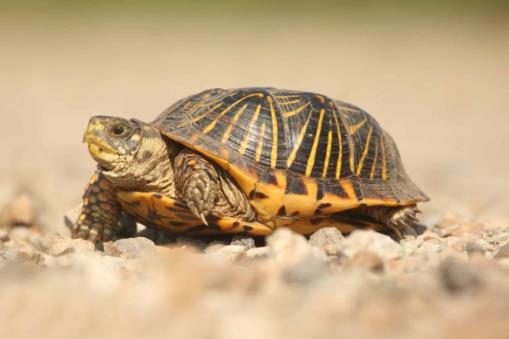
One specific member of the threatened species list in Illinois that I have seen multiple times is the ornate box turtle, Terrapene ornata. They are quite small, only averaging four to five inches. Their shell is dark brown or black with yellow lines radiating like starbursts, anatomy of a hinged lower shell allowing them to hide themselves completely inside of it, and four toes on each hind foot.
Their species name has turtle in it, but they are solely terrestrial, living on the prairies of both northern and southern Illinois. They nest in sandy soil, digging a shallow nest where they lay 2 to 8 eggs once per year, but for about 30% of the population, twice per year. They can also be seen making burrows to avoid the summer heat and the cold winter. Their diet is similar to most turtles consisting of plant material, insects, worms and carrion or dead animals. Conservationists have found the main reasons for the decline in the population are habitat loss and fragmentation, illegal collection for the pet trade, and vehicle collisions. With slow reproductive rates, it makes it difficult for their population to recover from these threats.
What Can You Do to Help Threatened and Endangered Species?
Help to restore native habitats, you can start in your backyard by being a Habitat Helper.
Plant Native to support local wildlife.
Minimize chemical use and if you must use them, follow the label.
Support your local licensed wildlife rehabilitation center, volunteer your time cleaning up a stream or nature area, or visit a state or national park (fees to enter go back to conservation).
Donate to conservation efforts. One easy way is to purchase conservation licenses like state hunting , fishing, and federal duck stamps, or specialized outdoor plates as these help fund land conservation which protects species.
Whether you’re an avid bird-watcher or a person who avoids parking under trees so that you don’t have to wash the droppings off your car for the nth time this week, you’re bound to have noticed that bird populations seem to ebb and flow with the seasons. You might be wondering, “where do they go?” Some might even notice that a few of these birds are only around during certain parts of the year, such as the famed Swallow-tailed Kite in the southeastern U.S. Then, you might be wondering, “why don’t they stick around?” As the seasons change, so do the food sources and the climate. Birds don’t have the luxury of bringing out-of-season foods back to their home or adjusting their thermostat with the changing temperature like we humans do, so they resort to travel. Each species’ resource needs will dictate where they go during migration and how far they need to travel for it.
Fall Migration
We are actually right in the middle of the Fall migration season, which runs from approximately August 1st to November 30th. Each night, up to 45 million birds fly over Illinois on their way South to the southern U.S., Central America, and South America to escape the winter cold and lack of food supply. During these migratory seasons, species that are not normally seen in your area might be coming through, such as the Magnolia Warbler and the American Redstart, which will be on their way South shortly, to Central and South America.
What Can You Do to Help?
Plant native trees and flowers
Because of the long journey, birds need to be able to get food along the way. With decreasing diversity of flora in urban and suburban areas, ample food sources, such as bugs and seeds, are increasingly difficult for migratory species to come by. Pesticide use and monoculture agriculture are turning their travel route from an all-you-can-eat buffet into a Nevada desert gas station scavenger hunt. Imagine Forrest Gump making his trek across the U.S. with only the occasional french fry; it wouldn’t happen. So, how can you help the birds out, you ask? Plant some native flora! Diverse flowers attract diverse insects, which help feed the immense variety of bird species that come through Illinois (not to mention the native bats!).
Build shelters and nests
Nobody wants to get caught out in the rain when they’ve got business to do, and that includes our avian friends. Building nest boxes and shelters helps our friends have a dry and safe place to rest before continuing on the air highway. Some species also nest here in Illinois during the Spring, so building nest boxes also helps them to have a safe place to raise their young; and if you planted some native plants near the box, they’ll have food delivery, too!
Put decals on your windows
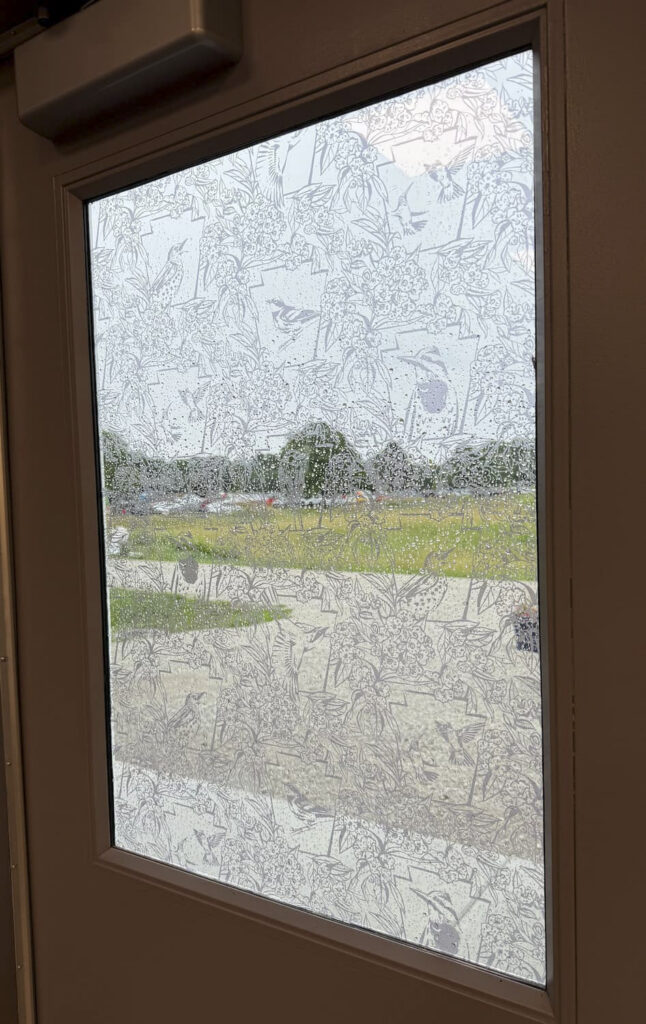
For birds, windows are worse than invisible. They reflect foliage or the sky and look like an inviting place to fly. As a result, they often fly straight into them and suffer severe head trauma – a major reason a lot of birds end up here at the Wildlife Medical Clinic. Placing decals on your windows helps them to see the window and at least slow down before attempting to fly through it, which can potentially save their lives. There are many commercially available products out there and several are listed in, “Why Birds Hit Windows-And How You Can Help Prevent It.”
Want to Learn More?
Cornell University and their Ornithology Lab have put out some incredible free resources for you bird lovers, such as Merlin and eBird. Merlin functions as a bird-identifying app through use of sound and step-by-step visual identification tools to help you figure out what obscure bird it was that you just heard or saw. Once you are able to identify which bird it was, you can hop over to eBird, Merlin’s sister-app, to record the bird you found and at what location. This is a way to help contribute to the ongoing research of bird migration seasons, which even helps us out here at the WMC! We can use the information learned from species-specific migratory seasons to know if it is okay to release a bird or if they have to over-winter; we want to make sure we’re sending them out with a band of their mates to find their feeding grounds for the winter.
Thanks for reading, and hope you enjoy seeing a new bird or two!
Chytridiomycosis is a fungal disease cause by Batrachochytriumdendrobatidis and Batrachochytriu salamadrivorans. This disease infects amphibians, effecting frogs the most. It has led to the decline and extinction of amphibian species across the globe. Scientists have been searching for ways to combat this disease. This article outlines two novel treatments of this disease.
Saunas for Frogs?
Although it sounds hard to believe, scientists in Australia have found that Hotspot Shelters, which are basically saunas for frogs, may be a new way to help combat Chytridiomycosis in wild frog populations.
Hotspot Shelters use the sun to generate heated shelters that use the fungus’ properties and frogs natural desire for heat to kill the fungus. B. dendrobatidis thrives in cooler weather and its virulence decreases in temperatures over 86 ℉ , which is the temperature inside a hotspot. In their study, scientists found that in both lab and semi-wild settings, frogs prefer to hang out in hotspots and that by hanging out in these hotspots for extended periods of time, they were able to clear Chytridiomycosis infections. Additionally, by clearing the infection, the frogs were able to develop immunity to B. dendrobatidis; thus, they are protected from future exposures to the fungus!
The benefits of hotspot shelters has been theorized by scientists for a while, but this is the first study to provide empirical evidence of their benefits. Hotspot shelters are relatively cheap and easy to make, which means they can be effective management tool of Chytridiomycosis in the wild! It is also theorized that hotspot shelters may be beneficial for other fungal diseases that effect wildlife such as White-Nose Syndrome in bats or snake fungal diseases!
Fighting Disease with more Disease?
Another potential treatment for Chytridiomycosis could come from secondary metabolitesof bacteria in the genus Xenorhabdus. Secondary metabolites are compounds produced by a living organism that don’t effect their growth, but offer some sort of advantage to the organism.
In this case, the secondary metabolites of interest are anti-fungals. The potential benefits of Xenorhabdus genus bacteria were first shown in 2023 and have been confirmed in a few other species since. All of these studies have found that in vitro, the metabolites from Xenorhabdus are able to completely halt the growth of B. dendrobatidis. When tested on living frogs infected with Chytridiomycosis, they found that treatment with Xenorhabdius metabolites was able to reduce the infection by almost 75%; thus, greatly increasing the survival of these animals. Additionally, no major side-effects were reported with this treatment. Although more research is needed, metabolites of Xenorhabdus species appear to be a potential treatment for Chytridiomycosis, especially in rehab settings where repeated treatments are possible!
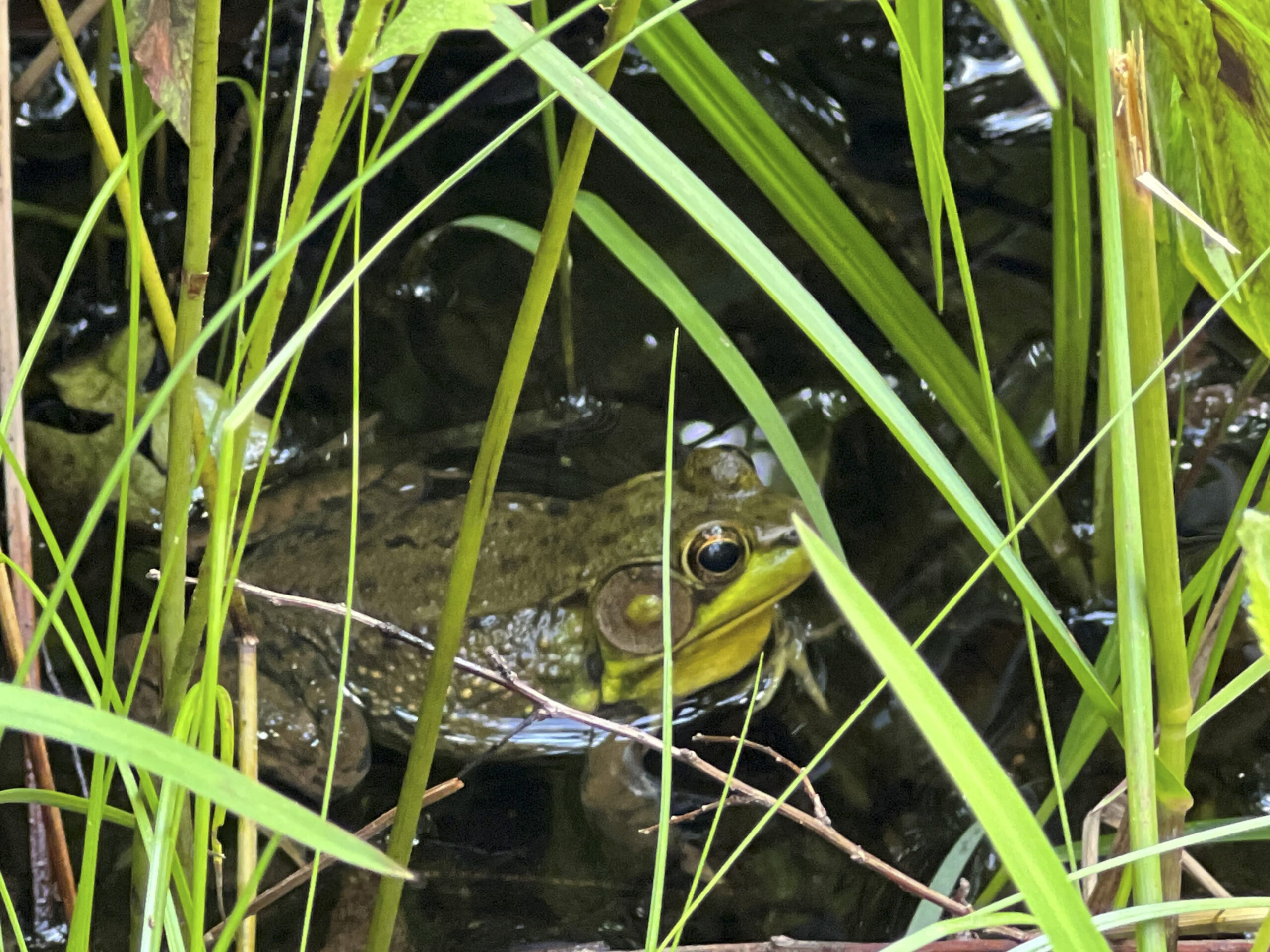
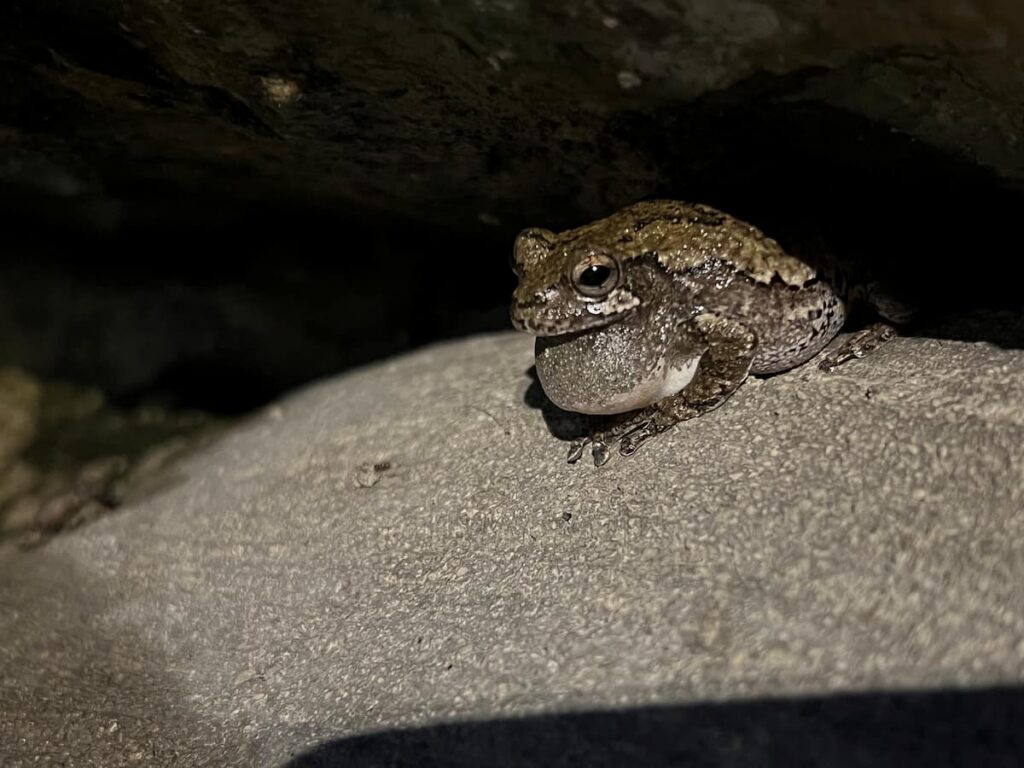
*The images in this article do not depict frogs infected with Chytridiomycosis. *
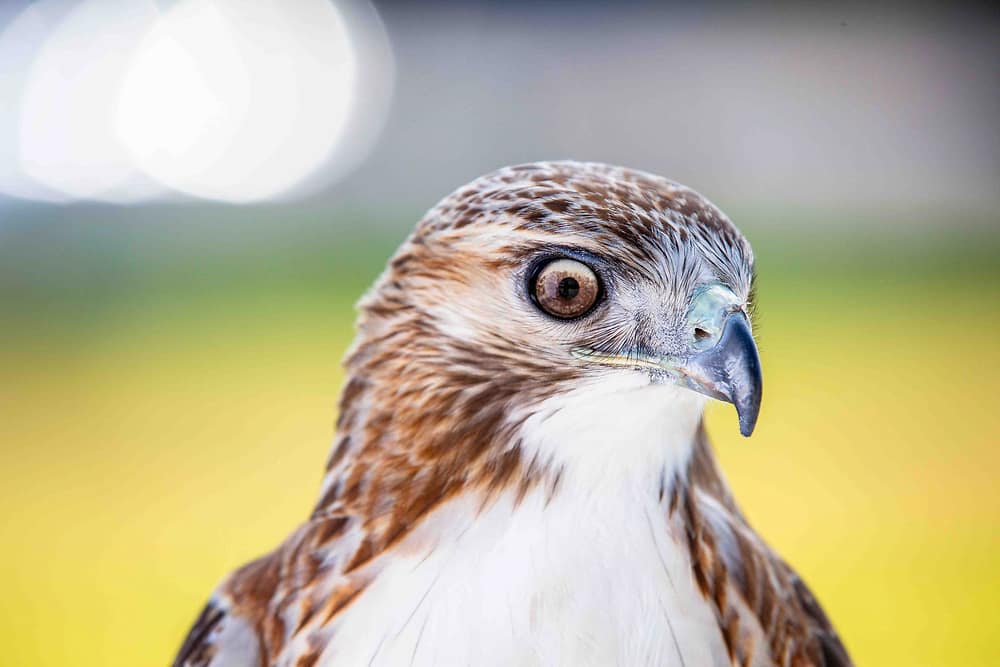
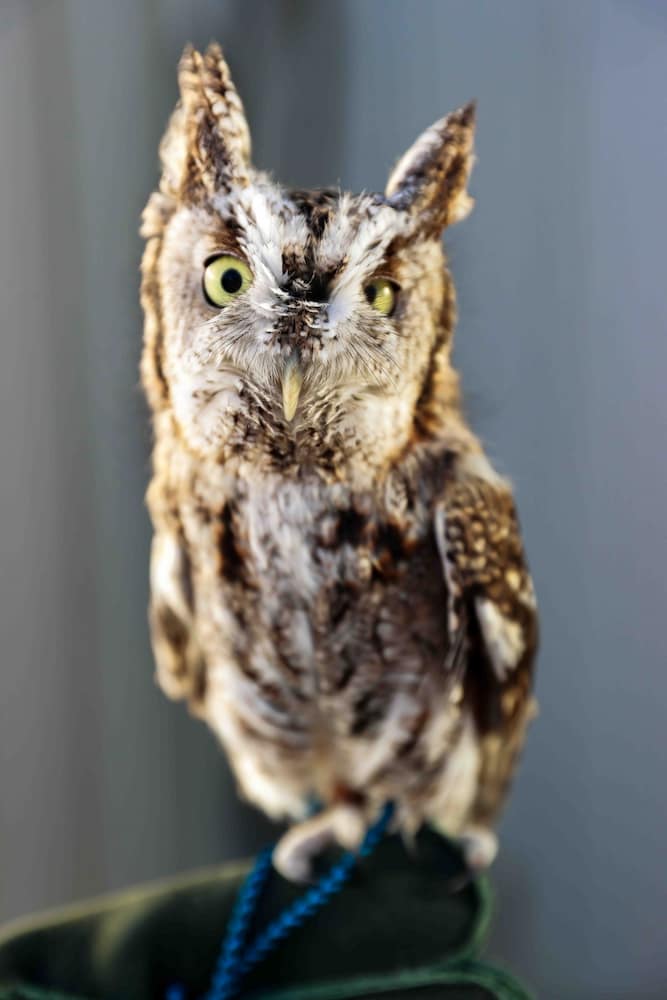
In the fall of 2025, the Wildlife Medical Clinic (WMC) ambassador program grew with the addition of a red-tailed hawk, a Virginia opossum, and an Eastern Screech Owl. While you may have seen short clips of these ambassadors on CiLiving and through our social media platforms, we would like to formally introduce our newest trio of animals.
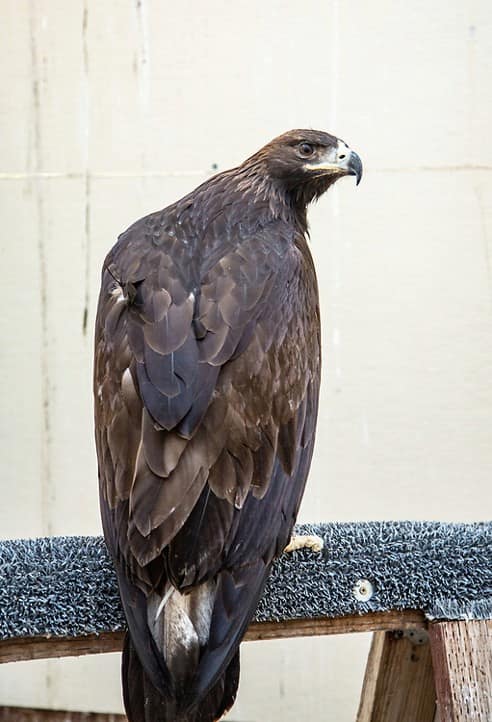
Loki, male red-tailed hawk
Loki is the latest red-tailed hawk to join the WMC Ambassador team, starting his tenure with us in May of 2025 at 2 years of age. Loki initially arrived at another wildlife rehabilitation facility and then was transferred to a licensed falconer to be conditioned for release. The falconer had Loki ready for release but noticed he was not hunting well and suspected he had an issue with his vision. Due to this, Loki was transferred to the WMC for evaluation, where we discovered a cataract and significant scarring in the back of his left eye, likely from trauma sustained while he was living in the wild. His vision is severely impaired on that side, and it would be very difficult for him to hunt in the wild. Instead, we have continued his training that was started by the falconer and have integrated Loki into our ambassador program. His name was chosen by our Ambassador Care Coordinator student volunteers to match that of our other male red-tailed hawk, Odin. Loki and Odin are both very prominent gods in Norse mythology.
Loki’s experience with a falconer is not uncommon for red-tailed hawks. Falconry is a form of hunting, where humans train and partner with a bird of prey to hunt wild game in the birds natural habitat. This sport is highly regulated and is a cooperative relationship built on trust where the bird retains its wild instincts while working alongside a human partner. The process of becoming a falconer takes years and requires an individual apprenticeship to a sponsor; after obtaining the required permits and passing an exam, most beginner falconers in the U.S. use a red-tailed hawk as their starter bird. These animals are less than a year old and wild-caught. In the wild, yearling red-tailed hawks face many challenges including starvation due to poor hunting success, rodenticide toxicity after eating poisoned mice or rats, trauma from hitting a car, window, or other object, and even electrocution. In fact, it is thought that anywhere from 60-80% of red-tailed hawks do not survive their first year of life. For the red-tailed hawks that are caught and work with a falconer, they receive critical assistance during the most vulnerable time in their life and are released as an adult in optimal physical health and have perfected hunting techniques, greatly increasing their survival rate.
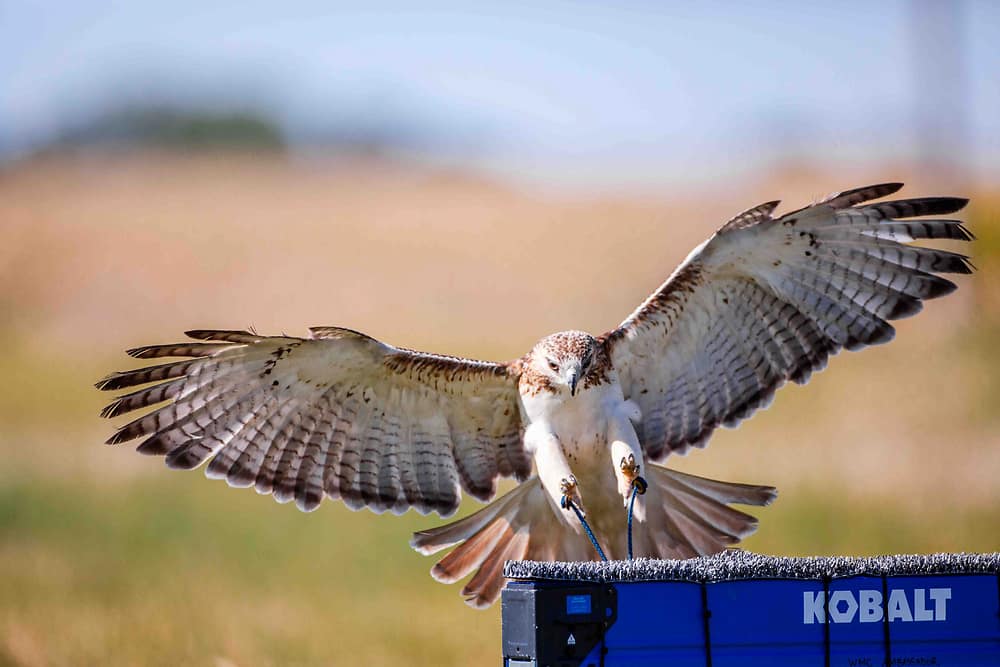
While Loki’s vision deficits keep him from being able to return to the wild, he is still able to engage in plenty of natural hawk behavior. With no damage to his bones or feathers, he is fully flighted and will often spend part of his day swooping from one perch to the next in his outdoor enclosure. On days when the weather allows, we are also able to creance him, using a long weighted line, he is able to fly longer distances from one trainer to another or from a trainer to a perch keeping him in great body condition. This also gives Loki a chance to stretch his wings, and a chance for all of us to appreciate his talent. Perhaps you will have a chance to see him fly at an upcoming program!
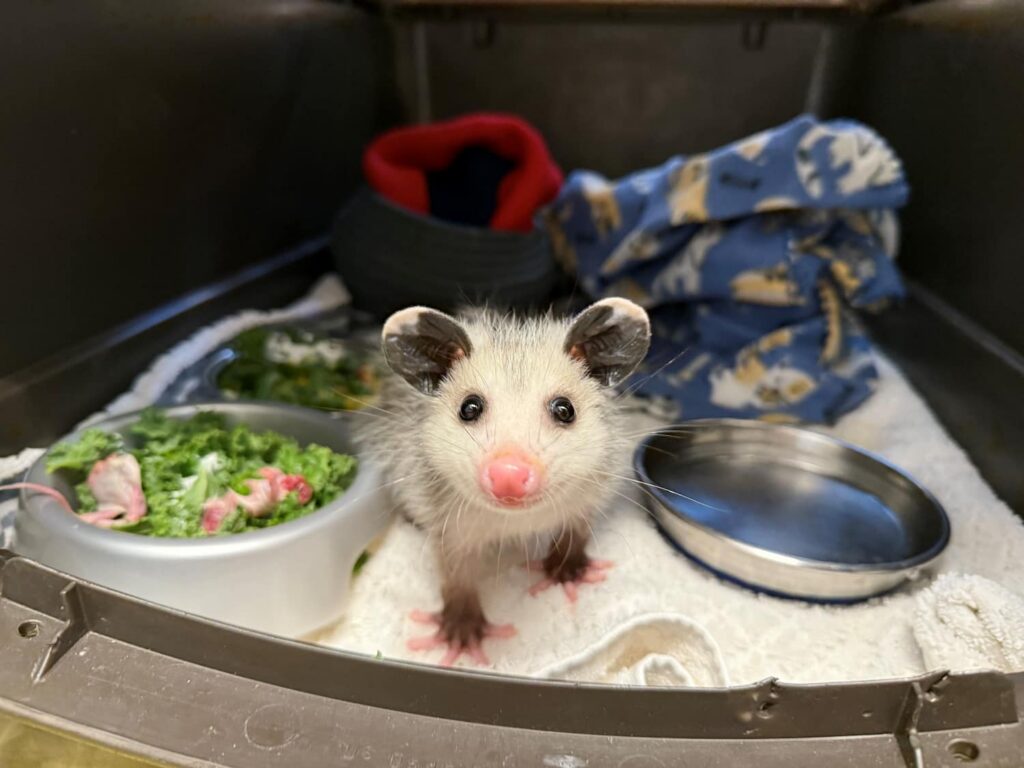
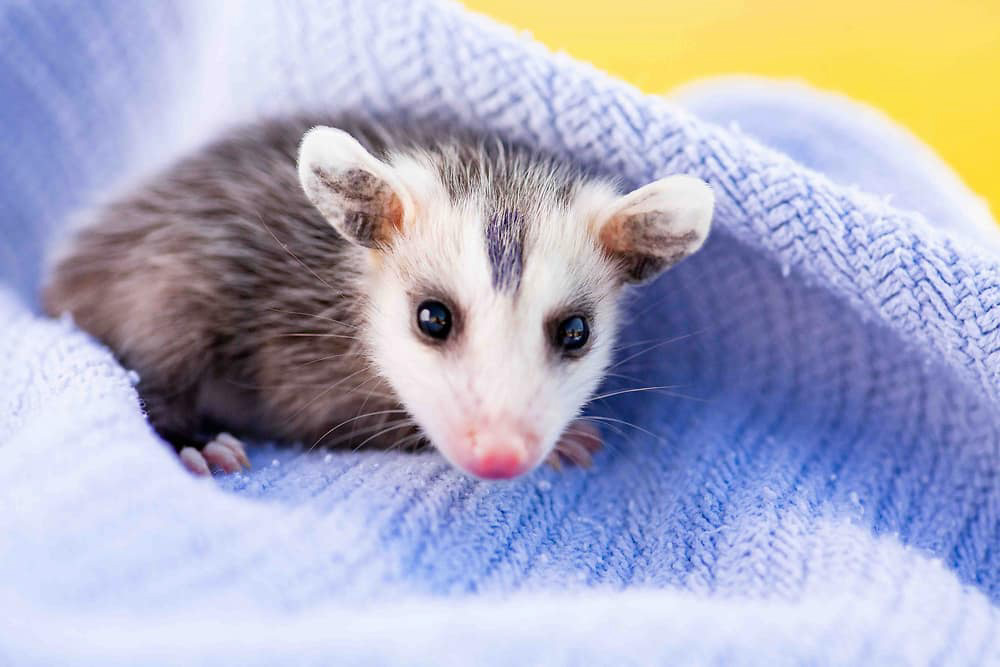
On September 2, 2025, a passel (litter) of baby opossums was brought into the Wildlife Medical Clinic. Their mother had been hit by a car and unfortunately passed away leaving Pesto and his siblings orphaned. While the majority of the young were perfectly healthy, Pesto’s tail had gotten caught, and was barely hanging on by a thread. Our team determined the tail could not be re-attached, and was amputated, fully removing the tail at its base. Pesto was prescribed pain medication, and he along with his siblings were set up in a small incubator and started on several feedings per day.
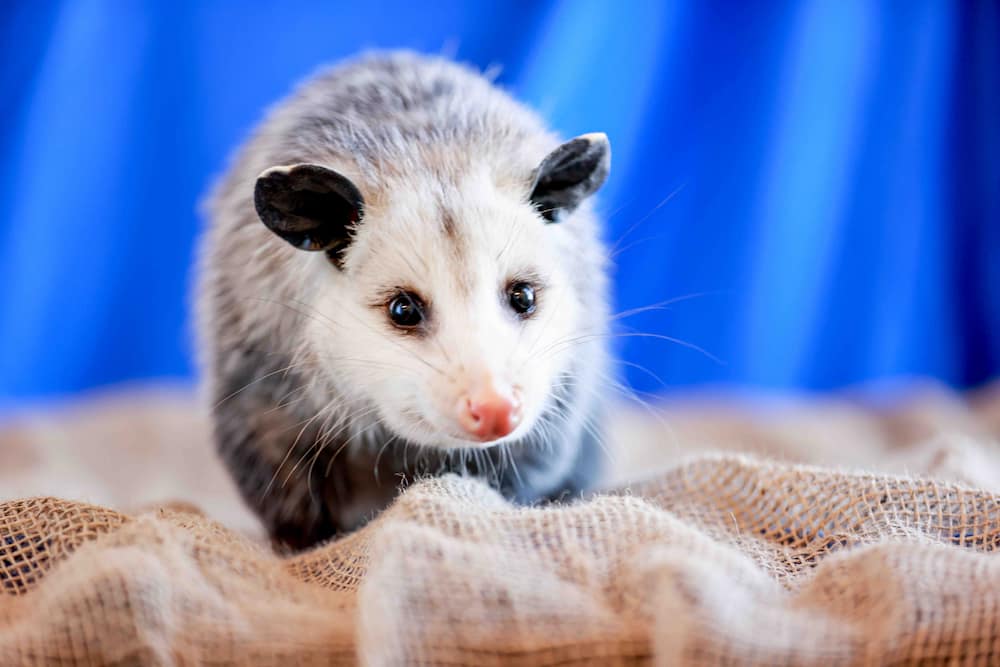
The tail of the Virginia opossum is hairless and prehensile, meaning it can grab and carry objects. When they are young, joeys (baby opossums) can occasionally hang by their tails, but as they grow up they become too heavy for such behavior. Opossums use their tails to carry nesting material, like fallen leaves, or to balance while they are climbing trees and suburban fencing. The tail is integral to how the opossum behaves in the wild, and as such, losing the entirety of it disqualified Pesto from being a candidate for release. Instead, he was accepted into our ambassador program as our newest opossum member, and he was fully hand raised and habituated to people to ensure he would thrive as an ambassador animal.
Pesto was housed in the WMC for the first few months of his life, where he received multiple formula feedings each day before being transitioned onto more solid foods like veggies, fruits, yogurt, and kibble. At this point, he moved out of the clinic and into his permanent enclosure within the ambassador building, where our volunteers were very excited to work with him more closely. At first he was restricted to a small portion of his enclosure but as he grew, he was given more space until he had full access to his room. Having never had a tail that he could remember, Pesto is still able to move around his enclosure freely, and does still climb very well. His name was chosen by popular vote by members of both the WMC and the ambassador volunteer team, since it took everyone’s combined efforts to take care of him in his infancy.
Virginia opossums (Didelphis virginiana) are the only marsupial species found in North America (North of Mexico). Females will give birth to up to 13 underdeveloped young that then migrate to a specialized pouch on their body, where they continue to grow and nurse until they are large enough to go off on their own. They have very few defenses beyond their impressive set of teeth (50 in total), and instead will “play dead” when they feel trapped, in an effort to make the predator lose interest. Opossums are omnivorous opportunistic feeders, and are primarily nocturnal. While many regard them as pests, they play an important role in disease control within their habits, scavenging what’s been left behind, be it a deer carcass or a discarded sandwich. Pesto travels to many of our ambassador program events to help demystify these animals, and to show how important these misunderstood creatures are in the environment.
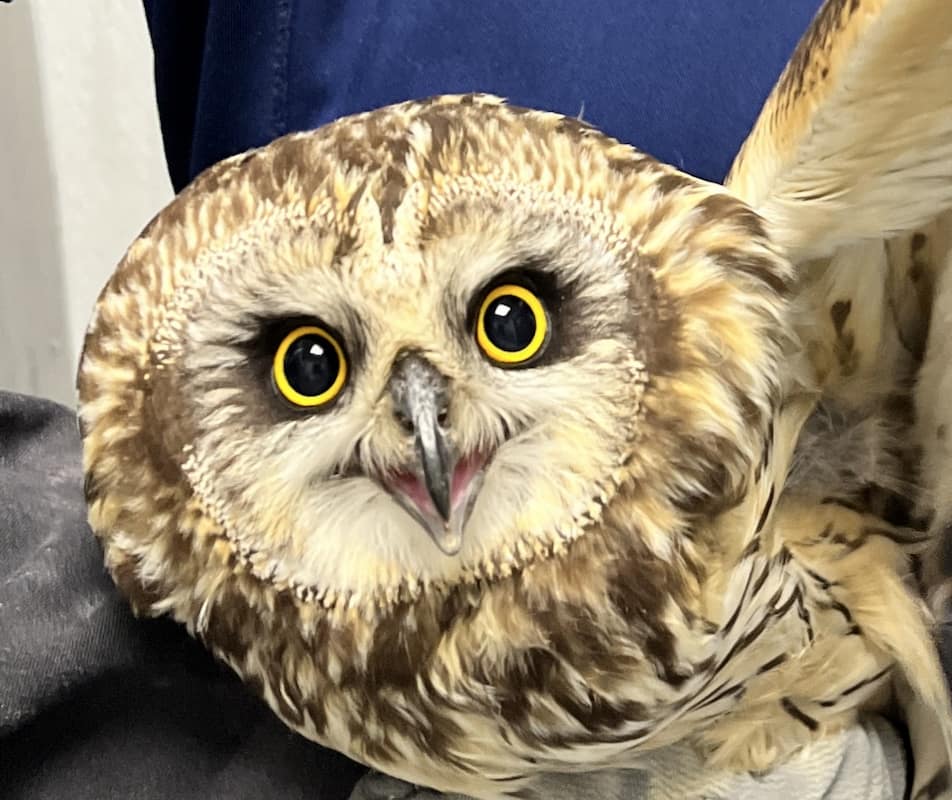
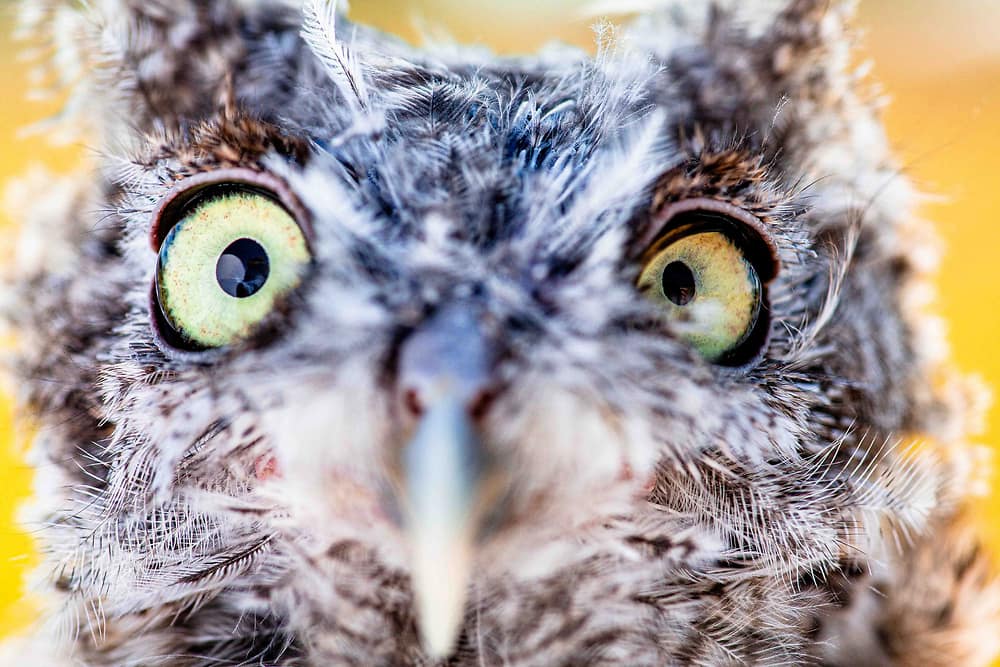
The newest Strigiforme to join the ambassador program is Whittington, an Eastern Screech Owl! Fully grown at 115 grams (¼ of a pound), Whitt was brought to us by the Illinois Raptor Center in Decatur, Illinois, as a month-old fledgling. They were concerned that he had an injured wing and eye. After examining him, we discovered chronic fractures spanning the length of his left wing. We have no way of knowing what caused this degree of trauma in such a young owl, but his body was able to heal and Whitt can still take short flights without issue. When examining his eyes, our team found an immature cataract in the right (meaning his vision is likely cloudy but still present) and a pupil that was not responsive to light in the left. We suspect the left eye is a case of microphthalmia, in which the eye did not develop properly before hatching; he likely cannot see much of anything on that side.
Whittington was found but then held for over a week before he was brought to a licensed rehabilitator. Unless you are a licensed wildlife rehabilitator, it is illegal to keep wildlife in your home for an extended period of time. Many species of baby birds imprint quickly on humans who handle them, which renders them incapable of release because they do not recognize other members of their species as “self.” Imprinted animals will rely on humans for everything, including food, shelter, and once mature, even seeing humans as their mate. They have no fear of people and never learn species-specific behaviors that would allow them to survive in the wild. Unless the animal has a temperament suitable for an educational program, it can be very challenging to find them a home. Luckily for Whitt, we were able to add him to our ambassador program, where we hope he will spend many years with us helping demonstrate to the public the importance of keeping animals wild.
Eastern Screech Owls (Megascops asio) are native to the majority of the U.S., east of the Rocky Mountains. They are nocturnal, non-migratory, and tend to live in deciduous, wooded areas where they can camouflage into the trees. They eat small mammals, birds, and all sorts of insects. Males typically are smaller than their female counterparts, but both sexes stand between 6 and 10 inches tall. The oldest recorded Eastern Screech Owl in the wild was fourteen and a half years old. Whittington is a gray phase Eastern Screech Owl, but there are two less common morphs, the rufous or red phase and intermediate or brown phase.
Whittington’s name was selected by a generous donor, who chose to name him after Dr. Julia Whittington. Dr. Whittington was the Director of the WMC for 16 years, before the mantle was passed to Dr. Sam Sander and then to our current Director, Dr. Stephany Lewis. Dr. Whittington is a 1997 graduate from the University of Illinois’ College of Veterinary Medicine. After practicing locally for a few years, she returned to the University of Illinois Urbana-Champaign to develop the College of Veterinary Medicine’s exotic “zoo med” service, and expand student access to wildlife experiences. She led the WMC from 2001 through 2017, before accepting a position as the Director of the Veterinary Teaching Hospital and Assistant Dean of Clinical Services. Though she retired at the end of 2023, she has stayed local and still keeps in touch with our zoo med and wildlife services. We hope she is excited to have one of our ambassadors named in her honor.
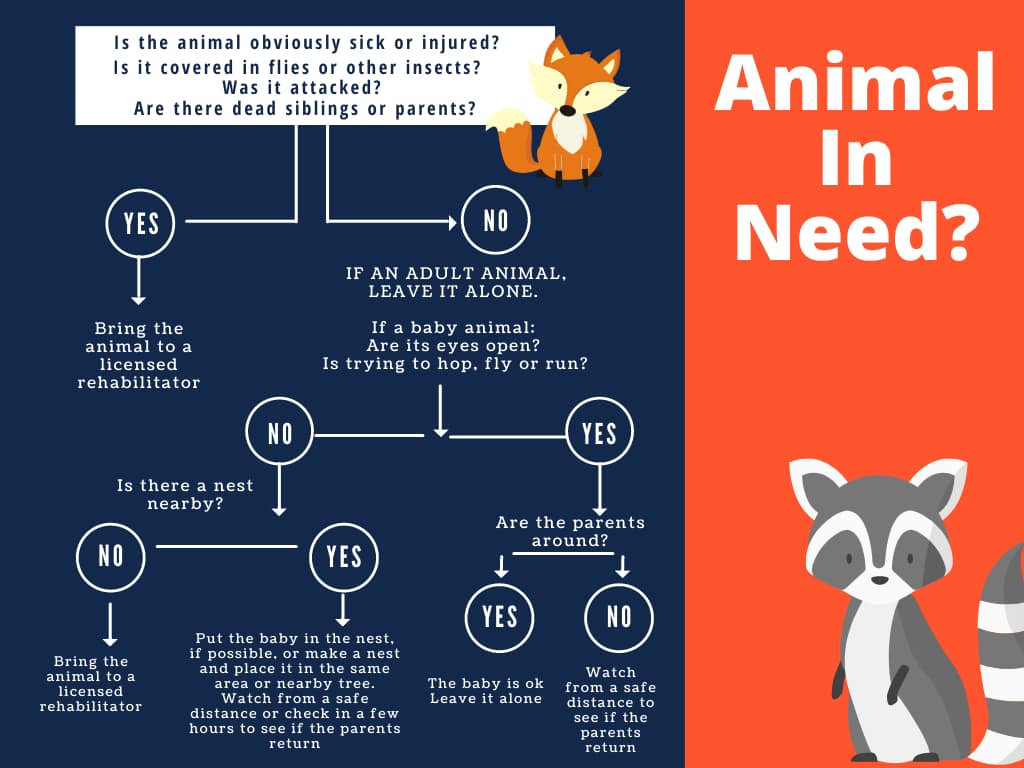
Check out this recent article in Outdoor Illinois Journal, written by our program coordinator, Sydney Oliveira. It provides basic information on what to look for to determine whether an animal needs help or not. It also provides resources for finding a licensed Illinois wildlife rehabilitator near you and provides some additional information on supporting wildlife.
Invasive species are estimated to cost North America $26 billion dollars per year since 2010. From plants like common teasel and buckthorn to animals like the Burmese python and lionfish, the damage that has been caused to our native ecosystems is extreme. While steps have been taken to mitigate these damages and prevent further spread of those species, there is still much work to be done. One of the steps we can take to preserve our wildlife is to recognize the impact we have as individuals.
Dangers Outdoor Cats Face
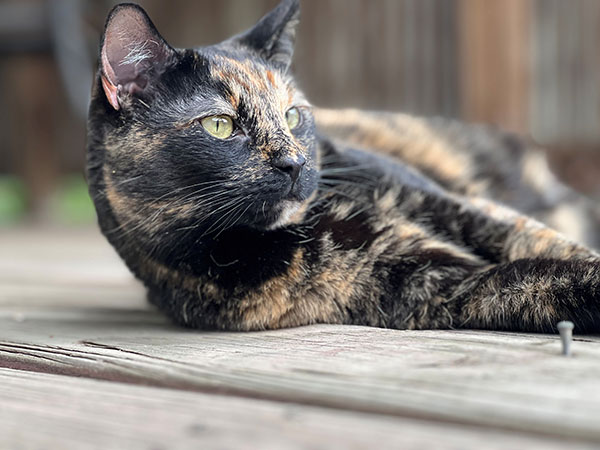
Approximately 49 million American households own cats, and a survey performed in 2021 found that 21% of Canadian and American cat owners allow them to have unsupervised outdoor access. While the outdoors provides tons of enrichment for our feline friends, there are several downsides to be aware of. Some of these downsides include injuries cats may obtain while outside, including getting infested with fleas, or something as extreme as getting hit by a car or attacked by a coyote. This can be devastating to the owner of the pet and result in hundreds if not thousands of dollars in veterinary bills, not to mention the emotional toll it takes watching a member of your household be in pain.
Dangers Outdoor Cats Pose
With that in mind, it is also important to understand the negative impacts cats themselves have on the environment. In addition to disease transmission and property damage, in the U.S., cats are estimated to kill 1.3-4 billion birds and 6.3-22.3 billion mammals each year, acting as an invasive species themselves. They are also considered a contributing factor in the extinction of 63 species globally. Here, at the Wildlife Medical Clinic, we see many patients come into us with injuries sustained from a feral or friendly cat. While this is heavy news to read, not all hope is lost as there are several actions we can take reduce these damages.
Things you can do include:
Monitor your cat during their outdoor play time, or install a catio.
Having conversations with your family, friends, and neighbors about any outdoor cats they have.
Spaying and neutering your cat to prevent the population of ferals and strays from growing.
Volunteering at an animal shelter with a Trap Neuter Return program—this also helps to lessen the feral population of cats.
Use flea, tick, and heartworm prevention on any cat that has outdoor access.
Keep your cat up to date on its yearly vaccinations.
One of the many things we love about cats is their playful nature. However, that playfulness is driven by their predator instincts and is what makes them such excellent hunters in the wild. With this knowledge, we can work towards a future where cats are safe from dangers the outdoors pose and wildlife is safe from the harm of our feline friends.