Does that Baby Animal Need Help

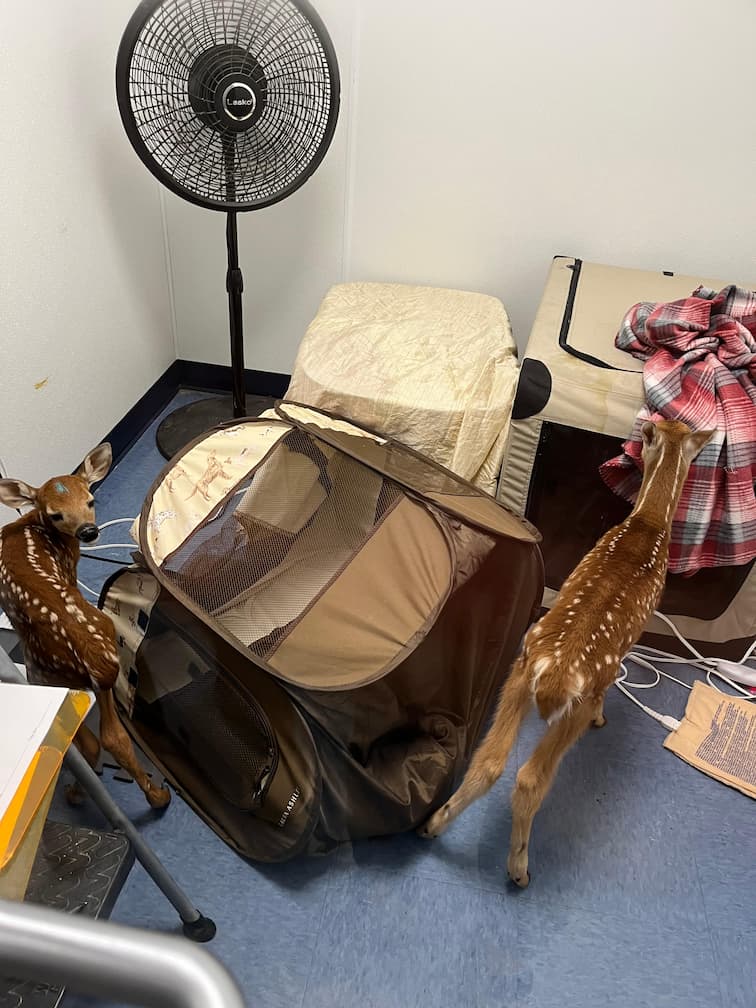
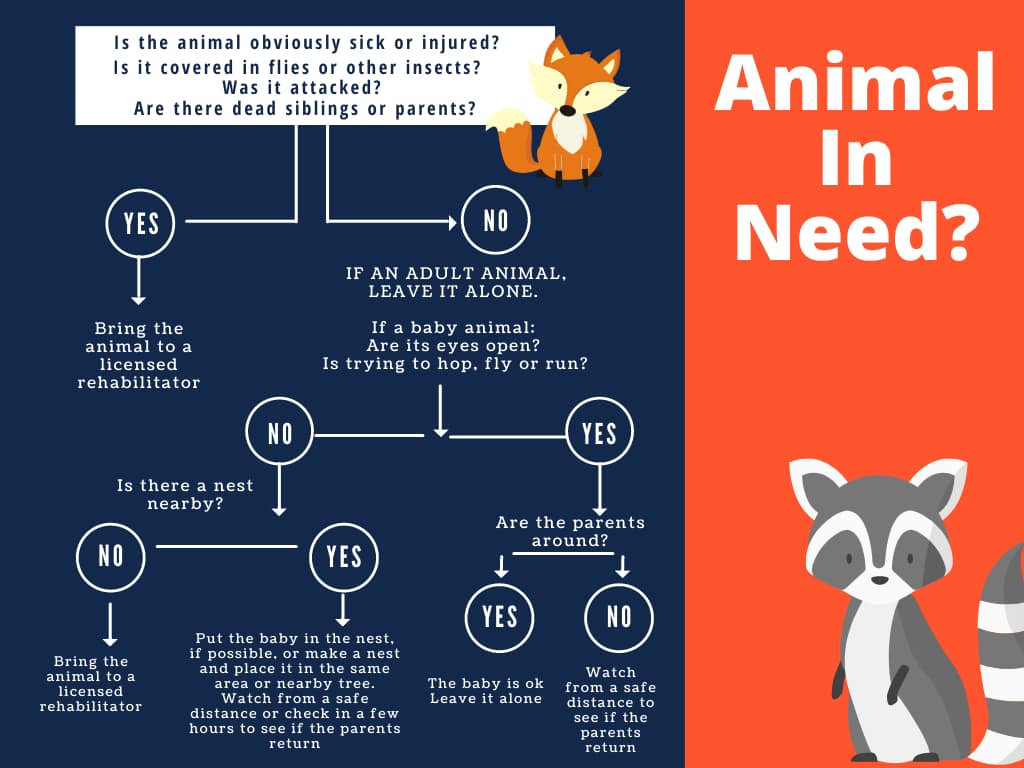
Check out this recent article in Outdoor Illinois Journal, written by our program coordinator, Sydney Oliveira. It provides basic information on what to look for to determine whether an animal needs help or not. It also provides resources for finding a licensed Illinois wildlife rehabilitator near you and provides some additional information on supporting wildlife.

Canine Distemper Virus: Not Just a Puppy Problem

What is Canine Distemper Virus (CDV)?

Canine Distemper Virus is a highly contagious and often fatal virus that can affect the respiratory, gastrointestinal, and nervous systems of animals. These locations make sense when considering these are all systems that contain rapidly-dividing cells, which the virus loves to replicate in. You may have also heard of CDV through your local veterinarian as protection against this virus is part of the core vaccine series recommended for every dog by the American Animal Hospital Association (AAHA). Among the consequences of infection, immune suppression is the #1 reason behind its mass mortality, as it leaves its host extremely susceptible to other diseases, particularly in young. Mortality rates for distemper can vary from 50% in adult dogs to even 80% in puppies, unvaccinated pets unfortunately being the most commonly affected. But despite its name, it is crucial to note that this virus does not limit itself to canines; CDV can infect a wide range of species!

Who else can be affected by CDV?

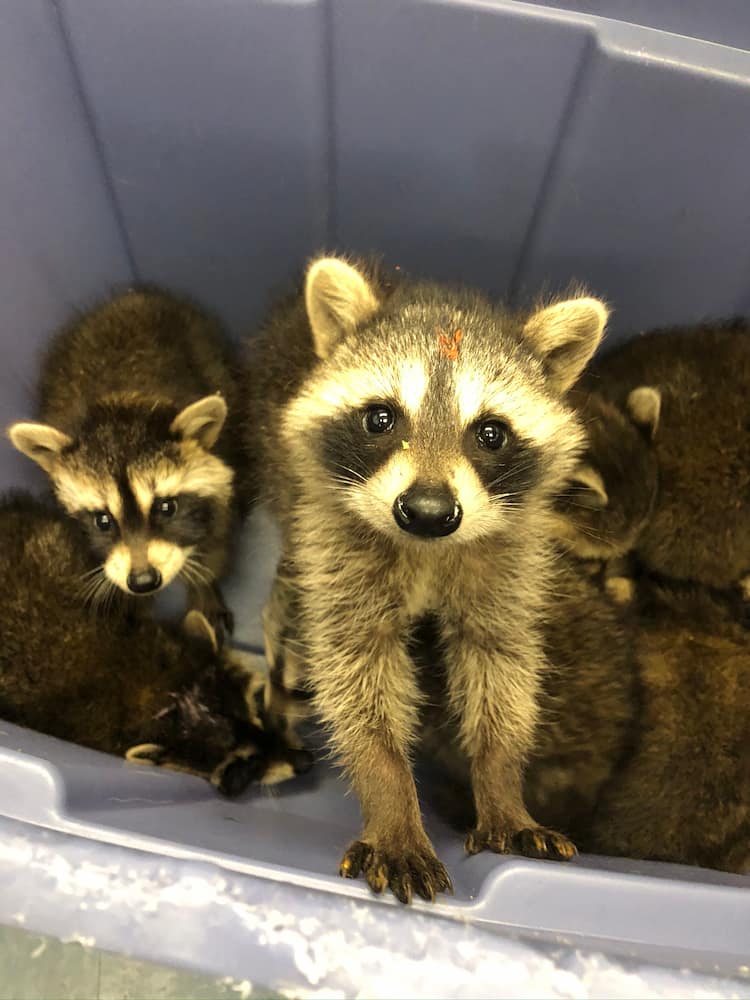
Tub of raccoons with one standing up.

While domestic dogs are the most well‑known hosts, Distemper can infect a variety of wildlife. Susceptible species include:

  • Raccoons
  • Foxes
  • Coyotes
  • Skunks
  • Ferrets — 99.9% mortality rate when unvaccinated
  • Domestic and large cats — less common
  • Some species of seals

This broad host range means that CDV can move between pets and wildlife with surprising ease. This is also how it creates a cycle of infection that is hard to break without implementing community-wide prevention efforts, which you may figure is no easy fit.

What makes CDV especially tricky is that animals can shed the virus for weeks, even when they look healthy. Just think about it, how many possibilities are there for any of these species to come into direct or indirect contact with our pets? A sick raccoon could wander through your backyard and spread the virus before it starts showing any symptoms. Your dog may also happen to interact with a seemingly healthy fox or other creature carrying the disease (or their biological by-products) during your monthly hike. It’s also easy to forget the route goes both ways. Our own pets, regardless of the source of infection, can also carry the disease onto others. The long list of hosts and possibilities of spread is one of the reasons CDV remains such an important One Health concern, as its impact can certainly extend past our homes and into the ecosystems around us.

What happens when an animal becomes infected?

CDV spreads through respiratory droplets (i.e. coughing or sneezing) and bodily fluids including saliva, urine, and feces. Once infected, there is a 10-14 day incubation period where the virus is settling in and replicating. An animal may then show initially mild and cold-like signs:

  • Fever
  • Watery eyes or nasal discharge
  • Tiredness
  • Decreased appetite

As the virus progresses, the symptoms can worsen as well:

  • Vomiting or diarrhea
  • Pneumonia (i.e. trouble breathing, persistent coughing, lethargy…)
  • Thickened paw pads (AKA, the classic “Hard pad disease” sign)

If the virus then reaches the nervous system, animals may develop neurologic signs like muscle twitching, seizures, or trouble walking (stumbling). Unfortunately, these are often permanent and can be fatal.

What you can do to help:

Vaccinate Your Pets:

Vaccination is the most powerful tool we have! The distemper vaccine has been proven safe, effective, and widely recommended for all dogs regardless of lifestyle. From an objective perspective, the benefits can outweigh the risks. It offers protection for your dog against the life‑threatening disease, prevents the virus from spreading to wildlife, plus helps keep local ecosystems balanced.

Feeders and Keeping Wildlife Wild:

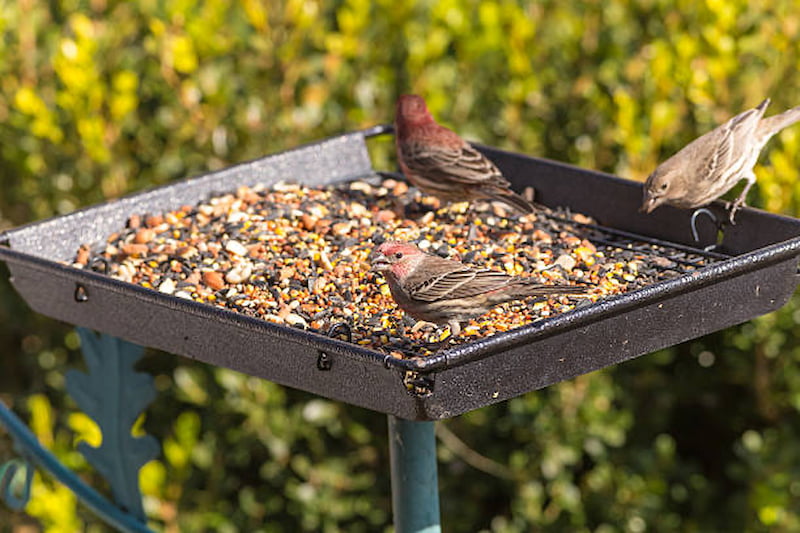
Feeding wildlife or leaving food outdoors creates gathering spots where CDV can spread easily through increased close contact and shared surfaces. It is important to note that animals that become dependent on human‑provided food may also lose essential survival skills, making them more vulnerable over time. Allowing wildlife to find natural food sources is safest, but in the case you choose to feed certain species, consider using methods that limit cross‑species contact and keep feeders clean. Simple choices, like hanging bird feeders high enough to deter raccoons and foxes or using small openings that discourage squirrels, help reduce CDV spread and support healthier wildlife communities.

Report Sick Wildlife:

If you see a wild animal acting strangely (i.e. notice stumbling, twitching, or being friendlier than appropriate), contact your local wildlife rehabilitation center or animal control. These behaviors may signal CDV or another serious illness.

Stay Informed with Reliable Sources:

Because misinformation can lead to harm, it is crucial to aim for reliable, science‑based resources to stay up to date on related topics. Some examples of organizations that provide trustworthy information on disease outbreaks, vaccination guidelines, and wildlife health include:

  • American Veterinary Medical Association (AVMA)
  • Centers for Disease Control and Prevention (CDC)
  • World Organisation for Animal Health (WOAH)
  • Veterinary school and wildlife clinic websites
  • State public health or natural resources departments

As a final gentle reminder: Never hesitate to reach out! Your care makes a difference, plus people in this field of work are often happy to support you and grateful for your efforts.

Written By: Jennifer G., Class of 2026

Happy New Year

The page has turned and the Wildlife Medical Clinic is excited to embark on yet another year tending and caring for our local wildlife. With every new year, there is value in taking time to reflect on the past. In 2025, the Wildlife Medical Clinic provided care to over 2,000 members of our wildlife community, 2,305 to be exact! This endeavor would not have been possible without our good samaritans, veterinary student volunteers, faculty, and staff. A warm thank you to everyone that has been involved with the Wildlife Medical Clinic, whether it has been transporting an animal, feeding an orphan squirrel, cleaning a cage, or making a donation – your generosity cannot be understated.

Let us take a look back on 2025 with some exciting statistics.

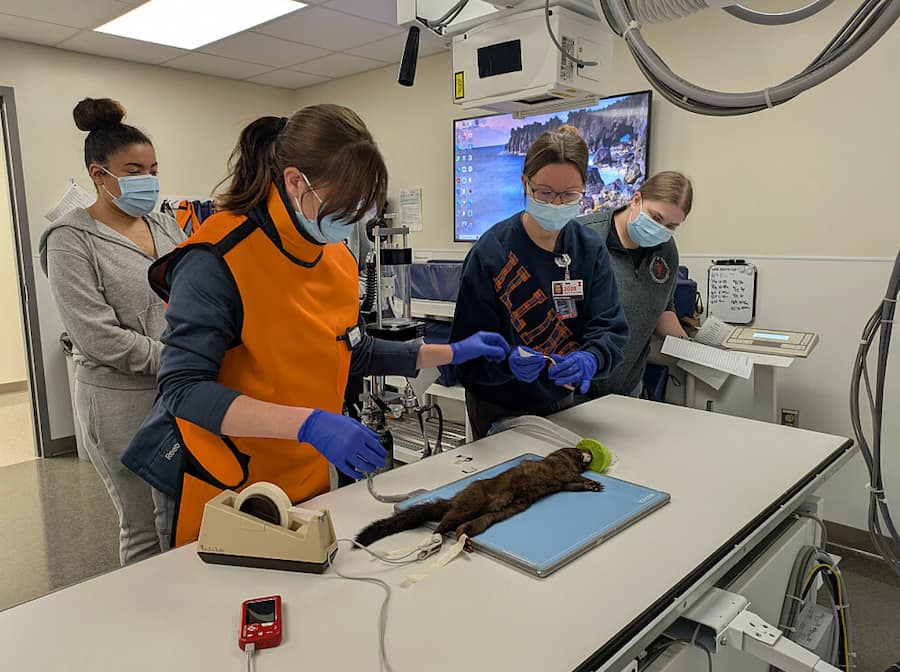
Mink positioned on an x-ray plate for radiographs with 4 wildlife medical clinic volunteers monitoring him.

We saw…

  • 1,432 mammals consisting of 23 different species
  • 792 avians consisting of 86 different species
  • 56 reptiles consisting of 11 different species
  • 4 amphibians consisting of 3 different species

Our top 5 most seen species in 2025 were:

  1. Eastern Cottontail – 536
  2. Virginia Opossum – 264
    • One of these patients became one of our newest ambassador animals, Pesto!
  3. Eastern Grey Squirrel – 216
  4. Raccoon – 204
  5. Canada Goose – 92
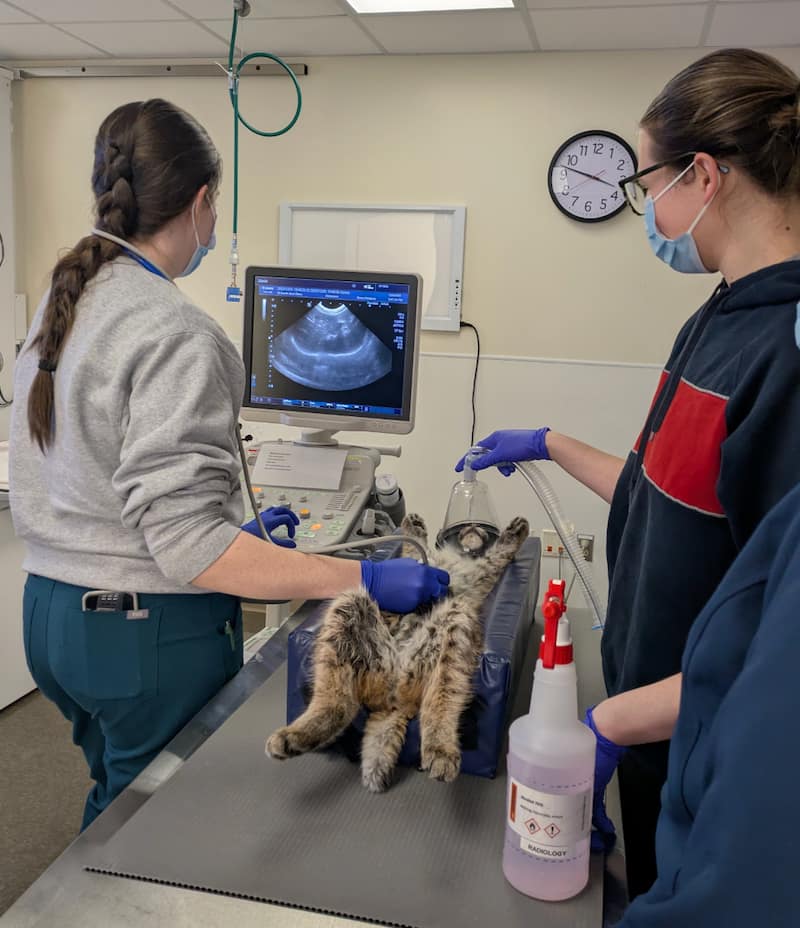
Dr. Vincent and Riley Dunwoody ultrasounding a bobcat patient from the Wildlife Medical Clinic.

As with any year, there are also some exciting surprises! Below are some of the more unique animals we helped care for this year!

  • Bobcat
  • American White Pelican
  • American Coot
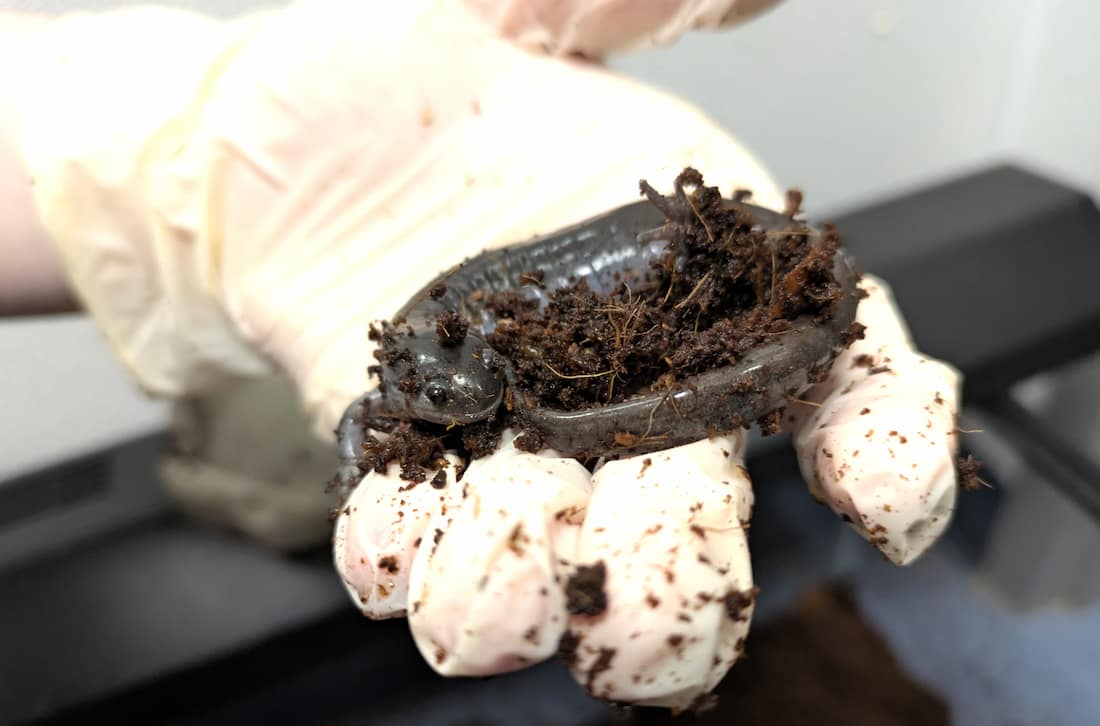
  • Small-mouthed Salamander
  • American Mink
  • Barn Owl

Written By: Rachel E., Class of 2027

 Hypoglycemia in Orphan Patients

In the fall, the Wildlife Medical Clinic is booming with orphaned wildlife such as squirrels, rabbits, and opossums. On our initial triage examination, many of these orphaned patients present with mild to moderate dehydration, consistent with the assumption that they likely have gone some length of time without feeding. We are typically able to efficiently correct this with rehydration via subcutaneous fluid injections. Given this brief period of starvation, another consideration our team is always monitoring for is clinical signs of hypoglycemia, or low blood sugar. At such a young age, these patients have not yet fully developed the ability to regulate their blood glucose, therefore brief periods without food can quickly push them over the edge into hypoglycemia.

Signs of Hypoglycemia

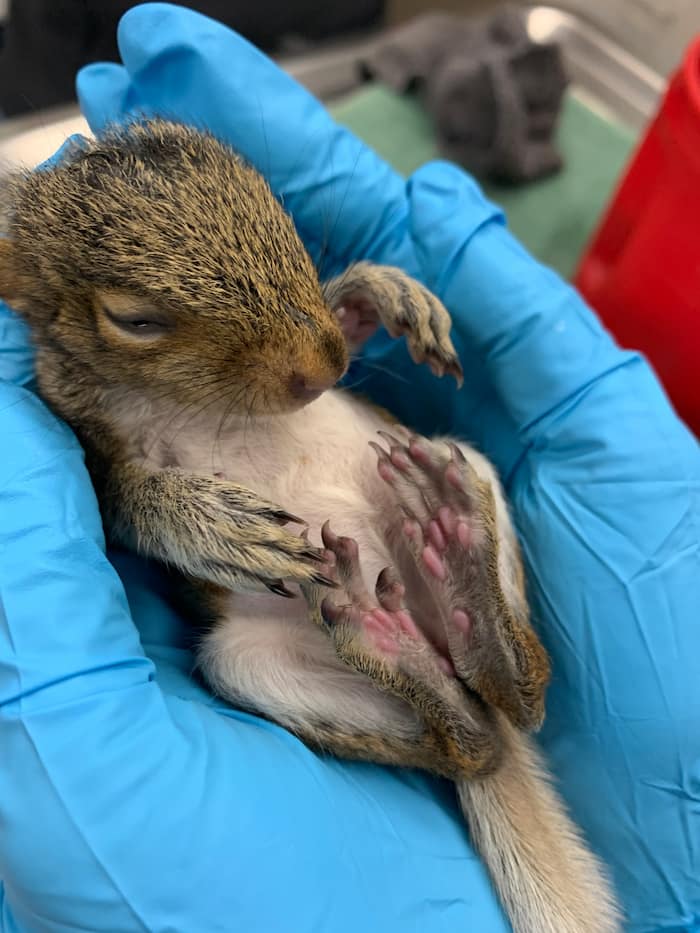
Young squirrel in gloved hands for exam.

There are a few hallmark signs of hypoglycemia that we keep an eye out for when assessing young patients. With mild hypoglycemia, we can see lethargy and listlessness. If the patient is not very reactive to handling and lacks their usual alertness, this may be an indicator of hypoglycemia. Another common finding is neurologic signs. With moderate hypoglycemia patients may develop head tremors and a wobbly gait. Significant hypoglycemia can very quickly progress to seizures. In young orphan patients, this can look like full limb splaying, paddling their limbs, and full body tremors.

Diagnosing Hypoglycemia

If we see patients displaying any of the clinical signs listed above, we grab a glucometer to quickly test their blood glucose level with a small drop of blood. As with many of our wildlife species, we do not have precise reference ranges for many blood parameters, so we often must extrapolate data from similar species. In puppies, a blood glucose lower than 60 mg/dL is considered to be hypoglycemic, and clinical signs typically develop at 40 mg/dL or lower. In very serious cases of hypoglycemia, the glucometer may read TLTR- too low to read.

Treatment of Hypoglycemia

If we have patients showing clinical signs that are attributed to hypoglycemia, they typically recover very quickly once the hypoglycemia is corrected. When suspicious of a mild hypoglycemia in addition to dehydration, it is a common practice to add a small percentage of dextrose into the patient’s subcutaneous fluids. Another quick treatment option is applying a small amount of corn syrup (Karo syrup) to the patient’s gums. If hypoglycemia continues to be an ongoing problem, we will reassess their diet plan and potentially increase the frequency of their formula feedings throughout the day.

Recap

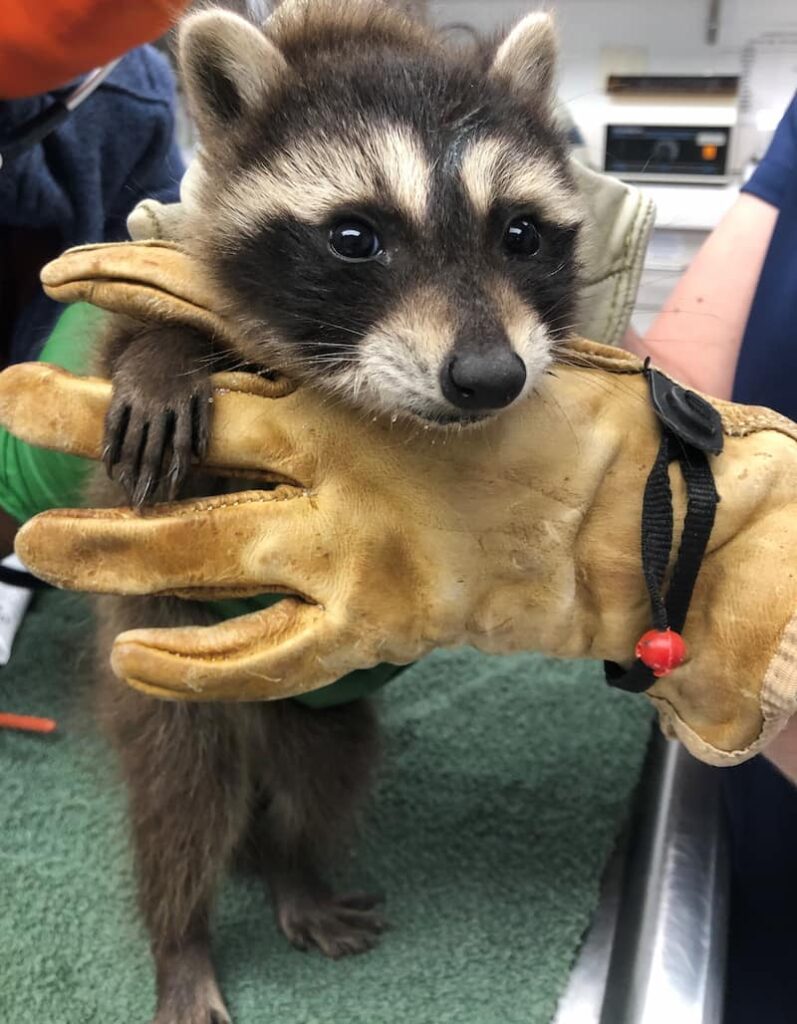
Young raccoon in gloved hands for a veterinary exam.

In summary, hypoglycemia is a common finding in our young orphaned patients. In most cases, hypoglycemia is relatively uncomplicated to manage with appropriate monitoring and medical interventions. With many young, small patients, there is always the potential for them to decompensate rapidly, making frequent monitoring of utmost importance. Being aware of potential risks of hypoglycemia and knowing what to monitor for is step one to setting your patient up for success.

Written by: Jayci J., Class of 2028

Coexisting with Wildlife

As cool weather starts to approach, people may soon find wild animals trying to move into their home and their yard. While some people have very environmentally friendly yards that encourage wildlife to visit, some do not and that is ok. Thankfully there are many ways to humanely and effectively prevent unwanted wild visitors.

Discouraging New Residents

The best way to keep many animals from setting up a home in your yard or attic is to minimize its level of attractiveness and its accessibility. You can achieve this by doing the following:

  • Seal cracks and gaps in your home.
    • Substances like caulk, expandable foam, mortar, and plywood can all be used to seal any exterior openings. Animals like squirrels and raccoons can also climb trees to access your roof so it is important to trim tree limbs or wrap the bottom of the tree in aluminum to prevent them from climbing up and setting up dens on your roof or in your attic.
  • Secure potential food and water sources.
    • Clean your grill after each use.
    • Secure your compost.
    • Fix leaky pipes and dump standing water in your yard.
    • Clean spilled seed under bird feeders.
    • Purposely feeding wildlife or leaving food out for stray cats will also continually attract any number of wild animals to your home so make sure to keep any pet food or water dishes inside.
  • Maintain your property and landscaping.
    • Keep clutter to a minimum. Reduce hiding spots by keeping your garage, shed, and yard organized.
    • Maintain your landscaping by removing brush piles quickly, trimming trees and shrubs away from your house, and removing fallen debris, especially organic matter (fallen fruits and leaves) as these all attract wildlife to your yard.
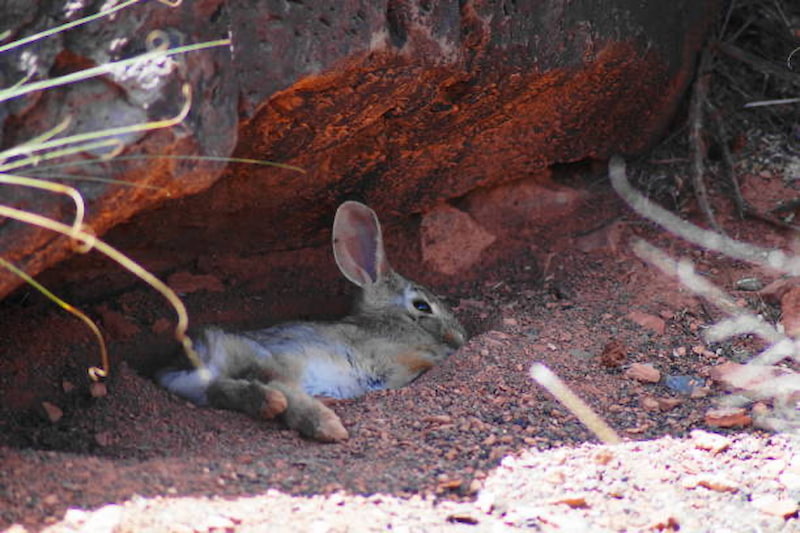
Rabbit resting on its side under a rock in sandy substrate.

Other Methods of Discouraging Wildlife from Inhabiting your Yard

Physical Barriers

  • Netting or Tarps that cover nesting areas such as porch lights and eaves.
  • Mesh or Wire that covers open, covered areas where birds may nest
  • Gutter guards

Visual Repellants

  • Shiny objects – Can hang old CD’s, aluminum foil, mirrors, reflective tape, wind chimes and other objects that move in the wind and reflect light.
  • Predator Decoys – Plastic hawks, owls, or coyotes. Some move and make noise, some are stationary.
  • Motion activated sprinklers and lights.

Auditory Repellants

  • Ultrasonic devices that emit high frequency sounds humans can’t hear but animals can.
  • Playing music when the animal would be active.

Scent and Taste Repellants

  • There are commercial repellents like peppermint oil, garlic, and predator urine that can repel animals from your yard. You can also plant strong smelling herbs such as mint, lavender, and rosemary around the borders of your yard.
  • You can sprinkle spicy or bitter herbs on your garden/flowers to deter animals from consuming them.

Encouraging Unwanted Guests to Leave

If a family of wild animals has already set up a den in your home or yard, some of the techniques mentioned above can help encourage them to find a new home. Placing objects such as strong lights, reflective CDs or tins, blinking holiday lights, motion-activated sprinklers, loud music, or windchimes near the den, especially at night, could encourage the animals to relocate. Many animals are repelled by strong smells such as vinegar, citrus, menthol, coffee grounds, rubbing alcohol, and some essential oils. Try one or a combination of different smells sprayed near the den to discourage animals from returning.

Techniques to Avoid

While trapping and relocating wildlife may look like an easy fix to unwanted wildlife nesting near your home, it is not. Removing wild animals is illegal without the proper permits and only allows new animals to move into the vacated area. In addition, handling animals without the proper equipment can be dangerous. This is not only due to their ability to inflict damage such as bite wounds or scratches but because these animals could carry diseases that can spread to humans. You should never use poisons or toxic substances to get rid of wild animals as this is inhumane, potentially illegal, and usually affects more than just the targeted species. Substances like rodenticide can also cause secondary poisoning in other wild animals or even pets. If the deterrents listed in the beginning of this article have all been tried and do not work, and there is a wild animal in your home, it is best to contact a wildlife control operator. Make sure to do your research and look for the most environmentally conscience companies. In Illinois, you can find more information at https://wildlifeillinois.org/remove-nuisance-wildlife/hire-a-wildlife-control-operator/.

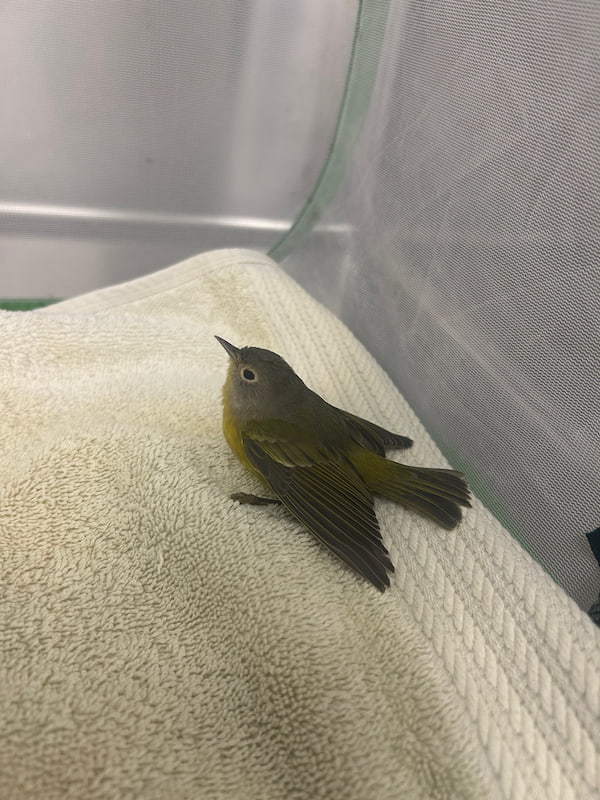
Injured warbler in a soft sided enclosure resting on a towel.

Also remember, keeping wild animals without the proper permits is illegal and can be detrimental to the animal’s health as they have special dietary needs along with specific husbandry and handling requirements that untrained individuals may not be knowledgeable about. If you find healthy orphaned wildlife, it is best to first observe and try to reunite them with their parents. If that is not successful, get them to a licensed rehabilitator as soon as possible. In the meantime, keep them in a warm, dark, quiet area until you can get them to a licensed rehabilitator and DO NOT offer food or water. To find a licensed rehabilitator in Illinois, visit https://wildlifeillinois.org/get-help-for-injured-wildlife/list-of-licensed-wildlife-rehabilitators/.

Written By: Talia D., Class of 2026, and Sydney Oliveira

When should an animal come to the Wildlife Medical Clinic?

Sometimes it can be difficult to know when an animal should be taken to the Wildlife Medical Clinic. In cases where there are signs of an overt injury with blood present, unwillingness to move when approached, exposed bone, and maggots, we highly recommend safely transporting the animal to us! However, not all cases are as clear as that. Below I have outlined some very common questions the Wildlife Medical Clinic receives and what we think is the best course of action.

“Help! There is a bird in my yard on the ground and it hasn’t moved. It also seems to be wobbly when it walks. Should I bring it in?”

This is a super common question that we receive phone calls about a lot during the summer months. In these situations, it is very important to consider how old the bird in question may be. If the bird is an adult and fully feathered, it is uncommon to find them in that state. There is also a concern if the bird has no feathers and is looking dull and unresponsive. In these situations, it would be appropriate to give the WMC a call prior to capturing them. However, if the bird is smaller and lacking full plumage, then this may be a fledgling bird that is learning how to fly. Most songbirds will spend 3-5 days on the ground during this time. It is common to find fledgling birds near the bases of trees below their nest while they are learning to navigate the world.

“I found a tiny bunny on the sidewalk, what should I do?”

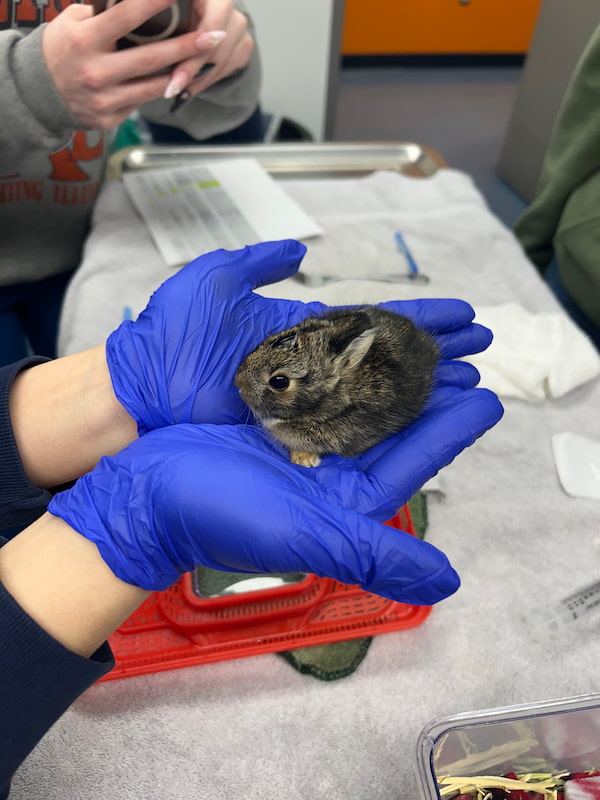
A baby bunny is being held in gloved hands by a volunteer

It can be quite alarming to find an abandoned baby bunny! If you come across an abandoned wild young cottontail, it is important to first assess them for any injuries. If the bunny otherwise appears healthy, the next course of action should be to locate the nest. Bunny nests can be difficult to find as they are usually not in plain sight. They can commonly be found at the bases of bushes, hidden in taller grass, or under decks or sheds, in depressions found in the ground.

Eastern Cottontails are a common bunny species in the Champaign-Urbana area. They do not burrow in the ground. Instead their nests will be on the ground level, lined with the mother’s fur and then covered with soft grasses. If the nest is successfully located, we advise you to gently place the found bunny in the nest and cover it with grass and leaves. To ensure that the mother is visiting the nest, a pattern of ribbon can be placed on top of the nest and flour can be used to create a trail around the nest. These aspects will be disturbed if the mother is actively visiting the nest. If you are unable to find a nest for the bunny, we advise you to give the WMC a call for further steps! 

If you are concerned about your dogs finding the nest, you can cover it with an upside-down laundry basket, with a hole cut into the side large enough for the mother rabbit to access her nest. The laundry basket can have a heavy object, such as a brick, placed on top to prevent dogs from pushing it over. 

Another important consideration is that eastern cottontail rabbits leave the nest and are independent at only 4 weeks of age! At that time, they are only about the size of a tennis ball! If you find a healthy young cottontail about that size with upright ears, it’s best to let them be. Many people mistake these young rabbits as orphaned, but they have actually already left their mother!

“I found a nest of baby birds, but I don’t see the parents, should I bring the nest in?” 

It is very normal to not see the parents for a nest of baby birds! Birds, along with other wildlife species, are terrified of us and will likely not visit the nest with us nearby. It is best to watch the nest from far away, either from across the street, through a window, or from inside a car. If there are no signs of the parents after a few days, it would be appropriate to give the WMC a call. In situations where there has been a recent storm, bird nests can be knocked out of trees. After accessing inhabitants of the nest for any signs of injury, the nest can be placed securely into the nearest tree. 

“I found a baby squirrel in my backyard, what should I do?”

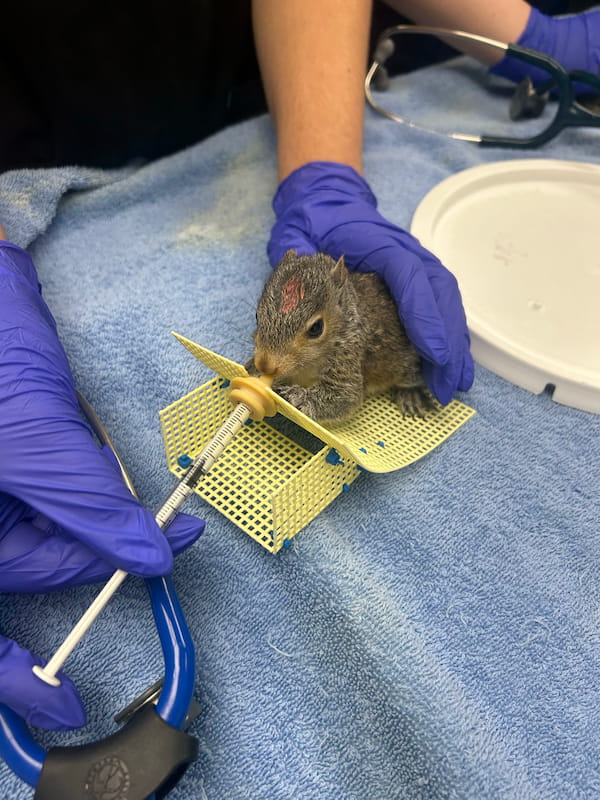
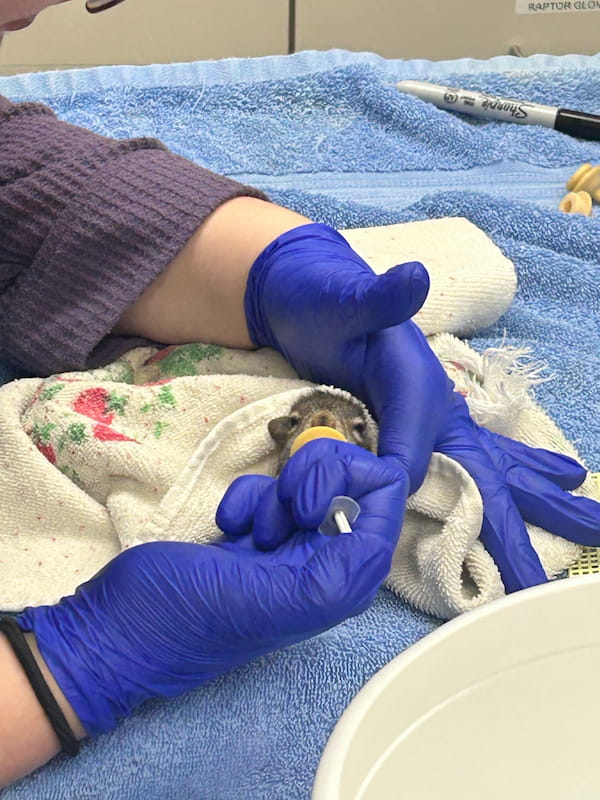
A baby squirrel is being hand fed through a syringe while it is covered in a towel to keep warm

Baby squirrels typically wind up on the ground if they have fallen from their nest. If there are not any obvious signs of injury, it is completely okay to pick them up and place them back into their nest. In the event that you are unable to locate the nest or perhaps it is too high up, you can place them into a wicker basket close to where they were found. This gives the mom an opportunity to collect her baby and take it back to the nest. Even if the nest has been destroyed, it is common for the mother to have a back-up nest to move her babies to. If you don’t see her after a few hours or it is getting dark, you should bring the squirrel to the Wildlife Medical Clinic.

So you’ve determined it needs to come to the clinic, now what?

If you are planning to safely transport an orphaned or injured animal to the Wildlife Medical Clinic, it is important to understand the do’s and don’ts. Please do not feed them anything! Almost all species of wildlife can survive up to 24 hours without any food or water. Unfortunately, any attempts with feeding will likely result in serious issues for the animal. Inappropriate food items can cause harm to the animal’s digestive system and inappropriate feeding methods can pose a risk for the inhalation of food material. 

The best thing that a finder can do is place the animal in a small box with air holes, keep them warm, provide them with a quiet, dark environment, and avoid handling the animal. Minimizing the amount of stress the animal is exposed to gives the animal the best chance of being able to make strides towards recovery. 

For more information, follow the link below: Dr. Stephany Lewis, the current director of the Wildlife Medical Clinic, discussed with The News Gazette on when to bring wildlife here!

Written by: Rachel, Class of 2027
Fawns

Every year, during the summer, the Wildlife Medical Clinic receives numerous calls about white-tailed deer fawns. These fawns are found in many different situations, such as lying in a yard close to people’s homes or workplace and often they are found alone. While this can be alarming, it doesn’t always mean that this is an animal in need. There are many facts about deer and fawns that you want to consider before deciding to intervene. Read below to learn about some of these facts.

When are fawns typically born?

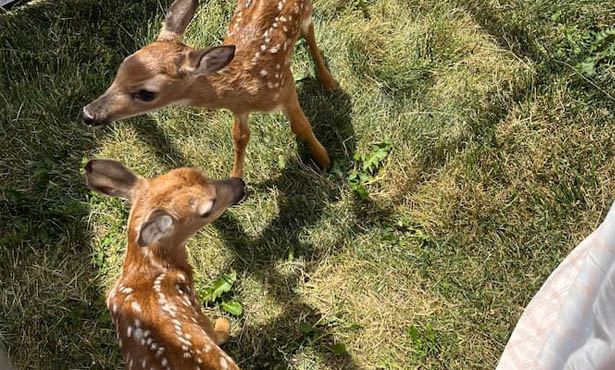
Deer have one litter of babies per year, usually during the months of May to June, with the majority of them being born in June. It is common for them to have one or two babies in a litter, and on rare occasions, three. Fawns are born looking almost like replicas of adult deer, as they have their eyes open and are fully furred; they do however have white spots across their backs to help them camouflage.

Why am I seeing a newborn fawn alone without its mother?

While fawns can stand and walk when they are first born, they don’t have the ability to move fast enough to run from predators or keep up with mom as she looks for food. To keep them safe while mom forages, they are periodically left by their mothers in tall grass or bushes for approximately the first month of life until they have grown enough to keep up with mom. Once the fawn is safely hidden, mom will then wander off to eat food, and will come back multiple times throughout the day to feed her babies. She will do this when there is no threat detected, which for deer includes people standing nearby.

What should you do if you are worried about the lone fawn?

Simply seeing a fawn lying on the ground by itself is not a reason for concern, since the mothers leave them by themselves for long periods of time. If you happen to see a fawn with no obvious injuries, and it is curled up laying on the ground, the best course of action is to leave it alone completely, and to check back in the next 24-48 hours to see if it is still in the same spot. If the fawn has not moved after 24-48 hours, you should call your local conservation officer or wildlife center to get advice on the next steps.

What are signs that a fawn is orphaned or needs help?

While many of the fawn sightings we receive calls about at the clinic are related to normal baby deer behavior, it is not impossible for a deer to be found in need of help. Some signs to look out for include seeing a fawn walking or wandering around while vocalizing. Baby deer that are being watched over by their mom, and have been left for the day stay very still and very quiet, so seeing a fawn wandering and vocalizing can be a sign that its mother has not returned. Other signs include seeing any visible injuries. These are two instances where a fawn would need additional help, and you should call your local conservation officer or wildlife center to get advice on safe capture and location to get help.

Do fawns have a better chance of survival with their mother or in the clinic?

Deer Fawns

If the fawn has no injuries and is not sick or has been confirmed orphaned the best chance of survival is in the wild, being taken care of by its mother. This is why you may be encouraged to place a fawn back where it was found or be told to leave it alone if you find one. Deer are often high-stress animals and when in captivity that can lead them to be prone to serious injuries. It is also hard to perfectly replicate a mother deer’s milk, so if there is a chance that a baby deer can be fed by its mother, that is always recommended.

Overall, the best course of action when finding a fawn, if it does not have any visible injuries, is to leave it alone exactly where it was found. If you have any questions relating to finding a fawn please reach out to your local conservation officer or a local wildlife rehabilitation facility such as the Wildlife Medical Clinic.

Written By: Riley, Junior Manager and Class of 2027

Mothers Gone Wild!

The season of spring is known for a couple of aspects. It’s the time when flowers bloom, people begin to venture outside and wildlife give birth and raise their young. Being a mom in the wild is hard! In honor of Mother’s Day, here are several unique maternal strategies these local species have developed to keep their young safe and healthy.

Geese are great adoptive parents!

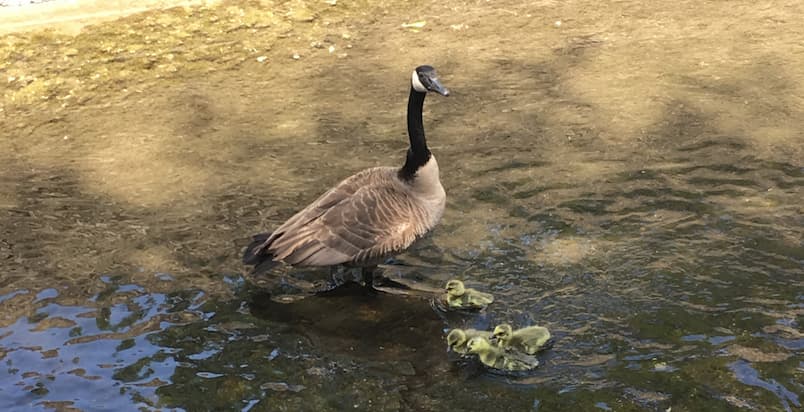
In humans, it’s important to remember that the term mother doesn’t always have to refer to someone that is biologically related. A mom can take the form of a grandma, a cousin, or a family friend. The same idea applies to Canada geese! Despite the aggressive perception that the public has of them, Canada geese are very caring and fantastic parents. A mother Canada goose will adopt an orphan gosling if it is around the same size as her other goslings and take care of it as if it was her own. Geese truly look out for each other! Goslings spend a lot of time with their mom, as they are constantly with her, traveling, eating and sleeping. In fact, goslings may end up staying with their mom for their entire first year of life. Mother geese will keep her babies under her wings at night to not only protect them from predators but to keep them warm. The willingness of Canada geese mothers to accept goslings that are not their own, allows wildlife rehabilitators and clinics (like the Wildlife Medical Clinic) to release goslings back into the wild and know that they are being well cared for! However, it is important to know that this is specific to Canada geese, doing this with baby ducks or mammals will not work out the same way!

An opossum mom is a walking jungle gym!

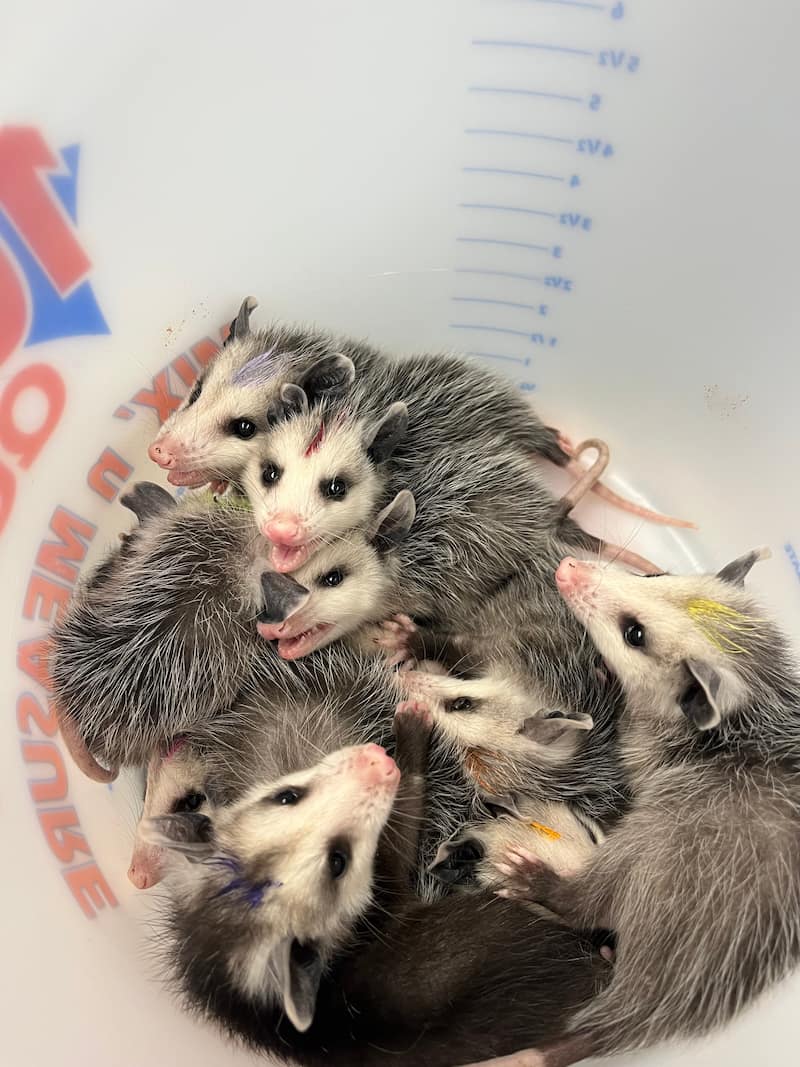
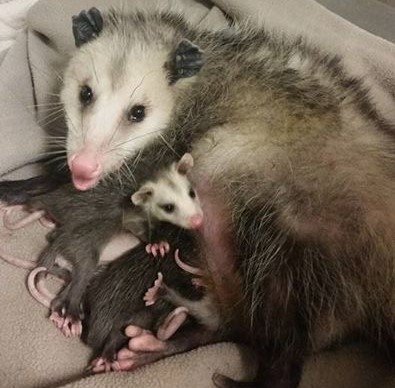
When people think of animals with a pouch, they commonly think of kangaroos! Many people overlook the Virginia opossum, which is the sole marsupial that lives in North America. Opposed to kangaroo mothers who can raise up to 3 joeys simultaneously in her pouch, opossum mothers may raise up to 13 babies in her pouch at once! That’s a lot to carry for one mom! As the babies begin to open their eyes, their curiosity gets the best of the them and they end up venturing out of their mom’s pouch on their own for longer and longer periods of time. Older babies spend a lot of time on their mother’s back and so mothers end up walking through the wild and searching for food with their own baby backpack. The babies are extremely good at gripping. This is very helpful because if they fall off, the mother will not go back for them, and they will be left to fend for themselves. Babies usually stay with mom for around 5 months, so opossum mothers have their hands full for a while! The next time you see an opossum, don’t be fooled, it may be a mom carrying more than meets the eye!

A killdeer mom is quite the actress!

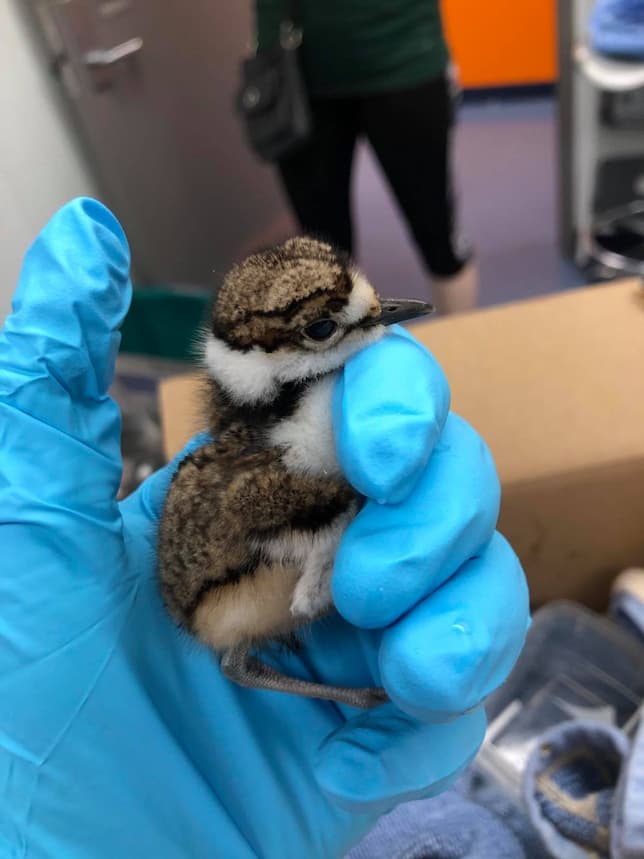
Killdeers are a small, very vocal plover that like to nest in rocky, open areas. They make a small depression in the ground and usually lay four to six mottled eggs that resemble rocks. While their nest is quite camouflaged to the untrained eye, to a predator they are a little easier to spot. If this occurs, have no fear, mom has a trick she uses to lure those predators away. She first will make a lot of noise to alert the predator of her presence. Once she is seen, she will actually fake an injury and appear to have a broken wing. She gets so into it that you may even see her lay or roll around on the ground while moving her wing up and down, appearing to be in distress. This usually pulls the predator far enough away from her nest or if she has chicks, it gives them time to disperse and hide. Then mom has a miraculous recovery and flies away from the predator and back to her chicks, once it’s safe. Here is a great video that includes her nest and eggs https://www.youtube.com/watch?v=4t0sFIW-G_0.

Written by Nina, Class of 2026

Wildlife Medical Clinic
John A. Coyne South Clinic
2100 South Goodwin Avenue
Urbana, IL 61801
217-244-1195