White-Nose Syndrome in Bats

Bats of Illinois

Illinois is home to a confirmed 13 different bat species who are all insectivores. Despite their feared reputation for carrying diseases such as rabies and feeding on blood, these bats are crucial ecologically and economically as they provide natural pest control, reducing insect pests for crops and saving farmers billions in pesticide costs. With insects in Illinois not being available year-round, different bat species must either hibernate or migrate to survive the winter. Bats that tend to hibernate in cooler areas, such as caves or abandoned mines, over the past decade have had their populations across North America decimated. Some common species in Illinois that are cool-cave hibernators are tri-colored bats, little brown bat, Indiana bat, and the northern long-eared bat which are now all endangered. The primary culprit of this phenomenon being White-Nose Syndrome. Other species that hibernate in warmer areas or have migratory patterns have been more resilient to white-nose syndrome.  

White-Nose Syndrome

In February 2006, a cave explorer in upstate New York discovered numerous bats coated with a white fungus. Researchers then launched an extensive investigation from Vermont to Virginia in the Winter of 2006-07 while they were hibernating to determine the extent of this previously unknown phenomenon. What they discovered was a fungus that was decimating entire bat populations, with mortality rates above 90%. Now close to two decades later it has spread to over 40 states and killing millions of bats. First spotted in Illinois in 2013, Pseudogymnoascus destructans is a fungus that thrives in cold and damp places that some bat species like to hibernate/congregate. It prefers to grow in temperature ranges of 39-59 Fahrenheit and will not grow above 68 Fahrenheit. As the fungus is not an airborne pathogen, the fungus is primarily spread from bat-to-bat contact. Due to this, bat colonies become rapidly infected during hibernation when they shut off their metabolism to save energy and are in close contact with each other.

Symptoms of White-Nose Syndrome

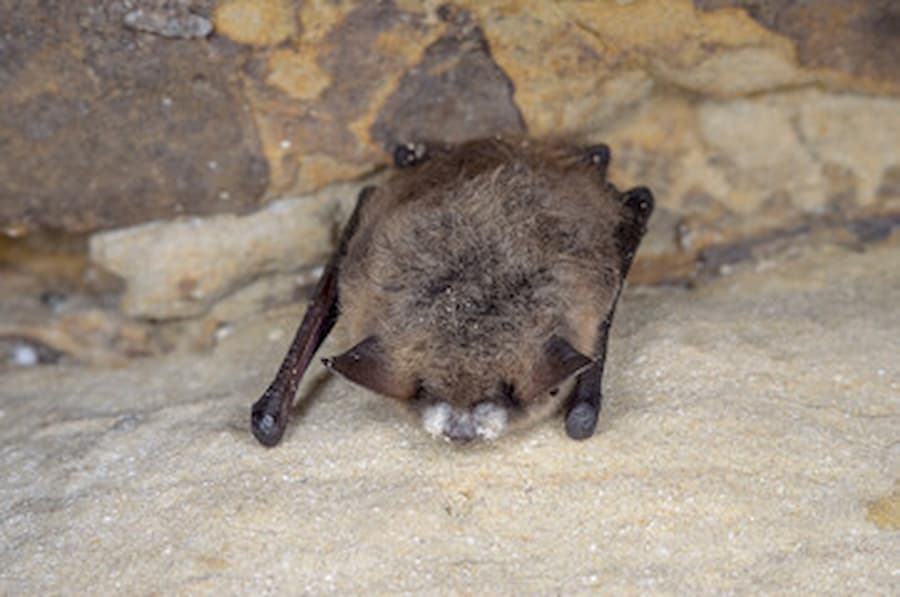
Bat with white muzzle indicating signs of white nose syndrome

Once infected, researchers have noted that the fungal infection causes hibernating bats to rouse, or awake from a state of torpor. Each time they rouse it causes them to use up their saved winter stores. Overtime, if the fungus causes the bat to rouse too often, it causes abnormal behavioral changes such as flying during the winter to try and feed instead of hibernating. Finding dead or dying bats on the ground in the winter is a strong indicator of white-nose syndrome. Other characteristic symptoms are the white growth of the fungus on the bats’ wings and muzzles.

Bats of all ages are susceptible to White-Nose syndrome and once infected there is currently no known effective treatment or cure. Researchers are currently developing an effective vaccine to protect colonies, UV-C light treated caves, probiotics to improve natural skin microbiome to slow fungal growth, use of volatile organic compounds (B-23), and temperature regulation are some preventative therapies being researched.

How to stop the spread of White-Nose Syndrome

Although the exact known cause of the spread of white-nose syndrome to North America is unknown, it is well hypothesized that human activity contributed to its spread from Europe. The fungus is naturally present in Europe and many of the bat species are well adapted as the mortality rates in Eurasian bat species are significantly lower. Additionally, bats are the only species known to date that can contract an infection from P. destructans and humans are unable to be infected. Due to this, researchers believe humans carry the fungus from cave to cave allowing a more rapid spread. Research has shown that the fungus can survive on clothing and surfaces for many years depending on conditions and advise anyone visiting a cave or mine to decontaminate afterwards. It is also recommended we do not wear similar equipment or clothing when visiting a different location with bats. Although bats that typically hibernate to survive the winter are mostly affected, it is important to remember that bats that migrate or hibernate in warmer conditions can also get infected or become carriers to spread the disease.

Written By: David K.

Works Cited

“Fighting White-Nose Syndrome in BATS Benefits Agriculture, Study Shows.” ACES Research News, CSU Press Release, 13 May 2022, https://aces.illinois.edu/news/fighting-white-nose-syndrome-bats-benefits-agriculture-study-shows.

Matteson, Mollie. “Devastating Bat-Killing Disease Reaches Illinois.” Center for Biological Diversity , 28 Feb. 2013, www.biologicaldiversity.org/news/press_releases/2013/white-nose-syndrome-02-28-2013.html.

“Nature Curiosity: What Is White-Nose Syndrome? | Forest Preserve District of Will County.” Forest Preserve District Will County , Reconnect with Nature , 4 Nov. 2024, www.reconnectwithnature.org/news-events/the-buzz/nature-curiosity-what-is-white-nose-syndrome/.

Vachula, Laura. “Preventing and Treating White-Nose Syndrome: U.S. Fish & Wildlife Service.” FWS.Gov, Wildlife Management, 28 Mar. 2023, www.fws.gov/story/preventing-and-treating-white-nose-syndrome.

“White-Nose Syndrome Faqs (U.S. National Park Service).” National Parks Service, U.S. Department of the Interior, 5 Nov. 2024, www.nps.gov/articles/white-nose-syndrome-faqs.htm.

“Wild about Illinois Bats!” Illinois Department of Natural Resources, Aug. 2019, https://dnr.illinois.gov/education/wildaboutpages/wildaboutwildmammals/wildaboutmammalsbats.html.

Invasive Species in Beautiful, Diverse Places

Have you ever spotted an adorable animal wandering about and wondered where it came from, or what impact it might have on its surroundings? While many of these creatures appear harmless, some end up in environments where they don’t naturally belong. When this happens, they are called invasive species, often an uninvited guest that disrupts local ecosystems and threatens native wildlife.

Invasive species are animals that are not native to a specific location and can cause serious harm to the environment, economy, and native wildlife. These species are often introduced, sometimes intentionally, in an attempt to solve another problem, and other times accidentally, through travel, trade, or the pet industry.

I’m here to share a few invasive species that I’ve come across while living in one of the most biodiverse places on Earth, Hawai‘i! Most people recognize the islands for their incredible natural beauty, lush landscapes, and diverse wildlife. Hawai‘i is home to over 25,000 unique species, and about 90% of its land animals and plants and more than a quarter of its marine life are found nowhere else in the world. This makes Hawai‘i’s ecosystems incredibly special, but also extremely fragile.

Because so many of these species evolved in isolation, they have no natural defense against new predators or competitors. When invasive species arrive, they often outcompete native animals for food and space, spread disease, or directly prey on species that have no way to protect themselves. Even a small change, like introducing one new predator or competitor, can throw off the delicate balance that has existed on the islands for thousands of years. That’s why understanding invasive species is so important, especially in a place as unique and vulnerable as Hawai‘i. Protecting these ecosystems helps ensure that the islands’ native plants and animals can continue to thrive for generations to come.

Trouble in Paradise: The Mongoose, Day Gecko, and Feral Pigs

Mongoose

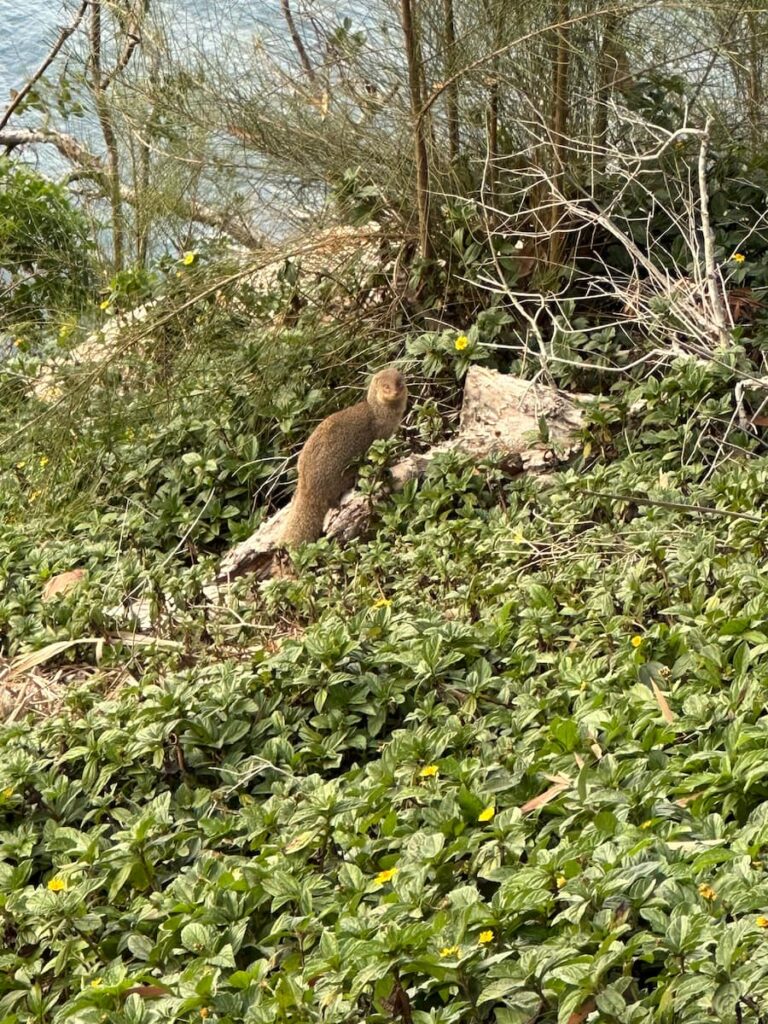
A mongoose resting on top of a fallen branch amidst ground foliage.

A mongoose is a small terrestrial mammal from the Herpestidae family that looks similar to a weasel or ferret. They have a carnivorous diet and are famous for their resistance to snake venom and their ability to kill venomous snakes. The mongoose was introduced to Hawai‘i in an attempt to control the rat population, which was wreaking havoc on sugarcane fields. Since mongooses prey on rats, it seemed like a simple solution. However, this plan backfired because rats are nocturnal, meaning they’re active at night, while mongooses are diurnal or active during the day. As a result, mongooses couldn’t effectively reduce the rat population, since the rats were never awake during the mongoose’s active hours. Instead, mongooses turned to preying on Hawai‘i’s native species, disrupting local ecosystems. Their presence caused the populations of several native species to decline dramatically, so much so that special fencing had to be installed around nature reserves and sanctuaries to keep mongoose out and protect vulnerable wildlife.

Gecko

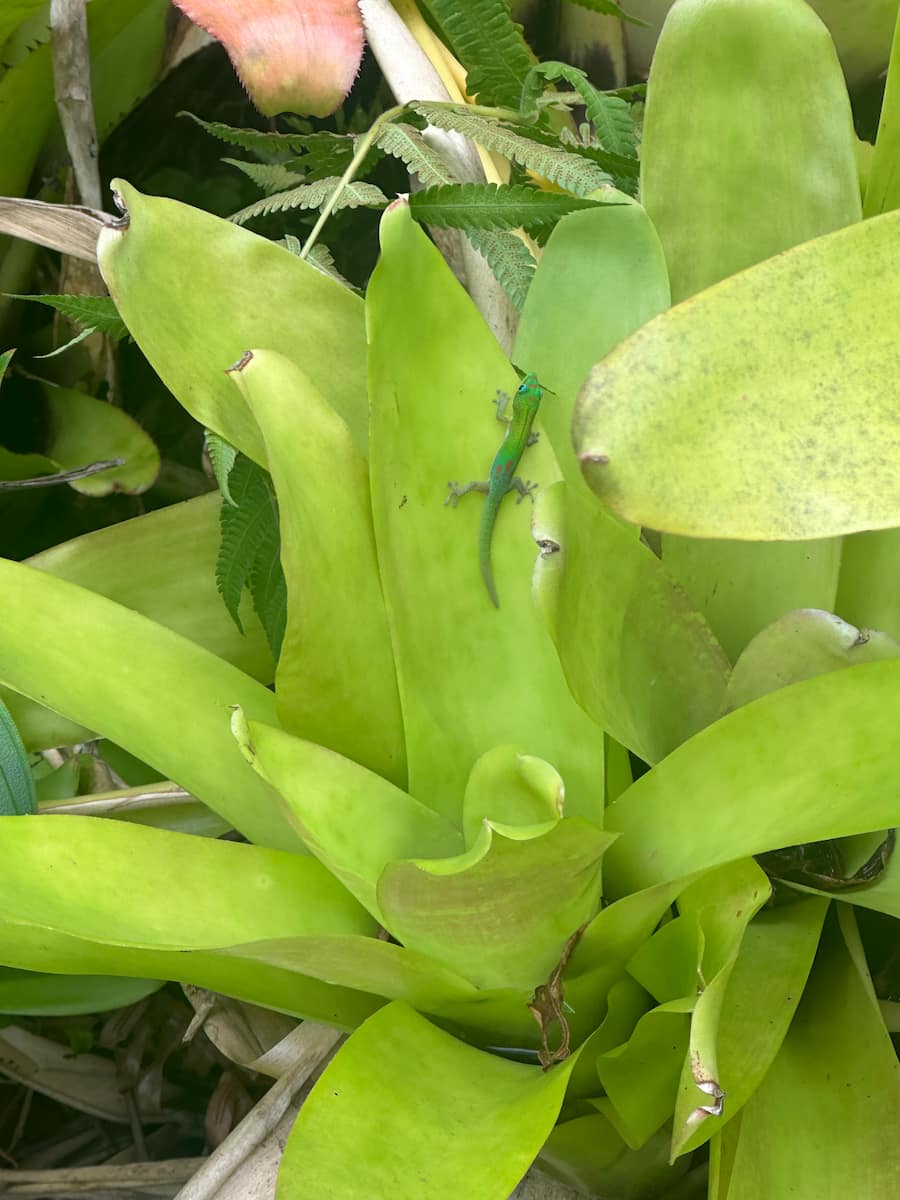
The gold dust day gecko and giant day gecko are two more invasive species affecting Hawai‘i’s native wildlife. These brightly colored lizards may look beautiful, but their introduction has made competition for food and territory much more difficult for native species. The geckos were first brought to the islands unintentionally by early Polynesian settlers, likely stowing away on voyaging canoes. More recently, they have been introduced through the pet trade, either by accidental escape or intentional release. A significant modern population of gold dust day geckos can actually be traced back to a University of Hawai‘i student, who released eight geckos in 1974. Since then, their numbers have spread rapidly across the islands. These invasive geckos compete with native insects and smaller lizards for food, and they can outcompete or displace native species due to their adaptability and fast reproduction. Their growing presence continues to challenge Hawai‘i’s delicate ecosystems, where even small changes can have lasting impacts.

Feral Pigs

Feral pigs are another major invasive species in Hawai‘i. Originally brought to the islands by Polynesian settlers and later by European explorers, these pigs have become one of the most destructive animals in the islands’ ecosystems. Their rooting and digging behavior uproots native plants, damages crops, and creates large muddy wallows that contribute to soil erosion and flooding. They also disturb the natural habitats of native animals by destroying nests and burrows. Feral pigs will even go after ground-nesting birds, pushing them out of their homes and eating their eggs. Even worse, their wallowing pools create perfect breeding grounds for mosquitoes that spread avian malaria, a deadly disease for Hawai‘i’s native forest birds. Because of their size and adaptability, controlling feral pig populations is extremely difficult, and their impact continues to threaten forests, watersheds, and native wildlife.

Preventing the Spread of Invasive Species

Moving animals, whether intentionally or accidentally, is one of the main ways invasive species spread. It’s important to be cautious when transporting any living creature between regions or countries, as this can introduce species to new environments where they have no natural predators or competitors to keep their populations in check which can disrupt entire ecosystems and native species.

What might seem harmless, such as releasing a pet into the wild, can actually cause serious harm not only to the pet but to the environment. Even seemingly harmless animals can disrupt ecosystems or outcompete native wildlife. The best way to help is to always rehome pets responsibly instead of releasing them.

When hiking or traveling, respect local wildlife regulations and avoid feeding or disturbing wild animals. These small actions help maintain balance within ecosystems and protect native species from being displaced by newcomers.

Education also plays a huge role. The more people understand local ecosystems and invasive species, the better equipped we all are to prevent their spread. Sharing what you learn with friends, family, and your community can make a lasting difference in protecting native wildlife, whether in Hawai‘i or anywhere else in the world.

While it might seem like the challenges of invasive species are far away in tropical Hawai‘i, this issue affects every corner of the world, including right here in Illinois. Feral pigs aren’t just a problem in Hawai‘i; they’re an issue here in Illinois too. Every region around the world faces its own challenges with invasive species, and their presence can cause significant changes to the environment. Whether you live on an island or in the Midwest, being aware of how species travel and spread helps protect the natural places we all love. Simple choices, like cleaning your hiking boots, not releasing pets into the wild, and supporting local conservation efforts, can make a real difference. By learning from places like Hawai‘i, we can take steps to protect Illinois’ own beautiful and diverse environments for future generations.

Written by: Gabriella N., Class of 2028

Turtles, Bunnies, and Cats, Oh My!

Why is it so important to keep our domestic animals inside and on a leash?

While pets love to have outside time and their pet owners love it too, it is important to be aware of your pet’s activities and supervise their time outdoors. They may come across wildlife that will not be as keen to meet them as they are to meet the wildlife! At the University of Illinois Wildlife Medical Clinic, we get many cases of cats and dogs interacting with wildlife that require our medical management. It is important to note that this can be risky both for our native wildlife and for our pets as well. The best way to limit interaction is to keep cats indoors or in a catio and walk dogs on a leash, even in the backyard.

What do we see most often at the clinic?

Throughout the year, we see Eastern Cottontail rabbits present to the clinic for different severities of wounds, including lacerations and broken bones often from being attacked by feral or outdoor domestic cats as well as domestic dogs. Treating patients who have been bitten or scratched by a cat can be challenging, and they must receive antibiotics promptly because cats harbor a bacterium called Pasteurella multocida. This specific bacterium can cause severe inflammation, redness, and even septicemia if it infects the bloodstream in rabbits, as well as our other mammalian and avian patients.

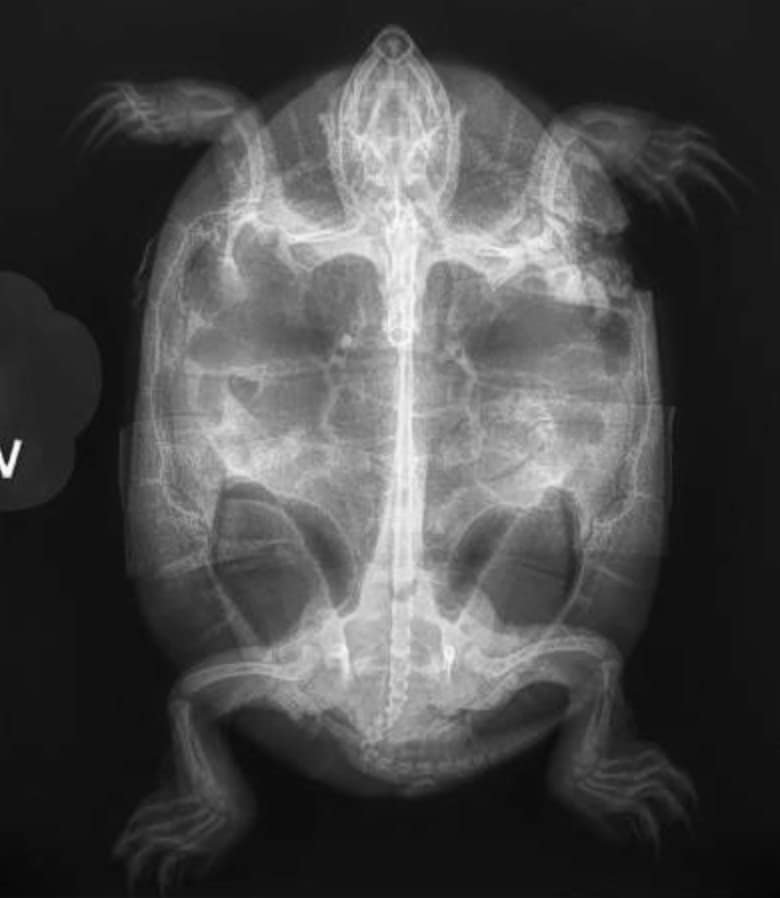
Painted Turtle x-ray

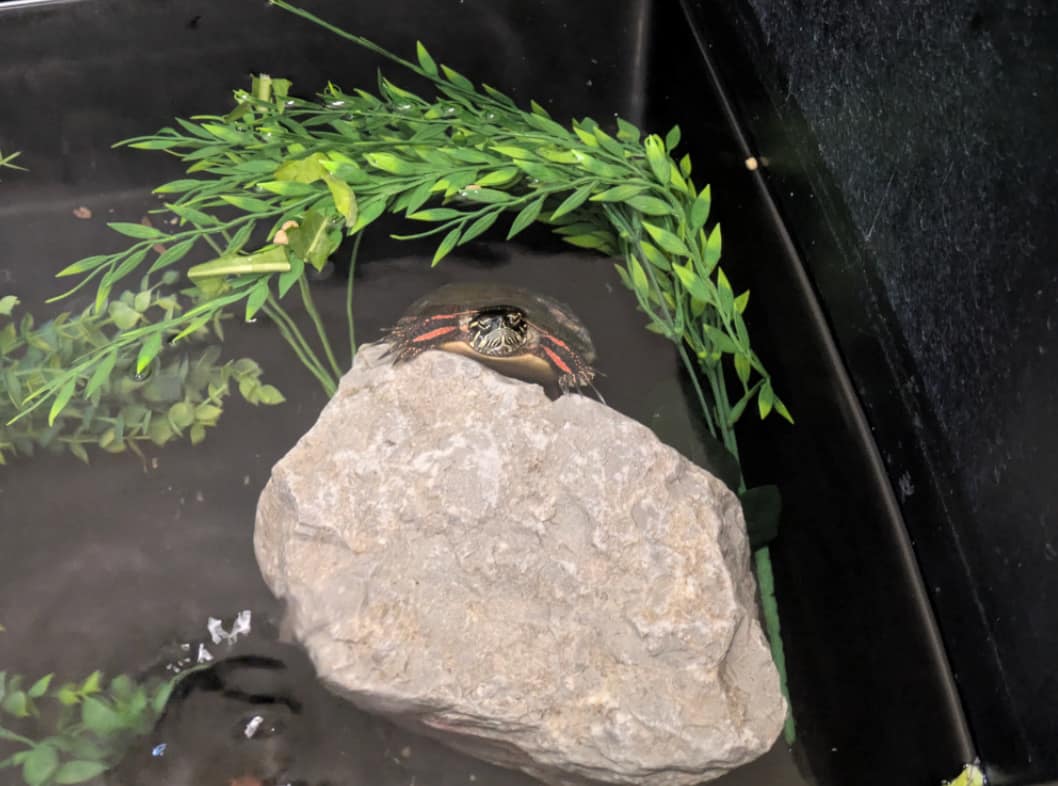
Along with rabbits, we also receive cases of turtles that sustain shell fractures when they are picked up by dogs. An example of this is Painted Turtle 25-966, who has been in our care since early June 2025, presenting to the clinic for several carapacial puncture wounds and shell fractures. The carapace is the upper portion of a turtle’s shell. After the initial intake exam, this patient was given the appropriate pain medication, antibiotics, and wound treatment. 25-996 will continue to heal in our care over winter, as it can take several months for these types of shell injuries to mend! He has been healing well, and the veterinary staff have seen positive improvements in his shell in the few months he has been with us.

How does all of this affect my pet?

While the Wildlife Medical Clinic does not treat domestic animals like our small animal medicine
colleagues do, we think it’s important to share how your furry family members can be adversely affected by wildlife interactions.

One type of infection that companion animals can pick up from wildlife is Salmonella. When dogs pick turtles up in their mouths, whether or not they think they look like their tennis ball or not, they can be susceptible to contracting an infection. Symptoms from this type of infection can include, but are not limited to, vomiting, fever, diarrhea, and lethargy.

Tularemia can also be a concern for outdoor cats and dogs that interact with wild rabbits in Illinois. This can be transmitted through direct contact with an infected rabbit or their body fluids, infected water sources, or blood sucking insects like ticks. Tularemia is a highly zoonotic disease (meaning it can spread between species and, in this case, to humans as well) and can cause symptoms such as fever, lethargy, poor appetite, enlarged lymph nodes, and abscesses. In humans, Tularemia can also present as ulcerating blisters that can spread the bacteria throughout the bloodstream.

What about birds? With the cooler season approaching, it is important to be aware of Highly Pathogenic Avian Influenza, or HPAI. While the name suggests, birds are the main susceptible species, cases have been seen in both cats and dogs, as well as people. One of the best ways to prevent your pets from contracting this influenza strain is by keeping pets indoors. Many cats and dogs outside may be attracted to birds, diseased or alive, or bird feces left behind, which can lead to the transmission of HPAI if touched or consumed. The main type of bird affected is waterfowl, but HPAI can be seen in any bird, including raptors and songbirds. Clinical signs in dogs and cats can consist of fever, lethargy, watery eyes, runny nose, difficulty breathing, and seizures.

If your pet interacts with any wildlife or is presenting with any symptoms, it is important to consult your primary veterinarian.

Helpful Links

https://vcahospitals.com/know-your-pet/tularemia-in-dogs

https://www.avma.org/resources-tools/animal-health-and-welfare/animal-health/avian-influenza/avian-influenza-companion-animals

Written by: Emily B., Class of 2028

White Nose Syndrome in Native Bats

Bats – Those that get a bad rap are under attack 

Bats are agile winged mammals that use echolocation to navigate at night as well as to hunt for prey. Bats usually live in caves in large colonies and vary in size and diet depending on the species. In recent years, bats have been under fire for being the source for several zoonotic diseases that can and have caused thousands of deaths in populations of other species. However, bats are an extremely important part within the ecosystem’s food web by clearing invasive and an overwhelming number of insects every night. For a place like Illinois, which thrives in the agricultural field, bats are a huge reason for healthy crop yields. Specifically in Illinois, there are five species of interest that are close to extinction due to the devastating effects of White Nose Syndrome (WNS). These species include the Little Brown Bat (myotis lucifugus), Indiana Bat (myotis sodalis), Gray Bat (myotis grisescens), Eastern Small-Footed Bat (Myotis leibii), and the Tricolored Bat (Perimyotis subflavus).

White Nose Syndrome

White Nose Syndrome (WNS) is a devastatingly infectious fungal disease stemming from the causative fungus, Pseudogymnoascus destructans (Pd). It is a disease that mostly affects hibernating bats, and it spreads rapidly from bat to bat. Pseudogymnoascus destructans (Pd) infects the skin on the ears, wings, and muzzle. This fungus erodes deep into the skin and disrupts the hibernation process of the bats causing physical and mental damage as they fight the infection while disrupted from their normal physiological sleeping cycles. Scientists found that the fungus is documented in the soil surrounding the caves providing easy access to the sleeping bats as well as their skin microbiome being a comparable community like the normal settling surface of P. destructans. Humans may also be potential carriers of P. destructans when they travel to national parks and caves, thus increasing the rate of infection.

WNS was first discovered in New York in the winter of 2006-2007. This disease has been devastating to many different bat species across North America, as the rise in total deaths caused by WNS has hit six million. In each bat population affected by WNS, it usually causes devastating effects of wiping out 90-100% of bat colonies. One of the main reasons that bat species have had debilitating effects from WNS is their low reproduction rate, as most bats usually have only one pup per year. Thus, if a bat population is almost completely wiped out from a WNS outbreak, it is difficult to recover the colony back to appropriate and healthy numbers.

How to Prevent the Spread and What are the Treatments

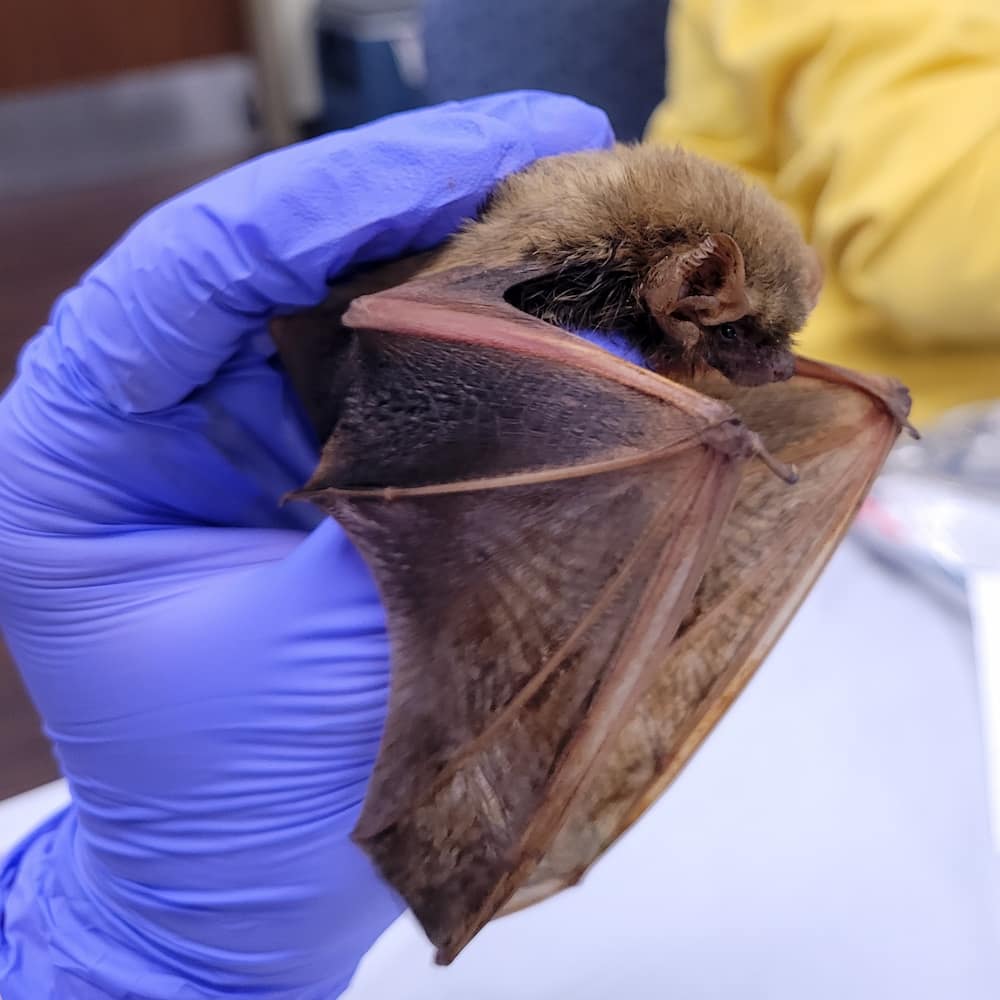
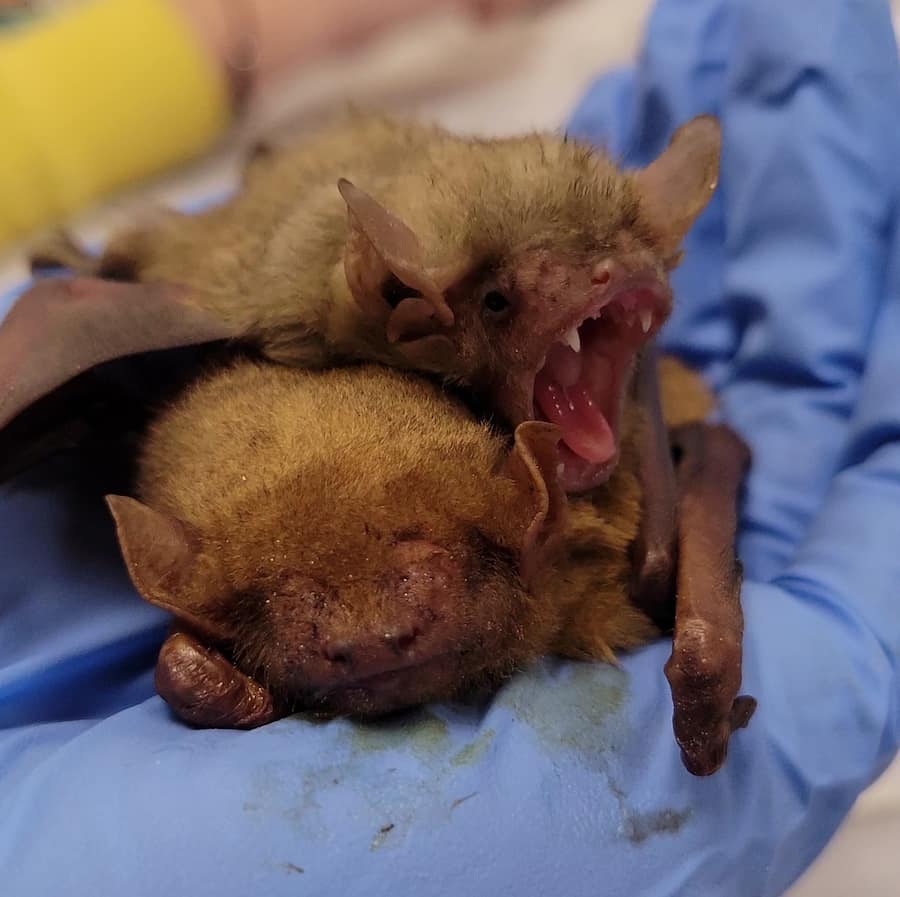
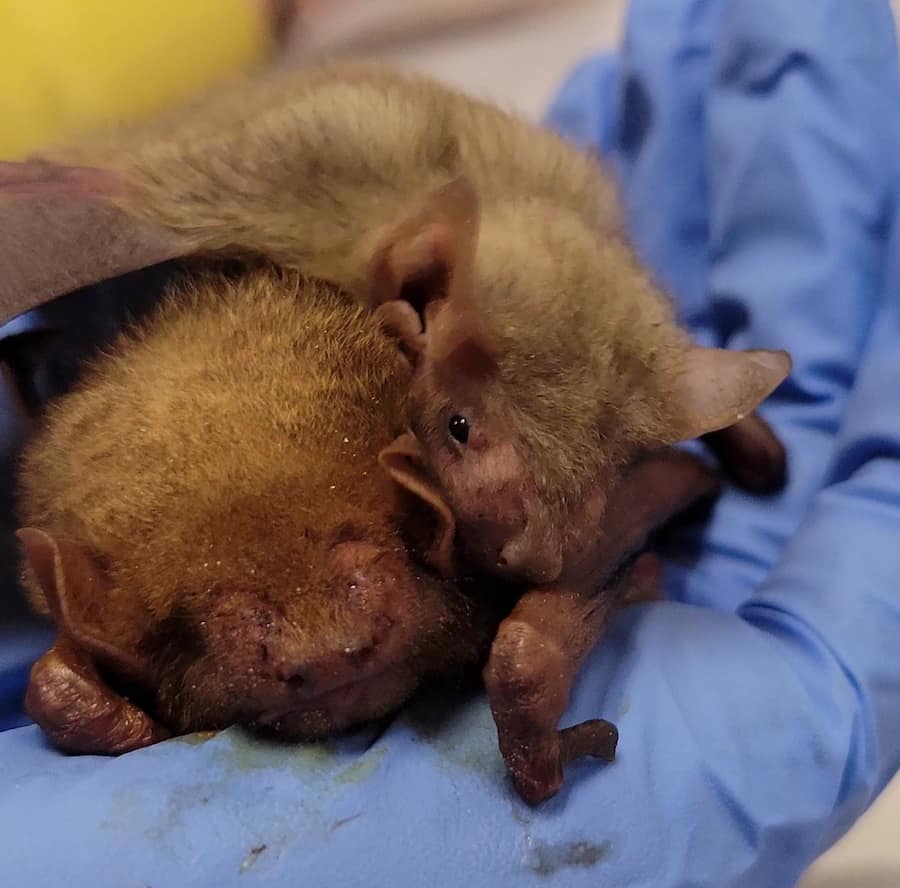
Two rehabilitation bat patients sitting on a gloved hand.

 As this disease is devastating many species across North America, the U.S. Government has been monitoring bat colonies to prevent continual spread and to help recover the already affected populations. The National Park Service has personnel monitoring bat populations, educating visitors about WNS and overall protecting their habitats. Decontamination processes, such as properly cleaning shoes and gear, are recommended as forms of prevention of further fungal spread as humans can be vehicles of transmission when entering multiple caves or mines.  As for treatment, scientists have produced a vaccine that uses a modified raccoon pox virus to express and attack fungal antigens as a protective measure. This is an oral vaccine that is given to bats in the fall or summer before hibernation processes begin. Scientists have noted that it takes about 3 years before the vaccine provides ample immunity in a colony; however, Idaho noticed a spread in 2021, after giving the vaccine the same year, they noticed in 2024 that they have no mortality in a specific cave bat colony. Since this vaccine is oral and requires human handling and capture, scientists are working on making aerosol sprays or larger scale vaccines and preventative treatments to minimize stress, human contact, and handling. While these diseases and animals can be scary to come into close contact with, if noticed while hiking or caving, it is important to identify the disease and report it to the proper local and federal authorities to better manage the spread of disease and limit devastating effects. 

Written by: Madison D., Class of 2028

Works Cited

Fighting white-nose syndrome in bats benefits agriculture, study shows | College of Agricultural, Consumer & Environmental Sciences | UIUC. (2022). Illinois.edu. https://aces.illinois.edu/news/fighting-white-nose-syndrome-bats-benefits-agriculture-study-shows

Powers, L., & Francis, B. (n.d.). Effects of white-nose syndrome on reproduction and survival in Illinois cave-hibernating bat species. Retrieved October 13, 2025, from https://dnr.illinois.gov/content/dam/soi/en/web/dnr/grants/documents/wpfgrantreports/20 14l16w.pdf 

Project T-78-R1. (2023). Illinois.gov. https://dnr.illinois.gov/conservation/iwap/white-nosesyndrome-and-il-bats.html

What species of bats are affected by White-nose Syndrome? | U.S. Geological Survey. (n.d.). Www.usgs.gov. https://www.usgs.gov/faqs/what-species-bats-are-affected-whitenose-syndrome  White-nose Syndrome FAQs (U.S. National Park Service). (n.d.). Www.nps.gov. https://www.nps.gov/articles/white-nose-syndrome-faqs.html

White-Nose Syndrome in North American Bats. (2025). USGS. https://www.usgs.gov/tools/white-nose-syndrome-north-american-bats

Will the killer White Nose Syndrome infect bats in Illinois? – News Bureau. (2025). Illinois.edu. https://news.illinois.edu/will-the-killer-white-nose-syndrome-infect-bats-in-illinois/

Wilson, D. (2020). bat | Description, Habitat, Diet, Classification, & Facts | Britannica. In Encyclopedia Britannica. https://www.britannica.com/animal/bat-mammal

Vachula, L. (2024). Preventing and treating white-nose syndrome | U.S. Fish & Wildlife Service. www.fws.gov. https://www.fws.gov/story/preventing-and-treating-white-nosesyndrome

Notes from the Nest

We’ve all heard those sweet trills of our avian friends perched atop branches. They beckon our attention, but beyond the birds exhibiting their vast vocal range for every passing audience, have you ever stopped to consider what that song means? Or how birds come to perform their tunes so perfectly?

Who is doing the singing?

Birdsong is a feature unique to certain Passeriformes, which is the largest evolutionary order, encompassing >50% of bird species worldwide. Passeriformes are everywhere‒robins, sparrows, blue jays, and warblers, to name a few, can be seen throughout Illinois. Songs are often unique to each species, allowing them to communicate with conspecifics when looking for a mate and ward off other birds encroaching on their territory. These are importantly distinct from calls, which are short bursts of vocalization that are produced when a bird is threatened or in flight. A song is a prolonged, complicated arrangement of syllables and phrases, much like a theatrical monologue.

A commonly held misconception is that only males sing. This may be because, for a long time, male songbirds have dominated much of the academic literature investigating the mechanisms of learning and producing birdsong; however, females too sing in roughly 70% of songbird species, and it’s thought that they do so for much the same reason as males‒they communicate with mates and defend their territory. The evolutionary underpinnings that have led to existing dimorphisms are an area of active research. Recent studies have shown that females of migratory species are less likely to vocalize compared to stationary species, and there may be a correlation between biparental care and likelihood of the female to sing. Why this may be the case is still being investigated.

How does a bird learn their song?

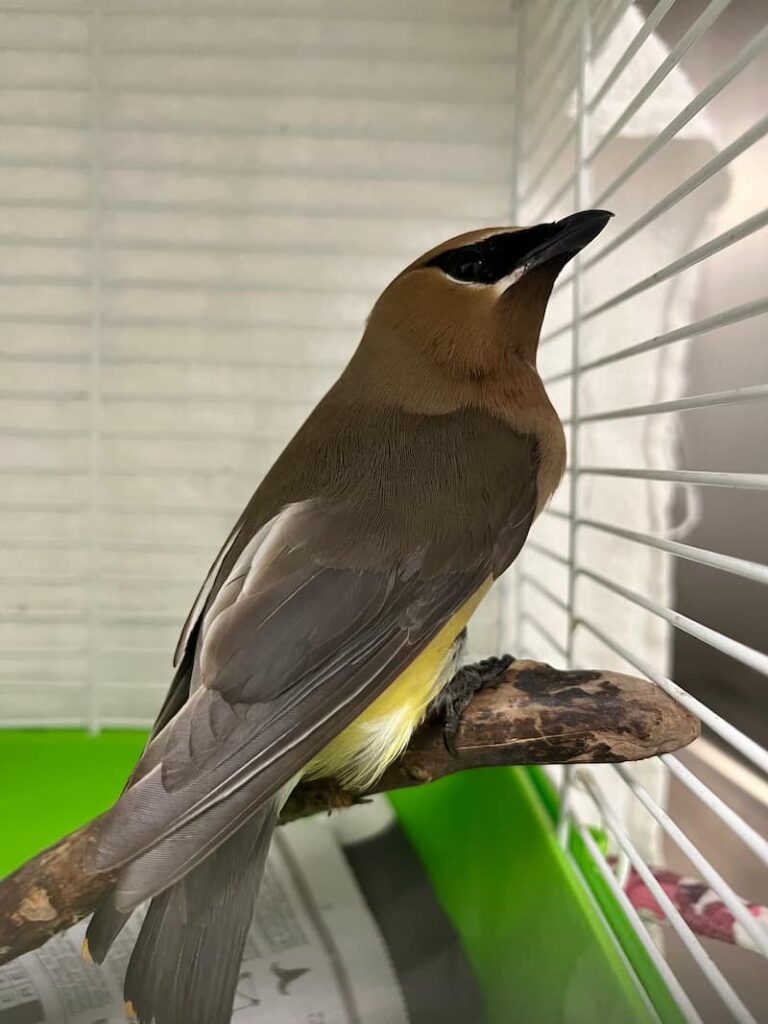
Adult Cedar Waxwing perched on a branch in a small wire avian enclosure.

When a bird hatches, it has a brief window of time when their song must be learned and perfected, otherwise the song will never develop. This period of time is known as a “critical period”. In this regard, birdsong has remarkable parallels to the development of human speech. Humans similarly possess a critical window of time when speech must be acquired, otherwise cadence and enunciation is difficult to attain, which is also true in our songbirds.

Hatchling birds are amazing sponges of songs. First, a young bird must hear their species-specific song from an adult who acts as a tutor. This sensory phase allows the juvenile to commit their tutor’s song to memory. Then, during the sensorimotor phase, the juvenile practices their newly learned song.  In the earliest phases, birds even perform their own version of babbling, producing quiet and generic notes as they test out their voice. Then, as they begin to practice their tutor’s song, each repetition evolves, allowing the song to become closer in tone and cadence to that of their tutor. Once the song is perfected, the bird’s song is committed to memory. Now, the bird has their crystalized song ready to sing whenever needed! Listen to those amazing feats of biology on your next stroll!

Resources-

https://www.nature.com/scitable/knowledge/library/the-development-of-birdsong-16133266

https://pmc.ncbi.nlm.nih.gov/articles/PMC5066577

https://www.nature.com/articles/nrn1904

https://www.nature.com/articles/s41467-025-60810-5

https://abcbirds.org/birdsong

Written By: Maddie R., Class of 2028

 The Great Migration (of Birds)

Bird Migration

Every fall and spring hundreds of bird species take to the skies to travel between their winter and summer homes. In the United States, most regions become too cool and mainly offer too little food for these birds to survive the winter, thus forcing these birds to migrate to more southern areas to fulfill those needs. The same trip is then taken northward in the spring when the southern hemisphere goes through the same process of transitioning to their own version of winter. The fall migration of birds has already begun, typically starting in early August and continuing until late November.

Challenges Faced During Migration

Birds travel great distances during their migration, and because of this, often interact with more than one human development. These structures, populations, etc. can interfere with their success rate at making it to their destination safely. Some main causes for concern, conservation-wise, are listed below:

  • Urban and suburban development –
    • This reduces the space birds have to find food, rest, etc.
  • Agriculture –
    • This limits feasible habitat and increases chances of pesticide related mortality
  • Oil and gas production and wind turbines –
    • This increases risk of collision with machinery and exposure to toxic materials
  • Ground water depletion –
    • This causes a decline in drinkable water
  • Light pollution –
    • This causes disorientation to nocturnal migratory birds
  • Climate change –
    • Drought, flooding, etc. impact the availability of resources to these birds

How can you help?

Knowing how much humans can impact these birds’ success at reaching their destination, it is normal to wonder what one can do to help these birds. A simple way of helping migratory birds, especially those that do so nocturnally, is to turn off the lights at your home at night. It may not seem like much, especially if you live in a big city, but any little bit helps. Additionally, you can place up visual deterrents in your windows, such as stickers, larger pieces of paper, etc. These deterrents help show the birds that the window is not a space they can fly through. One of the easiest ways to help these birds is to share your and expert’s knowledge on migratory birds and their special requirements as they make their long journey.

Want to Learn More?

If you want to learn more, feel free to check out these helpful websites and articles that share information about birds and their migration in an easy to understand way:

Works Cited

“Conservation Challenges: Bird Migration Explorer.” Conservation Challenges | Bird Migration Explorer, Audubon, explorer.audubon.org/explore/conservation-challenges/1141/drought?sidebar=expand&category=climate-change&zoom=2&x=-417753.2037000004&y=38544.25185000431. Accessed 8 Oct. 2025.

Horton, Kyle G., et al. “Artificial Light at Night Is a Top Predictor of Bird Migration Stopover Density.” Nature Communications, vol. 14, no. 1, 7446, 2023, https://doi.org/10.1038/s41467-023-43046-z. Accessed 8 Oct. 2025.

Rappole, John H. Bird Migration: A New Understanding. 1st ed., Johns Hopkins University Press, 2022. Accessed 8 Oct. 2025.

Written By: Christie S., Class of 2028

Beyond the Incubator, Spiny Softshell Turtle Edition

Spiny Softshell Basics

Spiny Softshell Turtles are considered one of the largest freshwater turtle species within the United States. Their unique appearance makes them stand out among other turtle species. As their name suggests, their carapace, or top shell, is flat, flexible, and has spines along the front surface. Their webbed feet and long nose enable these turtles to spend most of their time in the water, either swimming or remaining submerged for extended periods. A typical hunting strategy of this species involves ambushing the prey. They accomplish this by burying themselves in the soil or mud and waiting for food items to swim by. They are generally carnivorous, eating fish, invertebrates, or insects as they see fit.

Arrival to the Wildlife Medical Clinic

Spiny Softshell Turtle hatching from an egg.

On July 22, 2025, a good samaritan presented 18 spiny softshell eggs to the Wildlife Medical Clinic after being found at a construction site. Due to the possibility of the eggs being destroyed during construction, they were not returned to where they were found. The eggs were promptly placed in an incubator with temperature and humidity monitoring but were also monitored daily by our staff and volunteers. We candled the eggs to check viability. This is when you carefully put a light source up to the egg to check for signs that the egg is developing, such as blood vessels. This is a delicate process, as rotating the egg could cause damage to the developing embryo. Reptile eggs, unlike bird eggs, do not need rotated during incubation. After weeks of monitoring, on September 2, our staff and volunteers celebrated as three turtles hatched from their eggs. As the days went on, more turtles emerged, with a total of twelve turtles successfully hatching!

Hatchling Care

Newly hatched Spiny Softshell Turtles in a small plastic carrier with wet towels as substrate.

As our turtles emerged from their eggs, we kept them contained inside an incubator with damp cloth and misted them daily. We did not immediately move them into a larger enclosure, as freshly hatched turtles have a fragile yolk sac that will absorb over a few days post-hatching. To ensure the yolk sac did not break, the turtles were not handled unless necessary and were kept in a well-controlled environment until the sac was absorbed. Once the yolk sac was absorbed, we moved the turtles into an aquarium with substrate that allowed them to burrow, vegetation to hide in, basking spots to warm up under, and appropriate lighting. The turtles were offered a variety of food options like shrimp, bloodworms, and small feeder fish. We continued to monitor the turtles daily, observing their food intake, water quality, and overall behavior. We just needed to ensure they were healthy and eating before we released them back into the wild.

Release

Several Spiny Softshell turtles in a small aquarium with artificial plants and log to bask on.

Once our staff veterinarian gave them a clean bill of health, they were approved for release. We had to strategically choose a location to release them, as we could not return them to the construction site they came from. We chose a release site directly into the lake next to which their eggs were found.  On September 14, after confirming a proper release site, the turtles were released back into the wild. Our team is incredibly grateful to have had this opportunity to care for these turtles from the incubator to release and hope they have a long, happy life in the wild!

You can see footage of their release on our Facebook page at https://www.facebook.com/share/r/1FxPqwULpr.

Written By: Riley D., Class of 2027

Wildlife and Domestic Cats

Wildlife Medical Clinic Overview

Each year, the Wildlife Medical Clinic at the University of Illinois provides care to around 2,300 wildlife patients and about 120 different species. We take all native Illinois wildlife, excluding skunks and bats. While these animals arrive for a variety of reasons including injury, illness, and being orphaned as youngsters, the most common reasons include: collisions with vehicles, habitat destruction, infectious disease, and altercations with domestic animals. These altercations include one of the most preventable injuries and those are injuries inflicted by domestic cats.

Mourning Dove Case Overview

Young Mourning Dove in hand having its left wing examined by Wildlife Medical Clinic staff.

Recently, a juvenile mourning dove arrived at the clinic after being attacked by a domestic cat. The bird arrived frightened, bleeding, and unable to fly. Upon examination, volunteers discovered multiple puncture wounds on both wings. These injuries were consistent with bite and claw marks. Radiographs, or x-rays, were taken to assess how extensive the injuries were. The imaging revealed fractures in two key bones responsible for flight: the coracoid and the clavicle. To make matters worse, the mourning dove had also lost a significant number of flight feathers, further impairing its mobility and making escape from predators impossible.

Treatment began immediately. Under the guidance of our staff veterinarian, volunteers worked swiftly to administer pain relief and disinfect the wounds, as cat bites are prone to causing serious bacterial infections. This patient is currently recovering under close observation, and while healing will take time, we are hopeful for a full recovery and eventual release back into the wild once the bones mend and the feathers grow back in.

Domestic Cats and Their Effect on Wildlife

Sadly, this mourning dove is far from an isolated case. Domestic cats kill an estimated 2.4 billion birds annually in the United States alone! When combined with ongoing habitat loss, pollution, and climate change, predation by domestic cat’s places tremendous pressure on already vulnerable bird populations.

Keeping pet cats indoors is one of the most impactful ways individuals can help protect local wildlife, and it also significantly reduces risks to the cats themselves. Outdoor cats face a range of dangers, including vehicles, predators, disease, poisoning, and the potential to become lost. Fortunately, there are safe and enriching alternatives. Catios (cat patios) and leash training allow cats to enjoy the outdoors in a controlled environment that keeps both them and wildlife safe.

Help Wildlife by Keeping Cats Indoors

The Wildlife Medical Clinic is committed to providing medical care to sick, injured, and orphaned wildlife, offering training to veterinary students, and taking an active role in conservation by educating members of the community about safely coexisting with native Illinois wildlife. Preventable injuries like those seen in this mourning dove remind us that small, responsible actions, such as keeping pet cats indoors, can have a profound impact on the health of our shared environment.

For more information on domestic cats and wildlife, check out the American Bird Conservancy at https://abcbirds.org/strategies/cats-birds.

Written By: Lily M., Class of 2029

Eerie Creatures- Scary or Misunderstood

As spooky season approaches, we want to talk about a few animals that get a bad rap for being scarier than they truly are.

Owls

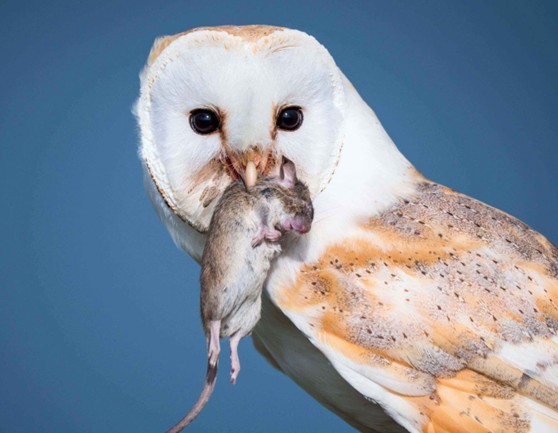
Owls are often associated with death and bad luck and were once thought to be messengers of witches. One owl in particular, the barn owl, takes the brunt of some of this folklore. Due to its nocturnal nature, ghostly white color, habit of resting in barns, and loud screaming calls, these creatures were thought to be a ghost.

The reality is these animals don’t want to be around people at all. They are great predators that help to control rodent populations, which in turn helps to stop the spread of zoonotic disease that rodents may be carrying.

Virginia Opossum

Virginia Opossum joey tucked under the fold of a blanket. Opossum is looking forwards but right side of body visible from under the blanket.

These nocturnal animals are often misunderstood and thought of negatively. Common opinions are they are aggressive towards people, not intelligent, dirty and disease-ridden.

This could not be farther from the truth. These animals try their hardest to avoid people but when this is unavoidable, their defense can look somewhat intimidating. They hold their mouths open and hiss. In most cases, this is a bluff, and they will then attempt to run away or hope you walk away so they can flee. These animals are not dirty and in fact spend a lot of time grooming to keep clean. Being the only marsupial or pouched mammal in North America makes them quite unique and they have a slightly lower body temp compared to other mammals, making it very difficult for them to get rabies. In addition to this, they are also immune to most North American snake venom, scorpion, and bee stings. These animals are actually very important in the environment and in addition to fruits, vegetables, greens, and insects, they will also eat carrion, or dead animals. This helps to stop the spread of disease and clean up the environment. They also help to prevent tick-borne illness by eating a large number of ticks as they groom themselves. They play a role in dispersing seeds and are a food source for other animals such as owls, hawks, coyotes, foxes, raccoons, and bobcats. So, as you can see, these misunderstood creatures are not scary but in fact super beneficial in the environment.

Toads

American Toad close up image of head. Toad looking forwards with both eyes open.

Toads have been said to give you warts if you touch them, but this is not true. In fact, the bumps on their back actually secrete a mild toxin to ward off predators. Because of this, they were often associated with witches and said to be used by them to craft poisons.

I can see where this would sound scary but, in all reality, toads are very beneficial to the environment. These animals are great at consuming insects, especially in your garden or around crops. They also are great indicators of ecosystem health as their skin is permeable and it makes them vulnerable to toxic substances and drought, which means a decline in numbers can show environmental problems. Even though they can secrete a mild poison, some animals are immune to it or have figured out the safe areas to eat, so toads serve as an important source of food for these other animals (Ex. crows, red shouldered hawks, snakes, and even Virginia opossum).

Bats

Two Bats resting on the glove of a wildlife rehabilitator in Texas. One bat is sleeping and one is yawning.

Bats were first connected to the spooky season after Dracula was written in which vampires were said to shapeshift into bats and then drink blood from humans. There are only three species of bats (common vampire bat, white-winged vampire bat, and hairy legged vampire bat) that feed on blood, and they are found in Central and South America. There are also a few species of carnivorous bats that feed on birds, mice, lizards, frogs, and fish. But the vast majority of the close to 1,400 species of bat feed on insects, fruit, and nectar. These animals are very important for pollination and seed dispersal and many of the bat species, especially ones found in our area, are great at pest control, consuming large amounts of insects each night. These animals account for just over 20% of all the mammal species in the world, which means 1 in 5 mammals are bats!

**Unfortunately, the Wildlife Medical Clinic is unable to accept bats, as it is illegal to rehabilitate this species in the state of Illinois due to the risk of rabies exposure. If you encounter a sick or injured bat, or find a bat in your home, please do not handle it and contact your local animal control agency as well as your physician.**

Snakes

Caduceus the Brazilian Rainbow Boa Ambassador roaming in the grass next to some flowers.

Snakes often receive a bad reputation and are thought of as evil, slimy, and dangerous. Throughout history (mythology, religion, and storytelling), snakes have been portrayed as evil. These creatures have scales instead of fur, lack eyelids so they cannot blink, and have no appendages so they slither across the ground flicking their tongue to smell and assess their environment.

These creatures are actually very beneficial to the environment as many eat rodents, which helps to reduce the spread of zoonotic disease. Some smaller snakes like Dekay’s brown snake and garter snakes’ prey on insects and help to keep your garden free of pests. In addition to being a predator, these animals are also prey for many animals such as larger snakes, birds of prey, and some mammals.

Of the 3,900 species of snakes worldwide, about 600 or 15% of them are venomous. While these few snakes have the potential to cause bodily harm to a human, most just want to be left alone and will not go out of their way to engage with humans. They don’t want to use their venom unless they must and ideally that would be for catching prey. Otherwise, most interactions with snakes, venomous or not are when we find them basking in the sun to warm up, moving through the woods or our yards foraging for food, and hiding under an object near our home. Once spotted they do their best to either flee, feign death, or be defensive in hopes of scaring us away. So next time you see these misunderstood creatures, give them some space and let them be on their way as they have an important job to do.

Coyote

Coyote Wildlife Patient in a stainless steel enclosure sitting next to a blanket.

While wolves are more commonly associated with spooky season and said to shape shift into werewolves, we would like to highlight this local and lesser known canid.

Coyotes were once thought of as an ominous sign. Native American Navajo people believed you should turn back if one crossed your path. They also admired the coyote as well for its intelligence and aptly named it the trickster since they can be funny or fearsome. These animals are also thought to be dangerous to humans, which is generally not true and if seen out in the day, people often think these animals are rabid, which usually is also not true.

While these animals are very intelligent and curious, they are quite shy and fearful of humans. They are top predators and help control the populations of smaller mammals and rodents such as rabbits, skunks, raccoons, foxes, and sometimes deer. This helps with maintaining a healthy ecosystem and species diversity in the environment. Surprisingly, coyotes are omnivores and will eat fruit and vegetables too, especially when meat is scarce. These animals are most commonly crepuscular, which means they are active at dawn and dusk. However, they are opportunistic, so based on food availability, they may be out during the day or night. If you see them out during the day, it does not mean they have rabies, they are more than likely just searching for food.

These animals are very important in the environment and help to keep the ecosystem balanced. While it is not common, they can pose a threat to some of our smaller domestic animals, such as cats and dogs, not horses and other large farm animals. To keep coyotes wild and away from your pets, it is best to feed your pets inside, keep your cats indoors, and make sure to supervise your dog(s) when they are outside. While coyotes don’t actively seek these animals as prey, they would not turn down the opportunity if the animal was easily available. There is no need to fear a coyote but just be aware and alert if one is near your property and smaller pets.

Appreciate and Respect Wildlife

We hope you are less fearful of and have a better appreciation for some of these species after learning about how important they are in the environment. In the future if one should cross your path, admire from a distance, and let it be on its way as it has important business to tend to and a special place in the ecosystem and food web!

Written By: Sydney O., WMC Program Coordinator

Wildlife Medical Clinic
John A. Coyne South Clinic
2100 South Goodwin Avenue
Urbana, IL 61801
217-244-1195