Deceptively Endangered? – The American Golden Plover

General Information and Characteristics

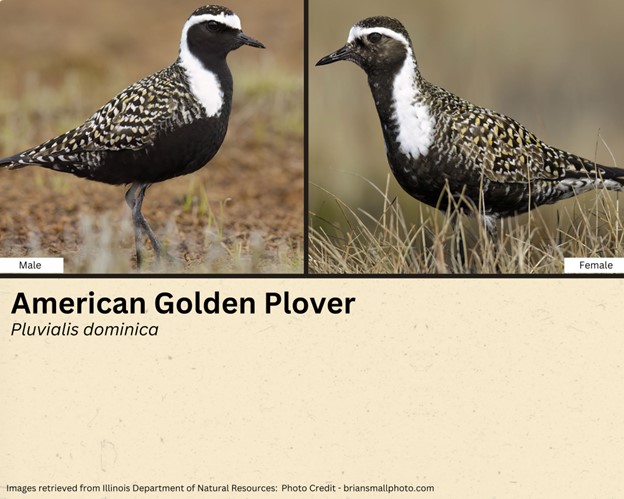
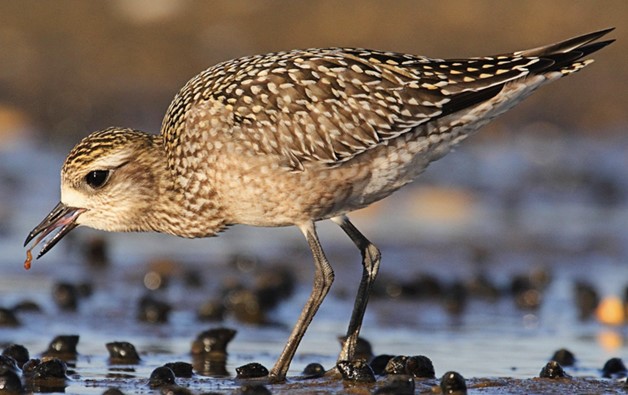
Considered to be one of the fastest flying shorebirds, reaching speeds of up to 60 miles per hour, the American Golden Plover is a common migratory bird species found traversing the state of Illinois, as well as throughout the Midwest region. Each year, hailing from the Arctic Tundra, these elusive migratory birds begin their nearly 20,000 mile journey. This yearly journey begins in Northern Canada and Alaska where they embark on a circular path to South America before crossing back over the Atlantic Ocean to return to the Arctic Tundra. During the breeding season, American Golden Plovers can be identified by their black feathers ventrally, dark feathers with black and yellow markings dorsally, and a question-mark shape of white feathers that begins above the beak trailing down around the eye and down the neck. The non-breeding morphology for this species is gray-brown with the dorsal aspect being darker than the ventral aspect and white speckling throughout the body.

Golden Plover in non-breeding plumage feeding in shallow water.

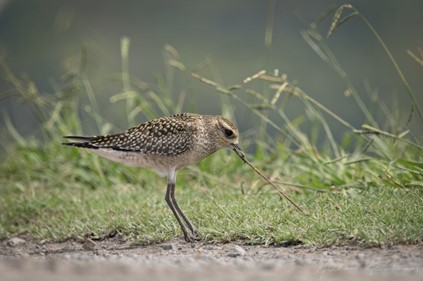
Pictured above is the non-breeding morphology for the American Golden Plover. (Picture retrieved from the Illinois Department of Natural Resources, photo credit to SteveByland/pond5.com.) Pictured below is an American Golden Plover hunting an earthworm (Picture retrieved from birdsoftheworld.org; photo credit to Graham Gerdeman.)

Young golden plover with worm in mouth leaning back some as it pulls the rest of the worm from the ground.

American Golden Plovers are primarily insectivores, but do enjoy the occasional berry, mollusk, and crustacean. They are typically found enjoying grasshoppers, beetles, and earthworms. During the spring, berries are of high importance being one of the few foods available to them. Interestingly, some studies have suggested that American Golden Plovers retain seeds in their digestive tract to help fuel themselves during migration. However, there has not been any promising evidence for this claim currently.

Deceptively Endangered?

During migration periods, American Golden Plovers utilize only a few habitat types, mainly grasslands, mudflats, and shorelines. They have been seen utilizing more man-made environmental areas including tilled farmland. However, due to the increases in farmland and infrastructure, native habitat options are decreasing. According to the International Union for Conservation of Nature, the American Golden Plover is a species of least concern; however, population levels are trending down.

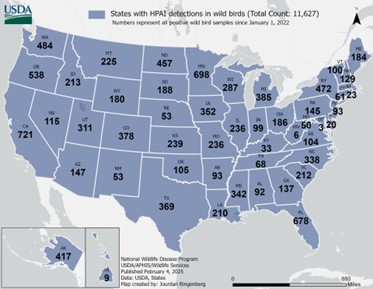
Map of the United States with number of HPAI detections in Wild Birds in 2022.

According to the Illinois Department of Natural Resources, there are times when over half of the world’s population of American Golden Plovers reside in a handful of eastern Illinois counties during their spring migration. The duration that American Golden Plovers spend in this region is around 45 days, with the individual spending around 24 days on average. In the grand scheme of things, a 45 day stopover duration may not pose any concerns. However, it should be of note the proportion of the population that potentially consolidates in this small region. It is common knowledge at this point that the country is in the middle of a highly pathogenic avian influenza (HPAI) outbreak. In the event that the American Golden Plover population could be afflicted by HPAI during their stopover in Illinois, a huge proportion of the population could be wiped out.

Conservation Efforts

There are a variety of ways that members of the public can get involved and contribute to the conservation of avian species like the American Golden Plover among others. One way is to connect with your local Audubon organization to stay up to date on relevant information and help distribute reputable educational materials. A direct link to find your local Audubon has been included at the end of this post.

Staying up to date on laws, regulations, and movements as they relate to conservation is also of importance, as they may not always reflect the best interest for wildlife.

SCARC, or Shorebird Conservation Acreage via Drainage Runoff Control Program, is an example of an initiative that has been explored to help make stopovers for various migratory species more welcoming and habitable. This program offers a monetary incentive for farmers to temporarily flood areas of their farmland to provide areas for migratory birds to rest and forage during their stopover. The program includes implementation of structures that allow water levels to be controlled in these areas during specific time frames. Once migratory species continue north, farmers can utilize these structures to release the water with minimal impact to their farming endeavors.

Local Audubon Finder

References

Written By: Rachel E., Class of 2027

Birds and Migration

Avian Migration

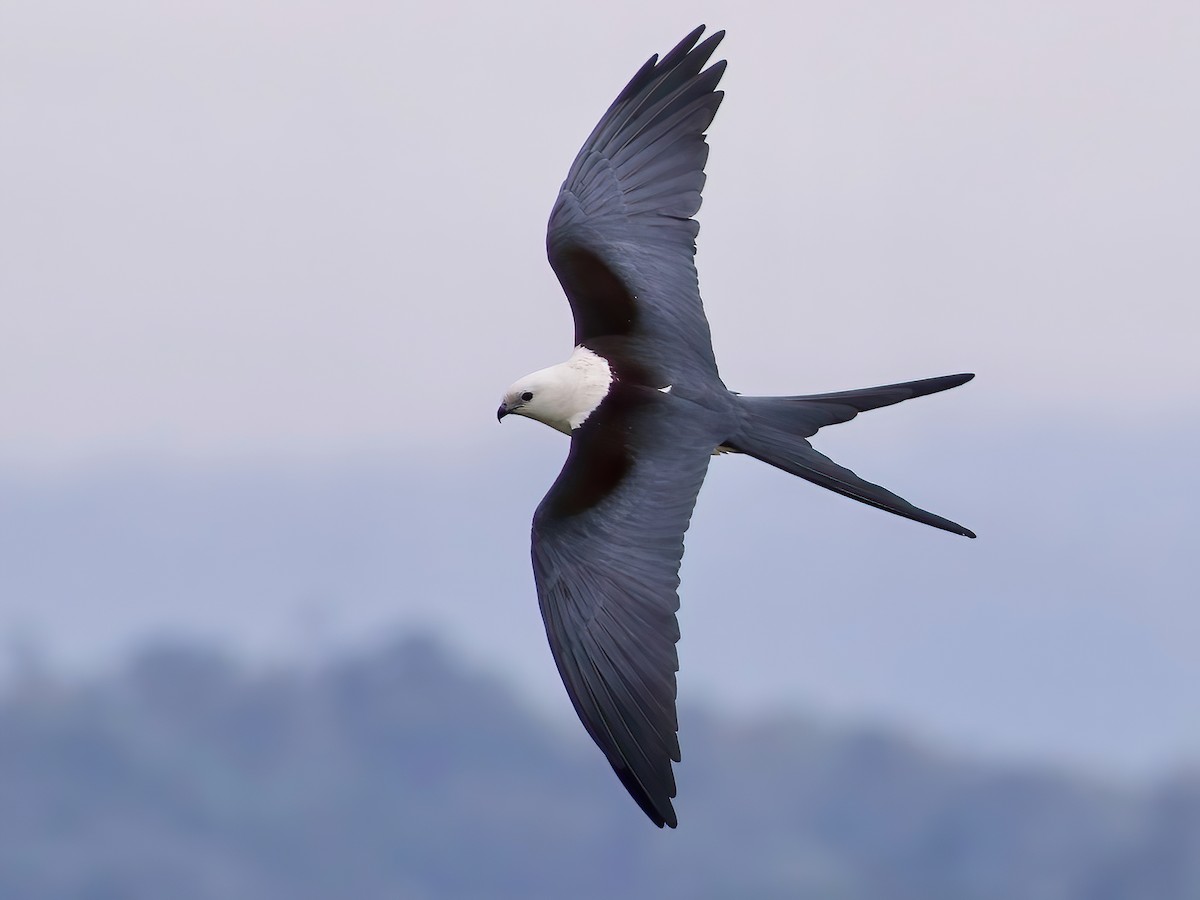
Whether you’re an avid bird-watcher or a person who avoids parking under trees so that you don’t have to wash the droppings off of your car for the nth time this week, you’re bound to have noticed that bird populations seem to ebb and flow with the seasons. You might be wondering, “where do they go?” Some might even notice that a few of these birds are only around during certain parts of the year, such as the famed Swallow-tailed Kite in the southeastern U.S. Then, you might be wondering, “why don’t they stick around?” As the seasons change, so do the food sources and the climate. Birds don’t have the luxury of bringing out-of-season foods back to their home or adjusting their thermostat with the changing temperature like we humans do, so they resort to travel. Each species’ resource needs will dictate where they go during migration and how far they need to travel for it.

Fall Migration

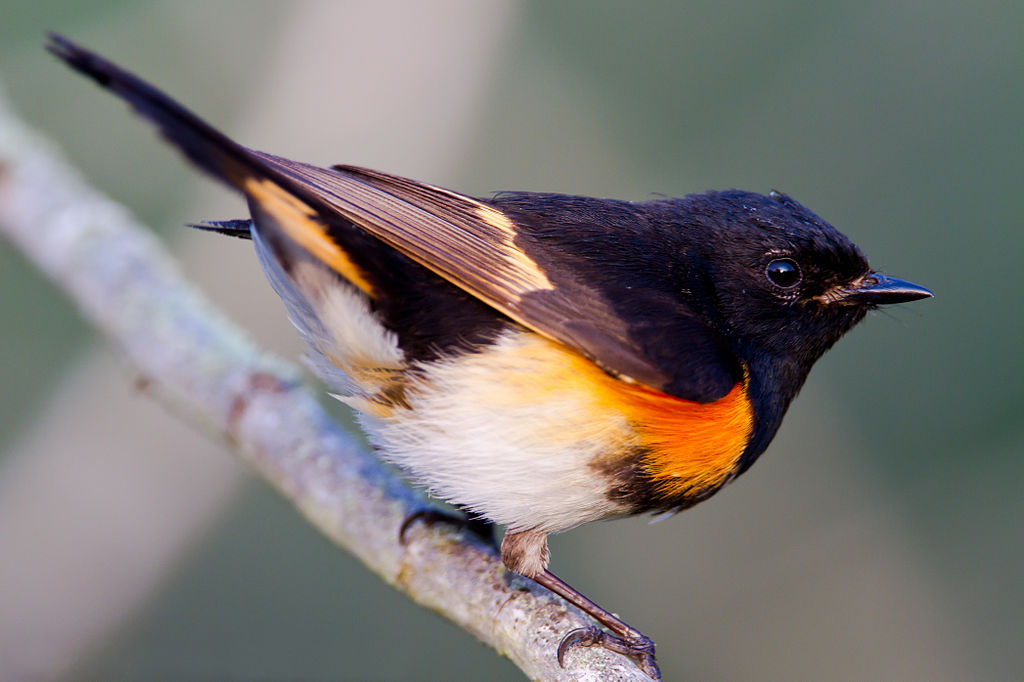
We are actually right in the middle of the fall migration season, which runs from approximately August 1st to November 30th. Each night, up to 45 million birds fly over Illinois on their way south to the southern U.S., Central America, and South America to escape the cold winter and lack of food supply. During these migratory seasons, species that are not normally seen in your area might be coming through, such as the Magnolia Warbler and the American Redstart, which are on their way south to Central and South America.

Side view of a male American Redstart perched on a branch.

What Can You Do to Help?

Plant native trees and flowers

Because of the long journey, birds need to be able to get food along the way. With decreasing diversity of flora in urban and suburban areas, ample food sources, such as bugs and seeds are increasingly difficult for migratory species to come by. Pesticide use and monoculture agriculture is turning their travel route from an all-you-can-eat buffet into a Nevada desert gas station scavenger hunt. Imagine Forrest Gump making his trek across the U.S. with only the occasional French fry; it wouldn’t happen. So, how can you help the birdies out, you ask? Plant some native flora! Diverse flowers attract diverse insects, which help feed the immense variety of bird species that come through Illinois (not to mention the native bats!).

Build shelters and nests

Nobody wants to get caught out in the rain when they’ve got business to do, and that includes our avian friends. Building nest boxes and shelters helps our friends have a dry and safe night’s rest before continuing on the air highway. Some species also nest here in Illinois during the spring, so building nest boxes also helps them to have a safe place to raise their young; and if you planted some native plants near the box, they’ll have food delivery, too!

Put decals on your windows

Birds more than likely don’t understand the concept of windows on our homes, and so they don’t know to be looking out for these invisible barriers. As a result, they often fly straight into them and suffer severe head trauma – a major reason a lot of birds end up here at the Wildlife Medical Clinic (WMC). Placing decals on your windows helps them to see the window and at least slow down before attempting to fly through it, which can potentially save their lives.

Want to learn more?

Cornell University and their Ornithology Lab have put out some incredible free resources for us bird lovers, such as Merlin and eBird. Merlin functions as a bird-identifying app through use of sound and step-by-step visual identification tools to help you figure out what obscure bird it was that you just heard or saw. Once you figure out the little bugger, you can hop over to eBird, Merlin’s sister-app, to record the bird you saw and at what location. This is a way to help contribute to the ongoing research of bird migration seasons, which even helps us out here at the WMC! We can use the information learned from species-specific migratory seasons to know if it is okay to release a bird or if they have to over-winter; we want to make sure we’re sending them out with a band of their mates to find their feeding grounds for the winter.

Thanks for reading and hope you enjoy seeing a new bird or two!

References

“American Redstart Overview, All about Birds, Cornell Lab of Ornithology.” Overview, All About Birds, Cornell Lab of Ornithology, TheCornellLab, www.allaboutbirds.org/guide/American_Redstart. Accessed 16 Oct. 2024.

“Illinois – Birdcast Migration Dashboard.” BirdCast, TheCornellLab, dashboard.birdcast.info/region/US-IL. Accessed 16 Oct. 2024.

“Magnolia Warbler Overview, All about Birds, Cornell Lab of Ornithology.” Overview, All About Birds, Cornell Lab of Ornithology, TheCornellLab, www.allaboutbirds.org/guide/magnolia_warbler. Accessed 16 Oct. 2024

Written By: Rylan D., Class of 2028

Scavengers Aren’t Scary

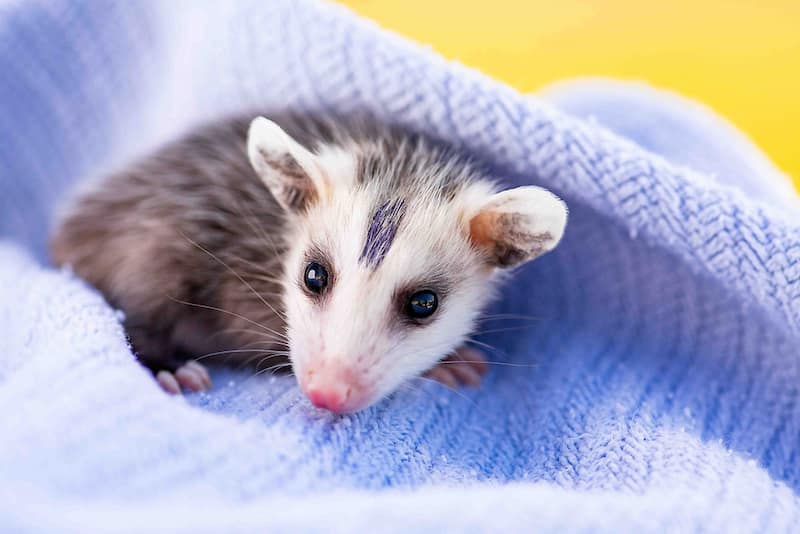
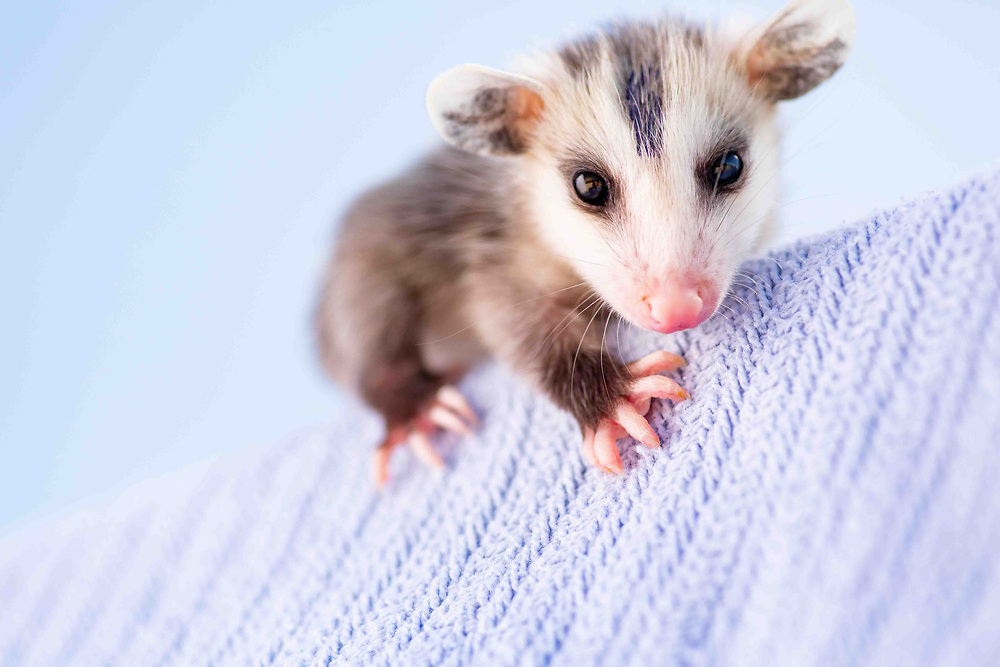
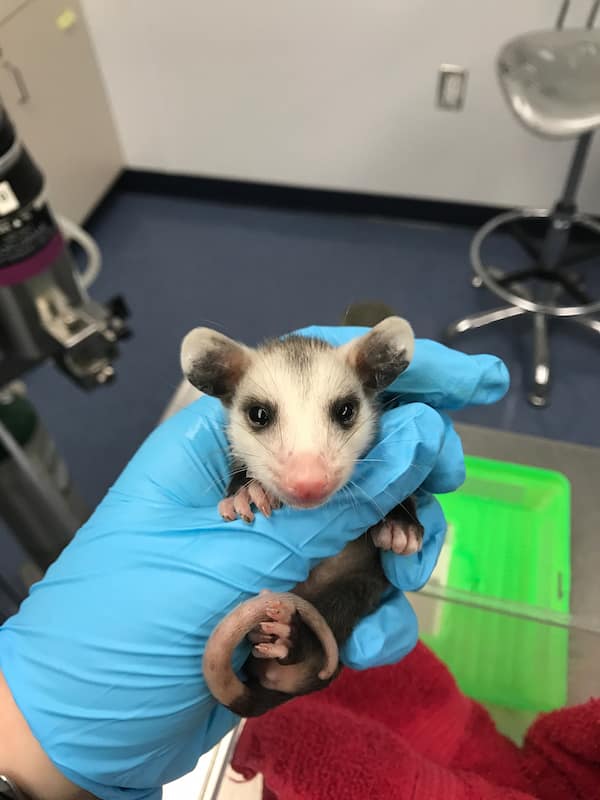
Sydney Oliveira, WMC Program Coordinator, and Roxanne Lisowsky, Wildlife Ambassador Care Coordinator and DVM candidate 2027 talk about scavengers. They also introduce us to the Wildlife Medical Clinic’s newest ambassador animal, a young male Virginia Opossum.

Should you rescue that animal? Understanding injured wildlife

Sydney Oliveira, WMC Program Coordinator, had the pleasure of chatting with Illinois Extension educators on their podcast, Everyday Environment.

Some topics that were discussed include the following:

  • What to do if you find injured wildlife
  • How to prevent common injuries to wildlife
  • The vital role rehabilitation and education play in conservation

To listen to the podcast or read the blog, check out the links below.

Chronic Wasting Disease in White-tail Deer

White-tailed Deer

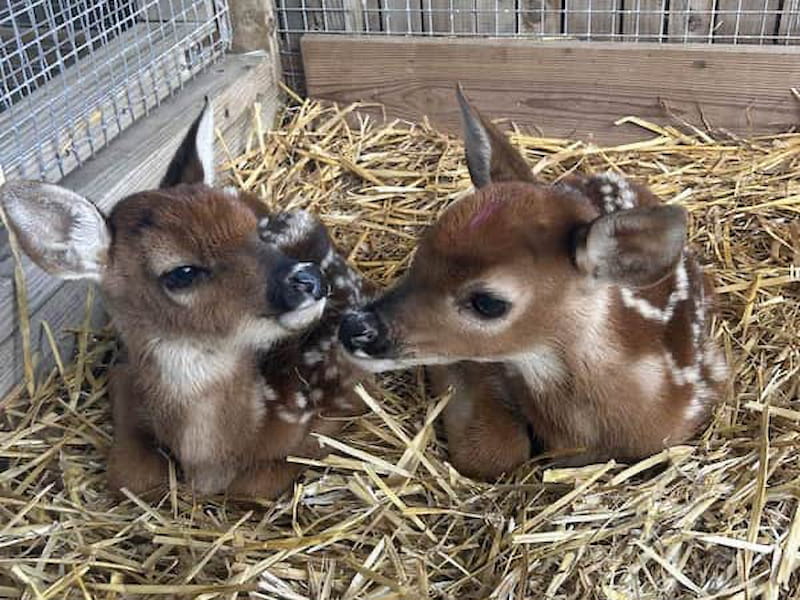
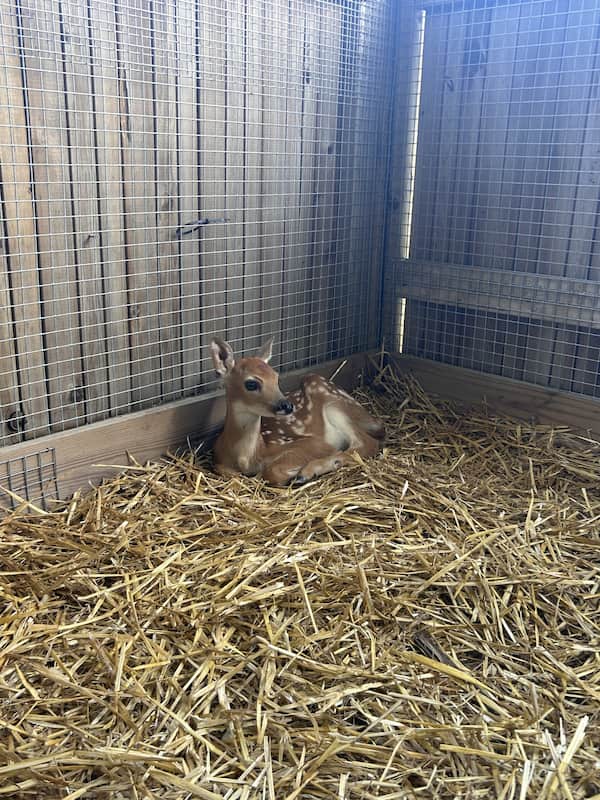
White tailed deer fawn, resting in straw in a rehab enclosure.

In addition to being named the state mammal, the white-tailed deer (Odocoileus virginianus) is the only native deer species present within Illinois and is the largest herbivore species in the state.

As prey species, these animals commonly travel in herds and spend most of their day camouflaging within wooded areas and heavy brush. However, deer are considered browsers and will leave the safety of the woods, heading for open fields where preferable vegetation is available, feeding at dusk and dawn (crepuscular). They can be identified by their tan to gray fur and their notable ‘white tail’ which, when upright, can signal to other deer in the area that danger is near.

Chronic Wasting Disease (CWD)

While the white-tail deer is susceptible to a multitude of illnesses and different types of disease, one disease of particular concern in the state of Illinois is Chronic Wasting Disease (CWD). CWD is a prion disease. A prion is a protein that, when created, was formed incorrectly and leads to the protein acting inappropriately or abnormally. Prions lack any form of DNA and are not considered living organisms like bacteria or parasites, however, when normal functioning proteins encounter prions, the prions manipulate the proteins, causing them to act abnormally, and functionally turning the protein into another prion. Other examples of prion diseases include Mad Cow Disease in cattle and Scrapie in sheep and goats.

Prions can be found both within an organism and within that organisms environment. In many cases, prions can be found in the soil, water, grass and even rocks and can thrive in these environments for years. Prions can also be found in infected fluids from infected individuals including presence in the urine, feces, saliva, and blood. Animals can become infected with this disease either via exposure to prions in their environment or via prions present in animal excretions and fluids.

Symptoms of Chronic Wasting Disease (CWD)

Once an animal has become exposed to the prions, proteins within the body will become infected, ultimately changing their functions and causing physical symptoms in the animal. Symptoms of CWD in deer include dramatic amounts of weight loss (also called wasting), uncoordinated movement, drooling, ‘dazed’ appearance, excessive drinking and urination, droopy ears and decreased fear of humans or other predators. While prions associated with CWD can infect multiples tissues of the body including lymph nodes, spleen and muscle, the neurological symptoms present in cases of CWD are primarily caused by accumulation of prions in the brain and spinal cord.

While infection of CWD can occur at any time, accumulation of prions in the body takes time and therefore, it can take anywhere from 16 months to 4 years before symptoms are appreciated. Additionally, once an animal is infected, they can shed the disease and spread it to other members of their herd, regardless of whether symptoms are present, making it difficult to track and detect the spread of this disease. Currently, there is no vaccine, treatment or cures available to fight CWD and therefore infection of this disease is lethal.

Be informed and help stop the spread of CWD

CWD was first identified in a captive deer population located in Colorado in the 1960’s and since then has spread to thirty-two states, parts of Canada and most recently, Europe. CWD is also able to infect other animals belonging to the cervid family which includes elk, moose, reindeer, and other species of deer such as the red deer, the mule deer, and the black tail deer. While there is no evidence to prove that humans can contract CWD, more research needs to be completed. For hunting, it is recommended that deer carcasses be tested for CWD prior to consumption. If a carcass is found to be infected with CWD, any products from that animal should not be consumed and the state DNR or DWR should be notified. Yearly reporting on CWD in Illinois is available by county through the Illinois DNR website. While diseases such as CWD present in wildlife can be scary, identification of disease and proper reporting are the best ways that you can make a difference in helping to better manage and stop the spread of disease in your area.

Written By: Emma S., Class of 2027

Works Cited

Chronic Wasting Disease Management. (n.d.). Illinois Department of Natural Resources. Retrieved October 17, 2024, from https://dnr.illinois.gov/programs/cwd.html

Chronic Wasting Disease in Animals | CWD. (2024, May 13). CDC. Retrieved October 17, 2024, from https://www.cdc.gov/chronic-wasting/animals/index.html

Escobar, L. E., Pritzkow, S., Winter, S. N., Grear, D. A., Kirchgessner, M. S., Dominguez‐Villegas, E., … & Soto, C. (2020). The ecology of chronic wasting disease in wildlife. Biological Reviews, 95(2), 393-408.

Wagner, K., Pierce, R., Gordon, E., Hay, A., Lessard, A., Telling, G. C., … & Zabel, M. D. (2022). Tissue-specific biochemical differences between chronic wasting disease prions isolated from free-ranging white-tailed deer (Odocoileus virginianus). Journal of Biological Chemistry, 298(4).

White-tailed Deer. (n.d.). Wildlife Illinois. Retrieved October 17, 2024, from https://wildlifeillinois.org/identify-wildlife/white-tailed-deer/

**Images in this article do not depict deer with Chronic Wasting Disease. These are healthy orphaned deer fawn.**

Window Strikes in Birds

According to the American Bird Conservancy, it is estimated that collisions likely kill between 365 million to 1 billion birds annually in the United States. The total number of window or glass strikes is likely far greater. In many cases, after colliding with glass, birds suffer internal hemorrhage, concussion, head and eye injuries, and temporary stunning.

How To Prevent Window Strikes in Birds: What You Can Do At Home

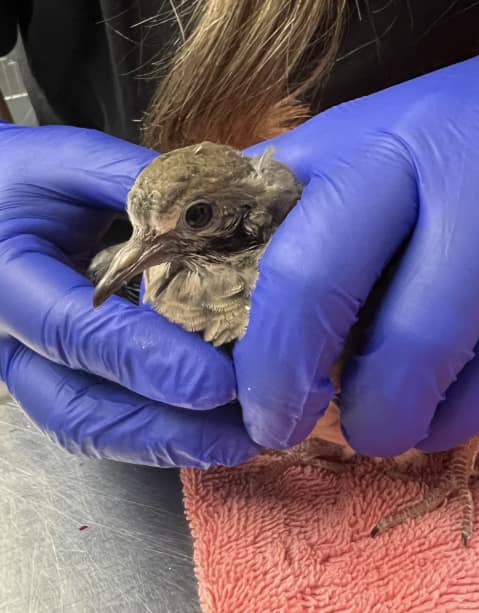
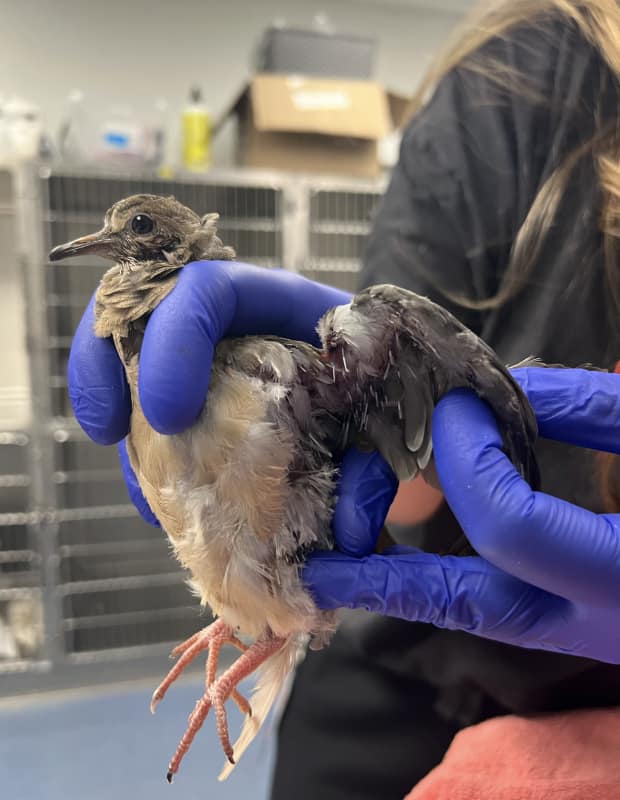
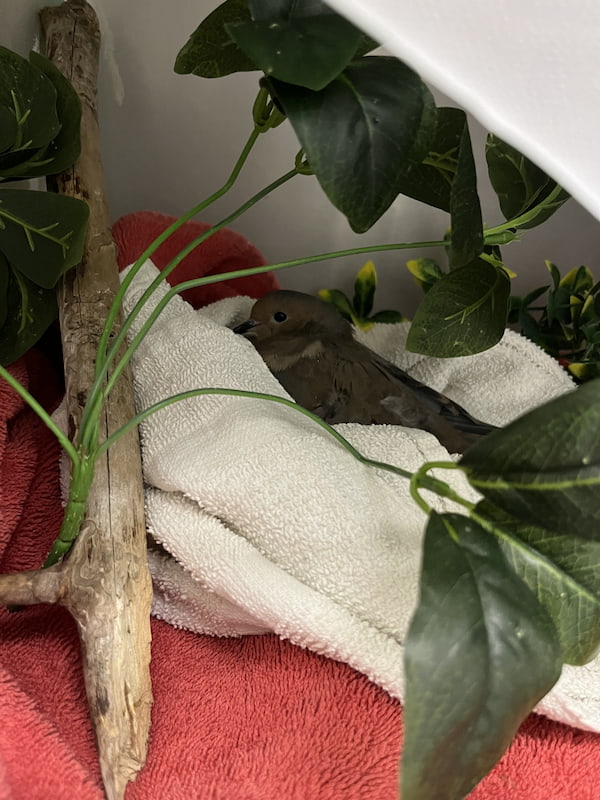
Mourning Dove in a towel nest with artificial plants to hide behind.

Birds are often drawn to windows because they are tricked by the reflections they see in the glass. Start by going outside and looking at your windows from a bird’s point of view. Do you see branches or sky reflected in the glass of the window? If the answer is yes, then that is what a bird flying by sees too. To a bird, your window looks like a good place to land or a space it can fly through.

The following are some ways you can help prevent bird window strikes at your home:

  • Move indoor plants away from windows to reduce their reflection in the glass.
  • Turn off indoor lights when you are not actively in the room; this can reduce reflections, make the window less inviting to the bird from the outside and is also a great way to conserve energy.
  • Install and maintain screens on the outside of all windows. The screen will provide a softer surface for the bird to bounce off and reduce the likelihood of injury to the bird. This also reduces bugs in your house when your windows are open.
  • You can buy or make your own window decals or stickers to place on the outside of your windows to break up the space and make it look less inviting to the bird. These can be anything, including stripes, sun catchers, dots, or silhouettes.
    • Often, a single decal or sticker is not enough; they work best if there are multiple, and they are spaced close enough together that the spaces in between are too narrow for a bird to fly through. The overall goal is to create the appearance of a cluttered environment that a bird would not be able or want to fly through. You can visit Acopian BirdSavers to buy or learn how to make your own birdsavers.

Have You Found a Stunned Bird or Witnessed a Bird Strike a Window?

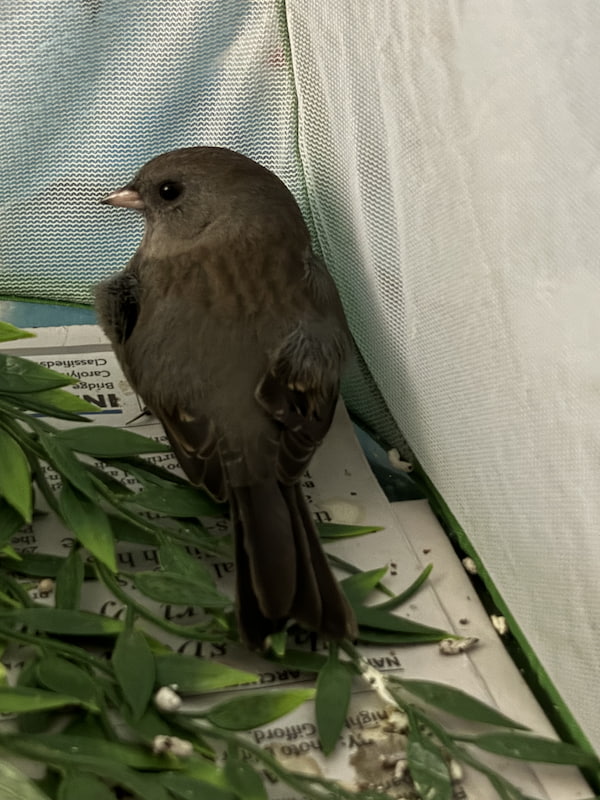
Junco bird sitting in the corner of a soft sided kennel with artificial plants to hide in.

Often the bird will be stunned or unable to move well. You can carefully pick up the bird, using both hands, gloves, and a pillowcase, and move the animal to a dark, quiet place. Cardboard boxes with lids work well. The box you use will need adequate ventilation; to achieve this, you can use a pen to poke holes in the top and sides of the box to allow for proper air movement for the bird to breathe.

Written By: Caroline M., Class of 2027

Cuddly Predators: The Dangers that Cats Inflict on Wildlife

The Dangers of Cat Bites

As cuddly, friendly, and cute as they can be, at the end of the day, cats are predators and pose a risk to our local wildlife species, especially birds and rabbits. Cats are a significant danger to wildlife for many reasons, some of which include predation, disruption of the ecosystem, and disease transmission. Severely reducing or eliminating these risks that cats introduce can be attainable and we should do our best to try.

Predation

Young Blue Jay with another bird in a soft sided kennel with a small cave to hide in, perch on and artificial plants next to it.

A cat can catch various wildlife species and inflict damage by tearing the skin, introducing bacteria to the wound, and shaking the animal causing internal damage, among other things. Many animals that come into the Wildlife Medical Clinic that have been victims of outdoor cats, unfortunately, do not make it due to the extent of their injuries or through infection. Cats are hunters at heart and are responsible for the deaths of billions of mainly birds and bunnies. These deaths can have an impact on local populations particularly those endangered or at risk; subsequently, affecting certain species populations could have a domino effect on other species in the ecosystem.

Environmental Contamination

One common infectious agent is Toxoplasmosis which is a disease contracted from the parasite Toxoplasmosis gondii. Cats are known hosts to this parasite and while the cat may not show any symptoms they can transfer this parasite to wildlife species and even humans through their feces. The parasites’ oocytes laid in feces are resilient in adverse environments and become infectious. Water, soil, and food can become contaminated thus continuing the spread. Toxoplasmosis can have significant effects on certain wildlife species and some have shown cases of mortality to the parasite, for instance, sea otters.

Spread of Disease

White footed mouse peeking out from a thick layer of recycled paper bedding and hay.

Additionally, cats can be disease reservoirs harboring a pathogen and transmitting the pathogen from host to host thus playing a crucial role in the infectiousness. Pasteurella multocida is a bacteria commonly found in the mouths of cats that is normal and not harmful to them but dangerous if infected to other animals like cottontail rabbits. Prey animals like bunnies, typically are not that resilient to infections so Pasteurella multocida from a cat bite is often deadly.

Clinical signs of Pasteurella multocida include respiratory distress, hemorrhage, septicemia, death, etc. Wildlife animals are already subject to various predators and risks to their lives without adding domestic cats to the mix.

Prevention for our Wildlife

The only foolproof prevention from the consequences of cat bites in our wildlife species is to protect them from predators like our furry friends. Keeping cats indoors protects not only wildlife from infections, injury, and death but the opposite is also true. Cats are also susceptible to harm from wildlife species such as rabies, which is fatal. Rabies vaccination is a great start for prevention but avoiding exposure to the virus is optimal. Veterinary Medicine goes beyond treating sick animals and aims toward prevention in order to keep animals, humans, and our environment alike all healthy. We love our cats and want the absolute best for them, and the best for them is keeping them safely inside which is coincidentally the best for our local wildlife populations. However, if a domestic cat is so inclined to be outdoors then it would be best if they are monitored and potentially kept on a leash to assure the safety of our outdoor friends as well as those we keep indoors.

References

Liao, Kristine. “Outdoor Cats Are Deadly-and Not Just for Birds and Squirrels.” Popular Science,31 May 2022.

Mostl, Karin. “Guideline for Pasteurella Multocida Infection.” ABCD Cats & Vets, 9 July 2024.

University, Texas A&M. “How Free-Roaming Cats Impact Wildlife, Disease Transmission.

University, Texas A&M. How free-roaming cats impact wildlife, disease transmission. Phys.Org, Phys.org, 20 Oct. 2023.

Written By: Kristen C., Class of 2027

The Eternal Summer

Climate Change

Can you feel it? The temperatures rising, wanting so much to fall into the cozy autumn chill, but
staying stuck in the lazy days of summer, unexpectedly waxing and waning here and there,
followed by disastrous hurricanes, detrimental tornadoes, and deadly heat waves. Climate change is upon us, urgently calling for our attention and action. Its effects are nearing the point of no return, not only wreaking havoc on our homes and lives, but also on those of our ecosystem and wildlife populations.

The Effects of Climate Change on Wildlife


With the effects of climate change worsening, we can see its direct manifestations of dangerous weather effects all over the world. Inevitably, this has caused severe damage to the habitats in which our wildlife animals live, destroying their homes and depleting their food sources. This habitat destruction, in addition to the increasing temperatures, have caused a change in species migration patterns, leading to invasiveness, overcrowding, and unexpected competition between different wildlife populations, thus depleting more food resources and causing a domino effect. This further increases the risk of extinction and endangerment of wildlife species.

Potential Adaptation

Ornate Box Turtle in a researchers gloved hand out in a prairie.


While these changes in species migration patterns can cause detrimental effects to the local wildlife, it is a way that animals have shown that they are adapting to the changing environment of the world. How about those animals who stay put despite these changes? Throughout evolutionary history, animals have shown that they have the capacity to “locally adapt” to their environments depending on the resources available, the temperature, and etc. With this “adaptive capacity,” wildlife populations may just be able to persist through these changing times, with additional help from us.

How Can You Help?

Hilly, wooded area out in nature.
  • Leave wildlife habitats and ecosystems as undisturbed as possible. Animals thrive in their natural habitat without any disruptions from humans. Unless an animal is harmed or hurt, it is best to leave them be.
  • Participate in local conservation efforts. Volunteer with local organizations to help with efforts such as habitat restoration, reforestation, community clean-up, and more to further help maintain the habitats of wildlife animals.
  • Reduce, reuse, recycle. Do your part. It may seem like those small things, such as choosing to use paper instead of plastic at the grocery store or throwing your water bottle into the recycling instead of the trash, won’t have a huge impact on reversing the effects of climate change. However, if we all do our part, we can get one step closer to bettering our planet and protecting our beloved wildlife population.

Written by: Akasha G., Class of 2027

Wildlife and Fireworks

It is often discussed how fireworks impact people and even their pets, but did you know that fireworks can also have negative impacts on our native wildlife populations. Every year wildlife hospitals and rehabilitation centers around the country, including the Wildlife Medical Clinic (WMC), see an increase in the number of orphaned and injured wildlife in the weeks surrounding 4th of July.

How do Fireworks Harm Wildlife?

Litter of Eastern Cottontail Rabbits and an artificial nest.

Just like you and me, wildlife are scared by loud noises. The loud thunderous sound of fireworks can frighten wildlife causing them to panic. Birds might fly into windows. Small mammals like rabbits and squirrels may flee in fear, injuring themselves in the process. There is also a greater risk of animals abandoning their babies. Because of the loud and often disorientating noises animals fleeing in a panic may not think it is safe to go back for their babies afterwards. This leaves them in the care of wildlife rehabilitators if they are found by good Samaritans. While wildlife rehabilitators have the tools and knowledge to raise these animals, they can never fully replicate the care that the parents provide to their offspring. Raising orphaned wildlife often poses many challenges, so it is much better if these animals are able to stay in the wild with their parents.

You also must consider the waste produced from fireworks. Like small children and puppies, wild animals tend to pick up things with their mouths and eat them without knowing that they may be harmful. Paper, cardboard, strings, and plastic are all waste products from fireworks, and they all pose a risk to animals if eaten. Not to mention the trash is coated in the chemicals that allow fireworks to light and give them their unique colors, many of which are toxic to wildlife. Unfortunately, ingesting trash from firework shows may lead to death for some animals. If you have ever had a pet eat something they shouldn’t and had to rush them to the vet, you will understand just how critical these cases can become and unfortunately, we are often too late for wildlife who have ingested foreign materials and are having complications. String like materials are also detrimental to birds as it can easily become tangled in their wings, leaving them unable to fly, unable to get food, and defenseless against predators.

And last but not least, fireworks have the potential to start wildfires. Wildfires can be a huge ecological disaster on top of the devastation they can cause to humans. Anytime fire is being used there is a risk for it to get out of control and fireworks are no exception this.

How Can You Help?

The absolute best thing to do would be to completely stop using fireworks. Things like drone light shows are a much safer alternative to actual fireworks. In some situations, they can look just as good if not better than fireworks. Not to mention, they are also a lot quieter and don’t come with the all of the litter or the potential to start wildfires.  However, they do require professionals with equipment to set up, which is not feasible for someone to do in their backyard.

If you’re not able to cut out fireworks completely there are other options to try. One would be to consider going to your local community fireworks show instead of setting them off at your home. Many towns, parks, and other organizations put on firework shows for the public to watch each year. Not only is it a lot safer for the people involved, but it also reduces the total number of fireworks being set off, lessening the impact to local wildlife.  

If you are going to be putting on a show at home, there are also a few things to consider. One, setting off smaller fireworks that aren’t as loud can help prevent scaring wildlife. Two, making sure that you are picking up any trash left behind from the fireworks can prevent wildlife from becoming tangled or ingesting the firework debris. Three, you can make sure you are not setting fireworks off in a dry field or next to dry brush that may catch fire. Being mindful of the risk that a fire can pose is often the first step and helps to prevent it. And finally, you can consider donating to a local wildlife center. Taking care of orphaned or injured wildlife can be costly and most rehab centers rely on donations to keep running.

              So, before you celebrate this upcoming Independence Day, remember to keep our wildlife friends in mind and do your best to have a safe and animal friendly celebration!

Written by Grace L, Class of 2027

Wildlife Medical Clinic
John A. Coyne South Clinic
2100 South Goodwin Avenue
Urbana, IL 61801
217-244-1195