Barred Owl Case

Barred Owl, Strix varia

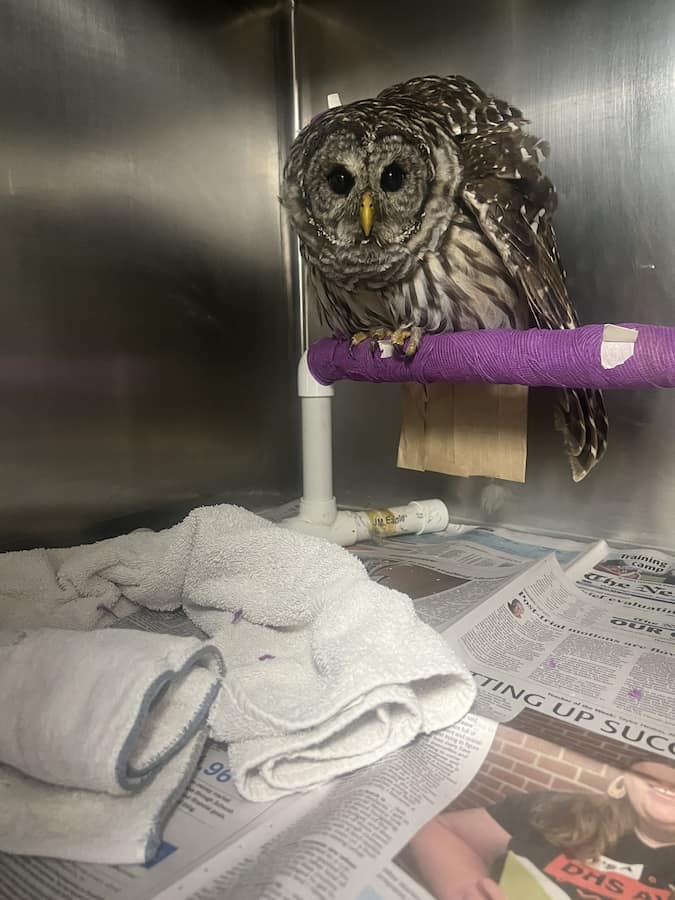
The barred owl, Strix varia, are found throughout North America, but most commonly in the East. They are commonly found in a variety of habitats such as upland woods, conifers, bottomland forests and swamps. A few features that stand out are their yellow beaks, large brown eyes, and rounded heads.

Arrival to the Wildlife Medical Clinic

At the end of August 2024, juvenile Barred Owl 24-1882 was brought in by a good Samaritan to the University of Illinois’ Wildlife Medical Clinic (WMC) with an injury of unknown origin. Upon examination by the veterinary student volunteers and veterinarians in the WMC, an open right distal carpometacarpal fracture was palpated, notable trauma was seen in both eyes, and damaged rectrices or tail feathers were present. It was determined sedated radiographs were needed to confirm the carpometacarpal luxation, so those were performed. Open fracture care was administered and a splint was placed.

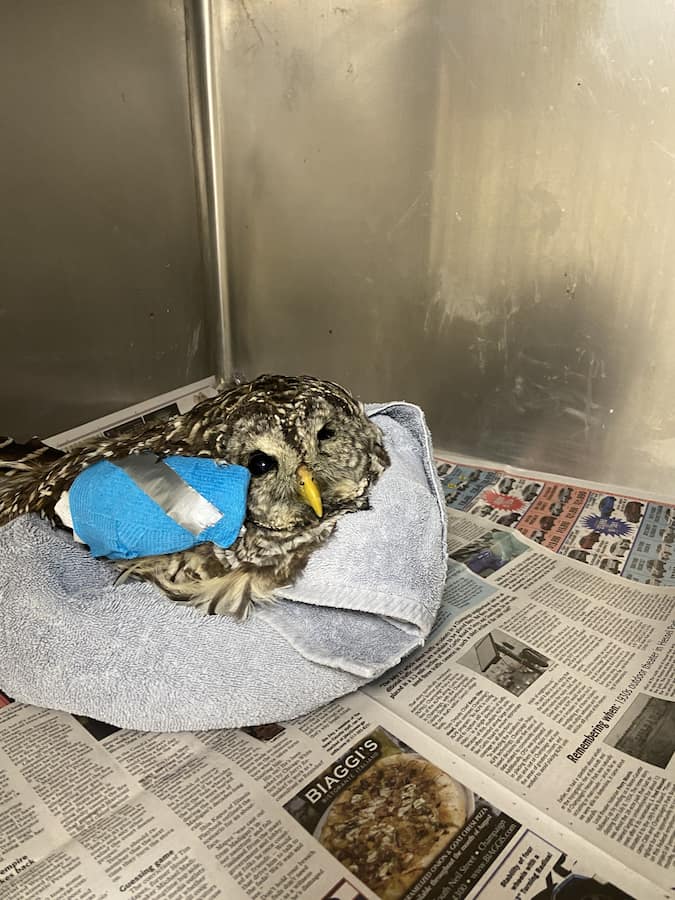
Once the diagnosis was determined, the team began with a treatment plan. That plan involved administering antibiotics and pain medication to help with any pain due to the fracture and injured eyes. Later that day, the patient was placed under general anesthesia for an arthrodesis procedure to promote the healing of the luxation. Wound care was administered and a figure eight wrap splint was placed to keep the wing immobile and hopefully prevent further damage. The patient was continually monitored post procedure and for the days following the procedure. Pain medication and antibiotics were continued and a splint change was done under sedation a week after the surgery. The patient had a great appetite and continued to heal.

Continued Care

Barred Owl wildlife patient with it's right wing wrapped.

The continued care for this patient was the administration of PROM. PROM stands for Passive Range Of Motion; it is performed under general anesthesia and the ROM for the joint is measured in degrees. The right elbow and the metacarpal joints are extended for two minutes, two times to ensure full range of motion of the wing. This procedure helps ensure that lack of movement brought on by the splint does not cause further damage to the joints. PROM was administered a couple times weekly for several weeks following the initial procedure. During that time, the wound was continually assessed and monitored for any changes. The patient continued to improve and was able to discontinue pain meds. Additional radiographs were taken to confirm PROM and splinting was no longer necessary. Once this was confirmed, the patient was ready to be moved to a flight cage.

Remaining Hopeful

Before heading to the flight cage an exam was completed by a veterinarian and range of motion was found to be almost normal, despite noting feather damage including broken right alular feathers and rectrices (tail feathers). The patient was placed in a flight cage for continued healing and an imping procedure was performed to ensure it can be released back into the wild. The imping procedure is basically just replacing broken or missing feathers with donor feathers and reinforcing the feather shaft to ensure the feathers remain in place until the next molt.

Conclusion

Once the imping procedure was completed, the barred owl was monitored closely to ensure the new feathers stayed in place and that it was able to maneuver it’s enclosure. Unfortunately, we do not have large flight cages, so we worked with another licensed rehabilitator that does have large flight enclosures and transported the owl to them. This allowed the rehabilitators to monitor it’s flight better before released and also help to keep the animal fit and conditioned for release.

Written By: Katie M., Class of 2027

How Bird Feeders Contribute to the Spread of Disease

From avid bird watchers to casual onlookers, bird feeders are a staple in many yards across Illinois and throughout the country. While these well-meaning people may simply be offering their wild, feathered friends an easy meal, these feeders can spread illness like a preschool classroom full of kids in the thick of cold and flu season. Yuck!

Mycoplasmal Conjuctivitis in Wild Birds

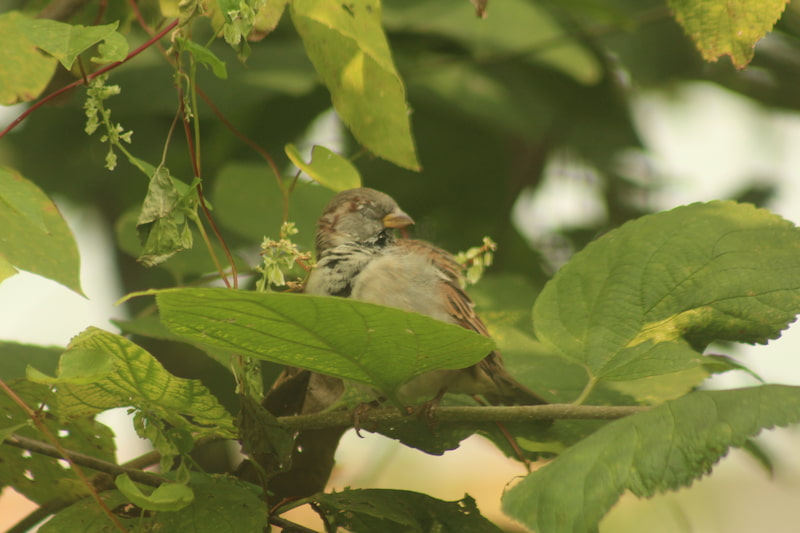
House sparrow perched in the middle of a tree with it's eyes closed.

Mycoplasmal conjunctivitis is an ocular disease seen mostly in finch species but has also been reported in other songbird species such as but not limited to sparrows, grosbeaks, and blue jays. While this disease is thought to have originated as a respiratory illness in domestic bird species (e.g., chickens and turkeys), in wild birds it manifests in a comparable way to what we may think of as “pink eye” in humans. This includes red, swollen eyelids and conjunctiva, along with watery ocular and/or nasal discharge. Oftentimes, this can impact a bird’s ability to visualize and find food, leaving them prone to starvation and predation.

The most common route of transmission of mycoplasmal conjunctivitis is thought to occur at bird feeders, where many birds come into close contact with one another. This is especially exacerbated in late fall and winter, when food is scarcer and it becomes more convenient for birds to visit bird feeders rather than forage for food. When hundreds of birds are gathering at one small bird feeder in a single day, it is easy for disease causing pathogens to jump from bird to bird and cause illness in a sizable portion of the population.

Ways to keep birds safe at your feeder

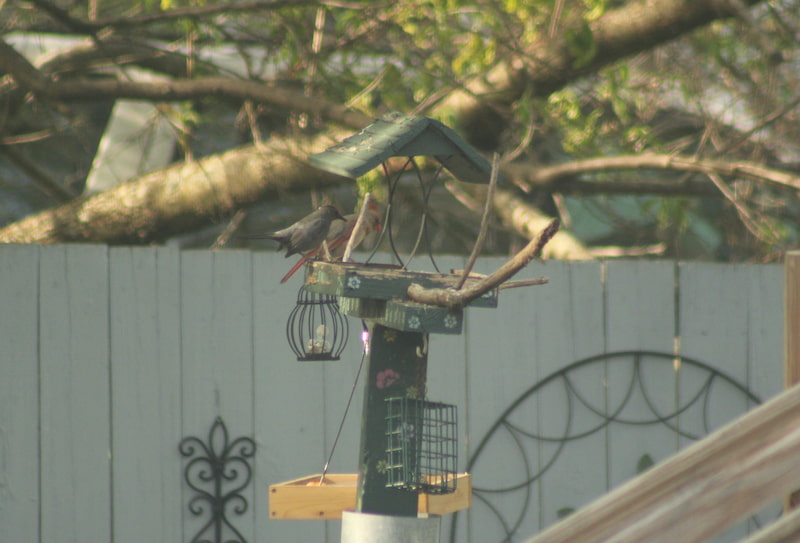
Bird perched on a backyard feeder

So, what can you do to stop the spread of mycoplasmal conjunctivitis and other diseases in your backyard? The simplest answer is to stop promoting large gatherings of birds within a small space by tossing that bird feeder in the trash. However, if you prefer to keep a bird feeder in your yard, there are some things to keep in mind to ensure local wild bird populations remain healthy and continue to thrive. Those items are as follows:

  • Regularly clean your bird feeder with 10% bleach to kill any pathogens.
  • Avoid tube feeders, as they are hard to clean and possess too many surfaces for birds to touch and spread disease through.
  • Use a platform feeder with ample space to allow birds to feed and to prevent overcrowding.
  • Avoid using moldy feed and continue to clean up the ground below the feeder.
  • Only put out the amount of food birds can consume within a few days, and throw out leftovers when cleaning and refilling the feeder.

If you find a bird that is infected with mycoplasmal conjunctivitis, contact a licensed wildlife rehabilitator right away. Sanitize and put away any bird feeders for at least two weeks to help stop the spread of this disease.

Sources:

Written by Allison, Class of 2027

Why Did the Turtle Cross the Road?

A Perilous Journey

Every year thousands of turtles cross our roads for various reasons. As the weather warms up, many turtles search for new territories, breeding grounds, or food.

Year after year in late spring, female turtles begin their voyage to find a nesting site on land. Aquatic species haul themselves out of their beloved body of water and may end up crossing the road to find a suitable place to lay their eggs. We know this is one of the biggest causes for road-crossings, as roadkill disproportionately effects female turtles of a mature age. Many times, females choose to nest in an area that may be difficult for the babies to traverse when they hatch. These babies know exactly where they need to go but may get hit by a car or predated upon on the way. In other cases, turtles may go to roads to bask when feeling unwell. Because they cannot thermoregulate internally, they try to create a behavioral fever by laying under the sun. Unfortunately, hot asphalt is a great way to do that. 

Do turtles have superpowers?

In my personal opinion, yes! They are excellent navigators with the ability to create mental maps and rely on an internal compass. They become very familiar with their home range, which can include a yearly nesting site, overwintering grounds, and the wetlands they utilize during the active season. In fact, sea turtles have been known to swim hundreds of miles annually to get to their destination nesting site!

What can you do to help?

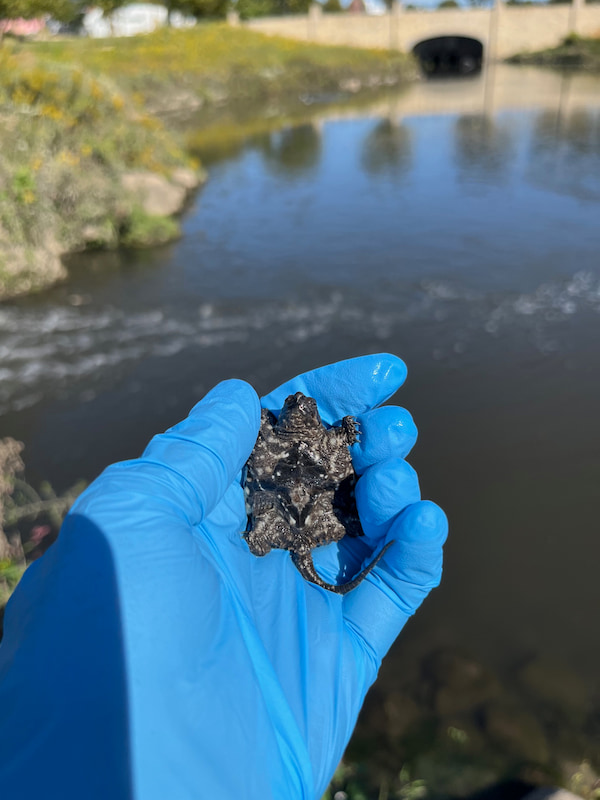
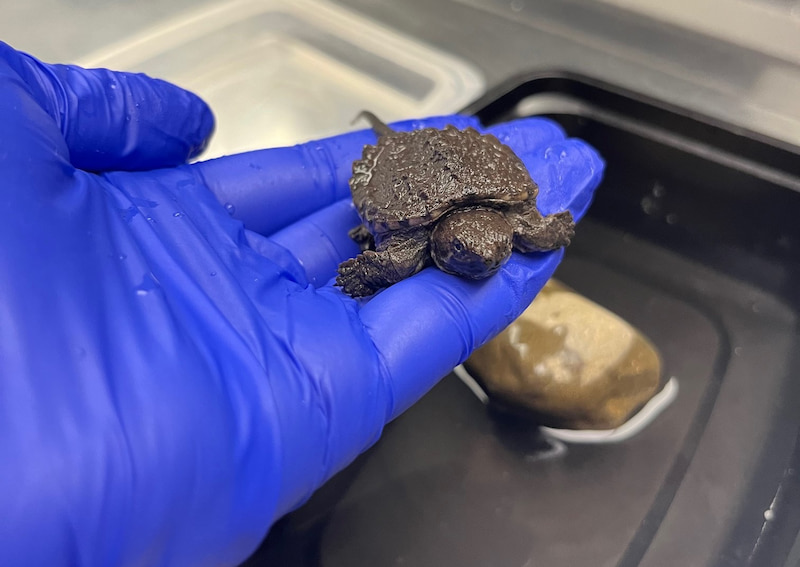
A baby snapping turtle is being handled gently in a gloved hand

If you ever see a turtle on the road, it is very important to help the turtle get to the other side in the direction that it was going. If you decide to pull over, please prioritize your own safety! Not only do turtles have exceptional navigational skills, but they are also very stubborn! Redirecting or relocating a turtle can be very dangerous for them. They may take a longer and potentially more treacherous path to the place they originally wanted to go. Additionally, turtles learn to live and love their home, making it very difficult to learn how to navigate, forage, and socialize in a new environment.

When encountering turtles that may be dangerous to handle, like Common Snapping Turtles, there are still some steps you can take to help! Many wild turtles will be frightened at human interaction and may try to bite. If you are uncomfortable handling any turtle, you can use a car mat or shovel to put under the turtle and slide it. Please never pick up a turtle by their tail, as this can result in severe spinal damage!

What if I find a turtle that’s been hurt?

Turtles are insanely hardy and can survive some pretty horrific injuries. If you come across an injured turtle or one that has been hit by a car, we always recommend bringing it into your nearest wildlife rescue, such as the WMC! If you are unable to bring it in, please contact your local fish and wildlife department to ask for guidance. Never attempt to treat the animal on your own, as this could put you or the turtle in danger and may be in violation of state laws. 

Case example!

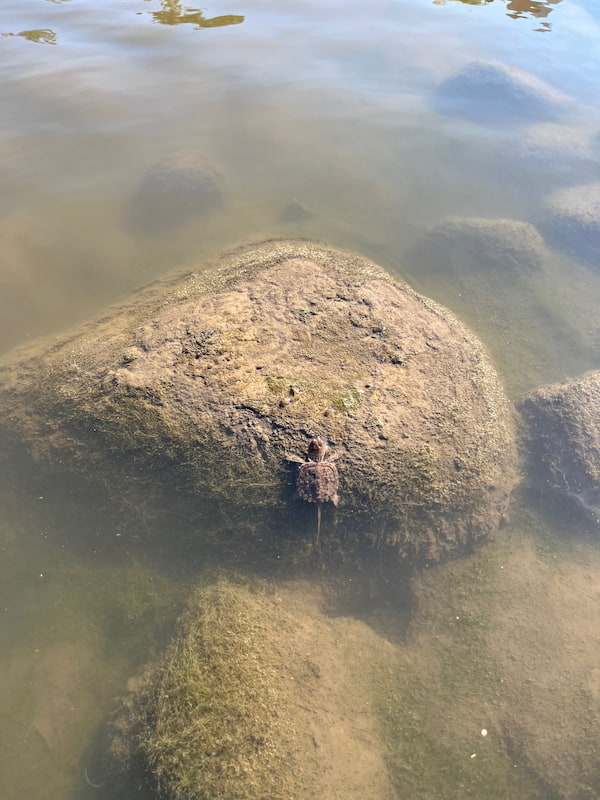
A baby snapping turtle is holding onto a rock outside after release

In mid-September, I was presented with a hatchling common snapping turtle on triage. Generally, snapping turtles lay eggs during May and June, with the hatchlings emerging around September. Therefore, this little one was on perfect schedule! The hatchling had been picked up by a Good Samaritan that had found it trying to cross the road. They were most likely trying to get to the nearest body of water. 

On exam, it was a perfectly healthy baby weighing in at 10 grams! Its age was determined not only by size, but by how squishy the hatchling’s shell was. It also had a visible umbilical scar, as seen in the featured image! In the early stages of life, it is normal for a turtle’s shell to be soft and pliable. This allows for “give” as the turtle expands and grows. Sadly, this is also a major reason for predation in newly hatched turtles. The umbilical scar, or yolk sac, can be thought of as a belly button. It is where the turtle embryo was attached to the shell when it was in the egg. Within about ten days, the yolk sac is fully absorbed and there will no longer be evidence of a scar. 

Time for Release!

In this case, we did not know where the turtle had been found and picked up, so we were very hesitant to release it. We knew that it may be hit by a car or predated upon trying to find its way back to its original destination. It was going to take some deep detective work to find out where the little one had come from.

In the meantime, we set up the hatchling with a proper enclosure in the clinic. This included a tank filled with water, a heat lamp, rocks for a basking area, a UV lamp, and fake plants and logs for hiding spots to decrease stress. We also began experimenting with different food items to see what the turtle would enjoy eating. Some of the options included cut up brine shrimp, turtle pellets, bloodworms, mealworms, and pinky mice. We learned that the patient really took a liking to the brine shrimp!

With a lot of luck and determined investigation, we were able to find out where the patient had been found. It just so happened to be a couple of blocks from a large body of water! A few days after the turtle presented to the clinic, I was able to release it. I hope that it will grow for years to come and be a beneficial contributor to our ecosystem!

Written by: Erika, Class of 2027

Welcome, Basil!

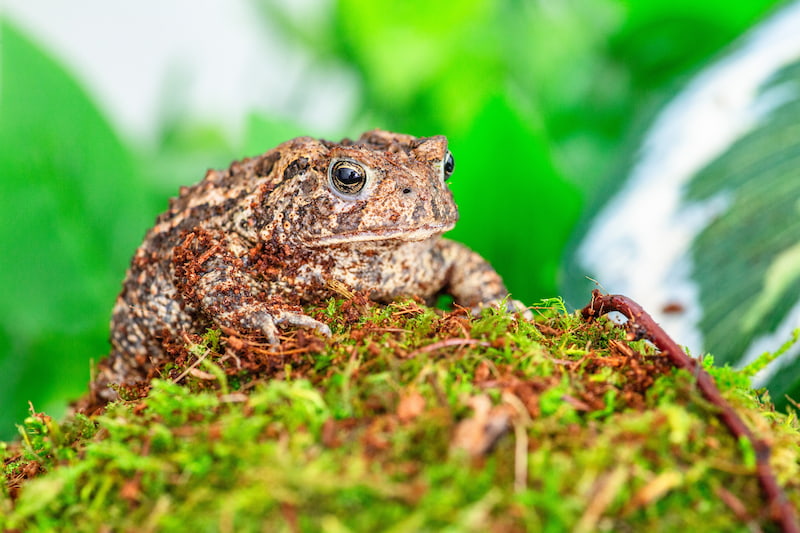
The Wildlife Medical Clinic’s Ambassador Program is absolutely thrilled to introduce our newest member – Basil the American toad!

Basil was found injured in Meadowbrook Park in Urbana, IL in late October 2024. They were then brought to the Wildlife Medical Clinic by a community member for treatment. On our initial exam, it was suspected that there was an open fracture of their right hind limb. An additional fracture of one of their toes was found on that same leg. The treatment team administered pain medications, started a course of antibiotics, and arranged for them to be quickly and fully assessed by one of the WMC veterinarians.

A close-up of Basil the toad

The next day, these injuries were confirmed by taking radiographs. Since surgical repair was likely to be unsuccessful, amputation of the hindlimb was determined to be the best course of action. However, the WMC would not be able to release them into the wild with only three legs. This is because they would be at a disadvantage for getting around their environment, hunting, and escaping from predators. Conversations quickly turned to our ambassador program, and whether we would be willing to take on another resident. We eagerly agreed, and the veterinary team proceeded with the leg amputation on Halloween – October 31, 2024. The toad was kept in the WMC for a healing and recovery period of about six weeks.

Becoming an ambassatoad

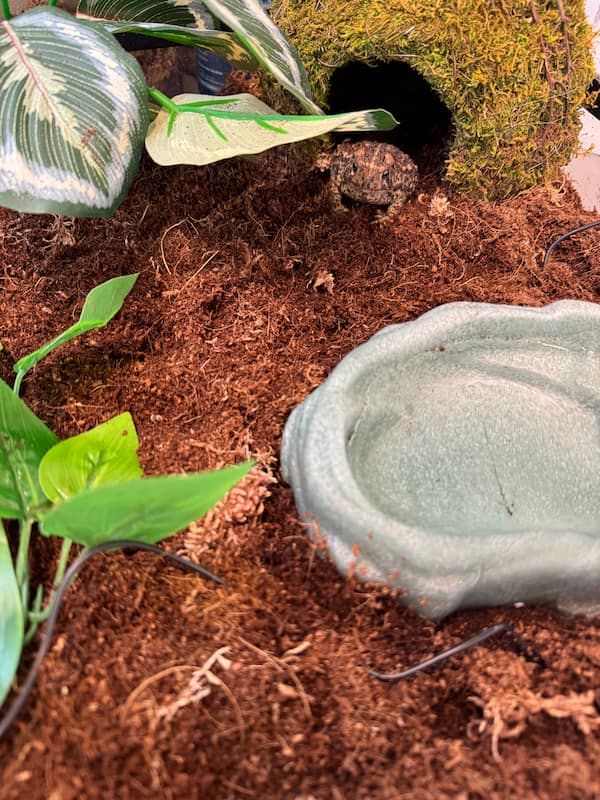
Basil the toad in his enclosure as he sits outside of a little hut

Once we moved our newest education animal into the Ambassador building, we asked the WMC clinic and ambassador volunteers to submit name ideas. We received dozens of suggestions and narrowed it down to a handful for the clinic to vote on. The winner was Basil, with the British pronunciation, so it rhymes with “dazzle.”

Basil has adjusted well to living in the ambassador building. They enjoy burying themselves in the substrate, hunting for crickets and Dubia roaches, and getting daily soaks. In our care, having only three legs does not appear to be having any negative effects. We do not know if Basil is a male or female, but suspect we will find out soon. Toads start displaying sex-specific behaviors during breeding season in spring and early summer. If Basil is a male, we would expect their throat to darken. We would also hear them start singing to attract a mate, which would sound like a prolonged, high-pitched trill.

Croaking forward

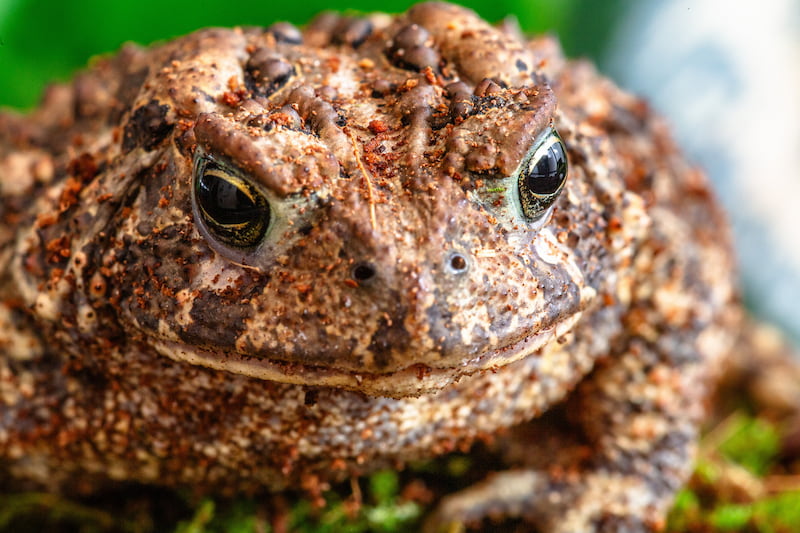
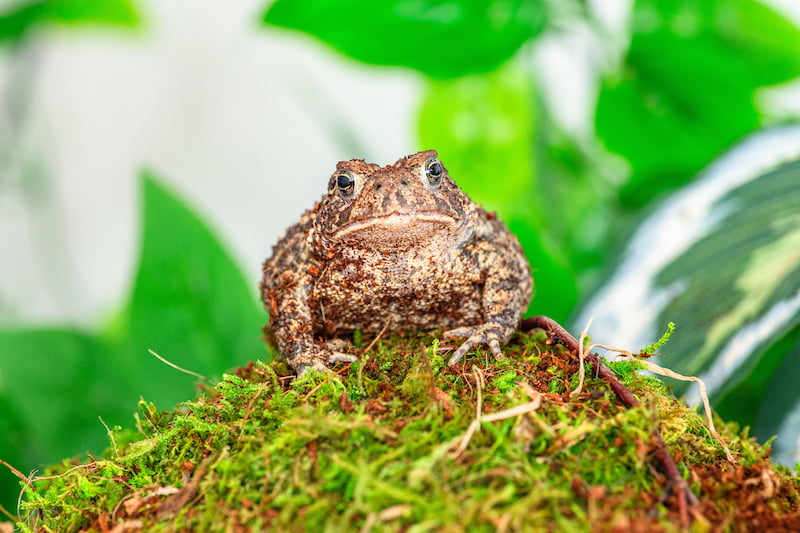
A head-on shot of Basil the toad sitting on a clump of moss

As far as we can tell, this toad is our first amphibian ambassador in the WMC. We are excited that our ambassador team volunteers have the opportunity to learn the unique aspects of amphibian care. For instance, it is important to use gloves covered in dechlorinated water when handling. We are especially excited to bring Basil to our educational programs to teach the community about American toads. They have an important role in the ecosystem and we would love to teach you what to do if you come across an injured amphibian in nature!

Written by: Sarah, Class of 2026

When should an animal come to the Wildlife Medical Clinic?

Sometimes it can be difficult to know when an animal should be taken to the Wildlife Medical Clinic. In cases where there are signs of an overt injury with blood present, unwillingness to move when approached, exposed bone, and maggots, we highly recommend safely transporting the animal to us! However, not all cases are as clear as that. Below I have outlined some very common questions the Wildlife Medical Clinic receives and what we think is the best course of action.

“Help! There is a bird in my yard on the ground and it hasn’t moved. It also seems to be wobbly when it walks. Should I bring it in?”

This is a super common question that we receive phone calls about a lot during the summer months. In these situations, it is very important to consider how old the bird in question may be. If the bird is an adult and fully feathered, it is uncommon to find them in that state. There is also a concern if the bird has no feathers and is looking dull and unresponsive. In these situations, it would be appropriate to give the WMC a call prior to capturing them. However, if the bird is smaller and lacking full plumage, then this may be a fledgling bird that is learning how to fly. Most songbirds will spend 3-5 days on the ground during this time. It is common to find fledgling birds near the bases of trees below their nest while they are learning to navigate the world.

“I found a tiny bunny on the sidewalk, what should I do?”

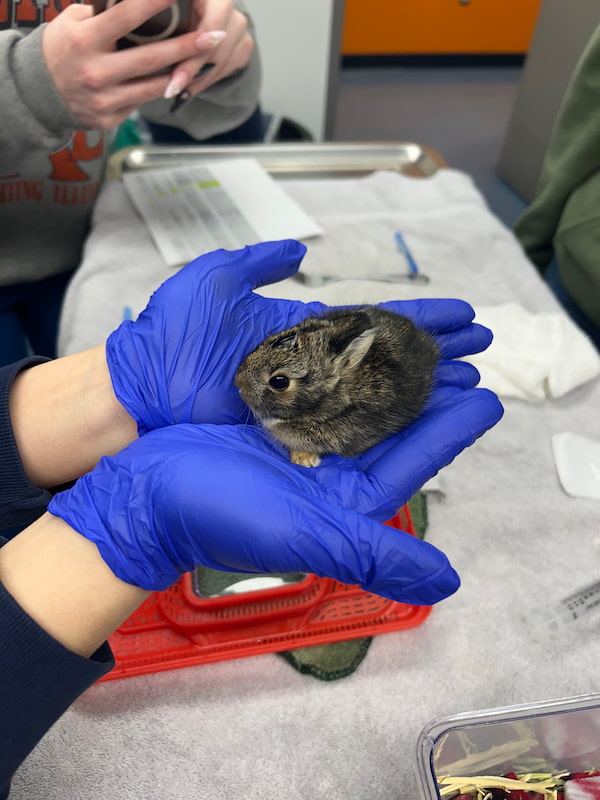
A baby bunny is being held in gloved hands by a volunteer

It can be quite alarming to find an abandoned baby bunny! If you come across an abandoned wild young cottontail, it is important to first assess them for any injuries. If the bunny otherwise appears healthy, the next course of action should be to locate the nest. Bunny nests can be difficult to find as they are usually not in plain sight. They can commonly be found at the bases of bushes, hidden in taller grass, or under decks or sheds, in depressions found in the ground.

Eastern Cottontails are a common bunny species in the Champaign-Urbana area. They do not burrow in the ground. Instead their nests will be on the ground level, lined with the mother’s fur and then covered with soft grasses. If the nest is successfully located, we advise you to gently place the found bunny in the nest and cover it with grass and leaves. To ensure that the mother is visiting the nest, a pattern of ribbon can be placed on top of the nest and flour can be used to create a trail around the nest. These aspects will be disturbed if the mother is actively visiting the nest. If you are unable to find a nest for the bunny, we advise you to give the WMC a call for further steps! 

If you are concerned about your dogs finding the nest, you can cover it with an upside-down laundry basket, with a hole cut into the side large enough for the mother rabbit to access her nest. The laundry basket can have a heavy object, such as a brick, placed on top to prevent dogs from pushing it over. 

Another important consideration is that eastern cottontail rabbits leave the nest and are independent at only 4 weeks of age! At that time, they are only about the size of a tennis ball! If you find a healthy young cottontail about that size with upright ears, it’s best to let them be. Many people mistake these young rabbits as orphaned, but they have actually already left their mother!

“I found a nest of baby birds, but I don’t see the parents, should I bring the nest in?” 

It is very normal to not see the parents for a nest of baby birds! Birds, along with other wildlife species, are terrified of us and will likely not visit the nest with us nearby. It is best to watch the nest from far away, either from across the street, through a window, or from inside a car. If there are no signs of the parents after a few days, it would be appropriate to give the WMC a call. In situations where there has been a recent storm, bird nests can be knocked out of trees. After accessing inhabitants of the nest for any signs of injury, the nest can be placed securely into the nearest tree. 

“I found a baby squirrel in my backyard, what should I do?”

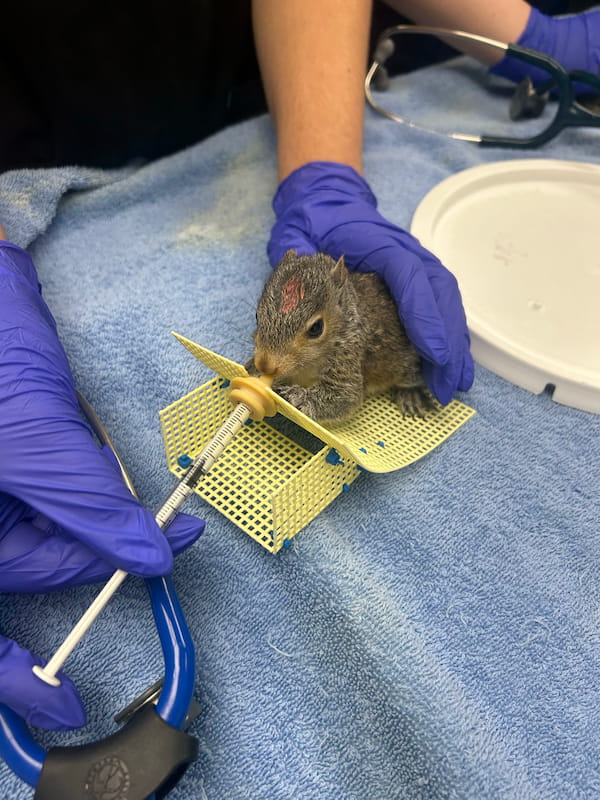
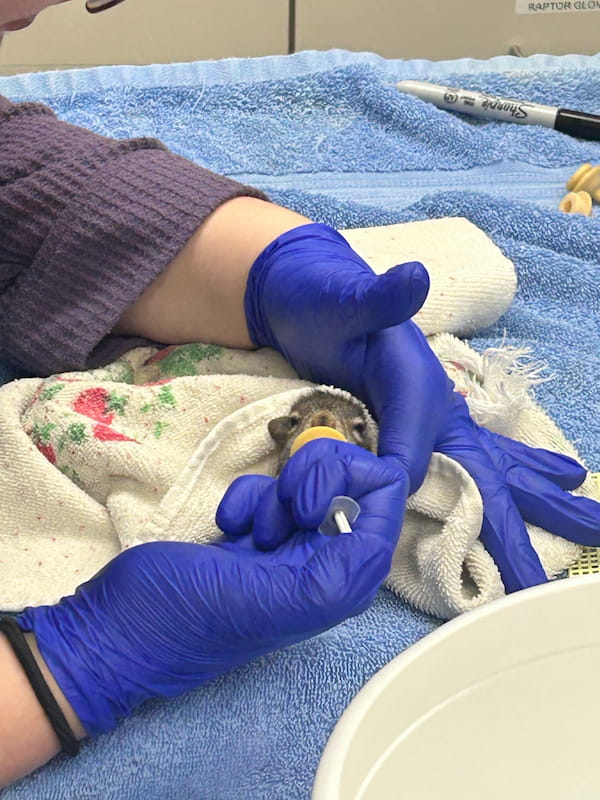
A baby squirrel is being hand fed through a syringe while it is covered in a towel to keep warm

Baby squirrels typically wind up on the ground if they have fallen from their nest. If there are not any obvious signs of injury, it is completely okay to pick them up and place them back into their nest. In the event that you are unable to locate the nest or perhaps it is too high up, you can place them into a wicker basket close to where they were found. This gives the mom an opportunity to collect her baby and take it back to the nest. Even if the nest has been destroyed, it is common for the mother to have a back-up nest to move her babies to. If you don’t see her after a few hours or it is getting dark, you should bring the squirrel to the Wildlife Medical Clinic.

So you’ve determined it needs to come to the clinic, now what?

If you are planning to safely transport an orphaned or injured animal to the Wildlife Medical Clinic, it is important to understand the do’s and don’ts. Please do not feed them anything! Almost all species of wildlife can survive up to 24 hours without any food or water. Unfortunately, any attempts with feeding will likely result in serious issues for the animal. Inappropriate food items can cause harm to the animal’s digestive system and inappropriate feeding methods can pose a risk for the inhalation of food material. 

The best thing that a finder can do is place the animal in a small box with air holes, keep them warm, provide them with a quiet, dark environment, and avoid handling the animal. Minimizing the amount of stress the animal is exposed to gives the animal the best chance of being able to make strides towards recovery. 

For more information, follow the link below: Dr. Stephany Lewis, the current director of the Wildlife Medical Clinic, discussed with The News Gazette on when to bring wildlife here!

Written by: Rachel, Class of 2027

Are You Afraid of Corn Snakes?

Sydney Oliveira, WMC Program Coordinator and Sarah Hollander, vet student and Wildlife Ambassador Care Coordinator, introduce us to one of the WMC ambassadors, Maize, the corn snake. Learn about Maize and why snakes are so important in the environment. 

The Hard Life of a Red Fox

About the Red Fox

The red fox (Vulpes vulpes) is a part of the Canidae family and can be found to weigh seven to eighteen pounds, which is about the same weight of the average house cat! They also come in a range of sizes but on average these animals are about three feet long from their nose to the tip of their fluffy tail!

Red foxes are found all throughout Illinois but are less commonly seen in the southern part of the state. They are becoming more common in urban communities due to being outcompeted and predated by growing coyote populations. Foxes are mostly active at night which means they are nocturnal! However, they can also be crepuscular, where you may see them wandering around at dawn and dusk. This is prime time to go hunting for small mammals such as mice and rabbits.

While these animals may appear to be a carnivore, they are actually omnivores! Aside from eating small animals, come summer time, they also dabble in snacks such as local fruit/berry plants, vegetables, other edible plants, and insects.

Red fox on hind legs looking out of outdoor enclosure

The Dangers they Face

Due to habitat loss and the increase in coyotes, foxes have had to start relocating to more urban locations. While this is not ideal, they have managed to adapt. However, humans are one of their greatest threats. One of the largest causes of mortality is collisions with vehicles. Aside from that, hunting and trapping of fox is another danger they face. 

The average lifespan of a wild red fox is about three to seven years. At birth, birds of prey (falcons, hawks, owls) are another source of mortality, specifically in kits (young foxes). Likewise, those coyotes that were mentioned earlier, they will also prey on young and even adult foxes. However, sometimes coyotes will kill them, not to eat them, but to reduce competition; this is known as competitive exclusion.

Common Diseases

Red foxes breed during January to early February and then give birth from late March to late April. With an increase in population, this means a greater chance of spreading disease! Common diseases in red foxes include the following:

Rabies

Rabies is a zoonotic disease which means it can be spread to humans and is typically fatal if not quickly addressed by medical attention. Fortunately, medical intervention is very efficient in preventing the infection if treated immediately. But be careful and be responsible around foxes if you encounter one. It is best to give them space and not approach them.

Sarcoptic Mange

Red fox under anesthesia for procedure

Sarcoptic mange is a disease that is highly infectious. It is a disease resulting from mites that like to burrow in the fur and skin of foxes. While it is transmissible to humans, we fortunately don’t make good hosts for these mites, so they are less likely to survive on us. You may feel itchy for a while, though. The foxes on the other hand, they will require medical care to help clear the disease since it can affect them much more severely than humans. The mites might cause symptoms similar to that of more intense allergic reactions and cause a foxes’ fur to fall out as well as cause extreme skin irritation which can lead to open wounds forming.

Coccidiosis

Coccidiosis is a disease of the intestines. It is caused by a variety of protozoan species. Protozoans are single-celled organisms. These species of Coccidiosis protozoa may cause symptoms of diarrhea and abdominal irritation or even death in foxes.

Conclusion

Fortunately, the red fox can have an increased chance of surviving certain diseases with proper veterinary care. This would include giving medication such as antibiotics (depending on the disease) to the fox as well as keeping the area clean and sanitized while the fox is being cared for. 

For more information on these amazing creatures, check out this National Park Service article https://www.nps.gov/articles/species-spotlight-red-fox.htm. 

Written by: Rachel, Class of 2027

Nutritional Secondary Hyperparathyroidism

What is Nutritional Secondary Hyperparathyroidism (NHSP)?

Nutritional secondary hyperparathyroidism (NSHP) is unfortunately a common type of metabolic bone disease that can occur in any animal but is most often seen in reptiles and amphibians. This condition most often occurs in captivity when an animal is not receiving the proper husbandry. NSHP can occur when the animal’s diet does not have enough calcium, or vitamin D3, or in the case of many reptiles when they do not receive enough UVB (ultraviolet B) light. Vitamin D3 is required by the body for calcium absorption, so as a result the parathyroid gland, which is found in the neck with the thyroid, begins to produce more parathyroid hormone (PTH). The primary function of the parathyroid gland is to tightly maintain calcium levels and keep them balanced. As a result of the decreased calcium and lack of vitamin D3 the secreted PTH stimulates osteoclasts in the bones, where most calcium is found, to begin resorbing the bones breaking them down causing the calcium to be released back into the bloodstream. Calcium is extremely important throughout the body where it is required for nerve transmission, muscle function, blood clotting and a multitude of other vital bodily functions. While the calcium needs to be in the blood it does so at the expense of the bones.

Why do we see NSHP in Wildlife?

When the bones are broken down to provide calcium it causes them to lose density making them more susceptible to injury. Additionally, there are developmental deficiencies associated with growth that can occur too. All of these make the lives of animals very difficult. NSHP is not as prevalent in the wild, because the animals tend to get enough sun and eat a proper diet. There are two main reasons we see this, first is when people have a pet and they don’t do proper research on housing and diet requirements and therefore don’t meet the needs of their pet. The second reason we see this is due to well-meaning individuals finding wildlife and then proceeding to care for them or keep them in captivity instead of bringing them to a licensed rehabilitator. Wildlife requires specialized diets and housing that are hard to meet in captivity and while people try their best, they often fail to meet the needs of these animals and don’t realize that for most wildlife, permits are needed to care for them, so keeping them in captivity is actually illegal if you don’t possess the proper permits. To further illustrate the effects of NSHP, we will review two cases we have recently seen in the Wildlife Medical Clinic.

Virginia Opossum Case

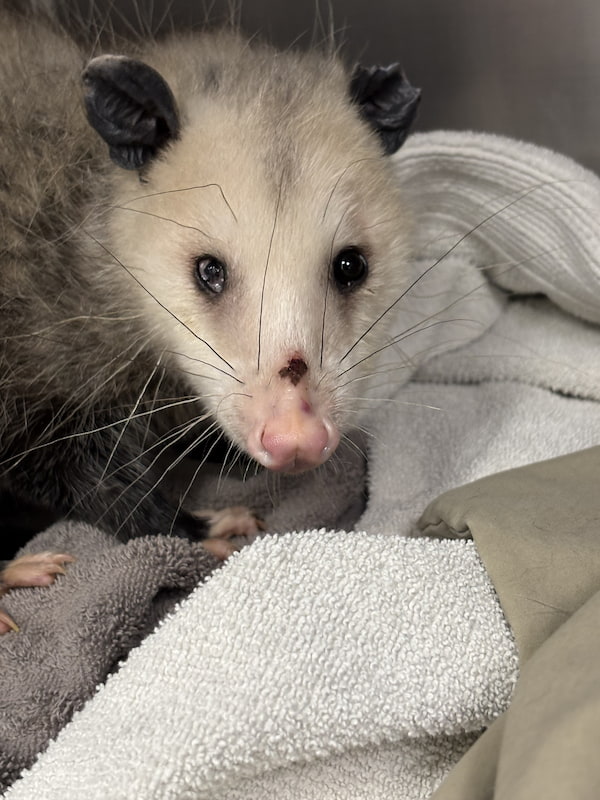
Virginia Opossum with non-symmetrical face due to metabolic bone disease.

On September 9, 2024, we received a juvenile male Virginia opossum that a finder found in their yard struggling to walk. Upon exam he struggled to walk and lacked coordination in his back legs. Additionally, his face was swollen and asymmetrical. Due to the possible orthopedic issue and significance of ataxia we opted to take radiographs.

Virginia opossum x-ray.

The radiographs showed that the opossum had a decrease in bone density, and severe malformations of the long bones primarily at the femoral head which is the part of the femur that connects to the hip. They were so degenerated that they appeared to be absent. All the joints appeared to be affected in some way, but that was the most notable location. These changes to the bones and the facial asymmetry led to our diagnosis of nutritional secondary hyperparathyroidism. Our belief is that he was kept as a pet for a significant amount of time when he was younger by someone who did not have the proper knowledge or credentials and then he was released. He also had a very high body condition score indicating he ate well, which would not have been possible on his own, in the wild, due to his musculoskeletal abnormalities. Even though he ate well, he did not receive the proper nutrients needed for bone formation and maintenance. Unfortunately, due to the severity of the malformations and the fact that multiple joints were affected the most compassionate care we could provide was humane euthanasia. He likely had arthritis, which is painful and overall had a poor prognosis for surviving in the wild as the damage done was irreversible.

Common Snapping Turtle Case

Common snapping turtle on exam table for initial exam after arriving to the Wildlife Medical Clinic.

While the Virginia opossum did not have the outcome we hoped for, our next patient, a common snapping turtle, has a more positive outcome. On November 11, 2023, we received a juvenile male common snapping turtle after it was found abandoned in a vacated apartment where he was owned for around two years. He was found dry docked and severely dehydrated. Upon physical exam he was severely dehydrated, his shell appeared too small for his body and was soft and flat. Additionally, he had signs of stunted growth. All of this points to NSHP, primarily the softening of the shell and stunted growth.

Common Snapping turtle x-ray

This was confirmed through radiographs, which showed decreased bone density and stunted growth Fortunately, unlike the opossum the damage was reversible. He was put on a proper diet along with consistent UVB and heat and now just over a year later he has grown a considerable amount and his body condition has greatly improved. While this is great news, he still is not releasable due to his friendly nature. Because of the time he spent in captivity, he is habituated to people. We have been working on finding him a permanent home and have received interest from an out of state nature center. However, if for some reason this home doesn’t work out, we will keep looking.

Lessons Learned from these Cases

These two cases illustrate the importance of nutrition and proper care for animals. If you want to own a pet, make sure you do the proper research and have everything set up and ready for them before you bring them home. Picking out a pet should not just be done on a whim. They are living creatures that require care and work. The snapping turtle shows the importance of doing research and being committed to owning a pet. Obviously, we don’t know the circumstances of his abandonment, but this is unfortunately an all too common occurrence when it comes to reptiles. Reptiles are unique in their dietary and husbandry needs, which need to be known by the owner, or else serious health issues like metabolic diseases can arise. The case of the Virginia opossum illustrates the importance of knowing who to contact, and only taking care of wildlife if you have the proper knowledge, credentials, and permits. The WMC is built on the idea of us working with the public to better the quality of life for wildlife. If you see an animal that you think needs help, don’t try to keep it and care for it on your own, because it can put you and the animal in danger. Contact a licensed rehabilitator or reach out to the Wildlife Medical Clinic and we can help provide guidance on what to do and who to contact. We hope these cases illustrated how important animal nutrition and husbandry is, why it is best to leave wildlife in the wild, and if help is needed to please contact a licensed rehabilitator.

Written By: Dylan, Class of 2026

Wildlife Medical Clinic
John A. Coyne South Clinic
2100 South Goodwin Avenue
Urbana, IL 61801
217-244-1195