Sydney Oliveira, WMC Program Coordinator and Sarah Hollander, vet student and Wildlife Ambassador Care Coordinator, introduce us to one of the WMC ambassadors, Maize, the corn snake. Learn about Maize and why snakes are so important in the environment.
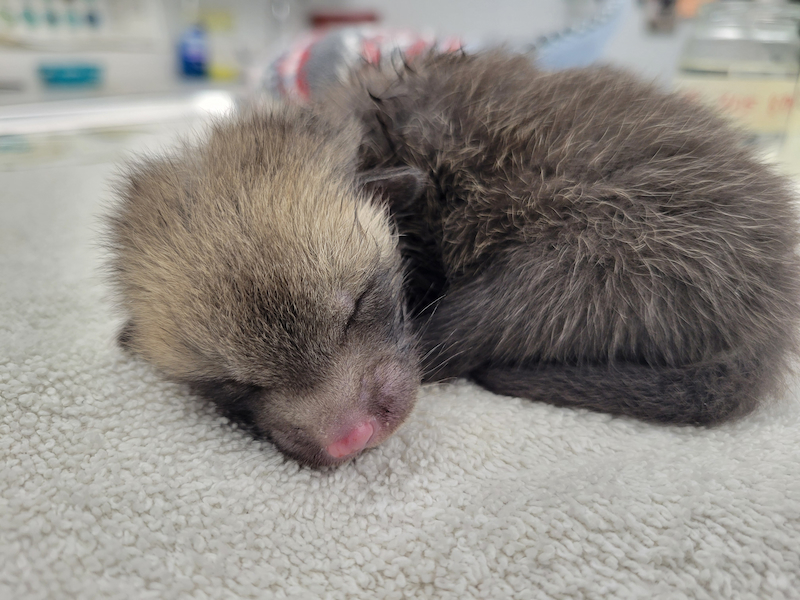
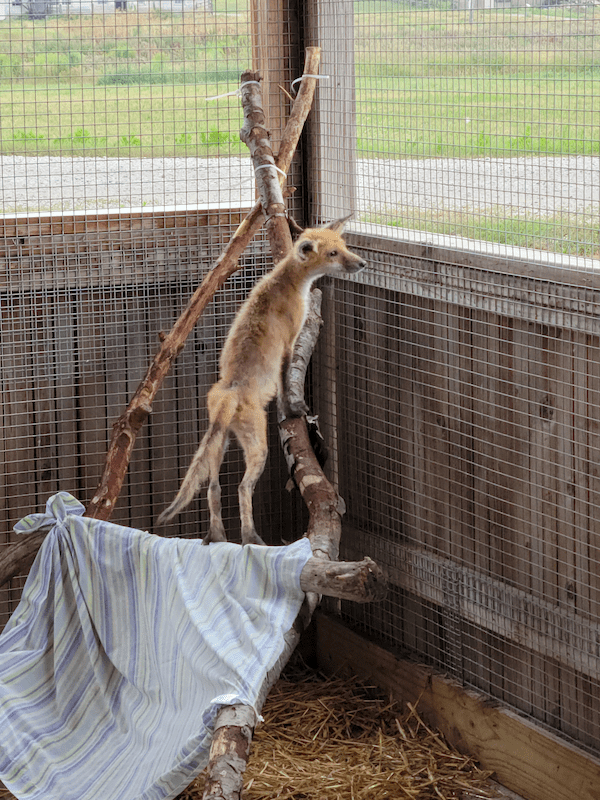
The red fox (Vulpes vulpes) is a part of the Canidae family and can be found to weigh seven to eighteen pounds, which is about the same weight of the average house cat! They also come in a range of sizes but on average these animals are about three feet long from their nose to the tip of their fluffy tail!
Red foxes are found all throughout Illinois but are less commonly seen in the southern part of the state. They are becoming more common in urban communities due to being outcompeted and predated by growing coyote populations. Foxes are mostly active at night which means they are nocturnal! However, they can also be crepuscular, where you may see them wandering around at dawn and dusk. This is prime time to go hunting for small mammals such as mice and rabbits.
While these animals may appear to be a carnivore, they are actually omnivores! Aside from eating small animals, come summer time, they also dabble in snacks such as local fruit/berry plants, vegetables, other edible plants, and insects.
The Dangers they Face
Due to habitat loss and the increase in coyotes, foxes have had to start relocating to more urban locations. While this is not ideal, they have managed to adapt. However, humans are one of their greatest threats. One of the largest causes of mortality is collisions with vehicles. Aside from that, hunting and trapping of fox is another danger they face.
The average lifespan of a wild red fox is about three to seven years. At birth, birds of prey (falcons, hawks, owls) are another source of mortality, specifically in kits (young foxes). Likewise, those coyotes that were mentioned earlier, they will also prey on young and even adult foxes. However, sometimes coyotes will kill them, not to eat them, but to reduce competition; this is known as competitive exclusion.
Common Diseases
Red foxes breed during January to early February and then give birth from late March to late April. With an increase in population, this means a greater chance of spreading disease! Common diseases in red foxes include the following:
Rabies
Rabies is a zoonotic disease which means it can be spread to humans and is typically fatal if not quickly addressed by medical attention. Fortunately, medical intervention is very efficient in preventing the infection if treated immediately. But be careful and be responsible around foxes if you encounter one. It is best to give them space and not approach them.
Sarcoptic Mange
Sarcoptic mange is a disease that is highly infectious. It is a disease resulting from mites that like to burrow in the fur and skin of foxes. While it is transmissible to humans, we fortunately don’t make good hosts for these mites, so they are less likely to survive on us. You may feel itchy for a while, though. The foxes on the other hand, they will require medical care to help clear the disease since it can affect them much more severely than humans. The mites might cause symptoms similar to that of more intense allergic reactions and cause a foxes’ fur to fall out as well as cause extreme skin irritation which can lead to open wounds forming.
Coccidiosis
Coccidiosis is a disease of the intestines. It is caused by a variety of protozoan species. Protozoans are single-celled organisms. These species of Coccidiosis protozoa may cause symptoms of diarrhea and abdominal irritation or even death in foxes.
Conclusion
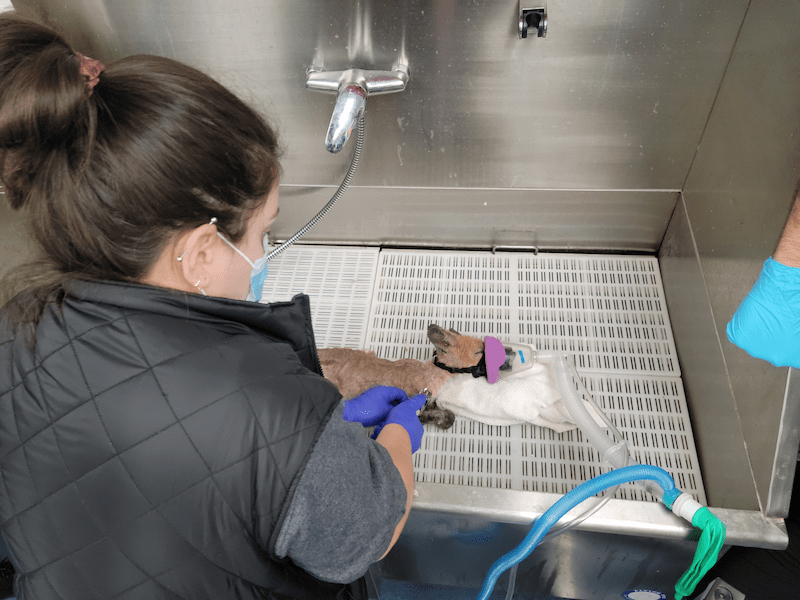
Fortunately, the red fox can have an increased chance of surviving certain diseases with proper veterinary care. This would include giving medication such as antibiotics (depending on the disease) to the fox as well as keeping the area clean and sanitized while the fox is being cared for.
What is Nutritional Secondary Hyperparathyroidism (NHSP)?
Nutritional secondary hyperparathyroidism (NSHP) is unfortunately a common type of metabolic bone disease that can occur in any animal but is most often seen in reptiles and amphibians. This condition most often occurs in captivity when an animal is not receiving the proper husbandry. NSHP can occur when the animal’s diet does not have enough calcium, or vitamin D3, or in the case of many reptiles when they do not receive enough UVB (ultraviolet B) light. Vitamin D3 is required by the body for calcium absorption, so as a result the parathyroid gland, which is found in the neck with the thyroid, begins to produce more parathyroid hormone (PTH). The primary function of the parathyroid gland is to tightly maintain calcium levels and keep them balanced. As a result of the decreased calcium and lack of vitamin D3 the secreted PTH stimulates osteoclasts in the bones, where most calcium is found, to begin resorbing the bones breaking them down causing the calcium to be released back into the bloodstream. Calcium is extremely important throughout the body where it is required for nerve transmission, muscle function, blood clotting and a multitude of other vital bodily functions. While the calcium needs to be in the blood it does so at the expense of the bones.
Why do we see NSHP in Wildlife?
When the bones are broken down to provide calcium it causes them to lose density making them more susceptible to injury. Additionally, there are developmental deficiencies associated with growth that can occur too. All of these make the lives of animals very difficult. NSHP is not as prevalent in the wild, because the animals tend to get enough sun and eat a proper diet. There are two main reasons we see this, first is when people have a pet and they don’t do proper research on housing and diet requirements and therefore don’t meet the needs of their pet. The second reason we see this is due to well-meaning individuals finding wildlife and then proceeding to care for them or keep them in captivity instead of bringing them to a licensed rehabilitator. Wildlife requires specialized diets and housing that are hard to meet in captivity and while people try their best, they often fail to meet the needs of these animals and don’t realize that for most wildlife, permits are needed to care for them, so keeping them in captivity is actually illegal if you don’t possess the proper permits. To further illustrate the effects of NSHP, we will review two cases we have recently seen in the Wildlife Medical Clinic.
Virginia Opossum Case
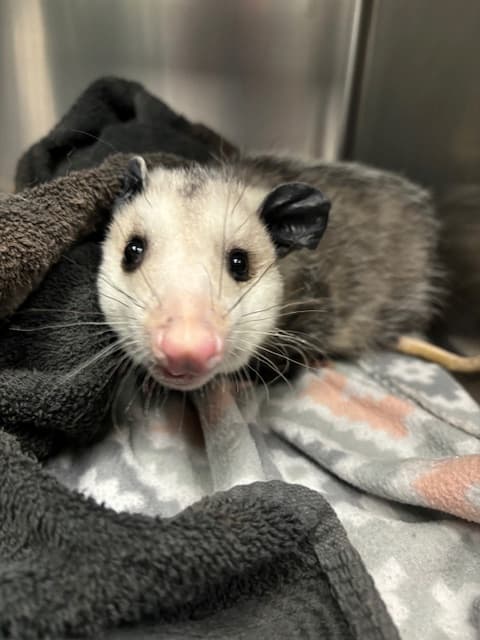
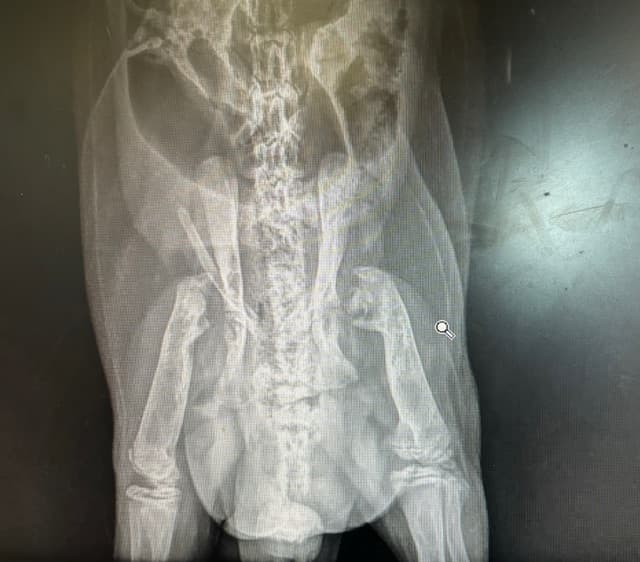
On September 9, 2024, we received a juvenile male Virginia opossum that a finder found in their yard struggling to walk. Upon exam he struggled to walk and lacked coordination in his back legs. Additionally, his face was swollen and asymmetrical. Due to the possible orthopedic issue and significance of ataxia we opted to take radiographs.
The radiographs showed that the opossum had a decrease in bone density, and severe malformations of the long bones primarily at the femoral head which is the part of the femur that connects to the hip. They were so degenerated that they appeared to be absent. All the joints appeared to be affected in some way, but that was the most notable location. These changes to the bones and the facial asymmetry led to our diagnosis of nutritional secondary hyperparathyroidism. Our belief is that he was kept as a pet for a significant amount of time when he was younger by someone who did not have the proper knowledge or credentials and then he was released. He also had a very high body condition score indicating he ate well, which would not have been possible on his own, in the wild, due to his musculoskeletal abnormalities. Even though he ate well, he did not receive the proper nutrients needed for bone formation and maintenance. Unfortunately, due to the severity of the malformations and the fact that multiple joints were affected the most compassionate care we could provide was humane euthanasia. He likely had arthritis, which is painful and overall had a poor prognosis for surviving in the wild as the damage done was irreversible.
Common Snapping Turtle Case
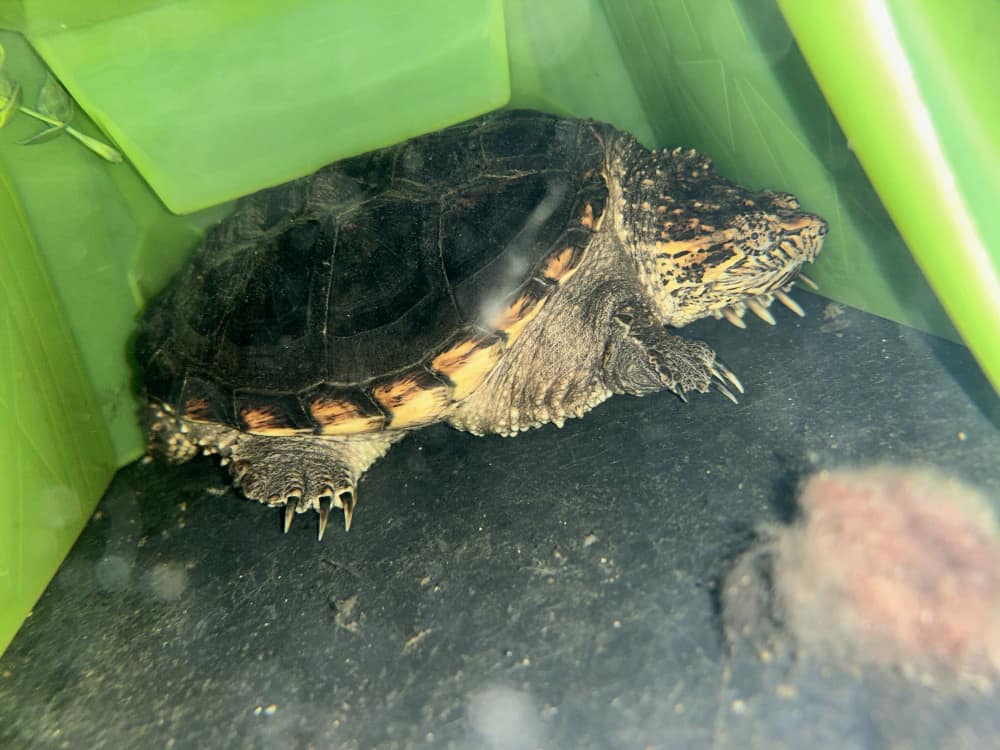
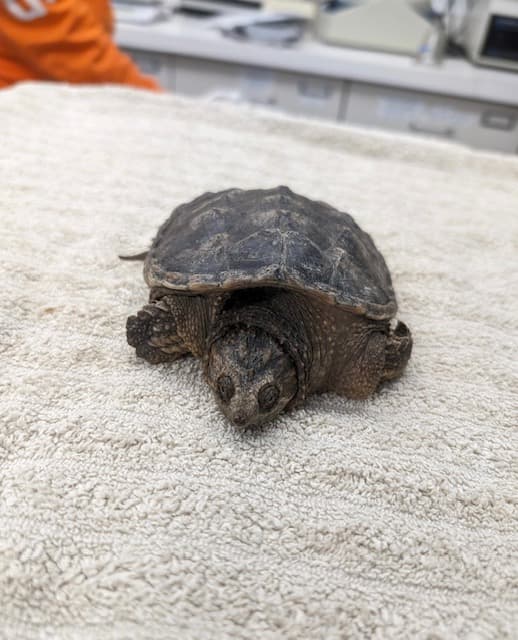
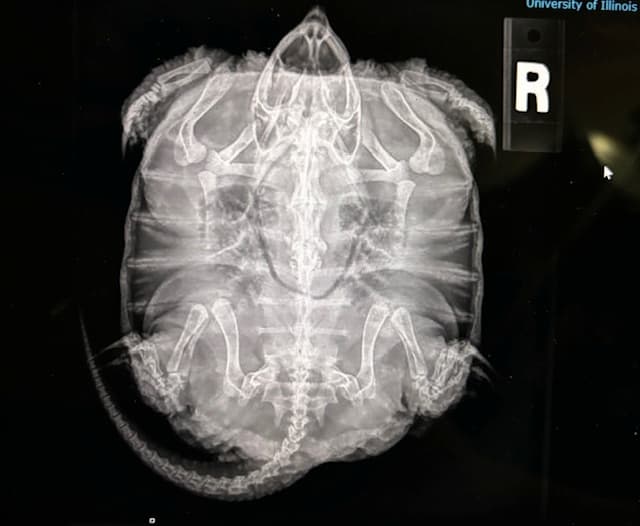
While the Virginia opossum did not have the outcome we hoped for, our next patient, a common snapping turtle, has a more positive outcome. On November 11, 2023, we received a juvenile male common snapping turtle after it was found abandoned in a vacated apartment where he was owned for around two years. He was found dry docked and severely dehydrated. Upon physical exam he was severely dehydrated, his shell appeared too small for his body and was soft and flat. Additionally, he had signs of stunted growth. All of this points to NSHP, primarily the softening of the shell and stunted growth.
This was confirmed through radiographs, which showed decreased bone density and stunted growth Fortunately, unlike the opossum the damage was reversible. He was put on a proper diet along with consistent UVB and heat and now just over a year later he has grown a considerable amount and his body condition has greatly improved. While this is great news, he still is not releasable due to his friendly nature. Because of the time he spent in captivity, he is habituated to people. We have been working on finding him a permanent home and have received interest from an out of state nature center. However, if for some reason this home doesn’t work out, we will keep looking.
Lessons Learned from these Cases
These two cases illustrate the importance of nutrition and proper care for animals. If you want to own a pet, make sure you do the proper research and have everything set up and ready for them before you bring them home. Picking out a pet should not just be done on a whim. They are living creatures that require care and work. The snapping turtle shows the importance of doing research and being committed to owning a pet. Obviously, we don’t know the circumstances of his abandonment, but this is unfortunately an all too common occurrence when it comes to reptiles. Reptiles are unique in their dietary and husbandry needs, which need to be known by the owner, or else serious health issues like metabolic diseases can arise. The case of the Virginia opossum illustrates the importance of knowing who to contact, and only taking care of wildlife if you have the proper knowledge, credentials, and permits. The WMC is built on the idea of us working with the public to better the quality of life for wildlife. If you see an animal that you think needs help, don’t try to keep it and care for it on your own, because it can put you and the animal in danger. Contact a licensed rehabilitator or reach out to the Wildlife Medical Clinic and we can help provide guidance on what to do and who to contact. We hope these cases illustrated how important animal nutrition and husbandry is, why it is best to leave wildlife in the wild, and if help is needed to please contact a licensed rehabilitator.
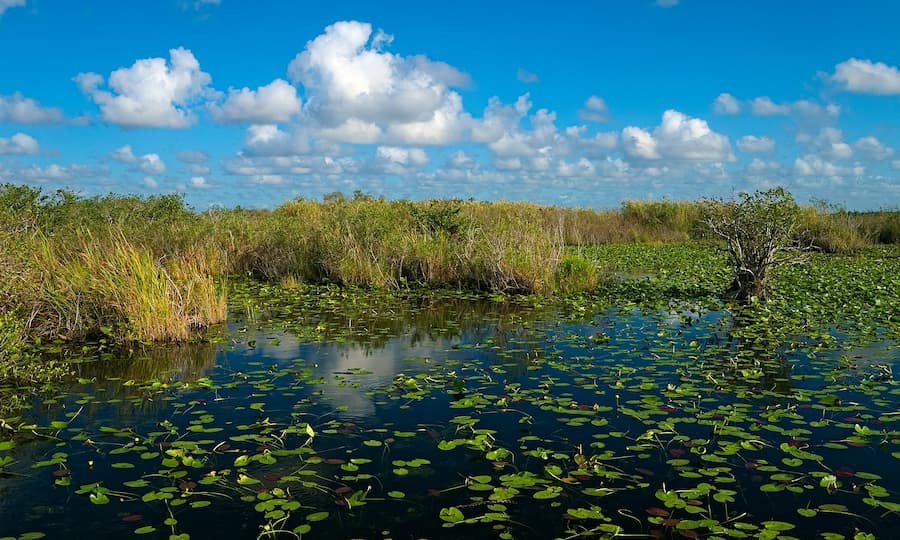
North American wetlands are a sight to behold, with their crystal water reflecting the sun’s rays and the vibrant fish swimming beneath. The woven nests of pied-billed grebes, adorned with the leaves of lush cattails, deep blue wild iris, and brilliant yellow marsh marigolds, add to the beauty of these water-dominated landscapes. Despite their poor, oxygen-starved soils and highly variable conditions, these incredible ecosystems support more than 40% of the world’s biodiversity. Embark on a journey to explore the wetlands of North America, from the saltwater mangroves of the Gulf Coast to the interdunal wetlands of the Door Peninsula and witness the unique bird species that depend on them.
Gulf Coast Mangroves
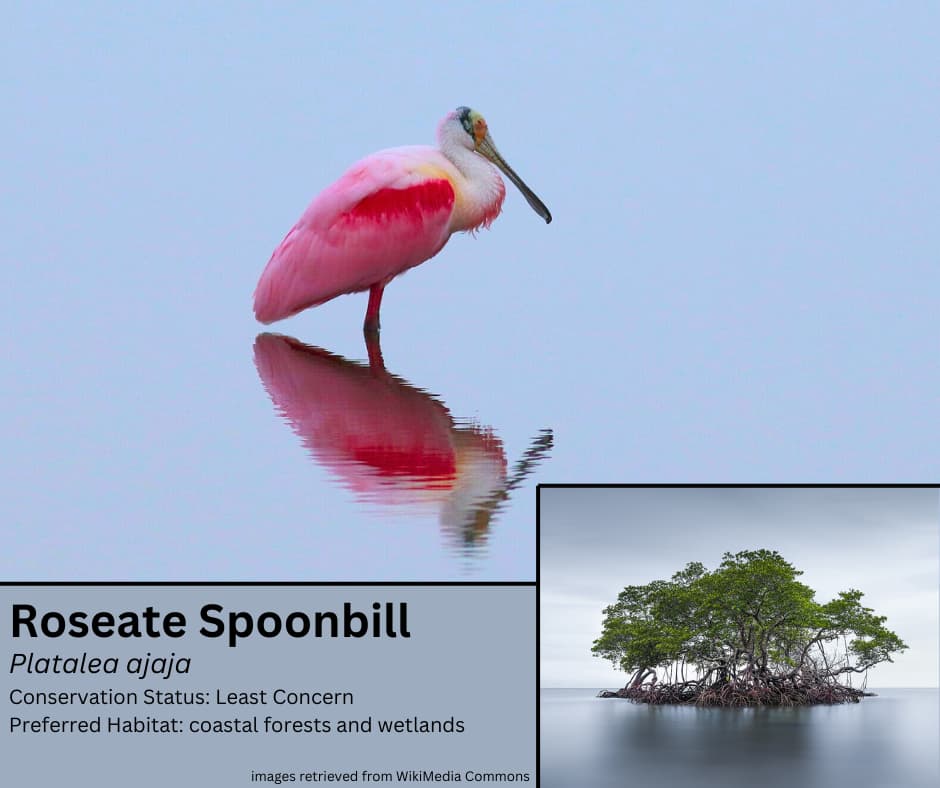
We begin amongst the mangroves of the Gulf Coast. A mangrove is one of many species of trees specially adapted to live within coastal intertidal zones, the area between the lowest and highest tides. The intertidal zone can be covered in freshwater, saltwater, or a mix at any time. It can also be ten or more feet deep or completely dry, sometimes even on the same day. These drastic changes mean the mangroves provide stable shelter to numerous species wishing to call the coastal intertidal zone home.
One such species, the roseate spoonbill (Platalea ajaja), can be found along the coasts of Florida and Louisiana in the United States. Its range once stretched along the entire gulf but was decimated by feather hunters in the early 1900s. It has stunning plumage, with a bright pink body, brilliant red along its wings, and an orange tail. Its most striking feature, and the reason for its name, is its spoon-shaped bill. This bill allows it to feed via “tactolocation,” where it slowly walks through the water, swinging its head back and forth, mouth open until it feels its favorite food (typically small fish or invertebrates) and snatches it out of the water. Essential locations protect many roseate spoonbill breeding sites, including Everglades National Park, the Kennedy Space Center, and the Merritt I National Wildlife Refuge. However, coastal development remains a significant threat as the spoonbills must forage beyond their nesting sites. This can be seen in the Florida Keys, where large developments have removed the mangroves and physically pushed the spoonbills to forage in new locations. Coastal development has also directly resulted in decreased water quality that impacts the fish and invertebrates on which the spoonbills depend. It’s crucial to recognize the importance of conserving fragile mangrove habitats to safeguard diverse and unique species like the roseate spoonbill for the benefit of future generations.
Cache River Wetlands
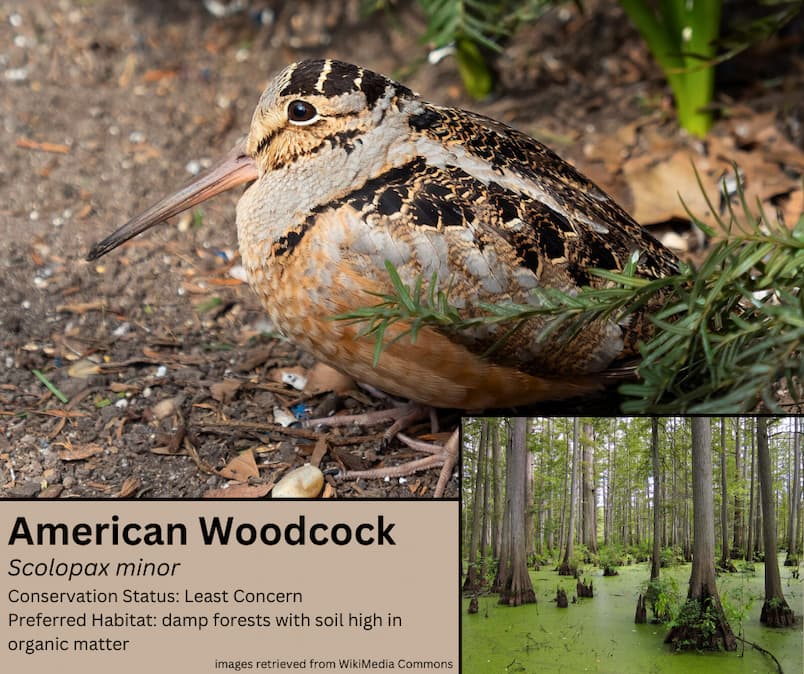
Next, we will stop within the Cache River Wetlands, one of 41 North American sites recognized as internationally important by the International Convention on Wetlands (Ramsar). This area supports a network of cypress-tupelo swamps. These beautiful ecosystems bring alligators and mosquitos to mind rather than the corn and soybeans one typically pictures when thinking of Illinois.
Along the edges of these swamps, where murky water gives way to rich, damp, worm-filled soils, lives one of North America’s strangest birds: the American woodcock (Scolopax minor). A member of the sandpiper family, this bird frequents swamp edges, damp forests, and other locations with soft soils perfect for digging up their favorite food: earthworms. Their long, think beaks pierce through the soil, probing for worms. Their tilted eyes, located so far back on their head that they are behind their ears, allow them to see the sky even when their beak is buried in the ground. Adding to their uniqueness is their buzzing call, described as “bzeep”, which can be heard emanating from the darkness of night as they perform their courtship rituals. All these traits have spurred the creation of a colorful host of names, including bog sucker, night partridge, and timberdoodle.
Great Lakes
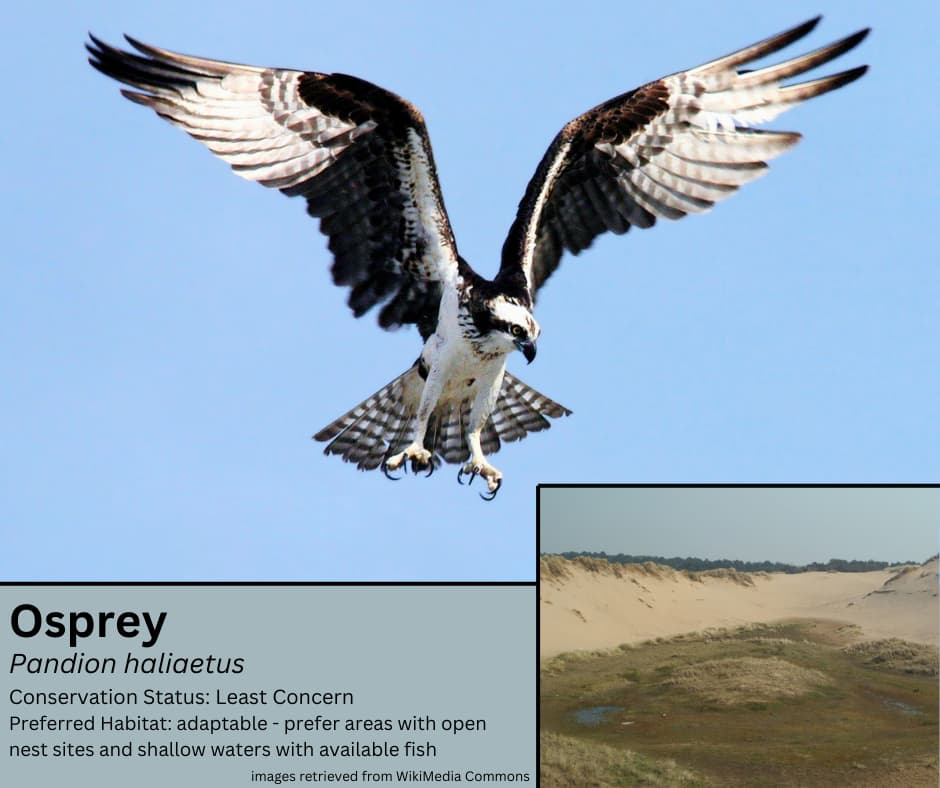
Farther north, we can find the Great Lakes, one of Earth’s most incredible freshwater ecosystems. These lakes make up 1/5 of Earth’s freshwater and hold more than six quadrillion gallons. Tucked along the western edge of Lake Michigan sits the coastal wetlands of the Door Peninsula, another Ramsar recognized location. These wetlands, called interdunal wetlands or dune slacks, are some of the most unique wetlands in the world. Coastal dune systems are shifting ecosystems defined by the movements of wind and water. Interdunal wetlands are created when strong coastal winds carve out sand to a point below the water table, allowing water to well up to the surface. Much like the dunes that surround them, interdunal wetlands change from day to day, decade to decade, and century to century as the dunes cover them, only to reveal them again in the future.
This pristine ecosystem provides the perfect habitat for the osprey, a widely admired raptor whose diet consists mainly of fish. Osprey populations rapidly declined from the 1950s through the 1970s due to the widespread use of the chemical pesticide DDT, which caused the thinning and weakening of bird eggshells. Studies of osprey provided the crucial evidence needed to enact bans against DDT, allowing bird populations across the country to begin to recover. More recently, habitat and nesting-site loss have impeded the osprey’s recovery, but the increasing popularity of artificial nesting platforms and the osprey’s preference for these platforms over other natural sites has allowed them to thrive once again.
Conserve Wetlands
From the mangroves of the Gulf Coast to the cypress-tupelo swamps of the Cache River Wetlands and the interdunal wetlands of the Door Peninsula, North America’s wetlands offer a diverse array of habitats for unique bird species. These wetlands not only provide a home for these remarkable bird species but also contribute to the rich biodiversity of North America’s landscapes, making their conservation imperative for generations to come.
Written By: Tyson, Senior Manager and Class of 2026.
What sort of hazards can fishing cause to wildlife? Learn about this and what you can do to prevent these hazards by watching our Wildlife Medical Clinic program coordinator, Sydney Oliveira, and manager, Tyson Jenkins during their recent appearance on CiLiving.
Spring migration is a magical time when birds return to their breeding grounds after a long winter. However, this journey can be perilous, with various challenges along the way. Dr. Stephany Lewis DVM CWR DABVP (Avian Practice), and Sarah Hollander, Wildlife Ambassador Coordinator will share insights on how to support migrating birds and other wildlife during their stopovers in your yard.
What do Spiderman, Iron Man, Wonder Woman, and the Veterinary Student all have in common? They are all heroes. Ever since I was a child, I have dreamt of becoming a superhero. I pictured myself as this fearless, gallant character in a comic book. A bold superhero who saves the lives of animals and people. Now that comic book is coming to life.
Let us begin with our exposition. Some heroes acquire their abilities, while others are born with them. The poor sickly orphan, Peter Parker gained his superhuman strength and speed once he was bitten by a radioactive spider, then took on the heroic name of Spiderman. It is simply not that straightforward for us. Veterinary students are special as they must work super hard to become the heroes that they are today. It was their unconditional love for animals of all shapes and sizes that called them to this career. A career that is centered around mute patients who can’t communicate their problems, so you are left with detective work to discover solutions. The average veterinary student knew they wanted to become a veterinarian the day that they knew that they could use the power of science and medicine to save animals. An ordinary moment that is captured at the beginning of many veterinary students’ journeys through a baby picture is them wearing their elevated costume of scrubs covered by a white coat with the dynamic equipment known as the stethoscope wrapped around their neck sitting next to their beloved pet sidekick. Our costumes might not look as marvelous in comparison to Superman, the Flash, or Black Widow. However, once we put on our costumes, we feel invincible.
As a child, I would beg my mom to take me to the zoo almost every weekend because I was fascinated by all the unique zoo animals. My mom expressed to me that she knew that I would become a veterinarian when she simply saw the joy that animals would bring me.
The road to veterinary school is complex. Most students attend veterinary school after obtaining a bachelor’s degree from an undergraduate college. However, others go through a nontraditional path and return to academics once they discover that veterinary medicine is their true passion. To become a Doctor of Veterinary Medicine, it requires precision, devotion, and intensive training. The exposure to numerous specialties allows students to find their calling to work in specific fields such as companion, farm, equine, zoological, aquatic, and wildlife medicine. Our opportunities are endless. They all share one similarity: being a healer for animals. When I first stepped into the Wildlife Medical Clinic, I was mesmerized by the ability to save the lives of injured and orphaned wildlife. I knew that this was my calling. A future in saving nontraditional species such as zoological, aquatic, and wildlife animals.
Like all superheroes learn quickly, team dynamic is necessary to become successful. We cannot do this alone. This clinic is student-run with the managers directing over eighty students broken into six teams with bold, courageous team leaders guiding the team members. We are a community of heroes. This clinic operates 365 days with the help of undergraduate students, veterinary students, house officers, and faculty members devoting countless hours. Outside of an intensive rigorous curriculum, students volunteer their time when they are not in class to provide the best care to patients. Many students dedicate their time to learning more about wildlife medicine, husbandry, nutritional needs, etc. Overall, we are working together to not only save lives but make a difference in this world. Like all superheroes, we learn the impact of allies. We depend on each other.
The climax is the moment that challenges every superhero and leaves them with difficult choices to make. During the summer of 2023, every day was filled with adventure from feeding orphans to triaging patients to providing medical treatment. At the end of a very long day, we were notified that an injured five-day-old white-tailed deer was waiting in the front lobby to be admitted to the clinic. This patient was in rough shape and presented as weak, non-ambulatory, and almost lifeless. The team quickly sprang into action and used whatever power that they had left and put it into this fawn. After providing intensive medical care, the outcome was not what they hoped and worked for. We spend most of our days in the clinic staying positive and living through joyful moments. Even so, we are sometimes faced with the realization that we can’t save them all. We are reminded that even for the patients that we lose, so many others are given another chance at life and released back into the wild through incredible care such as a red-tailed hawk with an ulnar fracture, a bald eagle with lead toxicosis, or a sickly red fox with mange. Even when we are faced with a difficult decision, supporting an animal through its toughest moments is the most courageous thing that we can do. That is the true power of our field.
Our journey through the Wildlife Medical Clinic has taught us to be advocates for all animals. Our work is not only done in an examination room. We can inspire the world to strive for lifelong education and preserve the environment through conservation efforts. We are in this field to be heroes for our patients. We are here to make a difference in this world. My comic storyline is not over. I have many unwritten pages awaiting me. Patients for me to learn and grow from. The Wildlife Medical Clinic will always be a monumental moment in my journey as a veterinary student.
Not all heroes wear capes – but these veterinary students do.
This article was written by Hassan, Class of 2025 DVM Candidate
With the weather getting colder, many wildlife are seeking warm places to spend the winter days. Dr. Stephany Lewis and Dr. Erica Bender join CiLiving to share with the community what pest control items are dangerous to wildlife and what alternatives can be used to keep critters out of your home.
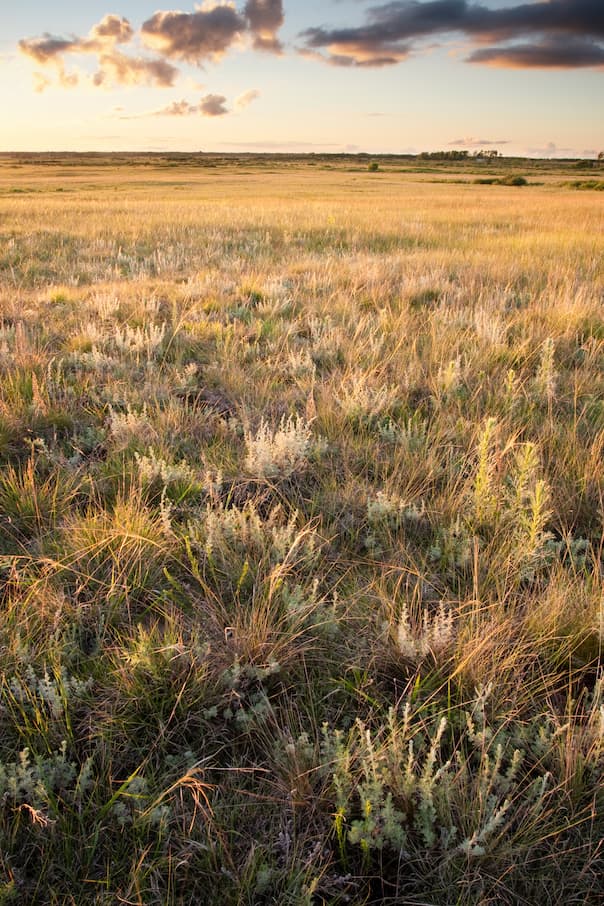
Imagine: a grassland stretching as far as the eyes can see, dotted here and there with small patches of trees. Great herds of animals cross the land, grazing on the plentiful vegetation. The disturbance they cause sends insects soaring into the vast sky, where thousands of birds swoop and feast. Smoke drifts on the horizon as gentle fires sweep across the hills, sending nutrients back into the rich, dark soils. This is the landscape that once covered more than a third of America and gave Illinois its nickname “the Prairie State.” What was this iconic ecosystem that supported a vast amount of animal (and human) life, and where did it go?
What is a Prairie?
Image retrieved from Wikimedia Commons
A prairie is a type of North American grassland that originally stretched from Ohio to the Rocky Mountains. It was formed in the rain shadow created by the Rockies as they stretched taller and taller, blocking the rains from the humid Pacific air from reaching the Midwest. There are three main types of prairies: shortgrass, found in the westernmost range, midgrass, found stretching from the Dakotas south to Texas, and tallgrass, the easternmost prairie that was once found across almost all of Illinois.
The tallgrass prairie was once the largest continuous ecosystem in North America, covering more than 170 million acres and supporting such a diversity of life that it was only rivaled by the Amazon Rainforest. When the glaciers of the Pleistocene (the most recent ice age) swept across Illinois, they left behind a landscape characterized by gentle hills and deep soils. This soil allowed tallgrass prairie plants to create extensive root systems that could reach more than ten feet deep, allowing them to survive in the harsh conditions prairies often experienced.
One such harsh condition that dominated the prairie: fire. During late summer and early fall, lightning strikes would ignite the landscape. The fire would burn the above-ground portions of the plants, but the deep roots would give rise to new growth next spring. The ash left behind would provide further nutrients, creating the incredibly rich soils prairies were known for. The seasonality of these fires protected plants as well, as there was never enough material built up to create massive fires whose heat could penetrate the soil. Additionally, the fires prevented tree growth, an incredibly important aspect of prairie maintenance as shade can kill prairie plants adapted to life under a constant, harsh sun.
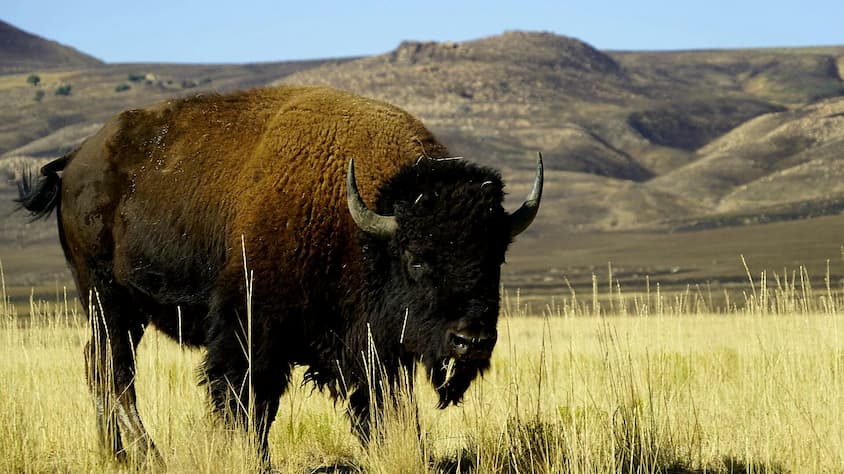
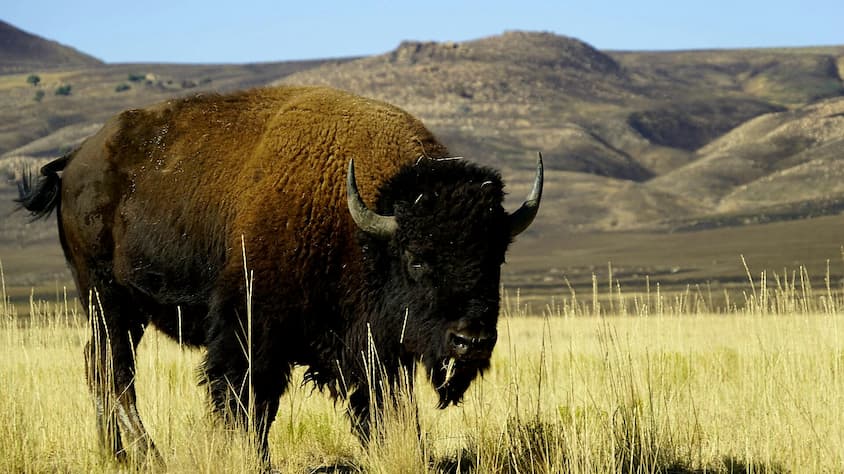
These fires benefitted the grazing animals that called the prairie home, as new growth is more palatable and nutritious than old growth. One such grazer is our national mammal, the American Bison (Bison bison). Bison graze on the prairie grasses for nine to eleven hours per day, working their way across the landscape. Compared to cattle, bison are more efficient grazers, utilize rougher terrain that cattle cannot, consume less, and are much less likely to graze the same area more than once per season. All of this means that the estimated 21-88 million bison present prior to European settlement coexisted with the landscape and improved it, acting much like fires did to add nutrients back to the soil and clear out dense plant life.
Bison (Bison bison) once roamed the prairie ecosystem in incredible numbers. Image retrieved from Wikimedia Commons
What Happened to the Tallgrass Prairie?
When European settlers first made their way across the American west, they described the land as “park-like” and filled with endless abundance. It was this belief that led to the disappearance of the prairie and the loss of its residents.
Purposeful overhunting of bison caused the species to drop to a record low of less than a thousand individuals by the start of the 20th century, removing an important ecosystem engineer and cultural cornerstone of Indigenous tribes. It was only through the conservation work of these tribes, as well as important public and private stakeholders such as the National Park Service, that bison are once again roaming what is left of the Great Plains.
Today, the “Prairie” state is better known for its agriculture, but prior to the 19th century it was thought to be unfarmable. All that changed with the invention of the steel plow by John Deere in 1837. Previously, plows were made from cast iron. Prairie soil and roots would stick to the metal, so farmers needed to continuously stop and clean them. The steel plow was thought of as “self-cleaning,” as the thick soil did not stick to it, allowing for continuous plowing. This invention tore through the prairie, opening the doors to some of the most fertile farmland in the entire world.
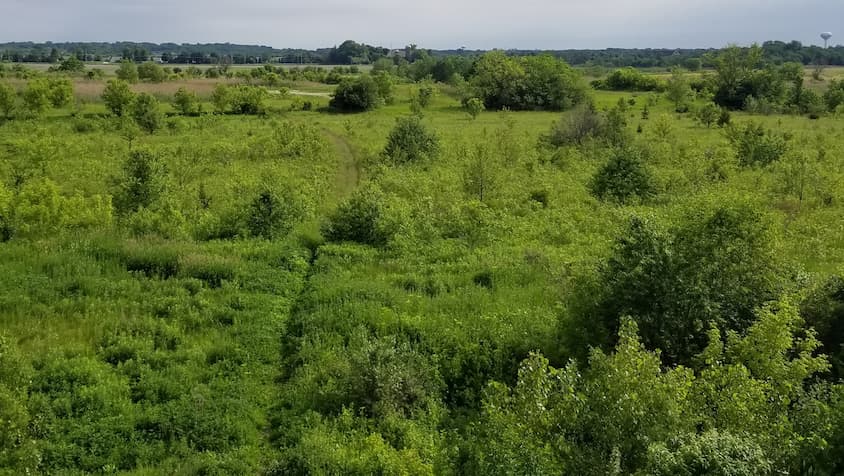
When not effectively managed, trees will encroach into the prairie.
European expansion also brought about an age of fire suppression, as fire and its effects on the land were relatively unknown by settlers until very recently. It wasn’t until the Yellowstone fires of 1988, in which centuries of fire suppression and brush build up led to the largest wildfire in Yellowstone history, that fire suppression policies were abandoned in favor of prescription fire and controlled burn practices, yet logistical and legal hurdles to these practices still exist. Prairie remnants that weren’t plowed slowly disappeared under the shade of trees previously prevented by grazers and fires.
Living Up to Our Name
How do we continue to feed a growing world while protecting and maintaining our natural resources? This is one of the greatest challenges to prairie protection and restoration in Illinois and across the Midwest. This question also continues to grow in relevance as research into the carbon sequestration abilities of prairies and grasslands sheds new light on their impact; since most of a grassland’s mass is beneath the soil, restoring grasslands has the potential to trap massive amounts of carbon much faster than newly planted forests can.
To understand our impact on the prairie, we must learn from one of the most important prairie engineers: humans. Prior to European settlement, the Plains Tribes managed prairies very similarly to the newly emerging management styles today. In many cultures, September was known as the “burning moon,” the time when the prairie was purposefully set ablaze to give rise to new growth. This new growth attracted grazers closer to tribal settlements, providing ample hunting opportunities. Unlike modern fire regimes, these ones were cultural: the act of burning provided access to traditional foods and materials that were sustainably utilized for centuries.
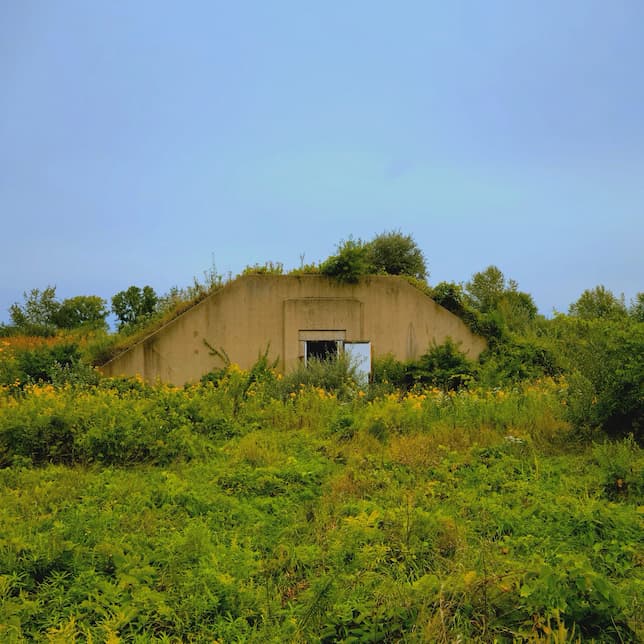
The tallgrass prairie can thrive in places it once grew, as seen in this image taken at Midewin National Tallgrass Prairie, a former munitions factory complex restored to a thriving ecosystem.
It was humans that shaped the prairies we recognize today, and it is humans that can bring them back. One important way to do that is to rethink how we utilize space. A typical grass lawn consists of only a few types of plants with very shallow root systems, in stark contrast to the deep-rooted prairie grasses. Very few animals can utilize grass lawns for food or shelter, whereas even a small area of native prairie plants can provide countless opportunities for all manner of living things. Bringing back the prairie can start in our own yards through the planting of native prairie species, many of which feature brilliant flowers and showy growth patterns that rival many non-native annuals. Utilizing plants adapted to this region also means less water and overall maintenance for the owner. It doesn’t need to stop at yards, either. Underutilized natural spaces are all around us. Along the edges of highways, underneath power lines, in the medians of parking lots: all it takes is a little soil and sun to create a patch of prairie.
Aside from physically planting new prairie, one of the most impactful ways to bring them back is to change people’s perceptions of them. Environmental education and access to high quality outdoor spaces have been positively correlated with improved awareness towards and positive attitudes regarding conservation and the environment, especially among children. One way to utilize this is to simply visit a prairie and truly take in what it has to offer. You can use the Prairie Scavenger Hunt resource featured in this article to encourage your children to explore and discover. When perceptions change and people understand and appreciate what prairies provide, conservation initiatives, public and private funding, and local, state, and federal policy changes follow.
Less than one hundredth of one percent of Illinois’ original prairies remain, but the number of new and restored prairies have steadily grown throughout the past decade. Together, through simple acts such as gardening and spreading awareness, we can finally live up to our nickname again and welcome people back to the Prairie State.
For information on how to landscape with prairie plants and where to find prairie remnants throughout Illinois, explore this website from the Illinois Natural History Survey.
To see the impact of prairie restoration and what a large prairie ecosystem looks like, visit the Midewin National Tallgrass Prairie, a part of the Chicago wilderness.
To learn more about the efforts of Indigenous tribes to improve bison populations and resecure food sovereignty, check out this website from the Intertribal Buffalo Council, a group of over eighty tribes facilitating the management of thousands of bison.
Dreitz, V. J., Stinson, L. T., Hahn, B. A., Tack, J. D., & Lukacs, P. M. (2017). A large-scale perspective for managing prairie avifauna assemblages across the western US: Influences of habitat, land ownership and latitude. PeerJ, 5, e2879. https://doi.org/10.7717/peerj.2879
Anderson, R. C., & Anderson, M. R. (1975). The Presettlement Vegetation of Williamson County, Illinois. Castanea, 40(4), 345–363.
Ardoin, N. M., Bowers, A. W., & Gaillard, E. (2020). Environmental education outcomes for conservation: A systematic review. Biological Conservation, 241, 108224. https://doi.org/10.1016/j.biocon.2019.108224
Aune, K., Jørgensen, D., & Gates, C. (2016). IUCN Red List of Threatened Species: Bison bison. IUCN Red List of Threatened Species. https://www.iucnredlist.org/en
Axelrod, D. I. (1985). Rise of the grassland biome, central North America. The Botanical Review, 51(2), 163–201. https://doi.org/10.1007/BF02861083
Bach, E. M., & Kleiman, B. P. (2021). Twenty years of tallgrass prairie restoration in northern Illinois, USA. Ecological Solutions and Evidence, 2(4), e12101. https://doi.org/10.1002/2688-8319.12101
Copeland, T. E., Sluis, W., & Howe, H. F. (2002). Fire Season and Dominance in an Illinois Tallgrass Prairie Restoration. Restoration Ecology, 10(2), 315–323. https://doi.org/10.1046/j.1526-100X.2002.02023.x
Frost, C. C. (n.d.). Presettlement fire frequency regimes of the United States: A first approximation. Fire in Ecosystem Management: Shifting the Paradigm from Suppression to Prescription, 70–81.
Garfinkel, M., Hosler, S., Whelan, C., & Minor, E. (2022). Powerline Corridors Can Add Ecological Value to Suburban Landscapes When Not Maintained as Lawn. Sustainability, 14(12), Article 12. https://doi.org/10.3390/su14127113
Nature—Tallgrass Prairie National Preserve (U.S. National Park Service). (n.d.). National Park Service: Tallgrass Prairie National Preserve, Kansas. Retrieved October 17, 2023, from https://www.nps.gov/tapr/learn/nature/index.htm
Purakayastha, T. J., Huggins, D. R., & Smith, J. L. (2008). Carbon Sequestration in Native Prairie, Perennial Grass, No-Till, and Cultivated Palouse Silt Loam. Soil Science Society of America Journal, 72(2), 534–540. https://doi.org/10.2136/sssaj2005.0369
Ries, L., Debinski, D. M., & Wieland, M. L. (2001). Conservation Value of Roadside Prairie Restoration to Butterfly Communities. Conservation Biology, 15(2), 401–411. https://doi.org/10.1046/j.1523-1739.2001.015002401.x
As we enter spooky season, the Wildlife Medical Clinic would like to share some ways to ensure the safety of wildlife around us. Join CiLiving and Sydney Oliveira, the Wildlife Medical Clinic Program Director, to learn about the impact of Palm Oil on wildlife and how to go about choosing environmentally conscious Halloween treats this season.