Third-year Celebration

The end of an era

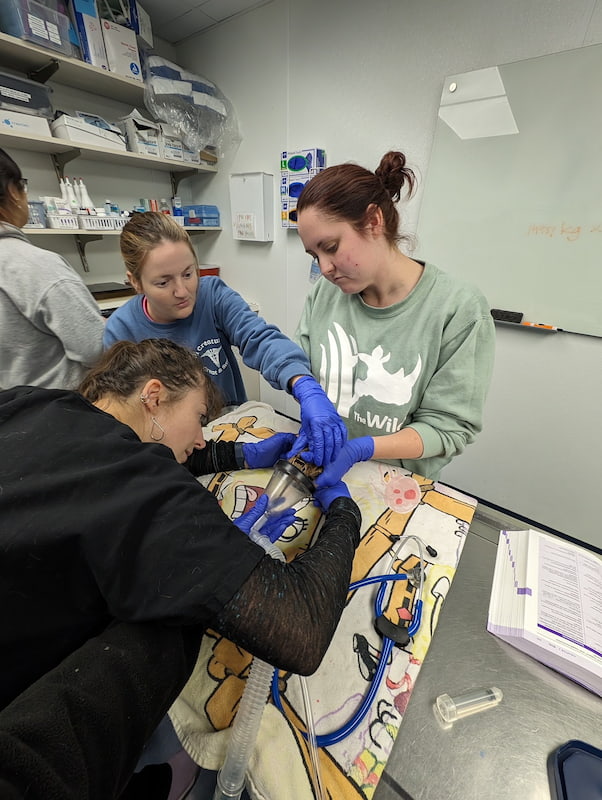
Time truly does fly when you are doing the things you love. In the blink of an eye, we, as the third years, are preparing to transition into the next step of our academic career. In this little corner of the South Clinic, memories are made, friendship blossoms, and knowledge is learned and passed down from one to another. As cheesy as it sounds, I will miss this place a lot. Like many of my peers, we have our fair share of learning curves. From the late-night orphan feeding to wrestling a bald eagle at 7 am. The never-ending raccoon wrangling and the splashing sessions with the giant snapping turtle. Looking back, all that was left was the laughter and teasing as we worked as a team and enjoyed the time we shared. 
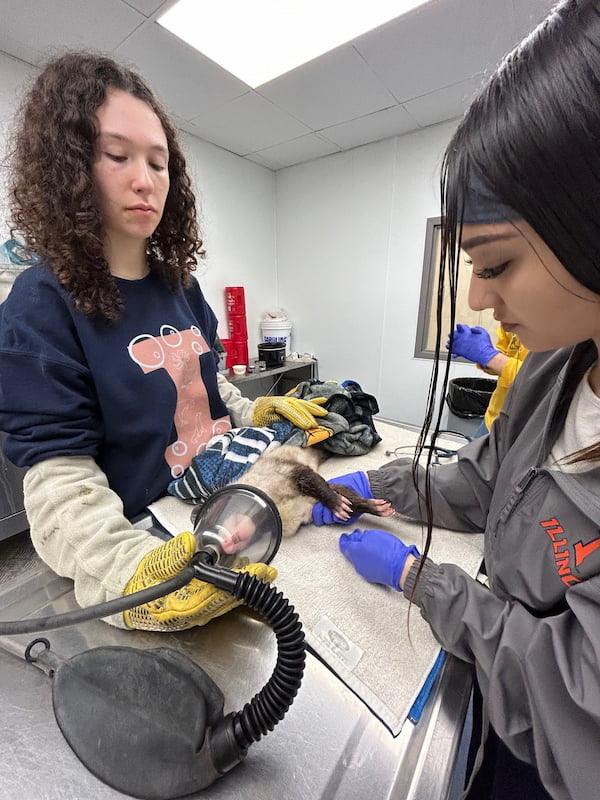
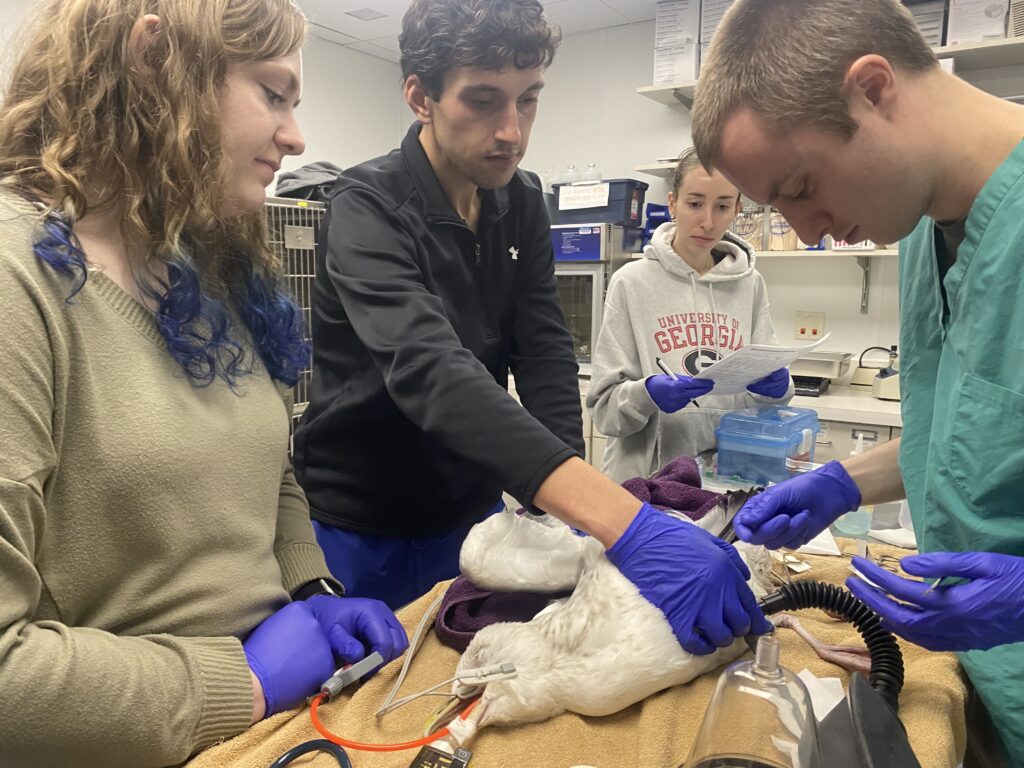
Two third-years working with an opossum under anesthesia

The third-year students serve as a cornerstone in the Wildlife Medical Clinic. Many of them take on the responsibilities as team leaders and have guided countless students through the ups and downs in wildlife medicine. Their dedication to teaching and learning has inspired many more students, just like how we are motivated by the ones before us. The near-peer mentorship highlights the wonderful things that the WMC provides. Thank you for all the hard work, time, and commitment of all third-year students who contributed to the WMC.

Send-offs for our third-years

Below are quotes from current WMC volunteers to showcase these wonderful attributes brought by our third-year students. 

“Hi Sarah! Thank you so much for being a great mentor and for always being an incredible team lead. I always appreciated your answers to my questions and your willingness to help and allowing us to learn. Good luck on clinics, you’re going to do great!!” – Christie 
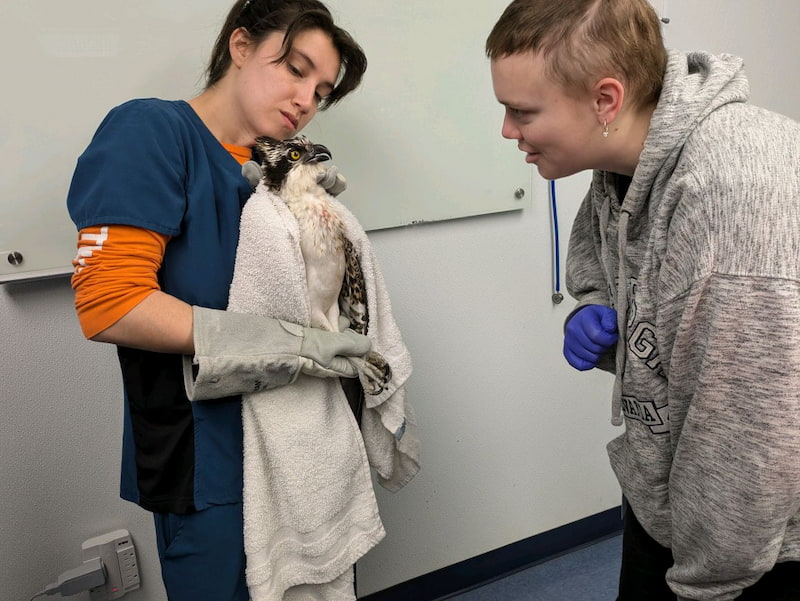
Two third year veterinary students are examining an osprey in the clinic

“Sof, you have been such an amazing teacher and are always pushing us to step out of our comfort zone while also always being on our side! The clinic was so lucky to have you and we’re going to miss you so much.” – Akasha

“Talia!! You’ve been an incredible role model to me! Your kindness, skill, and ability to teach and help us all learn the ways of wildlife have helped me grow so much! Thank you for always being there for each question that we’ve had and helping us navigate it all! I am going to miss having you as my team lead, but I’m so excited to see all the amazing things you’ll accomplish!”  -Becca
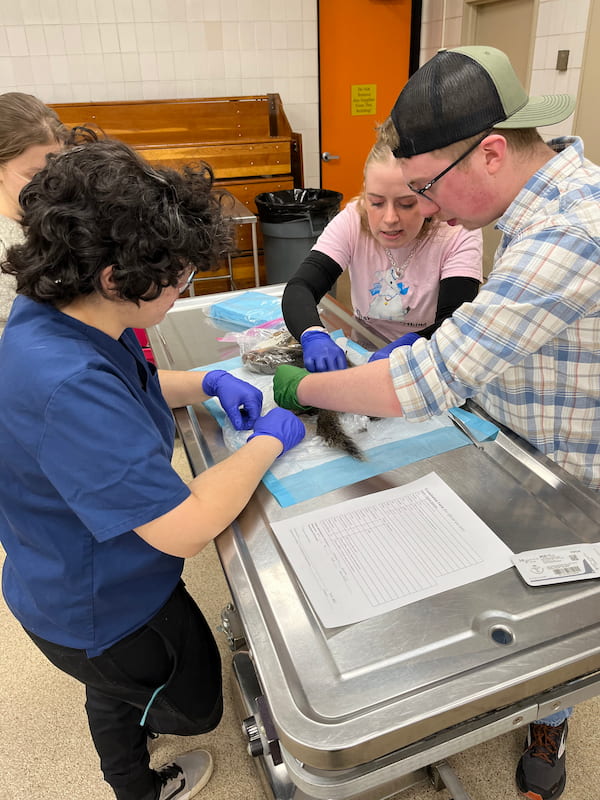
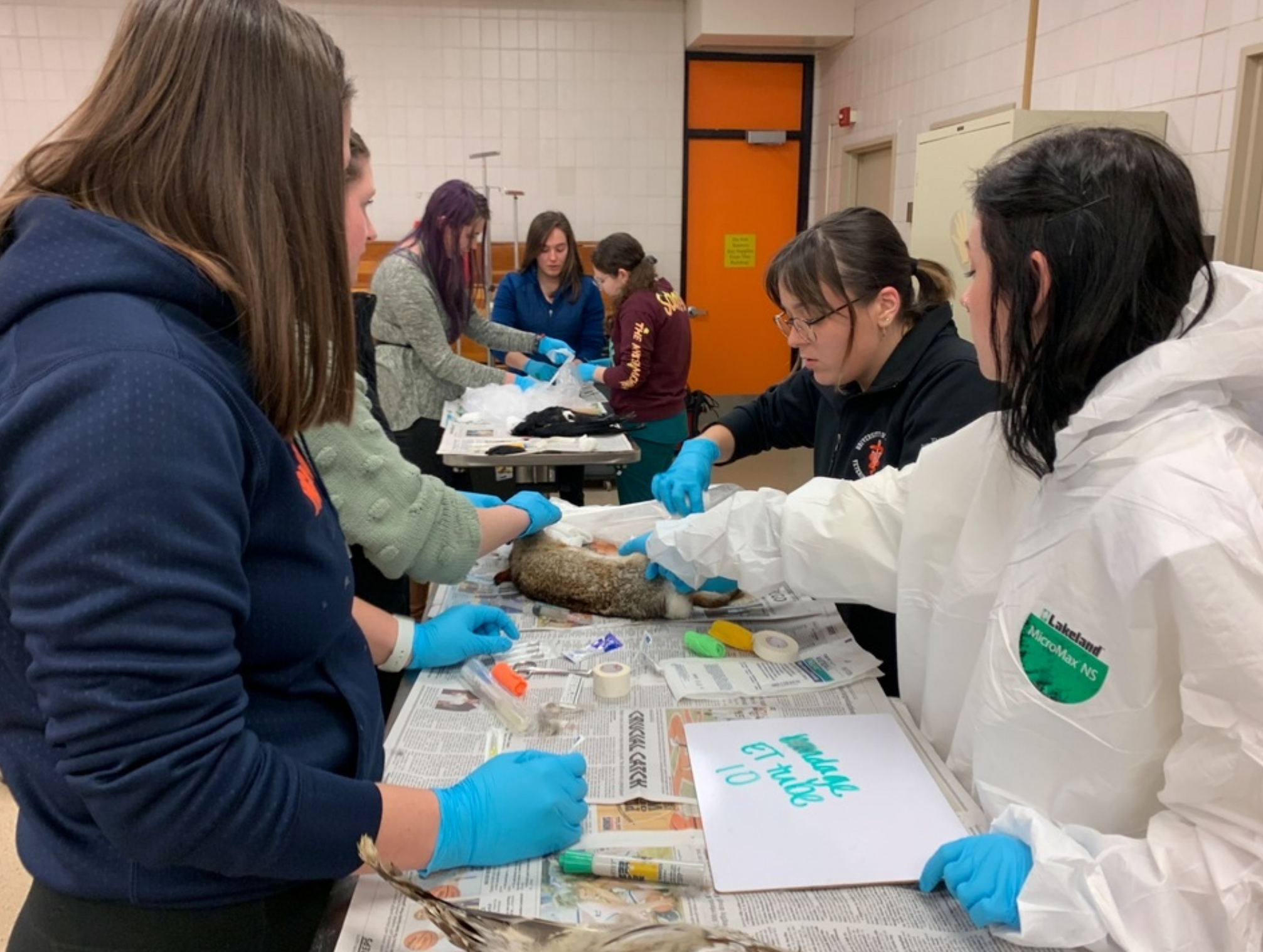
Several veterinary students are working with a squirrel

“Marg, congratulations on finishing your third year of vet school!! what an amazing accomplishment! Thank you for all that you’ve done for the WMC and for always looking out for me (and of course for all the rides to treatments)! I know you’ll make such a caring, compassionate veterinarian and be successful in whatever path you choose. Best of luck in everything you do!” – Michelle

“Becky, thank you for being the best WMC mentor these last 2 years! It’s so hard to imagine volunteering at the WMC without you there. You put so much dedication and passion into helping wildlife, it was truly inspiring. I hate that you have to leave, but I have no doubt that you are ready for clinics and will be successful in your veterinary career.” – Kayla

This is far from the end of the list of all the kind words volunteers have shared. Let us celebrate with all our third-year volunteers as they now take on the next challenge ahead. 

Thank you all, and cheers! 

-Written and organized by YiYing Tung, Class of 2026 
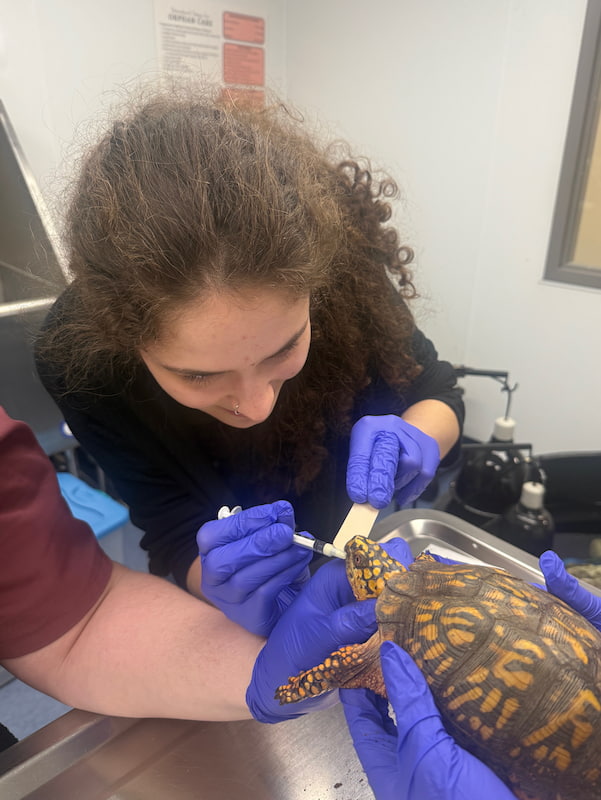
Meet the new WMC Manager!

A little bit about her

The Wildlife Medical Clinic is excited to introduce our newest student manager from the Class of 2028, Alyssa Guest! Alyssa is originally from New Boston, Michigan and graduated from Michigan State University in 2023 with a bachelor’s degree in Zoology. Her current veterinary medicine interests include wildlife and exotics, but she is keeping an open mind while she progresses through the veterinary curriculum. We sat down with Alyssa and asked her a handful of questions. Continue reading to learn more about her!

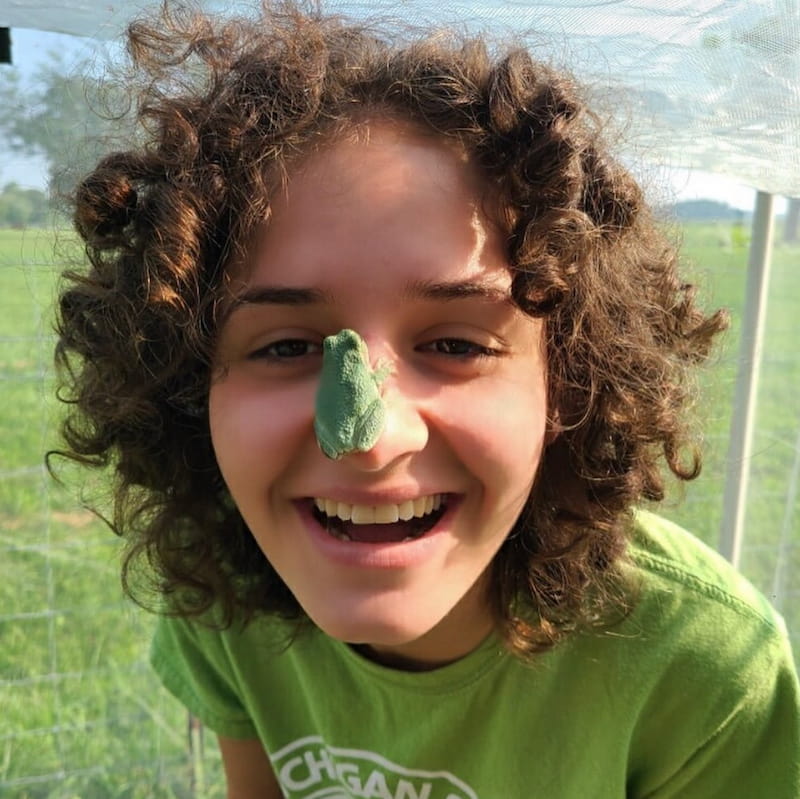
Alyssa smiling for the camera with a frog on her nose

We first inquired about Alyssa’s path to veterinary medicine and learned that when she was in high school, she originally wanted to pursue psychology until she took a zoology class. While she was in her undergrad at Michigan State, she still was unsure on what she wanted to pursue but knew that she liked working hands-on with animals. Alyssa found herself in a full-time research position the summer between her sophomore and junior year working with moths to control an invasive plant species, Swallow-Wort, commonly known as “Dog Strangling Vine”. After her time in a research setting, Alyssa then began working in a primary care veterinary clinic.

How she came to be manager

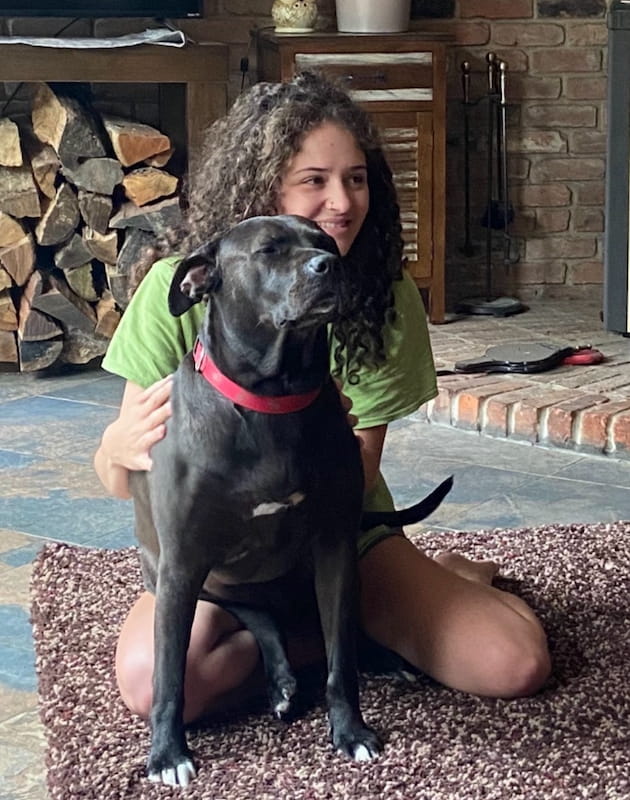
Alyssa poses with her dog at home

Next, we were curious to know why Alyssa was interested in applying for WMC manager. Alyssa was excited to share that one of her team leaders, Rachel, really planted the seeds in her head about applying for the position. After speaking with one of the current managers, Riley, Alyssa was very interested in all the different opportunities that she could have as a manager. More importantly, she wants to be heavily involved in providing education and comfort for all the volunteers.

While Alyssa is still a manager in training, she is looking forward to this upcoming summer where she will be in the clinic full-time with student interns, 4th year veterinary students, and faculty. Alyssa stated that she cannot wait to be able to put all her training to use as she works with more species and learns new skills. When it comes to her future goals, Alyssa wants to work towards becoming more comfortable with avian species while making the Wildlife Medical Clinic as enjoyable as possible for everyone involved. 

Lastly, we asked Alyssa what she enjoys outside of veterinary medicine and if she has any particular species, she hopes to encounter during her time in the WMC. Alyssa was delighted to share with us that she enjoys drawing, cross-stitch, and playing video games. As a bonus, she shared that she also knows how to play the trombone! When thinking about potential patients that could arrive at the clinic, Alyssa said that she would be excited to work with a pelican or other reptiles and amphibians. 

We are thrilled to welcome Alyssa into her new position as manager!

Written By: Rachel Eggleston, Co-Chair, Class of 2027

Thank you, Tyson! 

Changing of the Guard

Spring is the season of changes, and at the Wildlife Medical Clinic, we are experiencing our bittersweet moment. Every year around springtime, we prepare for the big transition of the manager position where our senior student manager leaves the wildlife clinic as they enter their clinical year. The Wildlife Medical Clinic is a fully student-run organization with the supervision and support of the faculty and house officers. It is a one-of-a-kind environment that provides unique experiences to our students for their growth in leadership, medical knowledge, and hands-on skills. Everyone is an intricate part of ensuring top-notch care to our patients. However, the unsung hero who works tirelessly in the background and polishes every screw and plate in this process are our student managers. They have dedicated an enormous amount of time, brain power, and labor to provide the best patient care and a high-quality learning environment for our students. 

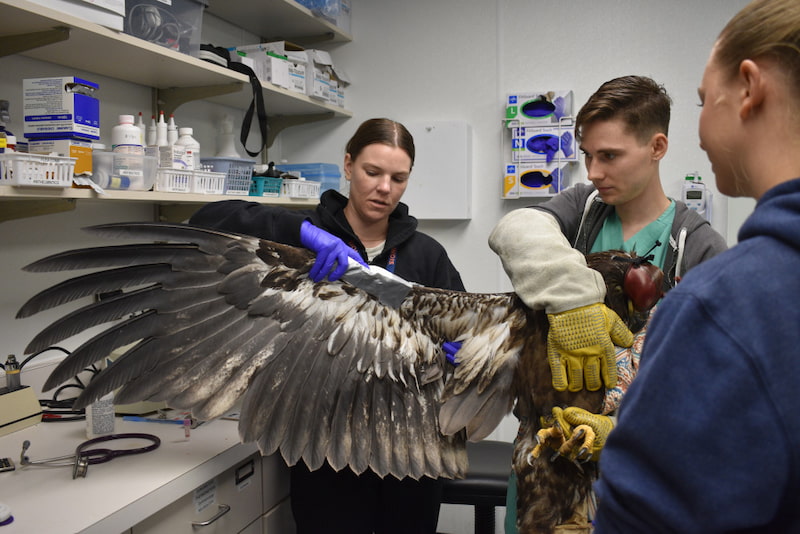
A veterinarian and two third-year veterinary students, including Tyson, are examining the wing of an eagle

Tyson Jenkins (VM26) is our current senior student manager who will be transitioning out of his position over Spring break as he prepares to enter his clinical year as a veterinary student. We are honored to have the chance to chat with him and excited to share the interview with you. His commitment to this position and all the hard work that he devoted to advocating for the volunteers, patient care, and his fellow classmates is something that we will be forever grateful for. We cannot wait to see his amazing accomplishments and the extraordinary clinician he will become. Thank you, Tyson! The clinic will surely miss you a lot! 

Q & A with the Man Himself

Q: What is the next step for you after clinical rotations?

A: “My goal is to apply for a wildlife specific internship. I’m currently looking at the Partners 4 Wildlife internship in Washington, Virginia Wildlife Center internship, and the Nebraska Wildlife Rehab internship. My main goal is to work in Wildlife Rehabilitation Medicine, they are currently working on having it established as an actual official specialty, so eventually I would like to be boarded in it if I can. My ultimate goal is to do wildlife full time.”

Q: What is one or a few of your best memories from the Wildlife Medical Clinic?

A: “I think it was really funny when we moved the bear”. [a brief pause with laughter] 

A: “I don’t really have a specific memory, but just the summer period in general where we have a smaller team, more targeted mentorship, and a much higher caseload. That was always my favorite part of the job, especially because I could focus on doing wildlife all day every day instead of having to balance schoolwork and other responsibilities. I very distinctly remember my very first treatment shift as a volunteer. One of the team leaders asked for volunteers to help with the hawk and I had zero training going in and she was basically like “If you don’t do it now, you’re never going to do it”, so she had me catch up the hawk my very first day in wildlife. I will never forget that because that set the expectation that hands on learning is the requirement in the clinic”.

Q: Do you have a favorite patient?

A: “I really like the resident snapping turtle even though he is so grumpy all the time. He is just fun to work with especially because he is a small snapping turtle, so he is good to learn on.”

A: “We had a neurologic goose my first summer that we basically built a wheelchair sling kind of thing for, and we would give it pool time, that was really fun.”

Q: What is something you’ve learned during your time as the clinic manager and also being a volunteer?

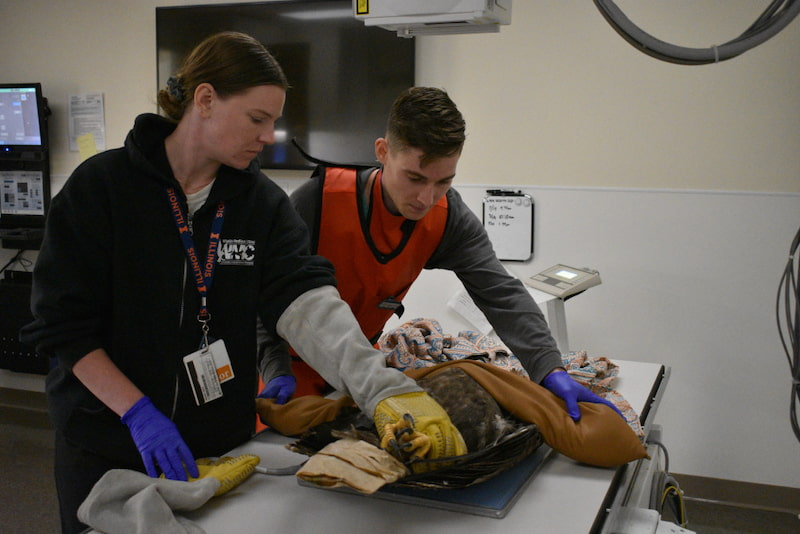
A veterinarian and Tyson are restraining an eagle for radiographs

A: “I think I have grown the most in my people skills. I kind of expected the clinical skills and the veterinary knowledge that comes with the position, but I didn’t fully expect how much being a manager and even being a volunteer is dependent on the people that you work with. Especially team building and conflict resolution and management and even just how to encourage people to do things successfully, that has been the biggest takeaway for me”. 

Q: Out of all the species you got to work with during your time, which one would be your favorite?

A: “I really love Cooper’s Hawks; I’ve said that all 3 years. Mostly because they are a nightmare and I think that’s really fun. We also had a Bull Frog that I loved very much”. 

A: “The otters were very cool. I never really expected to get otters. The experience of working with a carnivore like that was really cool.”

A: “I also just really love Canada Geese as patients, I think they are really rewarding to work with as much as people don’t like them.” 

Q: What is your biggest piece of advice for current and future volunteers?

A: “Take every learning opportunity that’s given to you. I think the Wildlife Clinic is much better suited for the hands-on learning that students are looking for. I remember going on clinical rotations my 1st and 2nd year and being really disappointed because it felt like my learning as a 1st and 2nd year wasn’t a priority. Whereas when you’re in the wildlife clinic, you are there because we want you to practice those clinical skills and soak up all the knowledge from everyone around you. Remember that you are there to learn and take all those opportunities that you can, especially being a primary because that is huge that you can have primary case management as a 1st or 2nd year because you don’t get that anywhere else in the hospital”.

Q: What are you going to miss the most about WMC?

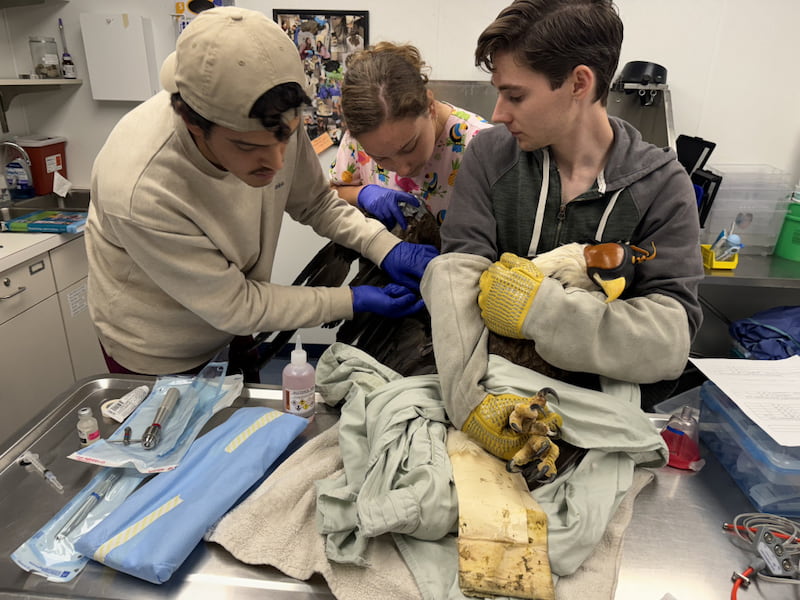
Veterinary students, including Tyson, are restraining and examining an eagle

A: “Number one are the people. I think going into clinical rotations, I’m really going to miss the creative aspect of working in the Wildlife Medical Clinic, like the directly creative aspect where I was always putting together posters and learning materials and presentations. But also, there is something about Wildlife Medicine where you are kind of always making it up as you go. That sounds bad, but there are a lot of patients that we either don’t have the husbandry resources for or they have really specific requirements for care that you have to figure out how to create and that’s one of the things that I enjoy the most about wildlife medicine and I think I’m going to really miss that in a more standard hospital setting”. 

Q: Lastly, is there anything else you would like to share with the readers?

A: “Peace!”

A: “I’m going to miss everyone and I know the clinic is going to continue to grow and do amazing things and I’m very happy and extremely lucky to have been a part of that for the past 3 years”. 

Praise for Tyson

We would also like to share a few quotes from our clinic directors and student volunteers that highlight Tyson’s dedication and achievement as a student manager! 

-Interview conducted by Rachel Eggleston (VM27), article organized by YiYing Tung (VM26) 

Welcome to our New House Officers

House Officers and the Wildlife Medical Clinic

This year we have some new faces around the clinic as we welcome our new house officers! The house officers are a very important aspect of the Wildlife Medical Clinic because they are essential in helping with procedures, mentoring, and guiding our veterinary student volunteers as they provide medical care to our patients. We asked them each a few questions and are excited to share their answers with you!

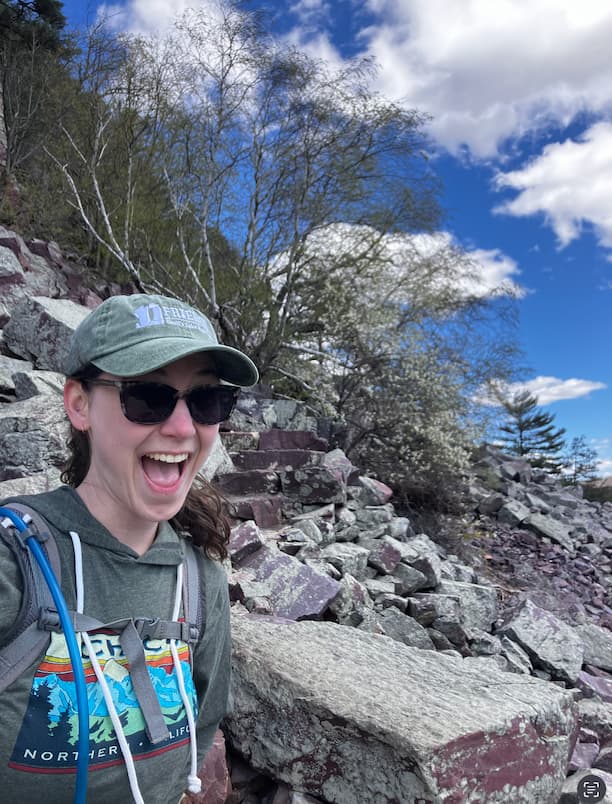
Dr. Stephanie Elliott has a large smile on her face as she descends down a very rocky, steep incline.

Meet Dr. Stephanie Elliott!

Dr. Elliott is originally from Oroville in northern California, and she graduated from UC Davis School of Veterinary Medicine in 2023. Dr. Elliott is our newest Zoological Medicine Specialty Interns.

Question & Answer with Dr. Elliott

Why did you choose to come to UIUC Vet Med?

I am excited about this program because it is unique in that it combines rotations through wildlife medicine, zoo companion medicine, and traditional zoo medicine, all of which I enjoy and want to learn more about.

What are your career interests and aspirations?

I am pursuing traditional zoological medicine and am interested in everything! I haven’t narrowed it down quite yet, although I do enjoy neurology and ophthalmology.

What is your favorite wildlife species to work with?

My favorite species are box turtles!

What are you most looking forward to at the Wildlife Medical Clinic?

I am looking forward to learning more about quality wildlife medicine for all species, especially surgical techniques, and working with students throughout the year. She hopes to take the skills she learns with her to help any future animals/wildlife she works with!

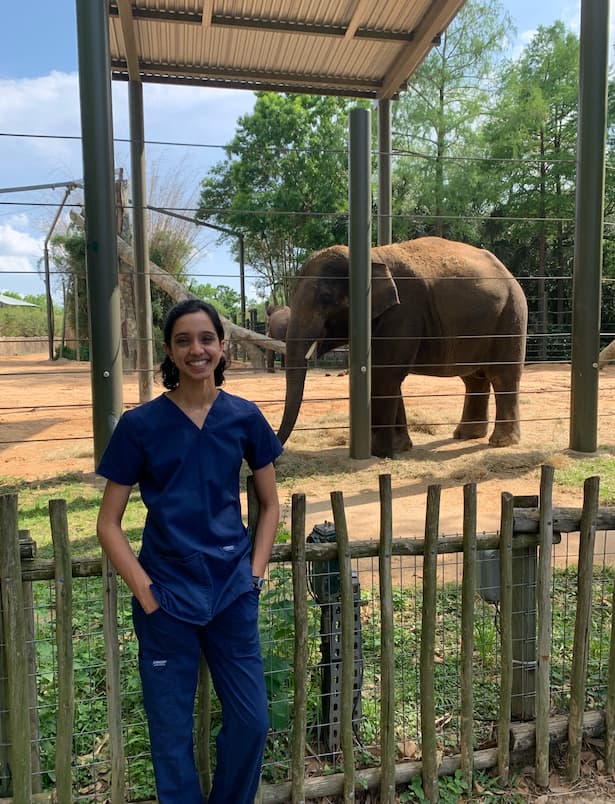
Dr. Maya Iyer is photographed in front of an elephant exhibit at a zoo. There is an asian elephant standing on the other side of a fence behind her and another elephant in the distance.

Meet Dr. Maya Iyer!

Dr. Iyer is originally from Houston, Texas and is also a graduate of UC Davis School of Veterinary Medicine, class of 2022. Dr. Iyer is our first year IZAAR (Illinois Zoological & Aquatic Animal Residency) resident. She will spend her entire first year of her residency rotating through all the services in UIUC’s Zoological Medicine department, including the Wildlife Medical Clinic!

Question & Answer with Dr. Iyer

Why did you chose to come to UIUC Vet Med?

UIUC has a really strong program for zoo and aquatic animal medicine that gives residents a wide breadth of training, from wildlife to companion zoo species in an academic setting, to a traditional zoo and aquarium. I’m looking forward to getting experience in all these areas through my residency training.

What are your career interests and aspirations?

My goal is to become a board-certified specialist in zoological medicine, and I hope to work as a clinical veterinarian at a traditional zoo/aquarium after my residency. I would also love to use my clinical skills to help contribute to species conservation both locally and internationally someday!

What is your favorite wildlife species to work with?

I have a soft spot for chelonians (turtles and tortoises)!

What are you most looking forward to at the Wildlife Medical Clinic?

I’m most looking forward to being able to work alongside vet students at WMC – this is such a great learning opportunity for students, and I’m already so impressed with all the care and passion they put into their cases. I’m also new to Illinois so am looking forward to learning more about all the cool, local species that make Illinois their home!”

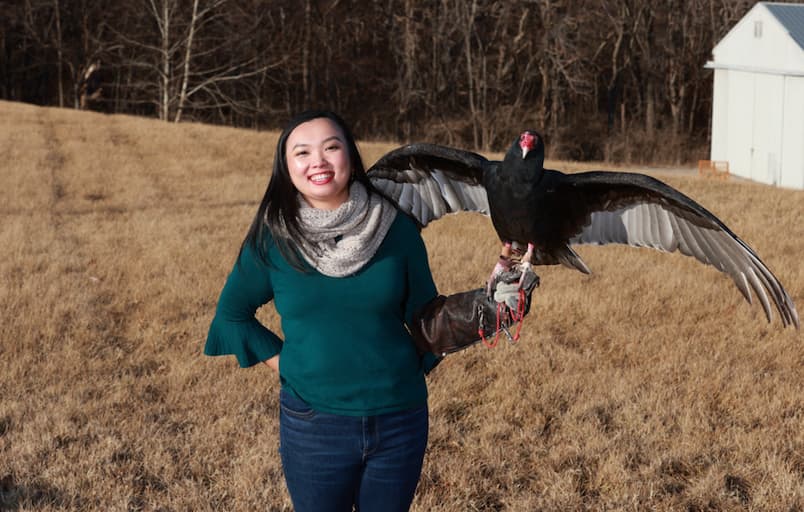
Image of Dr. Annie Le in a grassy/forested area with a trained adult Turkey Vulture on her left hand. She is wearing a falconry glove and the bird has falconry equipment on (anklets, jesses that are secured to the glove).

Meet Dr. Annie Le!

Dr. Le is originally from Leicester, Massachusetts and she attended veterinary school at the University of Missouri! She graduated with her DVM degree in 2023 and was also able to earn a master’s degree in public health. Dr. Le is our newest IZCAR (Illinois Zoo Companion Animal Resident).

Question & Answer with Dr. Le

Why did you choose to come to UIUC Vet Med?

I chose to attend UIUC as it is one of the few places that had a zoological companion animal focus program. I visited UIUC last year as part of my externship during my small animal rotating internship and enjoyed my time here. I also liked that there are so many ACZM diplomates that are part of the UIUC team that I can lean on for support.

What are your career interests and aspirations?

My ultimate career goal is to become ACZM boarded with a focus in Zoo Companion and be able to work in private practice or academia. There are not many schools with an exotics program, such as Missouri, so I would like to fill that gap and be able to share my knowledge and experience with inspiring ZCA vets. Eventually, I would love to go into consulting and be able to help private practitioners who are interested in seeing exotics in their practice feel more comfortable in doing so. I would love to eventually earn my wildlife rehabilitator license in whatever state I end up in, specifically for turtles and tortoises.

What is your favorite wildlife species?

Virginia opossums and turtles!

What are you looking forward to the most at the WMC?

I am looking forward to working with various wildlife species and thinking of different ways to manage them so that they are able to return back to their normal habitat in the wild. Oftentimes, their health issues arise from the impacts of human activities, so I feel like we should help them as much as we can. With wing trauma/fractures being prominent in birds that come to wildlife rehabbers, I would love to be able to gain experience in surgical repair. Same with shell repairs in turtles and tortoises.

Do you have anything else you would like to share with our readers?

I’ve been involved with wildlife rehabilitation since college with my first exposure being at Tufts Wildlife, which is where I fell in love with diamondback terrapins and other reptilian friends. During all four years of vet school, I was involved with the Missouri Raptor Rehab Project and have become comfortable working with birds of prey. Fun fact, I have a tattoo of a spotted turtle and an Eastern Screech Owl. The owl portrays the two education birds I worked with at both Tufts (Percy) and at Missouri (Agnes). I am also an avid cat lady with four cats (Greg, Walter, Eleanor, and Alfred) and love houseplants.

Written By: YiYing, class of 2026 and Rachel, Class of 2027.

The Good, the Bad, and the Sticky: Breakup with Glue Traps

Have you ever been walking along on a sunny day in the spring, going to visit your family, perhaps, when suddenly, you find yourself ankle deep in cement? Or quicksand? Maybe molasses? If you answered “yes” to any of these scenarios, then you will be able to empathize very well with what animals experience when they encounter a glue trap.

The Reality of Glue Traps

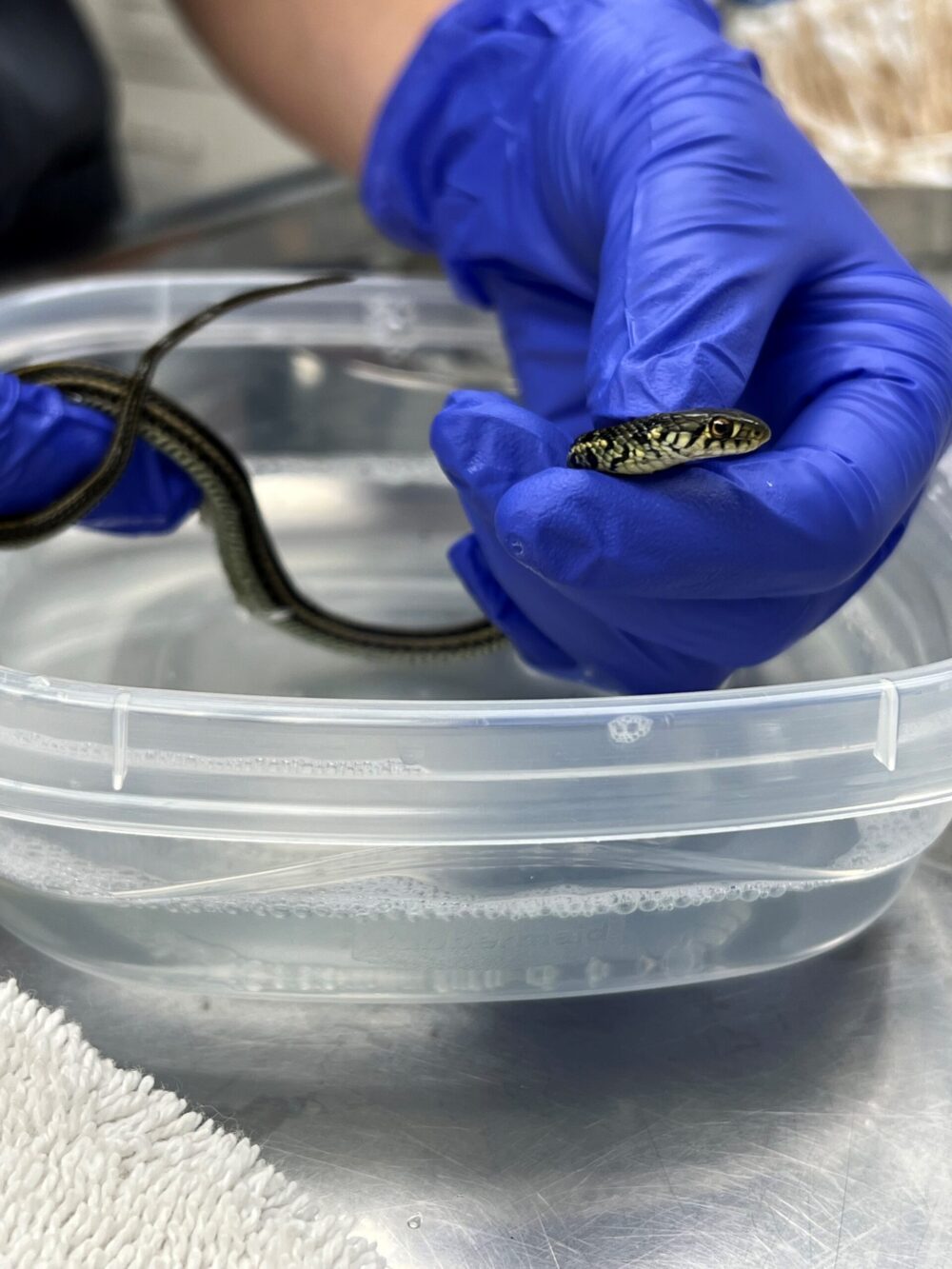
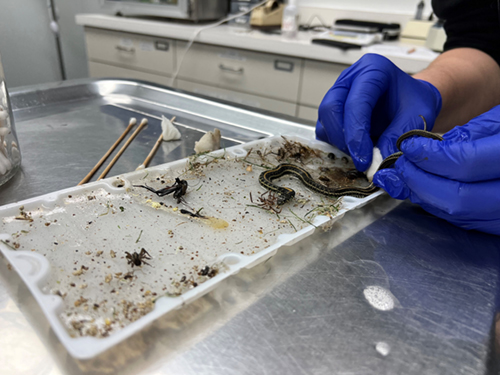
Glue traps are used to prevent animals such as rodents from entering unwanted areas. That is how they are advertised, at least. The reality behind glue traps is far from that simple, however. Glue traps are one of the most inhumane methods of pest control that currently exists, despite being commonly used. They frequently catch more than just rodents; any type of animal can get stuck in one, such as birds, reptiles, amphibians, invertebrates, and even cats if they’re small enough.  Just this year, the Wildlife Medical Clinic received several animals stuck to glue traps. Most recently, it was two Common Garter snakes, and they were stuck on the same trap. Thankfully these snakes were brought to us before they experienced any significant state of decline and were eventually released, but many animals are not so lucky.

Most animals that are caught by these traps do not have a quick painless death. They can be trapped for several hours to several days before succumbing to dehydration, starvation, exhaustion, and exposure to the elements. If they are lucky enough to be rescued, many still have lengthy stays at rehabilitation centers due to injuries from trying to free themselves and may need time for feathers and fur to grow back and damaged scales to heal. Thankfully though, there are several effective and humane alternatives!

How we can Help

Wildlife Medical Clinic professional works to remove a snake from a glue trap
Here, we can see how wildlife creatures get completely stuck to glue traps.

The best way to keep unwanted wildlife guests out of your home is to ensure that it’s locked up tight and is very uninviting (think, opposite of Goldilocks and the Three Bears). That means storing food in air tight, sealed containers, as well as making sure any cracks or holes leading in are sealed up, especially during the change of seasons. This applies beyond just mice and rats as well; this will ensure you do not have any LARGER guests, such as squirrels or even raccoons, finding your house just a little too inviting.

If you do ever have some unwanted visitors in your home, though, there are solutions to help them find their way out that avoid things like glue traps, or even having to use lethal force most of the time. Different scents, bright lights, and loud music are a few of the options. Basically, make your house unhospitable to your unwanted guests. Strong scents like peppermint will deter them from an area, so applying a few drops on some cotton balls and leaving them at potential entry points around your home (and out of reach of pets and small children!) is a great alternative. Snap traps are another way that you can prevent your home from becoming the new hotspot on the block for wildlife. Other methods such as rodenticides and moth balls are not recommended; rodenticides cause devastating damage to wildlife populations through the food web. Rodents ingest the toxin directly, then carnivores such as raptors, coyotes, foxes, and more, ingest the poison indirectly after they consume what they think is an easy meal, aka, the carcass of a rodent who ate rodenticide. Moth balls are carcinogenic and should not be left out for anyone to be exposed to, humans included!

So, this spring, in the spirit of new life and warmer weather, opt out of the old methods of keeping furry friends out of your house. This is one of the single instances in life where you are ENCOURAGED to be a bad neighbor (play loud music, keep bright lights on, have noxious smells around your home) in order to keep yourself, your family, and also wildlife, safe and free, especially from glue. Happy Spring!

This article was written by third year student Macy (class of 2025)

Third-Year Students’ Appreciation Post

At the Wildlife Medical Clinic, students are the doctors. Under the guidance of our faculty and staff, students learn to formulate treatment plans, work up procedure details, and be closely involved with their patients’ day-to-day care. However, what is often critical in these decision-making steps is the support from their team leaders and senior classmates. Peer mentoring is one of the foundations of the student learning experience in the wildlife clinic. Senior students on the team are often the first point of support when their teammates seek advice on their patients.

They provide insight and guidance through their own experiences and are excellent mentors for our newer volunteers. Now that spring break has ended, the third quarter has officially closed, and third-year students have received their white coats. The third-year veterinary students will begin their clinical rotations for their final year of vet school. Words cannot describe how excited we are for their upcoming journey and while we are sad to see them leaving the clinic, we wish them the best in their future endeavors. Below, we would like to share some of the numerous quotes and well wishes given to our third-year student volunteers by our first and second-year student volunteers.

Students around an operating table operating on an animal
This image shows our past senior manager, two volunteers and a house officer preforming an exam on a wildlife animal.

Christina, after being on a team with you for the last three years, I am so glad we were able to be team leaders together! You are an amazing teacher and always lighten the mood during the hardest days. Your jokes and ability to hold the team together have made you a valuable member of AMCO! We know you’ll be doing the same on clinics and we hope you have a great time!! Good luck Christina!! – Jacob, Class of 2026

Student in a mask looking down at a bird being operated on
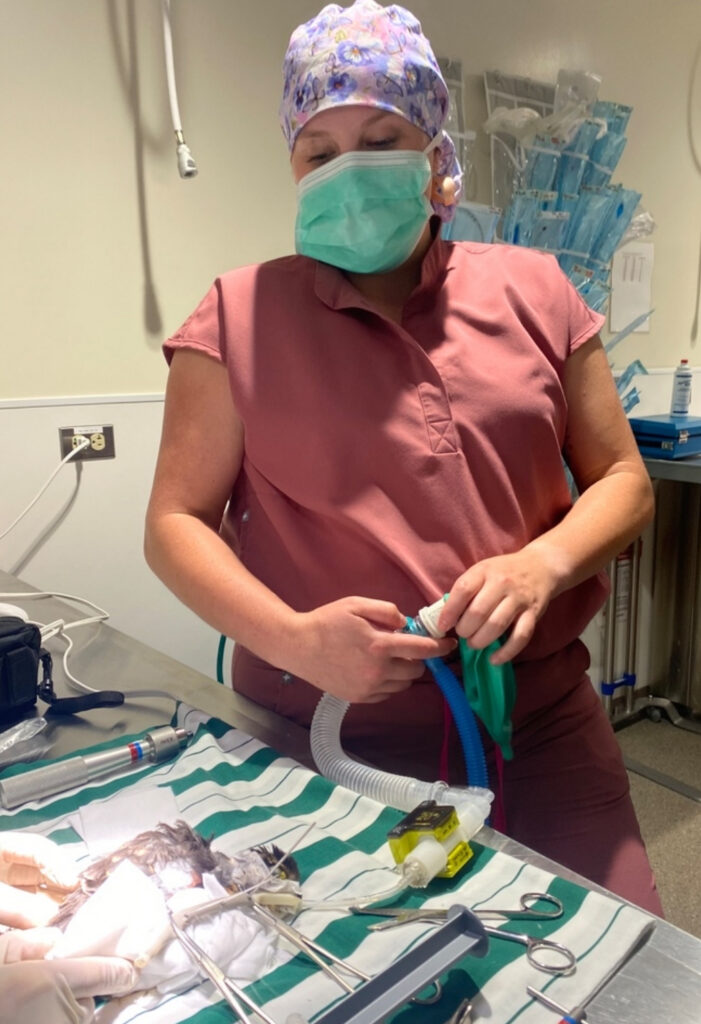
Third-year veterinary student Grace assisting with a surgery!

Jess, thank you so much for being a ray of light in the clinic! You have been a gem on the team. You have taught me so much, and really believed in me as a team lead. We will miss you on MAMO! I’m glad you got your WMC bucket list item checked off and finally got to hold an eagle – Maya, Class of 2026


Reagan, you have been such a wonderful team lead, teacher, and friend. You have become an amazing person to go to for knowledge, support, and advice for both in the clinic and just life in general. I have loved being able to work with you. – Riley, Class of 2027


Theo, I feel SO lucky to have had you as a team lead last year and a co-team lead this year! You have added so much to my learning and experiences not only in the WMC but in vet school as a whole. Thank you for your constant patience, kindness and support and for being a wonderful example of a team member and a leader! You will be missed, but I cannot wait to see what amazing things you will continue to do in clinics and the future! – Sofia, Class of 2026

A veterinarian operating on a bird
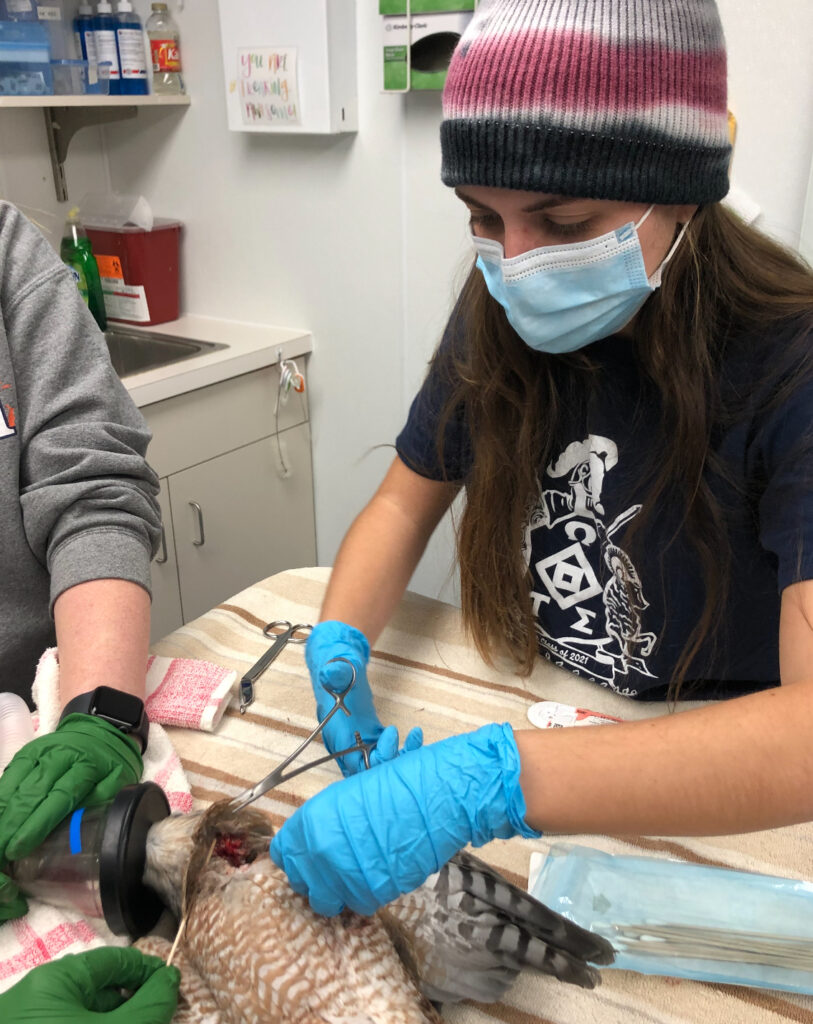
Third year Marisa doing a surgical procedure on a avian species.


Macy, It has been so amazing to learn from you over the past 2 years. You have been such an amazing mentor to me, for both wildlife things and for how to be a leader. I have always loved the chaotic energy and sense of humor you brought to the clinic. It always made working shifts with you so enjoyable. Good luck in clinics! I know you’ll be amazing! – Angela, Class of 2026

Abbie, I have loved getting to work alongside you during my time in the WMC. You were always eager to help me and provide encouragement for things in and outside of the WMC. Not only are you confident in your knowledge, but you are also an excellent teacher that has taught me most of what I know in the clinic. I have no doubt that you will be an outstanding clinician and that you are going to do amazing in your clinicals!! – Rachel, Class of 2027

Written by YiYing, Class of 2026
Therapy in Reptiles

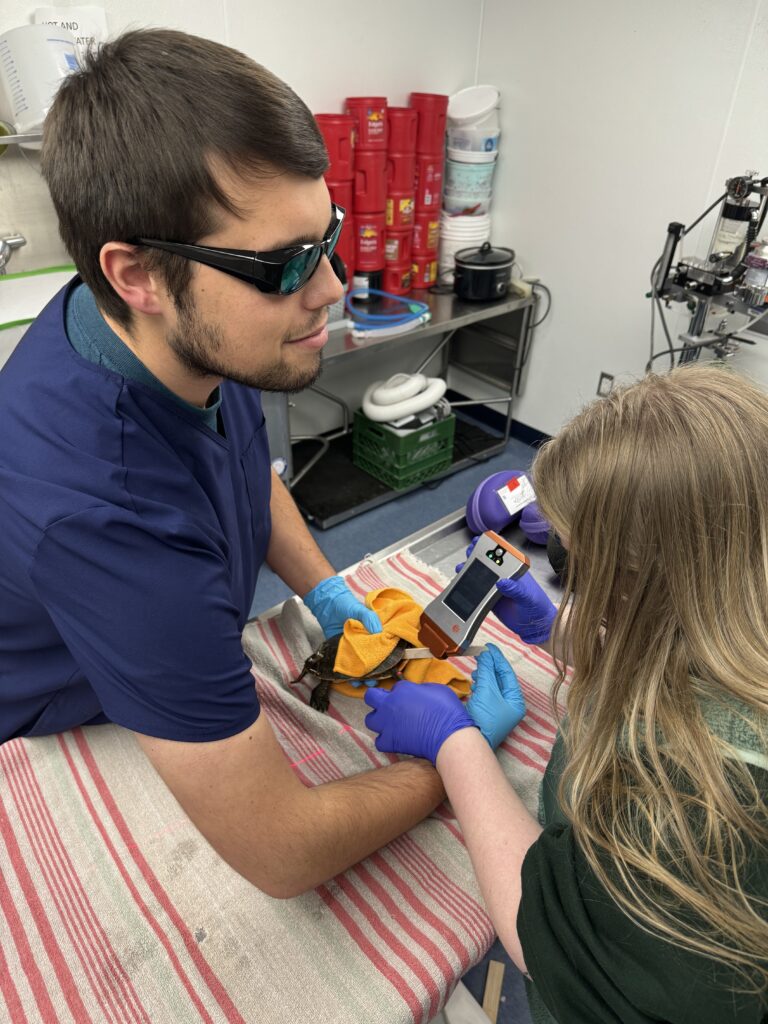
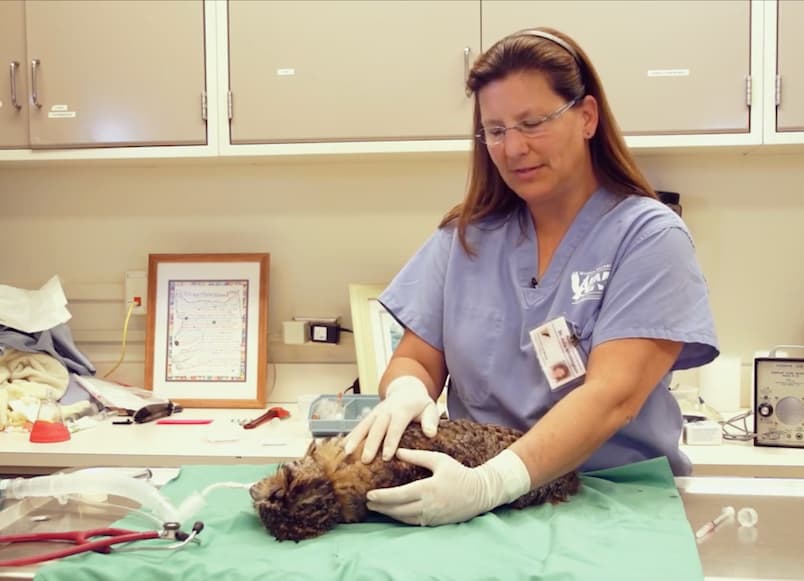
At the end of August, an adult male Midland Painted Turtle presented to the Wildlife Medical Clinic from a rehabilitator after it was suspected to have been hit by a car. This patient had a fairly severe fracture of his carapace (top of shell) and required extensive treatment to repair it. While receiving these treatments, the turtle developed neuropathy (nerve damage) in his right front leg. This problem caused him to incorrectly place his foot when walking. To correct the placement, we started him on a routine of PROM, laser therapy, and physical therapy three times a week.

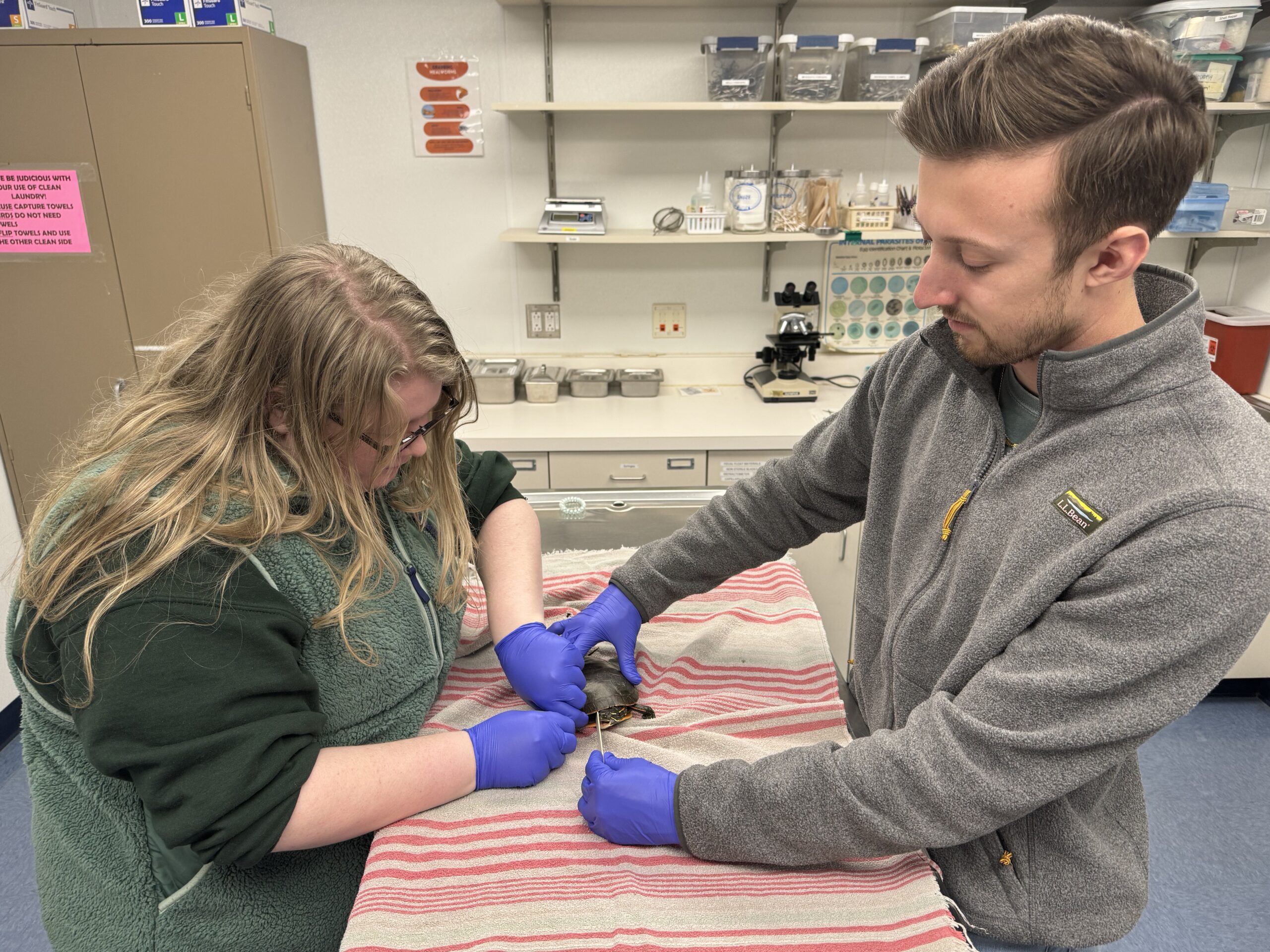
Two veterinarians taking a turtle's temperature

PROM stands for passive range of motion and is performed by slowly and repetitively stretching the joint. The goal of PROM is to increase the stretch and movement of the structures that surround the joint. For this specific patient, PROM consists of extending the carpus (wrist) & phalanges (fingers) as far as possible, three times for thirty second intervals.

We are using laser therapy to increase healing and blood flow to the limb as well as to decrease pain, inflammation, and swelling. This patient’s front leg has been inconsistently swollen since the nerve damage took place. With the laser therapy, our goal is to decrease the swelling and promote faster healing. We perform the lasering from the top of the radius/ulna (area between elbow and wrist of front leg) to the tips of the phalanges (fingers) to achieve this goal.

The final part of this patient’s therapy plan is physical therapy. When developing a physical therapy plan, it is important to focus on a specific area while building up strength and correcting incorrect habits that have developed. We complete this through repetitive exercises. Our turtle’s physical therapy plan involves walking up a ramp six to seven times per session, while a volunteer places their fingers behind his limbs to help him properly place his foot on the ramp.

Overall, therapy in reptiles is like other animal species and is tailored to the patient’s specific needs. This patient has been showing great improvement with this therapy plan and we plan to continue until the spring weather reaches Illinois, which is when he will be able to be released back into the wild.

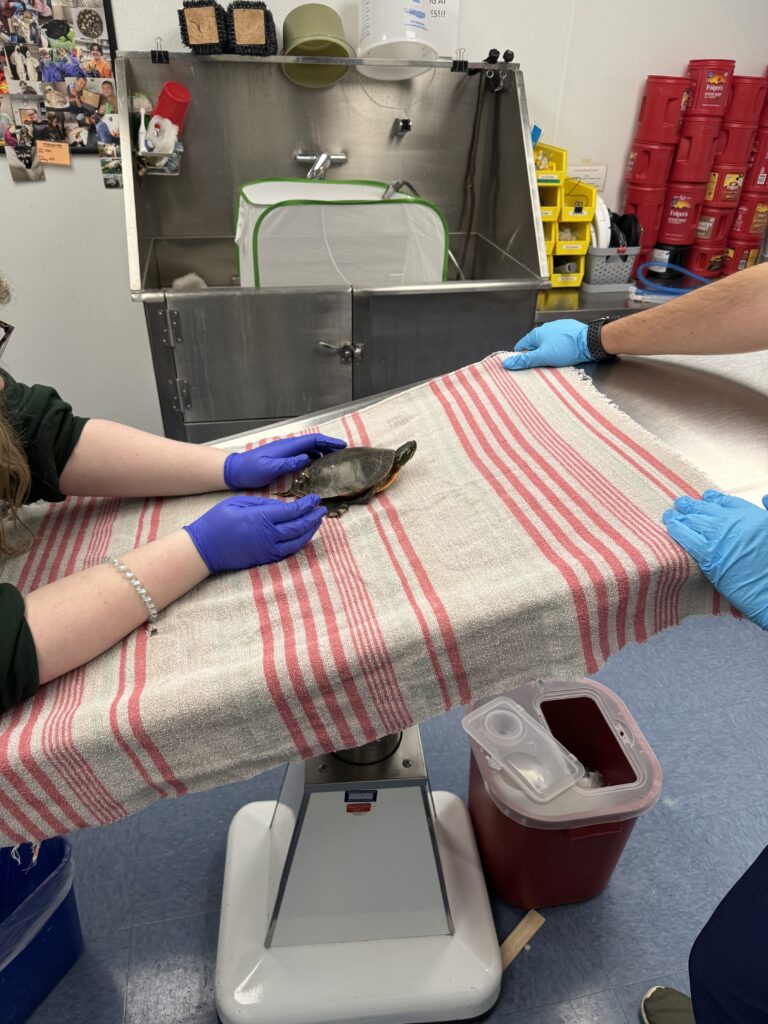
A turtle on an operating table

This article was written by 2nd year veterinary student Becky.

Dr. Whittington

When we look back on 2023, it was an eventful year at the Wildlife Medical Clinic, with many joyful moments and happy tears. As we move into 2024, we are grateful to have you joining us and are excited to share more stories in the upcoming year.  

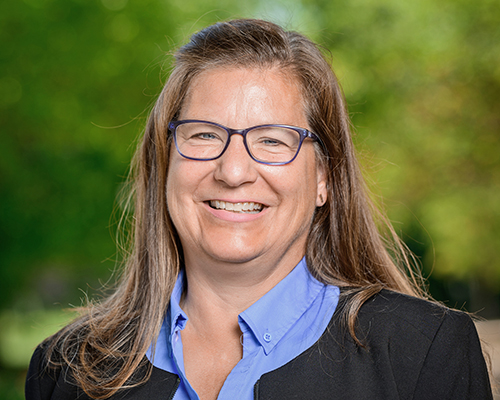
We want to take this opportunity to spotlight one of our previous clinic directors, Dr. Julia Whittington. She has recently retired from the College of Veterinary Medicine, where her most recent position was Director of the Veterinary Teaching Hospital and Assistant Dean for Clinical Services. However, Dr. Whittington established many milestones and made significant contributions as the Wildlife Medical Clinic Director from 2001 to 2017. To help us get more insights into Dr. Whittington’s influence on students and the clinic, we reached out to Dr. Nicki Rosenhagen, one of her former students and previous student manager of the Wildlife Medical Clinic.  

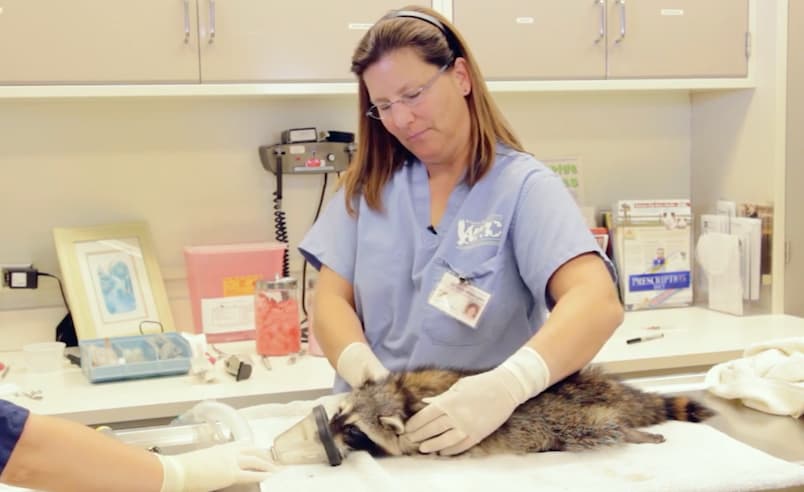
Dr. Whittington giving an raccoon a physical exam

Dr. Rosenhagen received her Doctor of Veterinary Medicine or DVM, in 2015 from the University of Illinois, College of Veterinary Medicine. She is currently the wildlife veterinarian at PAWS Wildlife Center, which is in Lynwood, Washington. While at the University of Illinois, she worked closely with Dr. Whittington first as a clinic co-manager during her time in vet school and then as an intern after completing her DVM. During our talk, she shared some heartwarming and uplifting stories that showcase Dr. Whittington’s lasting impact on her students.  

One of the heartfelt memories that Dr. Rosenhagen shared is a surgery case of a Barred owl with a humeral fracture (broken wing). Under Dr. Whittington’s guidance, she practiced surgical and suturing techniques, a rare opportunity for students to experience. Dr. Whittington was a veterinarian, but she was also a great teacher that loved to involve students in these complicated cases. She guided her students through every step, pushing them to become independent and gain clinical confidence. For Dr. Rosenhagen, Dr. Whittington was also the person who helped pave her career path and was very interested in setting her up for success. “She is an amazing mentor: a present, great teacher, and interested in making students learn,” said Dr. Rosenhagen. Inspired by the mentorship from Dr. Whittington, she is now a great mentor herself.  

Dr. Whittington’s inspiration goes beyond the clinical setting; she also has had a huge impact on the growth of the College of Veterinary Medicine, especially the Wildlife Medical Clinic. Without her efforts, the clinic wouldn’t be what it is today.  Her efforts in advocating wildlife medicine and her outstanding leadership have put our Wildlife Medical Clinic on the map. The community began to recognize the services and responded well in helping to provide support to our local wildlife. Dr. Rosenhagen shared that “… she (Dr. Whittington) sped up the process of making the clinic what it is today.”  

Dr. Whittington giving an owl a physical exam

Through Dr. Rosenhagen, we see Dr. Whittington’s work ethic, burning passion, and compassion. She set the example of “when you set your mind to do something, you show up.” She made a lasting impact on the students she worked with, and those students will continue to influence other students with the lessons they learned from Dr. Whittington.  

While we are sad to see Dr. Whittington leave, we also want to congratulate her on her retirement and give one last THANKS for everything she did for the Wildlife Medical Clinic and for the College of Veterinary Medicine! 

Interviewed and Written by YiYing, Class of 2026 
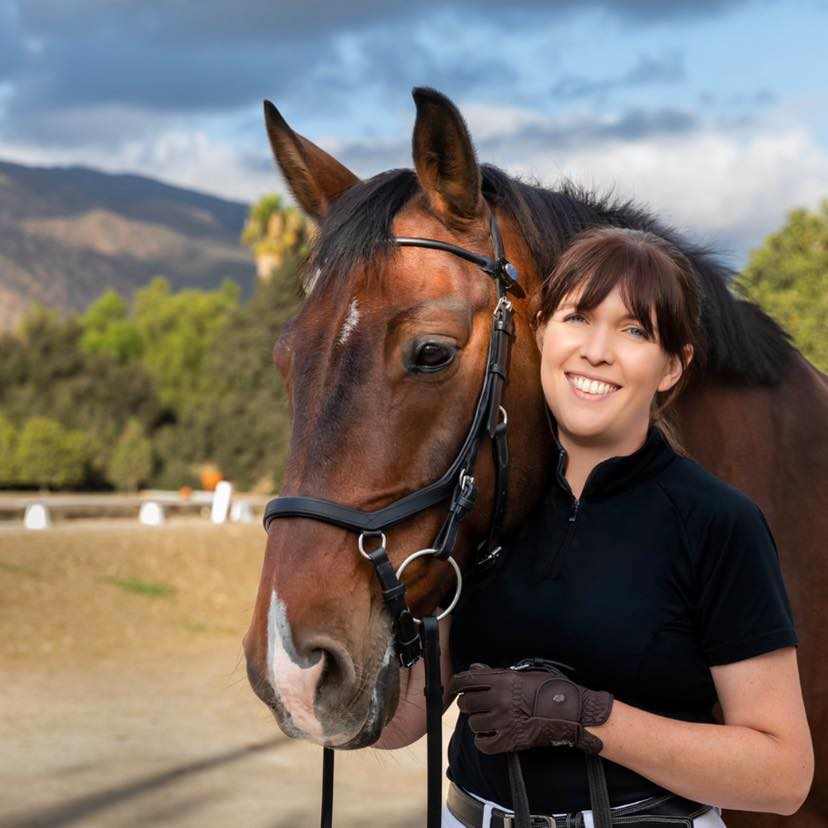
Wildlife Medical Director Spotlight: Dr. Stephany Lewis  

Every predecessor Wildlife Medical Director has shaped the clinic into something greater than before, ultimately leaving a new blueprint behind. Students’ hearts ache as they say their farewells to the incredible Dr. Samantha Sander, DVM, CWR, DACZM as she transitions out of the director position. She has mentored countless veterinary students and has left such an impeccable legacy behind. When you ask veterinary students who they inspire to be like, many will shout out Dr. Sam Sander’s name. It is clear as to why. She is a role model, a fabulous leader, and an inspiration to many. We look forward to supporting Dr. Sam Sander’s prosperity in the Zoo Med service and seeing how she continues to improve our college. While we are sad to lose Dr. Sander’s leadership, we are confident she has left the clinic in very capable hands. 

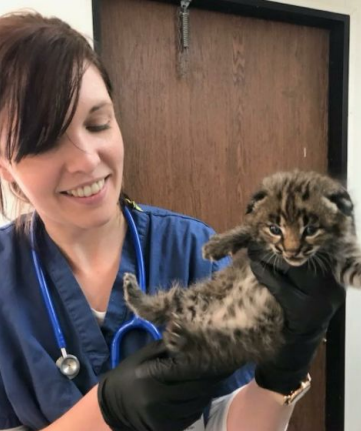
Dr. Lewis performing a physical exam on a baby wildcat.

We are, however, very excited to introduce Dr. Stephany Lewis, DVM, CWR, DABVP (Avian) who will be our successor Wildlife Medical Director. As soon as Dr. Lewis walked into the clinic doors, she captivated us all with her kind-hearted, generosity, and contagious energy. It is super exciting to be surrounded by such a monumental figure in the field of wildlife medicine. Dr. Lewis has gone out of her way to improve the welfare and well-being of our patients as she is equipped with so much knowledge and always brainstorming ways to improve the students’ experiences in the clinic. If you ask students their favorite quality about Dr. Lewis, they will say it’s her talent to teach and mentor students.  We look forward to seeing the supportive environment that she will cultivate at the University of Illinois College of Veterinary Medicine.    

I recently had the chance to sit down with Dr. Lewis to discuss her career, personal life, and why she chose the University of Illinois.  

HH: Tell us about your background and interests.  

SL: “I started riding horses at age 9 and wanted to be an equine veterinarian starting in middle school. During undergrad, I applied for a wildlife rehabilitation internship just for something different to add to my vet school applications, even though I was 100% convinced that I wanted to be a large animal veterinarian. I ended up staying on at that wildlife center as part-time staff, then came back the following year as seasonal staff. I later completed other internships at wildlife rehabilitation centers in Scotland and British Columbia, and realized that if I could, I wanted to dedicate my career to wildlife rehabilitation. I went into veterinary school still with an open mind, thinking perhaps I would be swayed back into the more “mainstream” large animal medicine, but had strong mentorship and opportunities in wildlife medicine at Tufts, and kept pursuing as many wildlife experiences as I could.  

After vet school, I completed a small animal rotating internship at Michigan State University, followed by a wildlife and conservation medicine internship at Tufts University. I worked in zoological companion animal medicine for a few months before moving to California, where I was the staff veterinarian for California Wildlife Center and Ojai Raptor Center.” 

HH: What brought you to Illinois?  

SL: “The only thing I love more than working with wildlife is teaching veterinary students about wildlife medicine. There are not many veterinary schools with a wildlife caseload large enough to support a dedicated wildlife faculty, and none of them provide as amazing of a student experience as our Wildlife Medical Clinic. The WMC is a truly special place, where student education is prioritized. With our amazing faculty and resources at UIUC, we are also able to contribute a great deal to the community in terms of research and education.” 

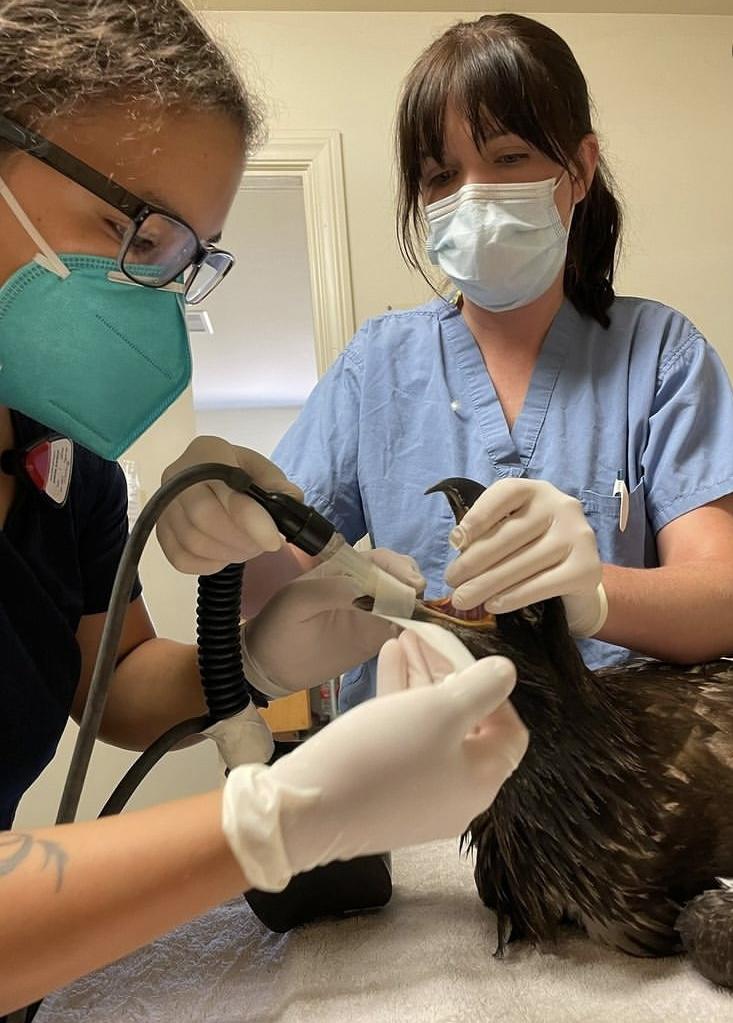
Dr. Lewis assisting with intubation of a young bald eagle.

HH: Tell us about a favorite case of yours.  

SL: “I have a soft spot for gallinaceous birds (chickens, turkeys, quail, etc.), and once successfully treated and released a 20-pound turkey tom with a tarsometatarsal (leg) fracture. He required some unconventional treatment and outside the box thinking, due to his strength and weight. He was housed within a short distance of our elephant seal pups, and so that corner of our facility became quite noisy, between his gobbling and the seal pup vocalizations! 

My other special case was a fledgling bald eagle whose entire life had been featured on a very popular nest cam. She arrived at my rehabilitation center with a name and massive public following. From the day she arrived, my wildlife center would receive dozens of calls and messages about her every day. She presented paretic, and I was able to very thoroughly work up her case, even with a CT scan, and diagnosed her with zinc toxicosis. She was successfully rehabilitated and released.”  

HH: What most excites you about your profession?  

SL: “I am so excited to see how wildlife rehabilitation medicine continues to grow and evolve. Just a few decades ago, wildlife rehabilitation consisted entirely of individuals trying to treat wild animals and raise orphaned wildlife out of their homes. These rehabilitators would be lucky to find a general practice veterinarian who would even be willing to see one of their animals. Since then, wildlife rehabilitation has grown exponentially. Every year, new wildlife centers are adding veterinarians to their staff. Many centers that started out with one individual have now grown into huge non-profit organizations that each help thousands of animals every year.  

Wildlife rehabilitation centers are also providing a wealth of knowledge about what is going on in our environment. We are often the first to know about new disease outbreaks and new toxins affecting our ecosystems. We are important resources for public health and public education. Our work can help inform public policy and direct conservation efforts. There is so much to learn in this profession, and so many ways we can use our unique knowledge and perspectives to better our world.” 

HH: What would you like the public to know about your field?  

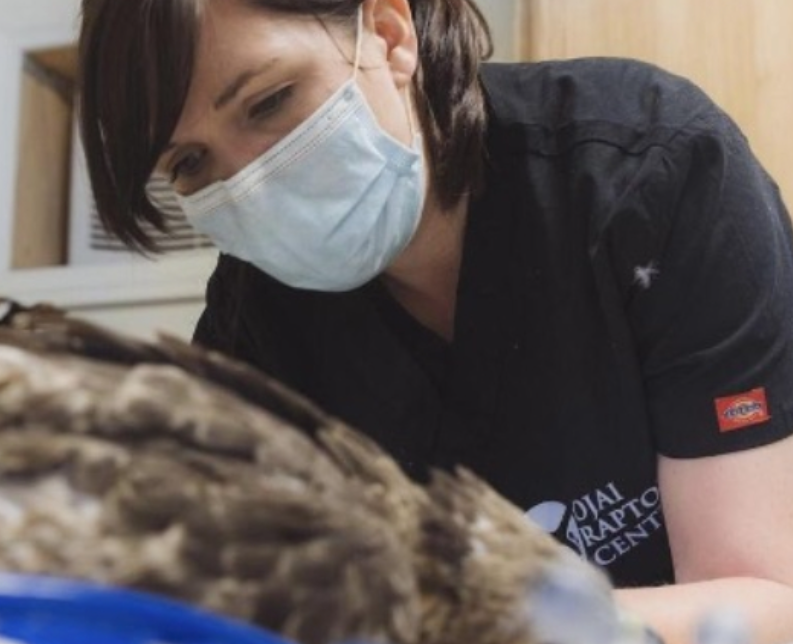
A low camera shot of Dr. Lewis working with a red tailed hawk

SL: “Many people do not realize that the vast majority of animals presenting to wildlife rehabilitation centers like the Wildlife Medical Clinic have been negatively impacted by human activities. Many presenting animals have experienced vehicle strikes, window strikes, or domestic cat attacks. They may have ingested lead, pesticides, or trash. Marine wildlife often ingests or becomes entangled in fishing lines, hooks, and lures, or contaminated by toxicants such as crude oil. Young animals are often inadvertently “kidnapped” by well-meaning citizens. Even if wildlife rehabilitation doesn’t make a significant impact on an entire population, I think it is important to improve the welfare of those individual animals when we can, because more often than not, they need our help because human activity has made it more challenging for them to thrive in their native environments.” 

HH: What hobbies and activities do you like to do outside of work?  

SL: “In my free time, I am usually riding my horse or spending time with my partner and our four dogs and three silkie chickens.” 

– Interviewed and written by Hassan, Class of 2025. 

Welcome House Officers

Introducing our newest house officers at the Wildlife Clinic: Dr. Erica Bender and Dr. David Minich! We look forward to seeing you around the clinic! 

 We asked them some questions to get to know each of them a little better.  

Dr. David Minich, DVM, MAS, CertAqV

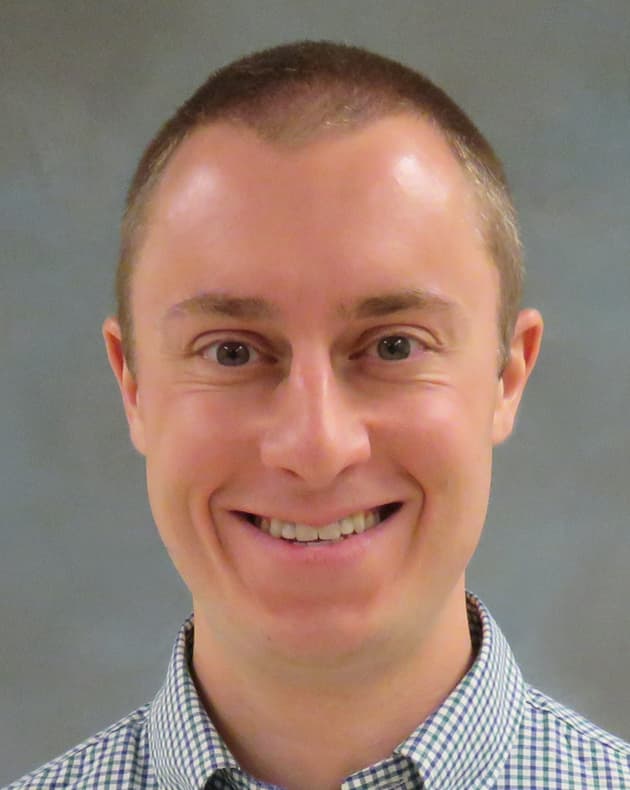
Dr. David Minich headshot

Where are you from? What vet school did you go to (and graduation year)? 

I am originally from Cincinnati, Ohio. I attended veterinary school at The Ohio State University and graduated in 2021. 

Why did you decide to pursue your residency here at the WMC? 

The Illinois Zoological and Aquatic Animal Residency provides extensive exposure and training in the medical care of zoo-housed wild animals, native wildlife, and companion zoological species. These opportunities will allow me to develop my skills as a veterinarian and provide the highest level of care in my future career. 

What are you most excited about working here at the WMC? 

I am very excited to work alongside students on a wide variety of cases and patients, with the ultimate goal of providing the best care possible to native wildlife while supporting the education of veterinary students. 

What is your favorite wildlife animal to work with? 

I am particularly fond of both owls and bears, but I truly enjoy everything – it’s the diversity of species that drew me to this field! 

What are your future career aspirations? 

After completing my residency, I aspire to become board-certified in zoological and aquatic animal medicine and pursue a career in clinical medicine at a traditional zoo/aquarium, while also conducting research to further the knowledge and medical care of zoo-housed and free-ranging wild animals. 

Anything else you would like to share? 

I recently traveled to Laos and volunteered at a major wildlife rescue, rehabilitation, and release center. I hope to incorporate field-work such as this into my future career to help support in-situ conservation initiatives.

Dr. Erica Bender DVM

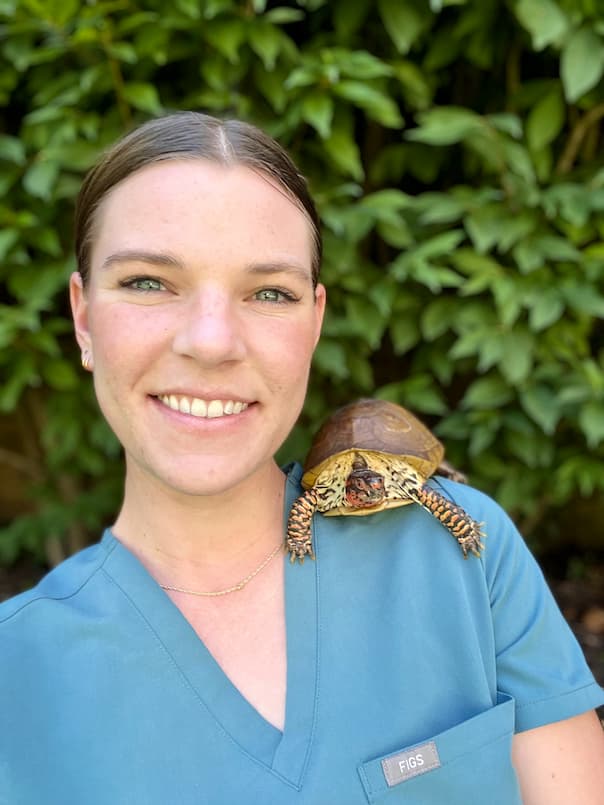
Dr. Erica Bender smiling with a turtle on her shoulder

Where are you from? What vet school did you go to (and graduation year)? 

I am originally from the San Francisco Bay Area in California. I attended vet school here, at The University of Illinois, and graduated in 2022! 

Why did you decide to pursue your residency here at the WMC? 

I am doing my specialty internship here, rotating between the WMC, our Zoo Medicine service, and our Zoo Ambulatory service. When I was a vet student, I volunteered and was one of the managers of the WMC and it has such a large part of my heart. I am super excited to be back working with all of our amazing faculty doctors and students, while getting to learn more about treating all the non-traditional species we see. 

What are you most excited about working here at the WMC? 

I am most excited about working with students and getting to be there as they develop their clinical skills and knowledge then apply them to treat our native wildlife species. Seeing their passion and the effort they put into treating our patients is always inspiring. And raptors, I’m very excited to work with raptors again! 

What is your favorite wildlife animal to work with? 

I spent a lot of time volunteering at The Marine Mammal Center in Sausalito, CA, so I’m a bit partial to working with California Sea Lions and Northern Elephant Seals. However, of our native Illinois species, my favorite species to work with are the red-tailed hawks. 

What are your future career aspirations? 

I want to be a zoo doctor when I grow up! I love the diversity of cases and the teamwork involved in treating animals in a traditional zoo setting. 

Interviews conducted by Aimee, Class of 2025

Wildlife Medical Clinic
John A. Coyne South Clinic
2100 South Goodwin Avenue
Urbana, IL 61801
217-244-1195