Ambassador Animals To The Rescue

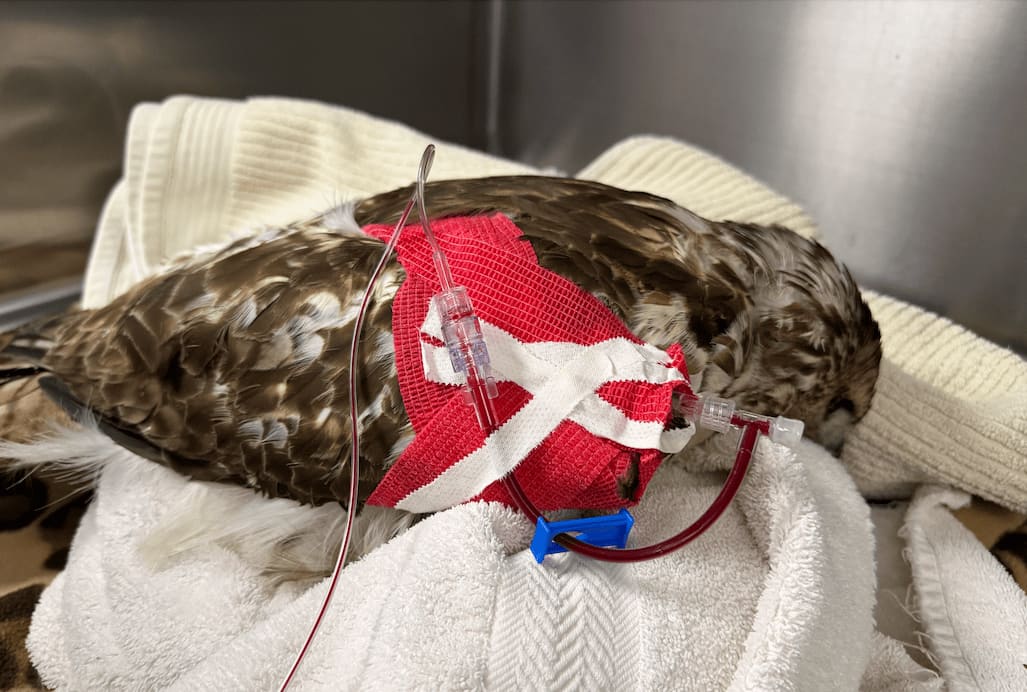
On February 5, 2026, a juvenile Red-Tailed Hawk presented to the Wildlife Medical Clinic emaciated and with a depressed mentation, not able to hold itself up or stand properly. Due to the clinical signs at the initial exam, we placed an intraosseous catheter – this means it was placed directly into a bone in the patient’s wing. This allowed us to give the patient fluids to help stabilize the patient. Placing catheters in blood vessels in birds is not always feasible or safe; however, placing a catheter in the bone allows for quick, easy vascular access, and decreases risks with catheters in blood vessels (pulling out the catheters in the vessels can lead to significant bleeding). Through the intraosseous catheter, we began fluids and supplemented them with potassium and dextrose. Birds in the emaciated condition this patient was in have not eaten enough in a long time and therefore have no glucose for energy metabolism. This patient was confirmed to have low blood sugar which we corrected with dextrose (sugar) supplementation. The potassium was supplemented as that electrolyte is also decreased due to muscle wasting and lack of intake from the prolonged malnutrition.

Initial Exam

At the initial exam while fluids were being given, we took a blood sample to assess the patient’s anemia and protein levels. The packed cell volume (red blood cell count) was 14% (normal 30-45%) indicating anemia and the total solids level (which is similar to protein levels) was 0.4 mg/dL (normal 4-6 mg/dL). The total solids that low indicated how critical this patient was. We also ran a blood chemistry to assess electrolytes to determine if there were other abnormalities we needed to correct. Due to the severity of the anemia (low red blood cell count) and the absence of protein in the blood (hypoproteinemia) it was decided to do an emergency blood transfusion the same evening to give the patient a chance to survive overnight.

Blood Donor
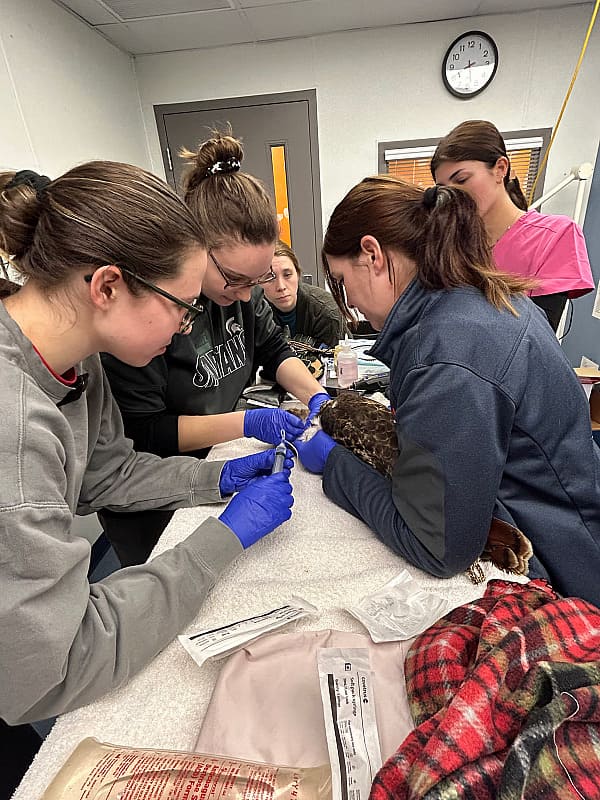
Dr. Lewis and student volunteers performing a blood transfusion of a red-tailed hawk patient

Our ambassador animals serve many functions, including the education of volunteers, students, and the public through our educational events. An additional benefit to having
ambassador animals is that they can serve as a healthy population of species we also see in the Wildlife Medical Clinic. Therefore, if a patient needs an emergent blood transfusion as this
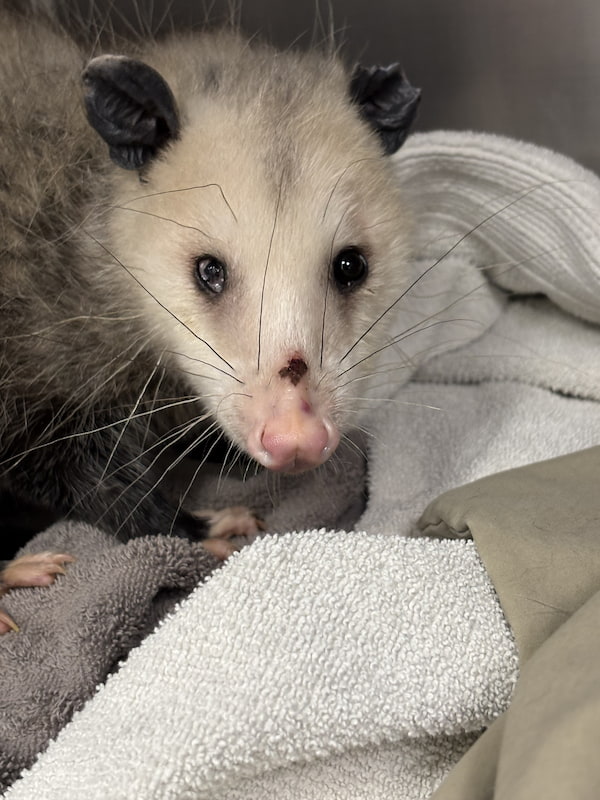
patient was, we were able to have our ambassador Red Tailed Hawk, Ruby, donate blood. With the training work we have done with Ruby, we were able to quickly collect blood for the donation in a low-stress way that was based on an established training relationship. Ruby recovered well from her blood donation procedure. If we did not have ambassador animals to serve as blood donors, then locating a donor for the blood transfusion may have taken longer and may not have been a direct species match to our patient, potentially affecting patient outcome.

Continued Care

The patient received the blood donation and more fluids that evening of presentation. Towards the end of the transfusion the patient was able to hold just their head up and was picking at the catheter, so we placed a hood to decrease visual stimuli and finish the infusion. We had a guarded prognosis overnight due to the severity of the hypoproteinemia and anemia.However, the patient survived the night! We continued fluids the next day and the patient was able to stand on their own. With the improved mentation we placed the hood over the patients’ eyes again to ensure the catheter would stay in place for the duration of the fluids. We offered skinned mice to see if the patient would eat and the patient had an appetite. We discontinued fluids in the catheter at the end of the day and removed it (February 6th). We continued the next few days to run additional diagnostics, give supplemental fluids, and slowly feed increasing amounts of food. We found that this patient also had a very small chronic retinal lesion in the left eye (unlikely to impact vision) and internal GI parasites. The radiographs (X-rays) we took were normal and we found no fractures. We started the patient on a preventative anti-fungal medication and addressed the parasites. Young raptors are more susceptible to fungal infection and risks increase when indoors.

Road To Recovery

On February 12th we repeated bloodwork which showed an increase in the PCV to 29%
(red blood cell count) which was a positive trend, and total solids to 4.4 indicating a little over a
10-fold increase in total solids from intake! The patient has continued to gain weight and
improve clinical signs. We will continue to rehabilitate and treat this red-tailed hawk until they
are able to be transferred to one of our wildlife rehabilitation partners for reconditioning for
release. Due to the ability to give an emergent blood transfusion from our healthy ambassador
animals, this patient was able to survive from an extremely critical condition. Even with the
emergency blood transfusion this patient has survived against the odds stacked against it. This
case is unique and highlights the medical benefits of having healthy ambassador animals that
can possibly save lives, just like Ruby did with this patient.

Written by: Roxanne L., Class of 2027
Turtles, Bunnies, and Cats, Oh My!

Why is it so important to keep our domestic animals inside and on a leash?

While pets love to have outside time and their pet owners love it too, it is important to be aware of your pet’s activities and supervise their time outdoors. They may come across wildlife that will not be as keen to meet them as they are to meet the wildlife! At the University of Illinois Wildlife Medical Clinic, we get many cases of cats and dogs interacting with wildlife that require our medical management. It is important to note that this can be risky both for our native wildlife and for our pets as well. The best way to limit interaction is to keep cats indoors or in a catio and walk dogs on a leash, even in the backyard.

What do we see most often at the clinic?

Throughout the year, we see Eastern Cottontail rabbits present to the clinic for different severities of wounds, including lacerations and broken bones often from being attacked by feral or outdoor domestic cats as well as domestic dogs. Treating patients who have been bitten or scratched by a cat can be challenging, and they must receive antibiotics promptly because cats harbor a bacterium called Pasteurella multocida. This specific bacterium can cause severe inflammation, redness, and even septicemia if it infects the bloodstream in rabbits, as well as our other mammalian and avian patients.

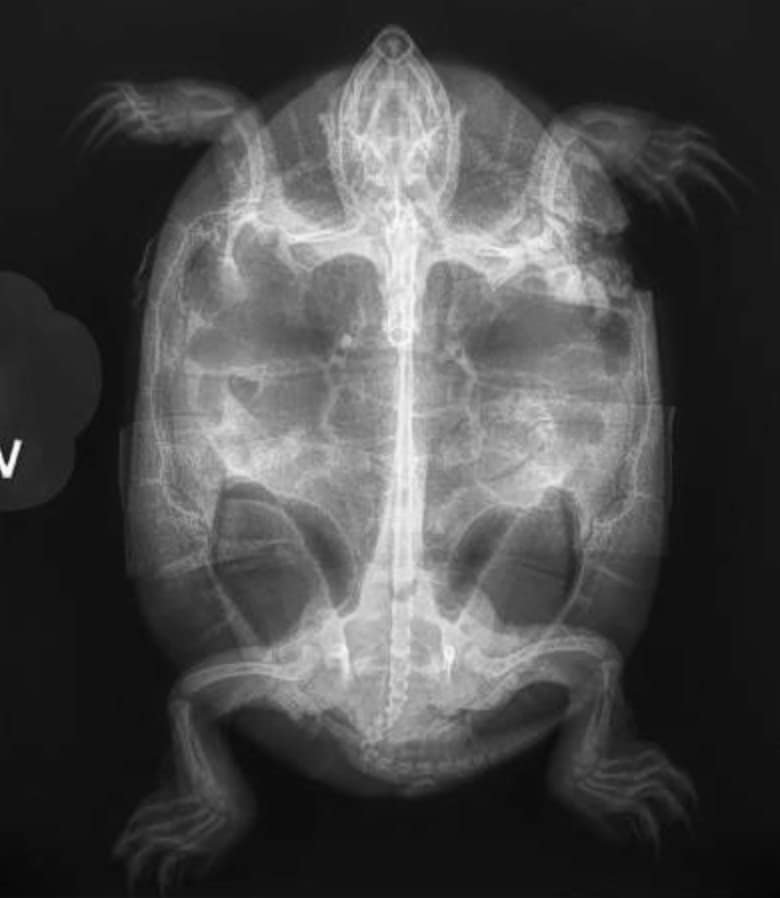
Painted Turtle x-ray

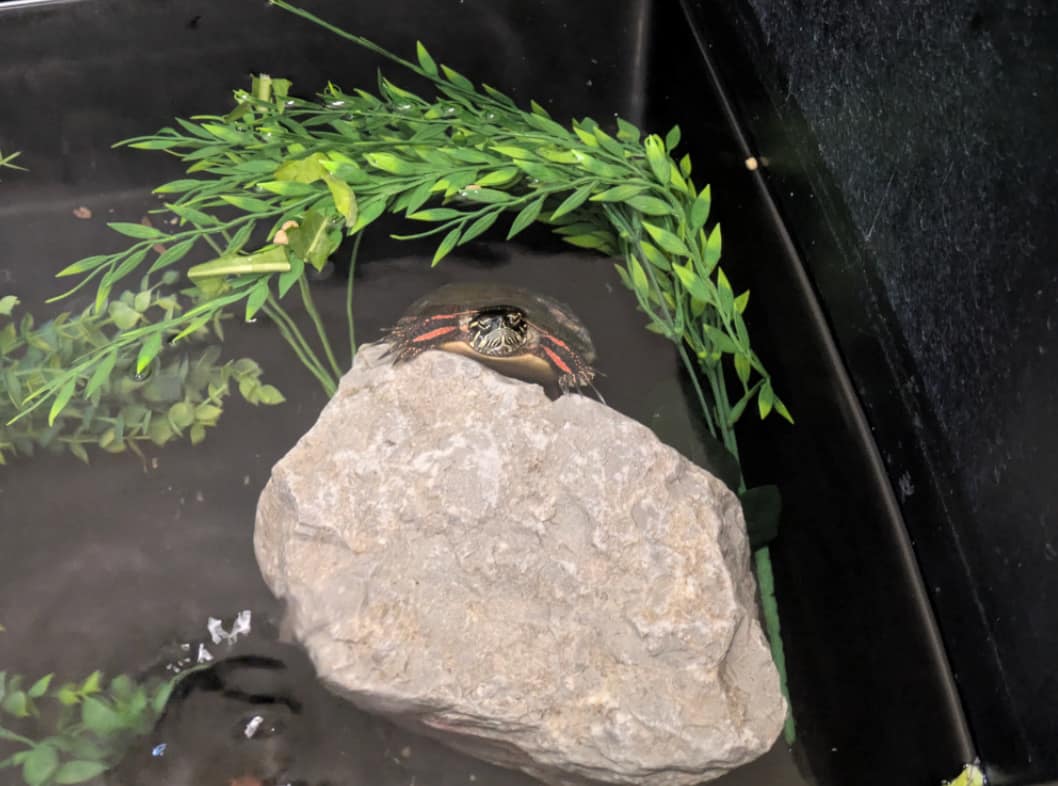
Along with rabbits, we also receive cases of turtles that sustain shell fractures when they are picked up by dogs. An example of this is Painted Turtle 25-966, who has been in our care since early June 2025, presenting to the clinic for several carapacial puncture wounds and shell fractures. The carapace is the upper portion of a turtle’s shell. After the initial intake exam, this patient was given the appropriate pain medication, antibiotics, and wound treatment. 25-996 will continue to heal in our care over winter, as it can take several months for these types of shell injuries to mend! He has been healing well, and the veterinary staff have seen positive improvements in his shell in the few months he has been with us.

How does all of this affect my pet?

While the Wildlife Medical Clinic does not treat domestic animals like our small animal medicine
colleagues do, we think it’s important to share how your furry family members can be adversely affected by wildlife interactions.

One type of infection that companion animals can pick up from wildlife is Salmonella. When dogs pick turtles up in their mouths, whether or not they think they look like their tennis ball or not, they can be susceptible to contracting an infection. Symptoms from this type of infection can include, but are not limited to, vomiting, fever, diarrhea, and lethargy.

Tularemia can also be a concern for outdoor cats and dogs that interact with wild rabbits in Illinois. This can be transmitted through direct contact with an infected rabbit or their body fluids, infected water sources, or blood sucking insects like ticks. Tularemia is a highly zoonotic disease (meaning it can spread between species and, in this case, to humans as well) and can cause symptoms such as fever, lethargy, poor appetite, enlarged lymph nodes, and abscesses. In humans, Tularemia can also present as ulcerating blisters that can spread the bacteria throughout the bloodstream.

What about birds? With the cooler season approaching, it is important to be aware of Highly Pathogenic Avian Influenza, or HPAI. While the name suggests, birds are the main susceptible species, cases have been seen in both cats and dogs, as well as people. One of the best ways to prevent your pets from contracting this influenza strain is by keeping pets indoors. Many cats and dogs outside may be attracted to birds, diseased or alive, or bird feces left behind, which can lead to the transmission of HPAI if touched or consumed. The main type of bird affected is waterfowl, but HPAI can be seen in any bird, including raptors and songbirds. Clinical signs in dogs and cats can consist of fever, lethargy, watery eyes, runny nose, difficulty breathing, and seizures.

If your pet interacts with any wildlife or is presenting with any symptoms, it is important to consult your primary veterinarian.

Helpful Links

https://vcahospitals.com/know-your-pet/tularemia-in-dogs

https://www.avma.org/resources-tools/animal-health-and-welfare/animal-health/avian-influenza/avian-influenza-companion-animals

Written by: Emily B., Class of 2028

Overwintering a Three-toed Box Turtle

Meet TECA 25-1413

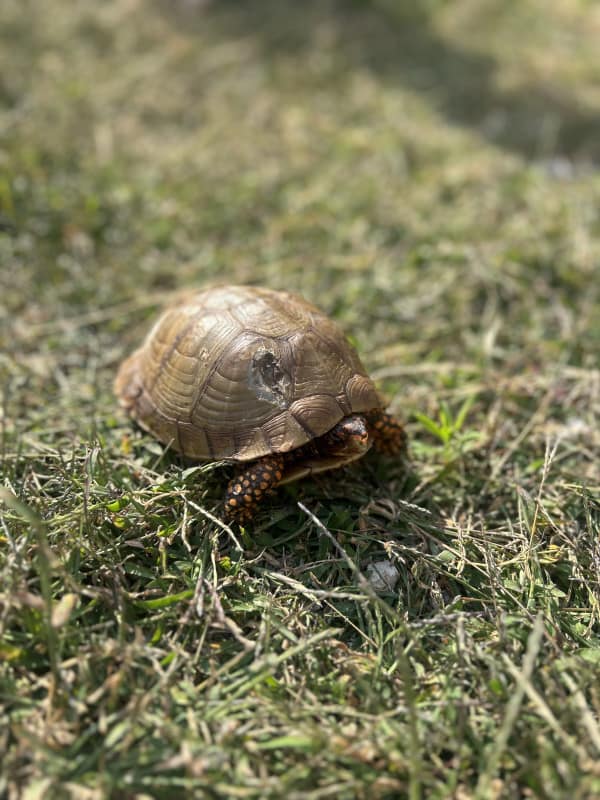
This unique patient is a three-toed box turtle that was brought into the Wildlife Medical Clinic from Missouri after being hit by a vehicle this past summer. Box turtles are remarkably durable due to their strong, bony shell–a protective feature normally used to keep them safe from natural predators and the elements in the wild. Incredible as these animals are, they unfortunately aren’t invincible and the same goes for this guy.

His Medical Journey

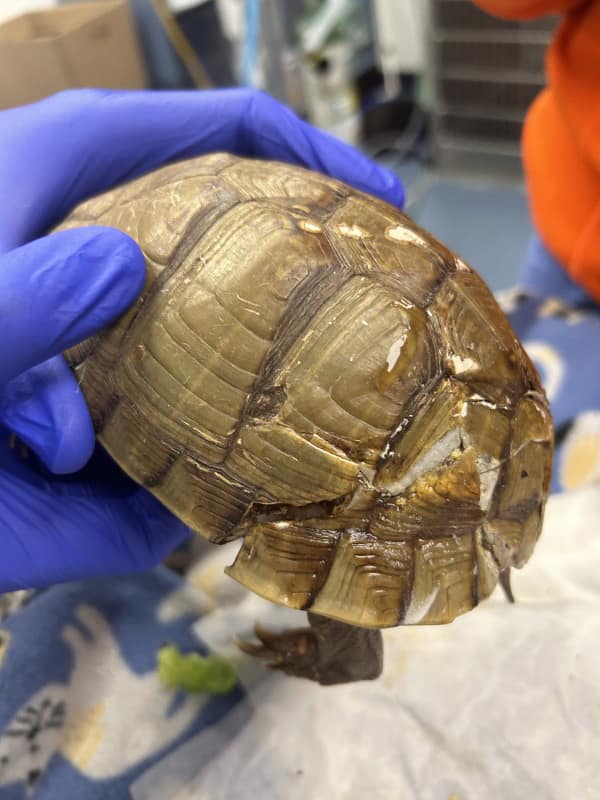
Three toed box turtle patient with carapace damage that has been repaired.

When he was first brought to our care, our veterinary team had identified fractures along the back of his shell which we had carefully and deliberately removed to allow for proper healing. We also noticed he could not fully extend his left hind leg. After following up with radiographs, we discovered fractures around his pelvis and his left femur. To improve his ability to ambulate the leg, we performed a femoral head ostectomy at the end of July. This procedure removes the end of the femur bone with the goal to stabilize the hip joint in order to help alleviate pain and improve mobility. His recovery has been promising so far–a combination of physical therapy and outdoor enrichment time has led to some notable improvement in ambulation, which is wonderful! He is being overwintered at the Wildlife Medical Clinic and will stay with us until he is fully healed and deemed releasable by our veterinary staff.   

Overwintering

So, what is overwintering? Overwintering is when we keep patients in rehabilitative care throughout winter until we reach warm spring temperatures. We choose overwintering for some of the species that present to the clinic who are unable to be released during the fall or winter either due to migration patterns or, as in the case with this three-toed turtle, due to brumation tendencies. Since they are cold-blood species, if turtles and other brumation species are released in too-cold temperatures, they are at risk for cold-stunning which leaves them weak and vulnerable or can make it difficult to find a safe brumation site. Turtles tend to do well while overwintering and we commonly have them in our care due to their prolonged healing times. Certain species or individuals may not do well overwintering due to the high stress nature of captive care to our wild friends. When considering if an animal should be overwintered, we have to keep a few items in mind. Firstly, do we have the ability to maintain an appropriate level of care for the animal’s entire duration of stay. Secondly, will the animals welfare will be severely impacted by extended captive care. Lastly, do we expect a full recovery and to release the patient at the end of the overwintering period. Overwintering is not always a simple decision, but it is a wonderful option for the patients that need just a little extra time to get back to 100%!

Written By: Zoey W., Class of 2028

Happy New Year

The page has turned and the Wildlife Medical Clinic is excited to embark on yet another year tending and caring for our local wildlife. With every new year, there is value in taking time to reflect on the past. In 2025, the Wildlife Medical Clinic provided care to over 2,000 members of our wildlife community, 2,305 to be exact! This endeavor would not have been possible without our good samaritans, veterinary student volunteers, faculty, and staff. A warm thank you to everyone that has been involved with the Wildlife Medical Clinic, whether it has been transporting an animal, feeding an orphan squirrel, cleaning a cage, or making a donation – your generosity cannot be understated.

Let us take a look back on 2025 with some exciting statistics.

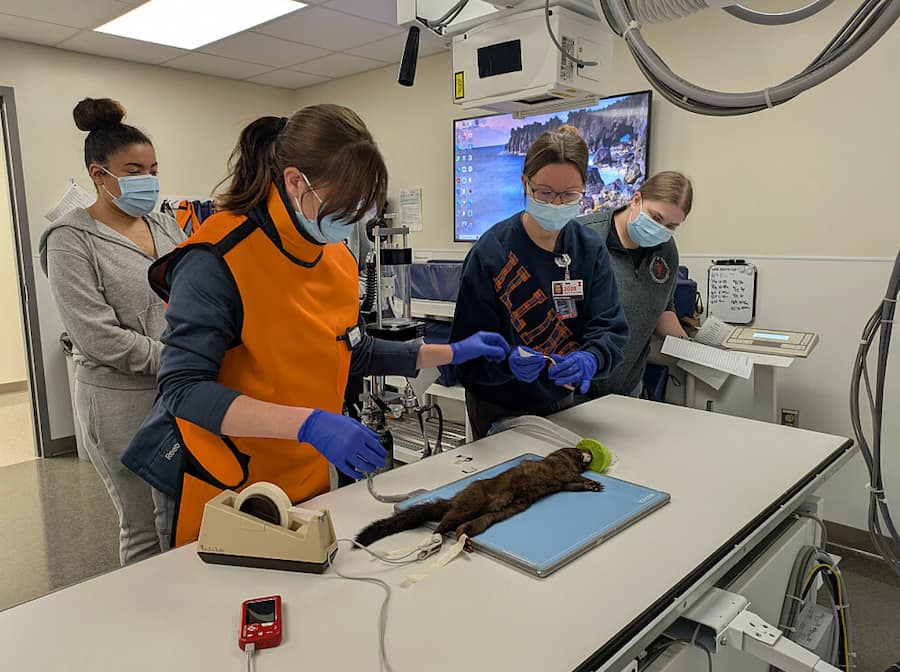
Mink positioned on an x-ray plate for radiographs with 4 wildlife medical clinic volunteers monitoring him.

We saw…

  • 1,432 mammals consisting of 23 different species
  • 792 avians consisting of 86 different species
  • 56 reptiles consisting of 11 different species
  • 4 amphibians consisting of 3 different species

Our top 5 most seen species in 2025 were:

  1. Eastern Cottontail – 536
  2. Virginia Opossum – 264
    • One of these patients became one of our newest ambassador animals, Pesto!
  3. Eastern Grey Squirrel – 216
  4. Raccoon – 204
  5. Canada Goose – 92
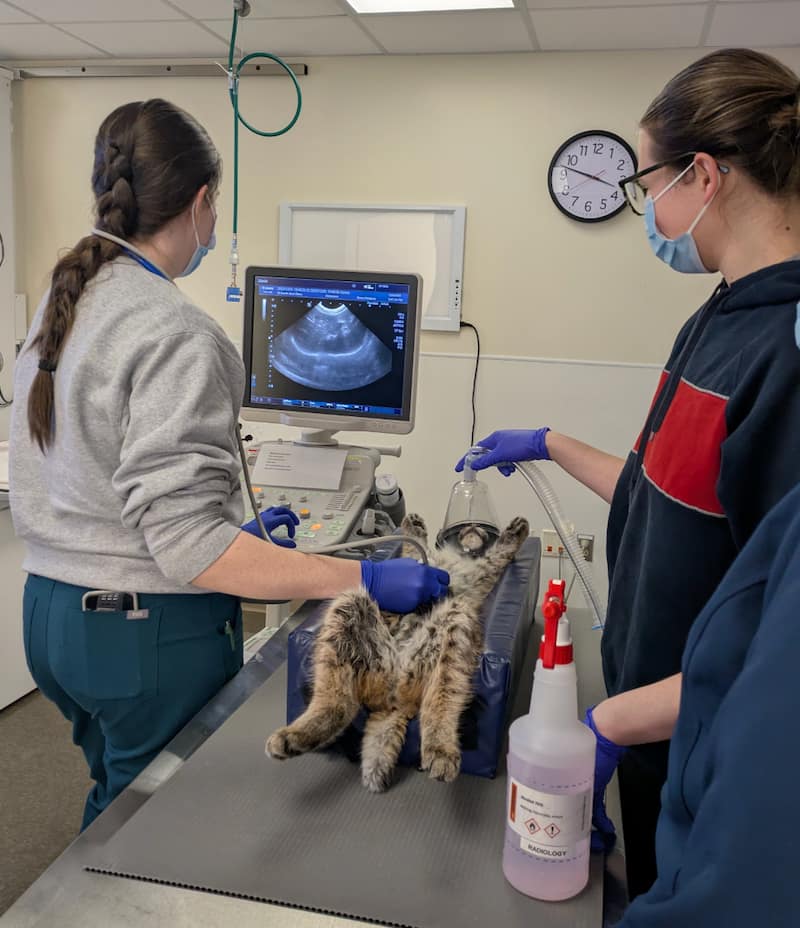
Dr. Vincent and Riley Dunwoody ultrasounding a bobcat patient from the Wildlife Medical Clinic.

As with any year, there are also some exciting surprises! Below are some of the more unique animals we helped care for this year!

  • Bobcat
  • American White Pelican
  • American Coot
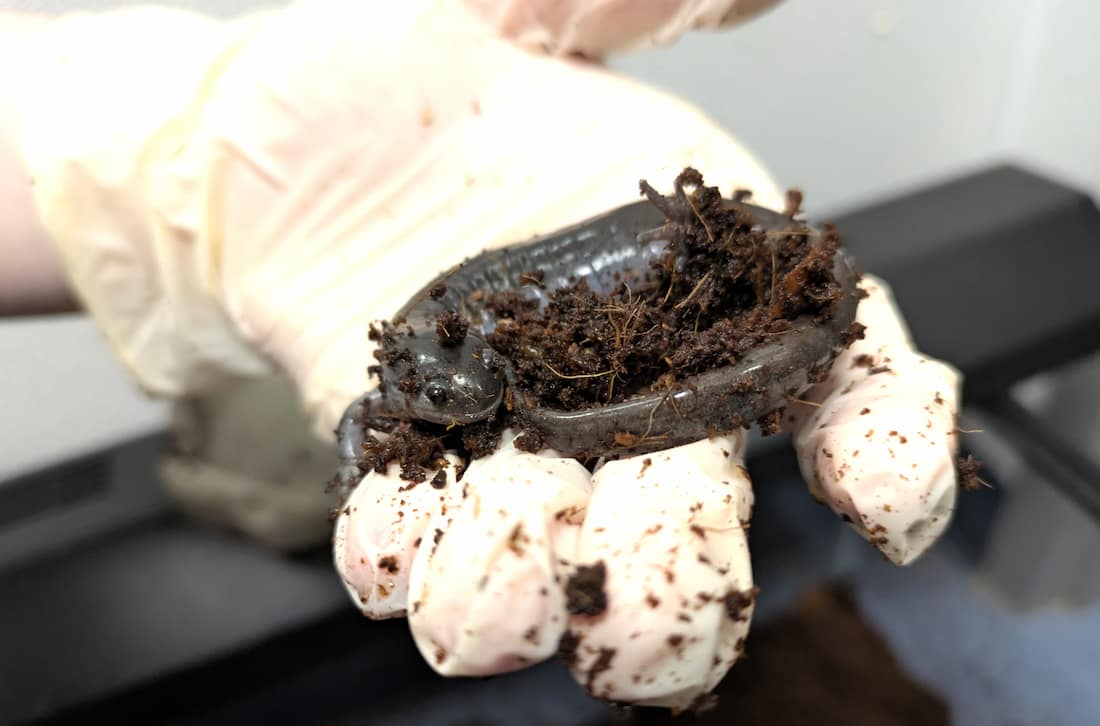
  • Small-mouthed Salamander
  • American Mink
  • Barn Owl

Written By: Rachel E., Class of 2027

Beyond the Incubator, Spiny Softshell Turtle Edition

Spiny Softshell Basics

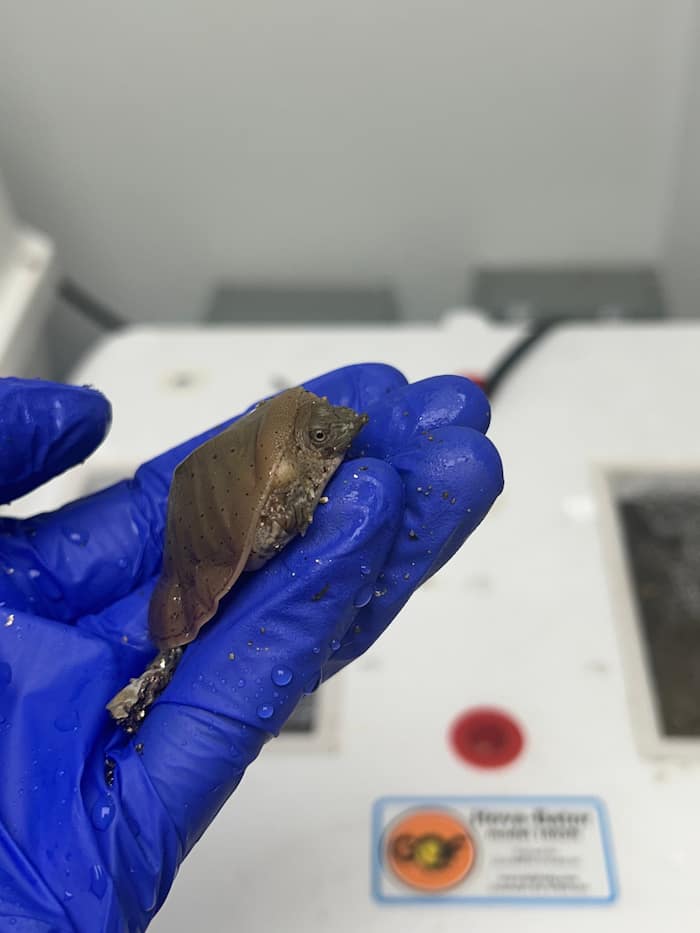
Spiny Softshell Turtles are considered one of the largest freshwater turtle species within the United States. Their unique appearance makes them stand out among other turtle species. As their name suggests, their carapace, or top shell, is flat, flexible, and has spines along the front surface. Their webbed feet and long nose enable these turtles to spend most of their time in the water, either swimming or remaining submerged for extended periods. A typical hunting strategy of this species involves ambushing the prey. They accomplish this by burying themselves in the soil or mud and waiting for food items to swim by. They are generally carnivorous, eating fish, invertebrates, or insects as they see fit.

Arrival to the Wildlife Medical Clinic

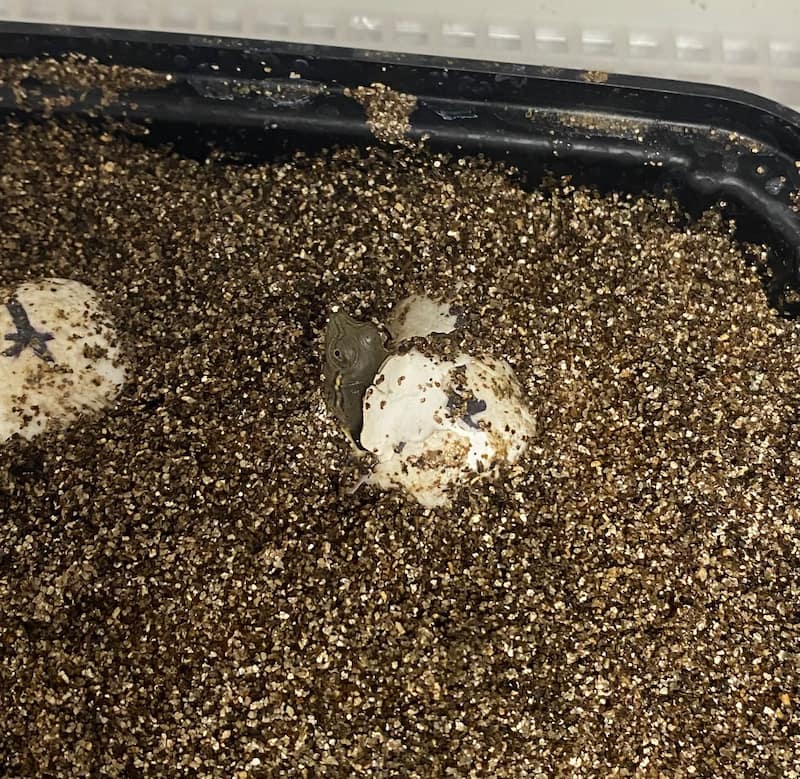
Spiny Softshell Turtle hatching from an egg.

On July 22, 2025, a good samaritan presented 18 spiny softshell eggs to the Wildlife Medical Clinic after being found at a construction site. Due to the possibility of the eggs being destroyed during construction, they were not returned to where they were found. The eggs were promptly placed in an incubator with temperature and humidity monitoring but were also monitored daily by our staff and volunteers. We candled the eggs to check viability. This is when you carefully put a light source up to the egg to check for signs that the egg is developing, such as blood vessels. This is a delicate process, as rotating the egg could cause damage to the developing embryo. Reptile eggs, unlike bird eggs, do not need rotated during incubation. After weeks of monitoring, on September 2, our staff and volunteers celebrated as three turtles hatched from their eggs. As the days went on, more turtles emerged, with a total of twelve turtles successfully hatching!

Hatchling Care

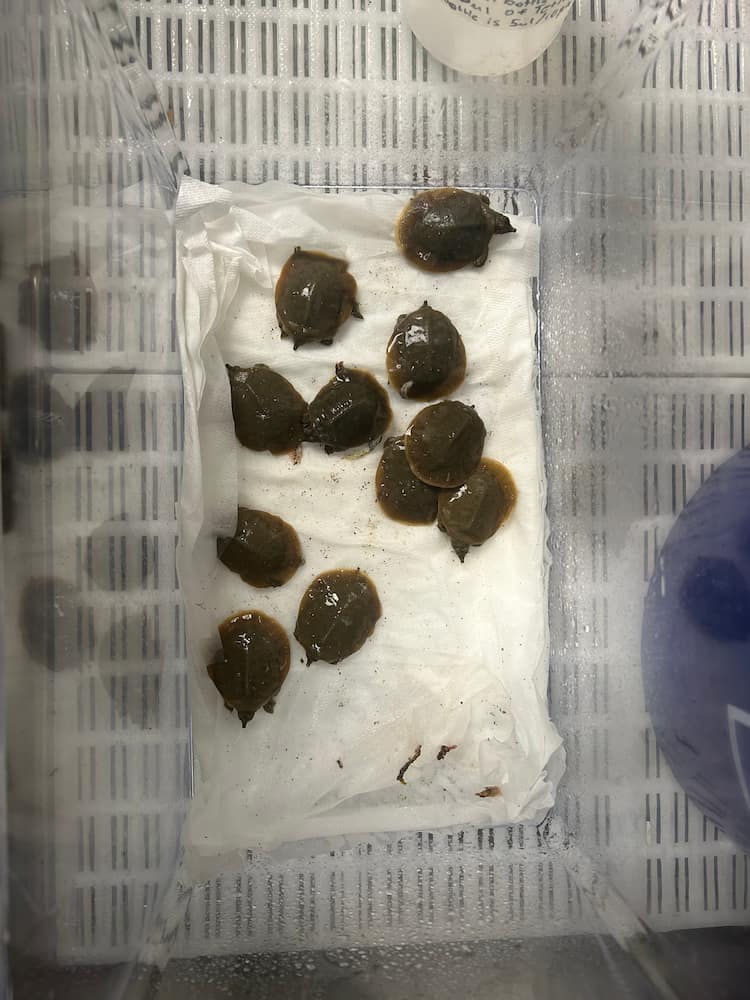
Newly hatched Spiny Softshell Turtles in a small plastic carrier with wet towels as substrate.

As our turtles emerged from their eggs, we kept them contained inside an incubator with damp cloth and misted them daily. We did not immediately move them into a larger enclosure, as freshly hatched turtles have a fragile yolk sac that will absorb over a few days post-hatching. To ensure the yolk sac did not break, the turtles were not handled unless necessary and were kept in a well-controlled environment until the sac was absorbed. Once the yolk sac was absorbed, we moved the turtles into an aquarium with substrate that allowed them to burrow, vegetation to hide in, basking spots to warm up under, and appropriate lighting. The turtles were offered a variety of food options like shrimp, bloodworms, and small feeder fish. We continued to monitor the turtles daily, observing their food intake, water quality, and overall behavior. We just needed to ensure they were healthy and eating before we released them back into the wild.

Release

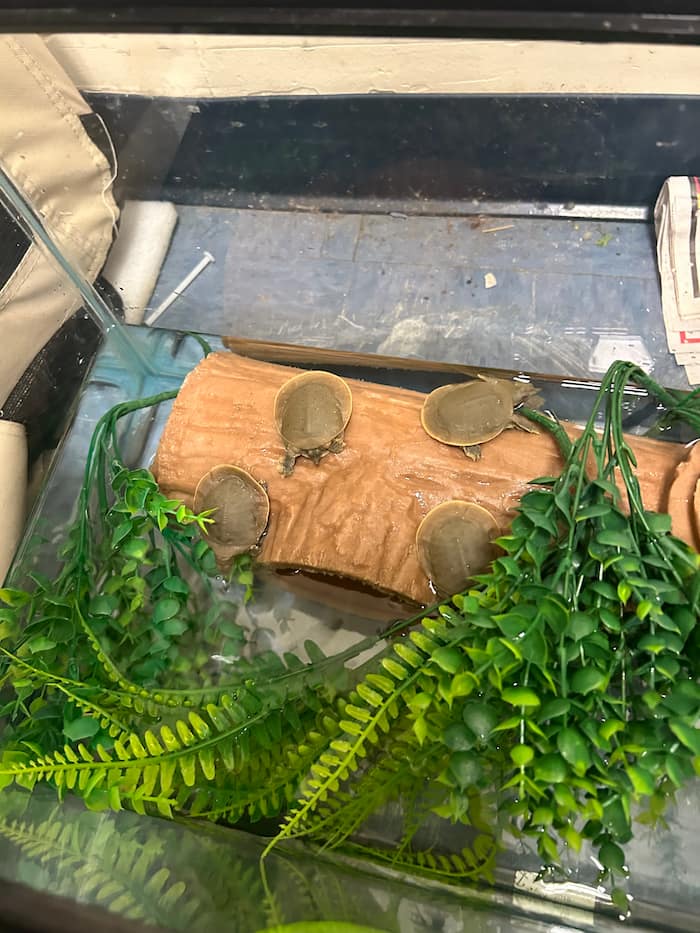
Several Spiny Softshell turtles in a small aquarium with artificial plants and log to bask on.

Once our staff veterinarian gave them a clean bill of health, they were approved for release. We had to strategically choose a location to release them, as we could not return them to the construction site they came from. We chose a release site directly into the lake next to which their eggs were found.  On September 14, after confirming a proper release site, the turtles were released back into the wild. Our team is incredibly grateful to have had this opportunity to care for these turtles from the incubator to release and hope they have a long, happy life in the wild!

You can see footage of their release on our Facebook page at https://www.facebook.com/share/r/1FxPqwULpr.

Written By: Riley D., Class of 2027

Wildlife and Domestic Cats

Wildlife Medical Clinic Overview

Each year, the Wildlife Medical Clinic at the University of Illinois provides care to around 2,300 wildlife patients and about 120 different species. We take all native Illinois wildlife, excluding skunks and bats. While these animals arrive for a variety of reasons including injury, illness, and being orphaned as youngsters, the most common reasons include: collisions with vehicles, habitat destruction, infectious disease, and altercations with domestic animals. These altercations include one of the most preventable injuries and those are injuries inflicted by domestic cats.

Mourning Dove Case Overview

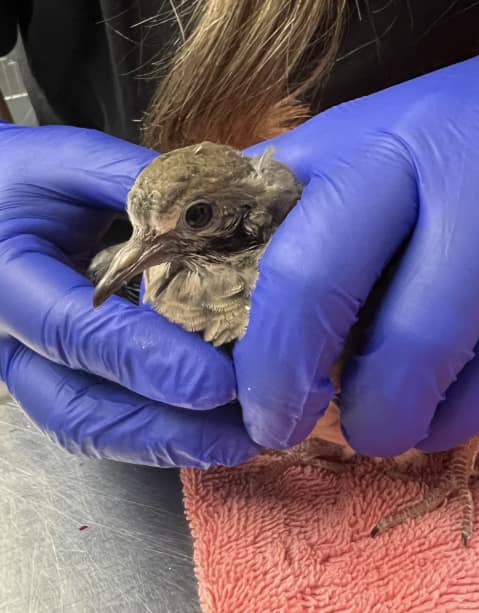
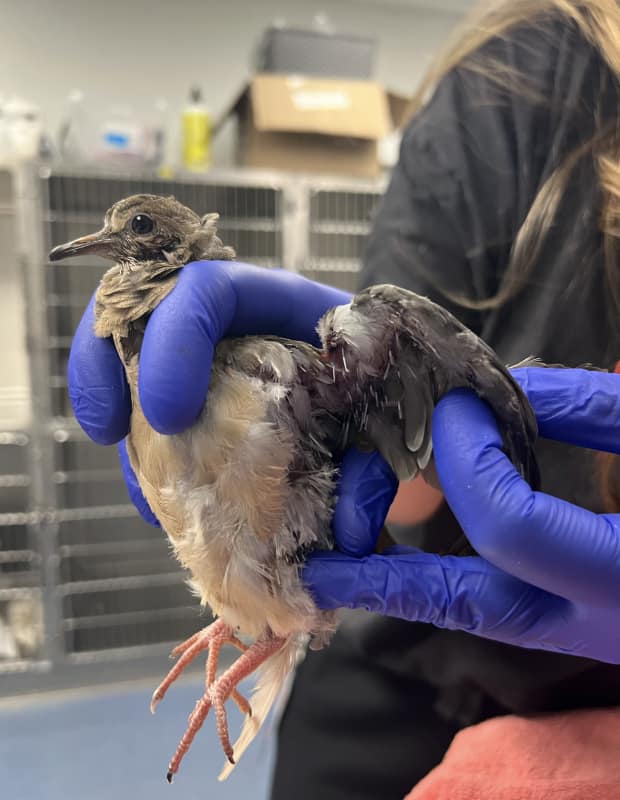
Young Mourning Dove in hand having its left wing examined by Wildlife Medical Clinic staff.

Recently, a juvenile mourning dove arrived at the clinic after being attacked by a domestic cat. The bird arrived frightened, bleeding, and unable to fly. Upon examination, volunteers discovered multiple puncture wounds on both wings. These injuries were consistent with bite and claw marks. Radiographs, or x-rays, were taken to assess how extensive the injuries were. The imaging revealed fractures in two key bones responsible for flight: the coracoid and the clavicle. To make matters worse, the mourning dove had also lost a significant number of flight feathers, further impairing its mobility and making escape from predators impossible.

Treatment began immediately. Under the guidance of our staff veterinarian, volunteers worked swiftly to administer pain relief and disinfect the wounds, as cat bites are prone to causing serious bacterial infections. This patient is currently recovering under close observation, and while healing will take time, we are hopeful for a full recovery and eventual release back into the wild once the bones mend and the feathers grow back in.

Domestic Cats and Their Effect on Wildlife

Sadly, this mourning dove is far from an isolated case. Domestic cats kill an estimated 2.4 billion birds annually in the United States alone! When combined with ongoing habitat loss, pollution, and climate change, predation by domestic cat’s places tremendous pressure on already vulnerable bird populations.

Keeping pet cats indoors is one of the most impactful ways individuals can help protect local wildlife, and it also significantly reduces risks to the cats themselves. Outdoor cats face a range of dangers, including vehicles, predators, disease, poisoning, and the potential to become lost. Fortunately, there are safe and enriching alternatives. Catios (cat patios) and leash training allow cats to enjoy the outdoors in a controlled environment that keeps both them and wildlife safe.

Help Wildlife by Keeping Cats Indoors

The Wildlife Medical Clinic is committed to providing medical care to sick, injured, and orphaned wildlife, offering training to veterinary students, and taking an active role in conservation by educating members of the community about safely coexisting with native Illinois wildlife. Preventable injuries like those seen in this mourning dove remind us that small, responsible actions, such as keeping pet cats indoors, can have a profound impact on the health of our shared environment.

For more information on domestic cats and wildlife, check out the American Bird Conservancy at https://abcbirds.org/strategies/cats-birds.

Written By: Lily M., Class of 2029

Should you rescue that animal? Understanding injured wildlife

Sydney Oliveira, WMC Program Coordinator, had the pleasure of chatting with Illinois Extension educators on their podcast, Everyday Environment.

Some topics that were discussed include the following:

  • What to do if you find injured wildlife
  • How to prevent common injuries to wildlife
  • The vital role rehabilitation and education play in conservation

To listen to the podcast or read the blog, check out the links below.

Case Study: The Hoot on Owl Eyes

Intake and Treatment Plan

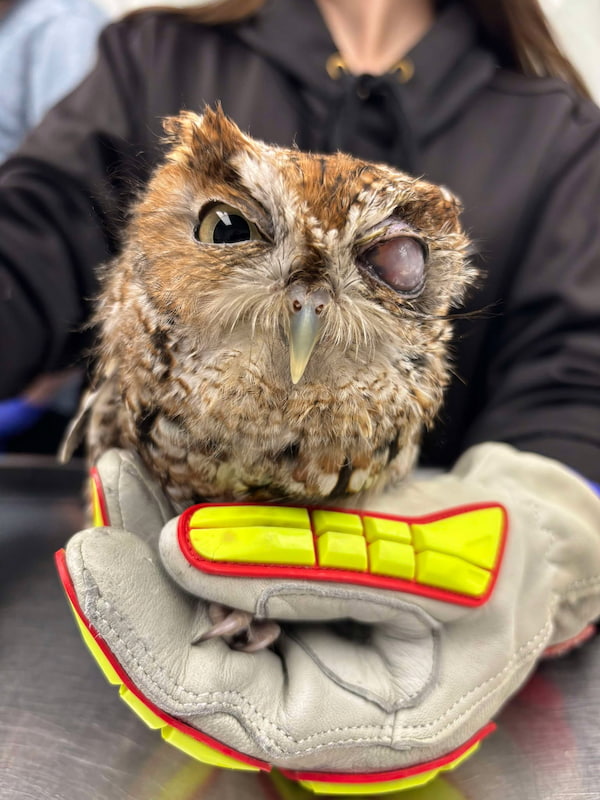
Earlier this year the Wildlife Medical Clinic received an Eastern Screech Owl, from one of our close partners the Illinois Raptor Center. Unfortunately, this little fella’ had an issue unlike most of our raptor patients.

While you may be thinking, “Wow, I’m sure that owl would look super cute with an eye patch”, when we saw this guy’s eyes, we were concerned about potential disease processes that could be occurring to cause the eye to have this appearance. The grey-white color seen in this photo occurs due to cornea thickening and will often imply a permanent change causing vision loss in that eye. After a brief exam where we confirmed our suspicions but also verified that the other eye was functioning and healthy, our animal care team quickly set up a plan to perform an evisceration surgery to remove the non-functioning eye.

Can this owl be released with one eye?

Unlike most raptor species, owls can survive in the wild with only one eye. Many other raptor species (hawks, kestrels, eagles) are unable to be released if found with vision loss in one eye, due to the negative implications it can have on their ability to catch prey. Being diurnal species, or species that are active during the day, they primarily use their vision to hunt.

Owls, on the other hand, can hunt effectively even without perfect vision. Being a nocturnal species or species that are active at night, they primarily use their sense of hearing to hunt. Thus, allowing for their release with only one eye.

Post Surgery

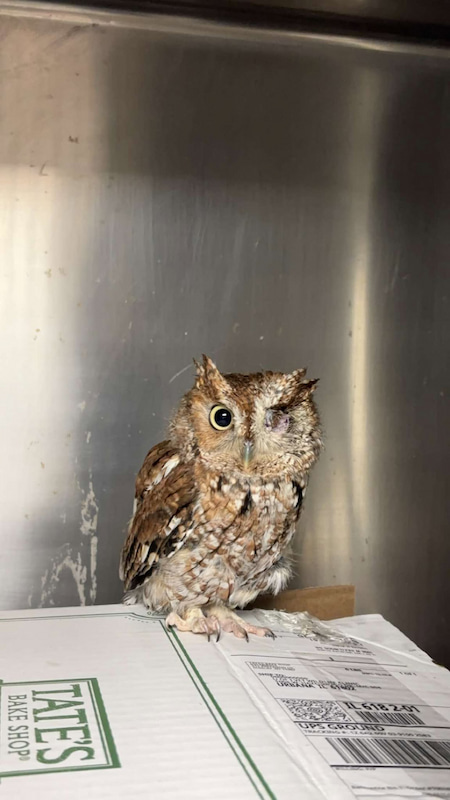
A one eyed Eastern Screech Owl in a hospital enclosure. It's injured eye was surgically removed.

This was our patient, following his evisceration surgery. He recovered great afterward and had no problem navigating his enclosure with only one eye! We were able to transfer this patient back to the Illinois Raptor Center where he continued his rehabilitation process with the end goal of eventually being released back into the wild!

When we say continued his rehabilitation process, this organization has larger enclosures that will allow them to flight test and condition this individual for release. They will ensure he can fly, find food on his own and exhibit species appropriate behaviors (confirm he is not imprinted or too friendly around people) before he is released back into the wild.

Written By: Katelyn D., Class of 2026

Cuddly Predators: The Dangers that Cats Inflict on Wildlife

The Dangers of Cat Bites

As cuddly, friendly, and cute as they can be, at the end of the day, cats are predators and pose a risk to our local wildlife species, especially birds and rabbits. Cats are a significant danger to wildlife for many reasons, some of which include predation, disruption of the ecosystem, and disease transmission. Severely reducing or eliminating these risks that cats introduce can be attainable and we should do our best to try.

Predation

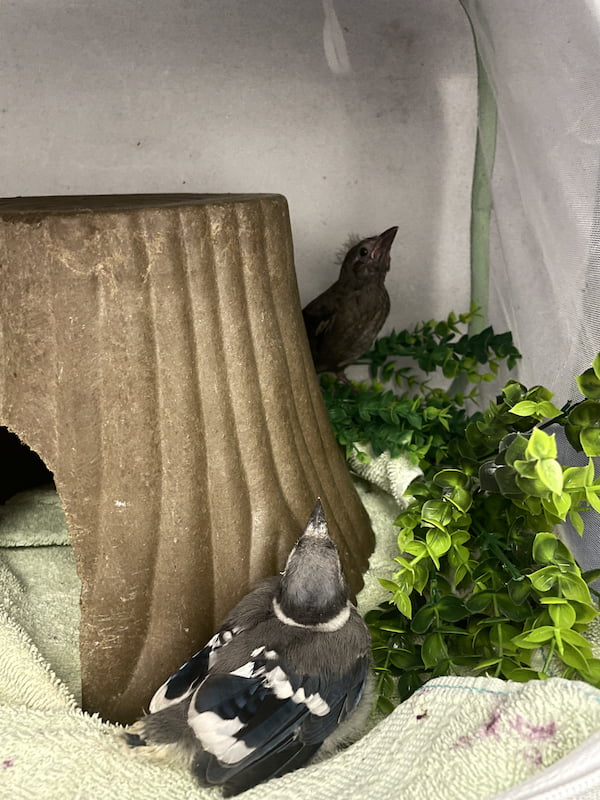
Young Blue Jay with another bird in a soft sided kennel with a small cave to hide in, perch on and artificial plants next to it.

A cat can catch various wildlife species and inflict damage by tearing the skin, introducing bacteria to the wound, and shaking the animal causing internal damage, among other things. Many animals that come into the Wildlife Medical Clinic that have been victims of outdoor cats, unfortunately, do not make it due to the extent of their injuries or through infection. Cats are hunters at heart and are responsible for the deaths of billions of mainly birds and bunnies. These deaths can have an impact on local populations particularly those endangered or at risk; subsequently, affecting certain species populations could have a domino effect on other species in the ecosystem.

Environmental Contamination

One common infectious agent is Toxoplasmosis which is a disease contracted from the parasite Toxoplasmosis gondii. Cats are known hosts to this parasite and while the cat may not show any symptoms they can transfer this parasite to wildlife species and even humans through their feces. The parasites’ oocytes laid in feces are resilient in adverse environments and become infectious. Water, soil, and food can become contaminated thus continuing the spread. Toxoplasmosis can have significant effects on certain wildlife species and some have shown cases of mortality to the parasite, for instance, sea otters.

Spread of Disease

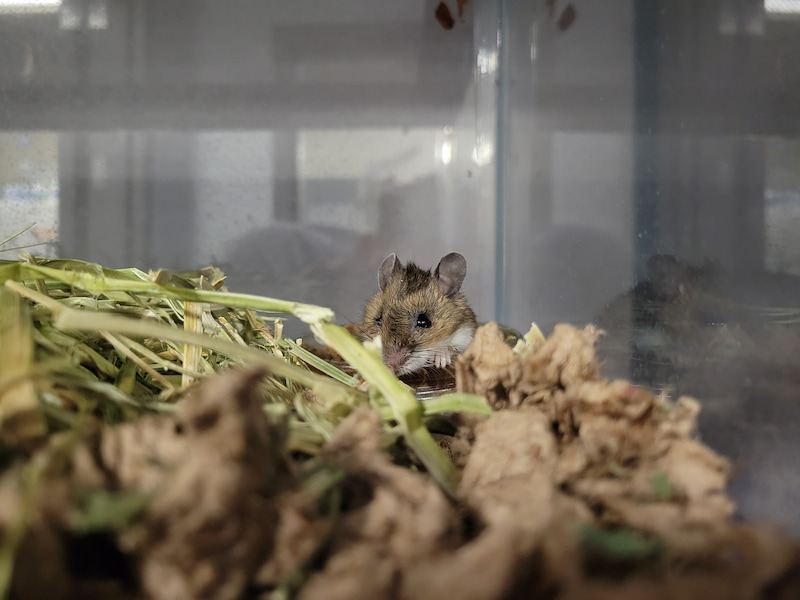
White footed mouse peeking out from a thick layer of recycled paper bedding and hay.

Additionally, cats can be disease reservoirs harboring a pathogen and transmitting the pathogen from host to host thus playing a crucial role in the infectiousness. Pasteurella multocida is a bacteria commonly found in the mouths of cats that is normal and not harmful to them but dangerous if infected to other animals like cottontail rabbits. Prey animals like bunnies, typically are not that resilient to infections so Pasteurella multocida from a cat bite is often deadly.

Clinical signs of Pasteurella multocida include respiratory distress, hemorrhage, septicemia, death, etc. Wildlife animals are already subject to various predators and risks to their lives without adding domestic cats to the mix.

Prevention for our Wildlife

The only foolproof prevention from the consequences of cat bites in our wildlife species is to protect them from predators like our furry friends. Keeping cats indoors protects not only wildlife from infections, injury, and death but the opposite is also true. Cats are also susceptible to harm from wildlife species such as rabies, which is fatal. Rabies vaccination is a great start for prevention but avoiding exposure to the virus is optimal. Veterinary Medicine goes beyond treating sick animals and aims toward prevention in order to keep animals, humans, and our environment alike all healthy. We love our cats and want the absolute best for them, and the best for them is keeping them safely inside which is coincidentally the best for our local wildlife populations. However, if a domestic cat is so inclined to be outdoors then it would be best if they are monitored and potentially kept on a leash to assure the safety of our outdoor friends as well as those we keep indoors.

References

Liao, Kristine. “Outdoor Cats Are Deadly-and Not Just for Birds and Squirrels.” Popular Science,31 May 2022.

Mostl, Karin. “Guideline for Pasteurella Multocida Infection.” ABCD Cats & Vets, 9 July 2024.

University, Texas A&M. “How Free-Roaming Cats Impact Wildlife, Disease Transmission.

University, Texas A&M. How free-roaming cats impact wildlife, disease transmission. Phys.Org, Phys.org, 20 Oct. 2023.

Written By: Kristen C., Class of 2027

Wildlife Medical Clinic
John A. Coyne South Clinic
2100 South Goodwin Avenue
Urbana, IL 61801
217-244-1195