Beyond the Incubator, Spiny Softshell Turtle Edition

Spiny Softshell Basics

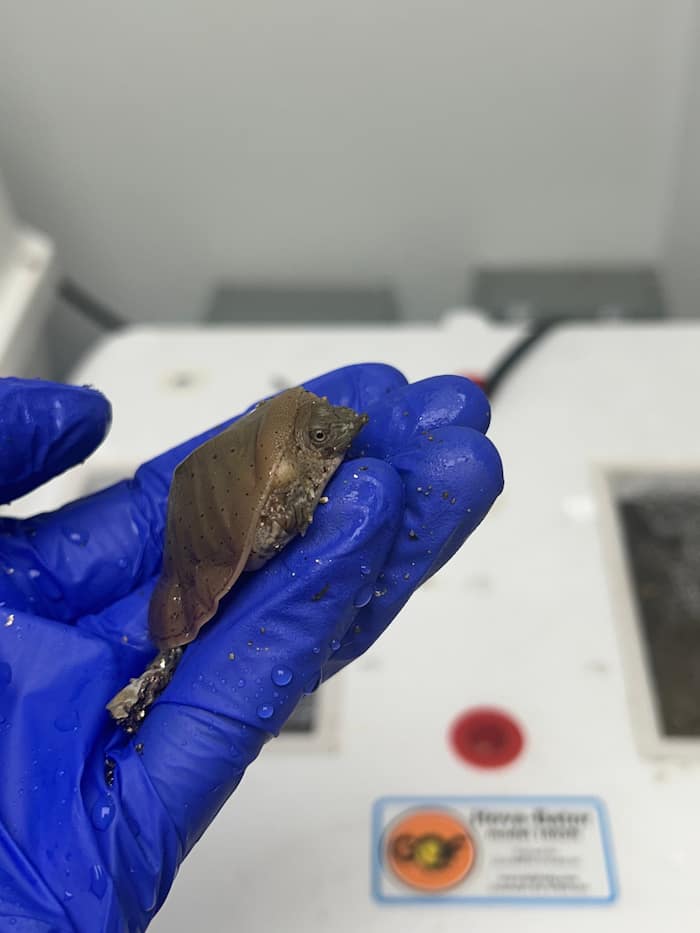
Spiny Softshell Turtles are considered one of the largest freshwater turtle species within the United States. Their unique appearance makes them stand out among other turtle species. As their name suggests, their carapace, or top shell, is flat, flexible, and has spines along the front surface. Their webbed feet and long nose enable these turtles to spend most of their time in the water, either swimming or remaining submerged for extended periods. A typical hunting strategy of this species involves ambushing the prey. They accomplish this by burying themselves in the soil or mud and waiting for food items to swim by. They are generally carnivorous, eating fish, invertebrates, or insects as they see fit.

Arrival to the Wildlife Medical Clinic

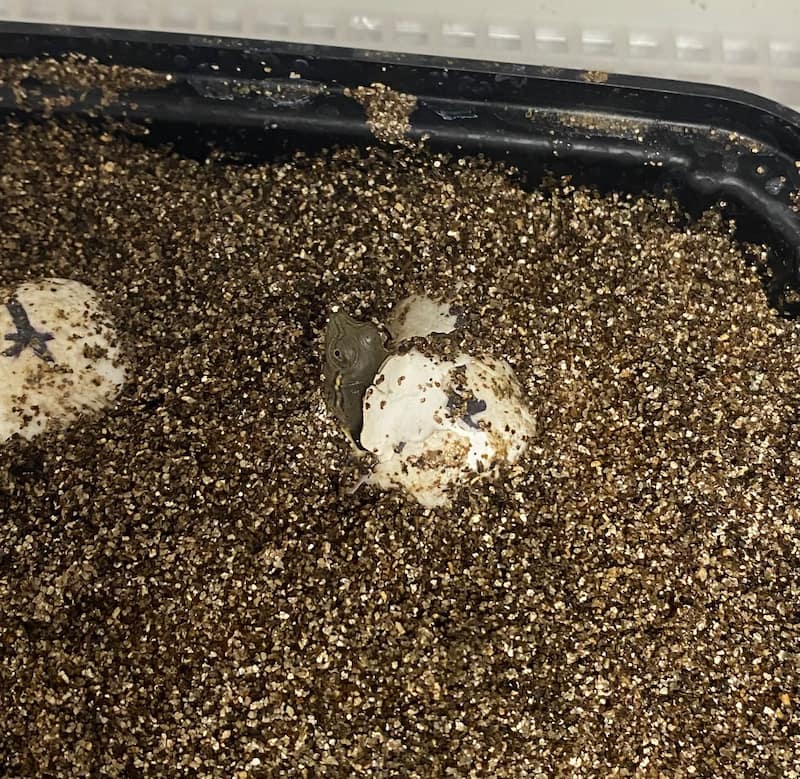
Spiny Softshell Turtle hatching from an egg.

On July 22, 2025, a good samaritan presented 18 spiny softshell eggs to the Wildlife Medical Clinic after being found at a construction site. Due to the possibility of the eggs being destroyed during construction, they were not returned to where they were found. The eggs were promptly placed in an incubator with temperature and humidity monitoring but were also monitored daily by our staff and volunteers. We candled the eggs to check viability. This is when you carefully put a light source up to the egg to check for signs that the egg is developing, such as blood vessels. This is a delicate process, as rotating the egg could cause damage to the developing embryo. Reptile eggs, unlike bird eggs, do not need rotated during incubation. After weeks of monitoring, on September 2, our staff and volunteers celebrated as three turtles hatched from their eggs. As the days went on, more turtles emerged, with a total of twelve turtles successfully hatching!

Hatchling Care

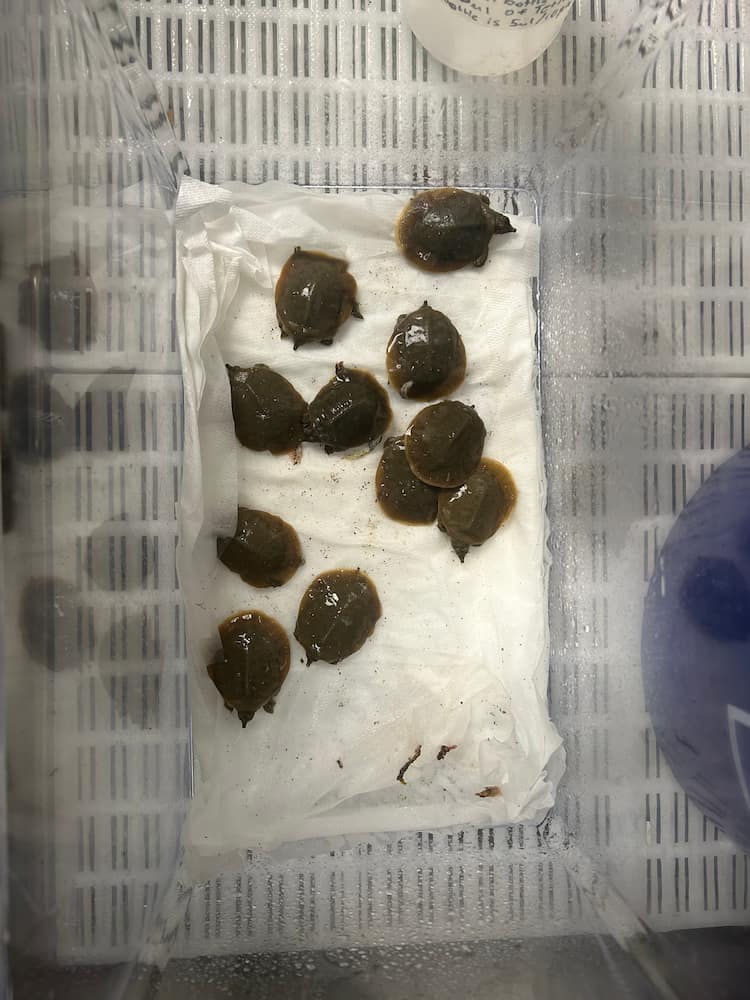
Newly hatched Spiny Softshell Turtles in a small plastic carrier with wet towels as substrate.

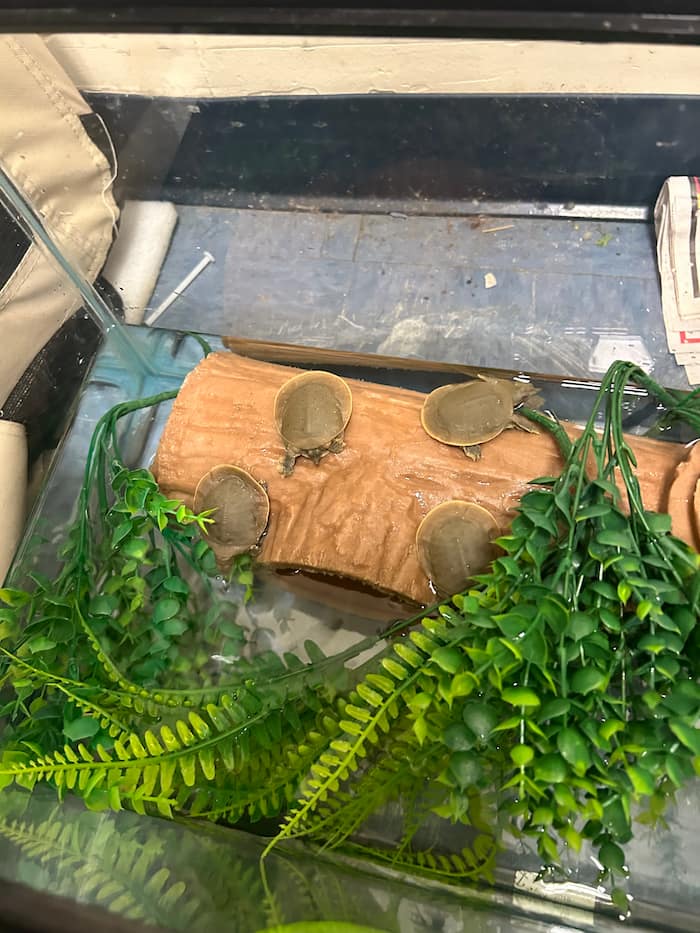
As our turtles emerged from their eggs, we kept them contained inside an incubator with damp cloth and misted them daily. We did not immediately move them into a larger enclosure, as freshly hatched turtles have a fragile yolk sac that will absorb over a few days post-hatching. To ensure the yolk sac did not break, the turtles were not handled unless necessary and were kept in a well-controlled environment until the sac was absorbed. Once the yolk sac was absorbed, we moved the turtles into an aquarium with substrate that allowed them to burrow, vegetation to hide in, basking spots to warm up under, and appropriate lighting. The turtles were offered a variety of food options like shrimp, bloodworms, and small feeder fish. We continued to monitor the turtles daily, observing their food intake, water quality, and overall behavior. We just needed to ensure they were healthy and eating before we released them back into the wild.

Release

Several Spiny Softshell turtles in a small aquarium with artificial plants and log to bask on.

Once our staff veterinarian gave them a clean bill of health, they were approved for release. We had to strategically choose a location to release them, as we could not return them to the construction site they came from. We chose a release site directly into the lake next to which their eggs were found.  On September 14, after confirming a proper release site, the turtles were released back into the wild. Our team is incredibly grateful to have had this opportunity to care for these turtles from the incubator to release and hope they have a long, happy life in the wild!

You can see footage of their release on our Facebook page at https://www.facebook.com/share/r/1FxPqwULpr.

Written By: Riley D., Class of 2027

Eerie Creatures- Scary or Misunderstood

As spooky season approaches, we want to talk about a few animals that get a bad rap for being scarier than they truly are.

Owls

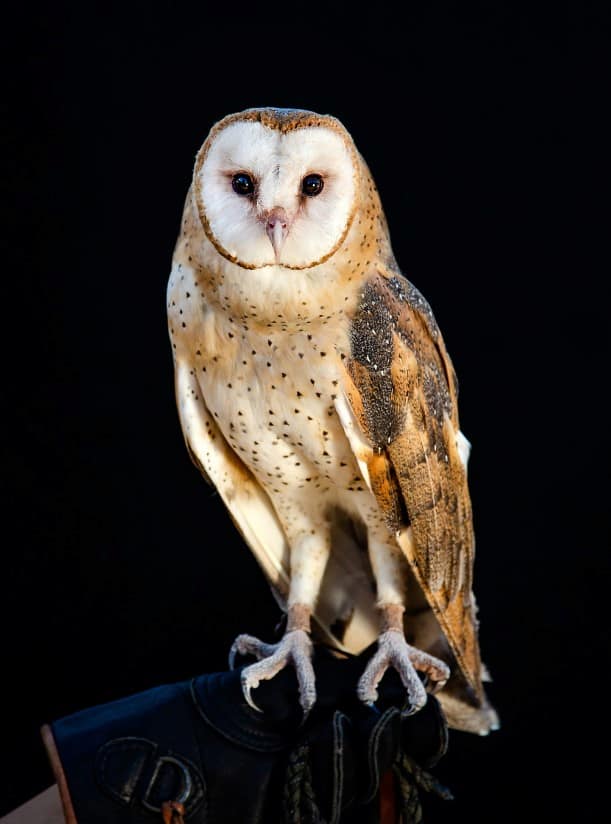
Owls are often associated with death and bad luck and were once thought to be messengers of witches. One owl in particular, the barn owl, takes the brunt of some of this folklore. Due to its nocturnal nature, ghostly white color, habit of resting in barns, and loud screaming calls, these creatures were thought to be a ghost.

The reality is these animals don’t want to be around people at all. They are great predators that help to control rodent populations, which in turn helps to stop the spread of zoonotic disease that rodents may be carrying.

Virginia Opossum

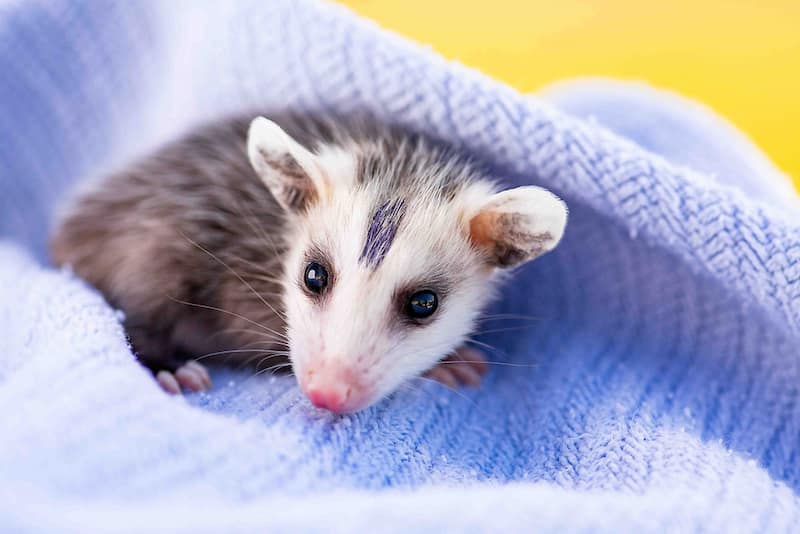
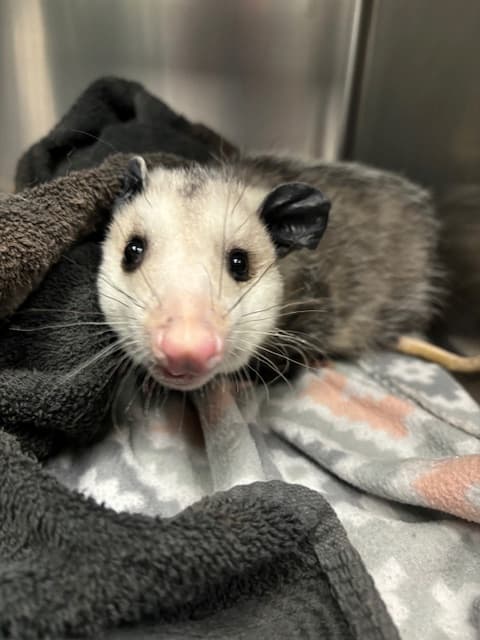
Virginia Opossum joey tucked under the fold of a blanket. Opossum is looking forwards but right side of body visible from under the blanket.

These nocturnal animals are often misunderstood and thought of negatively. Common opinions are they are aggressive towards people, not intelligent, dirty and disease-ridden.

This could not be farther from the truth. These animals try their hardest to avoid people but when this is unavoidable, their defense can look somewhat intimidating. They hold their mouths open and hiss. In most cases, this is a bluff, and they will then attempt to run away or hope you walk away so they can flee. These animals are not dirty and in fact spend a lot of time grooming to keep clean. Being the only marsupial or pouched mammal in North America makes them quite unique and they have a slightly lower body temp compared to other mammals, making it very difficult for them to get rabies. In addition to this, they are also immune to most North American snake venom, scorpion, and bee stings. These animals are actually very important in the environment and in addition to fruits, vegetables, greens, and insects, they will also eat carrion, or dead animals. This helps to stop the spread of disease and clean up the environment. They also help to prevent tick-borne illness by eating a large number of ticks as they groom themselves. They play a role in dispersing seeds and are a food source for other animals such as owls, hawks, coyotes, foxes, raccoons, and bobcats. So, as you can see, these misunderstood creatures are not scary but in fact super beneficial in the environment.

Toads

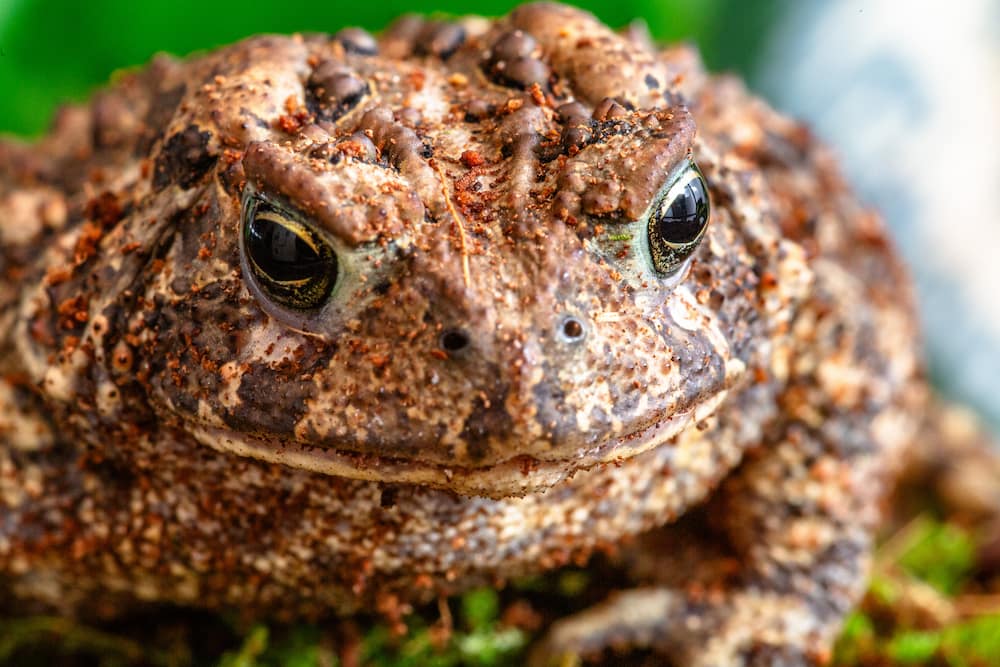
American Toad close up image of head. Toad looking forwards with both eyes open.

Toads have been said to give you warts if you touch them, but this is not true. In fact, the bumps on their back actually secrete a mild toxin to ward off predators. Because of this, they were often associated with witches and said to be used by them to craft poisons.

I can see where this would sound scary but, in all reality, toads are very beneficial to the environment. These animals are great at consuming insects, especially in your garden or around crops. They also are great indicators of ecosystem health as their skin is permeable and it makes them vulnerable to toxic substances and drought, which means a decline in numbers can show environmental problems. Even though they can secrete a mild poison, some animals are immune to it or have figured out the safe areas to eat, so toads serve as an important source of food for these other animals (Ex. crows, red shouldered hawks, snakes, and even Virginia opossum).

Bats

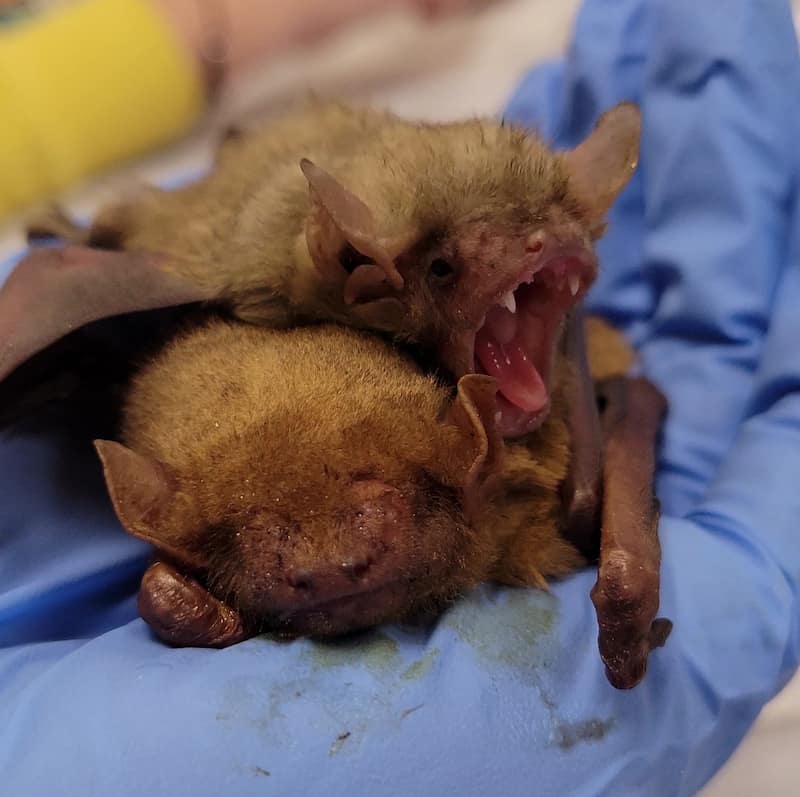
Two Bats resting on the glove of a wildlife rehabilitator in Texas. One bat is sleeping and one is yawning.

Bats were first connected to the spooky season after Dracula was written in which vampires were said to shapeshift into bats and then drink blood from humans. There are only three species of bats (common vampire bat, white-winged vampire bat, and hairy legged vampire bat) that feed on blood, and they are found in Central and South America. There are also a few species of carnivorous bats that feed on birds, mice, lizards, frogs, and fish. But the vast majority of the close to 1,400 species of bat feed on insects, fruit, and nectar. These animals are very important for pollination and seed dispersal and many of the bat species, especially ones found in our area, are great at pest control, consuming large amounts of insects each night. These animals account for just over 20% of all the mammal species in the world, which means 1 in 5 mammals are bats!

**Unfortunately, the Wildlife Medical Clinic is unable to accept bats, as it is illegal to rehabilitate this species in the state of Illinois due to the risk of rabies exposure. If you encounter a sick or injured bat, or find a bat in your home, please do not handle it and contact your local animal control agency as well as your physician.**

Snakes

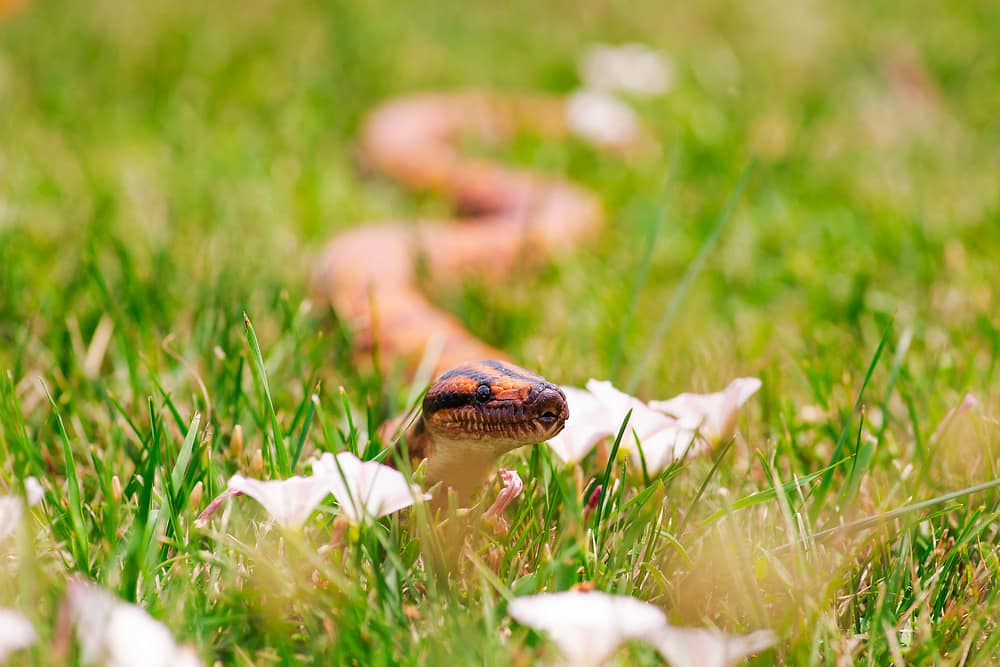
Caduceus the Brazilian Rainbow Boa Ambassador roaming in the grass next to some flowers.

Snakes often receive a bad reputation and are thought of as evil, slimy, and dangerous. Throughout history (mythology, religion, and storytelling), snakes have been portrayed as evil. These creatures have scales instead of fur, lack eyelids so they cannot blink, and have no appendages so they slither across the ground flicking their tongue to smell and assess their environment.

These creatures are actually very beneficial to the environment as many eat rodents, which helps to reduce the spread of zoonotic disease. Some smaller snakes like Dekay’s brown snake and garter snakes’ prey on insects and help to keep your garden free of pests. In addition to being a predator, these animals are also prey for many animals such as larger snakes, birds of prey, and some mammals.

Of the 3,900 species of snakes worldwide, about 600 or 15% of them are venomous. While these few snakes have the potential to cause bodily harm to a human, most just want to be left alone and will not go out of their way to engage with humans. They don’t want to use their venom unless they must and ideally that would be for catching prey. Otherwise, most interactions with snakes, venomous or not are when we find them basking in the sun to warm up, moving through the woods or our yards foraging for food, and hiding under an object near our home. Once spotted they do their best to either flee, feign death, or be defensive in hopes of scaring us away. So next time you see these misunderstood creatures, give them some space and let them be on their way as they have an important job to do.

Coyote

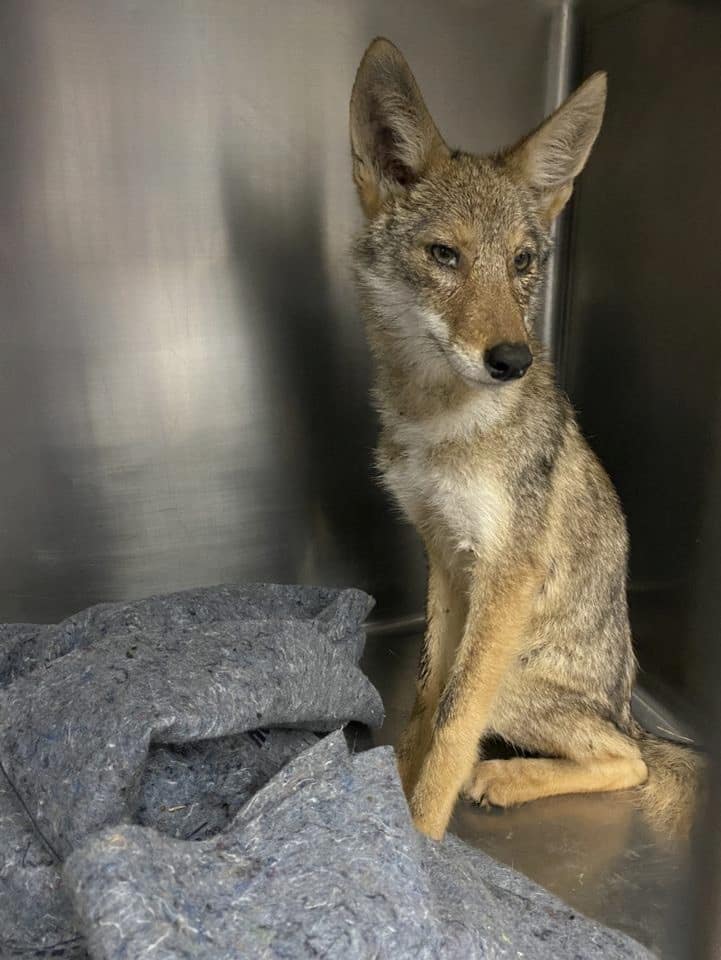
Coyote Wildlife Patient in a stainless steel enclosure sitting next to a blanket.

While wolves are more commonly associated with spooky season and said to shape shift into werewolves, we would like to highlight this local and lesser known canid.

Coyotes were once thought of as an ominous sign. Native American Navajo people believed you should turn back if one crossed your path. They also admired the coyote as well for its intelligence and aptly named it the trickster since they can be funny or fearsome. These animals are also thought to be dangerous to humans, which is generally not true and if seen out in the day, people often think these animals are rabid, which usually is also not true.

While these animals are very intelligent and curious, they are quite shy and fearful of humans. They are top predators and help control the populations of smaller mammals and rodents such as rabbits, skunks, raccoons, foxes, and sometimes deer. This helps with maintaining a healthy ecosystem and species diversity in the environment. Surprisingly, coyotes are omnivores and will eat fruit and vegetables too, especially when meat is scarce. These animals are most commonly crepuscular, which means they are active at dawn and dusk. However, they are opportunistic, so based on food availability, they may be out during the day or night. If you see them out during the day, it does not mean they have rabies, they are more than likely just searching for food.

These animals are very important in the environment and help to keep the ecosystem balanced. While it is not common, they can pose a threat to some of our smaller domestic animals, such as cats and dogs, not horses and other large farm animals. To keep coyotes wild and away from your pets, it is best to feed your pets inside, keep your cats indoors, and make sure to supervise your dog(s) when they are outside. While coyotes don’t actively seek these animals as prey, they would not turn down the opportunity if the animal was easily available. There is no need to fear a coyote but just be aware and alert if one is near your property and smaller pets.

Appreciate and Respect Wildlife

We hope you are less fearful of and have a better appreciation for some of these species after learning about how important they are in the environment. In the future if one should cross your path, admire from a distance, and let it be on its way as it has important business to tend to and a special place in the ecosystem and food web!

Written By: Sydney O., WMC Program Coordinator
Why Did the Turtle Cross the Road?

A Perilous Journey

Every year thousands of turtles cross our roads for various reasons. As the weather warms up, many turtles search for new territories, breeding grounds, or food.

Year after year in late spring, female turtles begin their voyage to find a nesting site on land. Aquatic species haul themselves out of their beloved body of water and may end up crossing the road to find a suitable place to lay their eggs. We know this is one of the biggest causes for road-crossings, as roadkill disproportionately effects female turtles of a mature age. Many times, females choose to nest in an area that may be difficult for the babies to traverse when they hatch. These babies know exactly where they need to go but may get hit by a car or predated upon on the way. In other cases, turtles may go to roads to bask when feeling unwell. Because they cannot thermoregulate internally, they try to create a behavioral fever by laying under the sun. Unfortunately, hot asphalt is a great way to do that. 

Do turtles have superpowers?

In my personal opinion, yes! They are excellent navigators with the ability to create mental maps and rely on an internal compass. They become very familiar with their home range, which can include a yearly nesting site, overwintering grounds, and the wetlands they utilize during the active season. In fact, sea turtles have been known to swim hundreds of miles annually to get to their destination nesting site!

What can you do to help?

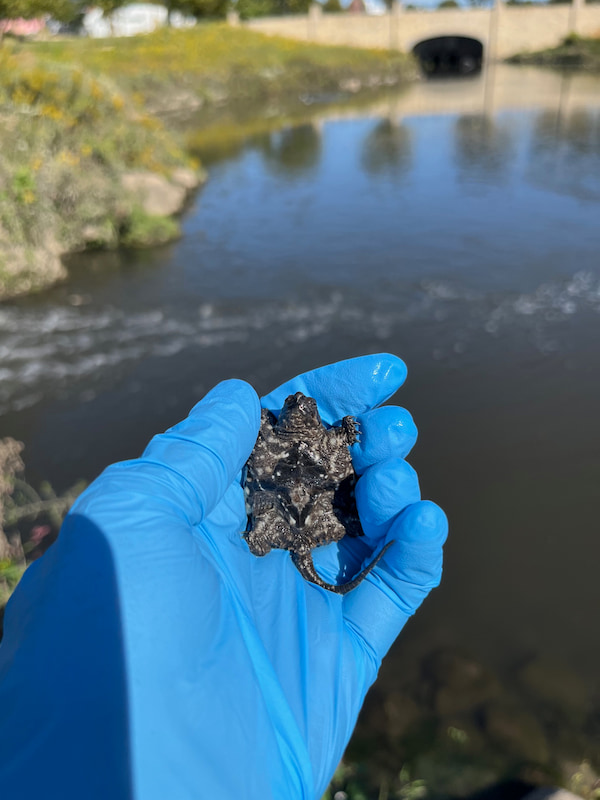
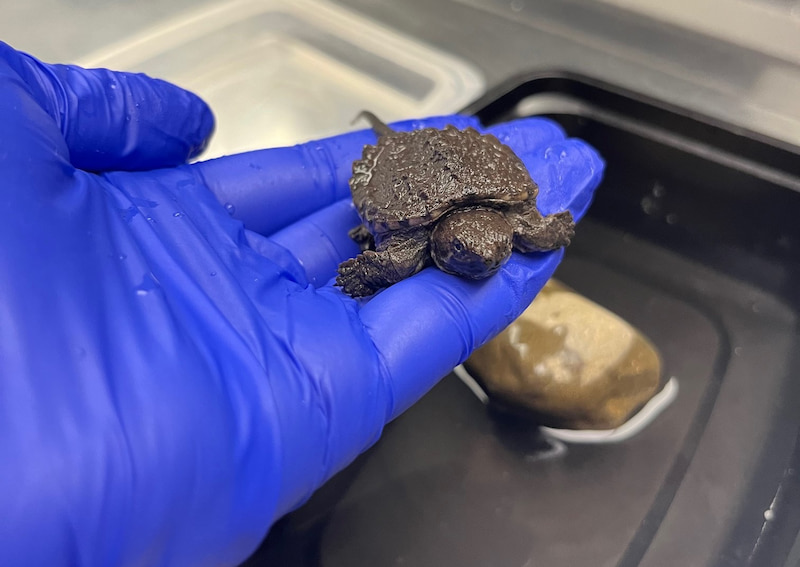
A baby snapping turtle is being handled gently in a gloved hand

If you ever see a turtle on the road, it is very important to help the turtle get to the other side in the direction that it was going. If you decide to pull over, please prioritize your own safety! Not only do turtles have exceptional navigational skills, but they are also very stubborn! Redirecting or relocating a turtle can be very dangerous for them. They may take a longer and potentially more treacherous path to the place they originally wanted to go. Additionally, turtles learn to live and love their home, making it very difficult to learn how to navigate, forage, and socialize in a new environment.

When encountering turtles that may be dangerous to handle, like Common Snapping Turtles, there are still some steps you can take to help! Many wild turtles will be frightened at human interaction and may try to bite. If you are uncomfortable handling any turtle, you can use a car mat or shovel to put under the turtle and slide it. Please never pick up a turtle by their tail, as this can result in severe spinal damage!

What if I find a turtle that’s been hurt?

Turtles are insanely hardy and can survive some pretty horrific injuries. If you come across an injured turtle or one that has been hit by a car, we always recommend bringing it into your nearest wildlife rescue, such as the WMC! If you are unable to bring it in, please contact your local fish and wildlife department to ask for guidance. Never attempt to treat the animal on your own, as this could put you or the turtle in danger and may be in violation of state laws. 

Case example!

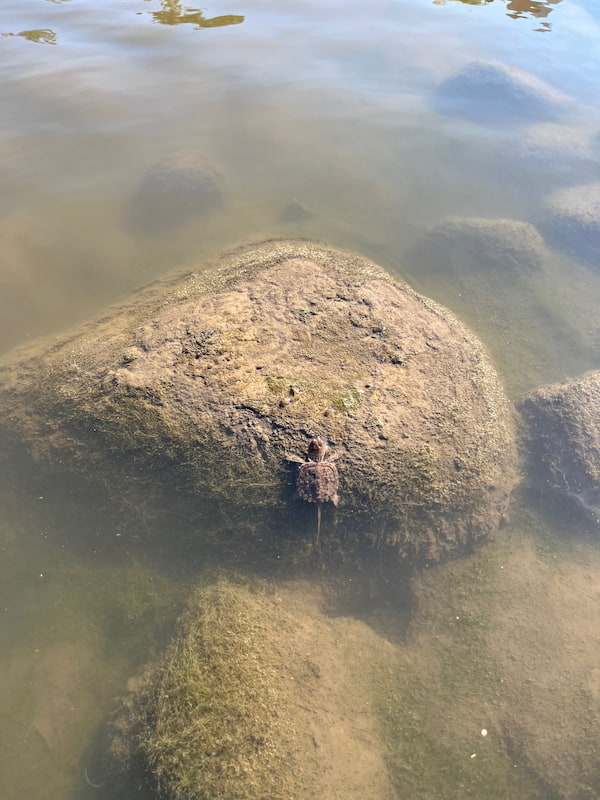
A baby snapping turtle is holding onto a rock outside after release

In mid-September, I was presented with a hatchling common snapping turtle on triage. Generally, snapping turtles lay eggs during May and June, with the hatchlings emerging around September. Therefore, this little one was on perfect schedule! The hatchling had been picked up by a Good Samaritan that had found it trying to cross the road. They were most likely trying to get to the nearest body of water. 

On exam, it was a perfectly healthy baby weighing in at 10 grams! Its age was determined not only by size, but by how squishy the hatchling’s shell was. It also had a visible umbilical scar, as seen in the featured image! In the early stages of life, it is normal for a turtle’s shell to be soft and pliable. This allows for “give” as the turtle expands and grows. Sadly, this is also a major reason for predation in newly hatched turtles. The umbilical scar, or yolk sac, can be thought of as a belly button. It is where the turtle embryo was attached to the shell when it was in the egg. Within about ten days, the yolk sac is fully absorbed and there will no longer be evidence of a scar. 

Time for Release!

In this case, we did not know where the turtle had been found and picked up, so we were very hesitant to release it. We knew that it may be hit by a car or predated upon trying to find its way back to its original destination. It was going to take some deep detective work to find out where the little one had come from.

In the meantime, we set up the hatchling with a proper enclosure in the clinic. This included a tank filled with water, a heat lamp, rocks for a basking area, a UV lamp, and fake plants and logs for hiding spots to decrease stress. We also began experimenting with different food items to see what the turtle would enjoy eating. Some of the options included cut up brine shrimp, turtle pellets, bloodworms, mealworms, and pinky mice. We learned that the patient really took a liking to the brine shrimp!

With a lot of luck and determined investigation, we were able to find out where the patient had been found. It just so happened to be a couple of blocks from a large body of water! A few days after the turtle presented to the clinic, I was able to release it. I hope that it will grow for years to come and be a beneficial contributor to our ecosystem!

Written by: Erika, Class of 2027

2024 Year in Review

Happy New Year!

Wildlife Medical Clinic has successfully closed our 2024 chapter and opened our door to 2025. We are grateful for the support from our community, professional colleagues, fellow wildlife rehabilitators, student volunteers, and generous donors. With the collective force from everyone, we were able to provide the best possible care to the injured and orphaned wildlife we received. Without a doubt, our New Year resolution is to continue making a difference by providing excellent medical care for our current and future patients.

We wanted to share with you all the patients we cared for in 2024…

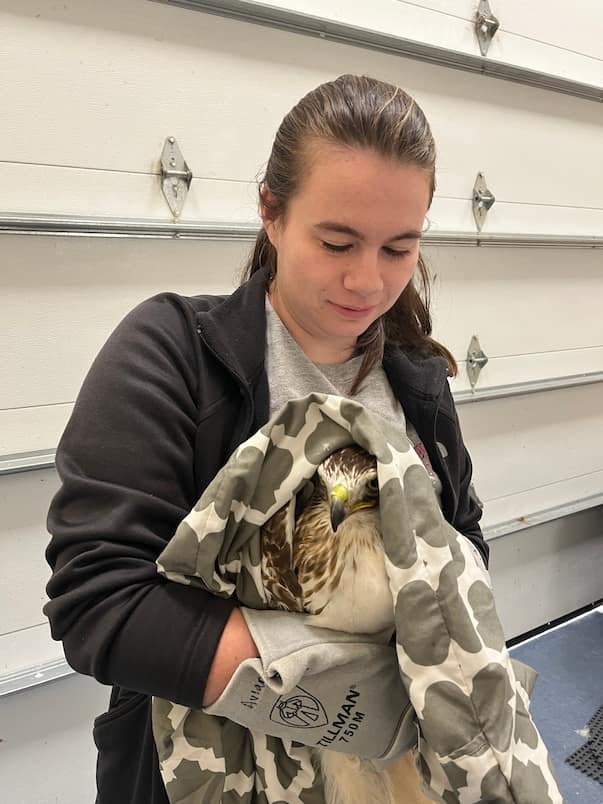
Wildlife Medical Clinic volunteer Alexa, restraining a red tailed hawk.
  • In total, our clinic saw a record-setting 2,278 patients come through our doors, comprising a remarkable 131 different species.
  • Of those 2,278 patients, we treated 7 amphibians, 46 reptiles, 768 birds, and 1,457 mammals.
  • Our most common species in the clinic was…
    • The Eastern Cottontail! They made up 580 of our patients last year.
  • The most common avian species seen…
    • The Canada Goose, which enumerated 93 of our patients in 2024.
  • Our other commonly treated species included the Eastern Grey Squirrel, Virginia Opossum, Raccoon, American Robin, and Red-tailed Hawk.

Thank you all for your continued support of our clinic and the work that our wonderful team does every day to care for all these critters! We are excited about the new opportunities ahead and we will continue to provide care and services to our local wildlife with great passion.

Cheers to continuing to make a difference in the lives of Illinois wildlife in 2025!

Written By: Maddie, Class of 2028

Nutritional Secondary Hyperparathyroidism

What is Nutritional Secondary Hyperparathyroidism (NHSP)?

Nutritional secondary hyperparathyroidism (NSHP) is unfortunately a common type of metabolic bone disease that can occur in any animal but is most often seen in reptiles and amphibians. This condition most often occurs in captivity when an animal is not receiving the proper husbandry. NSHP can occur when the animal’s diet does not have enough calcium, or vitamin D3, or in the case of many reptiles when they do not receive enough UVB (ultraviolet B) light. Vitamin D3 is required by the body for calcium absorption, so as a result the parathyroid gland, which is found in the neck with the thyroid, begins to produce more parathyroid hormone (PTH). The primary function of the parathyroid gland is to tightly maintain calcium levels and keep them balanced. As a result of the decreased calcium and lack of vitamin D3 the secreted PTH stimulates osteoclasts in the bones, where most calcium is found, to begin resorbing the bones breaking them down causing the calcium to be released back into the bloodstream. Calcium is extremely important throughout the body where it is required for nerve transmission, muscle function, blood clotting and a multitude of other vital bodily functions. While the calcium needs to be in the blood it does so at the expense of the bones.

Why do we see NSHP in Wildlife?

When the bones are broken down to provide calcium it causes them to lose density making them more susceptible to injury. Additionally, there are developmental deficiencies associated with growth that can occur too. All of these make the lives of animals very difficult. NSHP is not as prevalent in the wild, because the animals tend to get enough sun and eat a proper diet. There are two main reasons we see this, first is when people have a pet and they don’t do proper research on housing and diet requirements and therefore don’t meet the needs of their pet. The second reason we see this is due to well-meaning individuals finding wildlife and then proceeding to care for them or keep them in captivity instead of bringing them to a licensed rehabilitator. Wildlife requires specialized diets and housing that are hard to meet in captivity and while people try their best, they often fail to meet the needs of these animals and don’t realize that for most wildlife, permits are needed to care for them, so keeping them in captivity is actually illegal if you don’t possess the proper permits. To further illustrate the effects of NSHP, we will review two cases we have recently seen in the Wildlife Medical Clinic.

Virginia Opossum Case

Virginia Opossum with non-symmetrical face due to metabolic bone disease.

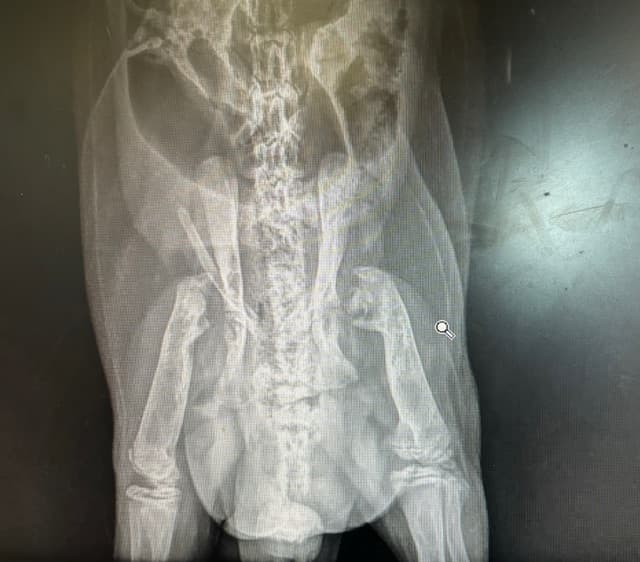
On September 9, 2024, we received a juvenile male Virginia opossum that a finder found in their yard struggling to walk. Upon exam he struggled to walk and lacked coordination in his back legs. Additionally, his face was swollen and asymmetrical. Due to the possible orthopedic issue and significance of ataxia we opted to take radiographs.

Virginia opossum x-ray.

The radiographs showed that the opossum had a decrease in bone density, and severe malformations of the long bones primarily at the femoral head which is the part of the femur that connects to the hip. They were so degenerated that they appeared to be absent. All the joints appeared to be affected in some way, but that was the most notable location. These changes to the bones and the facial asymmetry led to our diagnosis of nutritional secondary hyperparathyroidism. Our belief is that he was kept as a pet for a significant amount of time when he was younger by someone who did not have the proper knowledge or credentials and then he was released. He also had a very high body condition score indicating he ate well, which would not have been possible on his own, in the wild, due to his musculoskeletal abnormalities. Even though he ate well, he did not receive the proper nutrients needed for bone formation and maintenance. Unfortunately, due to the severity of the malformations and the fact that multiple joints were affected the most compassionate care we could provide was humane euthanasia. He likely had arthritis, which is painful and overall had a poor prognosis for surviving in the wild as the damage done was irreversible.

Common Snapping Turtle Case

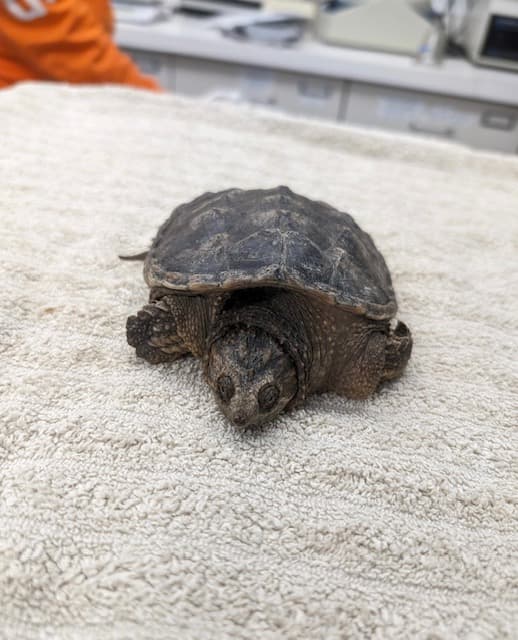
Common snapping turtle on exam table for initial exam after arriving to the Wildlife Medical Clinic.

While the Virginia opossum did not have the outcome we hoped for, our next patient, a common snapping turtle, has a more positive outcome. On November 11, 2023, we received a juvenile male common snapping turtle after it was found abandoned in a vacated apartment where he was owned for around two years. He was found dry docked and severely dehydrated. Upon physical exam he was severely dehydrated, his shell appeared too small for his body and was soft and flat. Additionally, he had signs of stunted growth. All of this points to NSHP, primarily the softening of the shell and stunted growth.

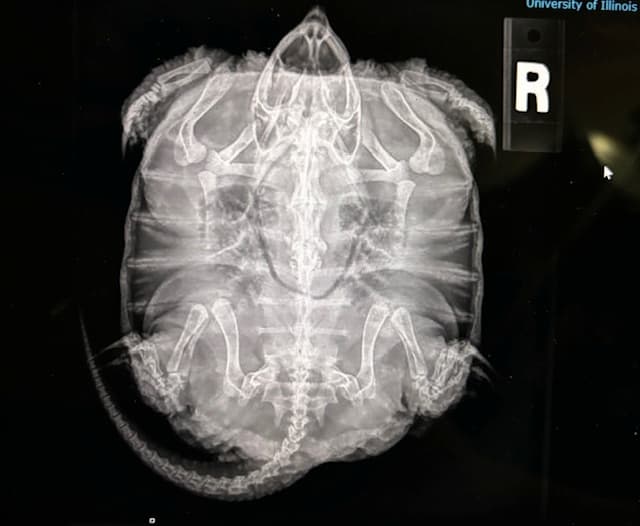
Common Snapping turtle x-ray

This was confirmed through radiographs, which showed decreased bone density and stunted growth Fortunately, unlike the opossum the damage was reversible. He was put on a proper diet along with consistent UVB and heat and now just over a year later he has grown a considerable amount and his body condition has greatly improved. While this is great news, he still is not releasable due to his friendly nature. Because of the time he spent in captivity, he is habituated to people. We have been working on finding him a permanent home and have received interest from an out of state nature center. However, if for some reason this home doesn’t work out, we will keep looking.

Lessons Learned from these Cases

These two cases illustrate the importance of nutrition and proper care for animals. If you want to own a pet, make sure you do the proper research and have everything set up and ready for them before you bring them home. Picking out a pet should not just be done on a whim. They are living creatures that require care and work. The snapping turtle shows the importance of doing research and being committed to owning a pet. Obviously, we don’t know the circumstances of his abandonment, but this is unfortunately an all too common occurrence when it comes to reptiles. Reptiles are unique in their dietary and husbandry needs, which need to be known by the owner, or else serious health issues like metabolic diseases can arise. The case of the Virginia opossum illustrates the importance of knowing who to contact, and only taking care of wildlife if you have the proper knowledge, credentials, and permits. The WMC is built on the idea of us working with the public to better the quality of life for wildlife. If you see an animal that you think needs help, don’t try to keep it and care for it on your own, because it can put you and the animal in danger. Contact a licensed rehabilitator or reach out to the Wildlife Medical Clinic and we can help provide guidance on what to do and who to contact. We hope these cases illustrated how important animal nutrition and husbandry is, why it is best to leave wildlife in the wild, and if help is needed to please contact a licensed rehabilitator.

Written By: Dylan, Class of 2026

Carving Pumpkins with Ambassadors

The Ambassador Team held their second annual pumpkin carving event last month. Since the ambassador volunteers primarily do their shifts individually or in pairs, social events are a great way to bond as a team and have fun outside of studying.

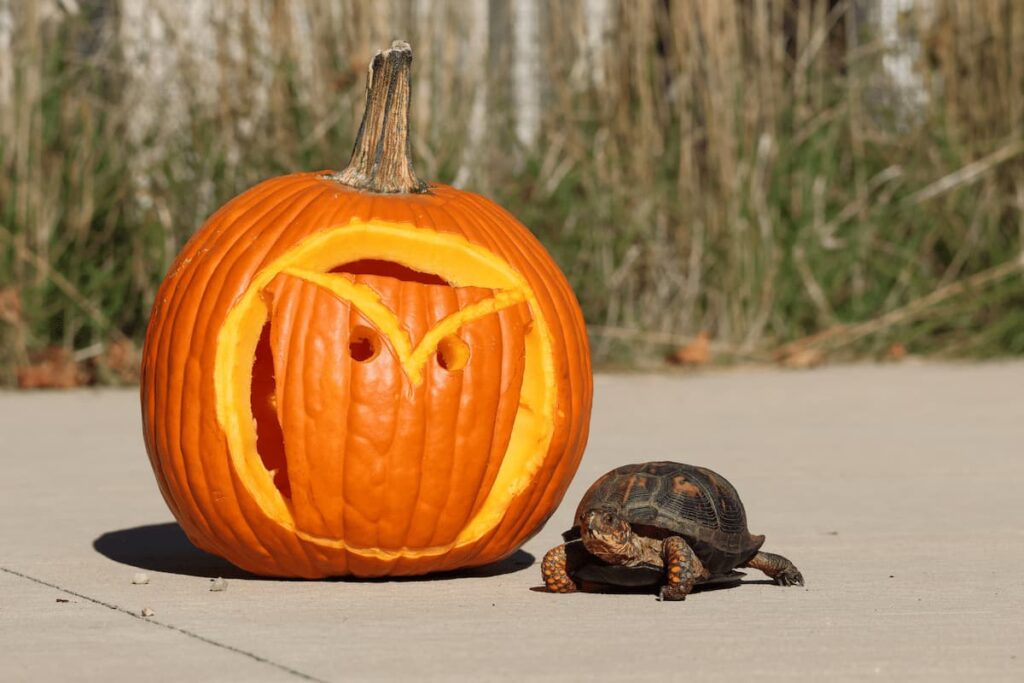
Eastern Box Turtle, Hazel, resting in the sun in front of a pumpkin carved with the Wildlife Medical Clinic Owl logo.

Our volunteers listened to a Halloween playlist, talked about our favorite Halloween movies, and carved 6 pumpkins. Patterns included an opossum sitting on a branch, a slithering snake, a classic jack-o-lantern, and the WMC logo! We also cut out bat silhouettes to hang up around the animal enclosures.

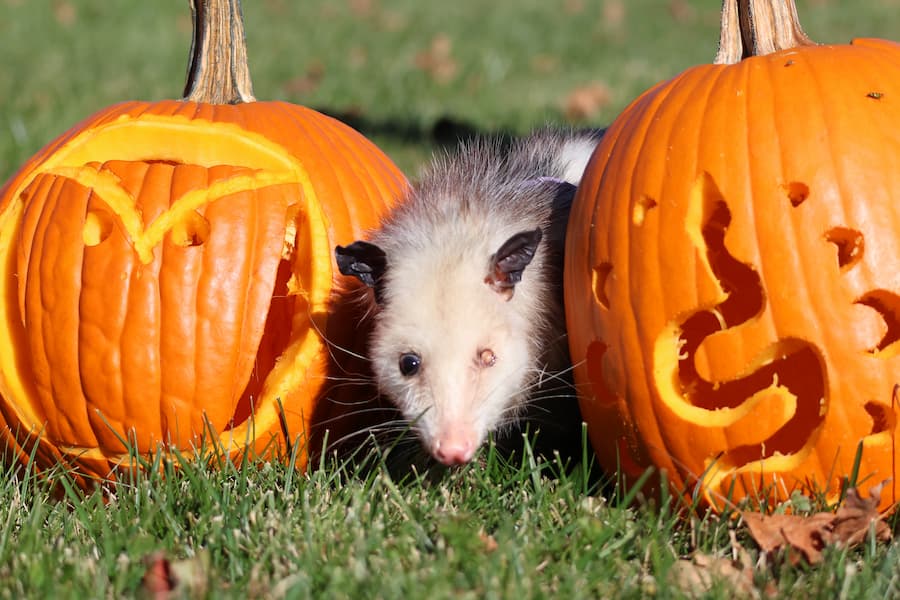
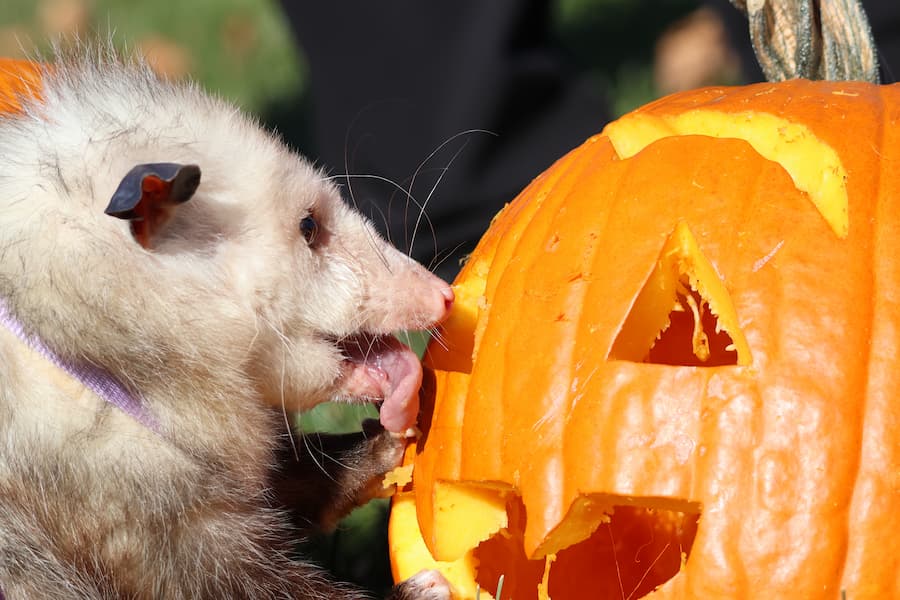
Virginia Opossum, Petunia, licking a carved pumpkin.

The fun really began when the pumpkins were completed – we introduced Hazel (Eastern box turtle), Onslo (blue-tongued skink), Petunia (Virginia opossum), and Odin (red-tailed hawk) to our creations. Petunia and Hazel both dove right in to tasting the pumpkins. Don’t worry – pumpkin is a safe food item for both of them! Onslo and Odin were not quite sure what to make of the pumpkins, but seemed to enjoy the outside time regardless.

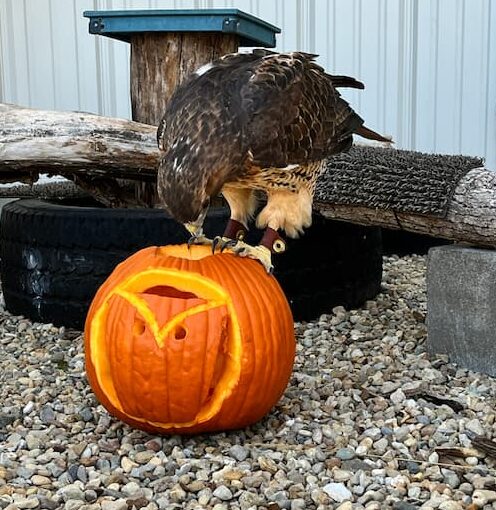
Red-tailed Hawk Ruby standing on top of a carved pumpkin in her outdoor enclosure.

Once everyone had their fill of pumpkin, we moved the pumpkins into our raptor enclosures. Ruby (red-tailed hawk) got right to exploring her pumpkin but lost interest after she realized there were no snacks hidden in the pumpkin.

We hope you enjoy the pictures from this event and that you all had a safe and spooky Halloween!

If you want to see some additional images and video from this event, check out our new social media account (on TikTok @wmc.ambassadors, https://www.tiktok.com/@wmc.ambassadors?_t=8rLBS03qvbq&_r=1).

Written By: Sarah, Wildlife Ambassador Care Coordinator and Class of 2026
Ambassador Enrichment

Enrichment, What is it?

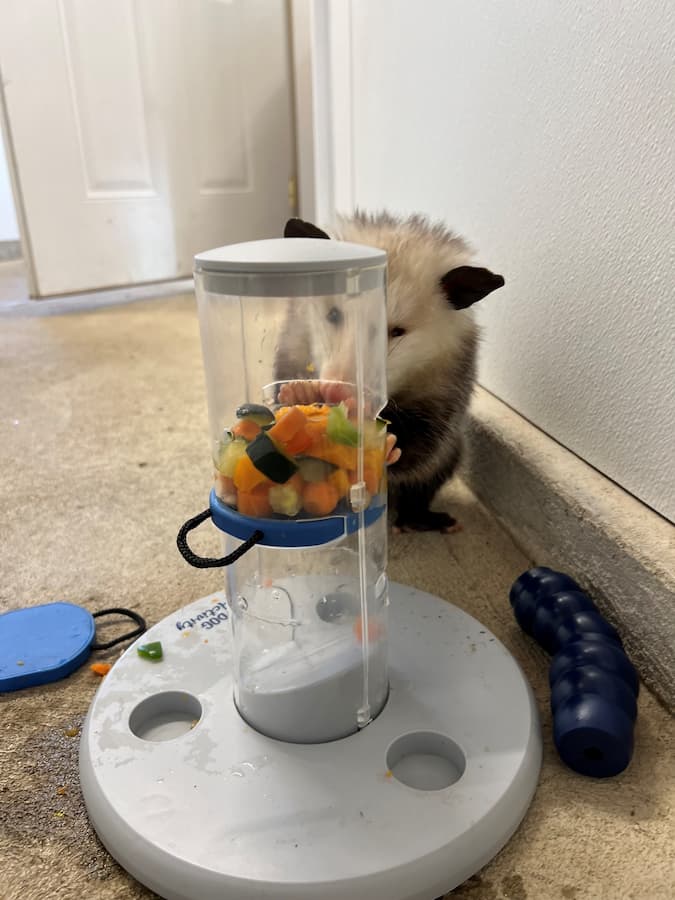
Virginia Opossum, "Petunia", figuring out how to get food out of a puzzle feeder.

In addition to the daily husbandry of our resident ambassador animals, we also provide training and enrichment. The goal of enrichment is to provide mental (and sometimes physically involved) stimulation while encouraging species specific behaviors. With our program, just like in all other managed care settings, we provide enrichment to our animals. We have an enrichment calendar where we have a rotation of different types and categories of enrichment that volunteers use to guide their enrichment activities. Every facility will have their own enrichment protocols/calendars to fit the needs of their animals. Collaboration often occurs between centers and other programs and this is a good resource for us to find new ideas for enrichment for our animals. Enrichment can make a big impact on the lives of our animals, and we strive to make it as new, exciting, and interactive as possible. Enrichment will vary depending on the species of the animal, their involvement in past enrichment activities, their comfort with volunteers and other interactions, and the ambassador’s own personalities.

Favorite Enrichment

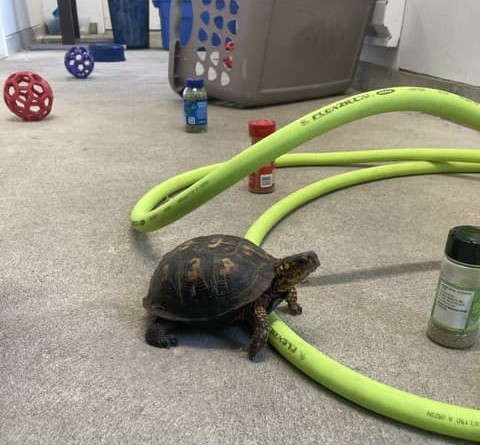
Eastern box turtle "Hazel" maneuvering an obstacle course with lots of enrichment items.

Not only do we account for species specific natural behaviors, but we look at the individual personality of each animal in our care to determine appropriate enrichment for them. Over the years, we have kept track of what enrichment was favorable and what enrichment was not, allowing us to personalize their enrichment to ensure they are benefiting from what we are adding to their environment. Petunia, our Virginia opossum, loves food puzzles, foraging, new scents, and exploring. Ruby, one of our red-tailed hawks, loves to shred things and this encourages her species-specific behaviors. Hazel, our eastern box turtle, along with Onslo our blue-tongued skink, have been working on their obstacle course skills and have been maneuvering them well. River and Vara prefer more auditory enrichment over physical enrichment items. Odin, our other red-tailed hawk, enjoys a wide variety of enrichment from seasonal decorations to foraging to music. Maize and Caduceus, our snakes, explore and climb to new places. Clover, our American Kestrel, is extremely inquisitive and loves finding new items and decorations in her enclosure. While I’ve listed each ambassadors most interacted with type of enrichment, they all get a rotating variety of enrichment. This ensures that we are not just giving one type of enrichment so they are getting variety in their daily life as they would experience in the wild.

Training

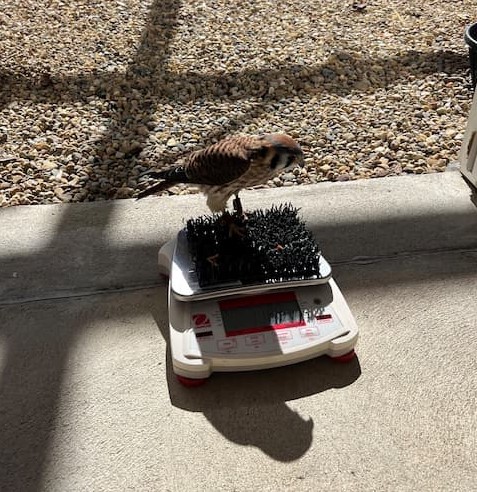
American Kestrel "Clover" participating in training and standing on a scale to be weighed.

Training can also be enriching to our animals and we do train on glove with some of our raptor residents, while others have different kinds of training, such as target, crate, and scale training. For our training, we only use positive reinforcement techniques. We train for behaviors to help with educational program use or for husbandry and medical procedures which helps to decrease stress.

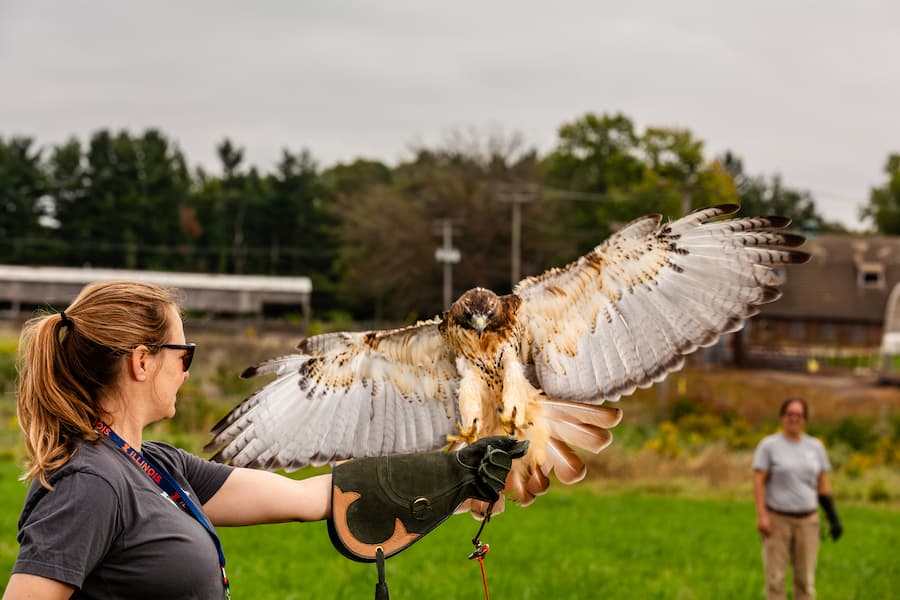
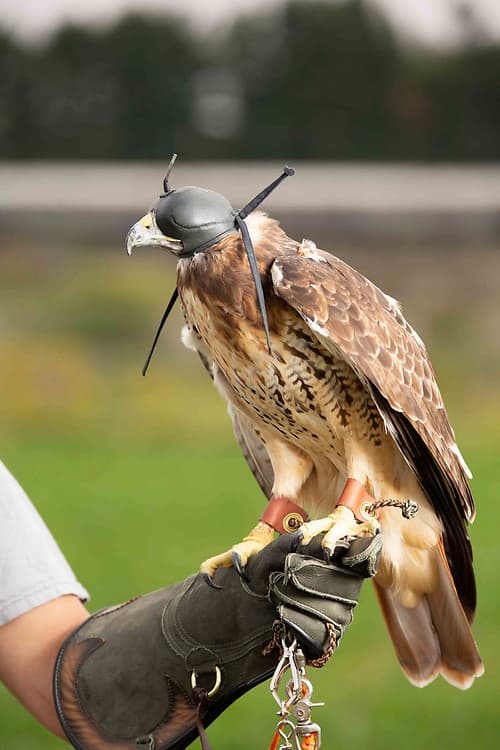
Red-tailed Hawk "Ruby" wearing a hood and sitting calmly on the glove while outside her enclosure.

Training is very complex and has many facets, it can also be very rewarding and enriching for the animals. For example, Ruby and Odin enjoy walks outside because they are glove trained. Sydney, along with some of our volunteers, are able to train with them throughout the week to ensure they remain comfortable and solid with the behaviors they are trained on and work to train new behaviors as needed. With the new addition of Sarah Spang to our team, a falconer, we have been able to add new techniques to our training with the raptors, particularly Ruby. We have seen that Ruby very much enjoys the extra training and has greatly benefited from it.

Enrichment, Rewarding for all!

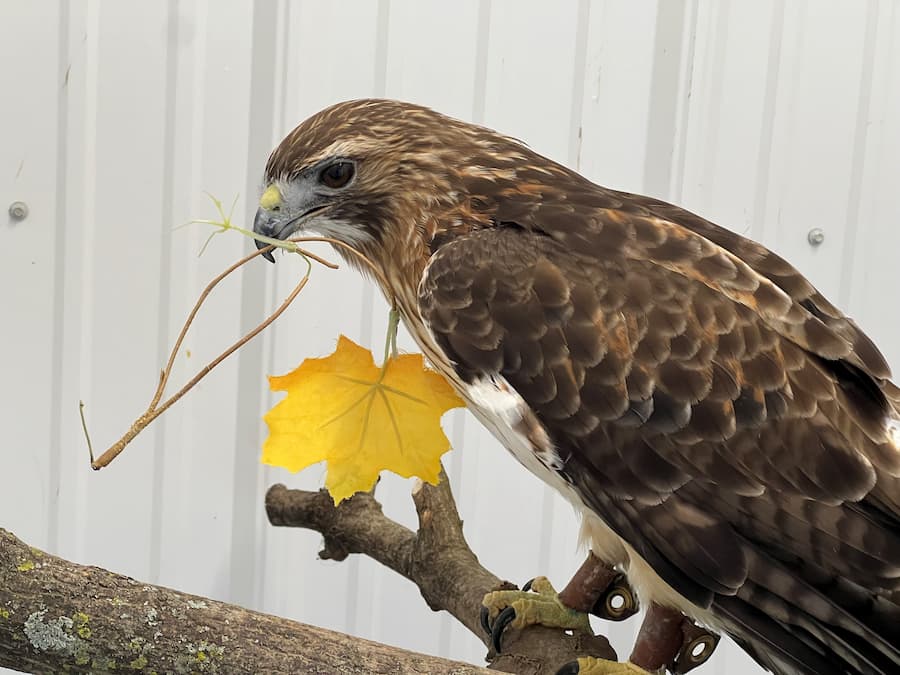
Red-tailed Hawk, "Odin", carrying nesting material in his beak.

Enrichment is my favorite part about working in a managed care setting, I love letting my creativity lead the way. Whether I am thinking of new ways to make food puzzles, working on paper mache for the animals, finding new configurations and decorations in the enclosure, it is a wonderful creative outlet. It is also very rewarding seeing how the animals interact with the enrichment I created, especially when it brings out a targeted species-specific behavior and was mentally stimulating for the animal. We are always evaluating and adjusting the enrichment that is given to our resident animals to try to maximize the benefits of enrichment. So, next time you visit us or a different managed care setting, see if you can figure out what enrichment is being utilized!

Written By: Roxanne, Wildlife Ambassador Care Coordinator and Class of 2027
The Good, the Bad, and the Sticky: Breakup with Glue Traps

Have you ever been walking along on a sunny day in the spring, going to visit your family, perhaps, when suddenly, you find yourself ankle deep in cement? Or quicksand? Maybe molasses? If you answered “yes” to any of these scenarios, then you will be able to empathize very well with what animals experience when they encounter a glue trap.

The Reality of Glue Traps

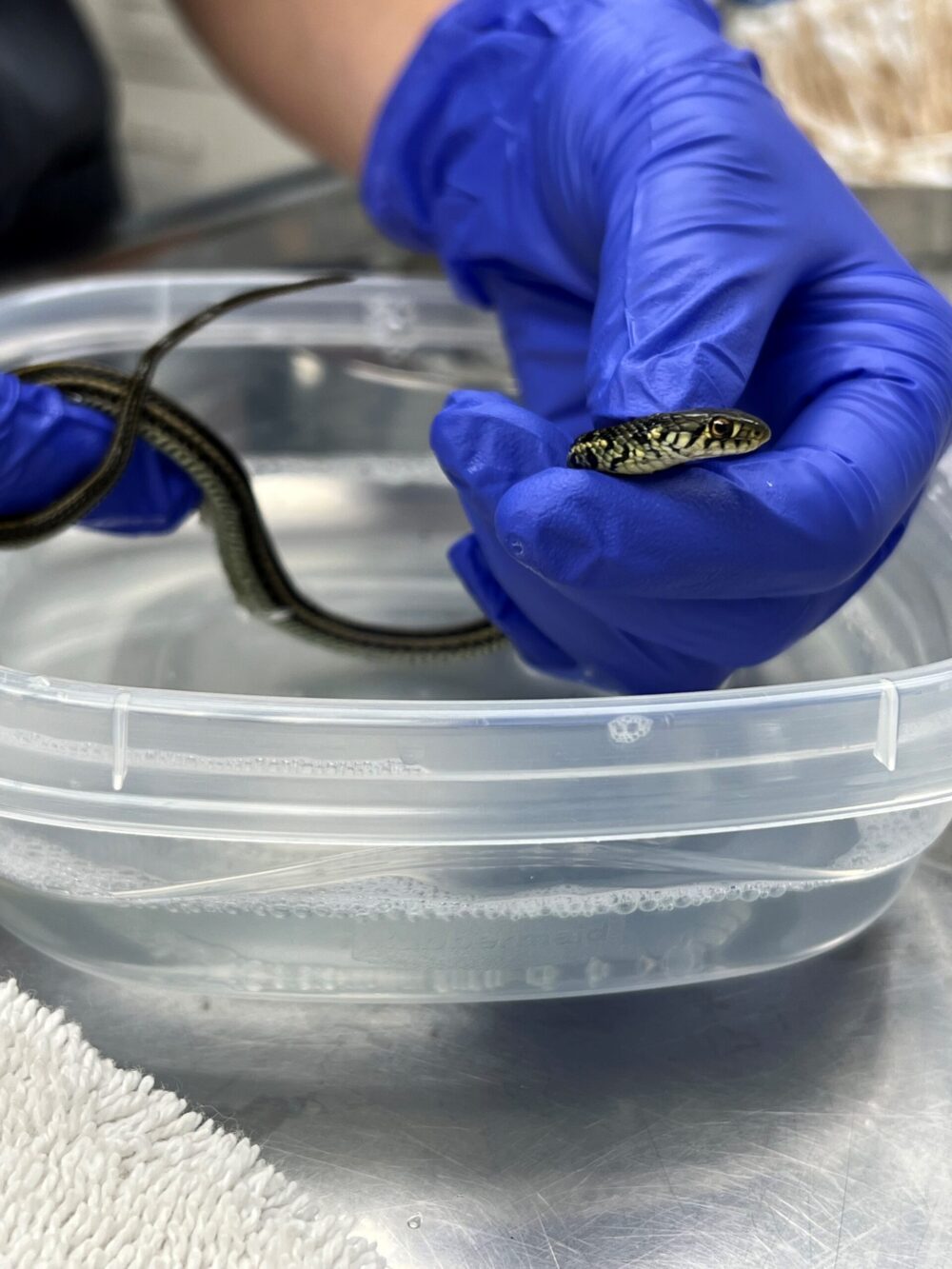
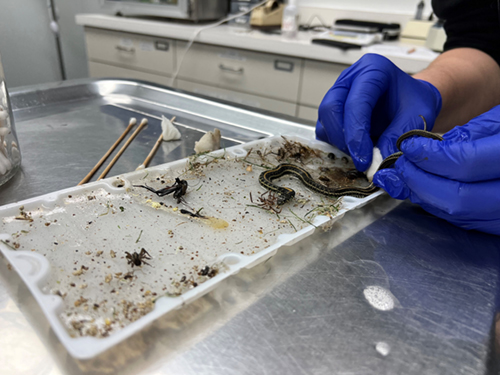
Glue traps are used to prevent animals such as rodents from entering unwanted areas. That is how they are advertised, at least. The reality behind glue traps is far from that simple, however. Glue traps are one of the most inhumane methods of pest control that currently exists, despite being commonly used. They frequently catch more than just rodents; any type of animal can get stuck in one, such as birds, reptiles, amphibians, invertebrates, and even cats if they’re small enough.  Just this year, the Wildlife Medical Clinic received several animals stuck to glue traps. Most recently, it was two Common Garter snakes, and they were stuck on the same trap. Thankfully these snakes were brought to us before they experienced any significant state of decline and were eventually released, but many animals are not so lucky.

Most animals that are caught by these traps do not have a quick painless death. They can be trapped for several hours to several days before succumbing to dehydration, starvation, exhaustion, and exposure to the elements. If they are lucky enough to be rescued, many still have lengthy stays at rehabilitation centers due to injuries from trying to free themselves and may need time for feathers and fur to grow back and damaged scales to heal. Thankfully though, there are several effective and humane alternatives!

How we can Help

Wildlife Medical Clinic professional works to remove a snake from a glue trap
Here, we can see how wildlife creatures get completely stuck to glue traps.

The best way to keep unwanted wildlife guests out of your home is to ensure that it’s locked up tight and is very uninviting (think, opposite of Goldilocks and the Three Bears). That means storing food in air tight, sealed containers, as well as making sure any cracks or holes leading in are sealed up, especially during the change of seasons. This applies beyond just mice and rats as well; this will ensure you do not have any LARGER guests, such as squirrels or even raccoons, finding your house just a little too inviting.

If you do ever have some unwanted visitors in your home, though, there are solutions to help them find their way out that avoid things like glue traps, or even having to use lethal force most of the time. Different scents, bright lights, and loud music are a few of the options. Basically, make your house unhospitable to your unwanted guests. Strong scents like peppermint will deter them from an area, so applying a few drops on some cotton balls and leaving them at potential entry points around your home (and out of reach of pets and small children!) is a great alternative. Snap traps are another way that you can prevent your home from becoming the new hotspot on the block for wildlife. Other methods such as rodenticides and moth balls are not recommended; rodenticides cause devastating damage to wildlife populations through the food web. Rodents ingest the toxin directly, then carnivores such as raptors, coyotes, foxes, and more, ingest the poison indirectly after they consume what they think is an easy meal, aka, the carcass of a rodent who ate rodenticide. Moth balls are carcinogenic and should not be left out for anyone to be exposed to, humans included!

So, this spring, in the spirit of new life and warmer weather, opt out of the old methods of keeping furry friends out of your house. This is one of the single instances in life where you are ENCOURAGED to be a bad neighbor (play loud music, keep bright lights on, have noxious smells around your home) in order to keep yourself, your family, and also wildlife, safe and free, especially from glue. Happy Spring!

This article was written by third year student Macy (class of 2025)

Therapy in Reptiles

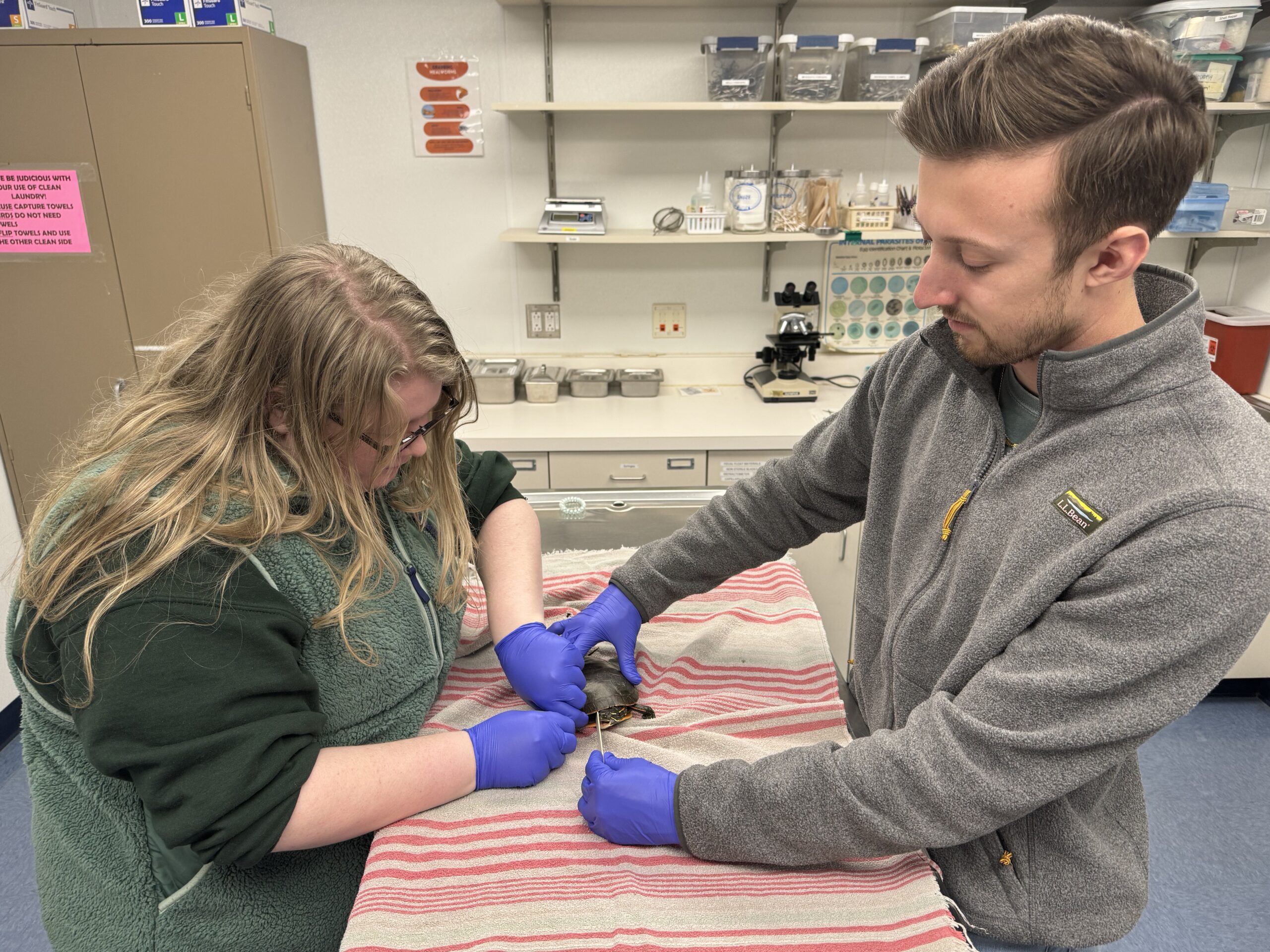
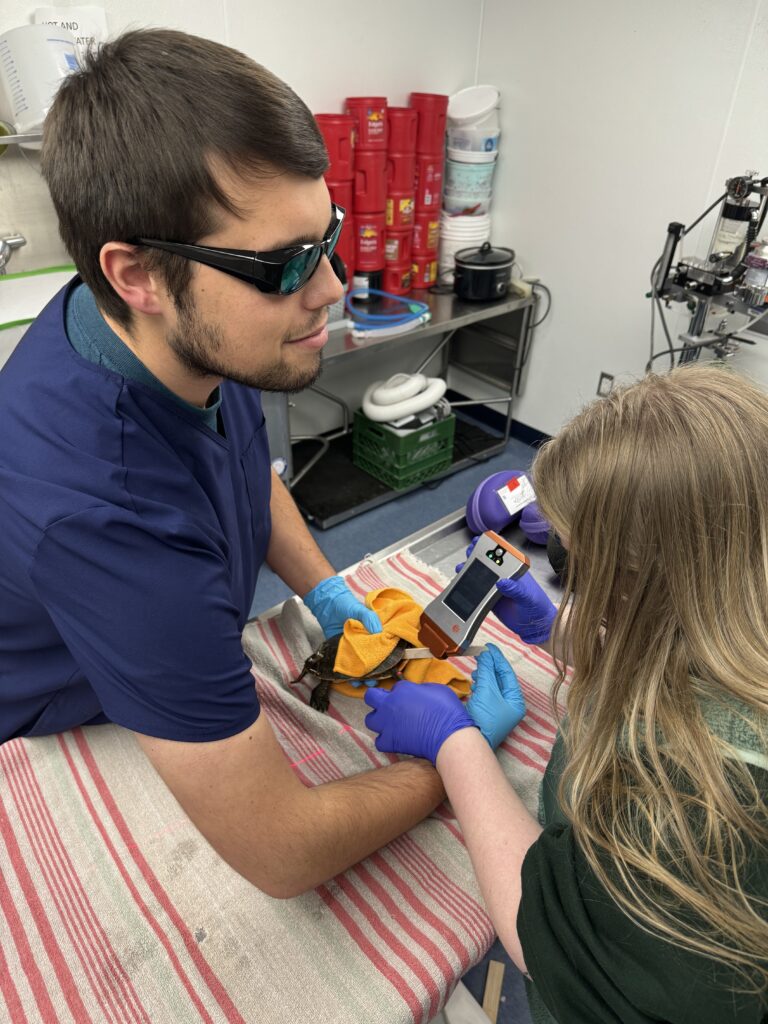
At the end of August, an adult male Midland Painted Turtle presented to the Wildlife Medical Clinic from a rehabilitator after it was suspected to have been hit by a car. This patient had a fairly severe fracture of his carapace (top of shell) and required extensive treatment to repair it. While receiving these treatments, the turtle developed neuropathy (nerve damage) in his right front leg. This problem caused him to incorrectly place his foot when walking. To correct the placement, we started him on a routine of PROM, laser therapy, and physical therapy three times a week.
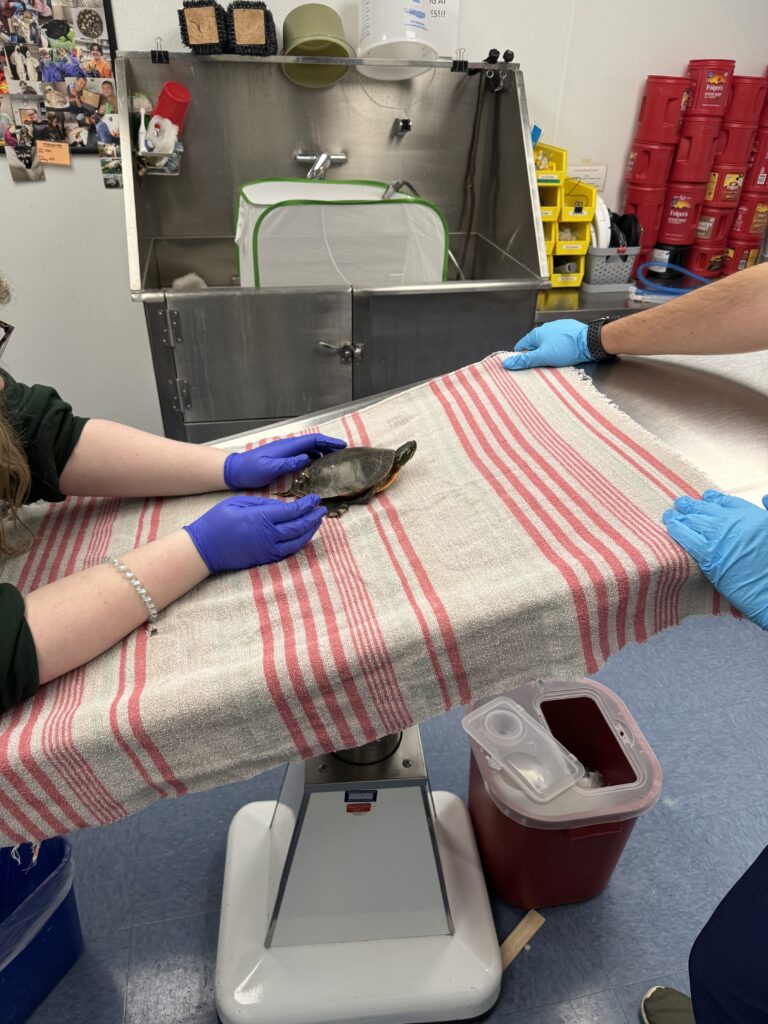
Two veterinarians taking a turtle's temperature

PROM stands for passive range of motion and is performed by slowly and repetitively stretching the joint. The goal of PROM is to increase the stretch and movement of the structures that surround the joint. For this specific patient, PROM consists of extending the carpus (wrist) & phalanges (fingers) as far as possible, three times for thirty second intervals.

We are using laser therapy to increase healing and blood flow to the limb as well as to decrease pain, inflammation, and swelling. This patient’s front leg has been inconsistently swollen since the nerve damage took place. With the laser therapy, our goal is to decrease the swelling and promote faster healing. We perform the lasering from the top of the radius/ulna (area between elbow and wrist of front leg) to the tips of the phalanges (fingers) to achieve this goal.

The final part of this patient’s therapy plan is physical therapy. When developing a physical therapy plan, it is important to focus on a specific area while building up strength and correcting incorrect habits that have developed. We complete this through repetitive exercises. Our turtle’s physical therapy plan involves walking up a ramp six to seven times per session, while a volunteer places their fingers behind his limbs to help him properly place his foot on the ramp.

Overall, therapy in reptiles is like other animal species and is tailored to the patient’s specific needs. This patient has been showing great improvement with this therapy plan and we plan to continue until the spring weather reaches Illinois, which is when he will be able to be released back into the wild.

A turtle on an operating table

This article was written by 2nd year veterinary student Becky.

Wildlife Medical Clinic
John A. Coyne South Clinic
2100 South Goodwin Avenue
Urbana, IL 61801
217-244-1195