Invasive Species in Beautiful, Diverse Places

Have you ever spotted an adorable animal wandering about and wondered where it came from, or what impact it might have on its surroundings? While many of these creatures appear harmless, some end up in environments where they don’t naturally belong. When this happens, they are called invasive species, often an uninvited guest that disrupts local ecosystems and threatens native wildlife.

Invasive species are animals that are not native to a specific location and can cause serious harm to the environment, economy, and native wildlife. These species are often introduced, sometimes intentionally, in an attempt to solve another problem, and other times accidentally, through travel, trade, or the pet industry.

I’m here to share a few invasive species that I’ve come across while living in one of the most biodiverse places on Earth, Hawai‘i! Most people recognize the islands for their incredible natural beauty, lush landscapes, and diverse wildlife. Hawai‘i is home to over 25,000 unique species, and about 90% of its land animals and plants and more than a quarter of its marine life are found nowhere else in the world. This makes Hawai‘i’s ecosystems incredibly special, but also extremely fragile.

Because so many of these species evolved in isolation, they have no natural defense against new predators or competitors. When invasive species arrive, they often outcompete native animals for food and space, spread disease, or directly prey on species that have no way to protect themselves. Even a small change, like introducing one new predator or competitor, can throw off the delicate balance that has existed on the islands for thousands of years. That’s why understanding invasive species is so important, especially in a place as unique and vulnerable as Hawai‘i. Protecting these ecosystems helps ensure that the islands’ native plants and animals can continue to thrive for generations to come.

Trouble in Paradise: The Mongoose, Day Gecko, and Feral Pigs

Mongoose
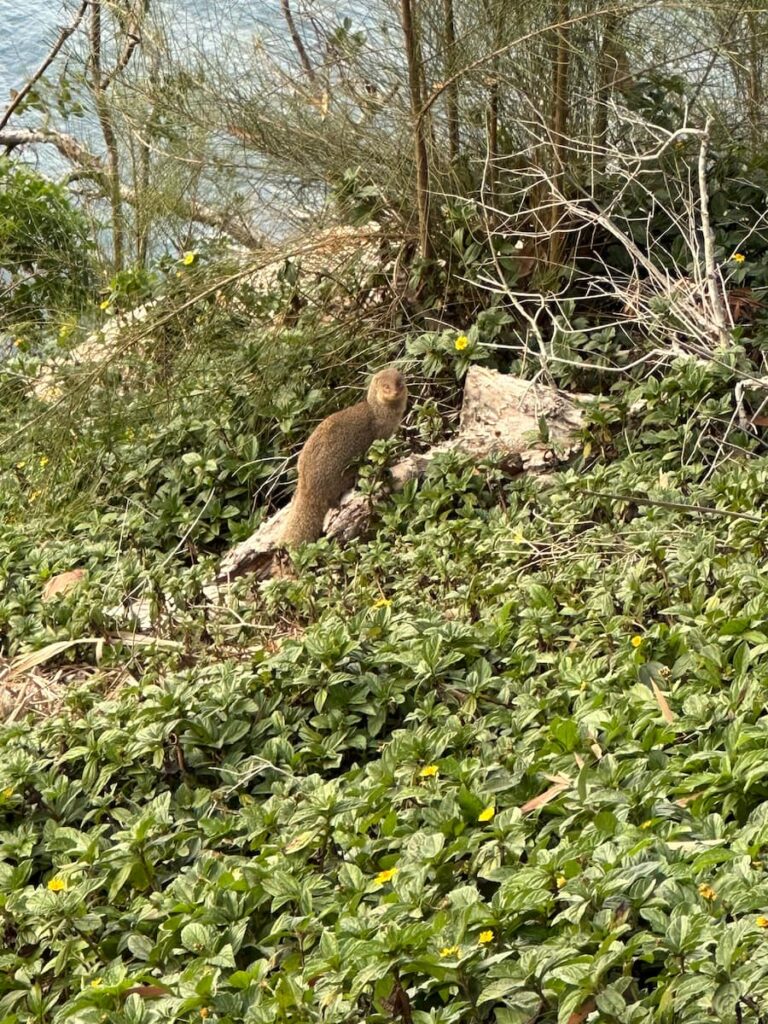
A mongoose resting on top of a fallen branch amidst ground foliage.

A mongoose is a small terrestrial mammal from the Herpestidae family that looks similar to a weasel or ferret. They have a carnivorous diet and are famous for their resistance to snake venom and their ability to kill venomous snakes. The mongoose was introduced to Hawai‘i in an attempt to control the rat population, which was wreaking havoc on sugarcane fields. Since mongooses prey on rats, it seemed like a simple solution. However, this plan backfired because rats are nocturnal, meaning they’re active at night, while mongooses are diurnal or active during the day. As a result, mongooses couldn’t effectively reduce the rat population, since the rats were never awake during the mongoose’s active hours. Instead, mongooses turned to preying on Hawai‘i’s native species, disrupting local ecosystems. Their presence caused the populations of several native species to decline dramatically, so much so that special fencing had to be installed around nature reserves and sanctuaries to keep mongoose out and protect vulnerable wildlife.

Gecko

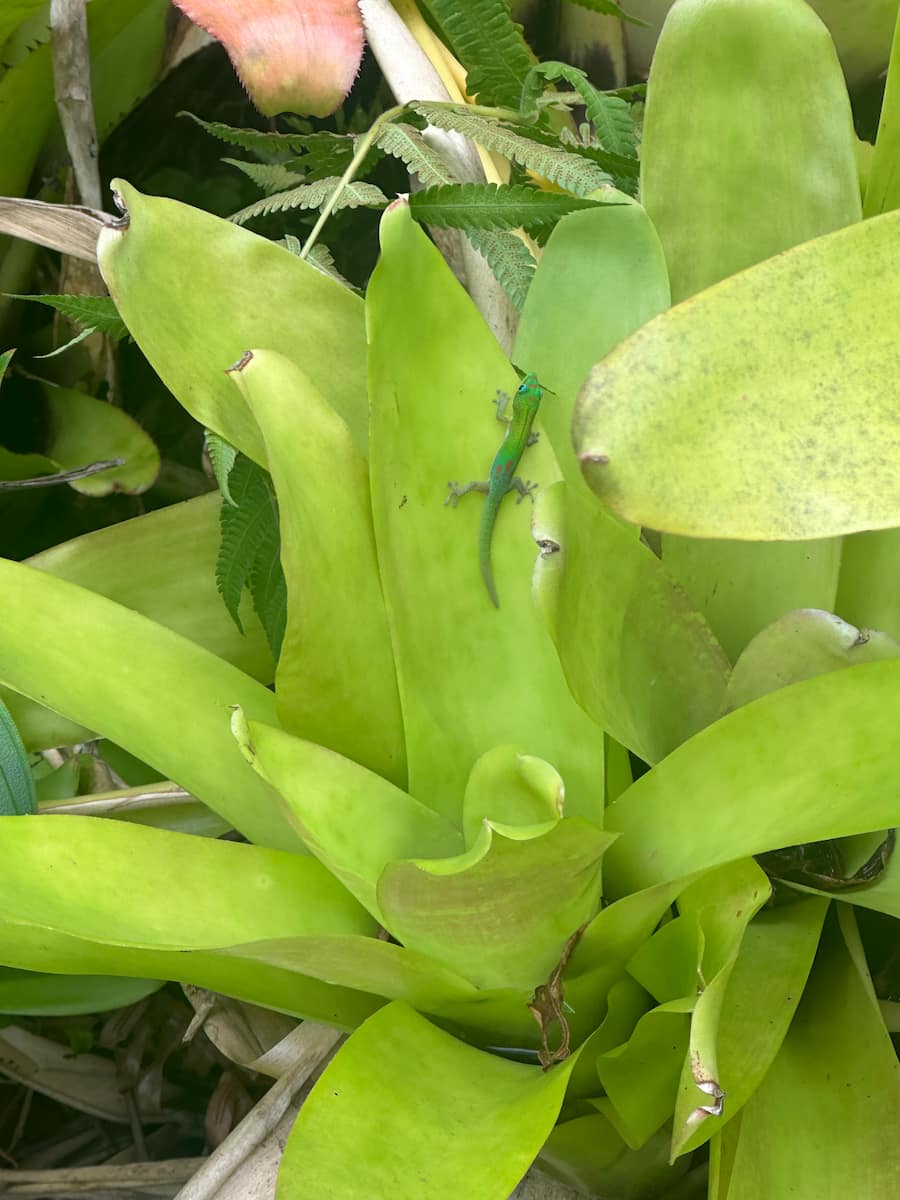
The gold dust day gecko and giant day gecko are two more invasive species affecting Hawai‘i’s native wildlife. These brightly colored lizards may look beautiful, but their introduction has made competition for food and territory much more difficult for native species. The geckos were first brought to the islands unintentionally by early Polynesian settlers, likely stowing away on voyaging canoes. More recently, they have been introduced through the pet trade, either by accidental escape or intentional release. A significant modern population of gold dust day geckos can actually be traced back to a University of Hawai‘i student, who released eight geckos in 1974. Since then, their numbers have spread rapidly across the islands. These invasive geckos compete with native insects and smaller lizards for food, and they can outcompete or displace native species due to their adaptability and fast reproduction. Their growing presence continues to challenge Hawai‘i’s delicate ecosystems, where even small changes can have lasting impacts.

Feral Pigs

Feral pigs are another major invasive species in Hawai‘i. Originally brought to the islands by Polynesian settlers and later by European explorers, these pigs have become one of the most destructive animals in the islands’ ecosystems. Their rooting and digging behavior uproots native plants, damages crops, and creates large muddy wallows that contribute to soil erosion and flooding. They also disturb the natural habitats of native animals by destroying nests and burrows. Feral pigs will even go after ground-nesting birds, pushing them out of their homes and eating their eggs. Even worse, their wallowing pools create perfect breeding grounds for mosquitoes that spread avian malaria, a deadly disease for Hawai‘i’s native forest birds. Because of their size and adaptability, controlling feral pig populations is extremely difficult, and their impact continues to threaten forests, watersheds, and native wildlife.

Preventing the Spread of Invasive Species

Moving animals, whether intentionally or accidentally, is one of the main ways invasive species spread. It’s important to be cautious when transporting any living creature between regions or countries, as this can introduce species to new environments where they have no natural predators or competitors to keep their populations in check which can disrupt entire ecosystems and native species.

What might seem harmless, such as releasing a pet into the wild, can actually cause serious harm not only to the pet but to the environment. Even seemingly harmless animals can disrupt ecosystems or outcompete native wildlife. The best way to help is to always rehome pets responsibly instead of releasing them.

When hiking or traveling, respect local wildlife regulations and avoid feeding or disturbing wild animals. These small actions help maintain balance within ecosystems and protect native species from being displaced by newcomers.

Education also plays a huge role. The more people understand local ecosystems and invasive species, the better equipped we all are to prevent their spread. Sharing what you learn with friends, family, and your community can make a lasting difference in protecting native wildlife, whether in Hawai‘i or anywhere else in the world.

While it might seem like the challenges of invasive species are far away in tropical Hawai‘i, this issue affects every corner of the world, including right here in Illinois. Feral pigs aren’t just a problem in Hawai‘i; they’re an issue here in Illinois too. Every region around the world faces its own challenges with invasive species, and their presence can cause significant changes to the environment. Whether you live on an island or in the Midwest, being aware of how species travel and spread helps protect the natural places we all love. Simple choices, like cleaning your hiking boots, not releasing pets into the wild, and supporting local conservation efforts, can make a real difference. By learning from places like Hawai‘i, we can take steps to protect Illinois’ own beautiful and diverse environments for future generations.

Written by: Gabriella N., Class of 2028

Turtles, Bunnies, and Cats, Oh My!

Why is it so important to keep our domestic animals inside and on a leash?

While pets love to have outside time and their pet owners love it too, it is important to be aware of your pet’s activities and supervise their time outdoors. They may come across wildlife that will not be as keen to meet them as they are to meet the wildlife! At the University of Illinois Wildlife Medical Clinic, we get many cases of cats and dogs interacting with wildlife that require our medical management. It is important to note that this can be risky both for our native wildlife and for our pets as well. The best way to limit interaction is to keep cats indoors or in a catio and walk dogs on a leash, even in the backyard.

What do we see most often at the clinic?

Throughout the year, we see Eastern Cottontail rabbits present to the clinic for different severities of wounds, including lacerations and broken bones often from being attacked by feral or outdoor domestic cats as well as domestic dogs. Treating patients who have been bitten or scratched by a cat can be challenging, and they must receive antibiotics promptly because cats harbor a bacterium called Pasteurella multocida. This specific bacterium can cause severe inflammation, redness, and even septicemia if it infects the bloodstream in rabbits, as well as our other mammalian and avian patients.

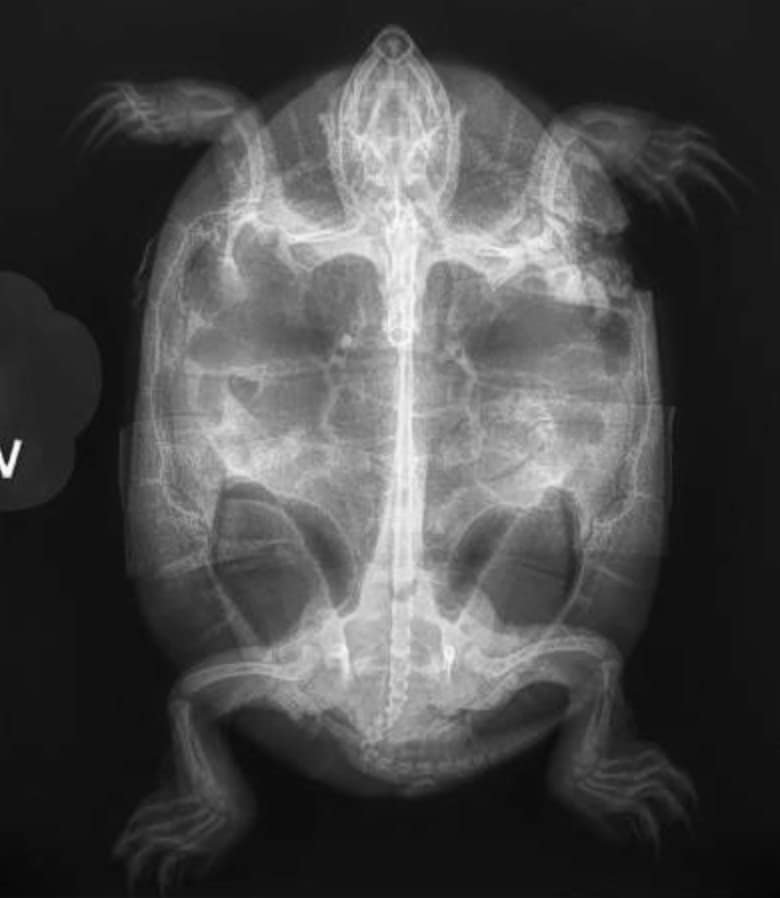
Painted Turtle x-ray

Along with rabbits, we also receive cases of turtles that sustain shell fractures when they are picked up by dogs. An example of this is Painted Turtle 25-966, who has been in our care since early June 2025, presenting to the clinic for several carapacial puncture wounds and shell fractures. The carapace is the upper portion of a turtle’s shell. After the initial intake exam, this patient was given the appropriate pain medication, antibiotics, and wound treatment. 25-996 will continue to heal in our care over winter, as it can take several months for these types of shell injuries to mend! He has been healing well, and the veterinary staff have seen positive improvements in his shell in the few months he has been with us.

How does all of this affect my pet?

While the Wildlife Medical Clinic does not treat domestic animals like our small animal medicine
colleagues do, we think it’s important to share how your furry family members can be adversely affected by wildlife interactions.

One type of infection that companion animals can pick up from wildlife is Salmonella. When dogs pick turtles up in their mouths, whether or not they think they look like their tennis ball or not, they can be susceptible to contracting an infection. Symptoms from this type of infection can include, but are not limited to, vomiting, fever, diarrhea, and lethargy.

Tularemia can also be a concern for outdoor cats and dogs that interact with wild rabbits in Illinois. This can be transmitted through direct contact with an infected rabbit or their body fluids, infected water sources, or blood sucking insects like ticks. Tularemia is a highly zoonotic disease (meaning it can spread between species and, in this case, to humans as well) and can cause symptoms such as fever, lethargy, poor appetite, enlarged lymph nodes, and abscesses. In humans, Tularemia can also present as ulcerating blisters that can spread the bacteria throughout the bloodstream.

What about birds? With the cooler season approaching, it is important to be aware of Highly Pathogenic Avian Influenza, or HPAI. While the name suggests, birds are the main susceptible species, cases have been seen in both cats and dogs, as well as people. One of the best ways to prevent your pets from contracting this influenza strain is by keeping pets indoors. Many cats and dogs outside may be attracted to birds, diseased or alive, or bird feces left behind, which can lead to the transmission of HPAI if touched or consumed. The main type of bird affected is waterfowl, but HPAI can be seen in any bird, including raptors and songbirds. Clinical signs in dogs and cats can consist of fever, lethargy, watery eyes, runny nose, difficulty breathing, and seizures.

If your pet interacts with any wildlife or is presenting with any symptoms, it is important to consult your primary veterinarian.

Helpful Links

https://vcahospitals.com/know-your-pet/tularemia-in-dogs

https://www.avma.org/resources-tools/animal-health-and-welfare/animal-health/avian-influenza/avian-influenza-companion-animals

Written by: Emily B., Class of 2028

 The Great Migration (of Birds)

Bird Migration

Every fall and spring hundreds of bird species take to the skies to travel between their winter and summer homes. In the United States, most regions become too cool and mainly offer too little food for these birds to survive the winter, thus forcing these birds to migrate to more southern areas to fulfill those needs. The same trip is then taken northward in the spring when the southern hemisphere goes through the same process of transitioning to their own version of winter. The fall migration of birds has already begun, typically starting in early August and continuing until late November.

Challenges Faced During Migration

Birds travel great distances during their migration, and because of this, often interact with more than one human development. These structures, populations, etc. can interfere with their success rate at making it to their destination safely. Some main causes for concern, conservation-wise, are listed below:

  • Urban and suburban development –
    • This reduces the space birds have to find food, rest, etc.
  • Agriculture –
    • This limits feasible habitat and increases chances of pesticide related mortality
  • Oil and gas production and wind turbines –
    • This increases risk of collision with machinery and exposure to toxic materials
  • Ground water depletion –
    • This causes a decline in drinkable water
  • Light pollution –
    • This causes disorientation to nocturnal migratory birds
  • Climate change –
    • Drought, flooding, etc. impact the availability of resources to these birds

How can you help?

Knowing how much humans can impact these birds’ success at reaching their destination, it is normal to wonder what one can do to help these birds. A simple way of helping migratory birds, especially those that do so nocturnally, is to turn off the lights at your home at night. It may not seem like much, especially if you live in a big city, but any little bit helps. Additionally, you can place up visual deterrents in your windows, such as stickers, larger pieces of paper, etc. These deterrents help show the birds that the window is not a space they can fly through. One of the easiest ways to help these birds is to share your and expert’s knowledge on migratory birds and their special requirements as they make their long journey.

Want to Learn More?

If you want to learn more, feel free to check out these helpful websites and articles that share information about birds and their migration in an easy to understand way:

Works Cited

“Conservation Challenges: Bird Migration Explorer.” Conservation Challenges | Bird Migration Explorer, Audubon, explorer.audubon.org/explore/conservation-challenges/1141/drought?sidebar=expand&category=climate-change&zoom=2&x=-417753.2037000004&y=38544.25185000431. Accessed 8 Oct. 2025.

Horton, Kyle G., et al. “Artificial Light at Night Is a Top Predictor of Bird Migration Stopover Density.” Nature Communications, vol. 14, no. 1, 7446, 2023, https://doi.org/10.1038/s41467-023-43046-z. Accessed 8 Oct. 2025.

Rappole, John H. Bird Migration: A New Understanding. 1st ed., Johns Hopkins University Press, 2022. Accessed 8 Oct. 2025.

Written By: Christie S., Class of 2028

WMC Giving Opportunities

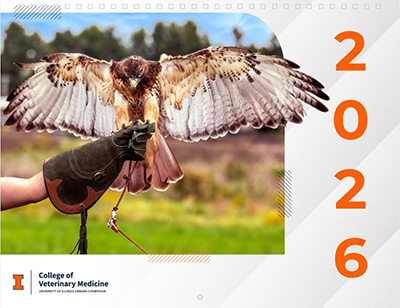
Check out our recent visit to CiLiving where Wildlife Medical Clinic Director, Dr. Stephany Lewis, DVM, CWR, DABVP (Avian Practice) goes over some unique giving opportunities that the clinic has to offer. Some of these opportunities such as our Adopt an Ambassador program, our Sponsor a Day, and our 2026 Wildlife Medical Clinic Calendar make excellent gifts, especially with the upcoming holidays. Not only does the recipient of the gift get some very unique items but the money donated to the clinic goes directly towards the care and medical treatment of our current wildlife patients and resident ambassador animals.

Wildlife and Domestic Cats

Wildlife Medical Clinic Overview

Each year, the Wildlife Medical Clinic at the University of Illinois provides care to around 2,300 wildlife patients and about 120 different species. We take all native Illinois wildlife, excluding skunks and bats. While these animals arrive for a variety of reasons including injury, illness, and being orphaned as youngsters, the most common reasons include: collisions with vehicles, habitat destruction, infectious disease, and altercations with domestic animals. These altercations include one of the most preventable injuries and those are injuries inflicted by domestic cats.

Mourning Dove Case Overview

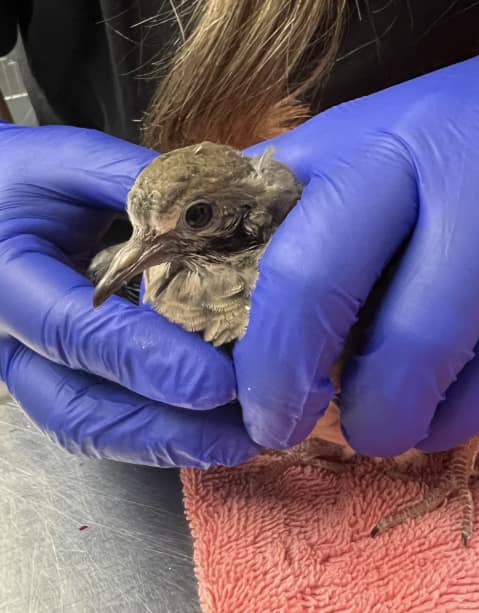
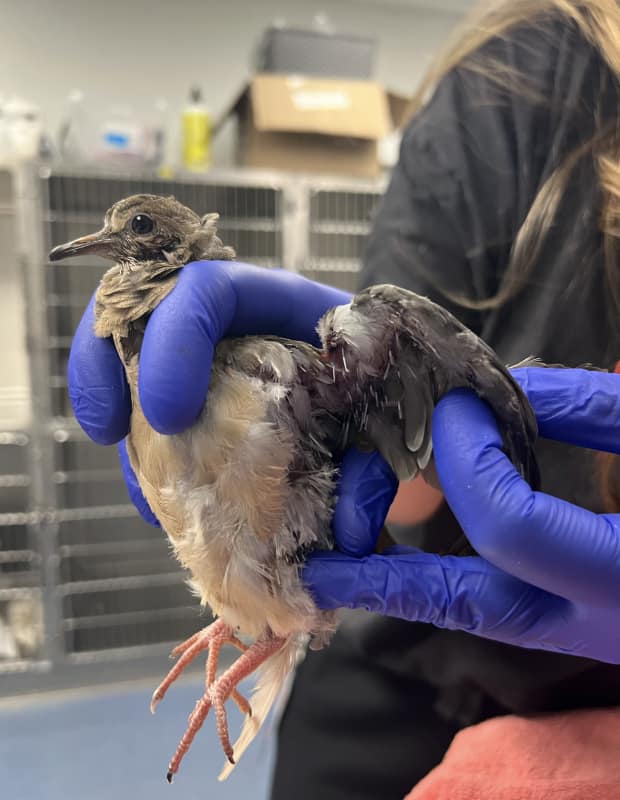
Young Mourning Dove in hand having its left wing examined by Wildlife Medical Clinic staff.

Recently, a juvenile mourning dove arrived at the clinic after being attacked by a domestic cat. The bird arrived frightened, bleeding, and unable to fly. Upon examination, volunteers discovered multiple puncture wounds on both wings. These injuries were consistent with bite and claw marks. Radiographs, or x-rays, were taken to assess how extensive the injuries were. The imaging revealed fractures in two key bones responsible for flight: the coracoid and the clavicle. To make matters worse, the mourning dove had also lost a significant number of flight feathers, further impairing its mobility and making escape from predators impossible.

Treatment began immediately. Under the guidance of our staff veterinarian, volunteers worked swiftly to administer pain relief and disinfect the wounds, as cat bites are prone to causing serious bacterial infections. This patient is currently recovering under close observation, and while healing will take time, we are hopeful for a full recovery and eventual release back into the wild once the bones mend and the feathers grow back in.

Domestic Cats and Their Effect on Wildlife

Sadly, this mourning dove is far from an isolated case. Domestic cats kill an estimated 2.4 billion birds annually in the United States alone! When combined with ongoing habitat loss, pollution, and climate change, predation by domestic cat’s places tremendous pressure on already vulnerable bird populations.

Keeping pet cats indoors is one of the most impactful ways individuals can help protect local wildlife, and it also significantly reduces risks to the cats themselves. Outdoor cats face a range of dangers, including vehicles, predators, disease, poisoning, and the potential to become lost. Fortunately, there are safe and enriching alternatives. Catios (cat patios) and leash training allow cats to enjoy the outdoors in a controlled environment that keeps both them and wildlife safe.

Help Wildlife by Keeping Cats Indoors

The Wildlife Medical Clinic is committed to providing medical care to sick, injured, and orphaned wildlife, offering training to veterinary students, and taking an active role in conservation by educating members of the community about safely coexisting with native Illinois wildlife. Preventable injuries like those seen in this mourning dove remind us that small, responsible actions, such as keeping pet cats indoors, can have a profound impact on the health of our shared environment.

For more information on domestic cats and wildlife, check out the American Bird Conservancy at https://abcbirds.org/strategies/cats-birds.

Written By: Lily M., Class of 2029

Deceptively Endangered? – The American Golden Plover

General Information and Characteristics

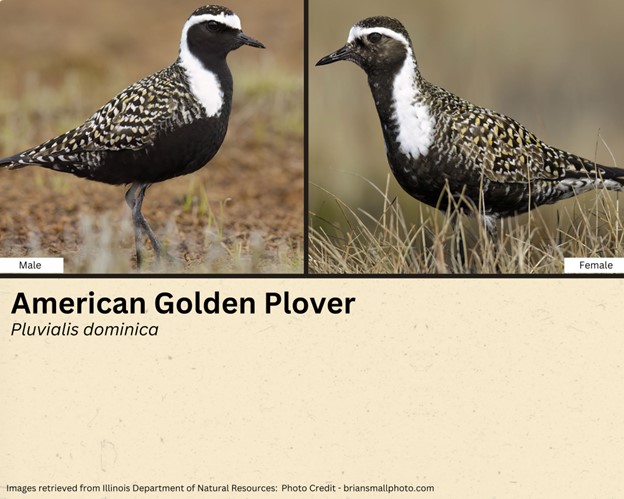
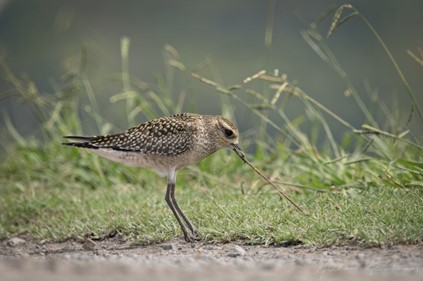
Considered to be one of the fastest flying shorebirds, reaching speeds of up to 60 miles per hour, the American Golden Plover is a common migratory bird species found traversing the state of Illinois, as well as throughout the Midwest region. Each year, hailing from the Arctic Tundra, these elusive migratory birds begin their nearly 20,000 mile journey. This yearly journey begins in Northern Canada and Alaska where they embark on a circular path to South America before crossing back over the Atlantic Ocean to return to the Arctic Tundra. During the breeding season, American Golden Plovers can be identified by their black feathers ventrally, dark feathers with black and yellow markings dorsally, and a question-mark shape of white feathers that begins above the beak trailing down around the eye and down the neck. The non-breeding morphology for this species is gray-brown with the dorsal aspect being darker than the ventral aspect and white speckling throughout the body.

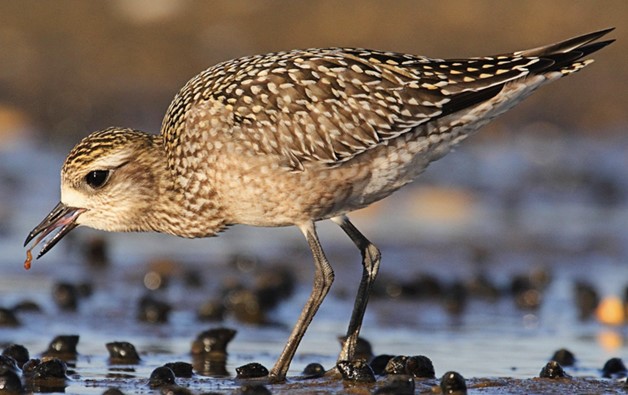
Golden Plover in non-breeding plumage feeding in shallow water.

Pictured above is the non-breeding morphology for the American Golden Plover. (Picture retrieved from the Illinois Department of Natural Resources, photo credit to SteveByland/pond5.com.) Pictured below is an American Golden Plover hunting an earthworm (Picture retrieved from birdsoftheworld.org; photo credit to Graham Gerdeman.)

Young golden plover with worm in mouth leaning back some as it pulls the rest of the worm from the ground.

American Golden Plovers are primarily insectivores, but do enjoy the occasional berry, mollusk, and crustacean. They are typically found enjoying grasshoppers, beetles, and earthworms. During the spring, berries are of high importance being one of the few foods available to them. Interestingly, some studies have suggested that American Golden Plovers retain seeds in their digestive tract to help fuel themselves during migration. However, there has not been any promising evidence for this claim currently.

Deceptively Endangered?

During migration periods, American Golden Plovers utilize only a few habitat types, mainly grasslands, mudflats, and shorelines. They have been seen utilizing more man-made environmental areas including tilled farmland. However, due to the increases in farmland and infrastructure, native habitat options are decreasing. According to the International Union for Conservation of Nature, the American Golden Plover is a species of least concern; however, population levels are trending down.

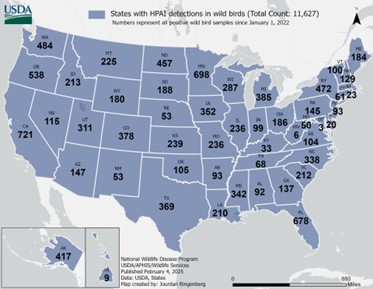
Map of the United States with number of HPAI detections in Wild Birds in 2022.

According to the Illinois Department of Natural Resources, there are times when over half of the world’s population of American Golden Plovers reside in a handful of eastern Illinois counties during their spring migration. The duration that American Golden Plovers spend in this region is around 45 days, with the individual spending around 24 days on average. In the grand scheme of things, a 45 day stopover duration may not pose any concerns. However, it should be of note the proportion of the population that potentially consolidates in this small region. It is common knowledge at this point that the country is in the middle of a highly pathogenic avian influenza (HPAI) outbreak. In the event that the American Golden Plover population could be afflicted by HPAI during their stopover in Illinois, a huge proportion of the population could be wiped out.

Conservation Efforts

There are a variety of ways that members of the public can get involved and contribute to the conservation of avian species like the American Golden Plover among others. One way is to connect with your local Audubon organization to stay up to date on relevant information and help distribute reputable educational materials. A direct link to find your local Audubon has been included at the end of this post.

Staying up to date on laws, regulations, and movements as they relate to conservation is also of importance, as they may not always reflect the best interest for wildlife.

SCARC, or Shorebird Conservation Acreage via Drainage Runoff Control Program, is an example of an initiative that has been explored to help make stopovers for various migratory species more welcoming and habitable. This program offers a monetary incentive for farmers to temporarily flood areas of their farmland to provide areas for migratory birds to rest and forage during their stopover. The program includes implementation of structures that allow water levels to be controlled in these areas during specific time frames. Once migratory species continue north, farmers can utilize these structures to release the water with minimal impact to their farming endeavors.

Local Audubon Finder

References

Written By: Rachel E., Class of 2027

Birds and Migration

Avian Migration

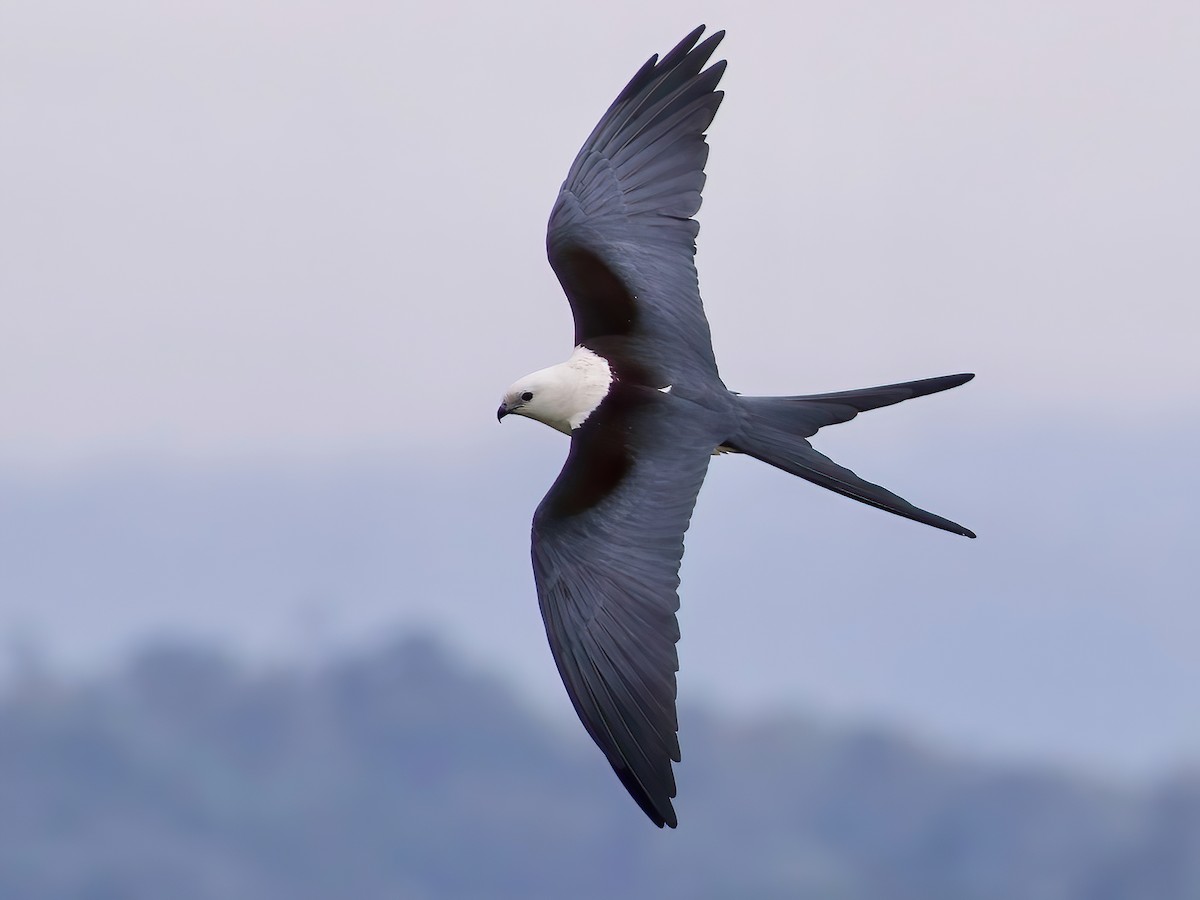
Whether you’re an avid bird-watcher or a person who avoids parking under trees so that you don’t have to wash the droppings off of your car for the nth time this week, you’re bound to have noticed that bird populations seem to ebb and flow with the seasons. You might be wondering, “where do they go?” Some might even notice that a few of these birds are only around during certain parts of the year, such as the famed Swallow-tailed Kite in the southeastern U.S. Then, you might be wondering, “why don’t they stick around?” As the seasons change, so do the food sources and the climate. Birds don’t have the luxury of bringing out-of-season foods back to their home or adjusting their thermostat with the changing temperature like we humans do, so they resort to travel. Each species’ resource needs will dictate where they go during migration and how far they need to travel for it.

Fall Migration

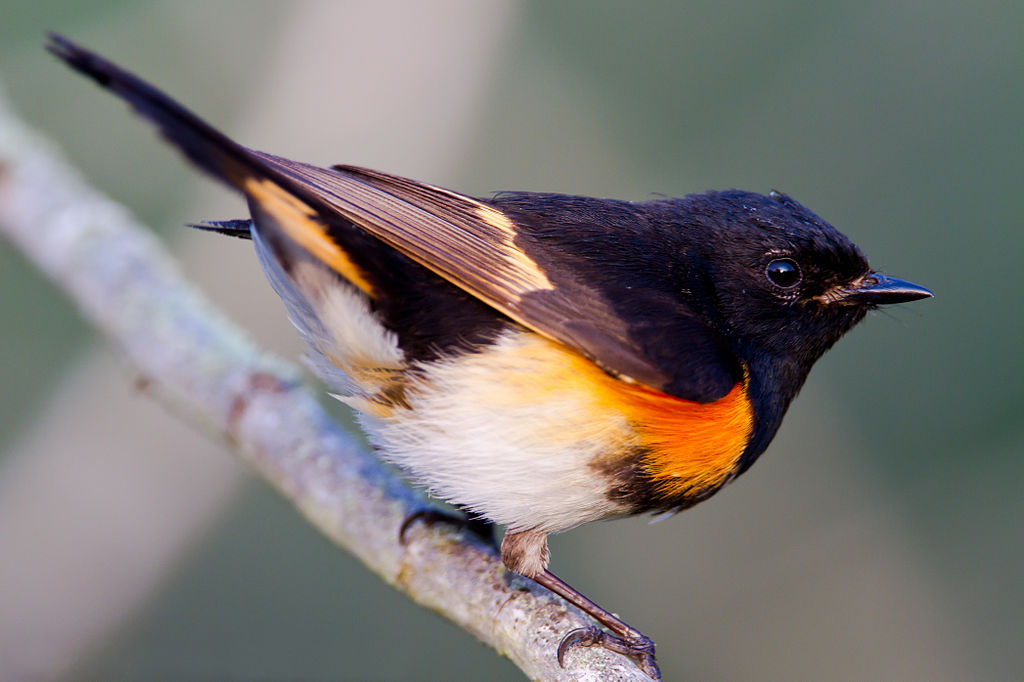
We are actually right in the middle of the fall migration season, which runs from approximately August 1st to November 30th. Each night, up to 45 million birds fly over Illinois on their way south to the southern U.S., Central America, and South America to escape the cold winter and lack of food supply. During these migratory seasons, species that are not normally seen in your area might be coming through, such as the Magnolia Warbler and the American Redstart, which are on their way south to Central and South America.

Side view of a male American Redstart perched on a branch.

What Can You Do to Help?

Plant native trees and flowers

Because of the long journey, birds need to be able to get food along the way. With decreasing diversity of flora in urban and suburban areas, ample food sources, such as bugs and seeds are increasingly difficult for migratory species to come by. Pesticide use and monoculture agriculture is turning their travel route from an all-you-can-eat buffet into a Nevada desert gas station scavenger hunt. Imagine Forrest Gump making his trek across the U.S. with only the occasional French fry; it wouldn’t happen. So, how can you help the birdies out, you ask? Plant some native flora! Diverse flowers attract diverse insects, which help feed the immense variety of bird species that come through Illinois (not to mention the native bats!).

Build shelters and nests

Nobody wants to get caught out in the rain when they’ve got business to do, and that includes our avian friends. Building nest boxes and shelters helps our friends have a dry and safe night’s rest before continuing on the air highway. Some species also nest here in Illinois during the spring, so building nest boxes also helps them to have a safe place to raise their young; and if you planted some native plants near the box, they’ll have food delivery, too!

Put decals on your windows

Birds more than likely don’t understand the concept of windows on our homes, and so they don’t know to be looking out for these invisible barriers. As a result, they often fly straight into them and suffer severe head trauma – a major reason a lot of birds end up here at the Wildlife Medical Clinic (WMC). Placing decals on your windows helps them to see the window and at least slow down before attempting to fly through it, which can potentially save their lives.

Want to learn more?

Cornell University and their Ornithology Lab have put out some incredible free resources for us bird lovers, such as Merlin and eBird. Merlin functions as a bird-identifying app through use of sound and step-by-step visual identification tools to help you figure out what obscure bird it was that you just heard or saw. Once you figure out the little bugger, you can hop over to eBird, Merlin’s sister-app, to record the bird you saw and at what location. This is a way to help contribute to the ongoing research of bird migration seasons, which even helps us out here at the WMC! We can use the information learned from species-specific migratory seasons to know if it is okay to release a bird or if they have to over-winter; we want to make sure we’re sending them out with a band of their mates to find their feeding grounds for the winter.

Thanks for reading and hope you enjoy seeing a new bird or two!

References

“American Redstart Overview, All about Birds, Cornell Lab of Ornithology.” Overview, All About Birds, Cornell Lab of Ornithology, TheCornellLab, www.allaboutbirds.org/guide/American_Redstart. Accessed 16 Oct. 2024.

“Illinois – Birdcast Migration Dashboard.” BirdCast, TheCornellLab, dashboard.birdcast.info/region/US-IL. Accessed 16 Oct. 2024.

“Magnolia Warbler Overview, All about Birds, Cornell Lab of Ornithology.” Overview, All About Birds, Cornell Lab of Ornithology, TheCornellLab, www.allaboutbirds.org/guide/magnolia_warbler. Accessed 16 Oct. 2024

Written By: Rylan D., Class of 2028

Coexisting with Wildlife

As cool weather starts to approach, people may soon find wild animals trying to move into their home and their yard. While some people have very environmentally friendly yards that encourage wildlife to visit, some do not and that is ok. Thankfully there are many ways to humanely and effectively prevent unwanted wild visitors.

Discouraging New Residents

The best way to keep many animals from setting up a home in your yard or attic is to minimize its level of attractiveness and its accessibility. You can achieve this by doing the following:

  • Seal cracks and gaps in your home.
    • Substances like caulk, expandable foam, mortar, and plywood can all be used to seal any exterior openings. Animals like squirrels and raccoons can also climb trees to access your roof so it is important to trim tree limbs or wrap the bottom of the tree in aluminum to prevent them from climbing up and setting up dens on your roof or in your attic.
  • Secure potential food and water sources.
    • Clean your grill after each use.
    • Secure your compost.
    • Fix leaky pipes and dump standing water in your yard.
    • Clean spilled seed under bird feeders.
    • Purposely feeding wildlife or leaving food out for stray cats will also continually attract any number of wild animals to your home so make sure to keep any pet food or water dishes inside.
  • Maintain your property and landscaping.
    • Keep clutter to a minimum. Reduce hiding spots by keeping your garage, shed, and yard organized.
    • Maintain your landscaping by removing brush piles quickly, trimming trees and shrubs away from your house, and removing fallen debris, especially organic matter (fallen fruits and leaves) as these all attract wildlife to your yard.
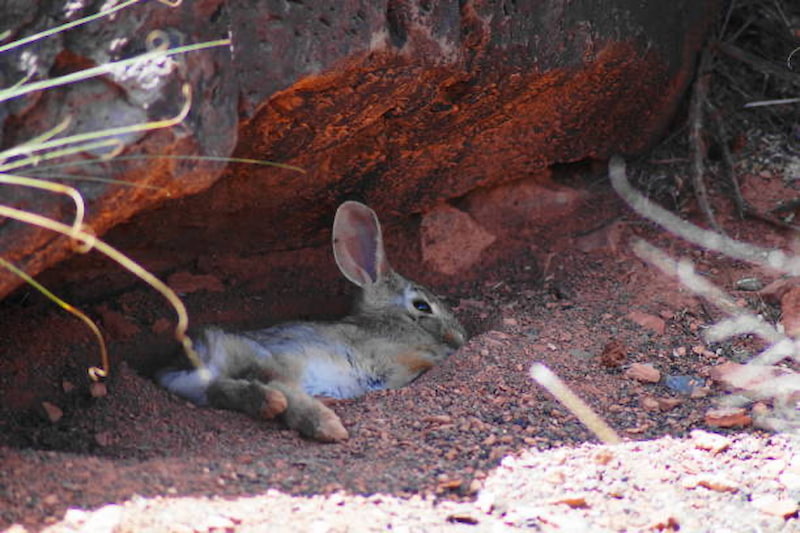
Rabbit resting on its side under a rock in sandy substrate.

Other Methods of Discouraging Wildlife from Inhabiting your Yard

Physical Barriers

  • Netting or Tarps that cover nesting areas such as porch lights and eaves.
  • Mesh or Wire that covers open, covered areas where birds may nest
  • Gutter guards

Visual Repellants

  • Shiny objects – Can hang old CD’s, aluminum foil, mirrors, reflective tape, wind chimes and other objects that move in the wind and reflect light.
  • Predator Decoys – Plastic hawks, owls, or coyotes. Some move and make noise, some are stationary.
  • Motion activated sprinklers and lights.

Auditory Repellants

  • Ultrasonic devices that emit high frequency sounds humans can’t hear but animals can.
  • Playing music when the animal would be active.

Scent and Taste Repellants

  • There are commercial repellents like peppermint oil, garlic, and predator urine that can repel animals from your yard. You can also plant strong smelling herbs such as mint, lavender, and rosemary around the borders of your yard.
  • You can sprinkle spicy or bitter herbs on your garden/flowers to deter animals from consuming them.

Encouraging Unwanted Guests to Leave

If a family of wild animals has already set up a den in your home or yard, some of the techniques mentioned above can help encourage them to find a new home. Placing objects such as strong lights, reflective CDs or tins, blinking holiday lights, motion-activated sprinklers, loud music, or windchimes near the den, especially at night, could encourage the animals to relocate. Many animals are repelled by strong smells such as vinegar, citrus, menthol, coffee grounds, rubbing alcohol, and some essential oils. Try one or a combination of different smells sprayed near the den to discourage animals from returning.

Techniques to Avoid

While trapping and relocating wildlife may look like an easy fix to unwanted wildlife nesting near your home, it is not. Removing wild animals is illegal without the proper permits and only allows new animals to move into the vacated area. In addition, handling animals without the proper equipment can be dangerous. This is not only due to their ability to inflict damage such as bite wounds or scratches but because these animals could carry diseases that can spread to humans. You should never use poisons or toxic substances to get rid of wild animals as this is inhumane, potentially illegal, and usually affects more than just the targeted species. Substances like rodenticide can also cause secondary poisoning in other wild animals or even pets. If the deterrents listed in the beginning of this article have all been tried and do not work, and there is a wild animal in your home, it is best to contact a wildlife control operator. Make sure to do your research and look for the most environmentally conscience companies. In Illinois, you can find more information at https://wildlifeillinois.org/remove-nuisance-wildlife/hire-a-wildlife-control-operator/.

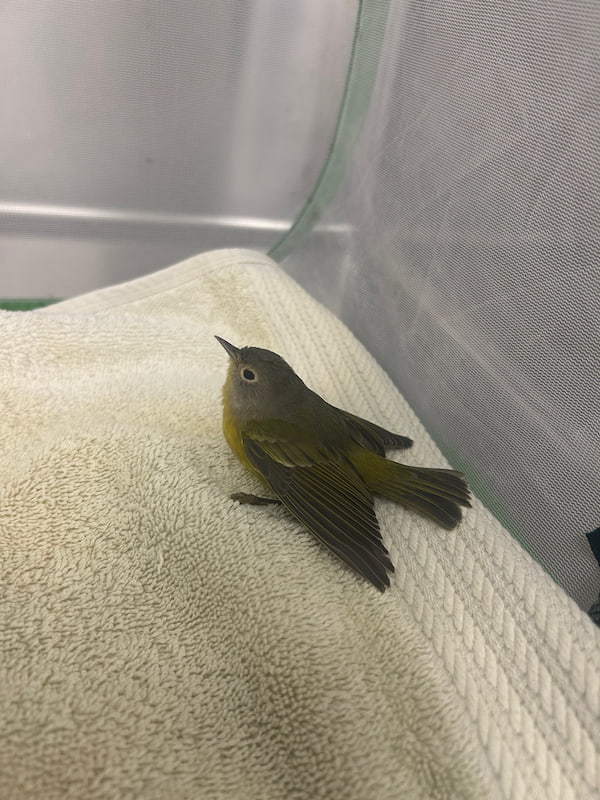
Injured warbler in a soft sided enclosure resting on a towel.

Also remember, keeping wild animals without the proper permits is illegal and can be detrimental to the animal’s health as they have special dietary needs along with specific husbandry and handling requirements that untrained individuals may not be knowledgeable about. If you find healthy orphaned wildlife, it is best to first observe and try to reunite them with their parents. If that is not successful, get them to a licensed rehabilitator as soon as possible. In the meantime, keep them in a warm, dark, quiet area until you can get them to a licensed rehabilitator and DO NOT offer food or water. To find a licensed rehabilitator in Illinois, visit https://wildlifeillinois.org/get-help-for-injured-wildlife/list-of-licensed-wildlife-rehabilitators/.

Written By: Talia D., Class of 2026, and Sydney Oliveira

Cuddly Predators: The Dangers that Cats Inflict on Wildlife

The Dangers of Cat Bites

As cuddly, friendly, and cute as they can be, at the end of the day, cats are predators and pose a risk to our local wildlife species, especially birds and rabbits. Cats are a significant danger to wildlife for many reasons, some of which include predation, disruption of the ecosystem, and disease transmission. Severely reducing or eliminating these risks that cats introduce can be attainable and we should do our best to try.

Predation

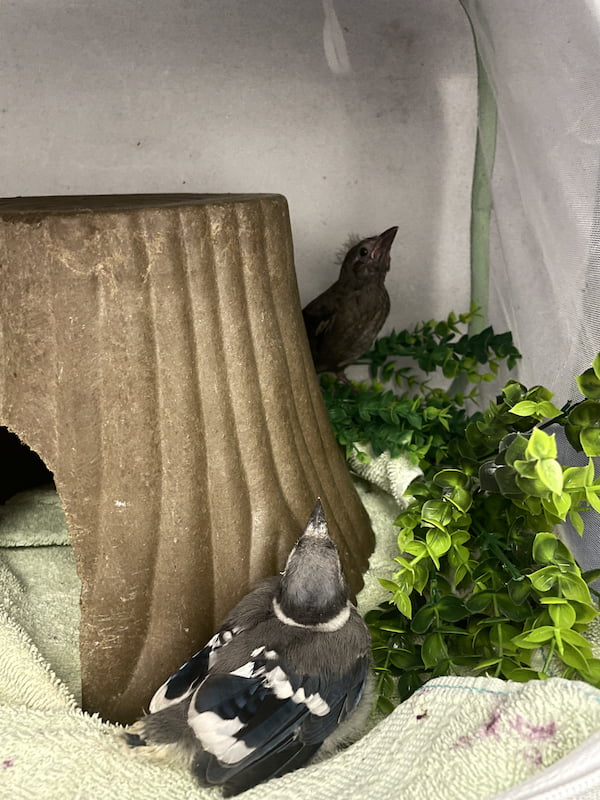
Young Blue Jay with another bird in a soft sided kennel with a small cave to hide in, perch on and artificial plants next to it.

A cat can catch various wildlife species and inflict damage by tearing the skin, introducing bacteria to the wound, and shaking the animal causing internal damage, among other things. Many animals that come into the Wildlife Medical Clinic that have been victims of outdoor cats, unfortunately, do not make it due to the extent of their injuries or through infection. Cats are hunters at heart and are responsible for the deaths of billions of mainly birds and bunnies. These deaths can have an impact on local populations particularly those endangered or at risk; subsequently, affecting certain species populations could have a domino effect on other species in the ecosystem.

Environmental Contamination

One common infectious agent is Toxoplasmosis which is a disease contracted from the parasite Toxoplasmosis gondii. Cats are known hosts to this parasite and while the cat may not show any symptoms they can transfer this parasite to wildlife species and even humans through their feces. The parasites’ oocytes laid in feces are resilient in adverse environments and become infectious. Water, soil, and food can become contaminated thus continuing the spread. Toxoplasmosis can have significant effects on certain wildlife species and some have shown cases of mortality to the parasite, for instance, sea otters.

Spread of Disease

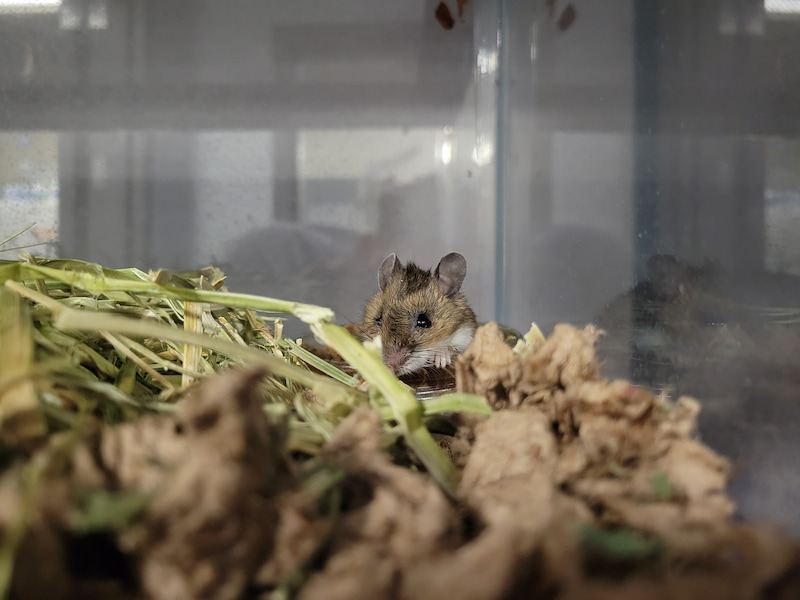
White footed mouse peeking out from a thick layer of recycled paper bedding and hay.

Additionally, cats can be disease reservoirs harboring a pathogen and transmitting the pathogen from host to host thus playing a crucial role in the infectiousness. Pasteurella multocida is a bacteria commonly found in the mouths of cats that is normal and not harmful to them but dangerous if infected to other animals like cottontail rabbits. Prey animals like bunnies, typically are not that resilient to infections so Pasteurella multocida from a cat bite is often deadly.

Clinical signs of Pasteurella multocida include respiratory distress, hemorrhage, septicemia, death, etc. Wildlife animals are already subject to various predators and risks to their lives without adding domestic cats to the mix.

Prevention for our Wildlife

The only foolproof prevention from the consequences of cat bites in our wildlife species is to protect them from predators like our furry friends. Keeping cats indoors protects not only wildlife from infections, injury, and death but the opposite is also true. Cats are also susceptible to harm from wildlife species such as rabies, which is fatal. Rabies vaccination is a great start for prevention but avoiding exposure to the virus is optimal. Veterinary Medicine goes beyond treating sick animals and aims toward prevention in order to keep animals, humans, and our environment alike all healthy. We love our cats and want the absolute best for them, and the best for them is keeping them safely inside which is coincidentally the best for our local wildlife populations. However, if a domestic cat is so inclined to be outdoors then it would be best if they are monitored and potentially kept on a leash to assure the safety of our outdoor friends as well as those we keep indoors.

References

Liao, Kristine. “Outdoor Cats Are Deadly-and Not Just for Birds and Squirrels.” Popular Science,31 May 2022.

Mostl, Karin. “Guideline for Pasteurella Multocida Infection.” ABCD Cats & Vets, 9 July 2024.

University, Texas A&M. “How Free-Roaming Cats Impact Wildlife, Disease Transmission.

University, Texas A&M. How free-roaming cats impact wildlife, disease transmission. Phys.Org, Phys.org, 20 Oct. 2023.

Written By: Kristen C., Class of 2027

Wildlife Medical Clinic
John A. Coyne South Clinic
2100 South Goodwin Avenue
Urbana, IL 61801
217-244-1195