Meet our Newest Resident Ambassadors

In the fall of 2025, the Wildlife Medical Clinic (WMC) ambassador program grew with the addition of a red-tailed hawk, a Virginia opossum, and an Eastern Screech Owl. While you may have seen short clips of these ambassadors on CiLiving and through our social media platforms, we would like to formally introduce our newest trio of animals.

Loki, male red-tailed hawk
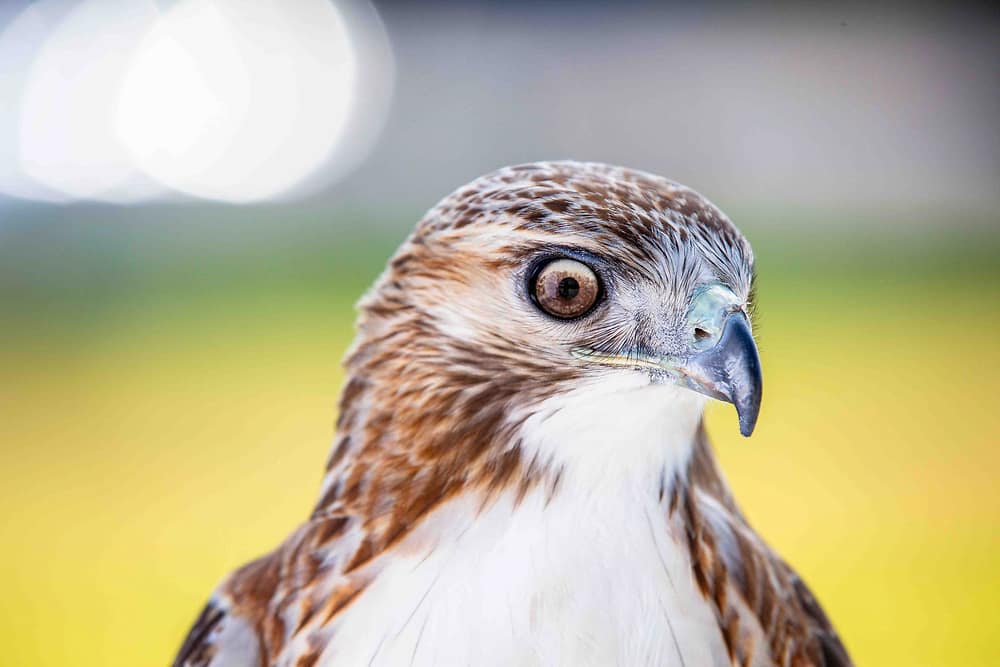
Red tailed hawk close up of head

Loki is the latest red-tailed hawk to join the WMC Ambassador team, starting his tenure with us in May of 2025 at 2 years of age. Loki initially arrived at another wildlife rehabilitation facility and then was transferred to a licensed falconer to be conditioned for release. The falconer had Loki ready for release but noticed he was not hunting well and suspected he had an issue with his vision. Due to this, Loki was transferred to the WMC for evaluation, where we discovered a cataract and significant scarring in the back of his left eye, likely from trauma sustained while he was living in the wild. His vision is severely impaired on that side, and it would be very difficult for him to hunt in the wild. Instead, we have continued his training that was started by the falconer and have integrated Loki into our ambassador program. His name was chosen by our Ambassador Care Coordinator student volunteers to match that of our other male red-tailed hawk, Odin. Loki and Odin are both very prominent gods in Norse mythology.


Loki’s experience with a falconer is not uncommon for red-tailed hawks. Falconry is a form of hunting, where humans train and partner with a bird of prey to hunt wild game in the birds natural habitat. This sport is highly regulated and is a cooperative relationship built on trust where the bird retains its wild instincts while working alongside a human partner. The process of becoming a falconer takes years and requires an individual apprenticeship to a sponsor; after obtaining the required permits and passing an exam, most beginner falconers in the U.S. use a red-tailed hawk as their starter bird. These animals are less than a year old and wild-caught. In the wild, yearling red-tailed hawks face many challenges including starvation due to poor hunting success, rodenticide toxicity after eating poisoned mice or rats, trauma from hitting a car, window, or other object, and even electrocution. In fact, it is thought that anywhere from 60-80% of red-tailed hawks do not survive their first year of life. For the red-tailed hawks that are caught and work with a falconer, they receive critical assistance during the most vulnerable time in their life and are released as an adult in optimal physical health and have perfected hunting techniques, greatly increasing their survival rate.
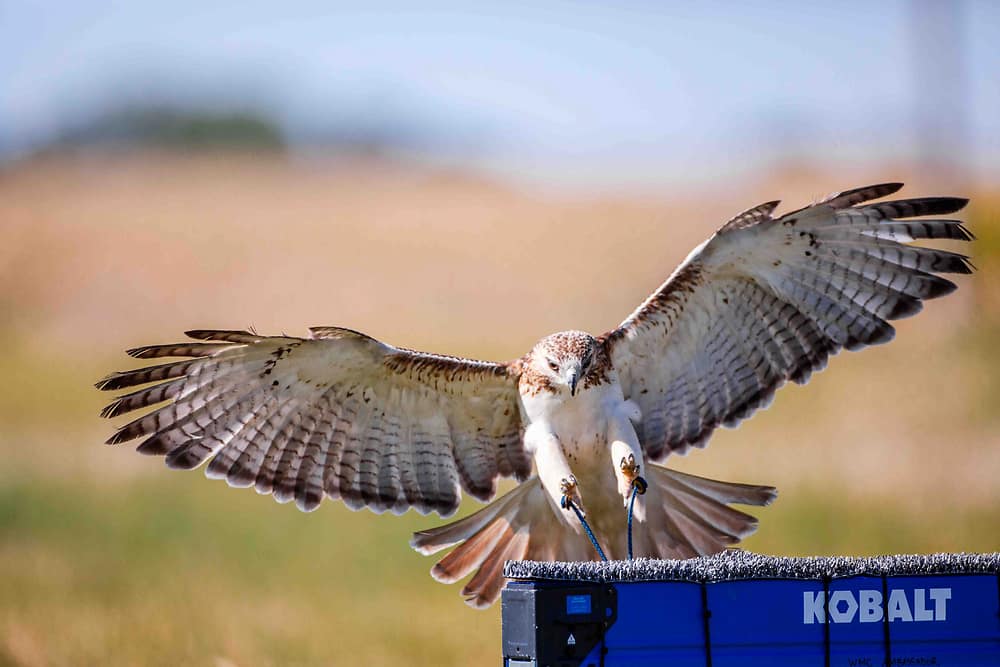
Ambassador Red-tailed hawk, Loki, flying and landing on a sawhorse perch.


While Loki’s vision deficits keep him from being able to return to the wild, he is still able to engage in plenty of natural hawk behavior. With no damage to his bones or feathers, he is fully flighted and will often spend part of his day swooping from one perch to the next in his outdoor enclosure. On days when the weather allows, we are also able to creance him, using a long weighted line, he is able to fly longer distances from one trainer to another or from a trainer to a perch keeping him in great body condition. This also gives Loki a chance to stretch his wings, and a chance for all of us to appreciate his talent. Perhaps you will have a chance to see him fly at an upcoming program!

Sources:

Pesto, male Virginia opossum
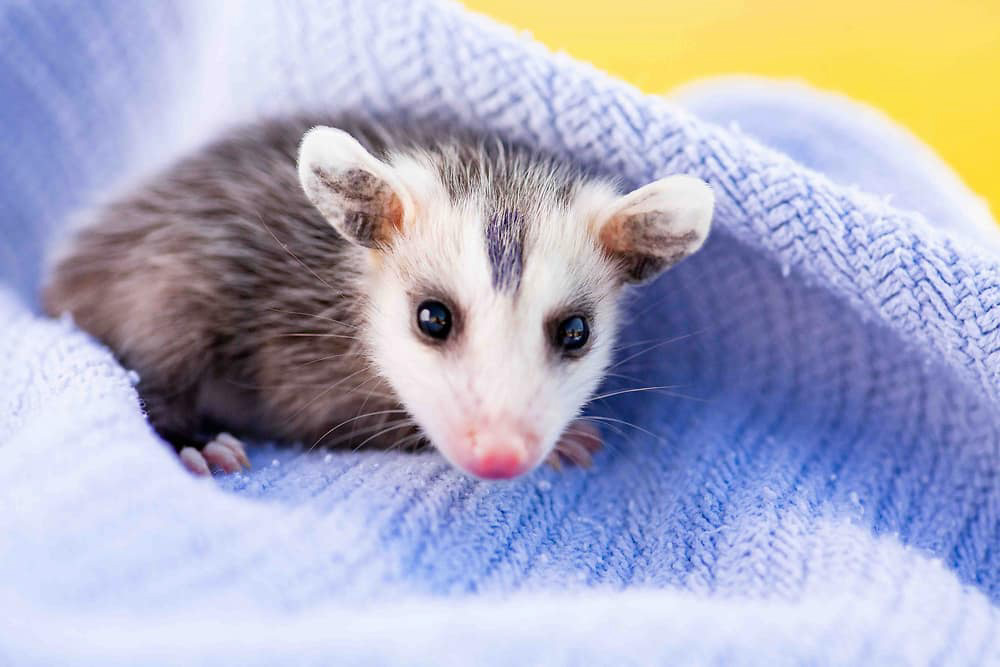
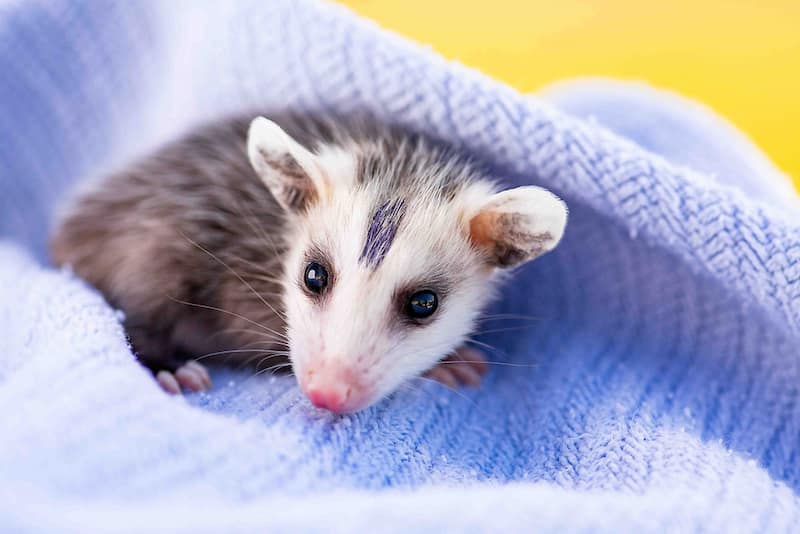
Virginia Opossum ambassador, Pesto, as a young joey tucked in a blanket.

On September 2, 2025, a passel (litter) of baby opossums was brought into the Wildlife Medical Clinic. Their mother had been hit by a car and unfortunately passed away leaving Pesto and his siblings orphaned. While the majority of the young were perfectly healthy, Pesto’s tail had gotten caught, and was barely hanging on by a thread. Our team determined the tail could not be re-attached, and was amputated, fully removing the tail at its base. Pesto was prescribed pain medication, and he along with his siblings were set up in a small incubator and started on several feedings per day.


The tail of the Virginia opossum is hairless and prehensile, meaning it can grab and carry objects. When they are young, joeys (baby opossums) can occasionally hang by their tails, but as they grow up they become too heavy for such behavior. Opossums use their tails to carry nesting material, like fallen leaves, or to balance while they are climbing trees and suburban fencing. The tail is integral to how the opossum behaves in the wild, and as such, losing the entirety of it disqualified Pesto from being a candidate for release. Instead, he was accepted into our ambassador program as our newest opossum member, and he was fully hand raised and habituated to people to ensure he would thrive as an ambassador animal.


Pesto was housed in the WMC for the first few months of his life, where he received multiple formula feedings each day before being transitioned onto more solid foods like veggies, fruits, yogurt, and kibble. At this point, he moved out of the clinic and into his permanent enclosure within the ambassador building, where our volunteers were very excited to work with him more closely. At first he was restricted to a small portion of his enclosure but as he grew, he was given more space until he had full access to his room. Having never had a tail that he could remember, Pesto is still able to move around his enclosure freely, and does still climb very well. His name was chosen by popular vote by members of both the WMC and the ambassador volunteer team, since it took everyone’s combined efforts to take care of him in his infancy.
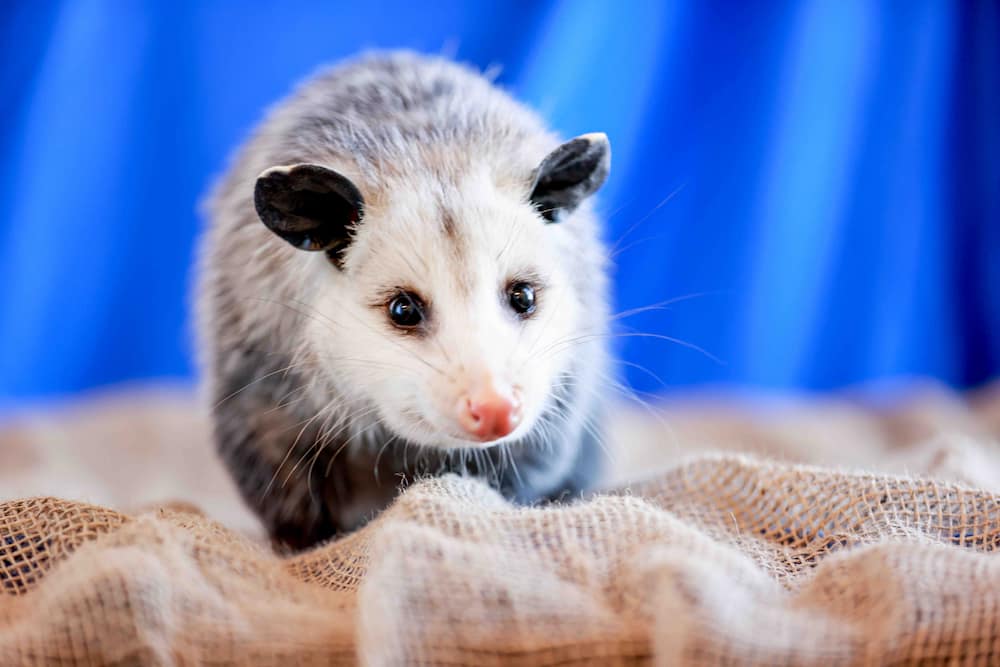
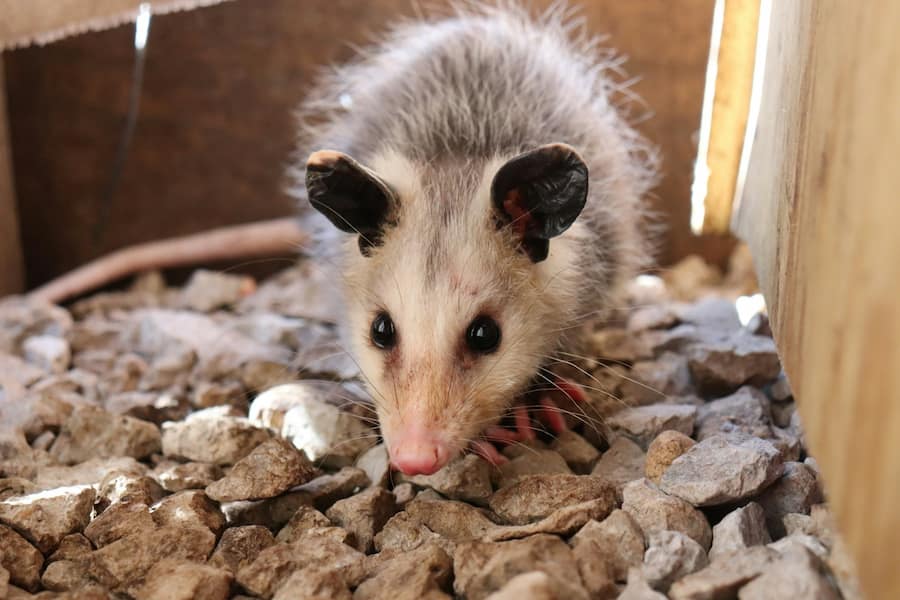
Virginia Opossum ambassador, Pesto, walking forwards.


Virginia opossums (Didelphis virginiana) are the only marsupial species found in North America (North of Mexico). Females will give birth to up to 13 underdeveloped young that then migrate to a specialized pouch on their body, where they continue to grow and nurse until they are large enough to go off on their own. They have very few defenses beyond their impressive set of teeth (50 in total), and instead will “play dead” when they feel trapped, in an effort to make the predator lose interest. Opossums are omnivorous opportunistic feeders, and are primarily nocturnal. While many regard them as pests, they play an important role in disease control within their habits, scavenging what’s been left behind, be it a deer carcass or a discarded sandwich. Pesto travels to many of our ambassador program events to help demystify these animals, and to show how important these misunderstood creatures are in the environment.

Sources:

Whittington, male Eastern Screech Owl

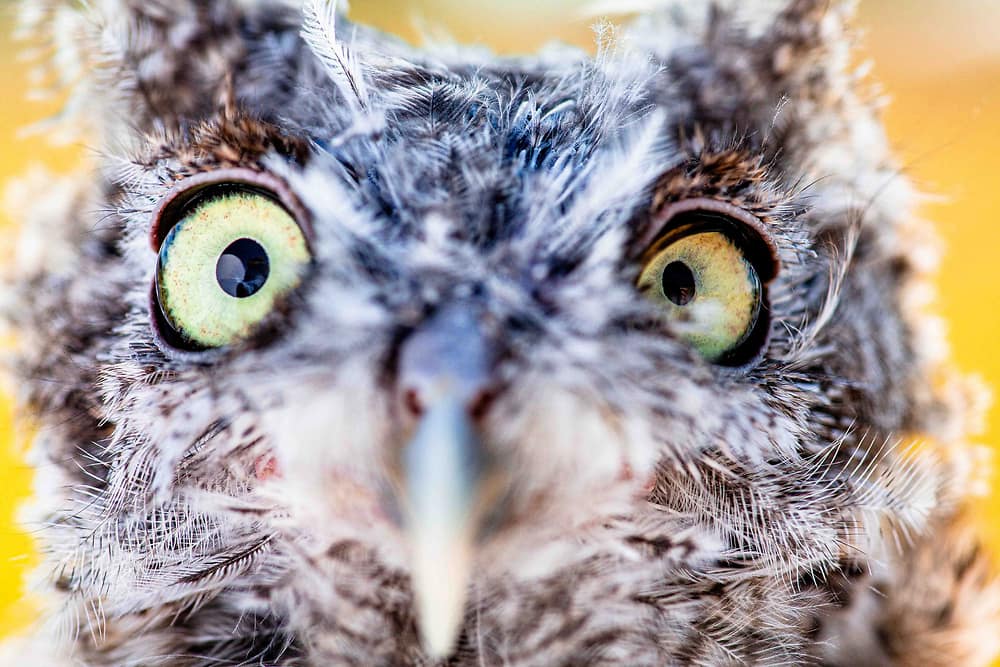
The newest Strigiforme to join the ambassador program is Whittington, an Eastern Screech Owl! Fully grown at 115 grams (¼ of a pound), Whitt was brought to us by the Illinois Raptor Center in Decatur, Illinois, as a month-old fledgling. They were concerned that he had an injured wing and eye. After examining him, we discovered chronic fractures spanning the length of his left wing. We have no way of knowing what caused this degree of trauma in such a young owl, but his body was able to heal and Whitt can still take short flights without issue. When examining his eyes, our team found an immature cataract in the right (meaning his vision is likely cloudy but still present) and a pupil that was not responsive to light in the left. We suspect the left eye is a case of microphthalmia, in which the eye did not develop properly before hatching; he likely cannot see much of anything on that side.
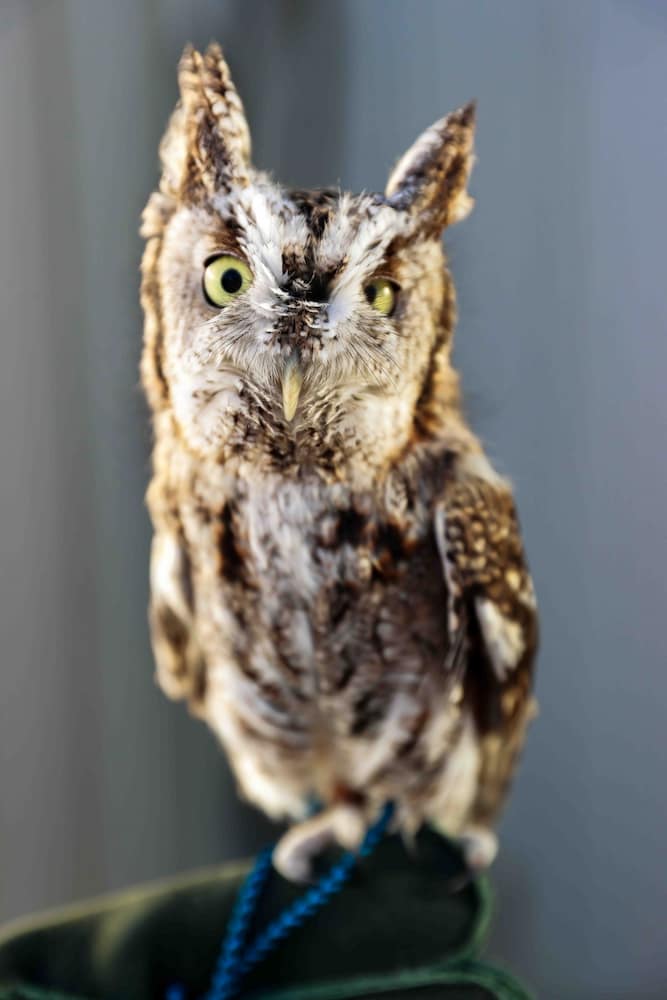
Ambassador Eastern Screech Owl, Whittington, on the glove looking forward with plumicorns up.


Whittington was found but then held for over a week before he was brought to a licensed rehabilitator. Unless you are a licensed wildlife rehabilitator, it is illegal to keep wildlife in your home for an extended period of time. Many species of baby birds imprint quickly on humans who handle them, which renders them incapable of release because they do not recognize other members of their species as “self.” Imprinted animals will rely on humans for everything, including food, shelter, and once mature, even seeing humans as their mate. They have no fear of people and never learn species-specific behaviors that would allow them to survive in the wild. Unless the animal has a temperament suitable for an educational program, it can be very challenging to find them a home. Luckily for Whitt, we were able to add him to our ambassador program, where we hope he will spend many years with us helping demonstrate to the public the importance of keeping animals wild.


Eastern Screech Owls (Megascops asio) are native to the majority of the U.S., east of the Rocky Mountains. They are nocturnal, non-migratory, and tend to live in deciduous, wooded areas where they can camouflage into the trees. They eat small mammals, birds, and all sorts of insects. Males typically are smaller than their female counterparts, but both sexes stand between 6 and 10 inches tall. The oldest recorded Eastern Screech Owl in the wild was fourteen and a half years old. Whittington is a gray phase Eastern Screech Owl, but there are two less common morphs, the rufous or red phase and intermediate or brown phase.


Whittington’s name was selected by a generous donor, who chose to name him after Dr. Julia Whittington. Dr. Whittington was the Director of the WMC for 16 years, before the mantle was passed to Dr. Sam Sander and then to our current Director, Dr. Stephany Lewis. Dr. Whittington is a 1997 graduate from the University of Illinois’ College of Veterinary Medicine. After practicing locally for a few years, she returned to the University of Illinois Urbana-Champaign to develop the College of Veterinary Medicine’s exotic “zoo med” service, and expand student access to wildlife experiences. She led the WMC from 2001 through 2017, before accepting a position as the Director of the Veterinary Teaching Hospital and Assistant Dean of Clinical Services. Though she retired at the end of 2023, she has stayed local and still keeps in touch with our zoo med and wildlife services. We hope she is excited to have one of our ambassadors named in her honor.

Sources:

Written By: Lydia T., Class of 2027
A Stinky Situation

Case Intake

The Wildlife Medical Clinic has seen quite a few Virginia opossums this year and these are often a favorite species in the clinic due to their more agreeable attitudes and interesting anatomy. I had the opportunity to work closely with a few Virginia opossums this year, and DIVI 25-2152 was the first one where I was the veterinary student primarily in charge of his medical plan. DIVI 25-2152 was a male juvenile opossum who was brought into the clinic on October 10, 2025, after being found in someone’s septic tank. On his intake exam, we didn’t notice any apparent abnormalities or injuries, other than that he was a little bit dehydrated and that he had some gunk from the septic tank in his fur. He was displaying normal behaviors and proper defensive actions for his age. We gave him some subcutaneous (under the skin) fluids to help with his hydration status, cleaned up his fur, set him up in a comfortable cage, and offered food. As all seemed normal with him, we expected to just monitor for a couple days and then release after one last exam.

We ran bloodwork on the opossum a few days later to ensure that he was stable before releasing him. We tested his protein levels and red blood cell level (known as a PCV or packed cell volume), where we discovered that he did have slightly low protein levels and red blood cell levels, indicating that he was anemic. We additionally ran a test to see his blood lead level, which showed slightly elevated levels.

The Need for Lead Testing

Obtaining a blood lead level is a very important diagnostic test for the Virginia opossums that we receive at the clinic. Lead naturally occurs in the environment, but this environmental load has been greatly increased by human activity. Due to its previous use in paint, as well as its current use in batteries, shotgun pellets, bullets, and more, lead is pretty widespread within the environment. Virginia opossums are scavengers, which means that they do not directly hunt for their food and instead eat pretty much anything they can find, including dead animals. Due to this, it is highly likely for them to come into contact with and ingest lead, whether that is ingesting lead pieces accidentally, consuming roadkill with lead toxicosis, or consuming animals that contain lead pellets from hunting. With this in mind, almost all of the Virigina opossums that stay in the wildlife clinic will have their blood lead level tested. Many of them will have elevated levels slightly above zero, but they may or may not require treatment depending on how high that number is and how clinically affected they are.

Lead toxicity results in neurological problems in wildlife, causing things like head tremors, lethargy, paralysis, weakness, incoordination, seizures, and death in severe cases. With these issues, affected wildlife are generally less aware and are more likely to be injured, often being hit by cars or attacked by predators. These animals will often also lose weight due to their neurological condition and may end up fairly emaciated. The death of animals that have lead toxicosis tends to exacerbate the cycle, as scavengers, like birds of prey and opossums, will then potentially consume lead when feeding and become affected themselves.

Luckily, there are treatment options available for the opossums and other animals that present to the Wildlife Medical Clinic with lead toxicosis. Typically, they will receive chelation therapy, where medications like calcium EDTA or dimercaptosuccinic acid (DMSA) are used to bind to the lead in the body and help excrete it. After their initial chelation therapy has ended, we will collect blood again to check their blood lead level. Often, this will have decreased, and chelation therapy may either be discontinued or continued for another round depending on how high the animals level is and how clinically affected or symptomatic the animal is. Sometimes though, the blood lead level will increase. This doesn’t initially seem to make sense if treatments have been used to reduce the lead level, but this has to do with how lead is stored in the body. Some lead is present in the bloodstream and is targeted by our chelation agents, but a lot of the lead is stored in the bones of the animal, especially if they have had chronic lead exposure. This means that more lead will leak out into the bloodstream overtime and can increase the blood lead level from what it was originally despite treatment. In these cases, additional rounds of chelation therapy are conducted to continue to lower the animal’s overall lead level overtime, ideally getting their blood lead level down to a tolerable level for release.

Back to the Wild

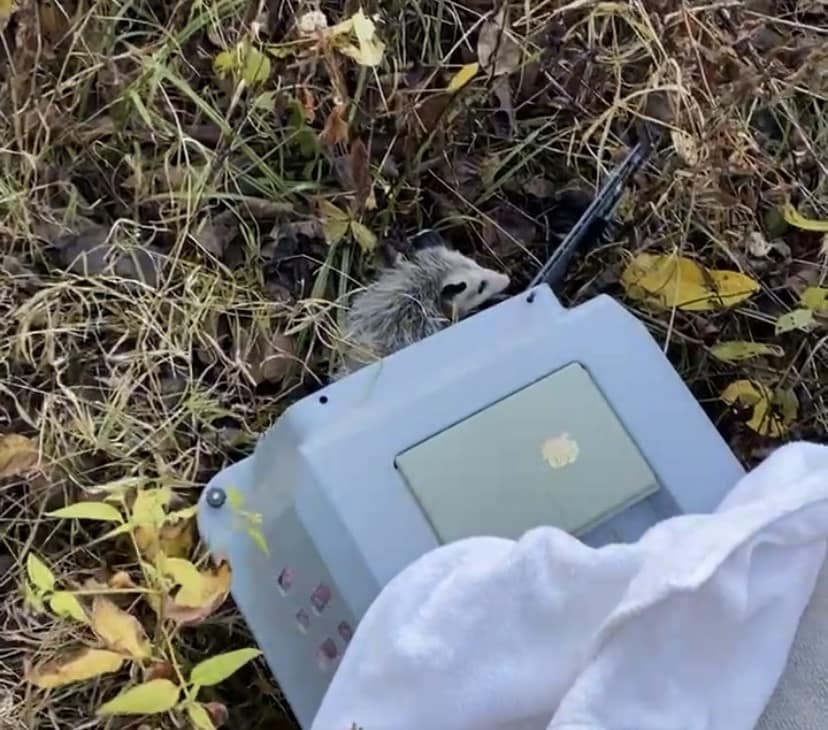
Virginia Opossum being released back into the wild.

While this opossum’s blood lead level was higher than zero (12.4 μL/dL), we elected to not chelate this patient due to his normal attitude, behavior, and defensive actions, and his lack of apparent neurological signs. Additionally, he was overall pretty healthy and almost ready for release. To manage his anemia (low red blood cell levels) and hypoproteinemia (low blood protein levels), we kept this opossum in the clinic for about a week and offered him lots of food and fluids as he needed them. Since he didn’t appear to have any physical abnormalities or illnesses, it is likely that these low test values were due to him not having the best nutrition and likely being stuck in that septic tank for an extended period. A week later, he had gained over 300 grams, and his red blood cell and protein levels were within normal limits, so he was cleared for release by our veterinarians. He was released near where he was originally found, slowing venturing out into the forest. I was very glad to see this patient be released back into the wild and wish him the best!

Written By: Sarah F., Class of 2027

Case Study: The Fix on Fractures

The Eastern Box Turtle (Terrapene carolina carolina) is one of six subspecies of the Common Box Turtle and is found in the eastern United States. Eastern Box Turtles are mainly terrestrial turtles that live in areas of high vegetation and are close to small rivers or streams. Box turtles get their name from their hinged bottom shell, or plastron. This allows the turtle to completely close its shell around its body in dangerous or threatening situations. The plastron of an Eastern Box Turtle is dark brown, while their top shell, or carapace, can be bright yellow or orange. This coloring, and their four toes, is a helpful identifier of Eastern Box Turtles when they’re compared to other Box Turtle species. This coloring also allows the Eastern Box Turtle to camouflage among the damp earth, fallen leaves, and fallen vegetation in the highly moist and vegetative areas where they reside.

Intake

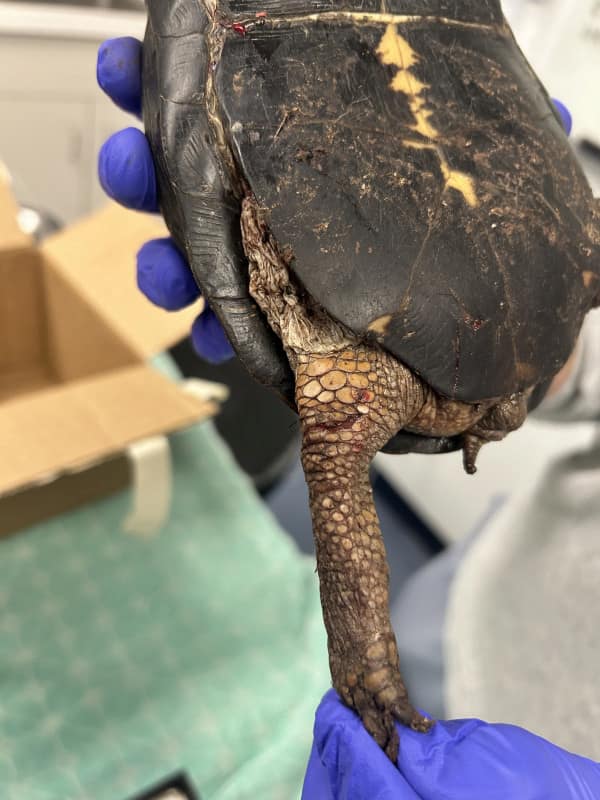
Box turtle with laceration under right rear leg.

Eastern Box Turtle (TECA) 25-2096 is an adult female (as determined by her flat plastron and longer, thinner, curved rear claws) that presented to the Wildlife Medical Clinic on September 25 after being hit by a car. Upon intake, 2096 was alert, active, moderately dehydrated, and intent on wreaking havoc in the clinic, as she emerged out of her transport box mid-examination. 2096 had a superficial laceration across her right knee that did not appear infected and had a small abrasion at the midpoint of her right vertebral scute on her carapace.

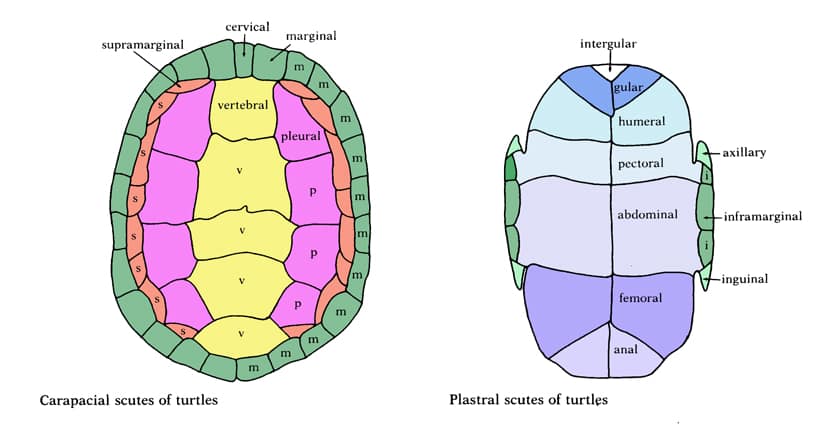
Drawing of a Carapace (top) vs Plastron (Bottom) for turtle shells.

On her plastron, which was the area of highest concern, there was a superficial, actively bleeding fracture at the level of her right marginal scute that, although not very wide, did extend all the way to her right femoral scute. She also had superficial fractures of her right anal scutes. Due to these injuries, initial treatments included subcutaneous (below the skin) fluids and an injection of hydromorphone, an opioid medication that is known to be helpful with alleviating pain from shell fractures. Vetericyn spray (an antimicrobial wound spray) was also sprayed over the laceration on the right knee to discourage infection and encourage healing.

Radiographs and Treatment

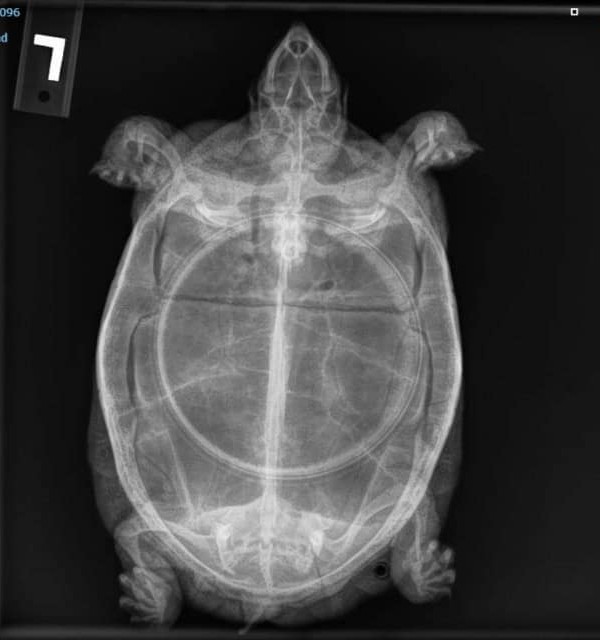
Not too long after her initial exam, radiographs were taken of TECA 25-2096 to determine the severity of her fractures. Three specific views were taken. There was a dorsoventral image, which looks down at 2096 from above, a left lateral image, taken from the right side of 2096, and a craniocaudal image, taken from in front of 2096 as if she was looking into a mirror. These three views are some of the most common views for turtles, allowing visualization of many important body parts and organs that cannot be visualized normally. The most beneficial view in 2096’s case was the dorsoventral view, which confirmed the fractures found on exam, and revealed two small fractures on the lateral most aspect of the right inguinal scute and a transverse fracture of the left inguinal scute. However, even with these numerous fractures, they were all minimally displaced and very superficial, meaning release was in the cards for 2096’s future. Post radiographs, the vetericyn spray was continued over the right hind limb laceration to encourage healing there, but the hydromorphone was switched to meloxicam (an anti-inflammatory) as the superficial fractures did not call for such strong pain medication.

Release

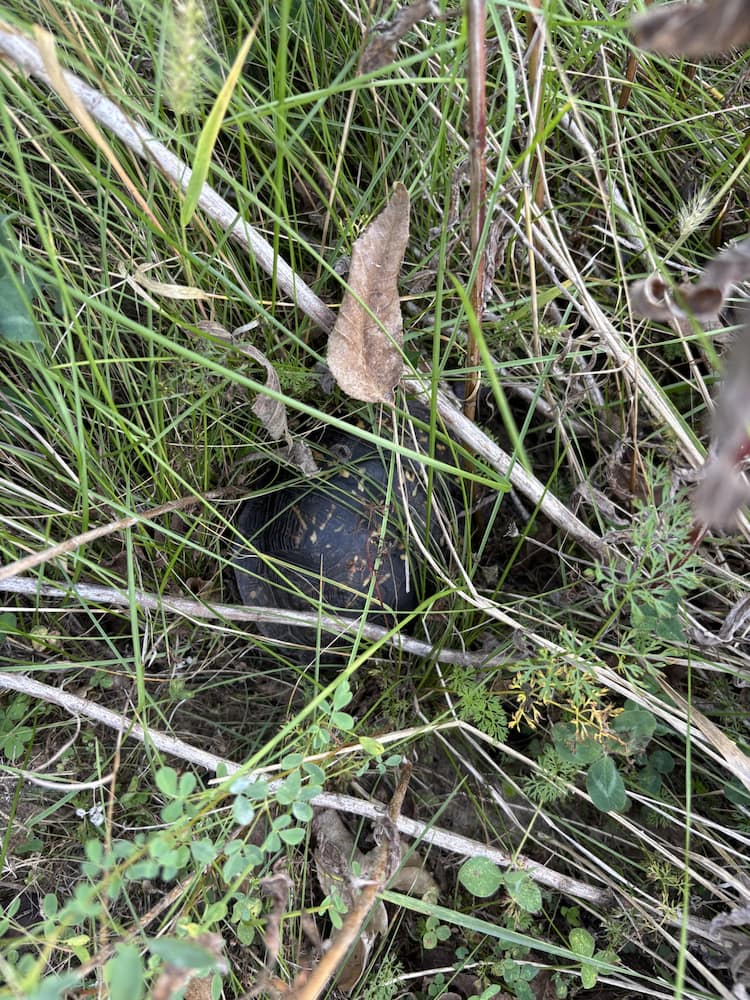
Box Turtle in tall grass being released back into the wild.

After nine days in the clinic, TECA 25-2096 was released into her habitat where she had been found in Tilton, Illinois. She was situated in an area of significant vegetation that bordered a small lake and was farther away from the road. Upon release, 2096 was eager to return to her home and quickly made her way into an area of high vegetation that allowed her to camouflage and hide within her new environment.

Works Cited

Eastern box turtle. Smithsonian’s National Zoo and Conservation Biology Institute. (2018, April 17). https://nationalzoo.si.edu/animals/eastern-box-turtle

Written By: Kat R., Class of 2028

Cats: The Purrfect Storm for Endangering Wildlife

Invasive species are estimated to cost North America $26 billion dollars per year since 2010. From plants like common teasel and buckthorn to animals like the Burmese python and lionfish, the damage that has been caused to our native ecosystems is extreme. While steps have been taken to mitigate these damages and prevent further spread of those species, there is still much work to be done. One of the steps we can take to preserve our wildlife is to recognize the impact we have as individuals.

Dangers Outdoor Cats Face

Approximately 49 million American households own cats, and a survey performed in 2021 found that 21% of Canadian and American cat owners allow them to have unsupervised outdoor access. While the outdoors provides tons of enrichment for our feline friends, there are several downsides to be aware of. Some of these downsides include injuries cats may obtain while outside, including getting infested with fleas, or something as extreme as getting hit by a car or attacked by a coyote. This can be devastating to the owner of the pet and result in hundreds if not thousands of dollars in veterinary bills, not to mention the emotional toll it takes watching a member of your household be in pain.

Dangers Outdoor Cats Pose

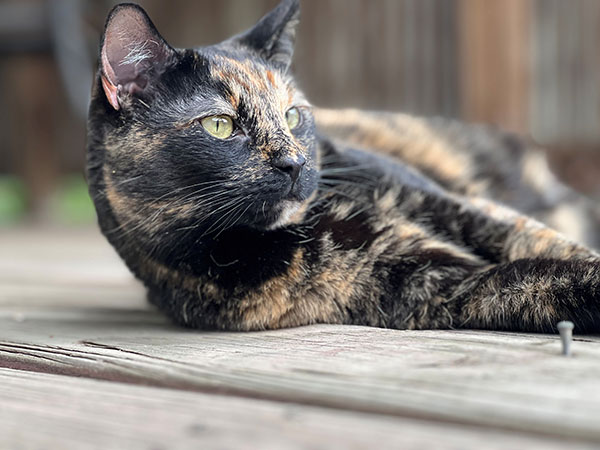
With that in mind, it is also important to understand the negative impacts cats themselves have on the environment. In addition to disease transmission and property damage, in the U.S., cats are estimated to kill 1.3-4 billion birds and 6.3-22.3 billion mammals each year, acting as an invasive species themselves. They are also considered a contributing factor in the extinction of 63 species globally. Here, at the Wildlife Medical Clinic, we see many patients come into us with injuries sustained from a feral or friendly cat. While this is heavy news to read, not all hope is lost as there are several actions we can take reduce these damages.

Things you can do include:

  • Monitor your cat during their outdoor play time, or install a catio.
  • Having conversations with your family, friends, and neighbors about any outdoor cats they have.
  • Spaying and neutering your cat to prevent the population of ferals and strays from growing.
  • Volunteering at an animal shelter with a Trap Neuter Return program—this also helps to lessen the feral population of cats.
  • Use flea, tick, and heartworm prevention on any cat that has outdoor access.
  • Keep your cat up to date on its yearly vaccinations.

One of the many things we love about cats is their playful nature. However, that playfulness is driven by their predator instincts and is what makes them such excellent hunters in the wild. With this knowledge, we can work towards a future where cats are safe from dangers the outdoors pose and wildlife is safe from the harm of our feline friends.

Sources

https://www.invasivespeciesinfo.gov/subject/economic-and-social-impacts

https://americanpetproducts.org/industry-trends-and-stats

https://www.frontiersin.org/journals/veterinary-science/articles/10.3389/fvets.2021.742245/full

https://abcbirds.org/program/cats-indoors/cats-and-birds

https://www.nature.com/articles/ncomms2380#

https://abcbirds.org/wp-content/uploads/2020/09/Doherty-et-al.-2016-Invasive-predators-and-global-biodiversity-loss.pdf

Written By: Sarah L., Class of 2028

Diagnostic Tools in Wildlife Medicine

Observation and Diagnostic Tools

When a good Samaritan brings in a Great horned owl that cannot fly or a lethargic Eastern box turtle with no apparent physical injuries to the Wildlife Medical Clinic, how do we determine what is going on with these patients? That’s where the problem-solving aspect of our work comes into play. In all fields of veterinary medicine, our patients cannot speak for themselves, and we must rely on clinical signs as well as the owner’s perspective of their pet’s behavior. However, wildlife patients are a little different in that they do not have owners who can speak for them. There are many different diagnostic tools we can utilize to aid in our understanding of what is going on with our patients, such as bloodwork and radiographs.

Bloodwork

In our bird and reptile species, bloodwork can be challenging to both perform and interpret due to a lack of reference intervals for every species and differences in cell morphology. Mammalian species have red blood cells that lack a nucleus. Birds and reptiles are special in that their red blood cells have a nucleus. This means that automated machines cannot accurately differentiate and count red blood cells and white blood cells. Anytime a blood sample is collected from a patient in the clinic, we want to manually determine a packed cell volume (PCV) and a total protein value (TP). We will also make a blood smear on a slide to later be evaluated under a microscope. In order to get the PCV and TP, we must first centrifuge the sample in a micro-hematocrit capillary tube which will separate the sample into 3 distinct layers. Red blood cells are at the bottom, white blood cells and platelets in the middle, and plasma at the top. We use a special card to aid in reading the PCV, or the percentage of red blood cells that are in the sample. Total protein is then measured by placing a drop of the plasma onto a tool called a refractometer. PCV and TP values can give us a clue on the hydration status of our patient as well as if they are anemic at that time. The blood smear mentioned before is used to evaluate cell presence and morphology. The presence of specific white blood cells can give us clues on if the patient has inflammation or even if there are microbial organisms within the cells. However, a challenge we often face in wildlife medicine is determining what values are normal as there often are no reference intervals available for many of the species we work with. Sometimes, we must make inferences based on what we already know about closely related species.

Radiographs

Another helpful tool we utilize often in all fields of veterinary medicine are radiographs. Any patients presenting with suspected orthopedic injuries will have images taken to be further assessed. We also take radiographs of birds who present with the inability to fly but have no obvious injuries to see if there are any fractures or dislocated joints. Radiographs can be helpful to determine the location and extent of these injuries so it can be decided whether or not the injury can be fixed. Imaging is also helpful for evaluating abnormalities in internal structures and can sometimes highlight the presence of metals that may have been ingested by the animal.

Conclusion

These diagnostic tests allow us to get one step closer to fixing our patients so they can be released back into the wild. Bloodwork and imaging are only two of the many tools available to us at the Wildlife Medical Clinic. If we suspect a specific disease, we can often run a specific test to either confirm our suspicions or rule that out. A closer look at what is happening inside of our patients, whether that is in their blood, skeletal system, or internal structures, can help guide us when creating treatment plans and determining a prognosis for our patients.

Written By: Grace M., Class of 2028

Grounded but not Defeated: An Owl’s Recovery Journey

Arrival and Initial Concerns

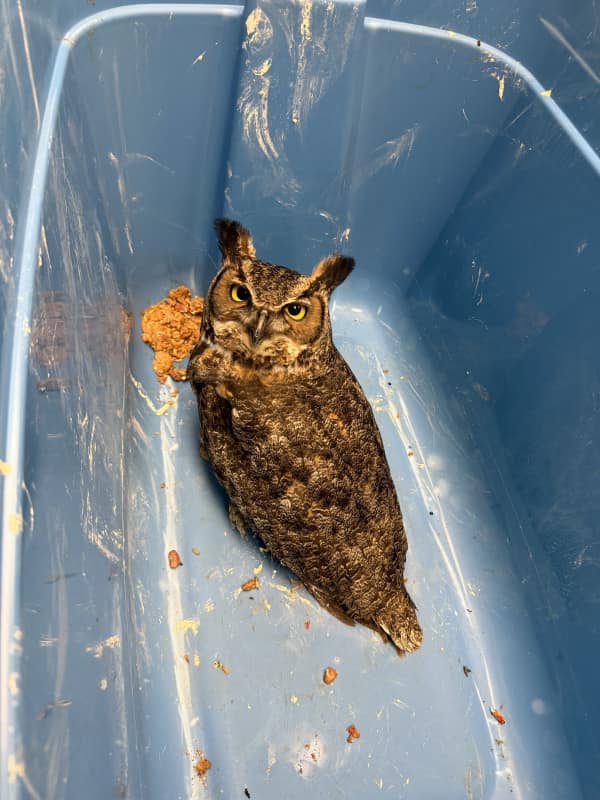
On August 31, 2025, the Wildlife Medical Clinic received an adult Great Horned Owl (Bubo virginianus) that had been found grounded and unable to fly. Upon intake, the owl was in thin body condition and demonstrated ocular abnormalities–most notably, aqueous flare in both eyes. This clinical sign indicates there is inflammation in the anterior chamber of the eye, raising concerns about systemic or infectious disease, or trauma to the eyes.

Despite its compromised condition, the owl was bright, alert, and responsive, but demonstrated an uncoordinated gait or ataxia. The combination of neurological signs, ocular inflammation, and poor body condition led the veterinary team to suspect West Nile Virus (WNV), a mosquito-borne disease well-documented in raptors such as Great Horned Owls.

Treatment Plan

The owl’s treatment plan was designed to address both the suspected viral infection and supportive care needs. It was started on:

  • Meloxicam: for pain relief and inflammation control.
  • Itraconazole: an antifungal agent, given prophylactically due to concern for secondary opportunistic fungal infections, as WNV is known to cause severe immunocompromise.
  • Excede: a long-acting antibiotic to treat opportunistic bacterial infections.
  • Ketorolac ophthalmic drops: to treat the inflammation within the eye.

Nutritional support was equally important. The owl was transitioned onto a diet of mice, often prepared as medicated feed items, which allowed medications to be delivered orally with minimal stress.

Progress in Care

Over the following weeks, the owl demonstrated steady improvements. The aqueous flare observed at intake resolved with treatment, and its body condition score increased as it began eating reliably. However, neurologic deficits–particularly ataxia–remained a significant concern. Veterinary student volunteers frequently documented episodes where the owl was able to perch normally but showed uncoordinated movements during flight attempts. On occasion, the owl even collided with enclosure structures when startled, reinforcing suspicions of WNV-induced neurologic impairment.

Despite these challenges, the owl displayed normal raptor behaviors: defensive posturing, hissing, and clacking at volunteers entering the flight cage. These responses indicated appropriate wariness of humans and reduced concern about imprinting.

Rehabilitation Transfer

By late September, the owl’s ocular inflammation had resolved, and it was maintaining weight well on a consistent diet. Its mentation improved, but residual neurologic deficits persisted. The Wildlife Medical Clinic does not have large enough enclosures to fully assess flight strength and coordination in recovering raptors, so plans were made to transfer the owl to the Illinois Raptor Center (IRC).

At the IRC, the owl would have access to larger flight enclosures, allowing for more thorough evaluation of its ability to hunt and fly effectively before considering release back into the wild. The transfer would also minimize unnecessary stress from prolonged handling in the hospital setting.

Conclusion

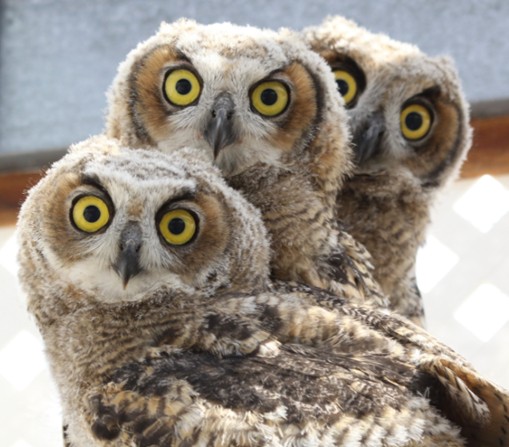
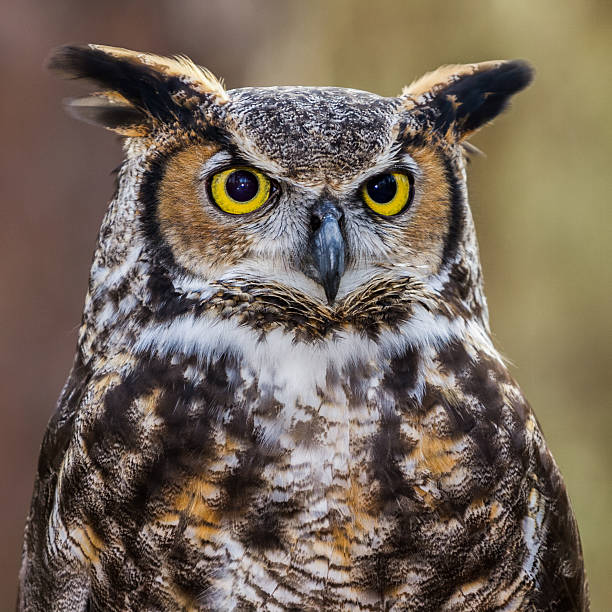
Close up of a Great Horned Owl.

This case highlights the complexities of managing West Nile Virus in raptors. While supportive care and anti-inflammatory treatment can help stabilize patients, neurologic deficits often linger and may impact long-term survival in the wild. For this Great Horned Owl, the combination of diligent medical care, nutritional support, and eventual transfer to a specialized rehabilitation facility offered the best chance of recovery and, hopefully, release.

West Nile Virus continues to pose challenges in wildlife medicine, reminding us of the interconnectedness between human, animal, and environmental health. By monitoring and treating these cases, clinics like the Wildlife Medical Clinic contribute not only to individual patient outcomes but also to broader understanding of wildlife disease dynamics.

Written by: Becca C., Class of 2028

References:

  • Nemeth, N. M., Beckett, S., Edwards, E., Klenk, K., & Komar, N. (2007). Avian mortality surveillance for West Nile virus in Colorado. The American journal of tropical medicine and hygiene, 76(3), 431–437.
  • DeCarlo, C., Omar, A. H., Haroun, M. I., Bigler, L., Bin Rais, M. N., Abu, J., Omar, A. R., & Mohammed, H. O. (2017). Potential Reservoir and Associated Factors for West Nile Virus in Three Distinct Climatological Zones. Vector borne and zoonotic diseases (Larchmont, N.Y.), 17(10), 709–713.
  • Wünschmann, A., Shivers, J., Bender, J., Carroll, L., Fuller, S., Saggese, M., van Wettere, A., & Redig, P. (2004). Pathologic findings in red-tailed hawks (Buteo jamaicensis) and Cooper’s hawks (Accipiter cooper) naturally infected with West Nile virus. Avian diseases, 48(3), 570–580

When a Shell, Isn’t Just a Shell

Intake

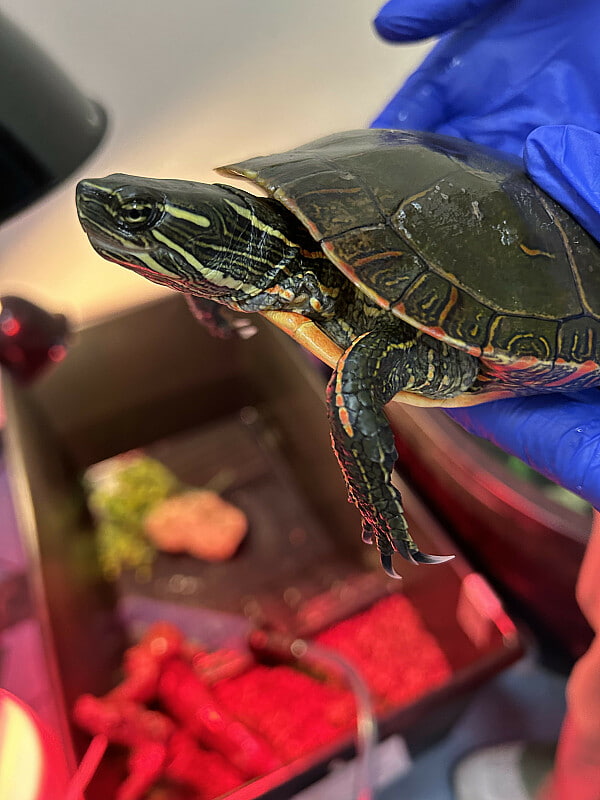
At the beginning of October, the Wildlife Medical Clinic welcomed a Painted Turtle brought in by a licensed wildlife rehabilitator from Illinois. Sadly, this patient had been the victim of a common — and often underestimated — threat to our native turtle populations: vehicle collision.

Many people are surprised to learn that when a turtle is hit by a car, the damage often goes far beyond what’s visible on the surface. A common misconception is that shell injuries aren’t serious. Unfortunately, this isn’t the case.

Shell Damage Is Skeletal Damage

A turtle’s shell isn’t just a protective outer layer — it’s a vital part of their skeletal system. Their ribs and spine are fused directly to the shell, which means that any cracks or fractures are often accompanied by internal trauma.

Our Painted Turtle patient arrived with multiple shell fractures, affecting the carapace (top shell), plastron (bottom shell), and bridge (the sides of the shell that connect top and bottom). These injuries alone were concerning — but we knew there could be more going on beneath the surface.

Imaging Reveals Deeper Injuries

To assess the extent of internal trauma, we performed radiographs (x-rays). Unfortunately, the images revealed fractures to multiple bones of the pectoral girdle of both forelimbs. The pectoral girdle are bones near the shoulder that are essential for forelimb function. These types of internal injuries significantly complicate recovery and reduce the likelihood of successful release.

How Did We Approach This Tough Situation?

Reptiles like turtles have slow metabolic rates, meaning healing takes much longer than in mammals — often over a year for serious injuries. Surgical repair of the bones of the pectoral girdle is not feasible in turtles, though minor injuries can heal with time and rest. In this patient’s case, its injuries were catastrophic, impacting both forelimbs, and unlikely to result in a functional outcome for either forelimb. This species of aquatic turtle requires function of at least 3 of 4 limbs for success in the wild post-release. Additionally, severe trauma to the pectoral girdle is often accompanied by extensive trauma to the lungs, the cranial aspect of which are adjacent to these bony structures.  While we evaluated options, we ensured the turtle had a quiet enclosure, pain management, and food.

A Difficult Final Decision

After much consideration, our veterinary team made the difficult decision to pursue humane euthanasia. While our clinic regularly treats turtles with shell and limb injuries — many of which go on to be successfully released — the severity of this patient’s internal injuries, paired with her lack of appetite and movement, made recovery highly unlikely.

Our goal is always to prioritize quality of life, and in this case, euthanasia was the most compassionate and medically appropriate choice.

What Can You Do?

During the fall, turtles often cross roads in search of overwintering sites. You
can help protect them by:

  • Slowing down and staying alert near wetlands, forests, or creeks
  • Contact a licensed wildlife rehabilitator if you find a turtle that appears injured — even if it seems like it’s okay. Prompt medical attention can make a life-saving difference.

Thank you for supporting our work and helping protect native wildlife through awareness, compassion, and action!

Written by: Natalie L., Class of 2028

Works Cited:

Hirasawa T., Nagashima H., Kuratani S. The endoskeletal origin of the turtle carapace. Nat Commun. 2013;4:2107. Retrieved October 17, 2025, from https://pmc.ncbi.nlm.nih.gov/articles/PMC3715867/

Jackson DC. Hibernating without oxygen: physiological adaptations of the painted turtle. J Physiol. 2002 Sep 15;543(Pt 3):731-7. Retrieved October 17,2025, from https://pmc.ncbi.nlm.nih.gov/articles/PMC2290531/

Virginia Zoo in Norfolk. Where did the turtles go for the winter? 2023 October 20. Retrieved October 17, 2025, from https://virginiazoo.org/where-did-the-turtles-go-for-the-winter

Eerie Creatures- Scary or Misunderstood

As spooky season approaches, we want to talk about a few animals that get a bad rap for being scarier than they truly are.

Owls

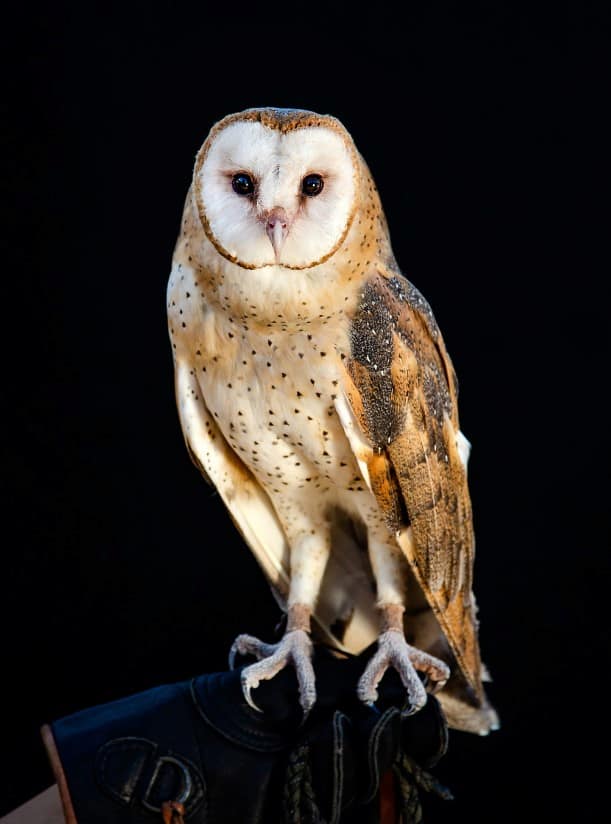
Owls are often associated with death and bad luck and were once thought to be messengers of witches. One owl in particular, the barn owl, takes the brunt of some of this folklore. Due to its nocturnal nature, ghostly white color, habit of resting in barns, and loud screaming calls, these creatures were thought to be a ghost.

The reality is these animals don’t want to be around people at all. They are great predators that help to control rodent populations, which in turn helps to stop the spread of zoonotic disease that rodents may be carrying.

Virginia Opossum

Virginia Opossum joey tucked under the fold of a blanket. Opossum is looking forwards but right side of body visible from under the blanket.

These nocturnal animals are often misunderstood and thought of negatively. Common opinions are they are aggressive towards people, not intelligent, dirty and disease-ridden.

This could not be farther from the truth. These animals try their hardest to avoid people but when this is unavoidable, their defense can look somewhat intimidating. They hold their mouths open and hiss. In most cases, this is a bluff, and they will then attempt to run away or hope you walk away so they can flee. These animals are not dirty and in fact spend a lot of time grooming to keep clean. Being the only marsupial or pouched mammal in North America makes them quite unique and they have a slightly lower body temp compared to other mammals, making it very difficult for them to get rabies. In addition to this, they are also immune to most North American snake venom, scorpion, and bee stings. These animals are actually very important in the environment and in addition to fruits, vegetables, greens, and insects, they will also eat carrion, or dead animals. This helps to stop the spread of disease and clean up the environment. They also help to prevent tick-borne illness by eating a large number of ticks as they groom themselves. They play a role in dispersing seeds and are a food source for other animals such as owls, hawks, coyotes, foxes, raccoons, and bobcats. So, as you can see, these misunderstood creatures are not scary but in fact super beneficial in the environment.

Toads

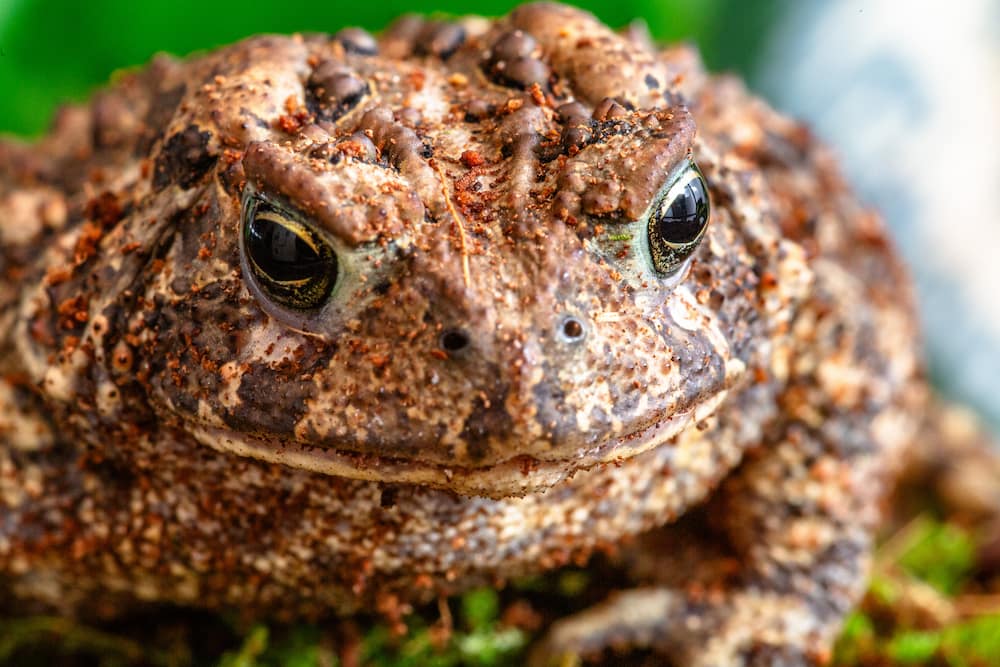
American Toad close up image of head. Toad looking forwards with both eyes open.

Toads have been said to give you warts if you touch them, but this is not true. In fact, the bumps on their back actually secrete a mild toxin to ward off predators. Because of this, they were often associated with witches and said to be used by them to craft poisons.

I can see where this would sound scary but, in all reality, toads are very beneficial to the environment. These animals are great at consuming insects, especially in your garden or around crops. They also are great indicators of ecosystem health as their skin is permeable and it makes them vulnerable to toxic substances and drought, which means a decline in numbers can show environmental problems. Even though they can secrete a mild poison, some animals are immune to it or have figured out the safe areas to eat, so toads serve as an important source of food for these other animals (Ex. crows, red shouldered hawks, snakes, and even Virginia opossum).

Bats

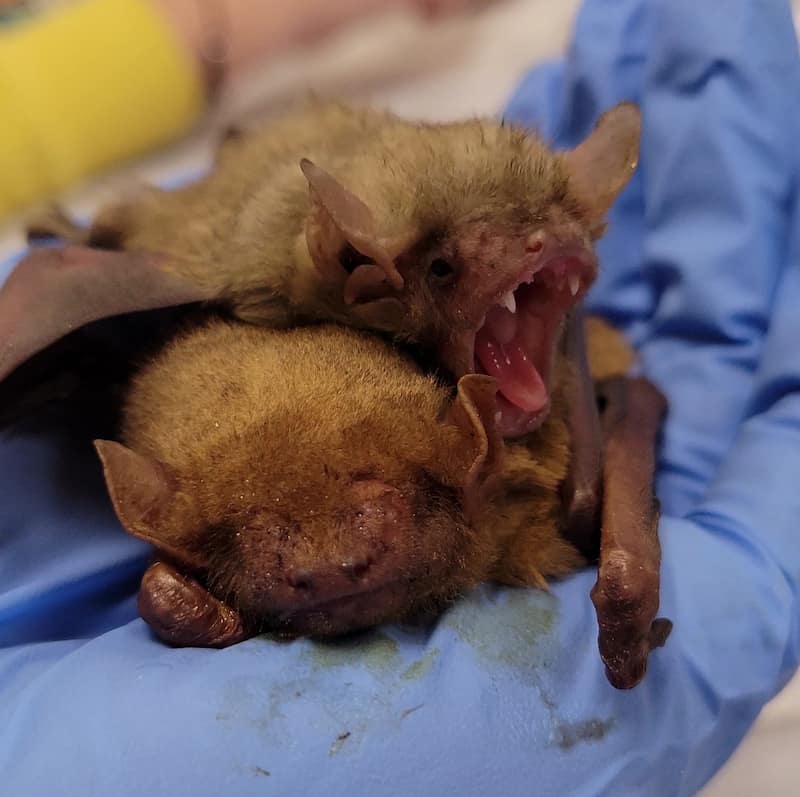
Two Bats resting on the glove of a wildlife rehabilitator in Texas. One bat is sleeping and one is yawning.

Bats were first connected to the spooky season after Dracula was written in which vampires were said to shapeshift into bats and then drink blood from humans. There are only three species of bats (common vampire bat, white-winged vampire bat, and hairy legged vampire bat) that feed on blood, and they are found in Central and South America. There are also a few species of carnivorous bats that feed on birds, mice, lizards, frogs, and fish. But the vast majority of the close to 1,400 species of bat feed on insects, fruit, and nectar. These animals are very important for pollination and seed dispersal and many of the bat species, especially ones found in our area, are great at pest control, consuming large amounts of insects each night. These animals account for just over 20% of all the mammal species in the world, which means 1 in 5 mammals are bats!

**Unfortunately, the Wildlife Medical Clinic is unable to accept bats, as it is illegal to rehabilitate this species in the state of Illinois due to the risk of rabies exposure. If you encounter a sick or injured bat, or find a bat in your home, please do not handle it and contact your local animal control agency as well as your physician.**

Snakes

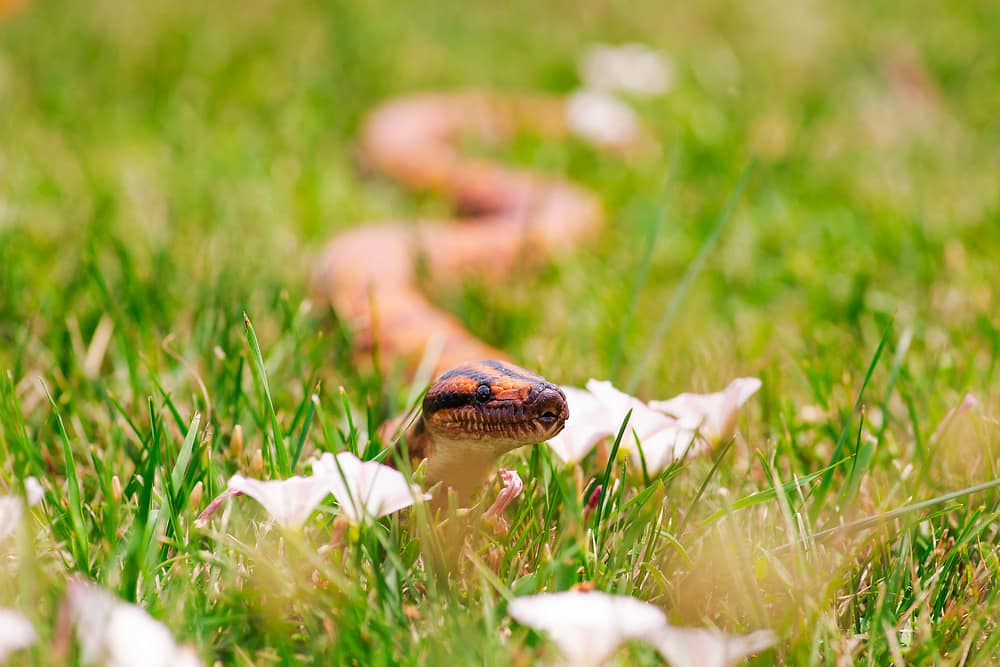
Caduceus the Brazilian Rainbow Boa Ambassador roaming in the grass next to some flowers.

Snakes often receive a bad reputation and are thought of as evil, slimy, and dangerous. Throughout history (mythology, religion, and storytelling), snakes have been portrayed as evil. These creatures have scales instead of fur, lack eyelids so they cannot blink, and have no appendages so they slither across the ground flicking their tongue to smell and assess their environment.

These creatures are actually very beneficial to the environment as many eat rodents, which helps to reduce the spread of zoonotic disease. Some smaller snakes like Dekay’s brown snake and garter snakes’ prey on insects and help to keep your garden free of pests. In addition to being a predator, these animals are also prey for many animals such as larger snakes, birds of prey, and some mammals.

Of the 3,900 species of snakes worldwide, about 600 or 15% of them are venomous. While these few snakes have the potential to cause bodily harm to a human, most just want to be left alone and will not go out of their way to engage with humans. They don’t want to use their venom unless they must and ideally that would be for catching prey. Otherwise, most interactions with snakes, venomous or not are when we find them basking in the sun to warm up, moving through the woods or our yards foraging for food, and hiding under an object near our home. Once spotted they do their best to either flee, feign death, or be defensive in hopes of scaring us away. So next time you see these misunderstood creatures, give them some space and let them be on their way as they have an important job to do.

Coyote

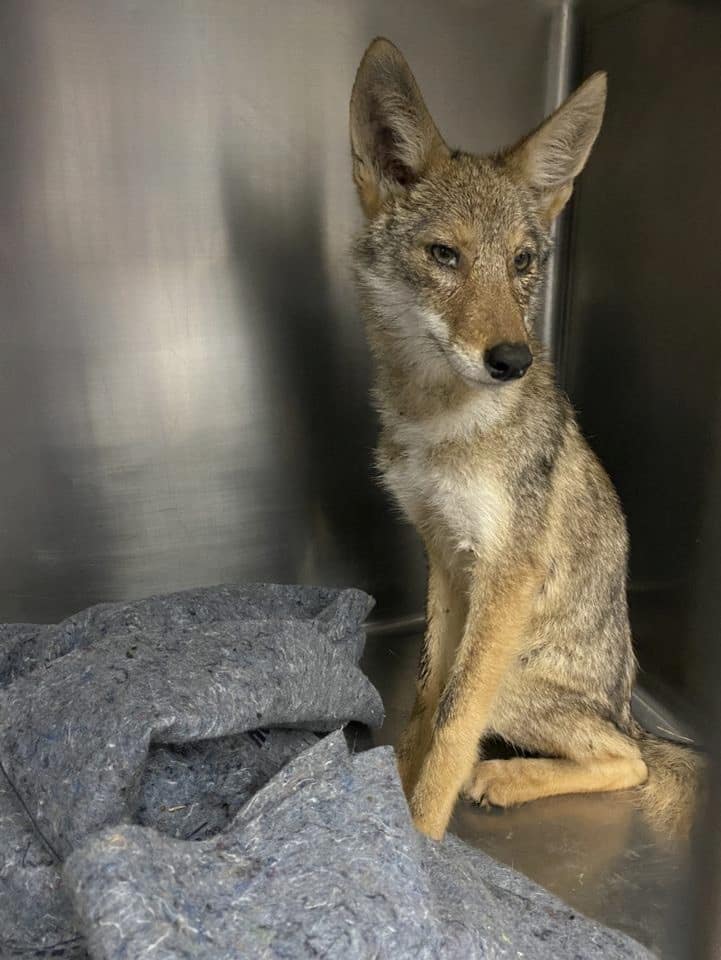
Coyote Wildlife Patient in a stainless steel enclosure sitting next to a blanket.

While wolves are more commonly associated with spooky season and said to shape shift into werewolves, we would like to highlight this local and lesser known canid.

Coyotes were once thought of as an ominous sign. Native American Navajo people believed you should turn back if one crossed your path. They also admired the coyote as well for its intelligence and aptly named it the trickster since they can be funny or fearsome. These animals are also thought to be dangerous to humans, which is generally not true and if seen out in the day, people often think these animals are rabid, which usually is also not true.

While these animals are very intelligent and curious, they are quite shy and fearful of humans. They are top predators and help control the populations of smaller mammals and rodents such as rabbits, skunks, raccoons, foxes, and sometimes deer. This helps with maintaining a healthy ecosystem and species diversity in the environment. Surprisingly, coyotes are omnivores and will eat fruit and vegetables too, especially when meat is scarce. These animals are most commonly crepuscular, which means they are active at dawn and dusk. However, they are opportunistic, so based on food availability, they may be out during the day or night. If you see them out during the day, it does not mean they have rabies, they are more than likely just searching for food.

These animals are very important in the environment and help to keep the ecosystem balanced. While it is not common, they can pose a threat to some of our smaller domestic animals, such as cats and dogs, not horses and other large farm animals. To keep coyotes wild and away from your pets, it is best to feed your pets inside, keep your cats indoors, and make sure to supervise your dog(s) when they are outside. While coyotes don’t actively seek these animals as prey, they would not turn down the opportunity if the animal was easily available. There is no need to fear a coyote but just be aware and alert if one is near your property and smaller pets.

Appreciate and Respect Wildlife

We hope you are less fearful of and have a better appreciation for some of these species after learning about how important they are in the environment. In the future if one should cross your path, admire from a distance, and let it be on its way as it has important business to tend to and a special place in the ecosystem and food web!

Written By: Sydney O., WMC Program Coordinator

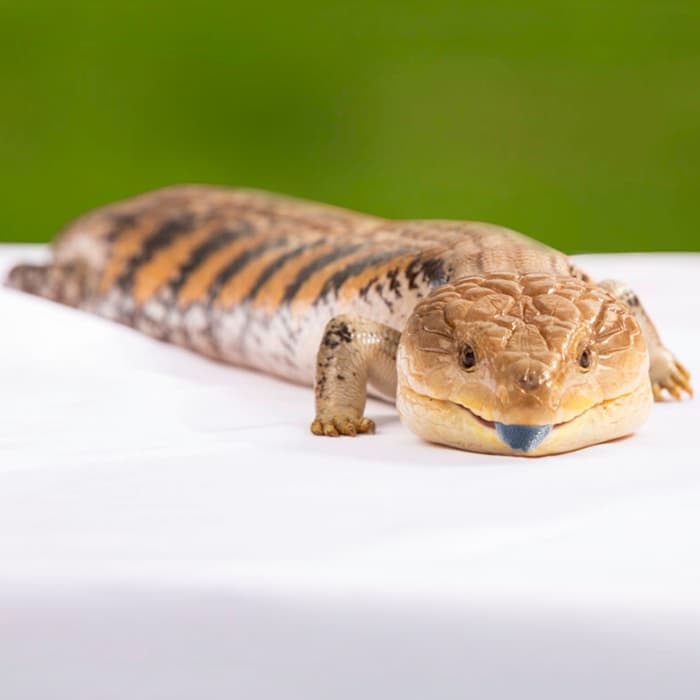
Meet Onslo the Blue Tongue Skink

Sydney Oliveira, WMC Program Coordinator, brought Onslo (Blue Tongued Skink), a Wildlife Medical Clinic animal ambassador along on her visit to CiLiving. He is one of eleven ambassador animals that individuals may have the pleasure of meeting and learning about at the upcoming Vet Med Open House. The open house will take place Sunday, October 5, from 10am-4pm.

Wildlife Medical Clinic
John A. Coyne South Clinic
2100 South Goodwin Avenue
Urbana, IL 61801
217-244-1195