Mothers Gone Wild!

The season of spring is known for a couple of aspects. It’s the time when flowers bloom, people begin to venture outside and wildlife give birth and raise their young. Being a mom in the wild is hard! In honor of Mother’s Day, here are several unique maternal strategies these local species have developed to keep their young safe and healthy.

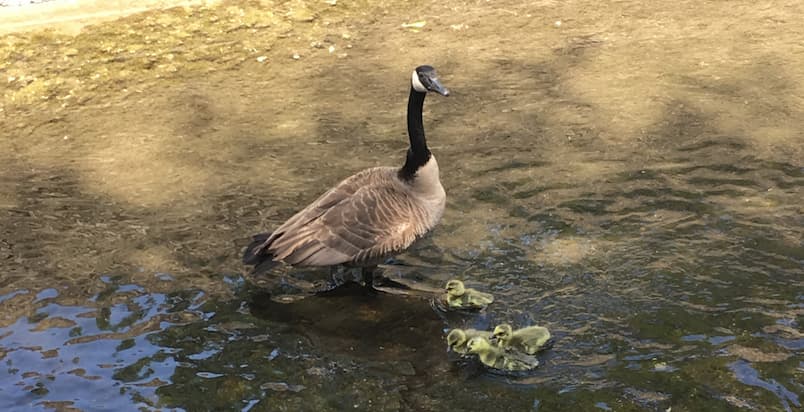
Geese are great adoptive parents!

In humans, it’s important to remember that the term mother doesn’t always have to refer to someone that is biologically related. A mom can take the form of a grandma, a cousin, or a family friend. The same idea applies to Canada geese! Despite the aggressive perception that the public has of them, Canada geese are very caring and fantastic parents. A mother Canada goose will adopt an orphan gosling if it is around the same size as her other goslings and take care of it as if it was her own. Geese truly look out for each other! Goslings spend a lot of time with their mom, as they are constantly with her, traveling, eating and sleeping. In fact, goslings may end up staying with their mom for their entire first year of life. Mother geese will keep her babies under her wings at night to not only protect them from predators but to keep them warm. The willingness of Canada geese mothers to accept goslings that are not their own, allows wildlife rehabilitators and clinics (like the Wildlife Medical Clinic) to release goslings back into the wild and know that they are being well cared for! However, it is important to know that this is specific to Canada geese, doing this with baby ducks or mammals will not work out the same way!

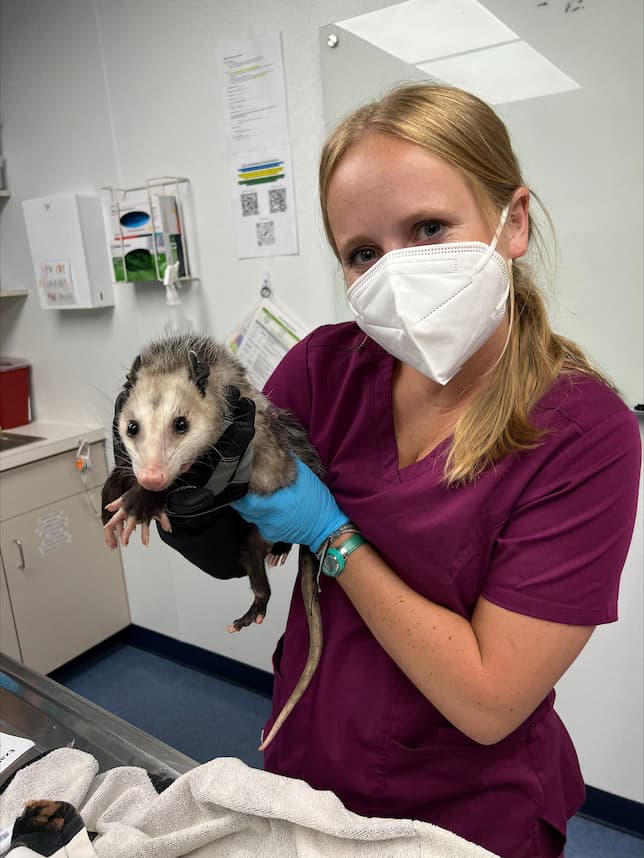
An opossum mom is a walking jungle gym!
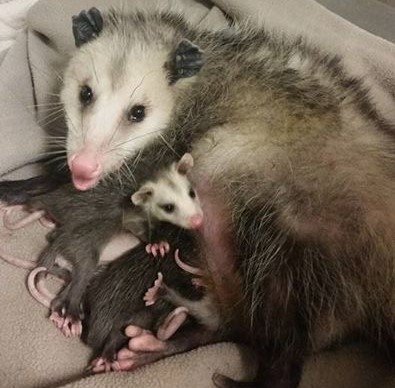
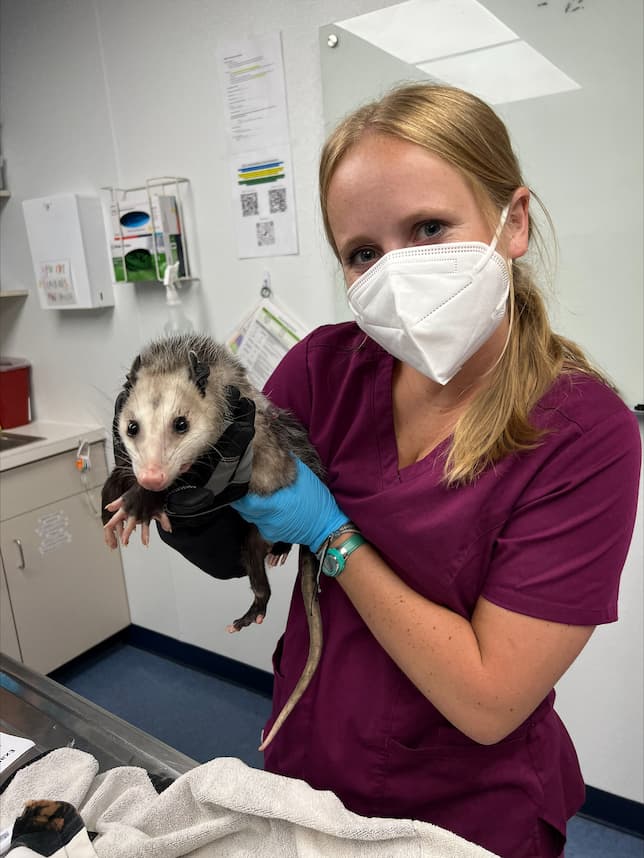
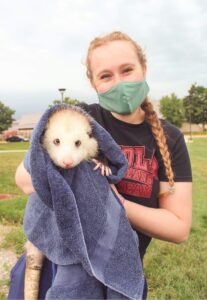
When people think of animals with a pouch, they commonly think of kangaroos! Many people overlook the Virginia opossum, which is the sole marsupial that lives in North America. Opposed to kangaroo mothers who can raise up to 3 joeys simultaneously in her pouch, opossum mothers may raise up to 13 babies in her pouch at once! That’s a lot to carry for one mom! As the babies begin to open their eyes, their curiosity gets the best of the them and they end up venturing out of their mom’s pouch on their own for longer and longer periods of time. Older babies spend a lot of time on their mother’s back and so mothers end up walking through the wild and searching for food with their own baby backpack. The babies are extremely good at gripping. This is very helpful because if they fall off, the mother will not go back for them, and they will be left to fend for themselves. Babies usually stay with mom for around 5 months, so opossum mothers have their hands full for a while! The next time you see an opossum, don’t be fooled, it may be a mom carrying more than meets the eye!

A killdeer mom is quite the actress!
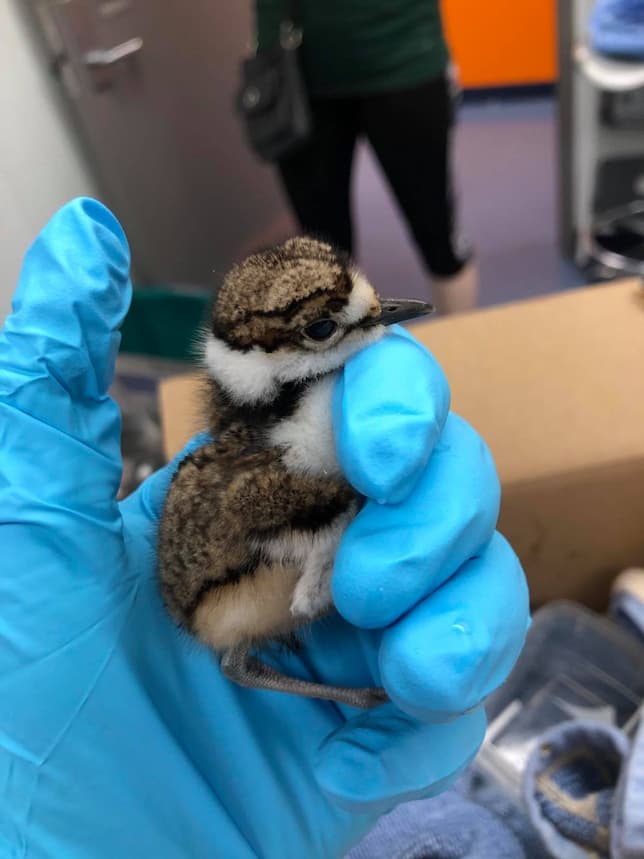
Killdeers are a small, very vocal plover that like to nest in rocky, open areas. They make a small depression in the ground and usually lay four to six mottled eggs that resemble rocks. While their nest is quite camouflaged to the untrained eye, to a predator they are a little easier to spot. If this occurs, have no fear, mom has a trick she uses to lure those predators away. She first will make a lot of noise to alert the predator of her presence. Once she is seen, she will actually fake an injury and appear to have a broken wing. She gets so into it that you may even see her lay or roll around on the ground while moving her wing up and down, appearing to be in distress. This usually pulls the predator far enough away from her nest or if she has chicks, it gives them time to disperse and hide. Then mom has a miraculous recovery and flies away from the predator and back to her chicks, once it’s safe. Here is a great video that includes her nest and eggs https://www.youtube.com/watch?v=4t0sFIW-G_0.

Written by Nina, Class of 2026
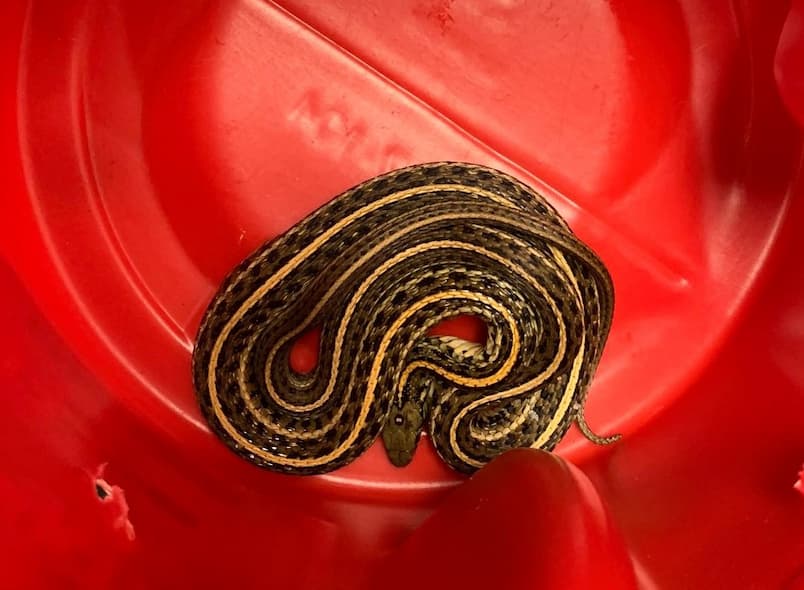
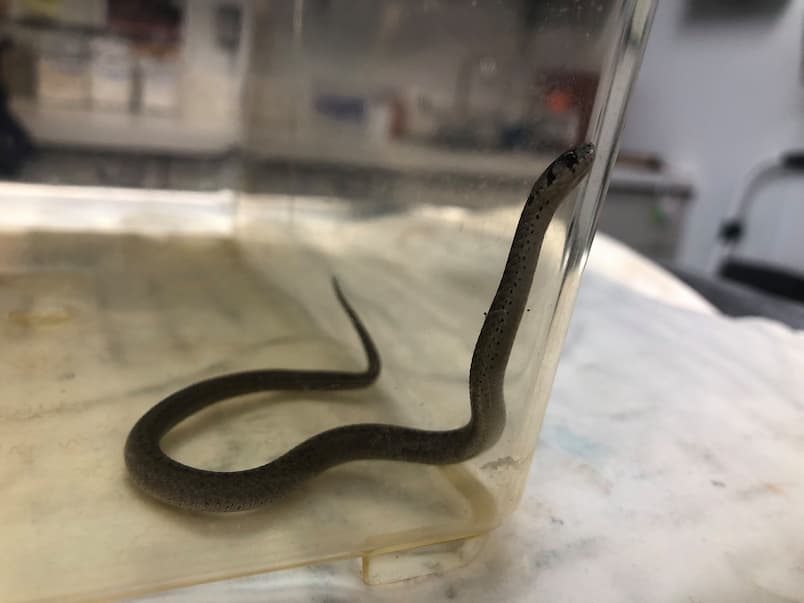
Snakes!

Snakes, an animal group that frequently causes fear in people. Whether it be due to them having scales, their quick and unique locomotion, or maybe it’s the fact that some are deadly.
Unfortunately, due to this fear, most snakes get grouped as dangerous and sometimes are killed because of this misconception. I was encouraged to hear that studies have shown that learning more about snakes and the species in your area can help alleviate some of these fears and hopefully cut down on people harming these beneficial creatures. As an outspoken snake lover, I would like to address some common questions people may have.

Are snakes venomous or poisonous?

Snakes are not poisonous, but rather venomous. A poisonous animal is one that contains a toxin that can infect a predator through skin contact or consumption. For example, if I were to eat a Poison Dart Frog, I would consume something poisonous. Venomous animals are ones that inject a toxin into something through a bite. Since some species of snakes inject venom through their fangs, they are referred to as “venomous.”

How can I tell the difference between a venomous/nonvenomous snake?

It is incredibly important to know the difference between venomous and nonvenomous snakes. While this article talks a lot about venomous snakes, it is important to remember that most of the snake species in Illinois are non-venomous. Illinois has forty species of snakes and only four of those species are venomous. Of those four species, two are only found in southern Illinois.

One way that you may realize you have encountered a venomous snake is by the presence of a rattle on the end of the tail. While only two of the venomous snakes in Illinois have rattles, the other two behave as if they have a rattle and will shake their tail and create a buzzing noise if disturbed. These venomous snakes with rattles are called rattlesnakes and they have specialized hollow scales at the tip of their tails that make a buzzing noise when they vibrate against each other. If you hear this noise or see a snake that has this structure on their tail, it’s best to stay away.

Of course, there are exceptions to the tail rule for both venomous and non-venomous species. Rattlesnakes can lose their rattles due to injury, and they do not grow back. In these cases, the snakes will have a blunted tail, not extending to a fine tip like non-venomous species. There are several species of non-venomous snakes that have also developed mimicry as a defense mechanism. For example, Fox snakes are known to rattle their tail against leaves to imitate the sound of a rattle. This video demonstrates how well they can replicate the sound:
https://youtu.be/_G3db-dnZ8A.

Since there are exceptions to the tail rule, it is important to have other ways to identify venomous snakes. Non-venomous snakes generally have rounded snouts, heads, and pupils. Venomous snakes generally have pointed snouts, heat sensing pits, and elliptical-shaped pupils. There are also differences in the scales below their vent, but this would be difficult to see from a distance. A good rule of thumb is to just keep your distance from any snake if you are not sure.

What are some local species?

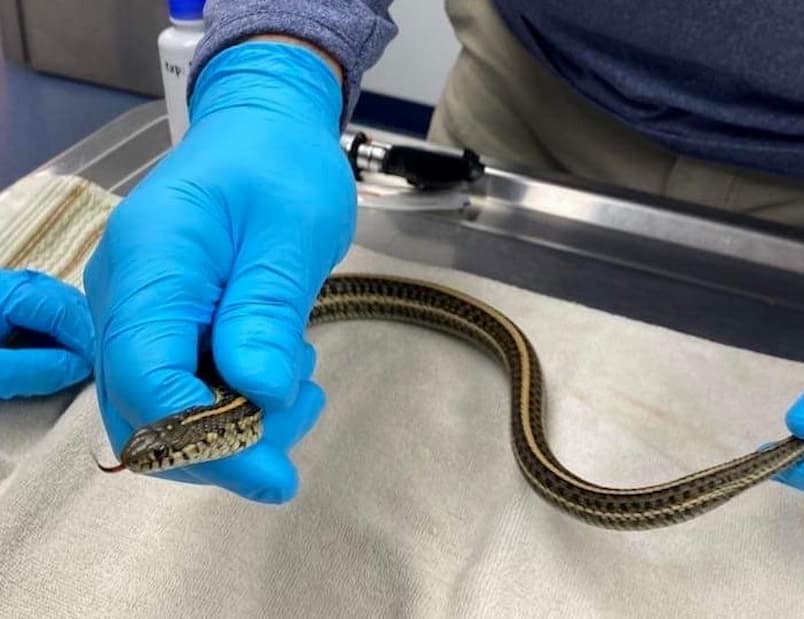
Though they are mostly elusive animals that are skilled in not being seen, here are several local species in the Urbana-Champaign area that you may come across. The most common species are Garter Snakes, Northern Water Snake, Fox snakes, Rat Snakes, Smooth Green snakes, Red-Bellied Snakes, and Dekay’s Brownsnake. Though rare, you may come across an Eastern Massasauga, which is a venomous species. While the population has greatly decreased since 1980, it may still be possible to find remaining individuals. A full list of Illinois species can be found here: https://www.wildlifeillinois.org/gallery/amphibians-and-reptiles/snakes/

Why are snakes important?

Snakes play an integral role in the ecosystem. They can be predators but also prey for some. They are very beneficial as they keep rodent and insect populations at bay. They are food for birds of prey, some mammals, and even other snakes. Some snakes specialize in eating other snakes and one of those species resides right here in Illinois, the Kingsnake. While I know not everyone likes snakes, I hope we can all respect them and see their importance in the environment.

Written by Marg, class of 2026
Hoppy Spring!

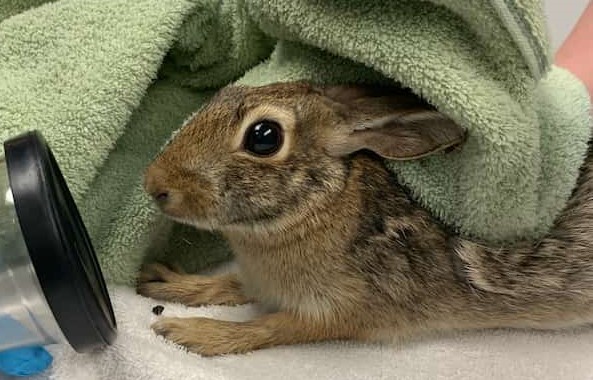
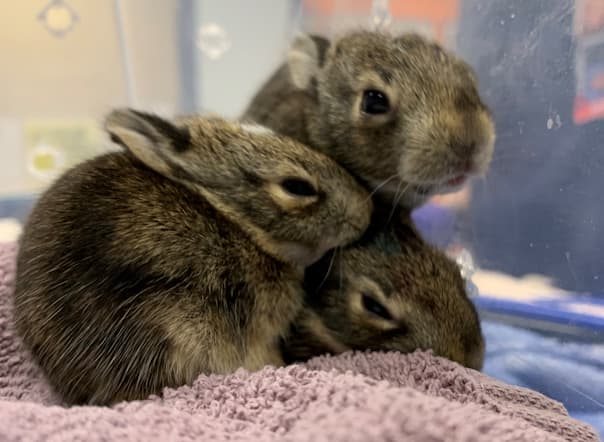
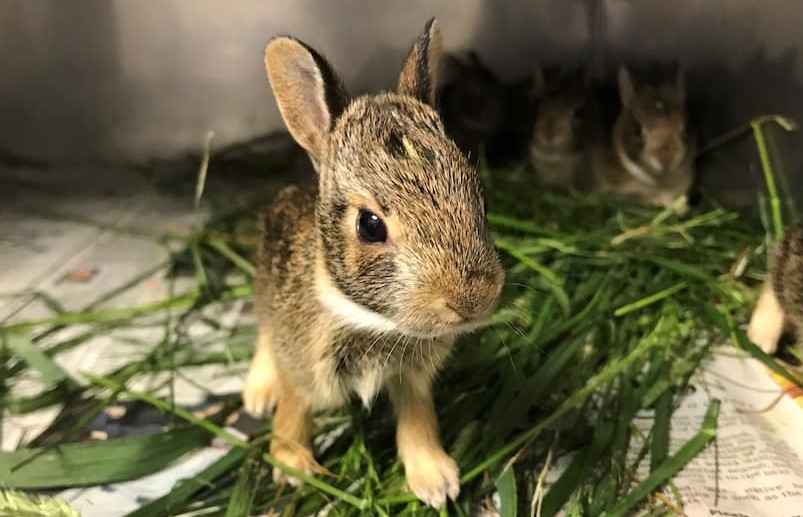
We are in the midst of the most wonderful time of year for the Eastern Cottontail Rabbit
(Sylvilagus floridanus). Spring comes with plentiful food and nourishment to support the
birth of many new young rabbits. The rabbit breeding season begins around early
March and continues into September. Since rabbits have such a short gestation period,
28 days, one rabbit can have upwards of three litters per year. An average litter has
anywhere from two to seven baby rabbits, also known as kits.

The cottontail rabbit gives birth in shallow, grassy depressions in the ground. The
mother rabbit will return only twice per day to feed her young, usually around dawn and
dusk. Outside of feedings, the mother will often put some distance between herself and
her young so as not to attract predators to her babies. The timeline from newborn to
self-sufficient is truly short with rabbits.

  • The kits are born blind and with little hair.
  • Their eyes will begin to open about four days after being born.
  • By twelve to sixteen days old they will begin to adventure out of their nest.
  • As early as four or five weeks old, young rabbits will start to fend for themselves.
  • They may begin to sexually reproduce as early as three to four months of age.


Unfortunately, many young kits do not survive to adulthood, partially due to the high risk
of predation. The average lifespan of a wild cottontail rabbit is about one to three years.

It is quite common for rabbits to make their nest in residential yards. The best thing you
can do if you find baby rabbits in your yard is leave them alone! It is a common
misconception that the mother will not return to feed her babies if they smell that a
human has touched them. Unless it has been confirmed that the mother is injured or
deceased, young kits have their best chance of survival when left in the wild for their
mom to care for them.

Dog owners often have concerns for a dog getting to the babies, and there are a couple
easy solutions for this. You can create a protective shield for the nest by placing a
laundry basket or small pen around the nest with a hole just big enough for the mother
rabbit to fit through. Alternatively, a weighted basket can be placed over the nest during
the day and removed at night for mom to return. If all else fails, leash-walking your dog
for potty time is another feasible option. As previously mentioned, the young rabbits
should be ready to move out of the nest within four to five weeks, so it is a temporary
inconvenience that makes a world of difference to the kits’ survival.

Celebrate the Spring season with some fun facts about the Eastern Cottontail Rabbit


1. The Eastern Cottontail Rabbit (Sylvilagus floridanus) is a different species than
the common domestic rabbit (Oryctolagus cuniculus), and therefore, they are
unable to reproduce with each other.
○ It is important to note that the wild rabbit can transmit the fatal virus,
known as Rabbit Hemorrhagic Disease Virus Type 2, to domestic rabbits,
so they should not be allowed to mingle.


2. Eastern Cottontails are generally a solitary species but if found in a group, they
would be called a “fluffle.”


3. To escape predators, the Eastern Cottontail Rabbit can run as fast as 29km/hr.,
or 19mph.


4. Rabbits are usually non-vocal, but they can emit a grunt or scream if they are in
true danger.


5. Rabbits are crepuscular beings, meaning they are most active at dawn and dusk.


6. Eastern Cottontail Rabbits will sometimes do a courtship dance in which they will
leap up into the air and race under one another.


7. An adult cottontail rabbit can weigh up to 2.5lbs. Female rabbits are typically
larger than male rabbits.


8. Eastern Cottontail rabbits do not hibernate. During the winter, rabbits usually
survive on twigs and branches or any seedlings they can find. They take a break
from mating to preserve their energy as food sources are limited

This blog post was written by second year Alli

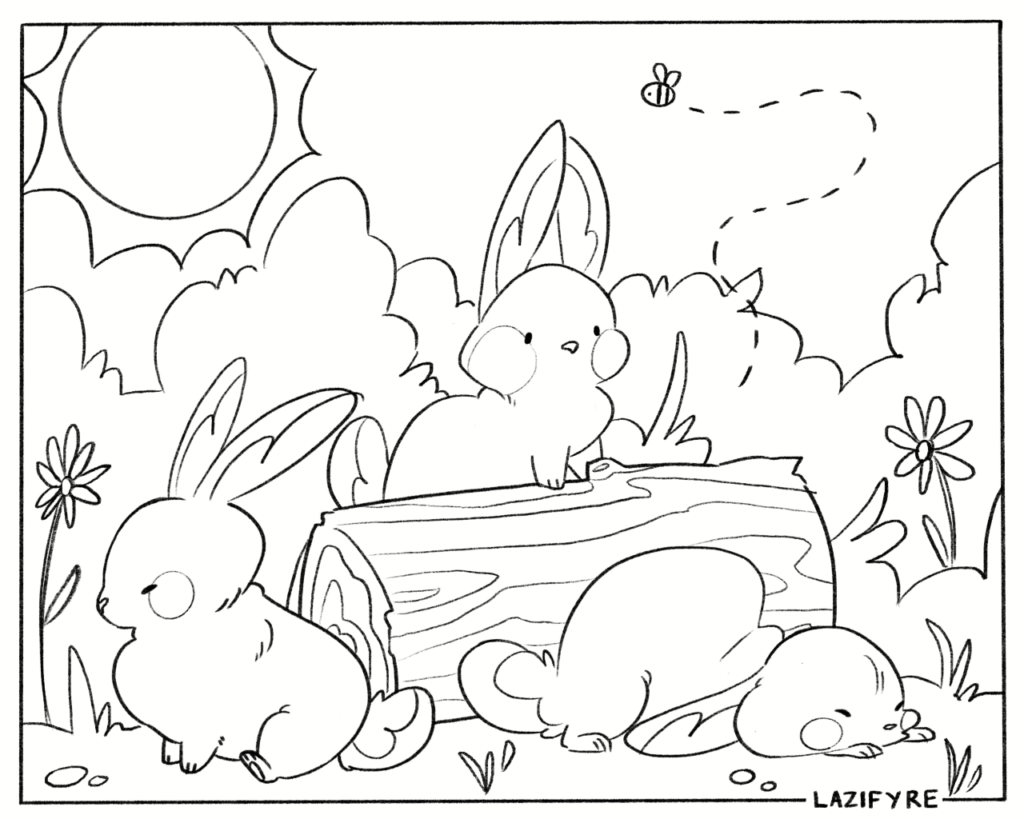
April Coloring Page

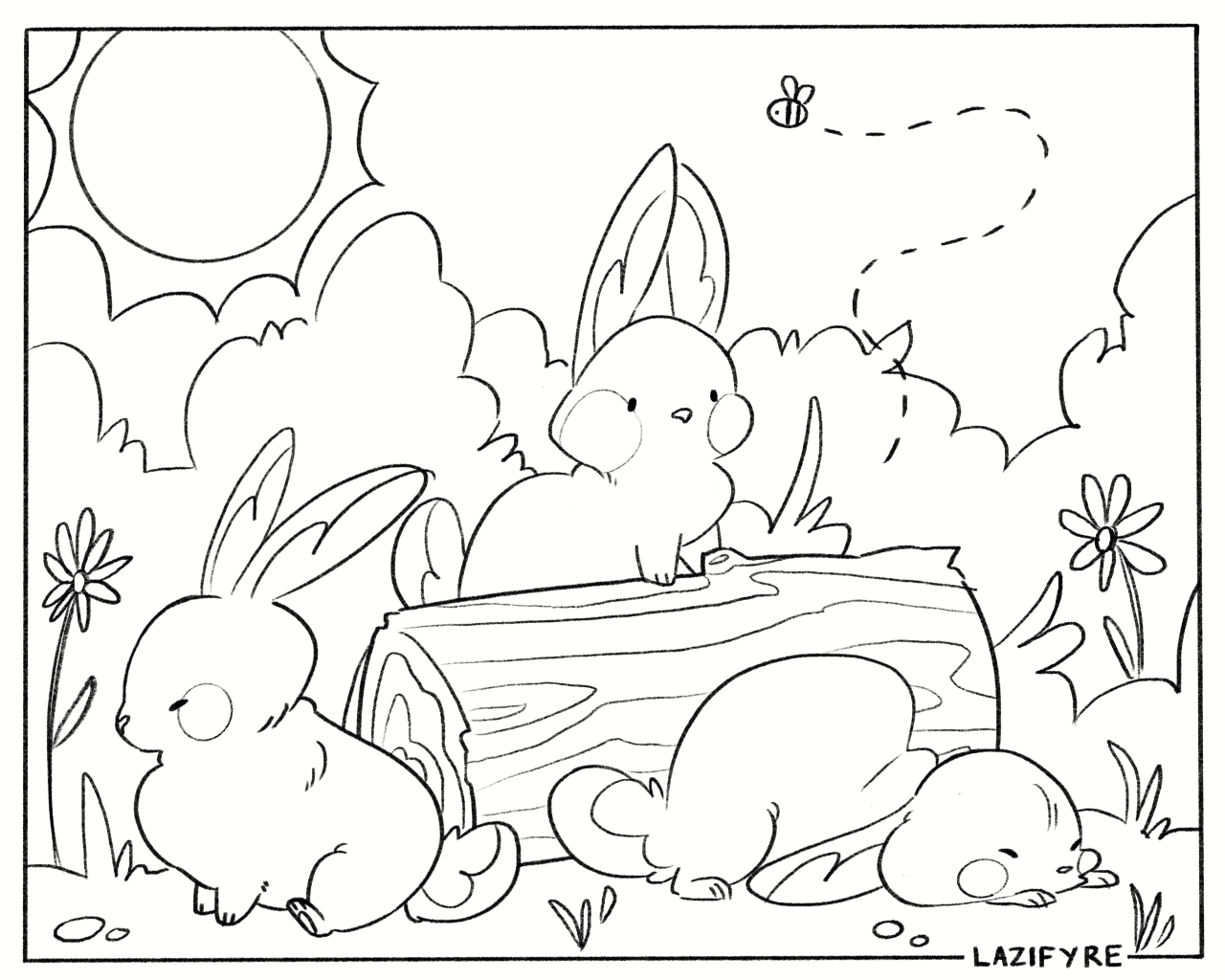
The Wildlife Medical Clinic is seeing a lot of baby bunnies as we move into spring. Decorate your very own baby cottontail coloring page! Feel free to share your fully colored masterpieces with us on Facebook by tagging us at ‘Wildlife Medical Clinic at Illinois’.

Wildlife Misconceptions

One of our goals at the Wildlife Medical Clinic is to educate the public about the animals that live around us, and that sometimes involves correcting long-believed ideas. Here are four of my favorite misconceptions to discuss with people: 

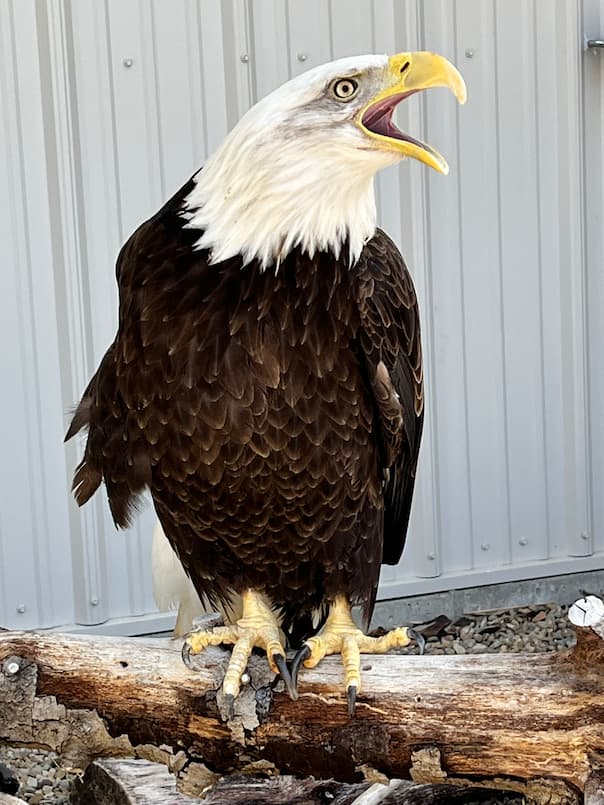
1) “Bald eagles sound fierce!”

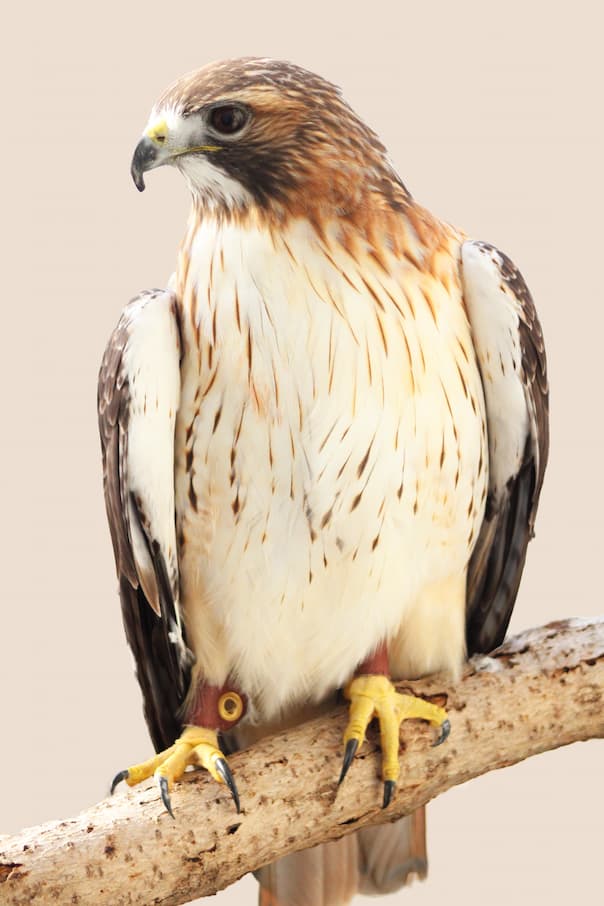
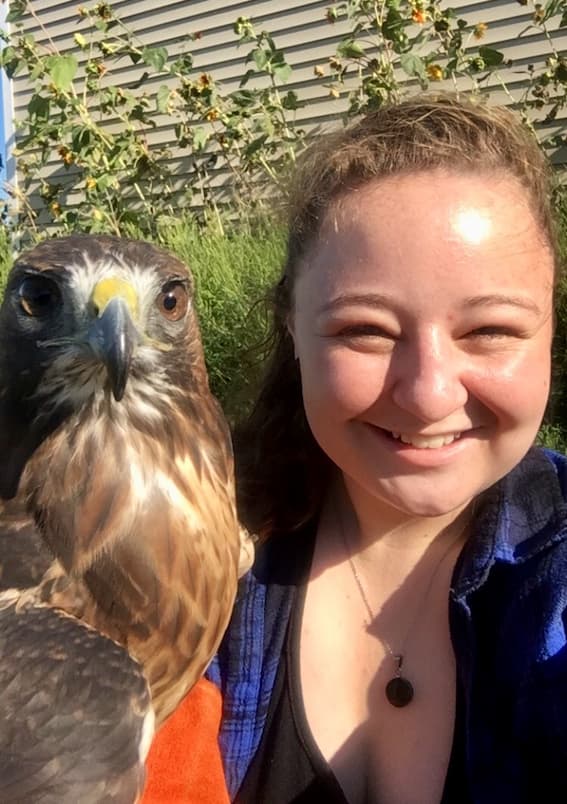
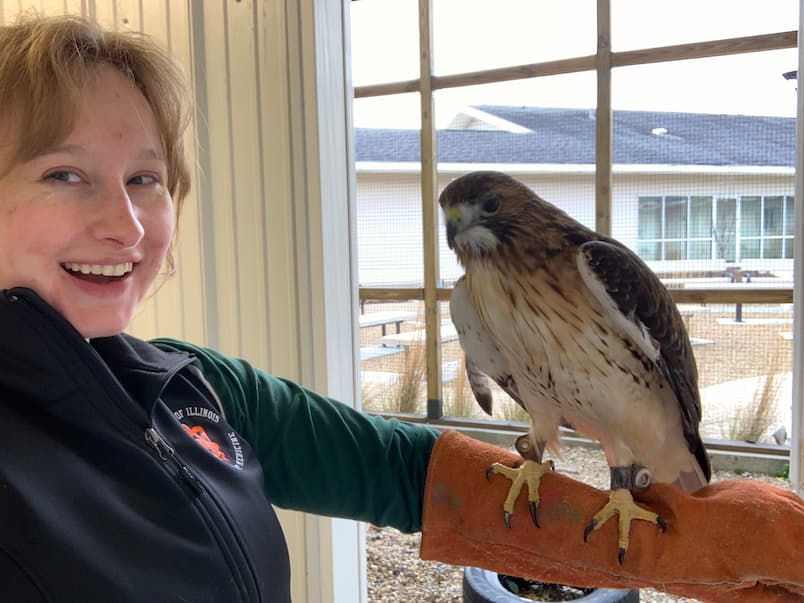
That majestic battle-cry you have heard in movies did NOT come from a bald eagle. At some point, film and TV editors in Hollywood decided that red-tailed hawks have a much more intimidating sound and would dub over eagle vocalizations with audio from hawks to present a stronger American symbol. Bald eagles actually make a series of short, high-pitched notes that can be described as whistling or piping. We have both species as Ambassador animals – if you visit, Odin (red-tailed hawk) and River (bald eagle) may give you the chance to hear the difference! 

For those that can’t visit the clinic, here is a video from the Alaska Raptor Center “Red-tailed Hawk and Bald Eagle Vocalizations”: https://www.youtube.com/watch?v=CEmYEQ78zS0 

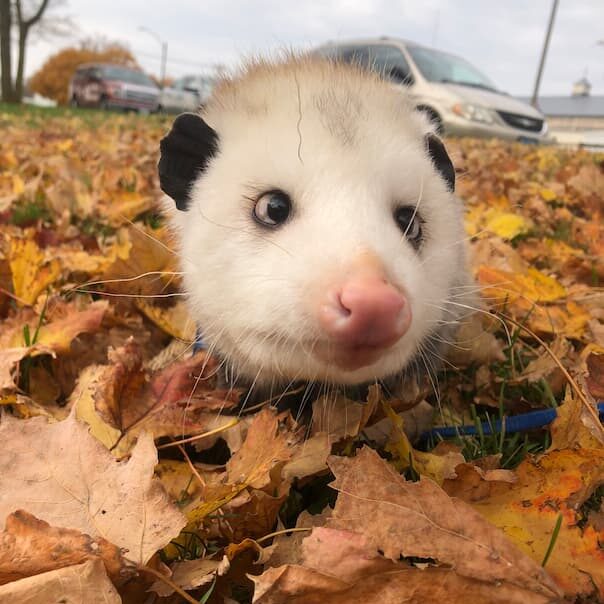
2) “Possums carry rabies!”

Rabies is a concern for human health and in our domestic pets, however, Virginia opossums very rarely carry rabies. As marsupials, they have a lower body temperature than most other wild mammals and this is thought to be the main reason opossums are not typically affected by this virus. The mammals in Illinois that are considered common carries of rabies are bats and skunks, which is why the Wildlife Medical Clinic cannot accept these species as patients. For your pets at home, the best way to protect them from rabies is by staying up to date with vaccinations from your veterinarian! 

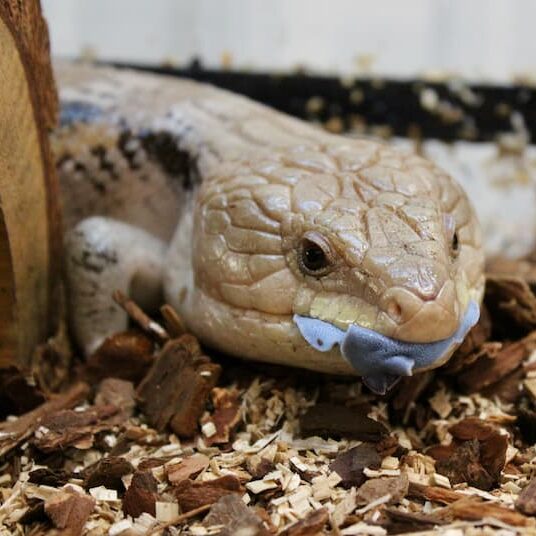
3) “The difference between snakes and lizards is that snakes don’t have legs and lizards do.” 

This may sound silly, but there are a few hundred species of legless lizards that can be found around the world! While they are rarely found in Illinois, they are commonly seen in other states such as California and Florida. If you happen to travel outside of the United States, you may come across them in areas of Europe, Asia, Africa, and Australia. So, if you cannot tell the difference between a snake and lizard based on legs, what can you look for to tell the difference? One of the easiest things to try to observe from a distance is whether they have holes just behind their eyes. These are ear holes – lizards have them, snakes do not! You can also look at whether they have eyelids – legless lizards can close their eyes whereas snakes do not have eyelids. 

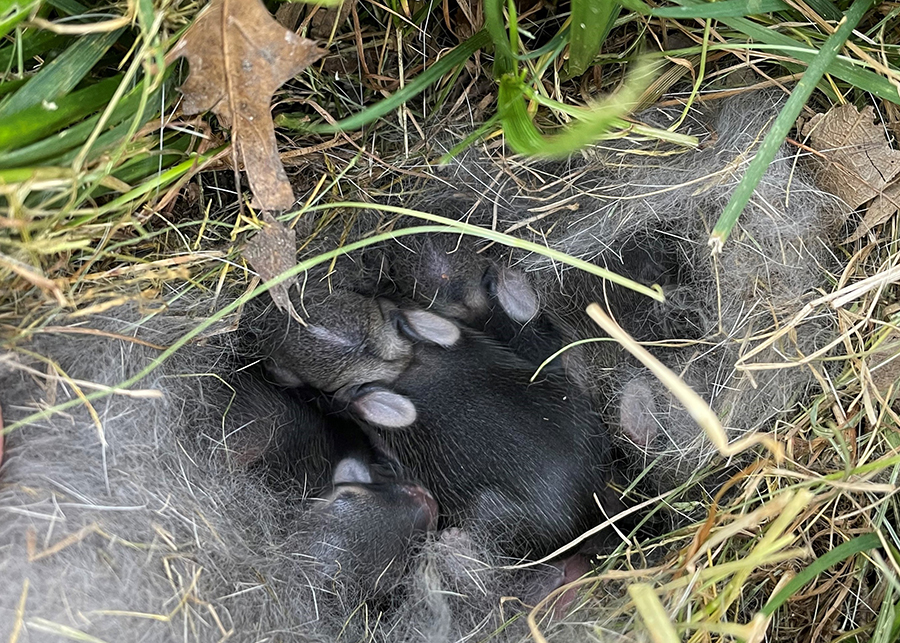
4) “You can’t move a baby bunny or baby bird because the mother will smell you on them and won’t take care of them.” 

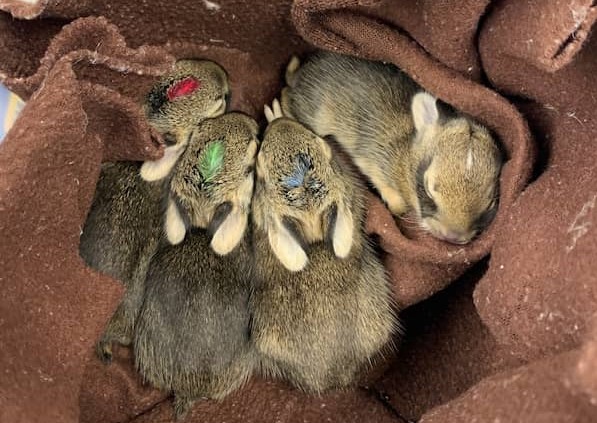
Baby bunnies in a grassy nest

This is a common concern we hear from people, especially around this time of the year. Luckily, this is a misconception! If you find a young animal that does not appear to be injured or sick, our first recommendation will be to return it to the nest and its parents if you are able. Your touch will not cause the mother to abandon the baby. The best option for wildlife is to remain in the wild and be raised by their parents. Of course, we know this is not always possible and if the young animal is truly orphaned or injured, please contact the WMC or your nearest licensed wildlife rehabilitator. 

Written by First Year Sarah

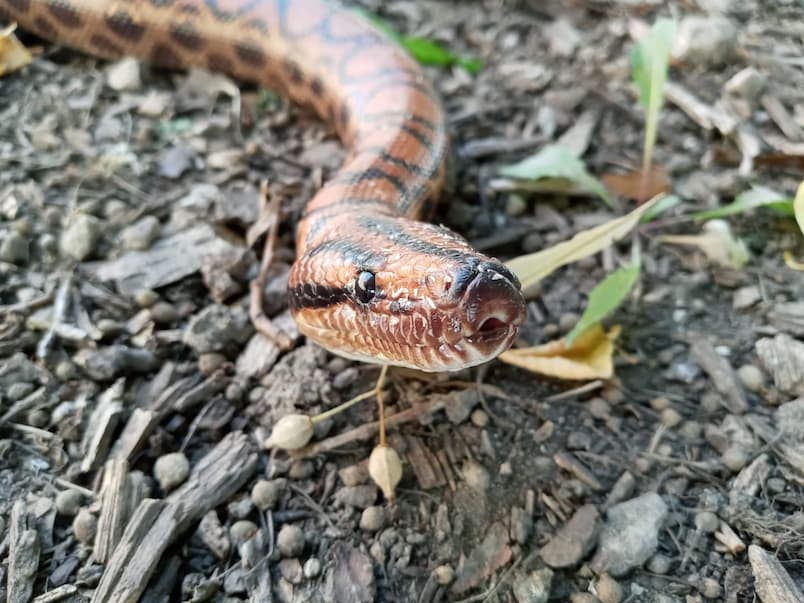
Introducing Caduceus!

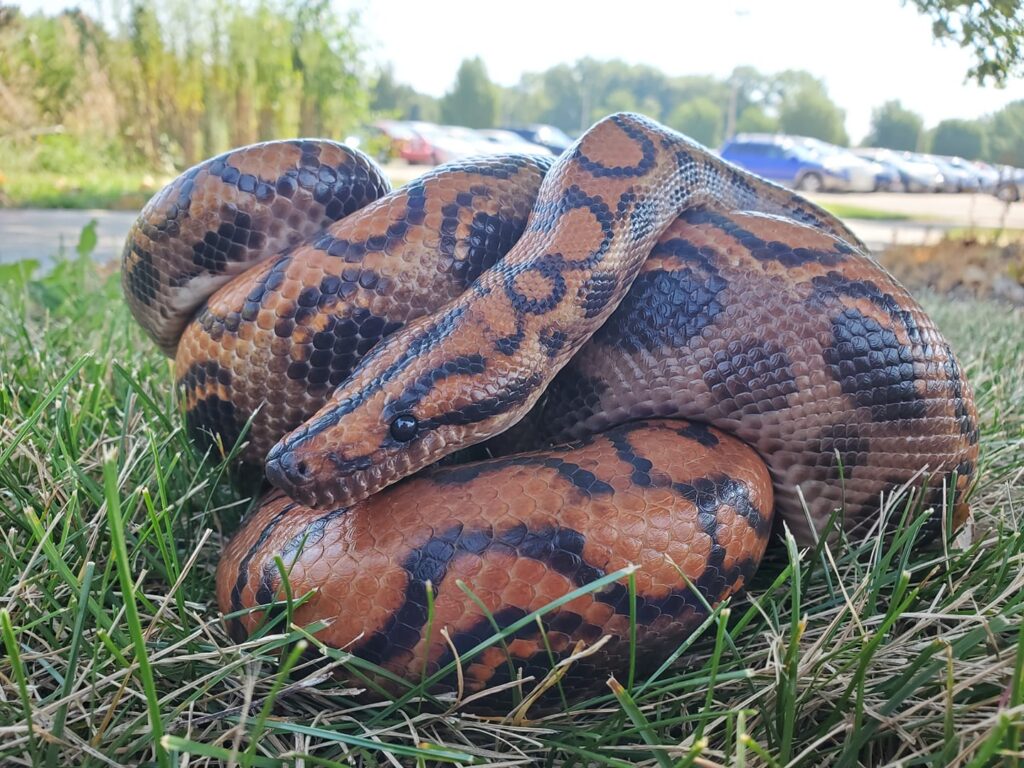
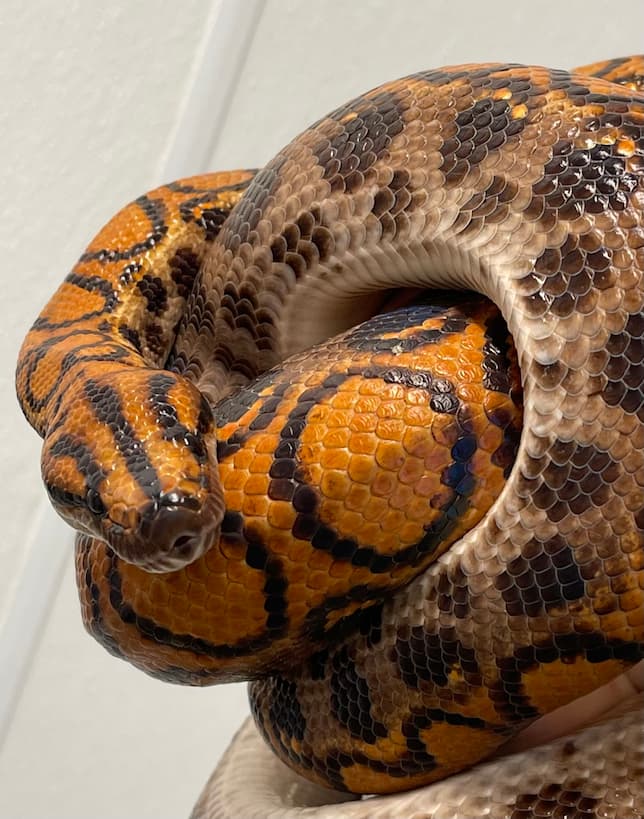
The Wildlife Medical Clinic gives a warm welcome to our newest Wildlife Ambassador animal,
Caduceus the Brazilian rainbow boa!

Caduceus has prior experience as a professional program animal, having spent the last 11 years of her life in the excellent care of the College of Veterinary Medicine’s Non-Traditional Species Club. Because of her extremely mild temperament, she has become rather famous for being an excellent “beginner snake” for students who have never handled a snake before. Over the past few months, she has moved into the WMC Ambassador Building and the Ambassador Team has taken over her daily care. We are currently giving her time to adjust to her new location and lifestyle, but we hope to have Caduceus attending public events soon!

As a part of the WMC Ambassador Program, she will attend educational events with our other ambassadors. By improving education and removing fear surrounding snakes, Caduceus will help improve the relationship between humans and her Illinois counterparts. Through caring for her, student volunteers on the Ambassador Team will also have the opportunity to learn about snake husbandry and medical care.

Caduceus Fun Facts:
● Brazilian rainbow boas are native to the forest floors of South America, not Illinois. However, Caduceus was born in captivity and has spent her entire life as a pet and more recently program animal.
● Caduceus is named after the symbol for medicine, which depicts a snake encircling a staff. While some call her by her formal name, others prefer to call her Cadu, which is just a shortened version of her name.
● This species gets its name from its iridescent or rainbow-hued skin, which is caused by tiny ridges on the scale surface that refract light.
● Unlike most other snake species, boas and a few other species do not lay eggs. Instead, they incubate their eggs internally and then give birth to live young! The term for this is ovoviviparous and is slightly different than viviparous mammals. Other ovoviviparous snakes are garter snakes, vipers, anacondas, and most sea kraits.
● Boas are not venomous and subdue their prey through constriction. Caduceus eats mice that we purchase frozen from a company and then thaw to feed her. Her wild counterparts not only eat mice but various rodents, birds, lizards, and even fish.
● In captivity, boa species can live well into their twenties. Caduceus is currently sixteen years old.
● Contrary to popular belief, snakes are not slimy! Their scales are smooth to the touch.
● In most snake species, females are bigger than males. Brazilian rainbow boas can grow to be 4-6 feet in length. As an older female, Caduceus is over five feet long and weighs around five pounds.
● Snakes do not have ears! While lizards and turtles have eardrums, snakes lack the structure altogether. However, their jaws are adapted to function as a sort of “internal ear” to sense vibrations. Snakes are not deaf, but they don’t process sound the way mammals do.

Class of 2024 Wildlife Clinic Memories

The time has come for our third-year veterinary students (class of 2024) to move onto their year of clinical rotations, which means it is time to bid them farewell. We have asked several of our students to share their favorite memories from volunteering here at the Wildlife Medical Clinic.

Amber Shoberg
“I have loved getting to see a wide variety of species, as well as getting to know classmates and students from other classes better.”

Allison Wallace
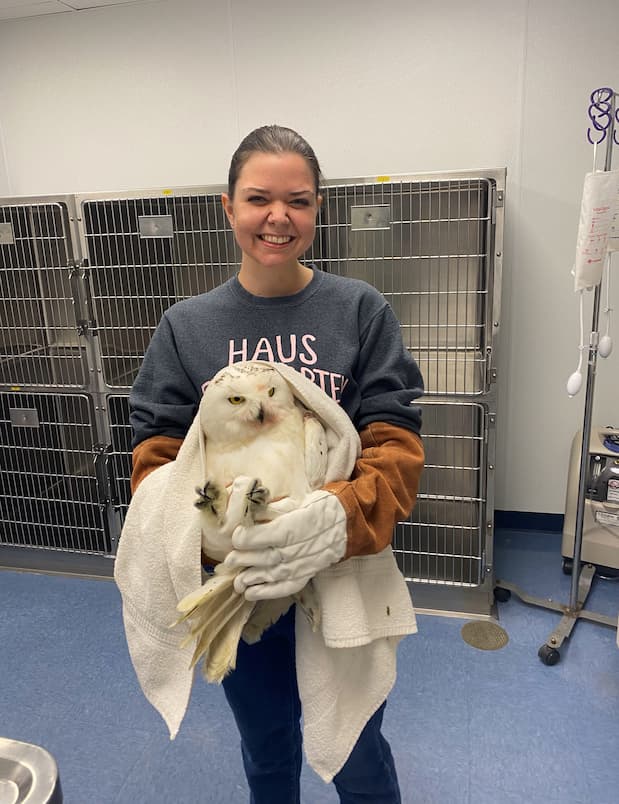
“My favorite memory of being a part of the wildlife medical clinic was the past two years as a team leader. I loved seeing how excited my team members would get when they caught up an owl for the first time or administered medications. It would make me feel like I was making a difference for both my patients and the newer team members.”

Fayth Kim
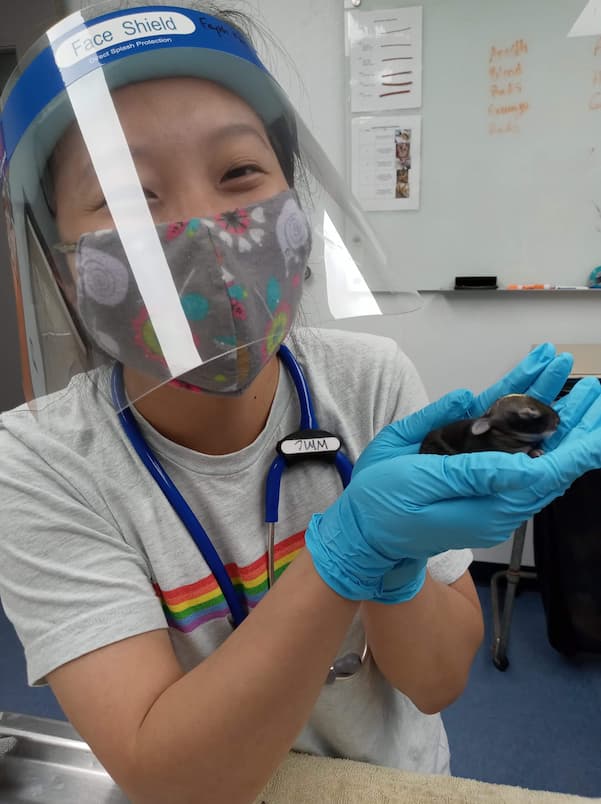
“How nervous I was my first day. Never had I placed a SQ needle (Injection given just under the skin, in the subcutaneous area). Never had I touched a rabbit so little. On top of that, I was overheating under my mask(s) and face shield (covid protocols at the time). It is a good reminder of just how much I’ve learned and grown during my time at the WMC.”

Basia Reed
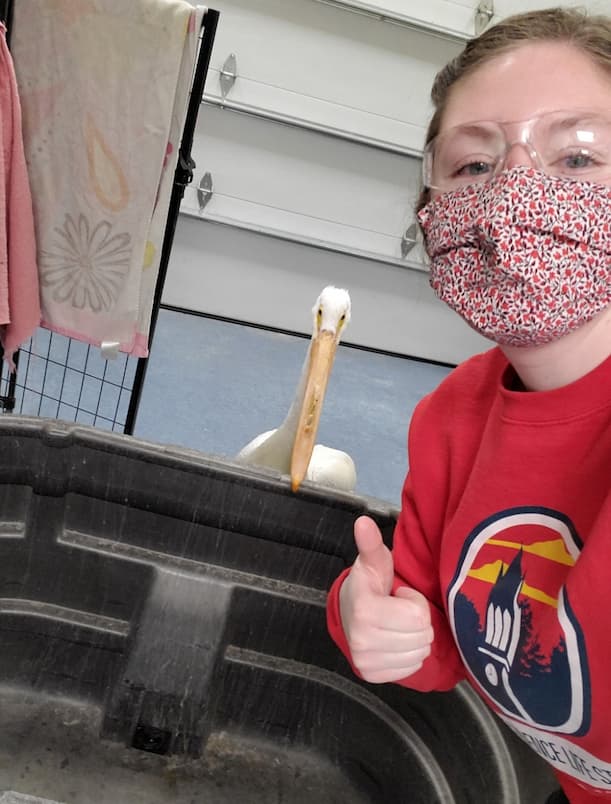
“Tossing fish to the pelican for him to catch and eat on his own. This was extremely rewarding after initially having to assist feed him to get him eating.”

Danielle Money
“My favorite memory from WMC was working as the summer clinic intern this past summer. The days were long, but it was so much fun getting to work up so many fun cases with some of my best vet school friends! In particular, we had a Virginia opossum that came in after getting attacked by another animal. We were able to place some drains and get him healed up and released! As these critters are my FAVORITE, I was so excited to be a part of this case!”

Mackenzie Wells
“While it is hard to pin down a specific moment that’s my favorite memory, I fondly remember all the unique situations and the people that were in them with me. But I think my favorite thing to do at the WMC is take one of our ambassador birds on an on-glove walk and just enjoy a half hour with them. It forces me to slow down, appreciate the sunshine, and reflect on how lucky I am to be able to work with such incredible creatures.”

Goodbye Chloe

1. What inspired you to be a manager at the Wildlife Medical Clinic?
I remember watching the senior manager of the WMC when I was just starting in the clinic as a first-year vet student, and I was thinking how awesome it was for her to be in this position. She was calm, cool, collected, and always knew how to handle any situation. She devoted all her time to the clinic and the patients. She truly tried to make the best out of something that was rapidly changing due to COVID-19 restrictions. I started as the WMC manager in the middle of the pandemic when the WMC only had about 60 student volunteers compared to the normal 120 and I remember being interested in the position from the beginning despite the clinic running at full speed with half the help. Ultimately, watching her do her job and do it well inspired me to apply for this position and luckily, I was hired.

2. As a manager, what was your favorite part about working in the WMC?
Since I am an out of state student, I was seriously considering transferring to my in-state vet school, and I think I would have done so if I didn’t get the manager position. Being in this position has meant the world to me and I have enjoyed taking care of the clinic so far. My favorite thing about the WMC is that it made the University of Illinois my home.

3. What has been your favorite case during your time as manager?
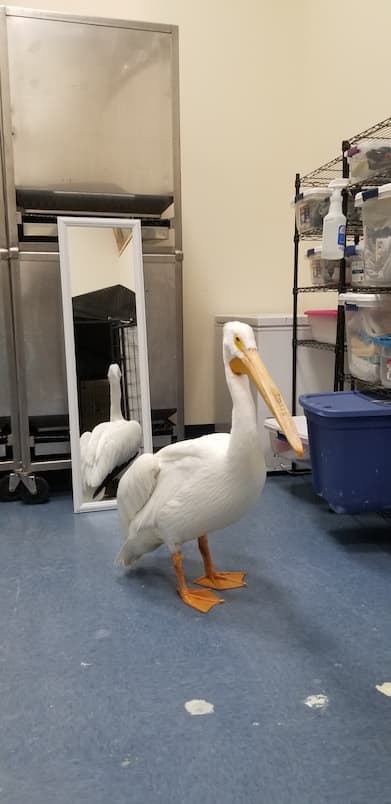
Just before I started working as the WMC manager, I became the secondary case manager for a Virginia opossum that had sustained multiple injuries after being attacked by another animal. I was able to select treatment options and be present for exams, and this was the first time I truly realized why the WMC was created. Being able to successfully treat and release this patient meant a lot to me and is one of my favorite cases because of that. Additionally, during the winter academic break of 2021, we had an American white pelican that quarantined with us before being transferred to a permanent facility. I placed our Critter Camera on him so my grandma could see him and me as I fed and cared for him during the day. This case was special to me because it brought my grandma, who is back home in Louisiana, and I closer together as we would talk about him on the phone almost every day. By getting to know this patient, I feel that I have a better understanding and appreciation for pelicans as a species.

4. What is your career goal after graduation?
I would like to complete a small animal rotating internship and a specialty internship before finding a wildlife rehabilitation and medicine facility to work at under the guidance of a seasoned wildlife veterinarian. I also want to get another degree at some point after veterinary school, and I would like to obtain either a master’s in public health or a PhD in entomology.

5. What is one thing you would like more people to know about the WMC? 

I wish the public knew how much we care for our critters at the WMC – especially the patients that are humanely euthanized. We take our positions as stewards to all animals very seriously and that is something I’ve appreciated getting to see students develop as they spend more time in the clinic.  

Wildlife Medical Clinic
John A. Coyne South Clinic
2100 South Goodwin Avenue
Urbana, IL 61801
217-244-1195