Patty Tribute

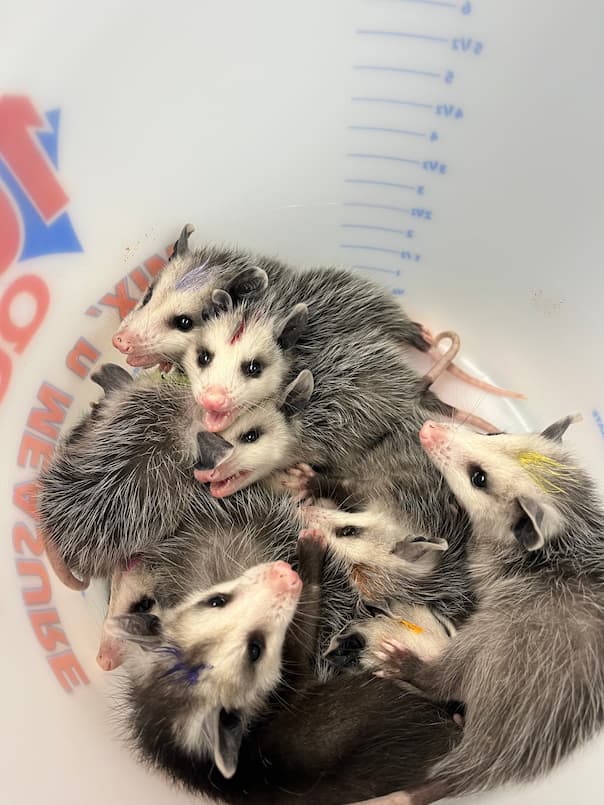
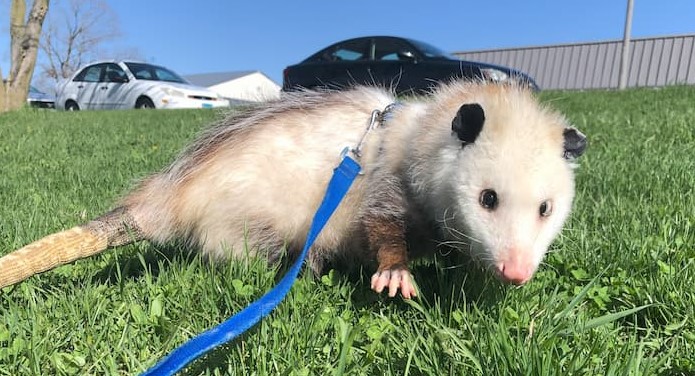
Several weeks ago, we made the difficult decision to humanely euthanize our resident opossum, Patty. This decision came about due to her increasing age and declining health. Patty was a huge part of our ambassador program at the Wildlife Medical Clinic, and she will be missed greatly. She was loved by many and will continue to make an impact through education even though her life has come to an end. She had many personal fans, from students and faculty to members of the public and even social media followers!  
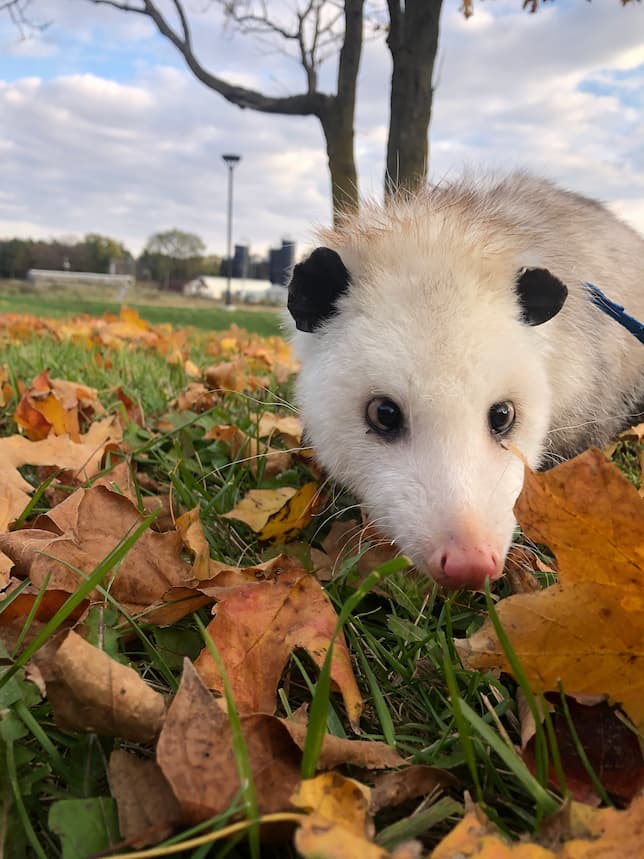
Patty in fall leaves

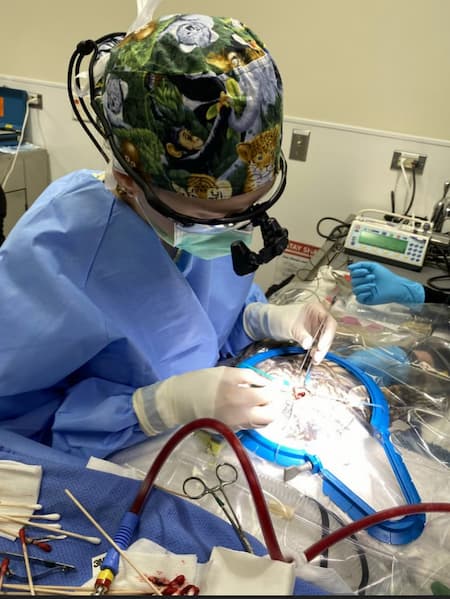
Patty’s story began as a joey when she was discovered by a concerned community member. They took her in and raised her as a pet, unaware of the legal requirements surrounding ownership of wildlife.  In 2021, they responsibly handed her over to the wildlife clinic when she needed veterinary attention after realizing their mistake. Upon her arrival, it was discovered that she had a life-threatening reproductive tract infection. Our team was able to perform a complex and dangerous, but life-saving surgery. She was then placed on an intense treatment plan and her recovery was rough, but she was a fighter!  

After her successful surgery and recovery, Patty’s next goal was to lose some serious weight since she came in at about double her ideal body weight. She did not enjoy transitioning to a “healthy” diet, but she once again proved that she was a fighter! After months of work, Patty lost an appropriate amount of weight and was much healthier overall. Patty is a great reminder as to why wild animals should be left in the wild! Wild animals require very specialized care, housing, and diets that are challenging to replicate in human care. Despite the well-meaning intentions of the community member, Patty’s needs were not fully met and because of this she had many health issues that she had to overcome. Patty also showed no fear of humans and due to her life saving surgery, was not able to reproduce, which made her ineligible for release back into the wild.  
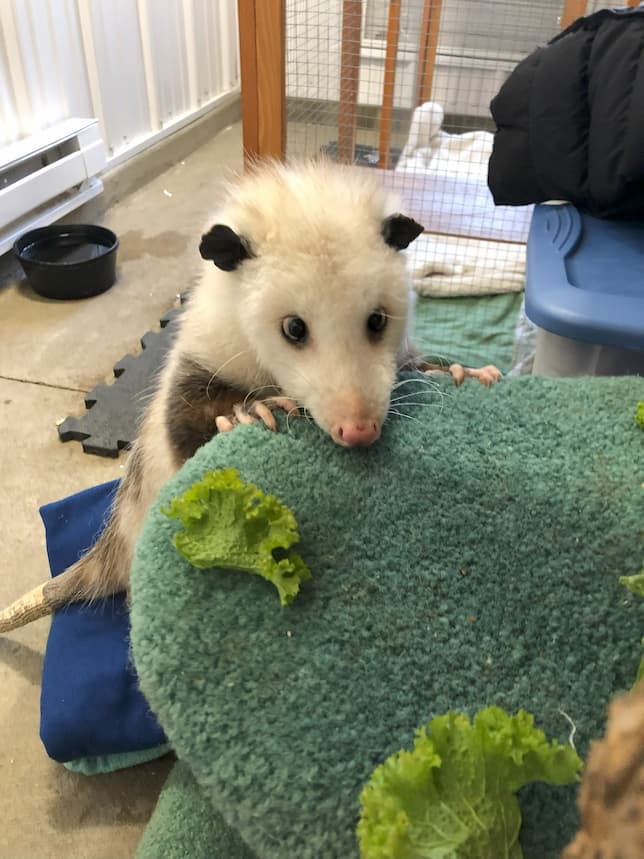
Patty standing to eat pieces of lettuce

Patty’s health and well-being were continually assessed during her time at the Wildlife Medical Clinic. Patty lived to be over 3 years old which is far more than what her life expectancy would have been in the wild. During Patty’s time in our care, she had numerous visits to our rehabilitation service for weight loss and strength training. She was evaluated by our neurology service when she was losing mobility in her hind limbs and appropriate adjustments were made to her care. She had an individualized diet, enrichment, and wellness plan created specifically for her. She had an entire team caring for her each day and monitoring her health. Over the last month, Patty’s mobility in her back legs declined drastically and she was unable to move around comfortably. It was also determined that Patty had lost a significant amount of her vision. These declines in her health are what led us to the decision of humane euthanasia.  
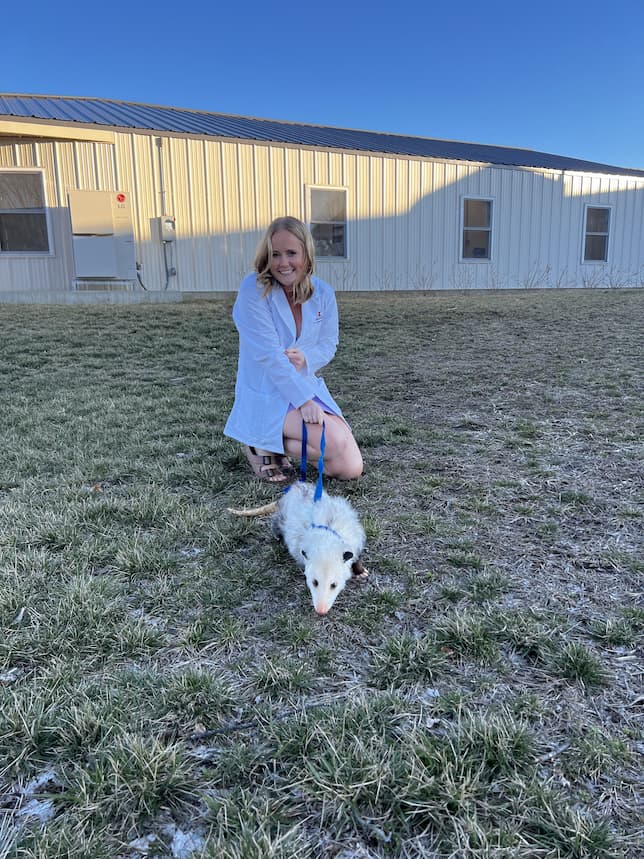
A girl posing with Patty on a leash

During her time with us, Patty made quite an impact on the students and faculty of the WMC and many other members of our community. Patty attended many community events and presentations as an ambassador of her species. She educated both children and adults on the importance of Virginia opossums in our ecosystem. Patty surprised many with her fearless yet very stubborn personality. She was happy to show off her intense love of kale and could be found munching away during most presentations. She walked nicely on her harness for her daily exercises but made it very clear when she thought it was time to return indoors for her snacks. Patty showed the public how opossums are vitally important to our wildlife ecosystem and are not the aggressive and disease-ridden animals they are often portrayed to be.  

Each member of her care team has gained invaluable knowledge from her life with us, which we will forever be grateful for. She connected with so many people and showed us that opossums can be sweet, playful, and stubborn.  Patty always reminded her caretakers to laugh with her funny and unique personality! She tested the limits with her persistence for treats and was always there to brighten the students’ day. Our sweet Patty, we hope you are resting easy now, you will be missed tremendously.
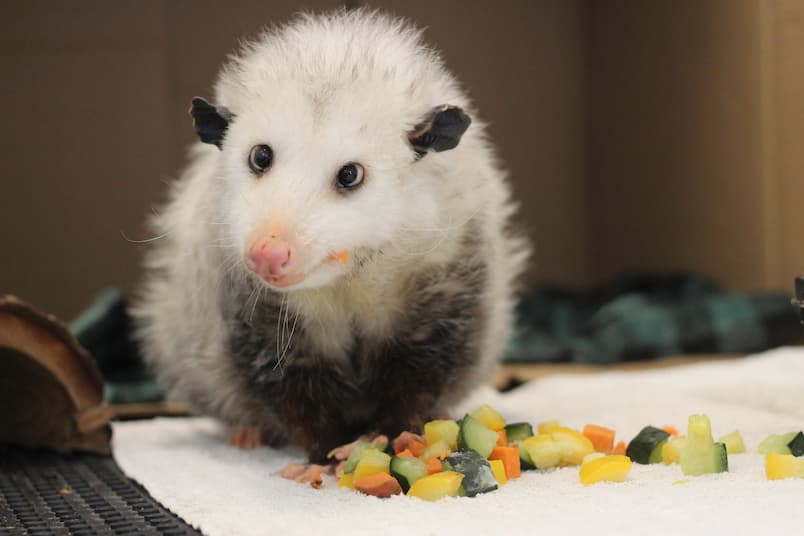
Patty eating

Goodbye, House Officers

Dr. Aubrey Engel

Dr. Engel has been our Zoological Medicine Specialty Intern since August of 2022, and she will be moving on to our anesthesia service at the University of Illinois Veterinary Teaching Hospital to complete a one-year specialty internship. When she talked about her favorite memories of the Wildlife Medical Clinic (WMC), she said, “Working in the WMC for the last six years as an undergraduate, then vet student and team leader, and now a house officer, I have made SO many favorite memories! I love teaching, so many of those memories are associated with teaching students new skills or about new species. I have really enjoyed surgeries like wing fracture repair and turtle shell repair procedures!!”

She is also deeply passionate about zoo and conservation medicine, as well as anesthesia and pain management. She shared with us her passion and plan, “My overarching career goal is to make an impact in the conservation of endangered and vulnerable species. I look forward to finding ways to do this by combining those passions in clinical practice.” Dr. Engel also emphasized that she believes “anesthesia plays a vital role in our ability to care for zoo and exotic patients, and I am eager to become more proficient in this area of specialty.”


Dr. Danielle Lang

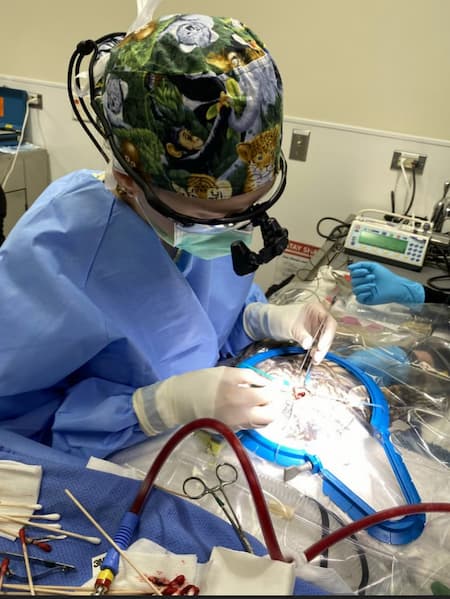
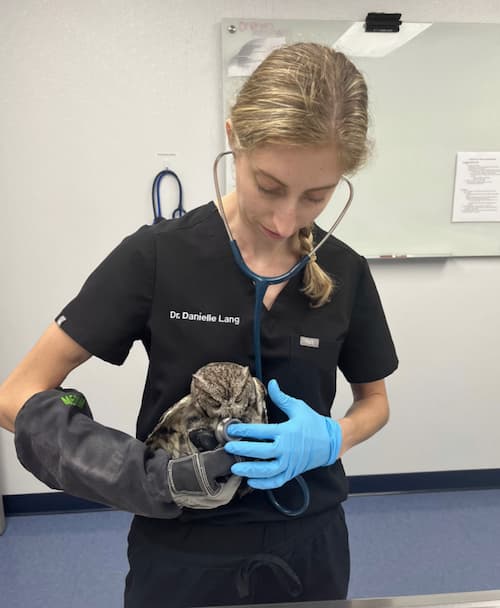
Dr. Lang is our first-year Zoo and Aquatic Animal Resident since August 2022, who will be moving on to Shed Aquarium and Brookfield Zoo to continue her next two years of residency. When asked about her favorite memories at the Wildlife Medical Clinic, she shared some of her favorite surgical cases: removing a lead BB in a goose and suturing lacerated arteries on a goose. She said, “I enjoy working with and teaching students the skills. It is very rewarding to see them grow.” And when asked about her favorite species, she said, “I love working with raptors, especially on the fracture repair on birds.”

Dr. Lang’s love for wildlife started at a young age. “… I was inspired going to the zoo as a kid and learning about their importance in the world. I wanted to contribute to public education and inspire them to care more about the wilderness and the planet,” said Dr. Lang. She hopes to positively impact the conservation and preservation of the planet while sharpening her problem-solving skills through creativity and collaboration.

To our WMC volunteers (past, current, and prospective), she would like to say, “Thank you for making this an incredible year; not only do I get to teach, you all teach me a lot. And if you ever have questions about the career, feel free to reach out.”

And to all our wildlife lovers interested in the field, “Know what you love and make a difference, have great passion and perseverance. It can be a long and challenging journey; finding those who will support you makes a huge difference. Support you and your classmates; collaboration is the key. Because one person can’t anesthetize the elephant alone, it takes the whole village.”

Dr. Lang and Dr. Engel have played an integral part in the operation of the Wildlife Medical Clinic in the last year. Their passion, knowledge, and great patience positively impacted every student they worked with. As they move on to the next step of their journey, we wish them the best and a flourishing career ahead!

This article was interviewed and summarized by second year student YiYing

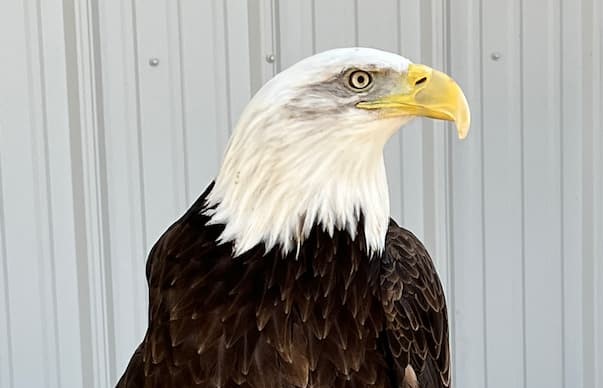
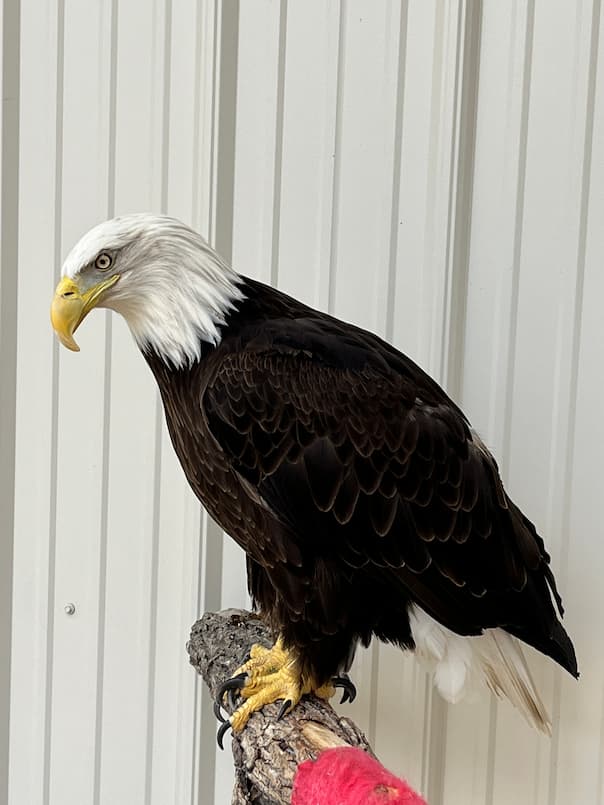
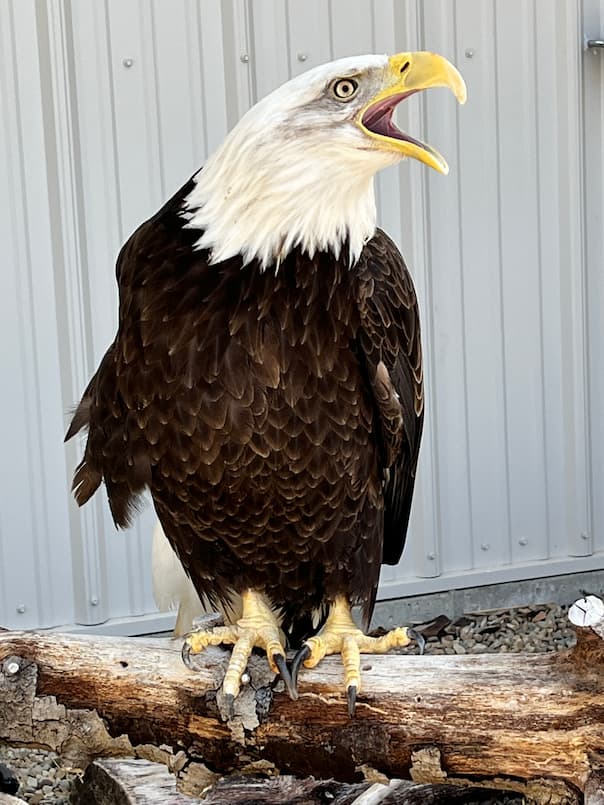
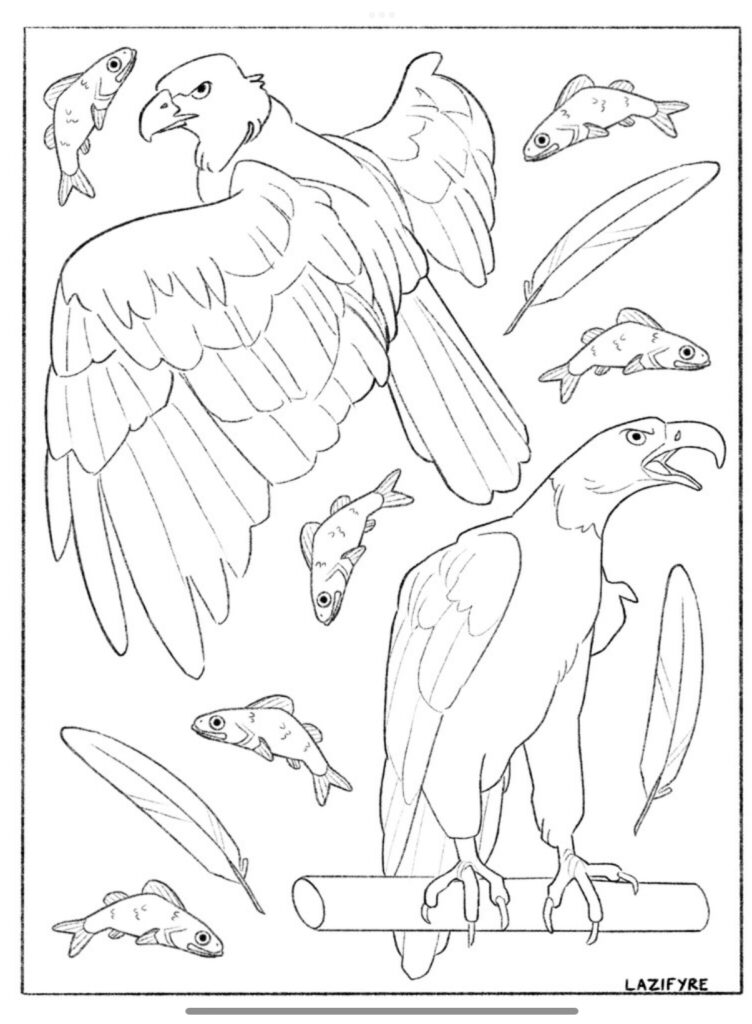
River, Bald Eagle

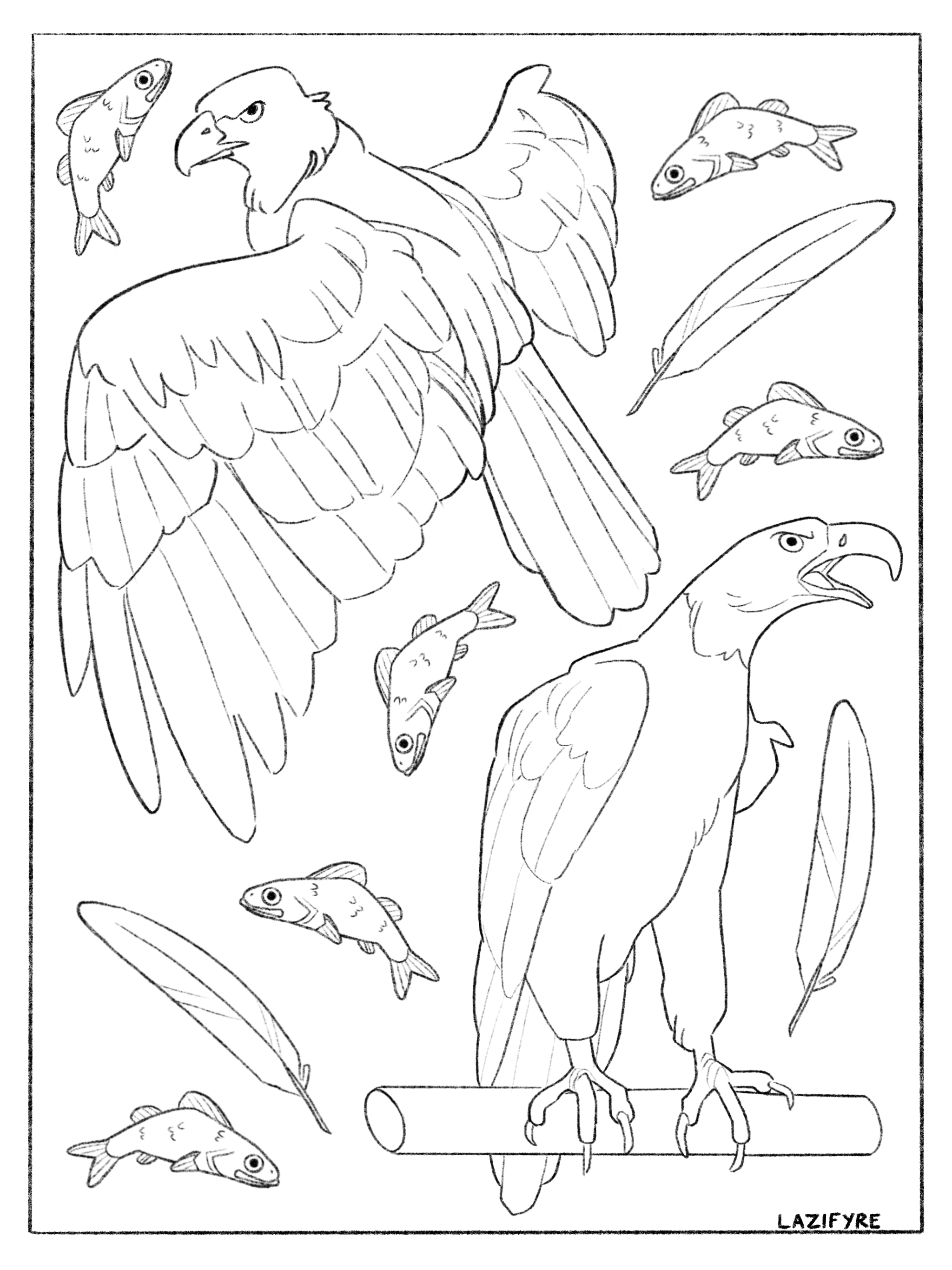
Happy Independence Day! Our favorite American symbol at the Wildlife Medical Clinic is our bald eagle ambassador, River. Today’s Hawk Talk is all about bald eagles as a species and a little bit about River and her story. 

Bald eagles are mostly brown with bright yellow feet, beak, and irises. As young birds, their heads are covered in brown feathers; the white feathers do not come in until the eagle is about 4-5 years old. These birds can live more than 30-35 years in the wild and often return to the  same nesting ground every year with their lifelong mate. Females are typically larger than  males, with respective average weights around 5.6 kg (12 lb.) and 4.1 kg (9 lb.). 

The bald eagle was selected as a national symbol in 1782, but did you know that the Founding Fathers argued for six years over what bird to pick? They ultimately chose the bald eagle because bald eagles are only found in North America and were seen to represent strength and freedom. However, Benjamin Franklin thought they should have selected the wild turkey instead, thinking turkeys to be a more “respectable” bird than the bald eagle.

Bald eagles were struggling in the wild in the mid-1900s. Humans were using a chemical called DDT to kill insects around their homes which, while super effective against pests, had severe, unforeseen impacts on bald eagles and many other bird species. DDT did not directly kill the eagles, but instead caused weak eggshells during nesting season. These eggs were not strong enough for the chicks to make it to hatching, and so the population of bald eagles (and many other birds of prey) plummeted. Bald eagles also suffered from hunting and habitat loss, and were put on the Endangered Species List in 1987. 

With the U.S. and Canada banning the use of DDT and focusing efforts on conservation, Bald Eagle populations began to grow. As of 2007 Bald Eagles are no longer listed as an endangered species. However, they are still a protected species under the Migratory Bird Treaty Act and the Bald and Golden Eagle Protection Act. It is illegal to take any part of an eagle, its eggs, or nesting material without a permit.

Our ambassador bald eagle was found in the Illinois River near Peoria in March of 2015 with a severely injured wing. Her right ulna and radius bones were both broken beyond what we were able to repair. With a partial wing amputation, we were able to remove the dying and damaged tissues which allowed her to survive this traumatic injury. However, bald eagles need to be able to fly to be successful in the wild, so she was considered non-releasable and needed a forever home such as a zoo or other similar institution. 

We searched for a home for her but were unable to find the right fit. This led us to apply for a permit to keep her at the WMC and once it was official, we held a fundraiser to select her name. River was chosen as her name due to where she was found. We know based on her head feathers that she was about 4 years old when she came to the WMC, so she is currently about 12 years old.  We recently had new flight cages and enclosures constructed for all our ambassador animals.

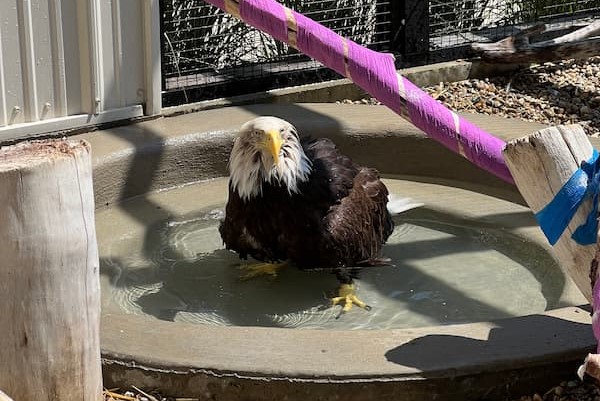
We made sure to include a permanent pool in River’s enclosure since bald eagles are typically found near rivers and large bodies of water as they like to hunt for fish and cool off in the shallows. While River is comfortable around our animal care staff, she is still not completely comfortable around new people, so she doesn’t travel off-site. However, you may see her in her outdoor enclosure and can learn more about her in our educational programs if you visit our facility. 

Written by Sarah, Class of 2026

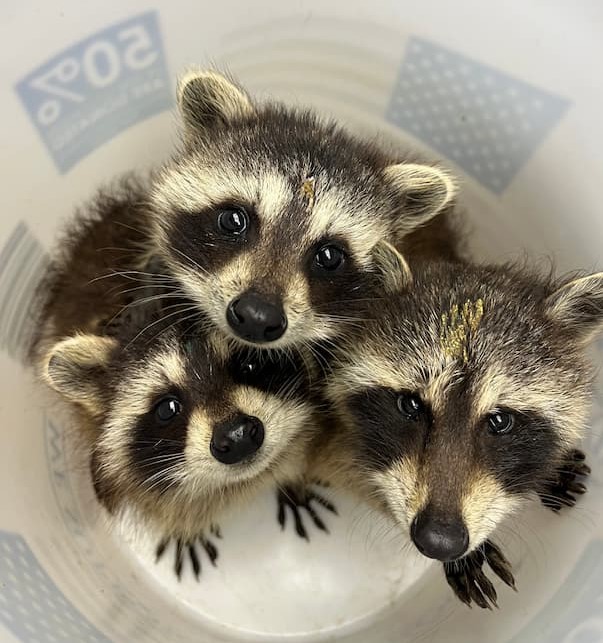
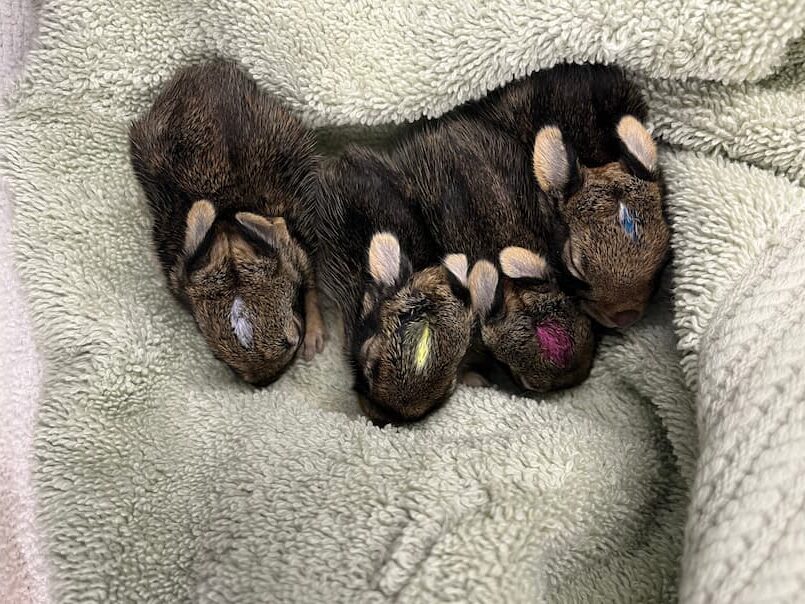
Buckets of Babies!

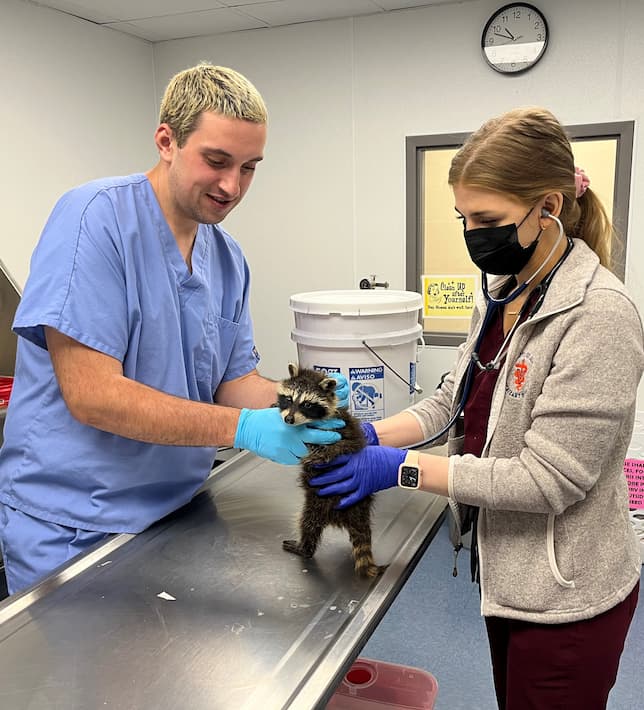
Here at the Wildlife Medical Clinic, it’s that time of year when we are inundated with baby wildlife. From American Robins to White-tailed Deer, we see a variety of babies throughout the breeding seasons and our volunteers are trained to care for them all! 

Not only do many young animals look different from their adult counterparts, but they also have different requirements that we must meet to care for them. Young animals have much higher metabolisms than they do as adults, so they must eat more frequently. Newly hatched American Crows must be fed every 30 minutes by both parents to nourish their ever-growing bodies. Some animals however, like the Eastern Cottontail, have a different strategy where they feed their babies two big meals at dawn and dusk so that mom can go out and graze on grass and other plants during the day. 

Young mammals start out life only able to digest the milk that their moms feed them. In the clinic, we have specialized formulas to closely match those milks so that the orphans in our care receive the proper nutrition. Considering how much liquid they consume, it is no wonder that baby animals are roughly 80% water, compared to 60% in adults. This means that baby mammals are at greater risk of dehydration when they go for long periods without being fed by their mom, especially if they are out in the summer sun. Our volunteers have specific treatments they can give to orphaned wildlife that allows them to safely rehydrate them. 

As the weeks pass, the baby animals get older and start wandering out on their own, under the supervision of their parents of course. Many young birds start to grow their flight feathers and look all disheveled as they are readying to fledge or leave the nest. These fledglings will explore the ground, start eating insects and other food on their own, attempt some flying, but will still get regular check ins from their parents, who provide them with additional food and support. Once these young birds grow in all their flight feathers and can reliably hunt on their own, their parents will leave them to spread their wings. 

While many birds wait for their young to be able to fly before leaving them to their own devices, some mammals like the Common Raccoon may watch after their babies for over 6 months before they let them go off on their own. In that timeframe, the mother raccoon will teach her babies all things raccoon, such as how to hunt, how to interact with other raccoons, how to avoid predators, and much more.  

Here at the Wildlife Medical Clinic, we care for sick and injured wildlife across all life stages, from babies to adults. However, with over half of the patients that we see being young animals, it is no surprise that our volunteers love working with the babies! 

This article was written by Billy Wright, WMC 3rd year veterinary student volunteer. 

Father’s Day

Today, June 18th, marks Father’s Day for the year of 2023. To celebrate all the dads, grandpas, uncles, and father-figures out there, we’d love to tell you about the amazing fathers in our avian wildlife species! In fact, for avian species, about 90% of species have fathers participating in parental care. Whether it be helping to build the nest, feed their mate, incubate the eggs, feed the young, or provide protection for their family, these birds are super dads. 

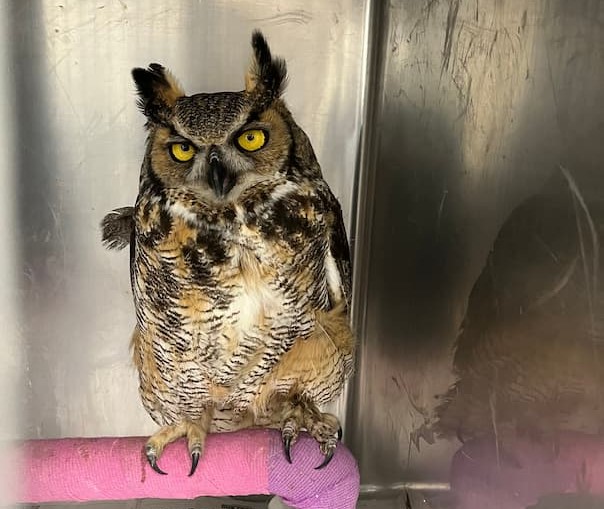
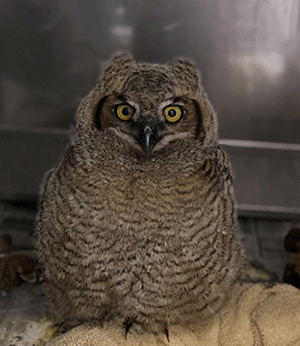
Great Horned Owl Juvenile

Starting strong with an Illinois native, the great horned owl knows what’s best for his young. After the female owl lays her clutch of eggs (usually 2 or 3), male great horned owls will aid her in keeping the eggs warm and bringing her enough food to survive until the eggs hatch. Food can consist of multiple small meals or one, big feast, depending on the night and dad’s ability to catch prey. Occasionally, the female great horned owl will leave the nest to feed for herself, so the male will take her place and protect his future owl children from the dangers of predators, weather, and other unexpected situations. Now that’s commitment. Don’t worry, though, dad will use this time to perfect the best owl dad jokes around. After 28-35 days, the chicks should have successfully hatched, and father owl’s job becomes even more important. There are now even more mouths to feed! During this time, male owls continue to hunt for food and will deliver to the hungry, growing chicks and their mother. This will continue for several months, but the chicks will begin to leave the nest site at about five weeks of age. Once the chicks leave the nest, they will be ready for flight at ten weeks of age, but both parents will feed the chicks until they are several months old and self-sustaining in the wild. At this point, father owl bids his young farewell and looks forward to seeing them around the forest for years to come. Talk about a proud dad moment! 

G’day mate! Our next species, the emu, comes to us all the way from Australia. Emu fathers are even more involved in raising their young than the great horned owls we talked about earlier! The first thing that an emu father must do is create a nest, which consists of digging a small crater into the ground and lining it with twigs and other items such as rocks for protection. Then, multiple females will lay eggs in the nest and leave dad in the dust! The male emu is now considered a single dad, raising not only his own chicks, but ‘adopted’ chicks from other pairs as well. If this doesn’t earn him a Dad of the Year award, I’m not sure what does! During this incubation period of about two months, the male emu will rarely leave the nest and can lose between one-third to one-half of his body weight. After hatching, the father emu will be responsible for teaching his chicks how to survive in the real world. They will learn how to find food and water, travel to new places, and which animals are friends and foes. Once the emu chicks are all grown up, the father emu’s work has come to an end. Next year, he will do it all over again.  

Let’s give it up for all the dads out there, human or bird, and all of the hard work that they do to raise their young and ensure that they are always kept safe. Be sure to share this article with friends and family so they can learn about these amazing birds. 

Written by Jacob, Class of 2026

Case Report: Red-tailed Hawk

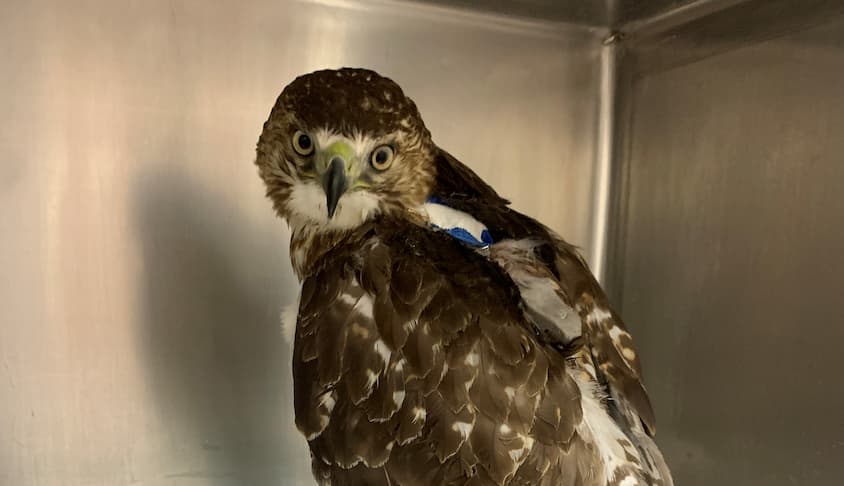
Red-tailed hawks (Buteo jamaicensis) are one of the most common hawks in North America, with a range that spans from Alaska to the tropical rainforests of Central America. You can often find them perching on fences and telephone poles, surveying their territory. While you may not have heard their calls in real life, you’ve definitely heard them in a movie theater. The call of a red-tailed hawk is the standard sound effect for most birds of prey in movies, especially bald eagles.   

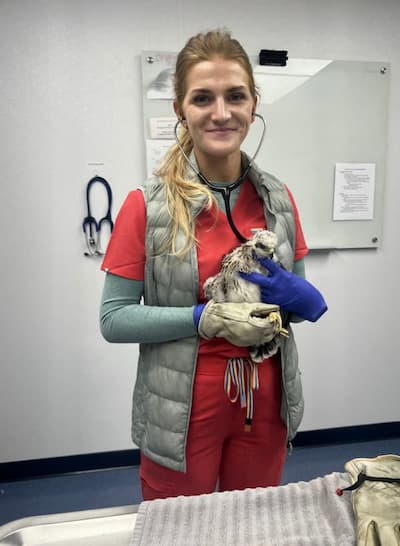
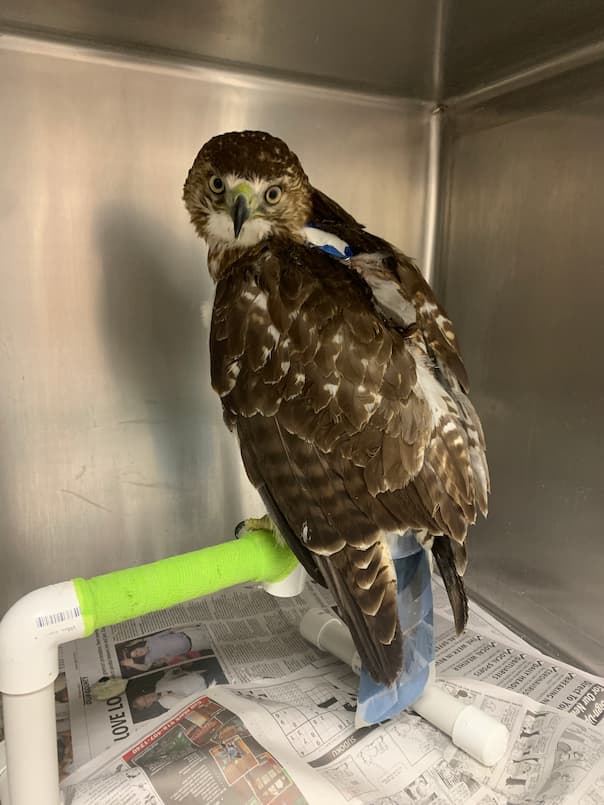
Here in Illinois, red-tailed hawks are year-round residents, choosing to stay put once winter comes. Back in January of 2023, an adult red-tailed hawk was brought to the clinic by a good Samaritan after being found on the side of a road in Champaign. The finder was able to catch and carry the hawk by wrapping it in a towel they had found on the road next to it. After bringing the hawk to the clinic, we were able to perform a triage exam. The hawk was dull and squinting, signs that can point to pain. We placed a raptor hood, a useful tool that covers a hawk’s eyes, calming them down to allow us to safely perform a thorough exam. This helped reduce his stress while we continued our exam, feeling the joints and bones of the wings and legs. The hawk’s right wing had an ulnar fracture, and several wounds were found. Additionally, we were able to feel bony changes on the left leg, indicating that the femur of the leg had fractured previously and was healing.

To get a better look at the bony changes we had felt in the right wing and left leg, we took radiographs of the hawk. The radiographs confirmed the ulnar fracture, also revealing that it had multiple bone fragments instead of a simple, clean break. The femur of the left leg was fractured in two locations but had since rejoined together and was healing well. The leg fracture was approximately a month older than the wing fracture, meaning this hawk had experienced two traumatic events in a short period of time and still had a zest for life! 

Passive range of motion, often abbreviated as PROM, is a form of physical therapy in avian patients in which the wing is gently and repeatedly stretched to its normal limits while the patient is anesthetized. The angles for the maximum extension of the elbow and wrist are measured before and after performing PROM, allowing us to track how well the patient can spread their wings. Birds need a very specific range of motion to fly effectively, so it is important to maintain that range of motion after an orthopedic injury like this hawk had experienced. Regular PROM also provides the students working in the clinic plenty of opportunities to practice valuable veterinary skills such as anesthesia monitoring and placing wing wraps.  

Over the course of eight weeks, we were able to see steady improvement in this patient. The final radiographic examination revealed that the various pieces of bone had bridged, and the wing was stable. This hawk was finally cleared for transfer to a rehabber, allowing it time to practice and improve its flying skills again before being released to the wild.  

Written by Tyson, Class of 2026

Wildlife Enrichment

Patients at the clinic require little contact with people but benefit from mental stimulation while in our care.

Examples of enrichment might include stuffed Kongs or Hol-ee Roller Balls, frozen treats, paper bags or small boxes with shredded paper inside, and toilet paper roll enrichment items.

Wildlife Medical Clinic
John A. Coyne South Clinic
2100 South Goodwin Avenue
Urbana, IL 61801
217-244-1195