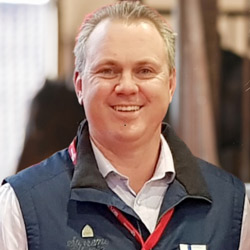
Canaan Shores — DVM

Instructor

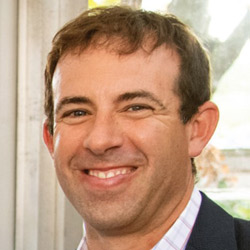
Dr. Canaan Shores graduated from the University of Illinois College of Veterinary Medicine in 2011 and has spent the past 15 years practicing in a variety of clinical settings, including standalone emergency hospitals, large multispecialty referral centers, and primary care. This diverse experience has shaped a pragmatic, efficiency-driven approach to managing acute and urgent presentations.

His time as a primary care clinician has provided a valuable perspective on how urgent care and emergency medicine fit into the broader continuum of patient care, and the critical role primary care veterinarians play in long-term management and continuity of care.

Dr. Shores currently leads the urgent and convenient care service at the University of Illinois Veterinary Teaching Hospital, where he works closely with students and colleagues to deliver high-quality, evidence-based care. His clinical interests include antimicrobial stewardship, comprehensive pain management, effective client communication, and reducing over-treatment by focusing on accurate diagnosis and addressing underlying disease processes. Dr. Shores has a particular interest in common urgent presentations, including conditions such as feline lower urinary tract disease, where thoughtful, evidence-based decision-making is critical.


Pee Is Not the Problem: Rethinking Feline Idiopathic Cystitis

Feline lower urinary tract disease is one of the most common, and frustrating, conditions encountered in small animal practice. This lecture will provide a practical, evidence-based approach to diagnosing and managing cats presenting with lower urinary tract signs, with a primary focus on feline idiopathic cystitis.We’ll navigate the alphabet soup of feline urinary diseases (FLUTD, FIC, UTI, etc.) and, through a concise review of current literature, critically evaluate the wide range of therapeutic approaches used over time. The goal is to translate emerging evidence into practical clinical decision-making, improving case management, enhancing client communication, and reducing over-treatment. Traditional therapies will be assessed alongside newer and emerging options, with an emphasis on addressing underlying disease mechanisms rather than simply managing clinical signs.
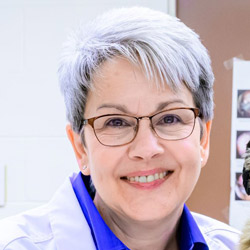
Stephanie Bruner — DVM, DACVD

Clinical Assistant Professor

Dr. Stephanie Bruner graduated from Purdue University College of Veterinary Medicine in 1991 and practiced general small animal medicine for four years before returning to Purdue University to complete one year as a visiting scholar and a three-year residency in comparative dermatology. She has been a board-certified diplomate of the American College of Veterinary Dermatology since 1999.

Dr. Bruner practiced for 25 years in private specialty facilities in the midwestern United States, including more than 20 years as the co-owner of a multispecialty hospital. She joined the faculty at the University of Illinois College of Veterinary Medicine in 2024 as a clinical assistant professor of dermatology, focusing on teaching future veterinarians to be compassionate, critical thinkers.

An enthusiastic clinician who loves talking about the body’s largest and most impressive organ, Dr. Bruner’s favorite conversations are with pet owners and their veterinarians as they collaborate to create customized treatment programs for their very special patients.


Building a Better Sundae: A Multimodal Approach to Canine Atopic Dermatitis

As our understanding of Canine Atopic Dermatitis deepens and more treatment options enter the veterinary market, our confusion regarding what to use and when to use it increases. This conversation will include how to utilize multimodal therapeutic plans to personalize our patients’ care and improve their quality of life in both acute flare and long-term management situations.

Participants will share how to “build a better sundae” that addresses the individualized needs of CAD patients, including new developments in topical therapies, nutritional management, and systemic immunomodulation. Sadly, no ice cream will be served.

From Ear to Eternity: Battling Pseudomonas Otitis Externa in Dogs

Pseudomonas otitis is the enemy you can smell before it enters the room. It is a worthy foe with a full armory of weapons: antibiotic resistance, biofilm formation, structural damage to the ear, and progression to otitis media/interna, just to name a few. Participants in this presentation will discuss the “how” and “why” of chronic otitis as well as current and creative strategies to defeat this malodorous opponent using both pharmacologic and non-pharmacologic munitions.

To Feed or Not to Feed: That is the Question

With the advent of more knowledge about the etiology and pathogenesis of food allergies and the promotion of more options for testing and diet trials comes more confusion. Join us as we wade through the ocean of information to determine how, why, and when to diagnose food allergies in dogs and cats in this changing environment.

From clinical signs through food trials and tests available in the near future, this will be a practical guide to identifying and managing food allergic patients with dermatologic changes.

Santiago Gutierrez-Nibeyro — DVM, MS, DACVS-LA, DACVSMR-EQ

Clinical Professor

Dr. Santiago Gutierrez-Nibeyro’s clinical interests center on arthroscopic surgery, advanced intra-articular therapies, early detection and prevention of equine sports-related injuries, and the integration of physical and rehabilitative therapies. His research and scholarly work focus on the development and application of sensitive diagnostic techniques for key musculoskeletal disorders, with particular emphasis on conditions affecting the equine foot.


What’s New in Equine Osteoarthritis?

I will provide an overview of recent advances in the understanding, diagnosis, and management of osteoarthritis in horses. The talk will highlight emerging therapeutics, updates in biologic treatments, and current perspectives on disease-modifying strategies aimed at improving long-term outcomes and performance.

Ben Sykes — DVM, MS, DACVIM-LAIM

Director, BW Sykes Consultancy

Dr. Ben Sykes is a leading equine clinical researcher, ranked by Stanford University in the top 2% of veterinary scientists for the past three years. He is the lead author of the 2015 EGUS Consensus Statement and its planned 2026 update.

When not doing nerdy stuff, he likes hiking in weird and wonderful places like Papua New Guinea, Tanzania, and California.


Can all behavioral problems be blamed on EGUS?

Ulcers are commonly blamed for horses’ “bad” behavior, but this is not supported by the current body of evidence. This talk discusses a range of other differentials and a diagnostic approach to the horse with a behavioral problem.

An update on EGUS treatment options

New treatment options for EGUS have recently hit the market. But with new treatment options come new challenges. This talk will take an evidence-based approach to the topic of drug selection for the treatment of EGUS.

EGUS prevention beyond free choice hay and no carbs:

Free choice hay and no carbs have been standard recommendations for EGUS management for 20 years. Yet, the prevalence of disease appears to have changed little. This talk discusses the nuances of GUS prevention in a practical “tool-kit” approach.

Managing refractory EGGD

Refractory EGGD is a common clinical challenge, with treatment success rates only around 60%. This talk will discuss management of the refractory EGGD case, moving beyond a “treatment” approach to a long-term “management” approach.

Stephany Lewis — DVM, CWR, DABVP (Avian Practice)

Director, Wildlife Medical Clinic

Clinical Assistant Professor

Dr. Stephany Lewis has been involved in wildlife rehabilitation since 2009. She received her DVM from Tufts University in 2015 and completed an internship in small animal medicine and surgery at Michigan State University. Dr. Lewis then completed a one-year internship in wildlife and conservation medicine at Tufts Wildlife Clinic in 2017.

She has worked as the full-time staff veterinarian at California Wildlife Center and Ojai Raptor Center and is currently a clinical assistant professor and director of the Wildlife Medical Clinic at the University of Illinois College of Veterinary Medicine.

Dr. Lewis is a certified wildlife rehabilitator by the International Wildlife Rehabilitation Council. In 2023, she became board-certified in avian practice by the American Board of Veterinary Practitioners.


Wildlife Laws and Regulations for the Practitioner

Veterinarians who work with native wildlife in the United States may include those working in wildlife rehabilitation centers, zoos, government, research, or academia, but the majority of native wildlife are treated by private practitioners. Regardless of circumstances, however, all veterinarians who wish to treat native wildlife must be aware of the laws and regulations that govern this work.

This session will discuss the many regulations surrounding veterinary work with releasable and non-releasable native wildlife in the United States.

Laura Adamovicz — DVM, PhD

Clinical Assistant Professor

Dr. Laura Adamovicz is a wildlife veterinarian, an epidemiologist, the co-director of the Wildlife Epidemiology Laboratory, and a clinical assistant professor at the University of Illinois. She earned her DVM from the Virginia-Maryland Regional College of Veterinary Medicine in 2012 and obtained her PhD in epidemiology from the University of Illinois in 2019.

Dr. Adamovicz’s research focuses on developing diagnostic tests for infectious diseases in wildlife, exotics, and zoo animals, and incorporating health assessment data into wildlife conservation strategies. While her research efforts include all taxa, Dr. Adamovicz has been largely focused on reptiles and amphibians for the last 11 years and is excited to talk to you about these wonderful animals today.


Reptile Physical Exam and Clinical Techniques

This lecture will review the fundamentals of species identification, anatomic features, safe handling, physical examination, venipuncture sites, and injection sites in reptiles. This information provides a solid foundation for understanding the clinical assessment of reptile patients.

Drew Sullivan — DVM, MBA


Medical Director, Medical District Veterinary Clinic
Interim Hospital Director, University of Illinois Veterinary Teaching Hospital

Dr. Drew Sullivan graduated from the University of Illinois College of Veterinary Medicine in 2011 and completed his MBA in 2020. He began his career as an associate veterinarian at Northgate Pet Clinic in Decatur, Illinois, and completed a special certification in small animal ultrasound in 2012. In 2013, he returned to his alma mater as a faculty member, and in 2014, he was named medical director of the Medical District Veterinary Clinic (MDVC) in Chicago.

In January 2025, Dr. Sullivan was appointed interim hospital director for the University of Illinois Veterinary Teaching Hospital (VTH) in Urbana. He now splits his time between Urbana and Chicago, overseeing operations at both hospitals. While much of his current role is administrative, he continues to see patients at MDVC one day each week.

A proud Illini through and through, Dr. Sullivan earned a double major in animal sciences and chemistry as an undergraduate at Illinois—where he was also a varsity cheerleader. During veterinary school, he served as an assistant coach for the university’s cheerleading team. One of his favorite memories is standing courtside when Illinois beat Arizona on the way to the 2005 Final Four.

Outside of work, Dr. Sullivan enjoys spending time with his wife (also an Illinois Vet Med grad), their two children, and their dog, Winnie. He is an avid supporter of Illinois athletics and loves attending and coaching youth sports.


College Update Session

Anne Barger — DVM, MS, DACVP

Department Head, Veterinary Clinical Medicine

Dr. Anne Barger received her DVM from UIUC in 1996 and completed her residency in clinical pathology from North Carolina State University. She started as a faculty member at the University of Illinois in 2002 and is currently the department head of Veterinary Clinical Medicine. She enjoys teaching and her research interests include diagnostics of bone tumors and immunocytochemistry.


Urline Luck, all you wanted to know about urine and more

This session will review urine sediment evaluation and getting the most out of the information for your canine and feline patients.

Peter Constable — BVSc (Hons), MS, PhD, DACVIM (Nutrition, Honorary)

Dean
Louis I. Mund Professor in Veterinary Medicine

Dr. Peter D. Constable’s influential career integrates veterinary scholarship, mentorship, and leadership at the highest levels. He is internationally known both for impactful and clinically relevant research and for statesmanship within veterinary academia. Since 2014 he has led the College of Veterinary Medicine with integrity, open-mindedness, and a deep commitment to the land-grant mission of teaching, research, and service.

Dean Constable’s research spans multiple species and disciplines, from diseases of cattle to biostatistics, veterinary education, and the cardiovascular response to endurance training in dogs. His work on abomasal diseases and acid-base and electrolyte disturbances in domestic animals has changed the practice of large animal medicine. Among his numerous international speaking engagements are multiple invited keynote presentations at the World Buiatrics Congress. He holds board certification in the American College of Veterinary Internal Medicine and the American College of Veterinary Nutrition.

He has published more than 270 peer-reviewed articles and 50 book chapters and is lead author of Veterinary Medicine: A Textbook of the Diseases of Cattle, Horses, Sheep, Pigs, and Goats, now in its eleventh edition and the most heavily cited textbook in veterinary medicine. His mentorship includes serving as major advisor for eight PhD students and teaching dozens of residents, graduate students, and visiting scholars as well as thousands of veterinary students.

Notable awards recognizing Dean Constable include the Kirk Award for Professional Excellence from the American College of Veterinary Internal Medicine, the Distinguished Alumni Award from The Ohio State University College of Veterinary Medicine, and the Docteur Honoris Causa from the Université de Liège.

After completing his veterinary degree at the University of Melbourne in his native Australia, Dean Constable practiced in Australia and England. Then he went to The Ohio State University for an internship and residency in food animal medicine and surgery as well as master’s and PhD degrees in cardiovascular physiology. He was recruited to the University of Illinois, where he spent 13 years on the veterinary clinical medicine faculty. From 2006 to 2013 he served as head of the veterinary clinical sciences department at Purdue University, returning to Illinois as dean in 2014.


College Update Session

After participating in this session, attendees will be able to describe major accomplishments, understand key strategic priorities for the coming year, recognize emerging challenges and opportunities, and identify ways to contribute to the college’s continued success.

Jim Lowe — DVM, MS, DABVP (emeritus Food Animal) 

Executive Associate Dean
Associate Dean, Online Programs and Extension
Professor, Department of Veterinary Clinical Medicine

Dr. Lowe, a 1994 graduate of the University of Illinois College of Veterinary Medicine, is an educator, advisor, researcher, and farmer based in Illinois. His passion for helping people lead better lives by improving food production systems has led him around the world, from private practice to academia in his quest to understand food systems and share that knowledge with those that will benefit. As a life-long learner he completed the Executive Veterinary Program in 2000 and a Master of Science degree in infectious disease management in 2004 from the University of Illinois and became board certified in Food Animal Practice by the American Board of Veterinary Practitioners in 2004.

Currently Dr. Lowe is a Professor and Associate Dean of Online Programs and Extension. This office offers online veterinary education in our College. He maintains a consulting practice as a member of a consulting group that has advisory relationships with 25% of the beef cattle marketed in the US, 8 of the top 30 swine producers in North America, pork and beef producers in Europe, Australia, the Middle East and Asia, packer-processors, food retailers, restaurant chains and all of the major multi-national animal health suppliers.

His scholarly efforts focus on developing system-based approaches to problems effecting animal and human health. He has active collaborations with St. Jude’s Children’s Research Hospital, investigating factors driving influenza A evolution and relationships with multiple commercial organizations to apply novel technologies to improve veterinarian and caregiver decision making. His lab is working on measuring factors that influence pathogen transmission within and between herds and how management systems influence host response to disease.

He has served on the American Association of Swine Veterinarians Board of Directors, was the recipient of the 2007 Allen D. Leman Science in Practice Award and presented the 2010 Howard Dunne Memorial Lecture. He resides in Illinois with his wife who is also a veterinarian. In his free time, he enjoys a good game of golf and taking Reba, his Brittany spaniel, to the field hunting.


College Update Session

After participating in this session, attendees will be able to describe major accomplishments, understand key strategic priorities for the coming year, recognize emerging challenges and opportunities, and identify ways to contribute to the college’s continued success.

Fall Conference
2001 S. Lincoln Avenue
Urbana, IL 61802
217-300-7439