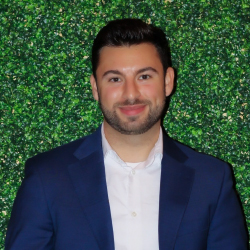
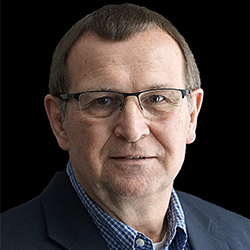
Grant Nickolson — DVM

Veterinarian

As a recent graduate veterinarian entering general practice, I believe that high-level medicine should not be limited to specialty hospitals or board-certified clinicians. General practice is often the first and most important point of care for patients, and I am committed to approaching every case with curiosity, thoroughness, and evidence-based medicine. I strive to perform complete diagnostic workups, think critically through complex cases, and continue growing my knowledge so I can provide the highest standard of care possible for my patients and clients.


Got MIlk?… The Trials and Tribulations of Hypercalcemia with Drs. Joe Bruner and Grant Nickolson

This lecture will provide an overview to the diagnostic approach to Hypercalcemia in dogs and cats. It will further address the common scenarios seen with hypercalcemia, and present a ‘decision-making’ approach towards when diagnostic testing is warranted and when a spurious laboratory value should be suspected. In addition, newer therapeutics will be presented that can be used to treat the more common causes of hypercalcemia when surgical interventions are not possible.

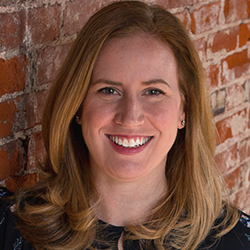
Caitlin DeWilde — DVM

CEO

Dr. Caitlin DeWilde is the founder of The Social DVM, a consulting firm devoted to helping veterinary professionals learn how to manage and grow their social media, online reputation and marketing strategies. Working with large industry groups and individual practices alike, Caitlin and her team are passionate about translating the “geek speak” to “veterinary speak,” and helping vets reach more clients and pets. 

Caitlin is a graduate of the University of Illinois College of Veterinary Medicine and a recipient of their Outstanding Young Alumni Award, and also an alum of the AVMA’s Future Leaders Program. She served as medical director for a large AAHA/Fear Free/Cat-Friendly certified hospital in St. Louis before stepping back to focus on her marketing passion. Today, she divides her time between practice, consulting, and writing. She is the author of a book, “Social Media and Marketing for Veterinary Professionals,” and a columnist for Today’s Veterinary Business. 


Beyond Social Media

In today’s competitive veterinary landscape, marketing requires more than just a strong social media presence. This course dives into multimodal marketing strategies, showing how platforms like Google Business, Nextdoor, and Yelp can boost your online reputation and drive engagement. You’ll also learn how to integrate email marketing to encourage booked appointments, generate more client reviews, and attract top talent to your practice. Discover how a cohesive, multimodal approach can elevate your marketing efforts and help your clinic stand out in your community.

What to Do When Appointment Numbers are Down

Appointment volumes are shifting. Across U.S. veterinary clinics, a quiet but consistent decline is taking hold — and ignoring it won’t make it reverse. This data-driven session breaks down exactly what’s driving appointment trends in 2026 and which marketing strategies are actually moving the needle. From automated reminders to online booking to Google tools, you’ll leave with a clear, actionable playbook tailored to your clinic’s workflow. Keep your schedule full and your care uninterrupted.

Your Team Is Already Using AI. Is It Helping or Hurting?

Your team is probably already using AI. The question is whether they’re using it well. Ungoverned AI use in a veterinary practice creates real risks — clinical errors, miscommunicated diagnoses, data exposure — but overly cautious avoidance leaves efficiency and revenue on the table. This session cuts through both extremes with practical guidance on building a culture of smart AI use: crafting effective prompts and instructions, driving team adoption, integrating tools into medical, communication, and business workflows, and knowing where the guardrails need to be. Designed for the veterinary team that’s past “what is AI” and ready for “how do we actually do this right.”

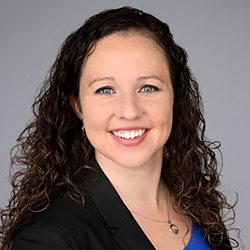
Kara Escutia — DVM

Trust Veterinarian

Dr. Kara Escutia has spent most of her life in Illinois—growing up in the Chicago suburbs, then attending the University of Illinois for both her undergraduate degree and Doctorate in Veterinary Medicine. After graduation, she worked in companion animal practice for ten years prior to joining the AVMA Insurance Services team in January 2021. As a Trust Veterinarian, Dr. Escutia plays a key role in the activities of AVMA Insurance Services, including providing guidance to the brokers and carriers on veterinary topics and protocols, reviewing professional liability claims, discussing claim situations with members, and developing and presenting educational programs to veterinary teams regarding liability and risk management. The Trust Veterinarians also keep an eye out for trending claim topics and develop newsletters, pamphlets, and other materials to educate our insured members to help prevent future claims.


Words Matter: Communication and Liability in Veterinary Practice

This 1-hour course will begin with an overview of common claim scenarios and the types of coverage available to help protect your professional license. Next will be a deeper dive into some common communication pitfalls that play a role in liability claims and discussion of some strategies to help you in these areas. We will also touch on strategies for delivering difficult news in the face of a medical error as well as reviewing some best practices for medical record keeping.

Facing Challenging Situations and Protecting Your License in Veterinary Practice

This 1-hour course will begin with an overview of common malpractice allegations and the types of coverage available to help protect your professional license. We will then take a deeper dive into the increasing trend of veterinary board complaints. We will review best practices to help mitigate malpractice and licensing complaints through common claim examples. We will also touch on the role veterinary ethics plays in claim situations including disclosure of medical errors.

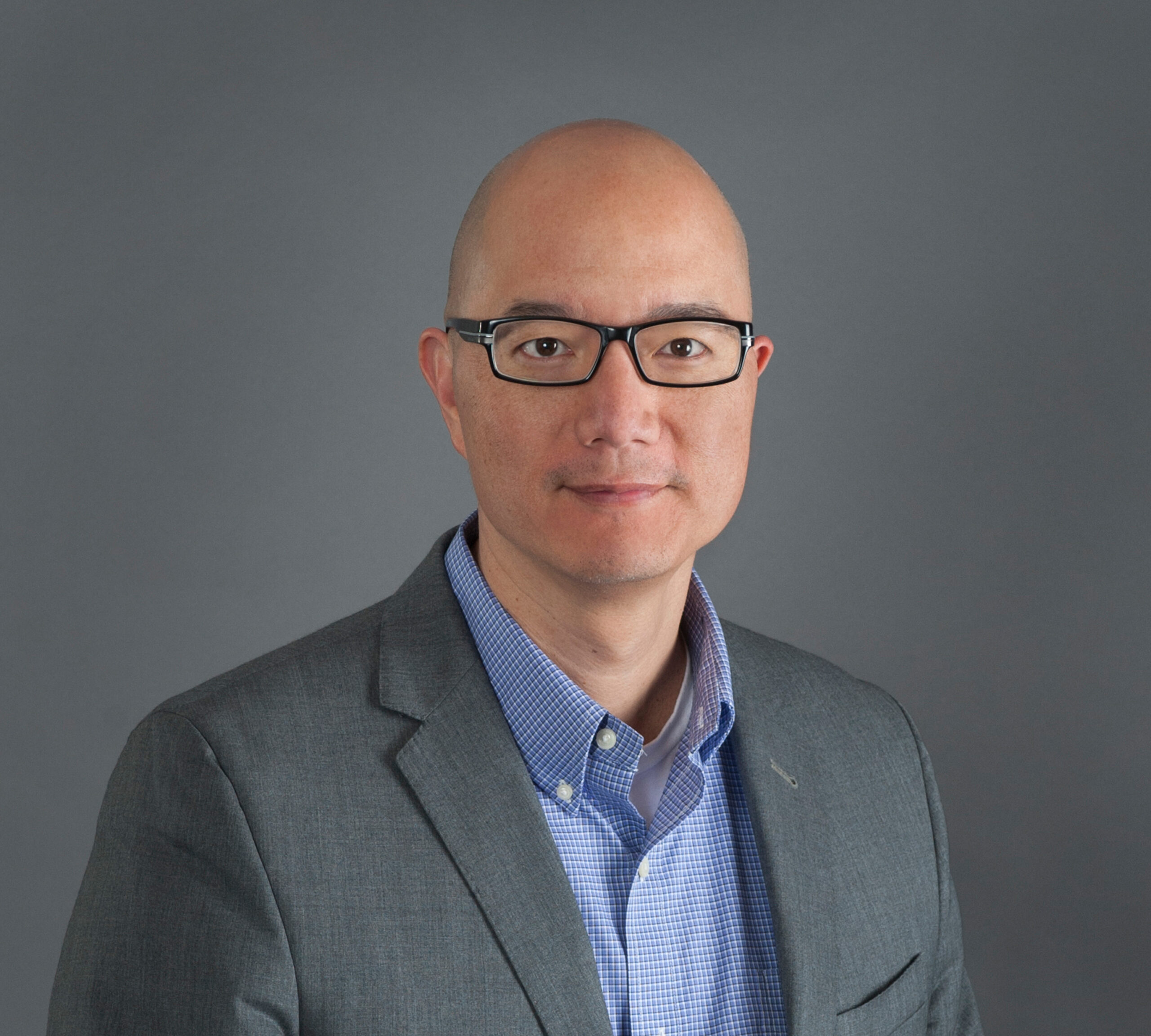
Timothy Fan — DVM, PhD, DACVIM-SAIM, DACVIM (Oncology)

Professor

Dr. Timothy Fan is a professor of veterinary medical oncology and serves as the principal investigator of the Comparative Oncology Research Laboratory housed in the Small Animal Clinic, Department of Veterinary Clinical Medicine. Dr. Fan’s research focuses on identifying molecular and immunotherapeutic targets for improving treatment for canine and feline cancers.

Dr. Fan is a core member at the Carl R. Woese Institute for Genomic Biology in the Anticancer Discovery from Pets to People theme, and also serves as the Associate Director for Translational Research and Development for the Cancer Center at Illinois that focuses on the inclusion of companion animals as sophisticated model systems to study cancer. Dr. Fan’s training as a scientist and veterinarian, has allowed him the opportunity to rapidly investigate and translate novel treatment strategies in dogs and cats with spontaneously-arising cancers, and conduct meaningful comparative oncology research which is hoped to eventually aid in treating cancer in not only companion animals, but also human beings.


Immunotherapy Strategies for Improving Cancer Treatments

This session will review how the immune system works to protect the host organism and how immunotherapy can be leveraged for fighting against cancer. Attendees will be refamiliarized with what immune cells are most important in fighting cancer, strategies that are being developed to enhance immunotherapy activities, and learn about the newest immune strategies that are in development for the treatment of dogs and cats with cancer.

Sarah Gray — BS, DVM, DACVS-LAIM

Clinical Assistant Professor

Dr. Sarah Gray is a 2015 graduate of Iowa State University College of Veterinary Medicine. Following graduation, she completed an internship at the Retama Equine Hospital in Selma Texas and a surgical and sports medicine internship at Tufts University. Dr. Gray went on to complete an equine surgery residency at the University of Illinois in 2020. During her residency, she focused her research on conditions and surgical procedures of the equine airway including standing arytenoidectomy and a novel tie-back procedure.

After completion of her residency, Dr. Gray worked as a clinical instructor at the Virginia-Maryland College of Veterinary Medicine. During this time, Dr. Gray passed her boards and became a Diplomate of the American College of Veterinary Surgeons. Following her time in Virginia, Dr. Gray served as a Clinical Instructor in Large Animal Emergency and Large Animal Surgery at Purdue University. In 2022, Dr. Gray re-joined the University of Illinois as a Clinical Assistant Professor of Equine Surgery.


Performing and utilizing venograms in equine practice

In this session you will learn how to perform venograms of the equine digit, including supplies, radiographic views, and practicalities. We will discuss which cases might benefit from venograms and go through case examples.

Stephanie Sharping — DVM, DVSc, DACVAA

Clinical Associate Professor

Dr. Stephanie Sharping is a board-certified specialist in veterinary anesthesia and pain management. She received her veterinary degree from the Ontario Veterinary College and worked in small animal primary care practice in the Toronto area before returning to the OVC, where she completed her residency and Doctor of Veterinary Science graduate degree in anesthesiology and analgesia.

Dr. Sharping also has an interest in the well-being of laboratory animals and received certification in laboratory animal medicine from the University of Guelph. She spent a few years as an anesthesiologist in private referral practice before joining the anesthesia team at the University of Illinois in 2015.


The Highs and Lows of Opioids

This session is all about opioids! We will discuss the desired and undesired effects of this class of drugs, the range different opioids to choose from, mixing opioids, how and when to reverse opioids, as well as outpatient opioid prescription. This session will fulfill one hour of the Illinois opioid training requirements for veterinary license renewal.

Rethinking Relief: Exploring Non-Opioid Alternatives

In this session, we will explore pharmacologic therapies outside of opioid administration for inpatient and outpatient pain management. This session will fulfill one hour of the Illinois opioid training requirements for veterinary license renewal.

CBD for pain – What’s the latest evidence?

In this session, we will review the latest research evaluating the use of CBD for treating pain in veterinary patients, safety in veterinary medicine and legal implications for veterinarians. This session will fulfill one hour of the Illinois opioids training requirements for veterinary license renewal.

Kari Foss — DVM, MS, DACVIM (Neurology)

Associate Professor

Kari Foss, DVM, MS, DACVIM (Neurology) is an Associate Professor of Neurology and Neurosurgery at the University of Illinois College of Veterinary Medicine. Dr. Foss earned her veterinary degree from the University of Illinois at Urbana-Champaign and completed a rotating internship in small animal medicine and surgery at Blue Pearl Irvine in Irvine, California. She then moved on to a residency in neurology and neurosurgery at The Ohio State University in Columbus, Ohio, while simultaneously earning her master’s degree in veterinary clinical sciences. Dr. Foss is board-certified by the American College of Veterinary Internal Medicine in the specialty of Neurology.

Dr. Foss has an interest in neuroimaging and how advances in magnetic resonance imaging may improve diagnostic capabilities for diseases such as cancer and epilepsy. She also has an interest in anticonvulsant therapy and has published several pharmacokinetic studies investigating newer anticonvulsants and alternative delivery methods.


When Seizures Escalate: ACVIM Updates on Status Epilepticus and Cluster Seizures

Status epilepticus and cluster seizures represent true neurologic emergencies requiring rapid, evidence-based intervention. This lecture provides a practical, case-oriented update on the management of canine seizure emergencies, highlighting key recommendations from the ACVIM consensus statement.

Emphasis will be placed on treatment algorithms, drug selection and sequencing, and strategies for patients with refractory seizure activity. Attendees will leave with a clear, stepwise approach to stabilizing patients and optimizing both short- and long-term seizure control in clinical practice.

Making the Right Moves: ACVIM Updates on Acute Canine Thoracolumbar IVDD

Type I intervertebral disc disease (IVDD) remains one of the most common neurologic conditions encountered in small animal practice, yet management strategies continue to evolve. This lecture reviews key updates from the ACVIM consensus statement, with a focus on clinical decision-making in real-world practice. Practical guidance will be provided to help clinicians navigate treatment options and optimize outcomes across the spectrum of disease severity.

Pardon our French (Bulldog)

French bulldogs are rapidly becoming a common breed seen in practice. However, these cute little critters have more unique issues regarding respiratory and neurologic conditions. This lecture will focus on more “Frenchie-specific” conditions that may be encountered, in particular in an emergency setting. | Presented with Dr. Clara Moran.

Joanna Schmit — DVM, MS, DACVIM (Oncology)

Medical Oncologist, University of Illinois Veterinary Teaching Hospital

Dr. Joanna Schmit is a veterinary medical oncologist at the University of Illinois, where she works within the clinical trials program advancing innovative cancer therapies for animal patients. Dr. Schmit earned her Doctor of Veterinary Medicine from the University of Minnesota, followed by a residency in medical oncology and a Master of Science degree at the University of Illinois.

Prior to returning to academia, Dr. Schmit spent 10 years in clinical practice, where she developed extensive experience in diagnosing and managing a wide range of oncologic conditions in companion animals. She now plays a key role in the growth of the University of Illinois clinical trials program, helping to expand access to cutting-edge treatments while contributing to the advancement of comparative oncology.

Dr. Schmit’s professional interests include translational cancer research, novel therapeutics, and improving outcomes and quality of life for veterinary cancer patients.


Making sense of cancer screening tests

Understanding what biomarkers are and the information they provide is imperative to a clinician’s understanding of new cancer screening tests hitting the market. Critical evaluation of the tests’ function is dependent on the prevalence of a disease and how rigorous the science is. These shape the usefulness of a biomarker test. When marketing sounds a little too good to be true, it’s time to look at the details.

In this lecture, we will discuss what biomarkers are and how they may be of benefit to cancer detection. We will learn to evaluate the sensitivity and specificity in relation to the prevalence of specific tumor types and discuss current tests on the market. We will also discuss the downsides of these diagnostic tests.

Learning objectives include: Practitioners can list at least three biomarkers, practitioners can critique a diagnostic test based on the disease prevalence, practitioners can describe the value of a screening test and state when it may be of benefit for a case, and practitioners can list three or more pitfalls of biomarkers.

Cytology Workshop with Dr. Matthew Berry (2 Hours)

This interactive workshop, led by Drs. Berry and Schmit, is designed to help general practitioners confidently use cytology to guide real-time clinical decision-making.

  • The first hour will focus on slide preparation and specimen adequacy, where participants will practice the U of I oncology approach to creating multiple slides from a single aspirate while minimizing cellular damage. Emphasis will be placed on recognizing diagnostic versus non-diagnostic samples and how initial cytologic screening can influence immediate clinical decisions.
  • The second hour will consist of case-based discussion using digital slides, allowing participants to differentiate inflammatory versus neoplastic processes, recognize key cytologic features, and apply a structured framework to determine when to treat, pursue additional diagnostics, or stage and submit for interpretation. Group discussion will reinforce a practical, repeatable approach that can be immediately applied in everyday practice.

Mark Ernst — DVM

State Veterinarian

Born and raised in central Illinois, Dr. Mark Ernst completed his undergraduate coursework at the University of Illinois Urbana-Champaign and earned a D.V.M. from the U. of I. College of Veterinary Medicine in 1984. After spending five years in mixed animal practice in central Illinois, he accepted a position with the Illinois Department of Agriculture as a field veterinarian and foreign animal disease diagnostician.

In 2005, he was appointed state veterinarian and bureau chief of the Bureau of Animal Health and Welfare. He currently serves as the state veterinarian and division manager of food safety and animal protection, which includes the Bureau of Animal Health and Welfare, the Bureau of Meat and Poultry Inspection, and the Egg Inspection Program.


Gene Pavlovsky — DVM, DABVP (Canine & Feline Practice)

Chief of Staff, Dr. John A. Coyne South Clinic

Lecturer

Dr. Gene Pavlovsky is a 2003 graduate of Ontario Veterinary College of the University of Guelph (Ontario, Canada). He spent about 17 years in general practice before joining the University of Illinois College of Veterinary Medicine faculty in 2020.

Dr. Pavlovsky serves as the chief of staff for the Dr. John A. Coyne South Clinic, which is part of the Veterinary Teaching Hospital, and as head of the Small Animal Primary Care Service. In 2023, he achieved board certification by the American Board of Veterinary Practitioners in canine and feline practice. His clinical interests lie in behavior, anesthesia/analgesia, management of chronic diseases, and nutrition.

His wife is also a veterinarian who teaches first- and second-year students at the College of Veterinary Medicine. They have three children, two cats, and two dogs.


Psychogenic Polydipsia in Dogs

Polyuria and polydipsia (PU/PD) represent a common clinical presentation in dogs and may result from numerous disorders affecting different body systems. While psychogenic polydipsia (PPD) is relatively common and well described in people, little published information on its pathogenesis, diagnosis, and treatment exists in dogs.

In veterinary medicine, cases of primary polydipsia for which no other explanation has been found may be labelled as psychogenic, even in the absence of behavioral abnormalities. As such, the terms psychogenic and primary polydipsia are often used interchangeably when diagnostic testing fails to confirm a specific cause.

However, confirmation of primary polydipsia in a dog with PU/PD does not necessarily equate with the PPD diagnosis, and like in humans, PPD in dogs may be a specific category of primary polydipsia disorders. This presentation outlines currently published information on PPD in dogs, diagnostic approach, and treatment recommendations.

Fall Conference
2001 S. Lincoln Avenue
Urbana, IL 61802
217-300-7439