Medical Oncologist, University of Illinois Veterinary Teaching Hospital
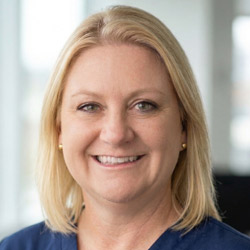
Dr. Joanna Schmit is a veterinary medical oncologist at the University of Illinois, where she works within the clinical trials program advancing innovative cancer therapies for animal patients. Dr. Schmit earned her Doctor of Veterinary Medicine from the University of Minnesota, followed by a residency in medical oncology and a Master of Science degree at the University of Illinois.
Prior to returning to academia, Dr. Schmit spent 10 years in clinical practice, where she developed extensive experience in diagnosing and managing a wide range of oncologic conditions in companion animals. She now plays a key role in the growth of the University of Illinois clinical trials program, helping to expand access to cutting-edge treatments while contributing to the advancement of comparative oncology.
Dr. Schmit’s professional interests include translational cancer research, novel therapeutics, and improving outcomes and quality of life for veterinary cancer patients.
Making sense of cancer screening tests
Understanding what biomarkers are and the information they provide is imperative to a clinician’s understanding of new cancer screening tests hitting the market. Critical evaluation of the tests’ function is dependent on the prevalence of a disease and how rigorous the science is. These shape the usefulness of a biomarker test. When marketing sounds a little too good to be true, it’s time to look at the details.
In this lecture, we will discuss what biomarkers are and how they may be of benefit to cancer detection. We will learn to evaluate the sensitivity and specificity in relation to the prevalence of specific tumor types and discuss current tests on the market. We will also discuss the downsides of these diagnostic tests.
Learning objectives include: Practitioners can list at least three biomarkers, practitioners can critique a diagnostic test based on the disease prevalence, practitioners can describe the value of a screening test and state when it may be of benefit for a case, and practitioners can list three or more pitfalls of biomarkers.
Cytology Workshop with Dr. Matthew Berry (2 Hours)
This interactive workshop, led by Drs. Berry and Schmit, is designed to help general practitioners confidently use cytology to guide real-time clinical decision-making.
- The first hour will focus on slide preparation and specimen adequacy, where participants will practice the U of I oncology approach to creating multiple slides from a single aspirate while minimizing cellular damage. Emphasis will be placed on recognizing diagnostic versus non-diagnostic samples and how initial cytologic screening can influence immediate clinical decisions.
- The second hour will consist of case-based discussion using digital slides, allowing participants to differentiate inflammatory versus neoplastic processes, recognize key cytologic features, and apply a structured framework to determine when to treat, pursue additional diagnostics, or stage and submit for interpretation. Group discussion will reinforce a practical, repeatable approach that can be immediately applied in everyday practice.
Note: If you are interested in this session, we encourage you to bring a laptop or tablet to allow easy viewing of slide images.