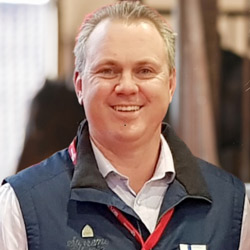
Gene Pavlovsky — DVM, DABVP (Canine & Feline Practice)

Chief of Staff, Dr. John A. Coyne South Clinic

Lecturer

Dr. Gene Pavlovsky is a 2003 graduate of Ontario Veterinary College of the University of Guelph (Ontario, Canada). He spent about 17 years in general practice before joining the University of Illinois College of Veterinary Medicine faculty in 2020.

Dr. Pavlovsky serves as the chief of staff for the Dr. John A. Coyne South Clinic, which is part of the Veterinary Teaching Hospital, and as head of the Small Animal Primary Care Service. In 2023, he achieved board certification by the American Board of Veterinary Practitioners in canine and feline practice. His clinical interests lie in behavior, anesthesia/analgesia, management of chronic diseases, and nutrition.

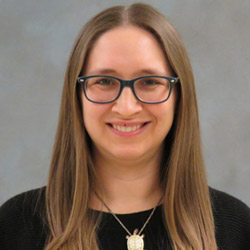
His wife is also a veterinarian who teaches first- and second-year students at the College of Veterinary Medicine. They have three children, two cats, and two dogs.


Psychogenic Polydipsia in Dogs

Polyuria and polydipsia (PU/PD) represent a common clinical presentation in dogs and may result from numerous disorders affecting different body systems. While psychogenic polydipsia (PPD) is relatively common and well described in people, little published information on its pathogenesis, diagnosis, and treatment exists in dogs.

In veterinary medicine, cases of primary polydipsia for which no other explanation has been found may be labelled as psychogenic, even in the absence of behavioral abnormalities. As such, the terms psychogenic and primary polydipsia are often used interchangeably when diagnostic testing fails to confirm a specific cause.

However, confirmation of primary polydipsia in a dog with PU/PD does not necessarily equate with the PPD diagnosis, and like in humans, PPD in dogs may be a specific category of primary polydipsia disorders. This presentation outlines currently published information on PPD in dogs, diagnostic approach, and treatment recommendations.
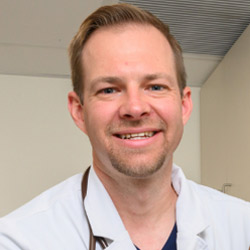
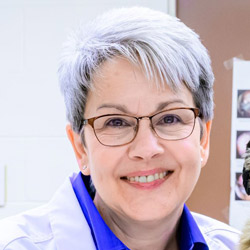
Canaan Shores — DVM

Instructor

Dr. Canaan Shores graduated from the University of Illinois College of Veterinary Medicine in 2011 and has spent the past 15 years practicing in a variety of clinical settings, including standalone emergency hospitals, large multispecialty referral centers, and primary care. This diverse experience has shaped a pragmatic, efficiency-driven approach to managing acute and urgent presentations.

His time as a primary care clinician has provided a valuable perspective on how urgent care and emergency medicine fit into the broader continuum of patient care, and the critical role primary care veterinarians play in long-term management and continuity of care.

Dr. Shores currently leads the urgent and convenient care service at the University of Illinois Veterinary Teaching Hospital, where he works closely with students and colleagues to deliver high-quality, evidence-based care. His clinical interests include antimicrobial stewardship, comprehensive pain management, effective client communication, and reducing over-treatment by focusing on accurate diagnosis and addressing underlying disease processes. Dr. Shores has a particular interest in common urgent presentations, including conditions such as feline lower urinary tract disease, where thoughtful, evidence-based decision-making is critical.


Pee Is Not the Problem: Rethinking Feline Idiopathic Cystitis

Feline lower urinary tract disease is one of the most common, and frustrating, conditions encountered in small animal practice. This lecture will provide a practical, evidence-based approach to diagnosing and managing cats presenting with lower urinary tract signs, with a primary focus on feline idiopathic cystitis.We’ll navigate the alphabet soup of feline urinary diseases (FLUTD, FIC, UTI, etc.) and, through a concise review of current literature, critically evaluate the wide range of therapeutic approaches used over time. The goal is to translate emerging evidence into practical clinical decision-making, improving case management, enhancing client communication, and reducing over-treatment. Traditional therapies will be assessed alongside newer and emerging options, with an emphasis on addressing underlying disease mechanisms rather than simply managing clinical signs.

Stephanie Bruner — DVM, DACVD

Clinical Assistant Professor

Dr. Stephanie Bruner graduated from Purdue University College of Veterinary Medicine in 1991 and practiced general small animal medicine for four years before returning to Purdue University to complete one year as a visiting scholar and a three-year residency in comparative dermatology. She has been a board-certified diplomate of the American College of Veterinary Dermatology since 1999.

Dr. Bruner practiced for 25 years in private specialty facilities in the midwestern United States, including more than 20 years as the co-owner of a multispecialty hospital. She joined the faculty at the University of Illinois College of Veterinary Medicine in 2024 as a clinical assistant professor of dermatology, focusing on teaching future veterinarians to be compassionate, critical thinkers.

An enthusiastic clinician who loves talking about the body’s largest and most impressive organ, Dr. Bruner’s favorite conversations are with pet owners and their veterinarians as they collaborate to create customized treatment programs for their very special patients.


Building a Better Sundae: A Multimodal Approach to Canine Atopic Dermatitis

As our understanding of Canine Atopic Dermatitis deepens and more treatment options enter the veterinary market, our confusion regarding what to use and when to use it increases. This conversation will include how to utilize multimodal therapeutic plans to personalize our patients’ care and improve their quality of life in both acute flare and long-term management situations.

Participants will share how to “build a better sundae” that addresses the individualized needs of CAD patients, including new developments in topical therapies, nutritional management, and systemic immunomodulation. Sadly, no ice cream will be served.

From Ear to Eternity: Battling Pseudomonas Otitis Externa in Dogs

Pseudomonas otitis is the enemy you can smell before it enters the room. It is a worthy foe with a full armory of weapons: antibiotic resistance, biofilm formation, structural damage to the ear, and progression to otitis media/interna, just to name a few. Participants in this presentation will discuss the “how” and “why” of chronic otitis as well as current and creative strategies to defeat this malodorous opponent using both pharmacologic and non-pharmacologic munitions.

To Feed or Not to Feed: That is the Question

With the advent of more knowledge about the etiology and pathogenesis of food allergies and the promotion of more options for testing and diet trials comes more confusion. Join us as we wade through the ocean of information to determine how, why, and when to diagnose food allergies in dogs and cats in this changing environment.

From clinical signs through food trials and tests available in the near future, this will be a practical guide to identifying and managing food allergic patients with dermatologic changes.

Ben Sykes — DVM, MS, DACVIM-LAIM

Director, BW Sykes Consultancy

Dr. Ben Sykes is a leading equine clinical researcher, ranked by Stanford University in the top 2% of veterinary scientists for the past three years. He is the lead author of the 2015 EGUS Consensus Statement and its planned 2026 update.

When not doing nerdy stuff, he likes hiking in weird and wonderful places like Papua New Guinea, Tanzania, and California.


Can all behavioral problems be blamed on EGUS?

Ulcers are commonly blamed for horses’ “bad” behavior, but this is not supported by the current body of evidence. This talk discusses a range of other differentials and a diagnostic approach to the horse with a behavioral problem.

An update on EGUS treatment options

New treatment options for EGUS have recently hit the market. But with new treatment options come new challenges. This talk will take an evidence-based approach to the topic of drug selection for the treatment of EGUS.

EGUS prevention beyond free choice hay and no carbs:

Free choice hay and no carbs have been standard recommendations for EGUS management for 20 years. Yet, the prevalence of disease appears to have changed little. This talk discusses the nuances of GUS prevention in a practical “tool-kit” approach.

Managing refractory EGGD

Refractory EGGD is a common clinical challenge, with treatment success rates only around 60%. This talk will discuss management of the refractory EGGD case, moving beyond a “treatment” approach to a long-term “management” approach.

Stephany Lewis — DVM, CWR, DABVP (Avian Practice)

Director, Wildlife Medical Clinic

Clinical Assistant Professor

Dr. Stephany Lewis has been involved in wildlife rehabilitation since 2009. She received her DVM from Tufts University in 2015 and completed an internship in small animal medicine and surgery at Michigan State University. Dr. Lewis then completed a one-year internship in wildlife and conservation medicine at Tufts Wildlife Clinic in 2017.

She has worked as the full-time staff veterinarian at California Wildlife Center and Ojai Raptor Center and is currently a clinical assistant professor and director of the Wildlife Medical Clinic at the University of Illinois College of Veterinary Medicine.

Dr. Lewis is a certified wildlife rehabilitator by the International Wildlife Rehabilitation Council. In 2023, she became board-certified in avian practice by the American Board of Veterinary Practitioners.


Wildlife Laws and Regulations for the Practitioner

Veterinarians who work with native wildlife in the United States may include those working in wildlife rehabilitation centers, zoos, government, research, or academia, but the majority of native wildlife are treated by private practitioners. Regardless of circumstances, however, all veterinarians who wish to treat native wildlife must be aware of the laws and regulations that govern this work.

This session will discuss the many regulations surrounding veterinary work with releasable and non-releasable native wildlife in the United States.

Laura Adamovicz — DVM, PhD

Clinical Assistant Professor

Dr. Laura Adamovicz is a wildlife veterinarian, an epidemiologist, the co-director of the Wildlife Epidemiology Laboratory, and a clinical assistant professor at the University of Illinois. She earned her DVM from the Virginia-Maryland Regional College of Veterinary Medicine in 2012 and obtained her PhD in epidemiology from the University of Illinois in 2019.

Dr. Adamovicz’s research focuses on developing diagnostic tests for infectious diseases in wildlife, exotics, and zoo animals, and incorporating health assessment data into wildlife conservation strategies. While her research efforts include all taxa, Dr. Adamovicz has been largely focused on reptiles and amphibians for the last 11 years and is excited to talk to you about these wonderful animals today.


Reptile Physical Exam and Clinical Techniques

This lecture will review the fundamentals of species identification, anatomic features, safe handling, physical examination, venipuncture sites, and injection sites in reptiles. This information provides a solid foundation for understanding the clinical assessment of reptile patients.

Fall Conference
2001 S. Lincoln Avenue
Urbana, IL 61802
217-300-7439