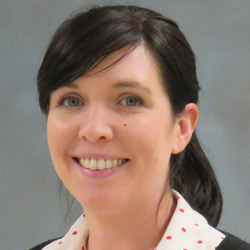
Stephany Lewis — DVM, CWR, DABVP (Avian Practice)

Director, Wildlife Medical Clinic

Clinical Assistant Professor

Dr. Stephany Lewis has been involved in wildlife rehabilitation since 2009. She received her DVM from Tufts University in 2015 and completed an internship in small animal medicine and surgery at Michigan State University. Dr. Lewis then completed a one-year internship in wildlife and conservation medicine at Tufts Wildlife Clinic in 2017.

She has worked as the full-time staff veterinarian at California Wildlife Center and Ojai Raptor Center and is currently a clinical assistant professor and director of the Wildlife Medical Clinic at the University of Illinois College of Veterinary Medicine.

Dr. Lewis is a certified wildlife rehabilitator by the International Wildlife Rehabilitation Council. In 2023, she became board-certified in avian practice by the American Board of Veterinary Practitioners.


Wildlife Laws and Regulations for the Practitioner

Veterinarians who work with native wildlife in the United States may include those working in wildlife rehabilitation centers, zoos, government, research, or academia, but the majority of native wildlife are treated by private practitioners. Regardless of circumstances, however, all veterinarians who wish to treat native wildlife must be aware of the laws and regulations that govern this work.

This session will discuss the many regulations surrounding veterinary work with releasable and non-releasable native wildlife in the United States.
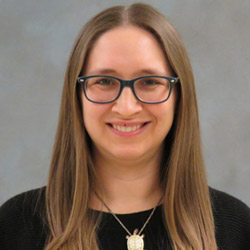
Laura Adamovicz — DVM, PhD

Clinical Assistant Professor

Dr. Laura Adamovicz is a wildlife veterinarian, an epidemiologist, the co-director of the Wildlife Epidemiology Laboratory, and a clinical assistant professor at the University of Illinois. She earned her DVM from the Virginia-Maryland Regional College of Veterinary Medicine in 2012 and obtained her PhD in epidemiology from the University of Illinois in 2019.

Dr. Adamovicz’s research focuses on developing diagnostic tests for infectious diseases in wildlife, exotics, and zoo animals, and incorporating health assessment data into wildlife conservation strategies. While her research efforts include all taxa, Dr. Adamovicz has been largely focused on reptiles and amphibians for the last 11 years and is excited to talk to you about these wonderful animals today.


Reptile Physical Exam and Clinical Techniques

This lecture will review the fundamentals of species identification, anatomic features, safe handling, physical examination, venipuncture sites, and injection sites in reptiles. This information provides a solid foundation for understanding the clinical assessment of reptile patients.

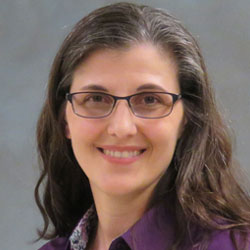
Judilee Marrow – DVM, DACZM

Clinical Assistant Professor

Judilee Marrow, DVM, DACZM, is a Clinical Assistant Professor of Zoological Medicine at the University of Illinois Urbana-Champaign. She earned her Doctor of Veterinary Medicine degree from the University of Illinois, followed by a small animal rotating internship and specialized internships and residency training in exotics, wildlife, and zoo animal medicine, including a zoological medicine residency at Smithsonian’s National Zoological Park. Dr. Marrow is a board-certified diplomate of the American College of Zoological Medicine and has held staff veterinarian positions at major accredited zoos prior to joining academia. She is an internationally invited speaker and educator, with clinical, teaching, and research interests spanning zoological companion animals, dentistry, anesthesia, radiology, and evidence-based veterinary care across diverse taxa.


Backyard Poultry Basics

Backyard Poultry Basics provides a practical, case-based approach to the evaluation and management of common health problems encountered in backyard poultry. This lecture emphasizes effective history-taking, hands-on physical examination, diagnostic decision-making, and treatment considerations unique to chickens as food-producing animals. Attendees will review common presentations—including reproductive disease, trauma, parasitism, pododermatitis, diarrhea, ocular disease, and Marek’s disease—while gaining guidance on regulatory considerations, client education, and flock-level health management.

Fall Conference
2001 S. Lincoln Avenue
Urbana, IL 61802
217-300-7439