What is Canine Distemper Virus (CDV)?
Canine Distemper Virus is a highly contagious and often fatal virus that can affect the respiratory, gastrointestinal, and nervous systems of animals. These locations make sense when considering these are all systems that contain rapidly-dividing cells, which the virus loves to replicate in. You may have also heard of CDV through your local veterinarian as protection against this virus is part of the core vaccine series recommended for every dog by the American Animal Hospital Association (AAHA). Among the consequences of infection, immune suppression is the #1 reason behind its mass mortality, as it leaves its host extremely susceptible to other diseases, particularly in young. Mortality rates for distemper can vary from 50% in adult dogs to even 80% in puppies, unvaccinated pets unfortunately being the most commonly affected. But despite its name, it is crucial to note that this virus does not limit itself to canines; CDV can infect a wide range of species!
Who else can be affected by CDV?
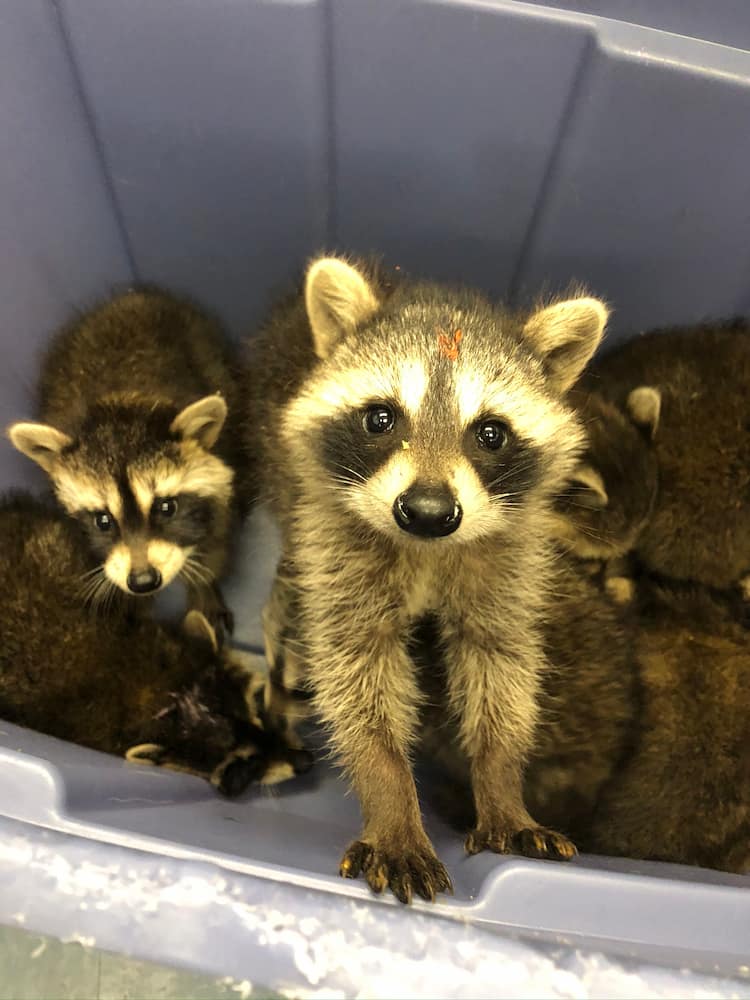
While domestic dogs are the most well‑known hosts, Distemper can infect a variety of wildlife. Susceptible species include:
- Raccoons
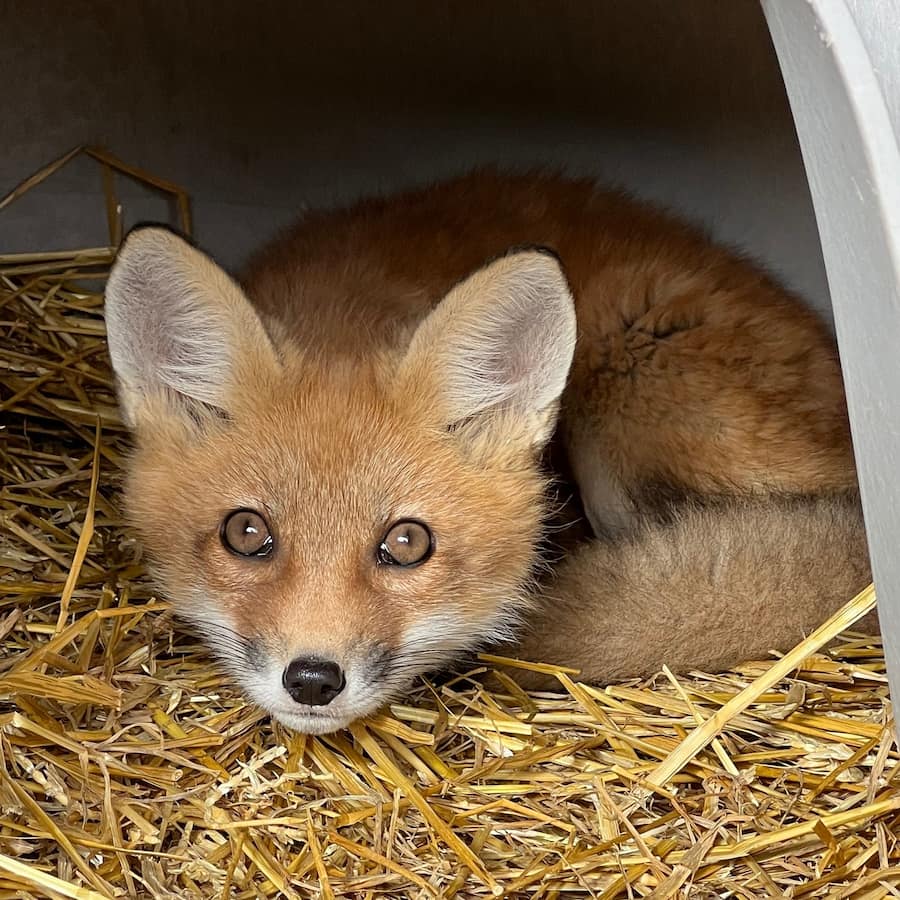
- Foxes
- Coyotes
- Skunks
- Ferrets — 99.9% mortality rate when unvaccinated
- Domestic and large cats — less common
- Some species of seals
This broad host range means that CDV can move between pets and wildlife with surprising ease. This is also how it creates a cycle of infection that is hard to break without implementing community-wide prevention efforts, which you may figure is no easy fit.
What makes CDV especially tricky is that animals can shed the virus for weeks, even when they look healthy. Just think about it, how many possibilities are there for any of these species to come into direct or indirect contact with our pets? A sick raccoon could wander through your backyard and spread the virus before it starts showing any symptoms. Your dog may also happen to interact with a seemingly healthy fox or other creature carrying the disease (or their biological by-products) during your monthly hike. It’s also easy to forget the route goes both ways. Our own pets, regardless of the source of infection, can also carry the disease onto others. The long list of hosts and possibilities of spread is one of the reasons CDV remains such an important One Health concern, as its impact can certainly extend past our homes and into the ecosystems around us.
What happens when an animal becomes infected?
CDV spreads through respiratory droplets (i.e. coughing or sneezing) and bodily fluids including saliva, urine, and feces. Once infected, there is a 10-14 day incubation period where the virus is settling in and replicating. An animal may then show initially mild and cold-like signs:
- Fever
- Watery eyes or nasal discharge
- Tiredness
- Decreased appetite
As the virus progresses, the symptoms can worsen as well:
- Vomiting or diarrhea
- Pneumonia (i.e. trouble breathing, persistent coughing, lethargy…)
- Thickened paw pads (AKA, the classic “Hard pad disease” sign)
If the virus then reaches the nervous system, animals may develop neurologic signs like muscle twitching, seizures, or trouble walking (stumbling). Unfortunately, these are often permanent and can be fatal.
What you can do to help:
Vaccinate Your Pets:
Vaccination is the most powerful tool we have! The distemper vaccine has been proven safe, effective, and widely recommended for all dogs regardless of lifestyle. From an objective perspective, the benefits can outweigh the risks. It offers protection for your dog against the life‑threatening disease, prevents the virus from spreading to wildlife, plus helps keep local ecosystems balanced.
Feeders and Keeping Wildlife Wild:
Feeding wildlife or leaving food outdoors creates gathering spots where CDV can spread easily through increased close contact and shared surfaces. It is important to note that animals that become dependent on human‑provided food may also lose essential survival skills, making them more vulnerable over time. Allowing wildlife to find natural food sources is safest, but in the case you choose to feed certain species, consider using methods that limit cross‑species contact and keep feeders clean. Simple choices, like hanging bird feeders high enough to deter raccoons and foxes or using small openings that discourage squirrels, help reduce CDV spread and support healthier wildlife communities.
Report Sick Wildlife:
If you see a wild animal acting strangely (i.e. notice stumbling, twitching, or being friendlier than appropriate), contact your local wildlife rehabilitation center or animal control. These behaviors may signal CDV or another serious illness.
Stay Informed with Reliable Sources:
Because misinformation can lead to harm, it is crucial to aim for reliable, science‑based resources to stay up to date on related topics. Some examples of organizations that provide trustworthy information on disease outbreaks, vaccination guidelines, and wildlife health include:
- American Veterinary Medical Association (AVMA)
- Centers for Disease Control and Prevention (CDC)
- World Organisation for Animal Health (WOAH)
- Veterinary school and wildlife clinic websites
- State public health or natural resources departments
As a final gentle reminder: Never hesitate to reach out! Your care makes a difference, plus people in this field of work are often happy to support you and grateful for your efforts.
Written By: Jennifer G., Class of 2026