Secondary Rodenticide Poisoning in Raptors
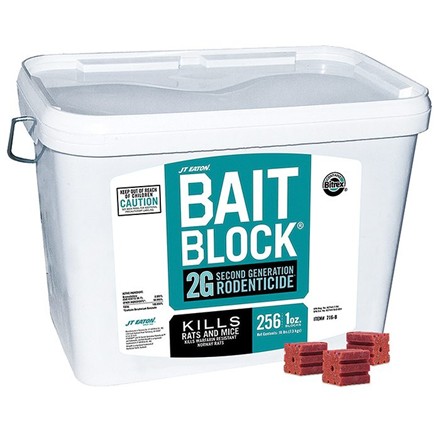
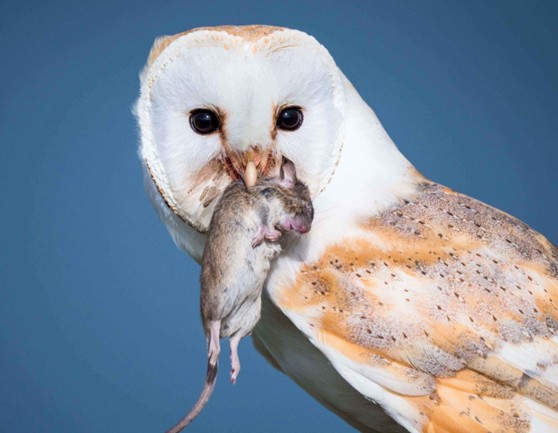
It is a quick fix many homeowners use when facing a rodent problem: setting out a few bait stations filled with tasty poison. What most don’t realize is that these poisons do not work instantly. The target mouse or rat may live for days after consuming the bait, becoming slow, disoriented, and a temptingly easy target for a hungry hawk or owl. The result is a tragic effect known as secondary poisoning, where our natural, feathered pest controllers become the unwitting victims.
How do Anticoagulant Rodenticides Work?
Anticoagulant rodenticides operate by inhibiting an enzyme that regenerates vitamin K. Vitamin K is necessary for the production and activation of several clotting factors. Therefore, when vitamin K is inhibited, we see issues with blood clotting. In high enough doses, the poisoned animal ultimately suffers an unpleasant death from severe internal bleeding. However, this process is not immediate; rodents can survive for days after ingesting a lethal dose. During this prolonged decline, intoxicated rodents often behave erratically, staggering, in a lethargic state, and spending more time in open areas rather than seeking cover. This behavior makes them easy prey for hunting raptors.
There are first- and second-generation anticoagulant rodenticides. The older first-generation rodenticides have a lower potency and require multiple feedings. The danger is significantly magnified by second-generation anticoagulant rodenticides (SGARs), which are highly potent and metabolize very slowly. Because SGARs can persist in a rodent’s liver and other tissues for over six months, predators that eat multiple poisoned rodents can more easily accumulate fatal doses in their own bodies.
Signs We See in Our Raptor Patients
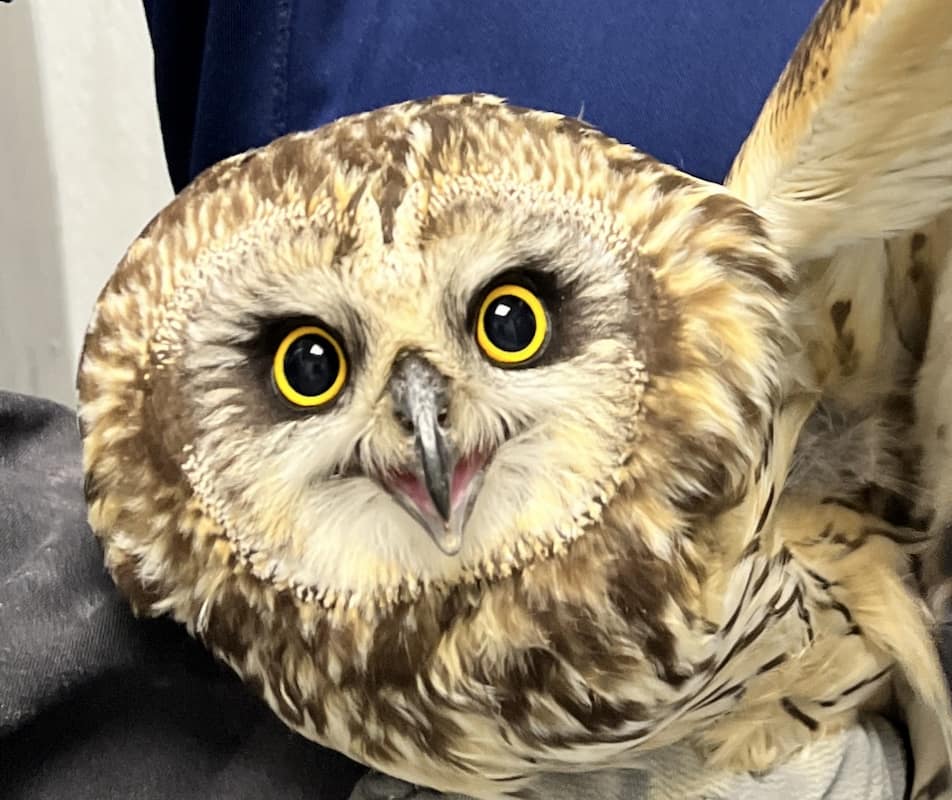
These predatory birds with anticoagulant toxicity often present with pale mucous membranes and anemia. They are typically weak or lethargic, sometimes exhibiting difficulty breathing and visible discomfort. A major clue that we could be dealing with an anticoagulant rodenticide poisoning is subcutaneous ecchymoses, which is bruising or pooling of blood just beneath the skin. Because their blood cannot clot, these birds may also bleed profusely from even the most minor, superficial wounds.
How We Treat It
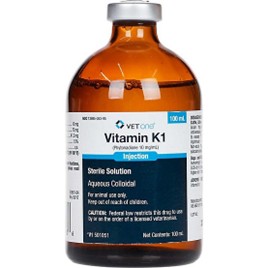
The foundation of treatment for any bird we suspect to have anticoagulant rodenticide poisoning is replacing the depleted vitamin K by administering Vitamin K1. This is initially given via injection until the bird is stabilized and then can be given orally daily for at least three weeks. A blood transfusion is also warranted for birds that are severely anemic, which will help replace both the red blood cells and clotting factors that have been lost. Other treatments include rest, oxygen support if there is difficulty breathing, and nutritional support to give these patients the best possible chance of eventually returning to the wild.
Better Pest Control Alternatives
To protect our local wildlife, those looking to rid their property of rodents should pivot toward more sustainable and ethical pest management strategies. The most effective first steps involve preventing infestations entirely by securing food sources and sealing entry points around the home, combined with monitoring for early signs of rodent activity. When active control is needed, catch-and-release traps offer an ethical solution that completely avoids introducing toxins into the food web. These traps should be checked often to ensure that animals caught in them do not starve or dehydrate. Consumers should, however, avoid using glue traps, which cause prolonged and unnecessary suffering for the captured animal.
If chemical intervention becomes absolutely necessary, opting for first-generation rodenticides (such as warfarin) is a safer chemical choice than second-generation poisons. First-generation formulas break down faster in the body and pose a significantly lower risk of secondary poisoning to raptors. By making informed choices, we can effectively and ethically manage household pests without inadvertently poisoning the wildlife that naturally keeps their populations in check.
Written By: Kayla K., Class of 2027