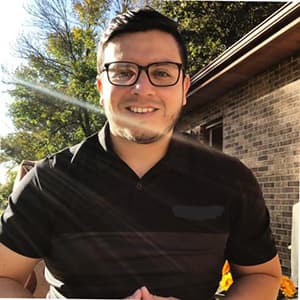
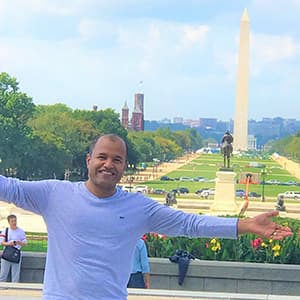
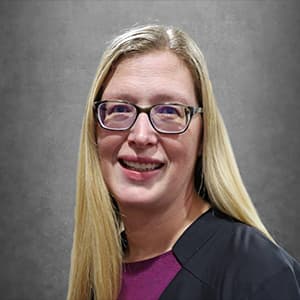
Brian D. Roggow, DVM

Part-Time and Online Student

Tell us about your background (education and current work experience).

I am a consulting Swine Veterinarian and Director of Swine Health for the Fairmont Veterinary Clinic in Fairmont Minnesota. I am a DVM graduate of the University of Minnesota College of Veterinary Medicine and an EVP graduate of the University of Illinois College of Veterinary Medicine.

How did you become interested in the Master of Veterinary Science degree program?

It was a personal goal of mine to complete a master’s degree right after I completed the EVP program but life outside of veterinary medicine got in the way. Many years later I received an email from the U of I notifying me that my EVP credits were still available for a master’s degree through the MVS program. I realized that my personal goal was still a possibility even after a nearly 25-year wait! Better late than never!

What sets the MVS degree/program apart from other programs you’ve either participated in or considered?

The use of technology sets the MVS program apart from the other programs. I could perform my job duties and not have to travel for course work.

Tell us about a course in the program that impacted you? How was the content useful?

Livestock Systems with Dr. Lowe. It was very useful for me to interact with others in the class and see different ways to solve the livestock production issues I see on a daily basis.

The MVS degree helps students “discover what’s next” in their career? What’s next for you?

Slowing down is the next move for my career. Instead of working 60+ hours a week, I am planning to work half-time (30 hours a week) and I would like to use that time for research projects within our veterinary group.

What is one thing about the program you would say to someone considering this degree?

You can accomplish your degree goal with this program while holding down a full time-plus career. The technology of this program makes it possible.

Return to Student Spotlight

Mallareigh Moser

Part-Time and Online Student

Tell us about your background (education and current work experience).

Hello! I am Mallareigh Moser and I am a graduate of Iowa State University with a bachelor’s in Animal Science (Spring 2022)! I currently work as a Study Technician at Labcorp Drug Development in Madison, Wisconsin working with non-human primates and canines in drug metabolism studies.

How did you become interested in the Master of Veterinary Science degree program?

I found the program a week before my graduation from Iowa State and also, unfortunately, received my last denial to veterinary school at that time as well. The program fits very well with my large animal background and career goals in the future. The cost and convenience of being all online was another factor in my decision.

What sets the MVS degree/program apart from other programs you’ve either participated in or considered?

I feel that the MVS professors genuinely care about your well-being while also challenging you academically. It also allows you to continue working and gaining valuable experience outside of an academic setting which many other programs can’t say they allow this flexibility.

Tell us about a course in the program that impacted you? How was the content useful?

I had a fantastic experience in the VCM 513- Science of Health Homeostasis (from the certificate program) class. This class not only helped me immensely in my job considering it is in drug metabolism, but also because it really gave me the feeling that we aren’t inferior to veterinary students. It was challenging and rewarding, especially considering the group structure of the course.

The MVS degree helps students “discover what’s next” in their career? What’s next for you?

I plan to attend veterinary school to become a large animal practitioner! Long term goal, I plan to teach at a veterinary school or work in research/government.

What is one thing about the program you would say to someone considering this degree?

This program has genuinely made me a better overall person, student, and scientist. Even if you aren’t interested in livestock, please consider the program anyway. There are so many valuable resources and content that is learned as part of this program.

Return to Student Spotlight

Cristina Gross

Part-Time and Online Student

Tell us about your background (education and current work experience).

In 2020, I graduated from Universidad San Francisco de Quito in my home country, Ecuador, with a degree in veterinary medicine. I worked at a small, family-owned dairy farm for 2 years before moving to the United States with the goal to pursue a career in the dairy industry.

How did you become interested in the Master of Veterinary Science degree program?

I was looking for a degree related to the food animal industry that would provide me with the tools that are needed to kickstart the career I want and that would complement my veterinary background. 

What sets the MVS degree/program apart from other programs you’ve either participated in or considered?

The MVS degree is exactly what I wanted: 100% online, flexible, and with a broad industry scope. As a veterinarian who wants to be more than just a clinician, this is the program that will allow me to do more than I previously could.

Tell us about a course in the program that impacted you? How was the content useful?

VCM 568 – Operation of Livestock-Based Food Production Systems I was a fantastic, challenging course that really put me out of my comfort zone and expanded my horizons and understanding of the industry. It has developed my critical thinking skills further and has given me the tools I need to be able to solve problems in real-life situations.

The MVS degree helps students “discover what’s next” in their career? What’s next for you?

At this point, anything could be next! I started the degree thinking the dairy business would be my end goal, but I’ve discovered that there are more possibilities than I previously thought. Farm manager, consultant, auditor, or even starting my own homestead, I am open to the opportunities that are out there. Dairy and beekeeping industries are two of my main interests.

What is one thing about the program you would say to someone considering this degree?

The quality of the courses is top-notch and the instructors will always be the best aids to student learning.

Return to Student Spotlight

Marissa Pietz

Part-Time and Online Student

Tell us about your background.

I originally started as a kennel assistant when I was 16 in high school, and this year is my 12th year working in veterinary medicine. I received my veterinary certificate in 2015, and then earned my Associate’s in Natural Sciences and Mathematics at Napa Valley College. I graduated in 2021 with my Bachelors in Animal Science from UC Davis where I specialized in companion/captive species and minored in Medical-Veterinary Entomology.  I currently work at UC Davis as an Instructional Support Facilitator and Animal Health Technician II, it’s a mouthful, but I basically just support didactic instruction for our School of Veterinary Medicine. I absolutely love working here with my team and enjoy our students and the menagerie of creatures we get to experience!

How did you become interested in the Master of Veterinary Science degree program?

I was looking for a graduate-level program that was something I was truly passionate about. I didn’t feel like general animal science or microbiology were the right fit, and I really wanted to focus on veterinary sciences and challenge myself with a subject I love studying. It turns out options for programs are limited- especially for someone who works as much as I do! I spoke with a counselor (Clarissa) on the phone after looking at other colleges and knew immediately it was the right fit! I felt right at home.

What sets the MVS degree/program apart from other programs you’ve either participated in or considered?

I love that I am able to focus on livestock and herd health, since that is something I have less formal education on. It has helped with shifting my focus from that ‘individual patient’ mindset to herds as their own living breathing entity.

Tell us about a course in the program that impacted you? How was the content useful?

I have been able to expand my skills with biosecurity through learning how to formally create protocols. I love Dr. Lowe and Dr. Blairs textbooks and that they don’t try to overcomplicate things or make ideas harder than they need to be. Occam’s Razor is something Lowe mentions, and that has stuck with me!  Specifically, the two biosecurity courses (VCM560/561) have been really useful to me.

The MVS degree helps students “discover what’s next” in their career? What’s next for you?

I am pursuing my DVM next! I was just accepted into veterinary school, although I have not yet decided where I will be going yet. I am so excited to be moving on to this next chapter in my life and continue my path of lifelong learning. I believe working on my MVS made me a more competitive candidate and helped to better prepare me for veterinary school.

What is one thing about the program you would say to someone considering this degree?

Two words: DO IT! I have really enjoyed the instructors, counselors, and curriculum in this course! I feel connected despite being all the way in California and have even made some friends! The instructors understand and respect that most of the students work full-time and have very realistic expectations. I am so happy that I have had this opportunity, and it has been very manageable for me with my job.

Return to Student Spotlight

Irina Pernoll

Tell us about your background.

I have a Bachelor of Arts in French & Political Science & Art History, a Master’s in business administration and a Master of Arts from the Institut Politiques de Paris.

I worked for 20 years in the tech industry, focused on all aspects of marketing. In the last couple of years, I joined a family-owned ranch, a diversified cow-calf and commercial hay operation.

How did you become interested in the Master of Veterinary Science degree program?

When I became involved in running the family ranch, I decided to learn more about livestock management, cattle anatomy & physiology, livestock disease management, etc. I had the skill set to run the business operations but needed to learn more about animal science.

Now that you are finishing the degree program, what will you do next?

The program has been a tremendous help already, as I tackle various livestock related issues on the ranch. Over time I might explore other jobs in the industry if I leave the family business. The degree has given me the animal and industry knowledge, which combined with my MBA and the skillset of running a business, makes me a strong candidate for a variety of positions.

What is one thing about the program you would say to someone considering this degree?

If you have an interest in livestock, this program will give you a solid foundation. All you need is the interest and intellectual curiosity. Don’t let a lack of veterinary background hold you back from applying or enrolling. You can do it!

Return to Student Spotlight

Molly Stanavage

Tell us about your background.

I grew up on a small diversified farm in CT primarily raising egg laying chickens and managing honey bee colonies. I attended the University of Connecticut earning an Associate’s and Bachelor’s in Animal Science. Following those formal years, I pursued a Master’s degree in Curriculum and Instruction and once the program finished began my current career as an agricultural teacher at a high school. I enjoy the educational aspects working with kids to help them broaden horizons while operating a regenerative family farm on the side.

How did you become interested in the Master of Veterinary Science degree program?

I was interested in the Master of Veterinary Science program because of the opportunities to apply various concepts to both my school and farm. I was looking for a way to get an additional master’s for an affordable price and this fit the bill best.

Now that you are finishing the degree program, what will you do next?

Upon completion of the program, this degree will allow me to better educate my students.

What is one thing about the program you would say to someone considering this degree?

This program would be good for anyone who is looking to learn about thinking differently in relation to livestock management. There are aspects of veterinary medicine, biosecurity and business management all wrapped up in one degree.

Return to Student Spotlight

Richard Paz

Tell us about your background.

My journey in the swine industry started back in Peru, the country where I was born and raised. After I earned my Veterinary Medicine and Zootechnics degree from Cayetano Heredia University in 2011, I crossed various roles in the swine related-industry, including a manager for a local farm, a private consultant for pork producers, and a swine technical consultant in a commercial laboratory company.

In 2016, I had the opportunity to work as a Regional Trainer for 3 years in one of the largest and most recognized pork companies in the Midwest, Pipestone Systems. The experience was incredible. I gained more experience and skills related to production, health, biosecurity, safety and animal welfare by working closely with great professionals, having Dr. Cara Haden as one of my guides on this path.

I also worked as a Breeding Lead in a 5,600 sow farm unit for Country View Family Farms in Pennsylvania. It was a great learning experience in production and personnel management as well.

Currently, I am employed by CBSET, Inc. working as a Herd Manager in Massachusetts and overseeing the health and production of this system.

How did you become interested in the Master of Veterinary Science degree program?

Shortly after I started working in the states, I considered furthering my education. I was looking for a master’s degree related to my career, so I started looking into some graduate programs and MBAs. That is how I found out that UIUC was launching the MVS program with a major in Livestock Health Systems; I knew that I had to enroll in this program. One of the advantages of this program is that it is an online format which is ideal for those who are working and want to continue educating themselves. Another thing that caught my attention was the faculty and the background and experience of the instructors in the program.

Tell us about your favorite course in the program?

It is between VCM 569 (A Systems-Based Approach to the Operation of Livestock-Based Food Production Systems II) and VCM562 (Understanding the Host Response to Infection). The first because it made us think outside the box to identify different constrains and what techniques apply to the management of the supply chain for livestock based food systems. And, VCM 562 because it is designed for small group work/discussion, including new cases every week that allowed us to apply rational, systematic data for investigating health challenges at both individual and population level. It also challenged us to develop a health protocol for any specific livestock system.

The content of these courses will help me a lot in my career, since as a veterinarian the use of new techniques on the farm to counteract infections and prevent health challenges is very important and will also help me from the productive side, analyzing and improving the supply chain of the entire systems.

Now that you are finishing the degree program, what will you do next?

After finishing this program, I would like to continue studying and updating myself in the swine industry. I believe that you never stop learning new things, and this program has helped me a lot in my personal and professional development, meeting colleagues and people who love what they do, and sharing with them knowledge in this industry that fills me with optimism and joy. The knowledge I have gained from this program has given me a solid foundation of skills to be able to function in my current job as Herd Manager.

What is one thing about the program you would say to someone considering this degree?

It does not matter if you have a couple of years or more than 20 years working in ranching, corporate production, research and development, education, veterinary medicine, government, quality control, or other industries, the master of veterinary science (MVS) degree is designed to increase your skills and capabilities to identify the best solutions and techniques to solve problems in a food based system. This program will provide you with different ideas, perspectives from professionals in your field and, the best of all, you can do it online without interfering your responsibilities.

Return to Student Spotlight
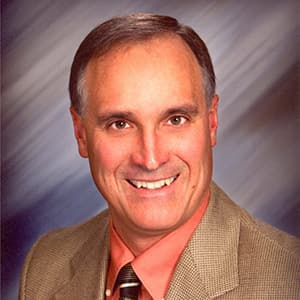
Essam Otefi

Tell us about your background.

My name is Essam Otefi, and I grew up in Egypt’s beautiful coastal city of Alexandria. I earned my veterinary medicine degree from Faculty of Veterinary Medicine, Alexandria University in 1999. I currently work as a Supervisory Public Health Veterinarian (SPHV) for the United States Department of Agriculture-Food Safety Inspection Service (USDA-FSIS). I have over a decade of food safety work related experience, and I enjoy working autonomously and as a part of a multidisciplinary team of food safety scientists. I conduct food safety assessment of multiple slaughter and processing establishments to ensure processes, procedures, facilities, and equipment are technically and scientifically sound and meet regulatory and public health protection regulations. As a public health veterinarian, I also ensure that plants meet requirements of the Pathogen Reduction and Hazard Analysis and Critical Control Point (HACCP) regulations. I direct ante-mortem and post-mortem inspection of livestock and poultry to detect, identify and diagnose conditions that may render food product unfit for human consumption. Furthermore, I oversee the humane handling and slaughter of livestock and provide veterinary medical expertise on the proper disposition of animals and carcasses.

How did you become interested in the Master of Veterinary Science degree program?

Dr. J. Lowe had drawn my attention to the new MVS program during the VCM 560 (Livestock Infectious Disease) class. Dr. Lowe has a wealth of academic and practical knowledge, and I was impressed with his instruction and believed the class was outstanding. Therefore, I decided to apply for the Master of Veterinary Science degree program. In addition, earning a master’s degree within the veterinary profession is a natural progression, to build upon my experience and take my knowledge to the next level. Furthermore, I selected the MVS degree program on the basis that it would provide me with a good academic foundation for a wide variety of potential promotional career options within the USDA-FSIS. Finally, there is no argument that the last two years have significantly changed and affected our lives. Isolation has forced us to slow down and assess our own priorities and personal goals. Thus, getting out of the COVID-19 emotional rut was also one of the reasons that I selected the MVS degree program.

Tell us about your favorite course in the program?

My favorite course in the program was VCM 562 (Understanding the Host Response to Infection). I liked that Dr. Brian Aldridge made the class fun and came up with activities that challenged us to enhance and develop clinical reasoning skills and become expert clinical diagnosticians. The course environment felt like a welcoming place to express our ideas and learn how to establish a Case Definition blueprints easily. The course assignments (readings, assigned problems, videos, etc.…) facilitated my learning and made it worthwhile. The course focused on developing our diagnostic skills in an unconventional way, and it was organized in a manner that helped me understand the underlying concepts. The lecture provided me with unique view on disease, changed the way that I approach its detection and the way I think about health problems in general. Therefore, I was able to develop a solid foundation in a clinical problem-solving approach that applies the basic principles of health science in the investigation of respiratory, gastrointestinal, reproductive, and systemic health problems in individual animals that are part of a livestock production system. In addition, the course increased my ability to collaborate and work in teams. As a whole, the experience made me realize that things seem less overwhelming once I actually dive in, and that is something I plan to keep in mind as I continue my professional life.

Now that you are finishing the degree program, what will you do next?

Upon completion of the MVS degree program, I will continue to work as a supervisory public health veterinarian for the USDA-FSIS. The knowledge I gained from the MVS degree program provided me with a foundation of skills, that I think are so incredibly valuable for my existing career. Moreover, my advanced knowledge and practical skills will put me in a strong position to move on to a PhD or a research career if I want to.

What is one thing about the program you would say to someone considering this degree?

The structure of the MVS program provides the flexibility to complete it at a pace that work best with your busy life. The program will increase your ability to identify, formulate and solve problems. All instructors effectively organize and facilitate well-run learning activities and environments. The UIUC association and reputation even for online students carries a lot of weight and will help open doors that might otherwise be closed. Sometimes your path feels long and challenging, and it can be difficult to maintain your energy and ambition. However, think of the significant impact receiving a master’s degree can have on your professional life. I hope you take this opportunity to contemplate and reflect on the importance of further learning through this exciting MVS program. 

Return to Student Spotlight

Melissa Billing

Tell us about your background.

I wanted to be a veterinarian since I was six years old.  However, I was most familiar with small animal medicine until after graduation from Wilmington College of Ohio, when I went to work on a local sow farm.  That is where I fell in love with pigs and population medicine!  Soon I entered vet school with a budding interest in swine medicine.  When I graduated from The Ohio State University, College of Veterinary Medicine, I headed to North Carolina to work as a swine production veterinarian for the largest hog production company in the world.  It was a wonderful experience!  After 10 years in NC, I was able to return to my hometown in Ohio and now I am employed by Boehringer Ingelheim Animal Health working as Key Account Veterinarian.  In addition, I am active in the American Association of Swine Veterinarians (AASV) serving on the Board of Directors. 

How did you become interested in the Master of Veterinary Science degree program?

I was really drawn to the fact that the program is completely online.  I am a busy working mother with two teenage daughters and a full-time job plus I am active in our church and the community.  Earning an additional degree seemed impossible before this program.

Tell us about your favorite course in the program?

I really enjoyed all the classes that I took at the University of Illinois.  One of my favorite classes was VCM 562 because we were assigned to work in small groups with other students in the program.  I appreciated getting to meet the other people in my class (even if it was virtually).  I also really liked VCM 565 because it was challenging but on the other hand it was also very practical.  I will incorporate my learnings from this class to design better scientific studies.  

Now that you are finishing the degree program, what will you do next?

I plan to stay in the swine industry and utilize the knowledge I have gained to help producers and other veterinarians.  I feel that this program has equipped me with the skills to provide scientific and practical solutions for the swine industry.

What is one thing about the program you would say to someone considering this degree?

This program is very manageable!  I often thought about getting a Master’s degree or an MBA but I didn’t know how I would be able to fit it in while working full time and raising a family.  I am so thankful that I found a way to achieve my goal without interfering with my other responsibilities. 

Return to Student Spotlight
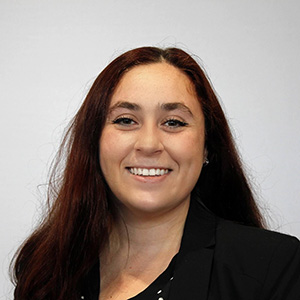
Brian Spannagel

Tell us about your background.

I was fortunate to be born and raised on a diversified farm outside of Villa Grove, IL.  While most of the farm comprised of grain production, we also raised cattle as well as ventures into swine and poultry through our 4-H projects.  Upon graduation, I attended Southern Illinois University Carbondale and received a BS in Agricultural Education and minor in Animal Science.  Most importantly, I met my wife of 11 years while at SIUC.   

During my collegiate career, I was fortunate to have mentors such as Dr. Gary Apgar help guide and share several of the opportunities within the swine industry.  This led to working on campus at the Swine Research Center and participating in summer internships with swine production systems which further fueled my passion for the industry. 

Over the past 12 years, I have been blessed with a career in the swine industry crossing several different facets including pork production, procurement, health, and nutrition.  Today, I serve as a Key Account Manager for Kemin Animal Nutrition & Health and based in Southeast Iowa.

How did you become interested in the Master of Veterinary Science degree program?

A friend in the industry shared that UIUC was launching the MVS program.  While I had considered furthering my education for a while, I was not content pursuing the traditional MBA programs.  What I really enjoy and appreciate about the MVS program is the wide scope of courses available.  Within a given semester, there may be a course focused on topics commonly found in MBA programs while the next course offers topics commonly found in MS programs.  I appreciate the applicability of the content and that the program is offered online allowing us to further our education while continuing our professional careers.

Tell us about your favorite course in the program?

My favorite courses thus far have been VCM 568 (A Systems-Based Approach to the Operation of Livestock-Based Food Production Systems I) and VCM 565 (Biostatistics, Information Management, & Data Analytics for Livestock Production Systems).  I really enjoyed VCM 568 because it challenged us to identify constraints within systems and to consider how proposed changes may impact the entire system—not just a silo within a system.  In comparison, I recently completed VCM 565 which was the most challenging course to date, but most rewarding.  This course was unique in that it not only challenged us in statistics, but also served as an introduction to coding programs for analyzing large data sets.  As I consider future applications of trial designs, data collection, and analysis—this was likely the most valuable.

Now that you are finishing the degree program, what will you do next?

Throughout my career, there have been numerous changes in trends and dynamics of the swine industry.  To paraphrase a wise friend, “If you’re not working every day to grow and evolve, you’re 1 day closer to being obsolete.”  What I appreciate from this program is the insight and perspective it has given me to continue to be knowledgeable and trusted resource for the systems in which I serve.

What is one thing about the program you would say to someone considering this degree?

I would encourage anyone involved in animal protein production to consider this program.  Whether your current career is in animal production, procurement, health, nutrition, or other allied industries—there are relevant ideas and concepts to be gained from the program.  Additionally, the insights and perspective discovered during the program will better equip students in their current roles as well as prepare them for future careers.

Return to Student Spotlight
Master of Veterinary Science
2938 Veterinary Medicine Basic Sciences Building
2001 South Lincoln Avenue
Urbana, IL 61802
217-300-7439