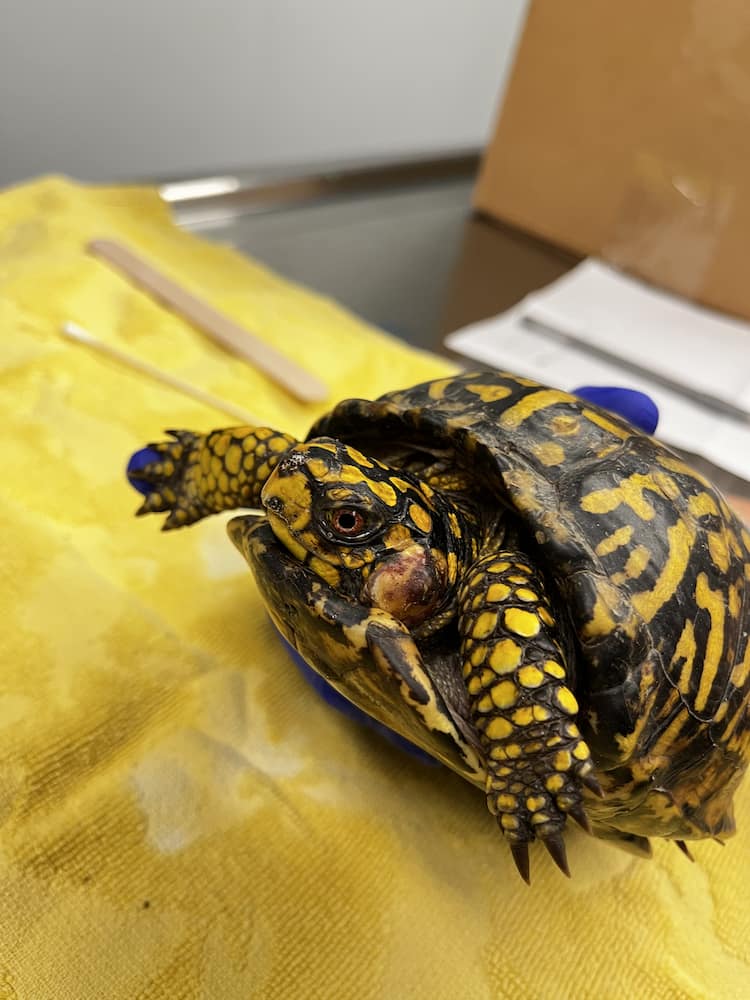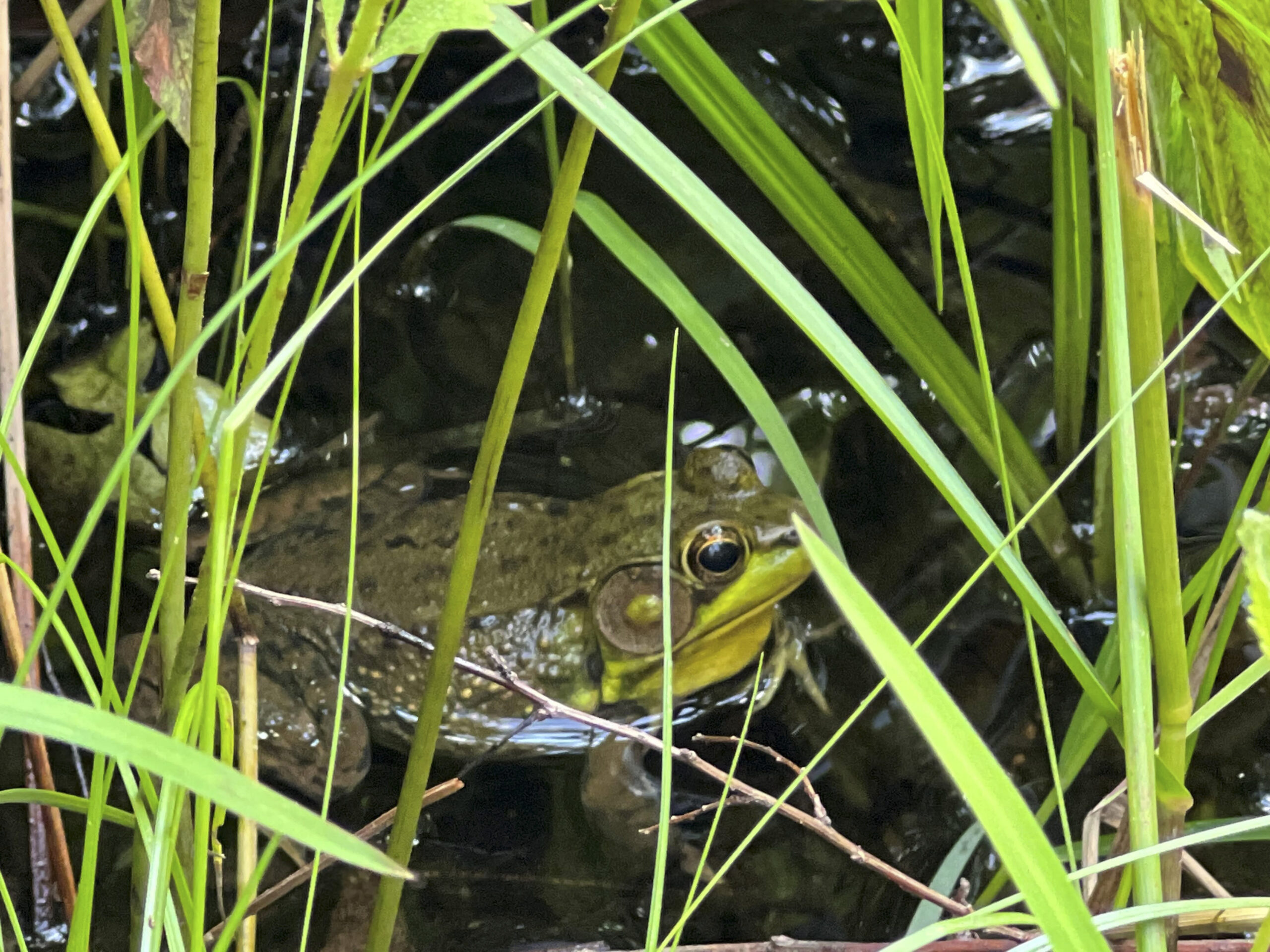
Chytridomycosis is a fungal disease cause by Batrachochytrium dendrobatidis and Batrachochytriu salamadrivorans. This disease infects amphibians, effecting frogs the most. It has led to the decline and extinction of amphibian species across the globe. Scientists have been searching for ways to combat this disease. This article outlines two novel treatments of this disease.
Saunas For Frogs?
Although it sounds hard to believe, scientists in Australia have found that Hotspot Shelters, which are basically saunas for frogs, may be a new way to help combat Chytridiomycosis in wild frog populations.
Hotspot Shelters use the sun to generate heated shelters that use the fungus’ properties and frogs natural desire for heat to kill the fungus. B. dendrobatidis thrives in cooler weather and its virulence decreases in temperatures over 86 ℉ , which is the temperature inside a hotspot. In their study, scientists found that in both lab and semi-wild settings, frogs prefer to hang out in hotspots and that by hanging out in these hotspots for extended periods of time, they were able to clear Chytridiomycosis infections. Additionally, by clearing the infection, the frogs were able to develop immunity to B. dendrobatidis; thus, they are protected from future exposures to the fungus!
The benefits of hotspot shelters has been theorized by scientists for a while, but this is the first study to provide empirical evidence of their benefits. Hotspot shelters are relatively cheap and easy to make, which means they can be effective management tool of Chytridiomycosis in the wild! It is also theorized that hotspot shelters may be beneficial for other fungal diseases that effect wildlife such as White-Nose Syndrome in bats or snake fungal diseases!
Fighting Disease with more Disease?
Another potential treatment for Chytridiomycosis could come from secondary metabolitesof bacteria in the genus Xenorhabdus. Secondary metabolites are compounds produced by a living organism that don’t effect their growth, but offer some sort of advantage to the organism.
In this case, the secondary metabolites of interest are anti-fungals. The potential benefits of Xenorhabdus genus bacteria were first shown in 2023 and have been confirmed in a few other species since. All of these studies have found that in vitro, the metabolites from Xenorhabdus are able to completely halt the growth of B. dendrobatidis. When tested on living frogs infected with Chytridiomycosis, they found that treatment with Xenorhabdius metabolites was able to reduce the infection by almost 75%; thus, greatly increasing the survival of these animals. Additionally, no major side-effects were reported with this treatment. Although more research is needed, metabolites of Xenorhabdus species appear to be a potential treatment for Chytridioycosis, especially in rehab settings where repeated treatments are possible!
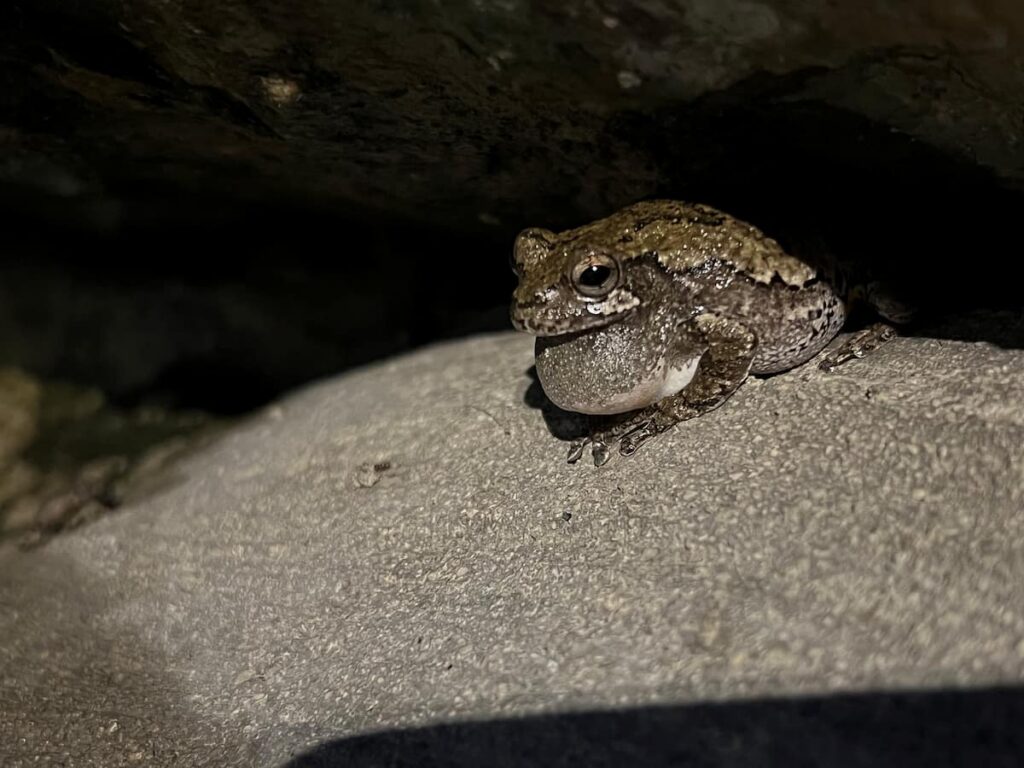
*The images in this article do not depict frogs infected with Chytridiomycosis. *
Sources
Hotspot Study: Waddle, A.W., Clulow, S., Aquilina, A. et al. Hotspot shelters stimulate frog resistance to chytridiomycosis. Nature 631, 344–349 (2024).
Xenorhabdus Study: Ujszegi, J., Boros, Z., Fodor, A. et al. Metabolites of Xenorhabdus bacteria are potent candidates for mitigating amphibian chytridiomycosis. AMB Expr 13, 88 (2023).
Written By: Grace L., class of 2028