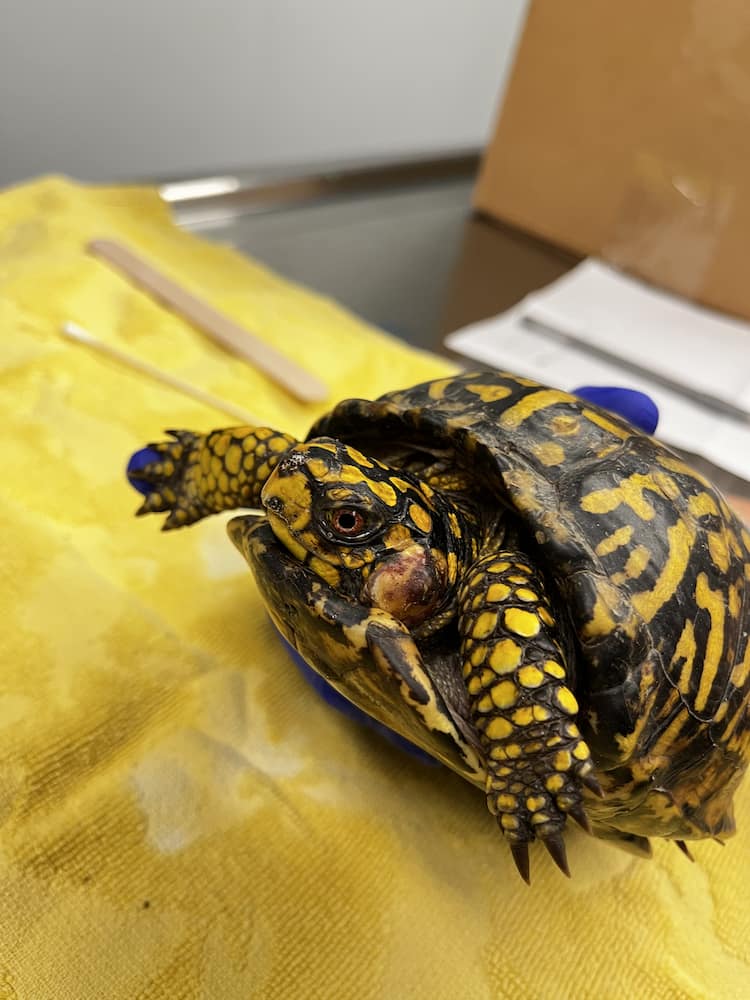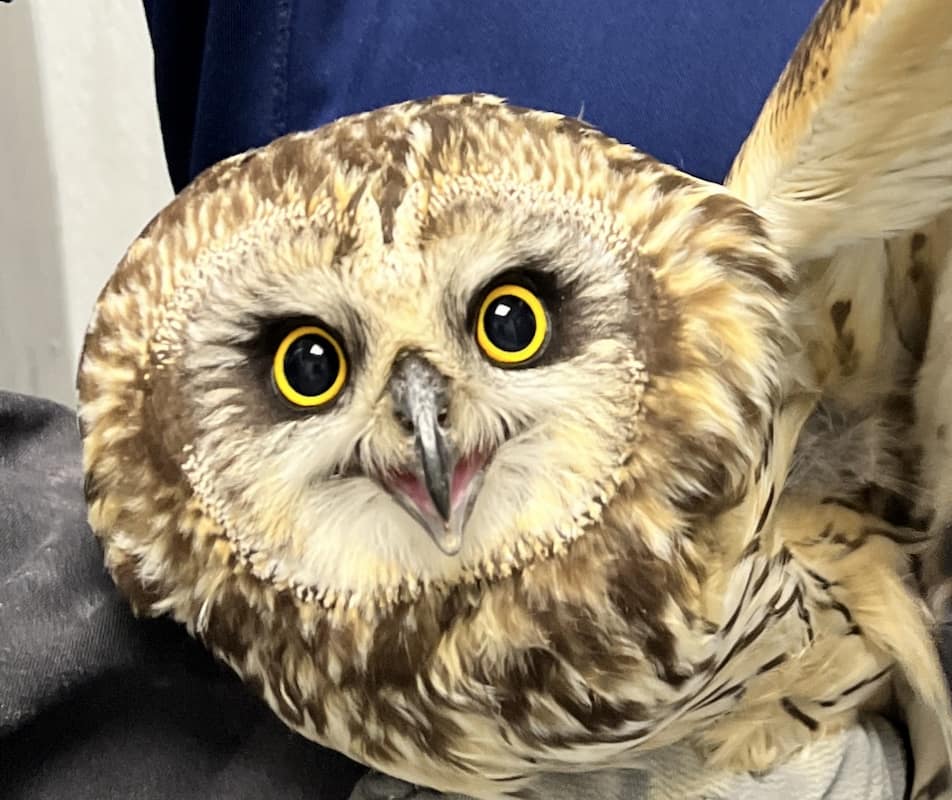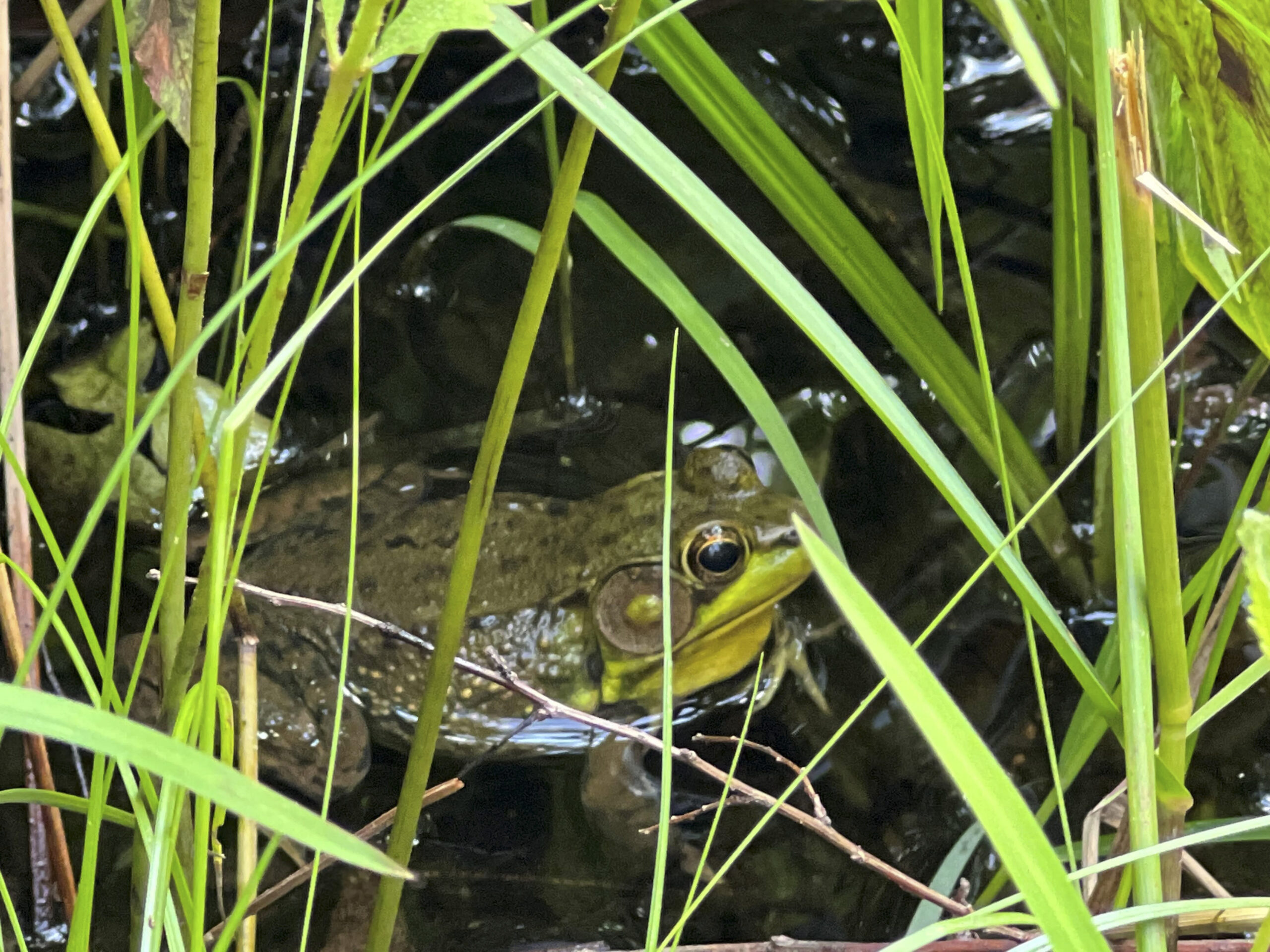
Since joining the Wildlife Medical Clinic at the University of Illinois I have learned a lot about common species found in Illinois, anatomical differences in these species, and medical efforts to help them heal. It has been an amazing opportunity to learn more about wildlife but prompted me to learn about who else is helping and protecting these animals in Illinois.
How is Illinois Helping these Vulnerable Animals?
Different organizations are responsible for keeping tabs on how our natural resources are preserved. Conservation efforts continue in Illinois. From my research I have found that the Illinois Department of Natural Resources (IDNR) and the Illinois Endangered Species Protection Board (ESPB) play a crucial role in identifying and protecting endangered and threatened species in Illinois. Specifically, the ESPB continues to revise and review the Illinois List of Endangered and Threatened Species as things change, but a confirmed list comes out every five years, so I will continue to watch for that. The IDNR is the resource to go to for advice on conserving these species. Scientists and conservationists are working to protect and recover endangered and threatened species through various projects involving habitat restoration, research, and public education.
One Species Close to My Heart
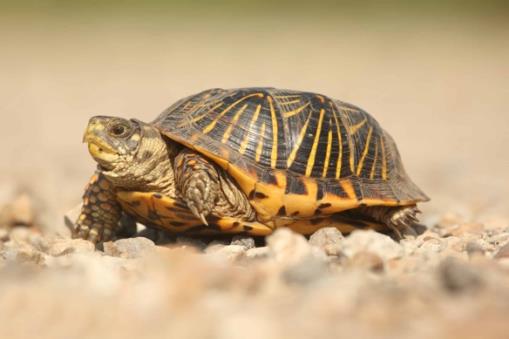
One specific member of the threatened species list in Illinois that I have seen multiple times is the ornate box turtle, Terrapene ornata. They are quite small, only averaging four to five inches. Their shell is dark brown or black with yellow lines radiating like starbursts, anatomy of a hinged lower shell allowing them to hide themselves completely inside of it, and four toes on each hind foot.
Their species name has turtle in it, but they are solely terrestrial, living on the prairies of both northern and southern Illinois. They nest in sandy soil, digging a shallow nest where they lay 2 to 8 eggs once per year, but for about 30% of the population, twice per year. They can also be seen making burrows to avoid the summer heat and the cold winter. Their diet is similar to most turtles consisting of plant material, insects, worms and carrion or dead animals. Conservationists have found the main reasons for the decline in the population are habitat loss and fragmentation, illegal collection for the pet trade, and vehicle collisions. With slow reproductive rates, it makes it difficult for their population to recover from these threats.
What Can You Do to Help Threatened and Endangered Species?
- Help to restore native habitats, you can start in your backyard by being a Habitat Helper.
- Plant Native to support local wildlife.
- Minimize chemical use and if you must use them, follow the label.
- Join Citizen Science Projects
- Report rare sightings, by using the IDNR E&T Reporting Tool
- Support your local licensed wildlife rehabilitation center, volunteer your time cleaning up a stream or nature area, or visit a state or national park (fees to enter go back to conservation).
- Donate to conservation efforts. One easy way is to purchase conservation licenses like state hunting , fishing, and federal duck stamps, or specialized outdoor plates as these help fund land conservation which protects species.
Written By: Katherine M., Class of 2028