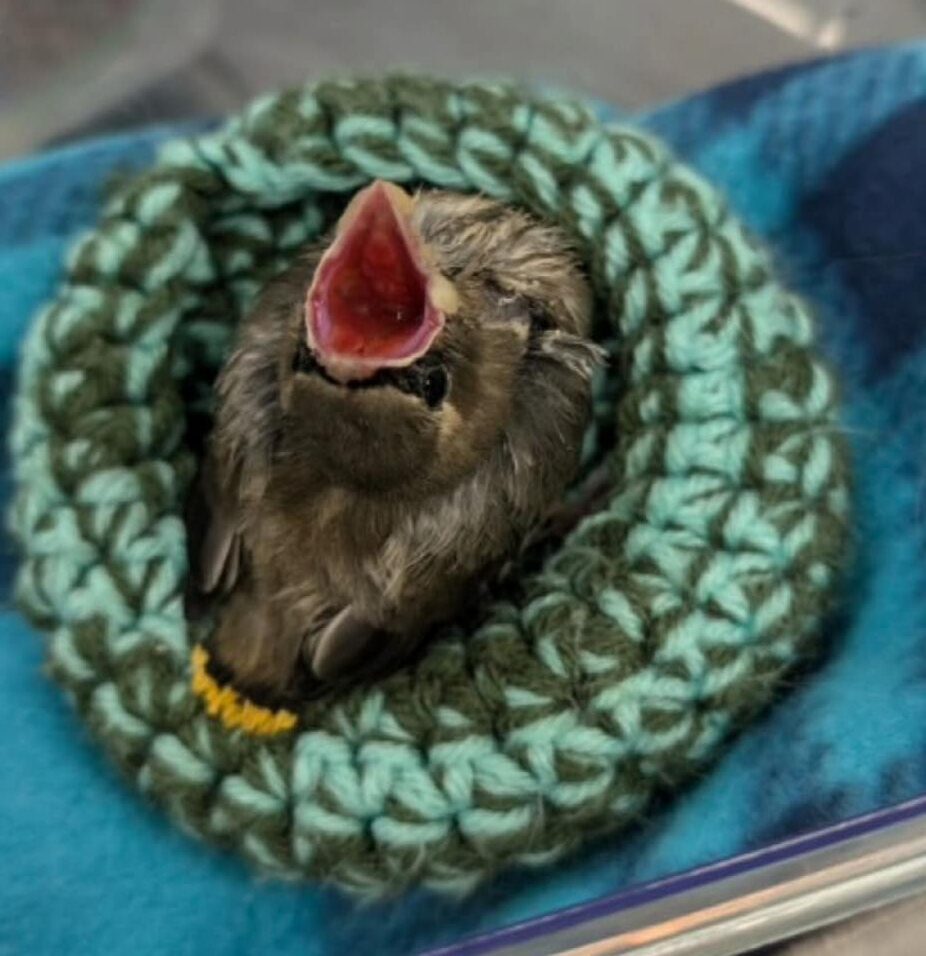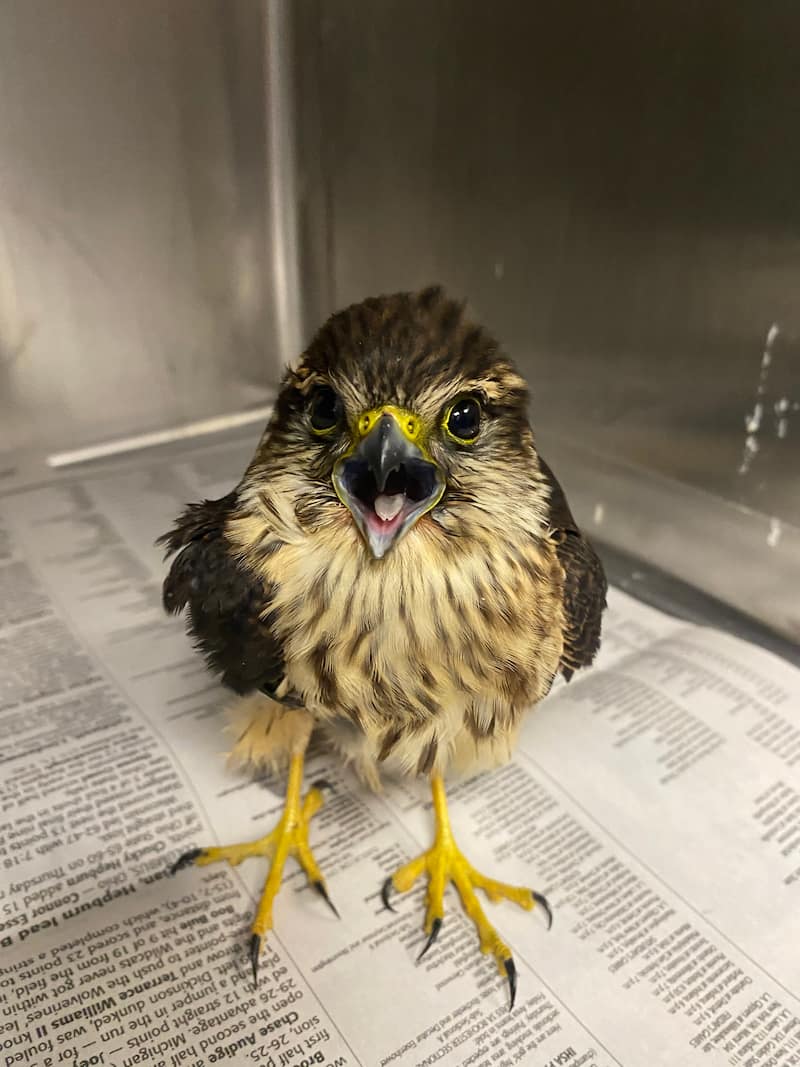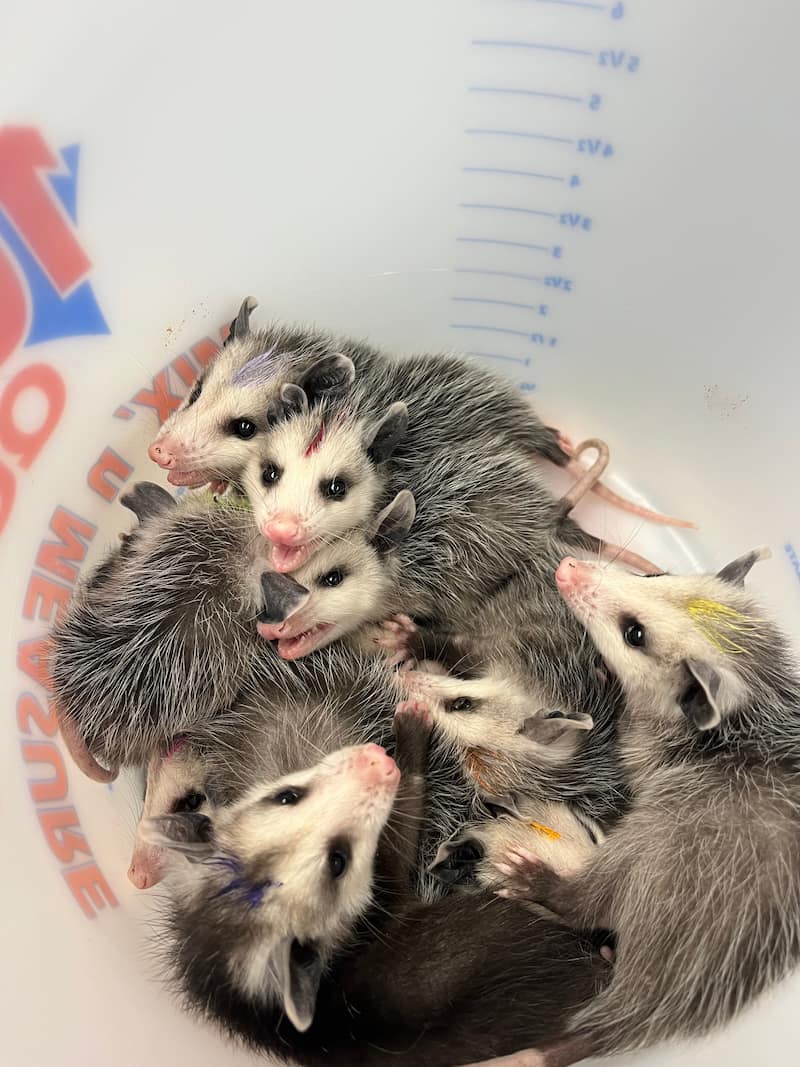
In the fall, the Wildlife Medical Clinic is booming with orphaned wildlife such as squirrels, rabbits, and opossums. On our initial triage examination, many of these orphaned patients present with mild to moderate dehydration, consistent with the assumption that they likely have gone some length of time without feeding. We are typically able to efficiently correct this with rehydration via subcutaneous fluid injections. Given this brief period of starvation, another consideration our team is always monitoring for is clinical signs of hypoglycemia, or low blood sugar. At such a young age, these patients have not yet fully developed the ability to regulate their blood glucose, therefore brief periods without food can quickly push them over the edge into hypoglycemia.
Signs of Hypoglycemia
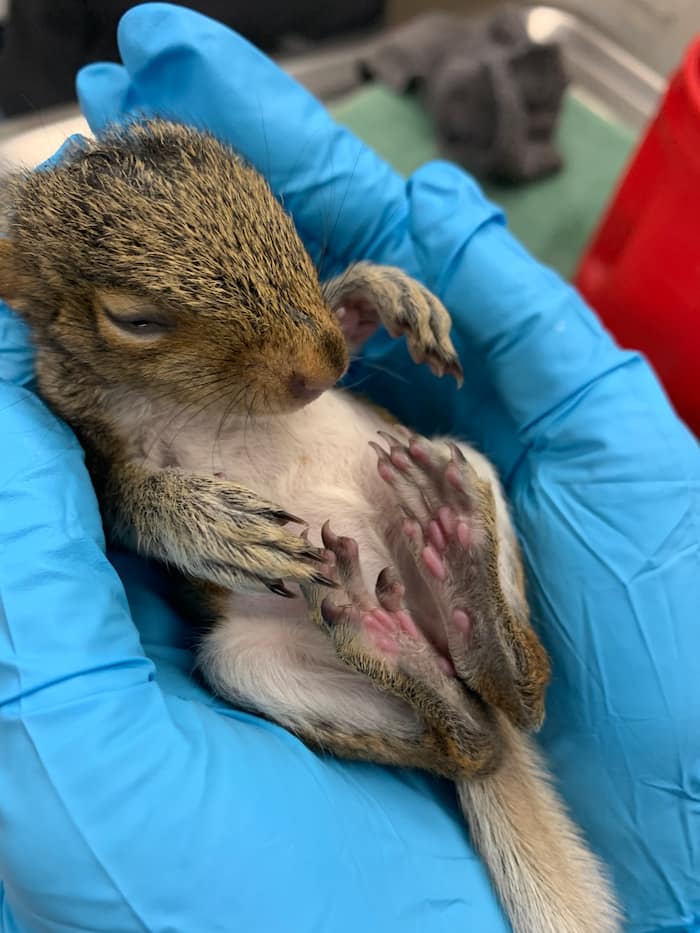
There are a few hallmark signs of hypoglycemia that we keep an eye out for when assessing young patients. With mild hypoglycemia, we can see lethargy and listlessness. If the patient is not very reactive to handling and lacks their usual alertness, this may be an indicator of hypoglycemia. Another common finding is neurologic signs. With moderate hypoglycemia patients may develop head tremors and a wobbly gait. Significant hypoglycemia can very quickly progress to seizures. In young orphan patients, this can look like full limb splaying, paddling their limbs, and full body tremors.
Diagnosing Hypoglycemia
If we see patients displaying any of the clinical signs listed above, we grab a glucometer to quickly test their blood glucose level with a small drop of blood. As with many of our wildlife species, we do not have precise reference ranges for many blood parameters, so we often must extrapolate data from similar species. In puppies, a blood glucose lower than 60 mg/dL is considered to be hypoglycemic, and clinical signs typically develop at 40 mg/dL or lower. In very serious cases of hypoglycemia, the glucometer may read TLTR- too low to read.
Treatment of Hypoglycemia
If we have patients showing clinical signs that are attributed to hypoglycemia, they typically recover very quickly once the hypoglycemia is corrected. When suspicious of a mild hypoglycemia in addition to dehydration, it is a common practice to add a small percentage of dextrose into the patient’s subcutaneous fluids. Another quick treatment option is applying a small amount of corn syrup (Karo syrup) to the patient’s gums. If hypoglycemia continues to be an ongoing problem, we will reassess their diet plan and potentially increase the frequency of their formula feedings throughout the day.
Recap
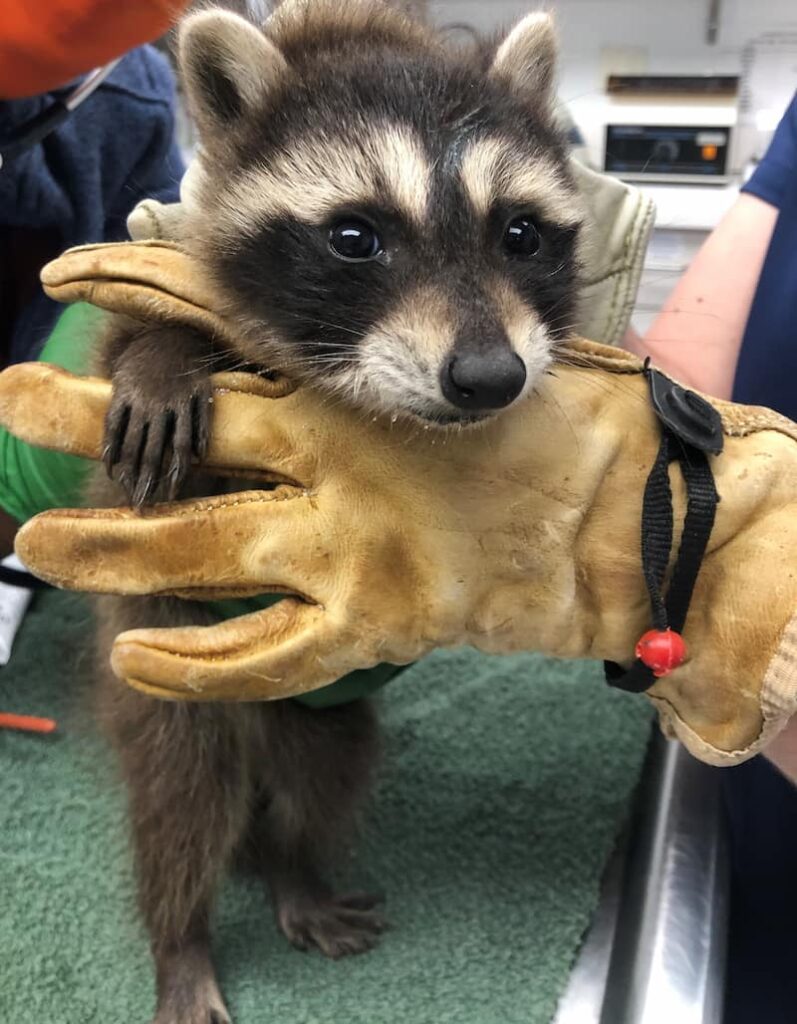
In summary, hypoglycemia is a common finding in our young orphaned patients. In most cases, hypoglycemia is relatively uncomplicated to manage with appropriate monitoring and medical interventions. With many young, small patients, there is always the potential for them to decompensate rapidly, making frequent monitoring of utmost importance. Being aware of potential risks of hypoglycemia and knowing what to monitor for is step one to setting your patient up for success.
Written by: Jayci J., Class of 2028