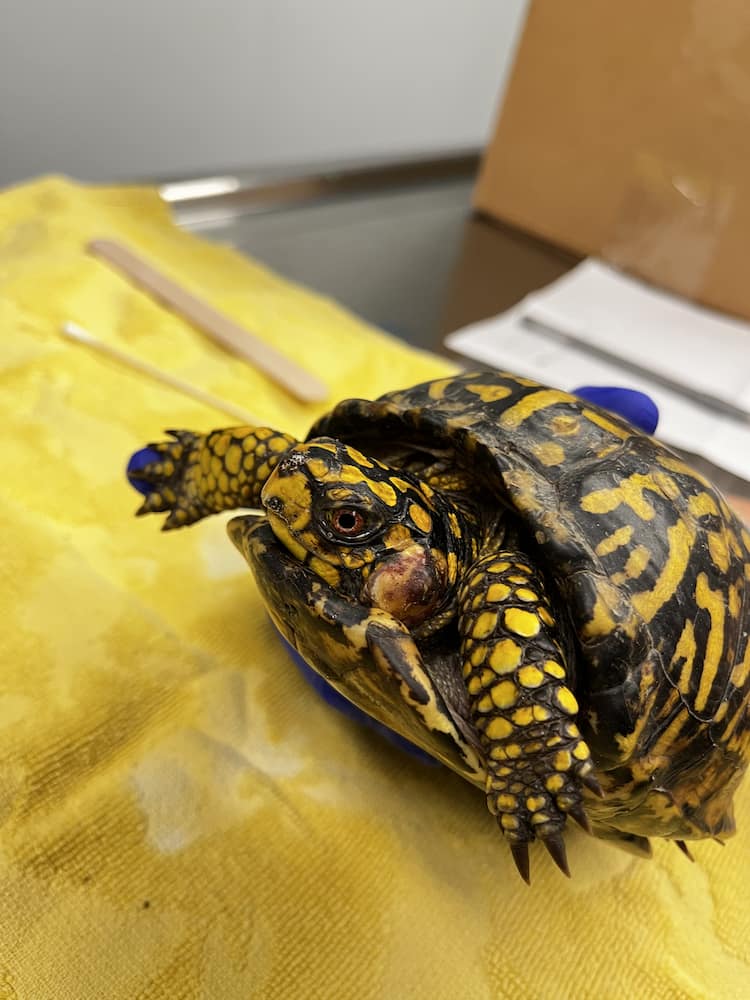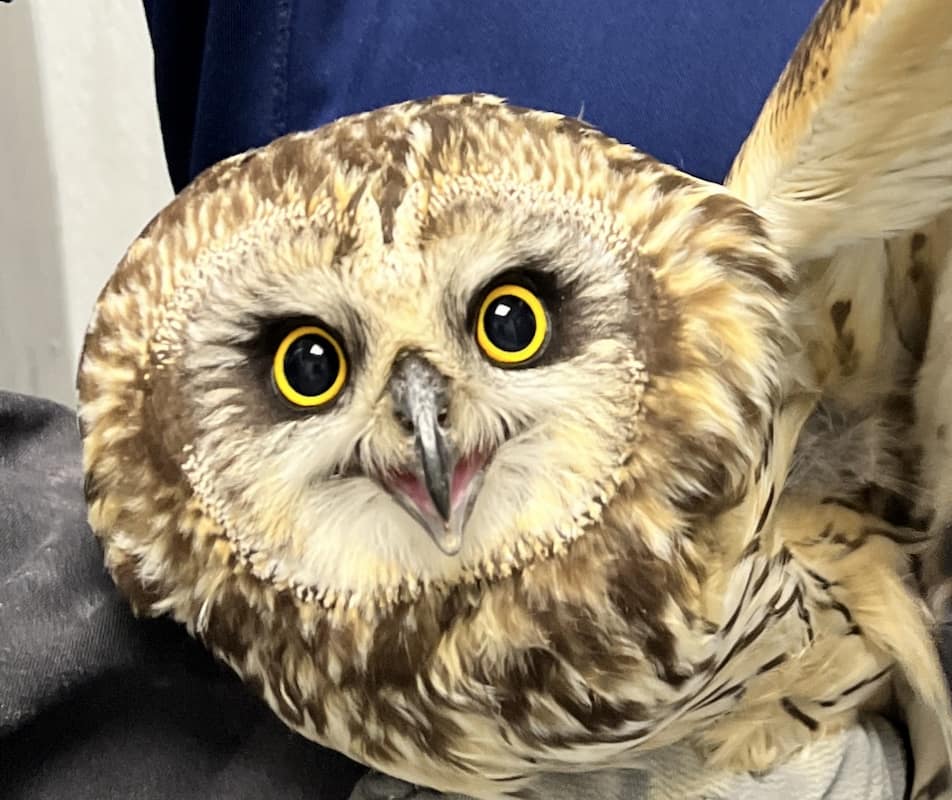
Invasive species are estimated to cost North America $26 billion dollars per year since 2010. From plants like common teasel and buckthorn to animals like the Burmese python and lionfish, the damage that has been caused to our native ecosystems is extreme. While steps have been taken to mitigate these damages and prevent further spread of those species, there is still much work to be done. One of the steps we can take to preserve our wildlife is to recognize the impact we have as individuals.
Dangers Outdoor Cats Face
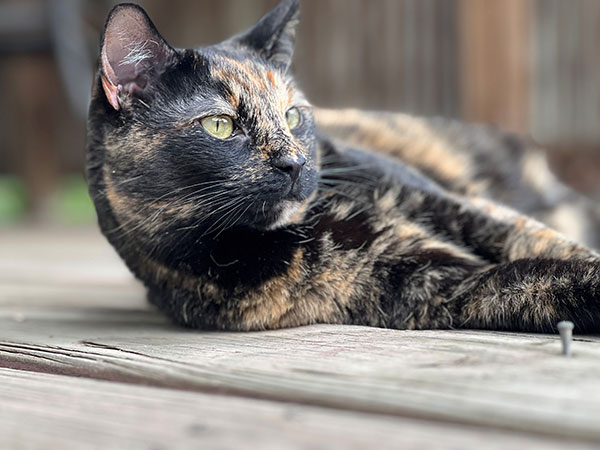
Approximately 49 million American households own cats, and a survey performed in 2021 found that 21% of Canadian and American cat owners allow them to have unsupervised outdoor access. While the outdoors provides tons of enrichment for our feline friends, there are several downsides to be aware of. Some of these downsides include injuries cats may obtain while outside, including getting infested with fleas, or something as extreme as getting hit by a car or attacked by a coyote. This can be devastating to the owner of the pet and result in hundreds if not thousands of dollars in veterinary bills, not to mention the emotional toll it takes watching a member of your household be in pain.
Dangers Outdoor Cats Pose
With that in mind, it is also important to understand the negative impacts cats themselves have on the environment. In addition to disease transmission and property damage, in the U.S., cats are estimated to kill 1.3-4 billion birds and 6.3-22.3 billion mammals each year, acting as an invasive species themselves. They are also considered a contributing factor in the extinction of 63 species globally. Here, at the Wildlife Medical Clinic, we see many patients come into us with injuries sustained from a feral or friendly cat. While this is heavy news to read, not all hope is lost as there are several actions we can take reduce these damages.
Things you can do include:
- Monitor your cat during their outdoor play time, or install a catio.
- Having conversations with your family, friends, and neighbors about any outdoor cats they have.
- Spaying and neutering your cat to prevent the population of ferals and strays from growing.
- Volunteering at an animal shelter with a Trap Neuter Return program—this also helps to lessen the feral population of cats.
- Use flea, tick, and heartworm prevention on any cat that has outdoor access.
- Keep your cat up to date on its yearly vaccinations.
One of the many things we love about cats is their playful nature. However, that playfulness is driven by their predator instincts and is what makes them such excellent hunters in the wild. With this knowledge, we can work towards a future where cats are safe from dangers the outdoors pose and wildlife is safe from the harm of our feline friends.
Sources
https://www.invasivespeciesinfo.gov/subject/economic-and-social-impacts
https://americanpetproducts.org/industry-trends-and-stats
https://www.frontiersin.org/journals/veterinary-science/articles/10.3389/fvets.2021.742245/full
https://abcbirds.org/program/cats-indoors/cats-and-birds
https://www.nature.com/articles/ncomms2380#
Written By: Sarah L., Class of 2028