From Master of Veterinary Science to PhD Research: A Path Toward Pathobiology

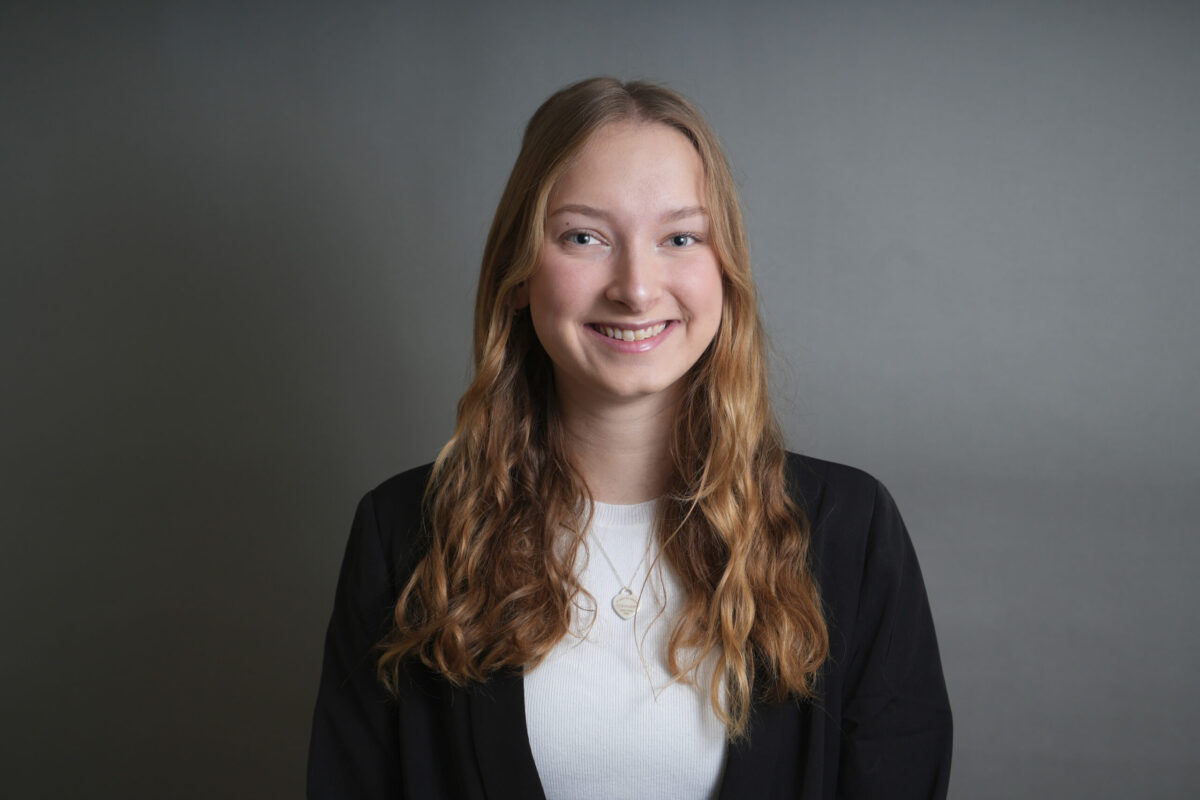
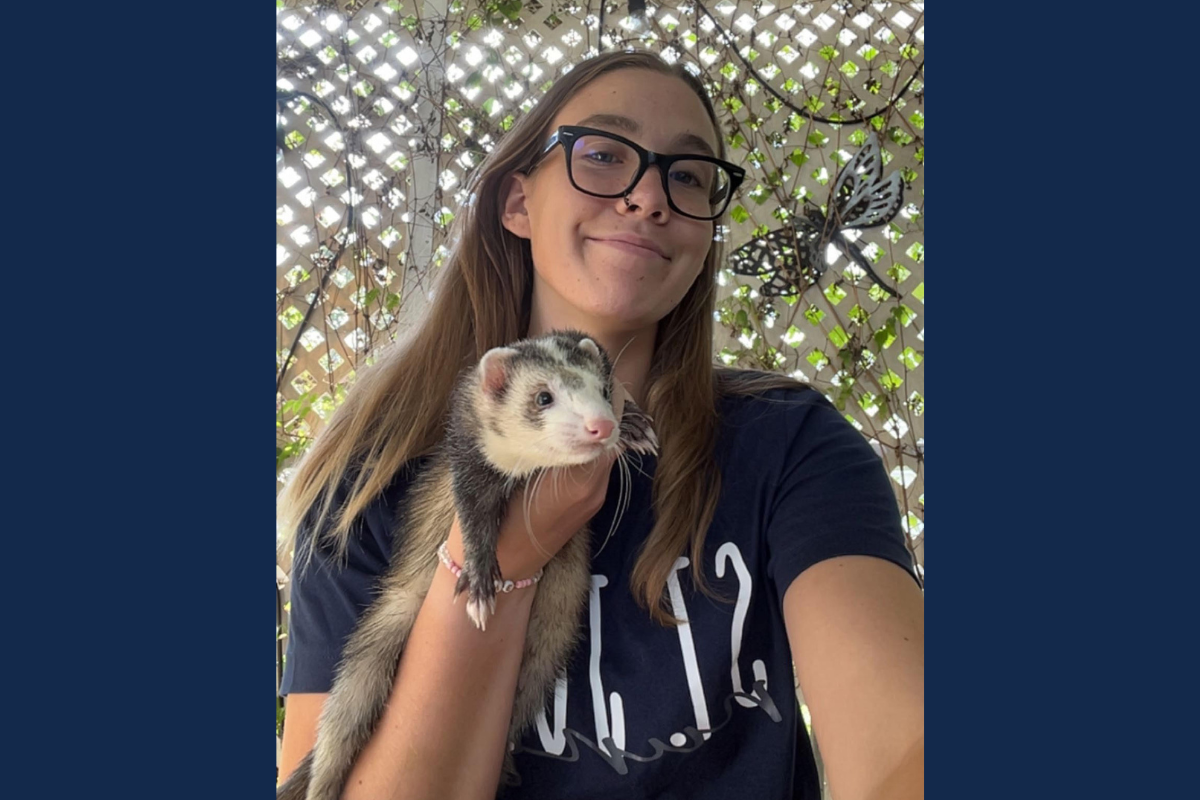
Last year, Jenna Nist served as a student ambassador for the Master of Veterinary Science (MVS) program, where she was recognized for her curiosity, drive, and openness to new opportunities. At the time, she planned to complete the MVS, followed by a year off before applying to veterinary school, and use that time to deepen her hands-on experience. But when a conversation with Dr. Jim Lowe encouraged her to think more broadly about her future, Jenna leaned into the challenge. Rather than seeing the question of “what if vet school doesn’t work out?” as a setback, she treated it as an opportunity to explore new ways to contribute to animal health.

With Dr. Lowe’s guidance, Jenna discovered the field of Pathobiology and its wide range of career opportunities. The idea of a Ph.D. was initially daunting, so different from the path she had envisioned, but Jenna chose to push past the intimidation. “At first, the idea of a PhD was intimidating. It seemed very different from vet school,” she said. “But I applied, got in, and realized this was a great opportunity I didn’t want to pass up.”

She is now a graduate student in Dr. Rowland’s lab, studying porcine reproductive and respiratory syndrome. The swine disease costs the U.S. industry an estimated $600 million annually. Her current project focuses on genetic resistance, looking at how PRRS binds to macrophages and whether changing the receptor could prevent infection.

Her previous research experience was limited. “In undergrad, I worked on a project involving mustard seeds, but my role was just counting seeds,” she explained. “Starting this program, I knew what a pipette was, but other than that, I didn’t know what to do in the lab.” Support from her peers has made the transition easier. “The PhD students in the lab are very knowledgeable and willing to teach. That has been crucial and deeply appreciated.”

The shift from the MVS program to her PhD track has highlighted the value of connections. “The coursework has some similarities, like journal clubs and open discussions, but what’s been most helpful are the relationships I built in the MVS program. Staying connected to Dr. Lowe, Dr. Aldridge, and others has made the adjustment easier.”

Graduate research has also required changes to her daily routine. Because her work involves living cells, she often schedules her day around their needs. “Every day I check on them, and if something goes wrong, it can affect my entire project,” she said. Some days in the lab are short, while others can stretch to six or seven hours when unexpected issues arise.

Balancing lab work with personal life has required Jenna to develop a new level of discipline and flexibility. Being a Ph.D. student is more than a full-time job; it’s a commitment that demands focus, persistence, and adaptability, all of which she has leaned into. Even with the long hours, she makes it a priority to keep up with the activities that recharge her, like playing pickleball in the mornings and going to the gym on weekends. While free time is harder to come by, Jenna views the balancing act as part of her growth. “At the end of the day, there’s always something else to do—whether it’s preparing for lab, finishing assignments, or just basic tasks like making lunch for the next day,” she said. “But learning how to manage it all has made me more resilient.”

Looking ahead, she is keeping her options open. While she once planned to focus on equine medicine, she is now more interested in roles in industry, such as consulting for biotech or pharmaceutical companies.

Her advice to students entering research with little experience is simple: don’t be discouraged. “It’s okay to make mistakes. No one expects you to be perfect. On days when you really don’t want to do it, just take a breather, and it’ll be okay. Tomorrow’s a new day.”

Return to News and Media
Dr. Brian Aldridge returns to campus, continuing work on MVS and CVS programs

Dr. Brian Aldridge will return to the College of Veterinary Medicine this fall with a clear focus: helping students grow into better thinkers and problem solvers. He hopes to prepare students for the challenges they’ll face in their careers by equipping them with hands-on experience. 

Dr. Aldridge, who co-created the Master of Veterinary Science (MVS) and the Certificate in Veterinary Science (CVS) programs alongside Dr. Jim Lowe, sees education as more than just learning facts. “It’s not about memorizing and regurgitating,” he said. “We want to teach students how to think critically—how to approach complex problems and figure them out.” 

Raised on a large farm in the south of England, his interest in veterinary medicine started young. He was fascinated by veterinarians and their understanding of animals. “There was something beautiful to me about the art of the sciences—of solving an animal’s problem and fixing it and helping the family along with that,” he explained. 

After completing veterinary school in the UK, he worked at LSU and CSU in the U.S., where his passion for clinical reasoning and problem-solving deepened. It was working with great thinkers and teachers in these clinical academic institutions that he first discovered his interest in education through teaching and mentoring students. 

His career and continued education have taken him around the world, where he’s worked with different types of animals and communities. This exposure has helped build a global perspective that has further inspired his teaching and understanding of the need for accredited programs like the MVS and CVS. Since joining Illinois, Dr. Aldridge has focused much of his energy on making veterinary education more accessible and applicable.  

But for Dr. Aldridge, it’s not just about program design. It’s about helping students open doors and see career opportunities that they didn’t know existed. “Sometimes students are stuck thinking, ‘I’m not smart enough’ or ‘I don’t belong here, ’” he said. “But once they learn to think like a problem-solver, they start realizing they can do it. That’s when doors start to open.”  

Working closely with Dr. Lowe, Aldridge helped launch the free online course Sustainable Livestock Production, which reached thousands of learners worldwide. The course became a steppingstone to the more in-depth MVS and CVS offerings—and a way to show what’s possible when education is made practical and relevant.  

His experience in academia and designing curriculum for other veterinary and medical programs across the world has helped refine the MVS and CVS programs to change students for the better.  

Now back on campus, Dr. Aldridge is excited to continue pushing the boundaries of what veterinary education can look like. He certainly plans to continue teaching, knowing it’s the best way to understand students and their needs.  

He encourages students to be curious, ask questions, and engage with material in a way that goes beyond the classroom. “It’s about more than just getting the right answer,” he said. “It’s about learning how to think. And once you can do that, the sky’s the limit.” 

By Sarah Reed

Return to News and Media

Building a Future in Animal Health: Kassidy’s Path Through the MVS Program at Illinois

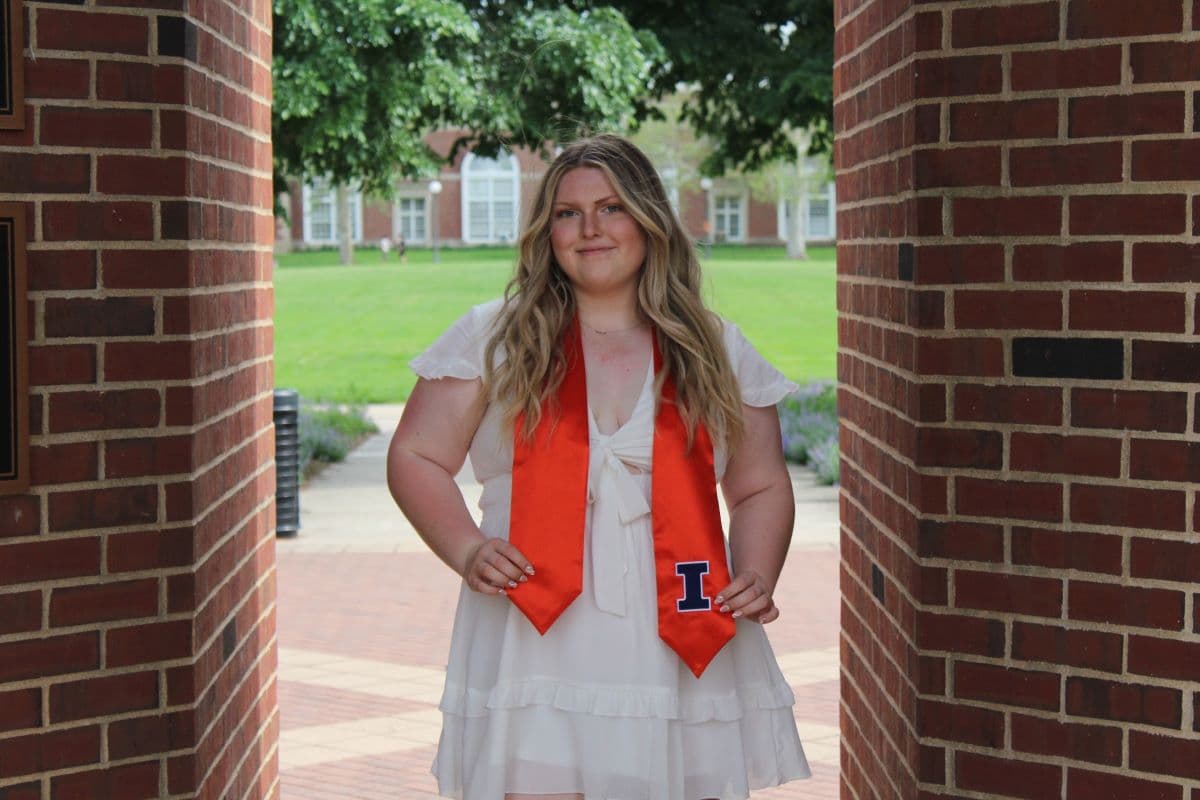
Kassidy Parkhill, a student in the Master of Veterinary Science (MVS) program at the University of Illinois, has had a unique journey into the field of animal health. Originally from Peoria, Illinois, she didn’t grow up with farm experience but found her passion for veterinary medicine early on.

“I started working in a vet clinic when I was 15, and that really grew my love for veterinary science and medicine,” Kassidy shared. After earning her undergraduate degree in animal sciences at Illinois, she searched for a way to transition her education into a career. Encouragement from her current boss at the Veterinary Medicine Research Farm led her to the MVS program, which she saw as the perfect bridge to her professional goals.

Kassidy is currently completing the in-person portion of the program, which she finds invaluable. “Honestly, the best part is just being able to meet in person, have those conversations, and get live feedback from professors, advisors, and peers,” she said. This semester, she is particularly enjoying courses focused on livestock management and biosecurity that are important for farm management.

Her involvement on campus has largely been through employment, including roles at the Small Animal Clinic and multiple university livestock farms. Outside of school, she’s built community in the Champaign-Urbana area through her church and enjoys exploring local coffee shops and nature spots.

One of the most rewarding aspects of her academic journey has been applying what she learns in the classroom to real-world situations. “Being able to work on a university farm has been the most impactful experience because I get to take what I’m learning and use it in a hands-on environment. I’m blessed to have a mentor on the farm to have those conversations with.”

Unlike many of her peers, Kassidy has never planned to apply to veterinary school. “I found out pretty early in my undergrad that I don’t want to practice medicine,” she explained. “Getting a DVM doesn’t really benefit me because I don’t want to be in a clinic treating animals—I’d rather be out on the farm.”

For her capstone project, Kassidy and her team are working on developing a master’s program for individuals looking to advance their careers in animal health. “It’s been really interesting because we’re taking our own experiences in the MVS program and looking at what other professionals and prospective students want,” she said. “It’s a challenge to balance what we’ve gained from our education with how we can create opportunities for others.”

As she nears the end of the program, Kassidy is looking forward to securing a full-time job. “Having that stability and being in a place where I can really use the skills and knowledge I’ve learned—that’s what I’m most excited about,” she said.

Her biggest motivator throughout the program has been the opportunity to learn from experts in the field. “Coming in without livestock experience and getting to learn from professionals like Dr. Lowe, who is both a businessman and a livestock expert, has been incredible.”

Kassidy’s journey highlights the diverse paths available in animal health beyond traditional veterinary school. Her hands-on experiences, mentorship, and passion for livestock management have shaped a clear direction for her future in the field.

To learn more about scholarships for the MVS degree program, visit our website or email us at ilearning@vetmed.illinois.edu for more information.

By Sarah Reed

Return to News and Media

Finding a Path to Veterinary Science: Michelle’s Story

For Michelle Weber, the road to veterinary science wasn’t always clear. Originally from Arlington Heights, Illinois, Michelle began her undergraduate studies at the University of Illinois Urbana-Champaign with a focus on molecular and cellular biology. Initially, she had her sights set on medical school, but a transformative study abroad experience to Thailand during her junior year led her to pursue veterinary medicine instead.

“We stayed onsite at this elephant sanctuary in Chiang Mai. It was so beautiful, and it really did change my life,” she says about the experience. “We got to do a lot of veterinary work with the elephants and some husbandry.”

After graduating in 2024, Michelle applied to veterinary schools but didn’t get accepted in her first cycle. Instead of giving up, she found the Master of Veterinary Science program, an opportunity that would allow her to strengthen her animal science background. “It seemed like a great way to build my knowledge and gain more hands-on experience,” she explained.

Since starting the master’s program, Michelle has been actively involved in the Wildlife Medical Clinic, where she secured an internship. “I love wildlife because they’re often overlooked, and I want to be a voice for them,” she shared. One of her most rewarding experiences so far was working with a green heron that had multiple wounds. “I was able to help design a treatment plan, assist with bandaging, and even give input on medications,” she said.

Beyond her work with wildlife, Michelle has also enjoyed the structure of the master’s program. With small class sizes and strong faculty support, she has found it much easier to build relationships with professors “They’re really accessible, whether it’s for help with coursework or reviewing veterinary school applications,” she noted.

Applying to vet school is a rigorous and competitive process, and Michelle has been working hard to build her credentials for the next application cycle. “I’ve been taking every opportunity to gain experience,” she said. “Putting yourself out there is really important.”

Despite the challenges, she remains optimistic and motivated by her long-term goal of working in wildlife medicine. While she doesn’t know exactly where she’ll land, she hopes to one day live somewhere with plenty of nature—perhaps in the Pacific Northwest.

For those considering a similar path, Michelle’s biggest piece of advice is to be flexible. “Your path doesn’t have to look like anyone else’s. It’s okay to take a nontraditional route,” she said. “I used to want everything planned out, but I’ve learned to go with the flow and take things day by day. It will work out.”

With her dedication to wildlife and hands-on experience in veterinary medicine, Michelle is well on her way to making her dream a reality.

To learn more about scholarships for the MVS degree program, visit our website or email us at ilearning@vetmed.illinois.edu for more information.

By Sarah Reed

Return to News and Media

In the Press: Cleaning market haul trailers crucial for controlling PEDV spread, but washing demands can vary

National Hog Farmer January 23, 2025– A study led by Dr. Jim Lowe and Dr. Ben Blair from the University of Illinois College of Veterinary Medicine, funded by the Swine Health Information Center Wean-to-Harvest Biosecurity Research Program, has provided valuable insights on controlling the spread of porcine epidemic diarrhea virus (PEDV) through market haul trailers.

The study highlights how different trailer washing protocols, depending on PEDV prevalence and system connectivity, can effectively balance swine health and biosecurity while managing operational costs.

Return to News and Media

Determination and Opportunity: The Path to Veterinary Success for MVS Scholarship Recipient

Erin Devens, a committed student in the Master of Veterinary Science program, has nurtured a lifelong passion for animals and science. From an early, age, she aspired to pursue a career in veterinary medicine. “I’ve probably been telling people I’ve wanted to be a vet since I was in elementary school,” she shared.

Upon graduating from the University of Illinois Urbana-Champaign, she applied to veterinary school. While she did not gain admission in her first round of applying, she explored her options and found that the Master of Veterinary Science program was an ideal fit, especially because of its in-person option. “I just learn better in person,” she explained. The program’s emphasis on experiential learning further solidified her decision.

The program has not only enriched her knowledge but also helped strengthen her veterinary school applications. Through collaborative problem-solving exercises with her peers, Erin gains hands-on experience working through real animal cases. Reflecting on one of her favorite courses, she noted, “One of the classes I’m taking involves case-based learning. I’ve never done that before, but it really works well with how my brain processes information.”

Erin is a recipient of the College of Veterinary Medicine scholarship, where she uses the funds to offset the costs of her education in preparation for veterinary school. “I’m a pretty self-sufficient person, paying my own rent, bills, and supporting a dog,” she said. The scholarship also provided the financial relief she needed to focus on her studies while working two jobs—as a veterinary assistant at an animal hospital and as a server.

When asked about applying for scholarships, Erin offers straightforward yet encouraging advice: “Just apply. So many people hesitate because they don’t want to write essays or think they won’t get it, but you never know. I didn’t think I’d get anything, but then they told me I did.”

Erin Devens

Looking ahead, Erin plans to dedicate the upcoming year to strengthening her veterinary school applications. She aims to complete additional coursework and gain more clinical hours to make herself a more competitive candidate. “I want to make sure I’m as prepared as possible when I apply again,” she stated.

Erin’s commitment to veterinary medicine is matched by her self-sufficiency and determination. Balancing her education, two jobs, and financial responsibilities, she has leveraged the Master of Veterinary Science program to gain valuable experience and strengthen her veterinary school applications, positioning herself for success in her career.

To learn more about scholarships for the MVS degree program, visit our website or email us at ilearning@vetmed.illinois.edu for more information.

By Sarah Reed

Return to News and Media

In the Press: Get to Known Kim Knap, MVS Student

College of Veterinary Medicine December 20, 2024– Kim Knap is a certified veterinary technician at the University of Illinois Veterinary Teaching Hospital, specializing in rehabilitation and physical therapy for animals. With extensive experience, she works with a wide range of species and conditions. Kim enjoys the collaborative environment at the hospital, where she works alongside veterinarians and students to provide the best care for animals.

Kim is a lifelong learner and a current student in the Master of Veterinary Science Degree program. Dr. Jim Lowe expressed his esteem for Kim’s performance, noting that “Kim continues to excel in the MVS program, showcasing not only her strong academic capabilities but also her remarkable leadership skills during the capstone course.”

Read More: Get to Know Kim Knap

Return to News and Media

MVS Launches In-Person Professional Development Course to Empower Students’ Career Growth

With the expansion of the in-person cohort, the MVS program is offering an on-campus professional development course for the first time. This 8-week course, part of the VCM 592 Special Problems course, is designed to help students enhance their professional skills and prepare for their future careers.

The course focuses on a range of practical topics, including networking strategies, resume and cover letter writing, and personal branding. Students created LinkedIn profiles with guidance from a Career Center expert, who shared tips on how to present themselves professionally and maximize the platform’s potential as a career tool.

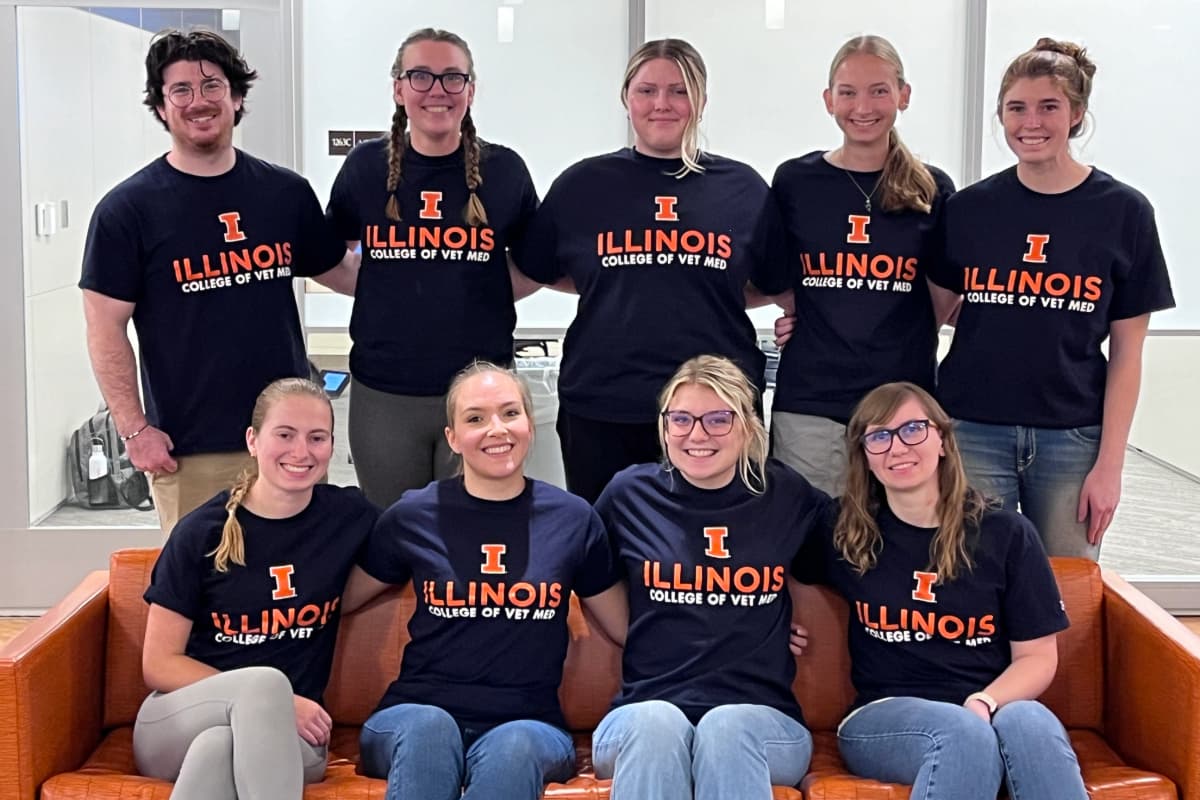
Another key component of the course was learning about CliftonStrengths, a strengths-based assessment that identifies each student’s top five strengths and provides insights into how these can be applied in the workplace. “It was fascinating to learn how unique my strengths are and how to leverage them in a professional setting,” said Whitney Kunz, a student ambassador for the MVS program.

A standout feature of the course is its collaboration with various campus resources, such as the Career Center and the Illinois Leadership Center. These partnerships ensure students receive comprehensive support to develop their professional toolkit.

For those considering veterinary school, like Elisabeth Sullivan, the course also provides a unique glimpse into resources used by current vet students, including hands-on experiences in the clinical skills lab. Elisabeth said, “VCM 592 is an excellent course that provides a valuable, broader perspective on the diverse opportunities within veterinary medicine. One of the highlights for me was the hands-on experience in the Clinical Skills Building, where we had the chance to practice blood draws. It was an incredibly rewarding and practical session that allowed us to refine our skills in a real-world setting.”

“I’ve truly enjoyed the opportunity to get to know our students more while also encouraging them to think strategically about their professional development and career paths,” said Clarissa Leman, Associate Director of the iLearning Center for Online Programs and Extension.

“By collaborating with various campus departments and providing hands-on experiences, we’re offering students valuable ways to engage with the campus community and support their personal and professional growth,” she added. “These interactions not only help students develop essential career skills but also foster a sense of connection and belonging within the larger university environment, setting them up for success in their future endeavors.”

This course has been instrumental in equipping students with the skills and confidence they need to excel in their professional journeys, while also building a strong foundation for their future careers.

By Sarah Reed

Return to News and Media

In the Press: Dentistry course increases access for veterinary dentistry education

College of Veterinary Medicine November 27, 2024– The University of Illinois College of Veterinary Medicine continues to offer an online veterinary dentistry program, developed by Dr. Sandy Manfra, to address the need for dental education in veterinary schools. Dr. Manfra, who joined the college in 1990, was instrumental in expanding veterinary dentistry as a recognized specialty. In 2000, recognizing the challenges of teaching surgery and dentistry at the same time, she created an online course, Clinical Small Animal Dentistry, which offers 24 hours of continuing education on modern dental techniques for dogs and cats.

“Long before most veterinary colleges had dentistry programs, Dr. Manfra was educating Illinois students and creating an online veterinary dentistry curriculum that continues to be used today.”

Initially available only to Illinois students, the course quickly gained recognition for its value and was expanded to veterinary colleges worldwide. This online program has educated thousands of veterinary students globally, with participation from over 35 schools. During the COVID-19 pandemic, the course was offered for free, leading to nearly 3,000 enrollments.

In 2020, accreditation standards for veterinary schools began requiring dental education, making Dr. Manfra’s course essential for schools lacking resources to offer dedicated dental training. The course helps meet these new standards by offering two credit hours of didactic education in dentistry, with hands-on experience required separately.

 “Even as more colleges have hired dentistry specialists, the course continues to meet a need, with hundreds of students outside Illinois enrolling each year.”

Dr. Manfra retired in 2013 but takes great pride in her contribution to veterinary dentistry education.

Article: https://vetmed.illinois.edu/2024/11/27/online-veterinary-dentistry-program/

For more information on courses for veterinary students, visit our website.

Return to News and Media

In the Press: Instructor Spoke With Student Doctor Network About the MVS Degree Program

Student-Doctor Network November 7, 2024– Dr. María Juárez Byrd spoke with Student Doctor Network about the University of Illinois Vet Med Master of Veterinary Science Program. She is an exotic and small animal veterinarian and an Instructor for the University of Illinois Urbana Champaign Certificate of Veterinary Science (CVS) and Master of Veterinary Science (MVS) programs. She discusses how the MVS may be part of a student’s journey to veterinary school or other career paths.

“Our programs help transition students to the intensity of veterinary school courses with an active focus on reducing the stress of evaluations, encouraging students to enjoy the learning process while they develop the critical thinking skills required to excel in graduate or professional school. Students are tasked with learning anatomy, physiology, and pathophysiology by working through cases of real patients and clients. Beyond mastering foundational knowledge of anatomy and physiology, the students practice communication skills, spectrum of care, and clinical reasoning required of veterinary professionals.”

Dr. María Juárez Byrd

https://www.studentdoctor.net/2024/11/07/ask-the-professional-university-of-illinois-vet-med-master-of-veterinary-science-program

Return to News and Media
Graduate Programs
2938 Veterinary Medicine Basic Science Building
2001 S. Lincoln Avenue
Urbana, IL 61802
217-300-7439