Wildlife Medical Clinic at Illinois
Wildlife Medical Clinic
Phone:
Call in Advance if you can
During Business Hours
Monday–Friday 7:30am–8pm
Where:
Wildlife Medical Clinic
(John A. Coyne South Clinic)
2100 S. Goodwin Ave
Urbana IL 61801
Small Animal Clinic
Phone:
Call in Advance if you can
Weekends/Holidays
Saturday–Sunday 7:30am–8pm
Where:
Small Animal Clinic
1008 West Hazelwood Drive
Urbana IL 61801
Important: Please do not bring wildlife to the Veterinary Teaching Hospital after hours.
When and Where to Bring Ill or Injured Wildlife
Regular Hours
Did We Miss You?
If we are unavailable, please leave a message and we will return your call as soon as possible. Please be patient, as we often have a high volume of calls and limited volunteer and staff availability.
Tips
Injured or Orphaned?
If you have an injured or orphaned animal in your possession, please keep it in a dark, quiet, secure box or crate and do not offer any food or water.
Before You Enter
If you are bringing a raccoon, coyote, bobcat, otter, or fawn to the Wildlife Medical Clinic, we ask that you please leave the animal in your vehicle until you have spoken to a staff member so our team can transport the animal safely into the clinic.
Visit Resources
Learn how to help certain species of animals.
ResourcesA Year in Review For the Wildlife Clinic
How You Can Support Wildlife
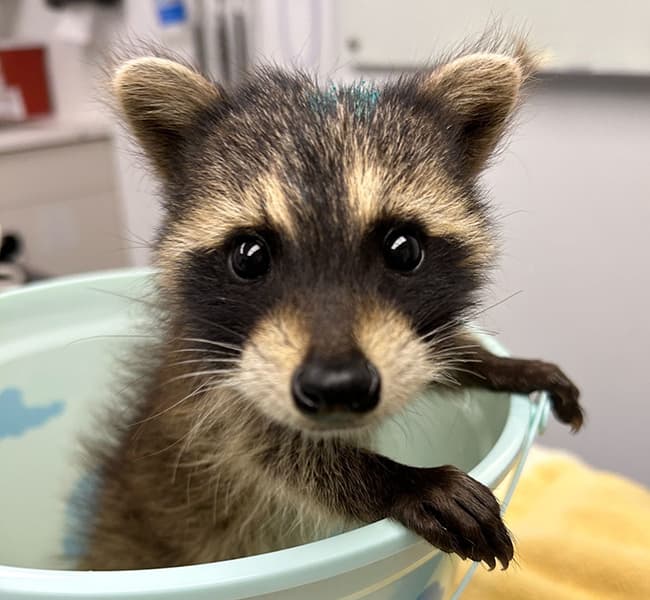
What We Do
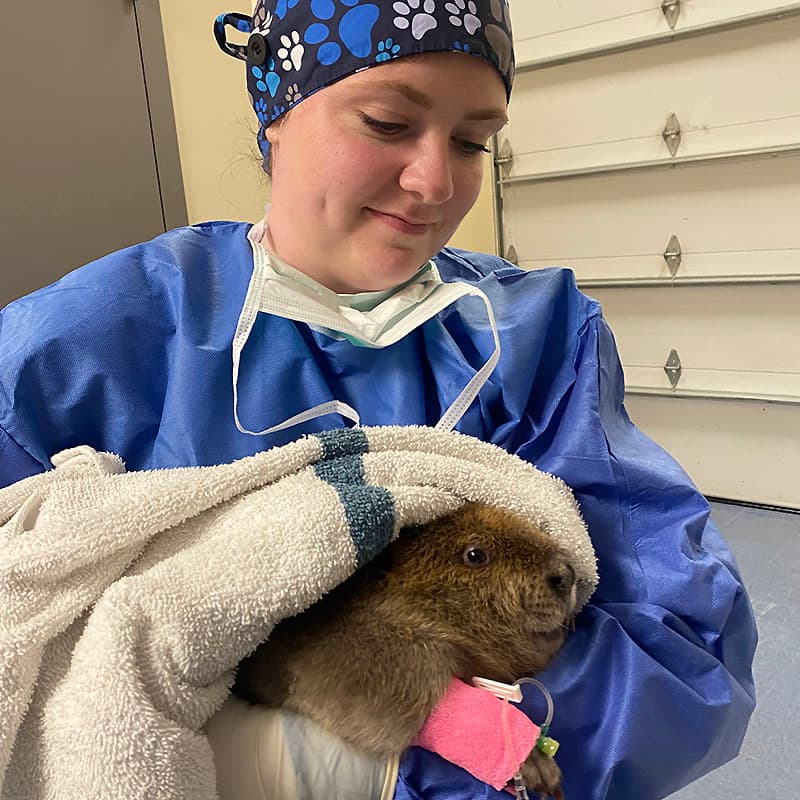
The University of Illinois Wildlife Medical Clinic is a student‑volunteer-run clinic treating >2,000 wildlife patients annually, with a primary goal of release back to the wild. Permanently non-releasable patients may become educational ambassadors at partner institutions.
As a non-profit organization, we depend on fundraising, donations, and grants. The College of Veterinary Medicine provides the clinic space, utilities, and faculty veterinarians, but all other costs are the responsibility of the Wildlife Medical Clinic.
Volunteers provide the majority of the animal care, and most of the volunteers are veterinary students in their first three years of the curriculum.
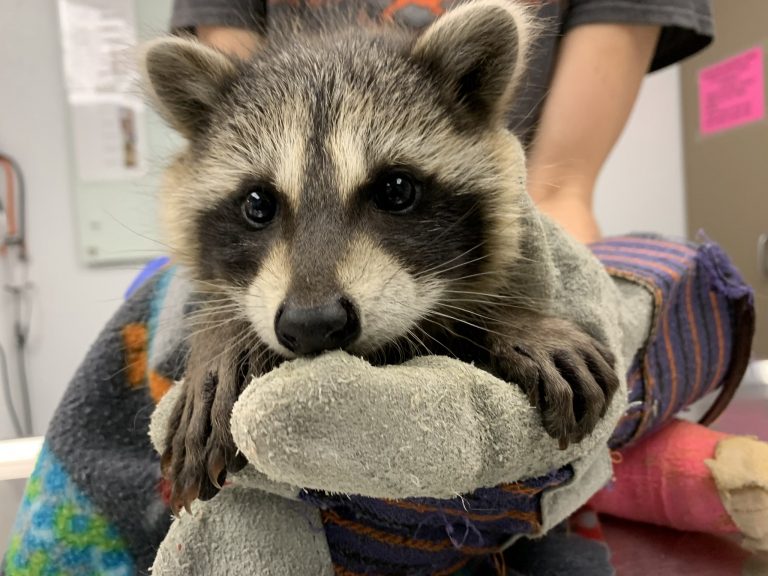
Mission and Impact
Provide care and treatment to sick, injured, and orphaned native Illinois wildlife, offer hands-on training to students, and educate our community about coexisting with wildlife.