



Additional informational articles regarding HPAI: Detection of HIghly Pathogenic Avian Influenza in Dairy Herds: FAQs Testing Recommendations for ...
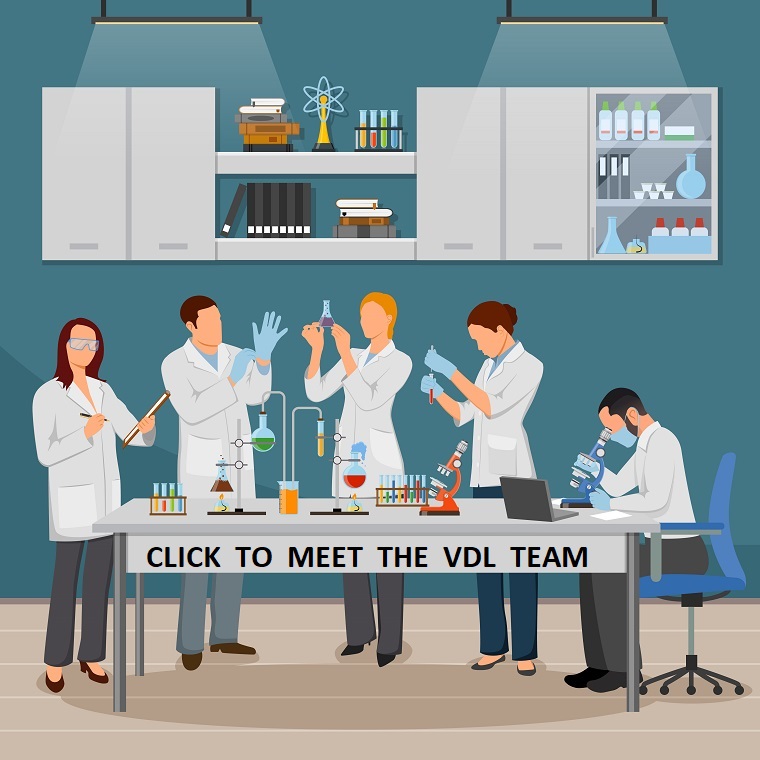
Click here to meet the VDL Team
The Veterinary Diagnostic Laboratory provides diagnostic medical testing for infectious agents, toxins, and other causes of disease in animal diagnostic samples submitted by veterinary practitioners serving animal owners, public officials associated with public health, law or wildlife management, and scientists with collaborative research projects.
The laboratory also provides collaborative research support on the Urbana and Chicago campuses of the University of Illinois and has a significant role in the training of veterinary and graduate students. It is home to the Zoological Pathology Program, located in the Chicago area, which provides service, training, and research for zoo and wildlife organizations and agencies.
The Veterinary Diagnostic Laboratory faculty and staff are composed of discipline specialists, including: pathologists, clinical pathologists, histotechnologists, microbiologists, virologists, immunologists, parasitologists, and serologists. Many also have one or more particular species and/or organ specialties to offer a well rounded approach to diagnostic medicine with considerable depth. Frequent in-laboratory consulting on cases occurs in providing the best possible diagnostic service.
The laboratory is fully accredited by the American Association of Veterinary Laboratory Diagnosticians. Each and every employee contributes to this status by following established guidelines and performing their duties to the highest standard daily. The laboratory is also a member of The National Animal Health Laboratory Network.
We also have a satellite clinical pathology laboratory available to all veterinarians in Bannockburn, IL, located within Veterinary Specialty Center. It delivers the same excellent service and expertise delivered as the Urbana laboratory’s clinical pathology unit.
See the college directory for a list of Veterinary Diagnostic Laboratory faculty and staff members and their contact information.
Client Services open Monday through Friday, 8 am to 5 pm.
Diagnostic submission receiving is open Monday through Friday, 8 am to 5 pm, and Saturday 9 am to 12 noon.
A submission dropoff box accepts samples 24-hours a day.
We are closed on the following holidays:
Emergency on-call pathology service is available except on New Year’s Day, Thanksgiving Day, and Christmas Day.
Additional informational articles regarding HPAI: Detection of HIghly Pathogenic Avian Influenza in Dairy Herds: FAQs Testing Recommendations for ...
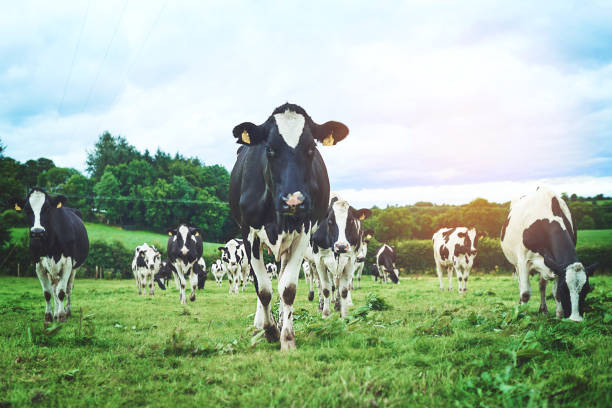
A highly pathogenic avian influenza (HPAI) has been identified in dairy cattle on farms in Texas and Kansas and we want to make sure that you are aware of the most recent ...
Click to view the March 2024 Spring VDL Newsletter ...